Here's my verdict up front: if you want to serve the landlocked markets of Zambia, Botswana, Zimbabwe, and the DRC, the Walvis Bay corridor in Namibia is an option you can't afford to ignore. But where to put the warehouse — Walvis Bay or Windhoek — depends entirely on where your freight is actually going. Get this wrong, and whatever you save on port-side rent, the inland leg will take back double.
I've seen too many people treat Walvis Bay as "the Rotterdam of Africa." A friend in auto parts stacked a full shipment in a bonded warehouse at Walvis Bay back in 2022, figuring port-side storage close to the vessel plus fast clearance had to be the smart play. Here's what happened: his biggest customer was in Lusaka. From Walvis Bay, the freight had to travel north up the Trans-Caprivi corridor — over a thousand kilometers by road — and the inland transport cost and transit time ate every dollar he'd saved on the ocean leg. Then peak season hit, the border crossing queued up, one shipment sat an extra two weeks on the road, and the customer nearly switched suppliers.
The truth is, Walvis Bay's value isn't the port itself. It's the two corridors behind it. The people who understand the corridors are the ones who can do the distribution math right.
Two Sides of the Same Coin: Walvis Bay vs. Windhoek
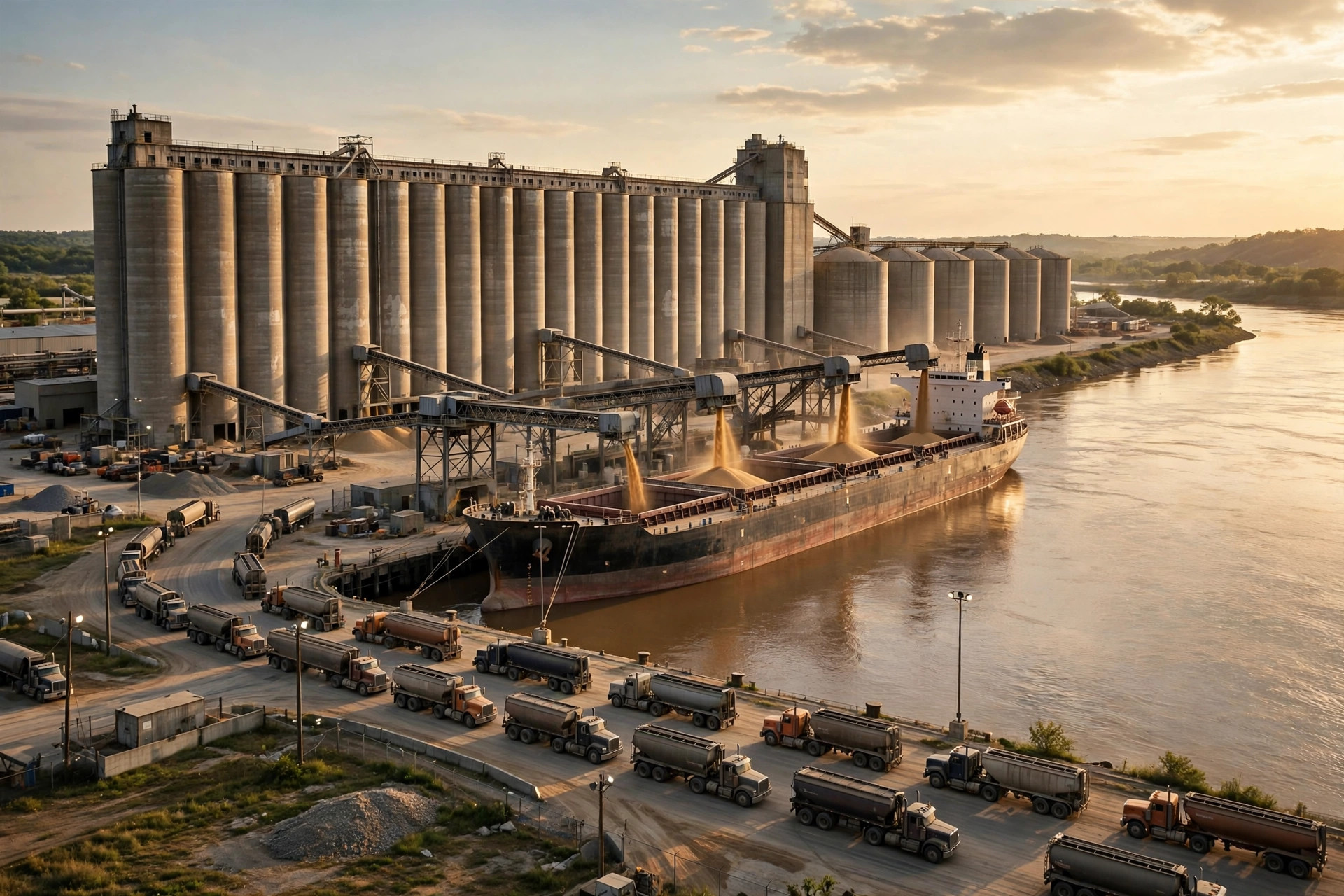
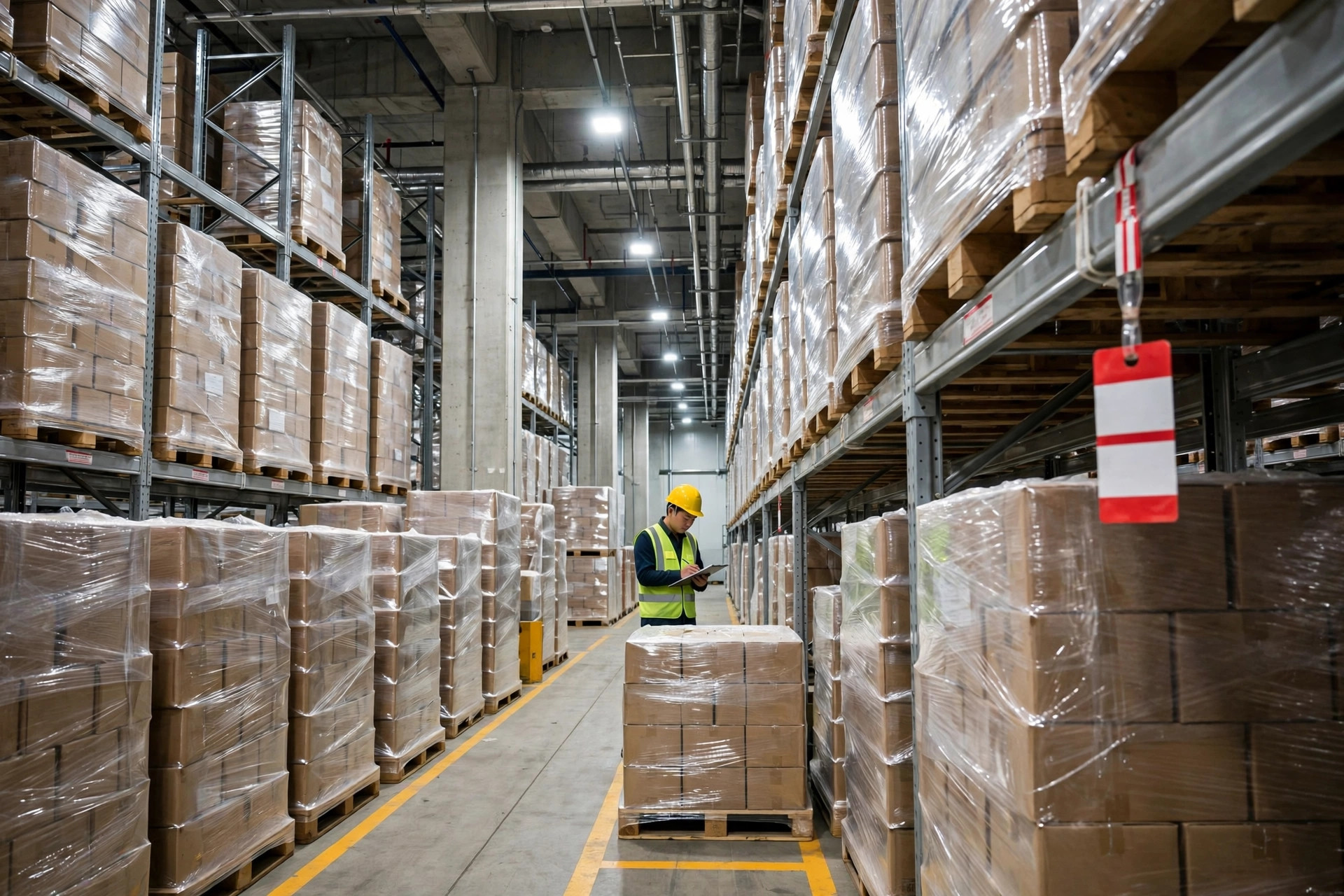
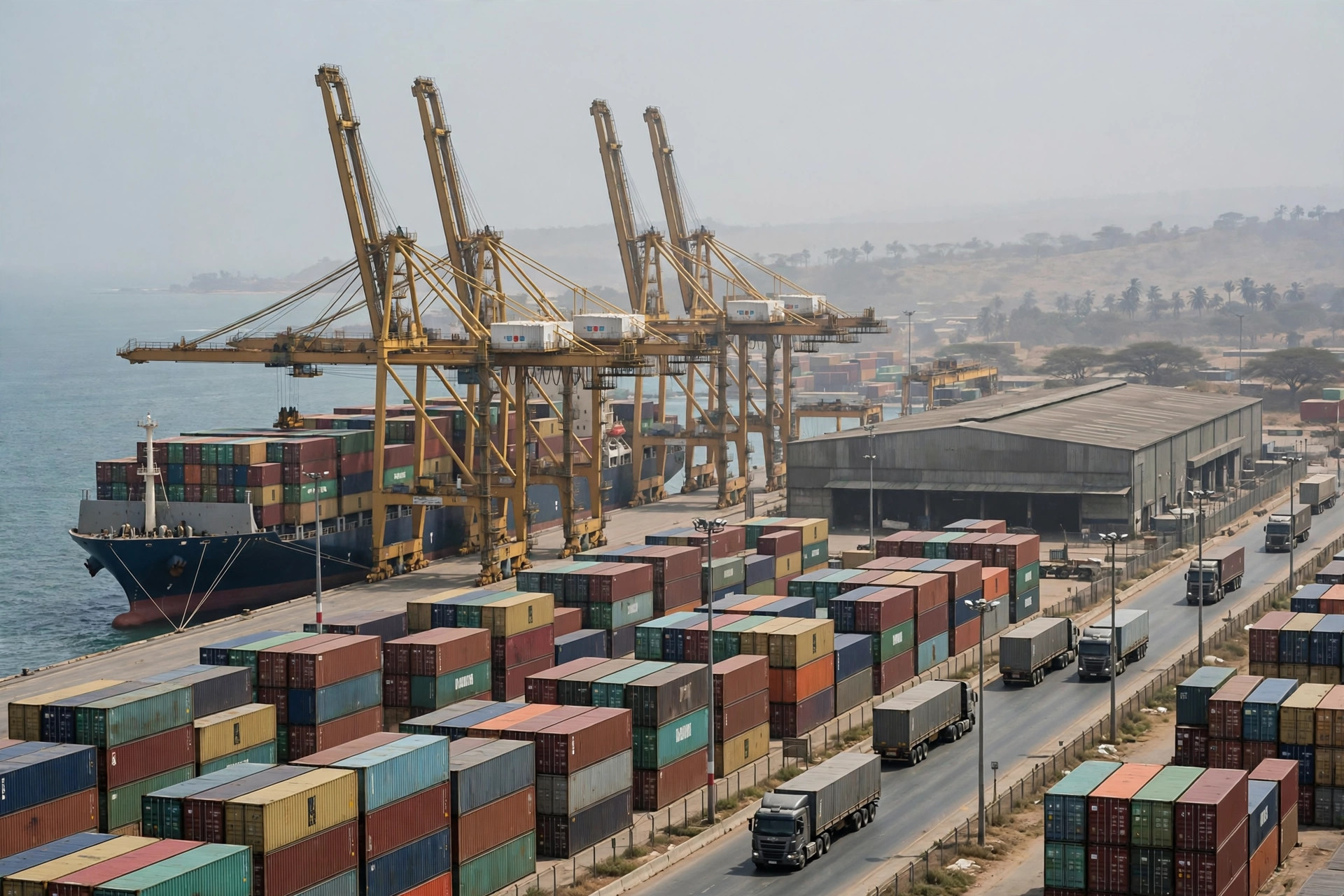
Walvis Bay's side: port, bonded storage, and rail, all in one place. Public reporting puts the Walvis Bay–Karibib rail corridor's capacity at around 25,000 tons per month — that's the publicly reported figure; check the latest official numbers before you plan around it. A port-side warehouse makes sense for freight that needs splitting right off the vessel, for transshipment, or for customers inside Namibia itself. Close to the ship, fast clearance — that's the whole advantage, and pretty much all of it.
Windhoek's side: the inland capital, sitting right at the fork in the road. East runs the Trans-Kalahari corridor into Botswana and on toward South Africa and Zimbabwe; north runs the Trans-Caprivi corridor into Zambia and the DRC. A warehouse in Windhoek means no destination is far — the natural central distribution point when your customers are scattered across several landlocked countries.
The catch? You pay on both sides, just differently. At Walvis Bay the port infrastructure is mature, but every shipment still needs an inland leg. At Windhoek the distribution is flexible, but the freight has to travel up from the port first — one extra leg. There's no free lunch, only different ways of paying.
A friend exporting building materials almost signed a big warehouse at Walvis Bay last year. I talked him out of it. His core customers were toward Gaborone — freight landing at Walvis Bay, trucking to Windhoek for transfer, then into Botswana — meaning he'd be paying port-side storage for no reason. He ended up with a small forward warehouse in Windhoek for the Gaborone lane, and only expanded after six smooth months. Same freight, different warehouse location, completely different math.
Two Corridors, Two Different Businesses
The Trans-Kalahari corridor runs east: Botswana, Zimbabwe, South Africa. It's the mature lane — decent roads, smoother border posts — suited to time-sensitive freight. On this corridor you compete on responsiveness and reliable trucking capacity.
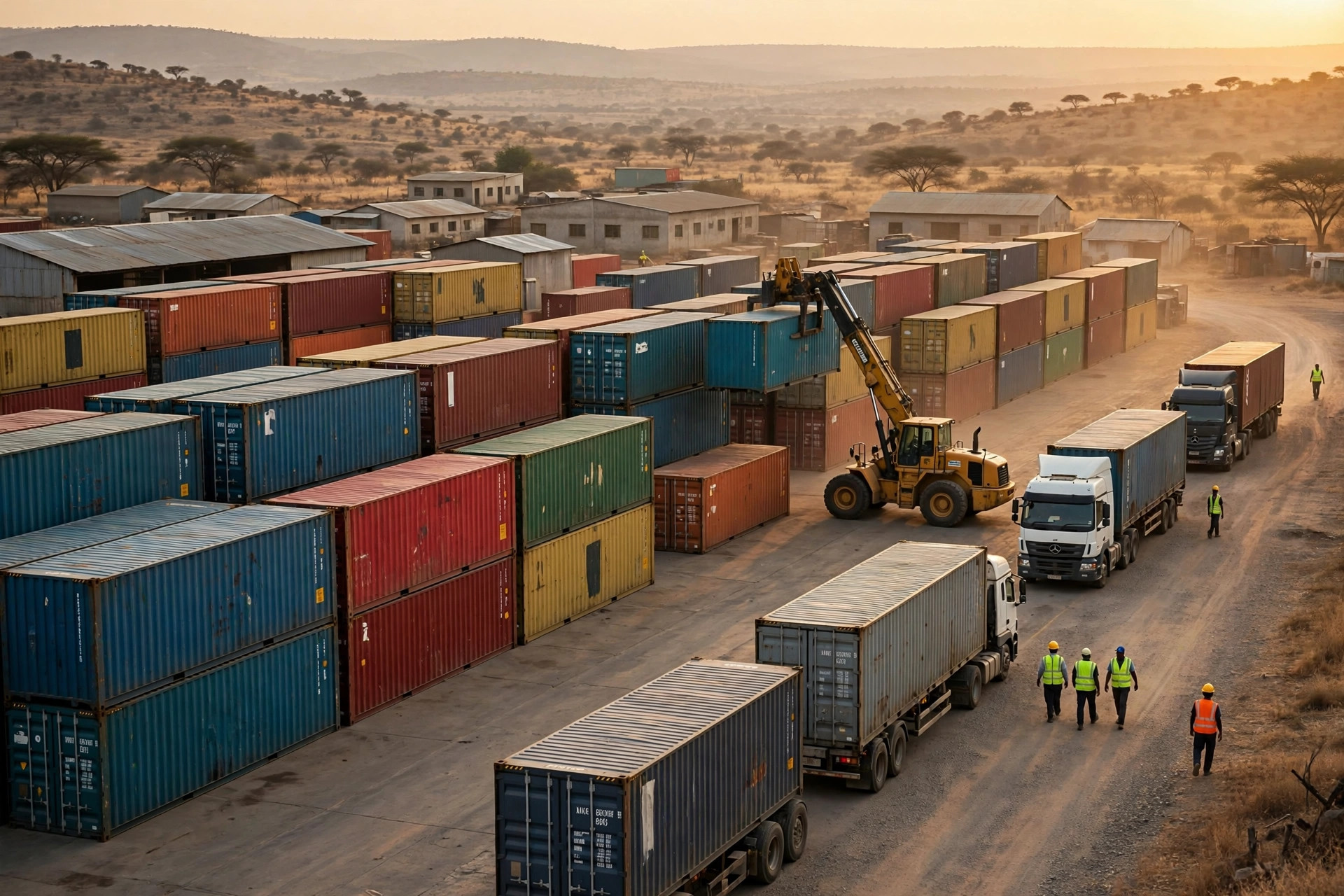
The Trans-Caprivi corridor runs northeast: Zambia, the DRC. Longer, rougher roads, more border variables — but it serves some of the fastest-growing markets in Africa. On this corridor you compete on patience and local clearance capability. Not for the faint of heart.
Before you pick a warehouse location, map your freight: over the next three years, which countries does it go to, in what proportions, and when do the peaks hit? That answer decides which corridor you should stand on. I've seen too many people sign a lease before mapping the freight — then the warehouse sits there while the cargo goes elsewhere, and they end up subletting at a loss.
The Distribution Math: Split It Into Three Legs, Never One Total
The most common mistake in corridor warehousing math is working with one grand total. Here's my split — three legs: the ocean leg (freight to Walvis Bay), the port leg (discharge, clearance, storage), and the inland leg (cross-border trucking to the customer).
I've seen too many people fixate on the port leg: competitive storage rates at Walvis Bay, fast clearance, looks like a bargain. But the inland leg is where the real money goes — from Walvis Bay to Lusaka or Harare, the overland cost and transit time run several multiples of the ocean leg. Get current rates from your carriers; the point is structural, not the exact figure. Whatever you save at the port is often noise against the inland number.
So run the math in reverse order: inland leg first — where are your main customers, what does the trucking cost, how many days, do the borders queue? Then the port leg. Then the ocean freight. Once the inland leg is clear, the warehouse location picks itself. It's a counterintuitive sequence, but it's the only one that works.
Don't skip the bonded option either. Walvis Bay has bonded warehousing, so freight transshipping to landlocked countries can defer duty payments — a major working-capital relief. But bonded facilities come with strict compliance requirements. If your paperwork and accounting aren't airtight, stay away — duties can wait, penalties don't negotiate. Check the latest published rules from Namibian customs before counting on any of this.
Who's Already Betting — and What They're Betting On
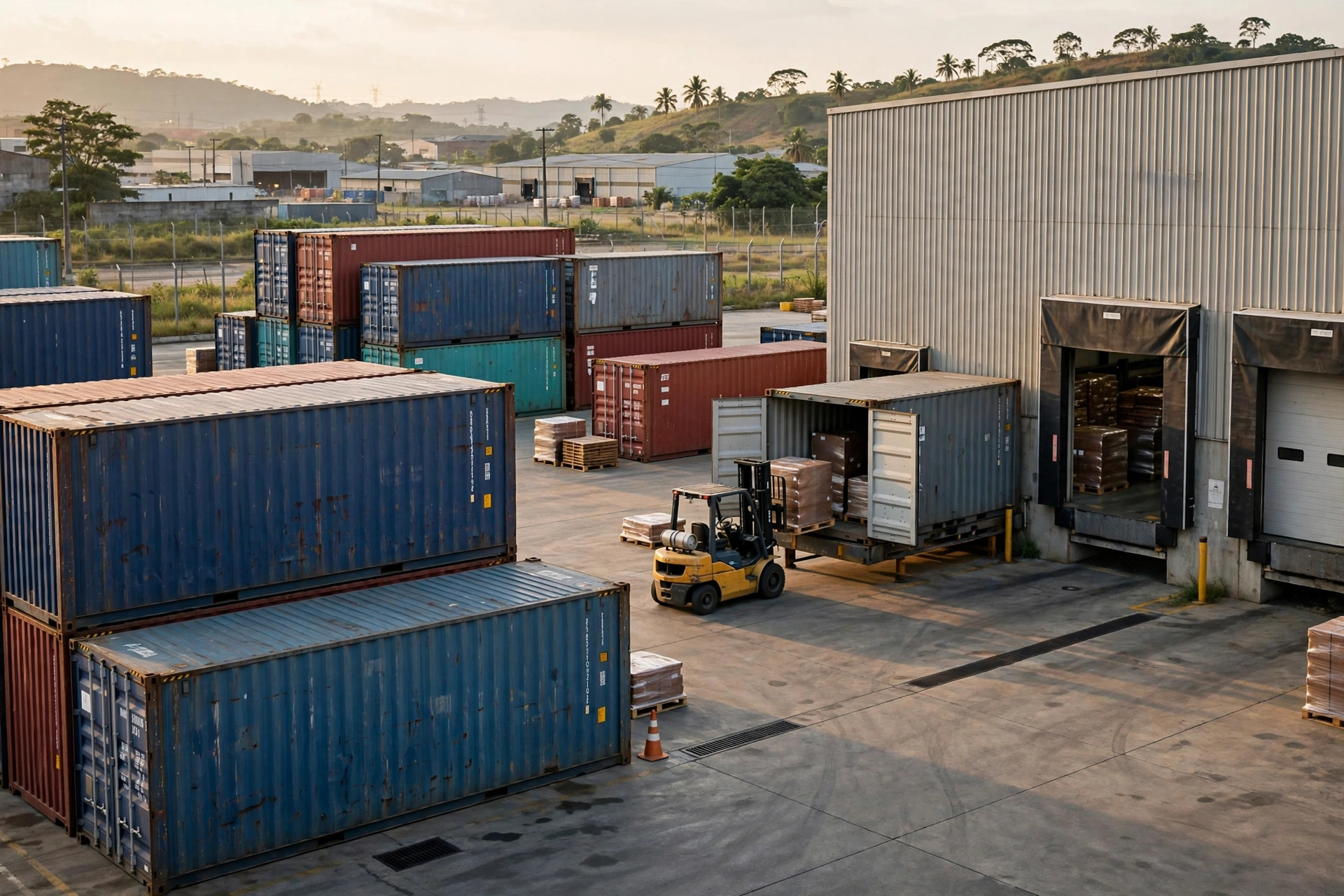
This isn't an empty playing field. Public announcements show Sarens putting a 4-hectare logistics hub at Walvis Bay, and Grindrod operating a 4,000-square-meter warehouse with a 50,000-square-meter yard. The big players' logic is simple: Southern Africa's landlocked markets need a place to come off an Atlantic vessel, and Walvis Bay is one of the closest options.
But the big players' game isn't necessarily yours. They do hubs and heavy lift. If you're in distribution, FMCG, or auto parts, borrow their site-selection logic, not their scale. My advice: start with a small warehouse, prove out one corridor and one country, then talk expansion. In Africa, overstriding gets you hurt — crude, but true.
One Line to Close
Setting up warehousing on the Walvis Bay corridor isn't a bet on the port. It's a bet on whether you understand the landlocked markets behind it. Anyone can rent a port warehouse. Few people read the corridors — and that's exactly where the money in distribution gets made. Agree?
By Lao Mi, Supply Chain Veteran (20 yrs)