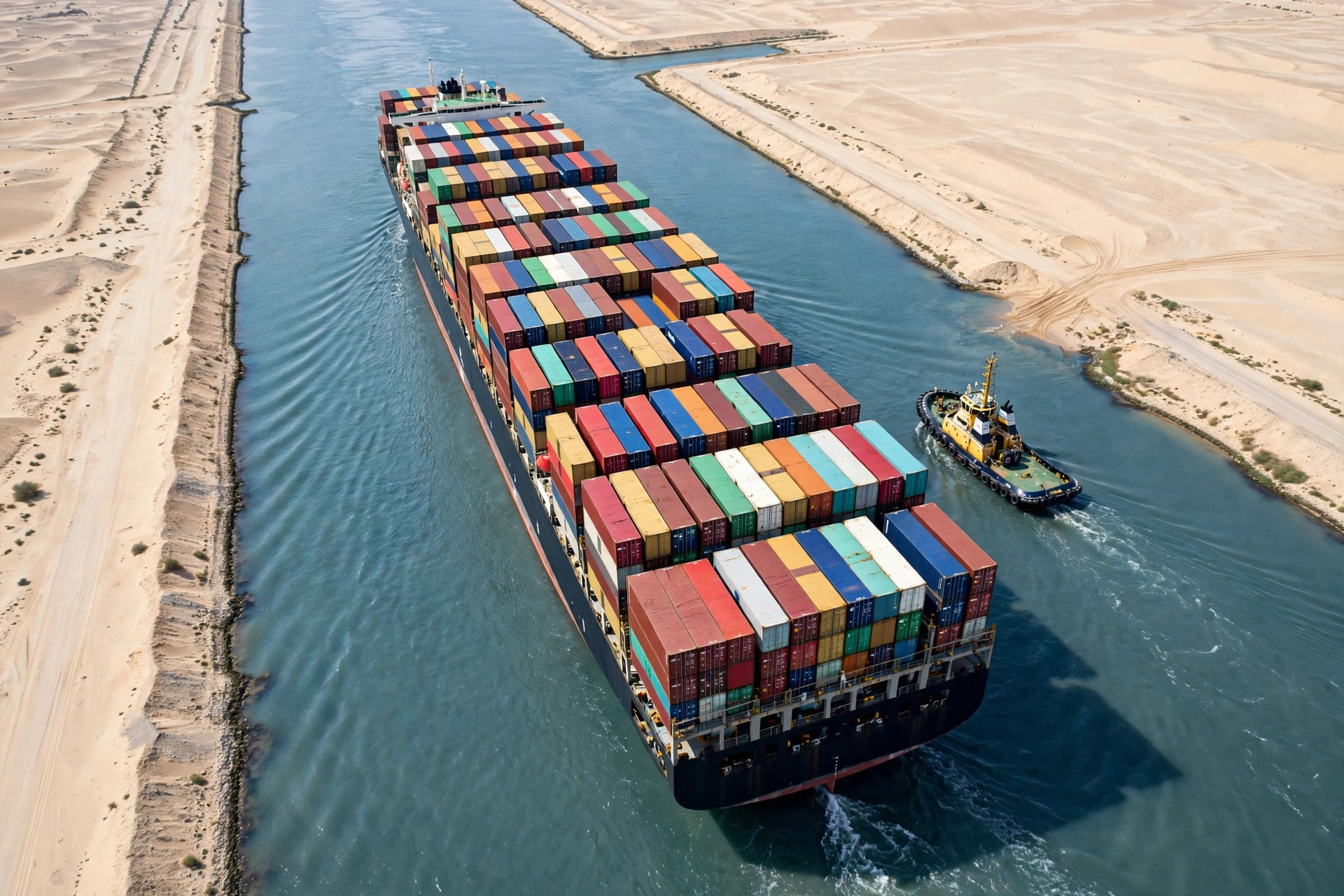
Let me tell you something that still makes me laugh, fifteen years behind the wheel later. I once worked out the math outside the port of Mombasa, and it went like this: a 20-foot box floats from Shanghai to Mombasa — over ten thousand kilometers of ocean — for $500 to $1,000. Then it rides a truck from Mombasa to Kigali, barely 1,700 kilometers of road, and the trucking company asks $3,000 to $4,000. The sea leg is ten times longer and costs a fraction. Go figure.
Those numbers aren't mine. DP World published them in 2018 when it was pitching the Kigali dry port (treat them as the order of magnitude; check current market rates). Since then I've watched importer after importer doing business in Rwanda, Burundi, and eastern DRC get chewed up by that inland leg. This piece is about one thing: the Rwanda Kigali dry port — the Kigali Logistics Platform — and how an East Africa importer should actually use it. Here's the verdict up front: a dry port doesn't save you freight money. It saves you time, demurrage stupidity tax, and clearance certainty. If you're showing up for "cheap," turn around now.
What the Numbers Really Say: The Ocean Is Cheap, Your Last Mile Isn't
First-timers importing into East Africa spend all their energy haggling with the shipping line over ocean freight, then celebrate saving $200. Then the inland bill lands: Mombasa to Kigali, $3,000–$4,000 for a 20-footer — three to six times the ocean leg. Here's an even uglier public data point: moving a box from Kigali to Dar es Salaam costs three times what it costs to move the same box from Dar es Salaam to Shanghai. The road is at your doorstep, and you pay for it.
Fifteen years on the road taught me one rule: for a landlocked country, the freight battle isn't fought at sea. It's fought on land. Whatever discount you squeezed out of the carrier is pocket change next to the inland leg. The real fight is three things: how many days the truck is on the road, how many days the box sits at the port, and how many days clearance takes. The Kigali dry port was built for exactly those three.
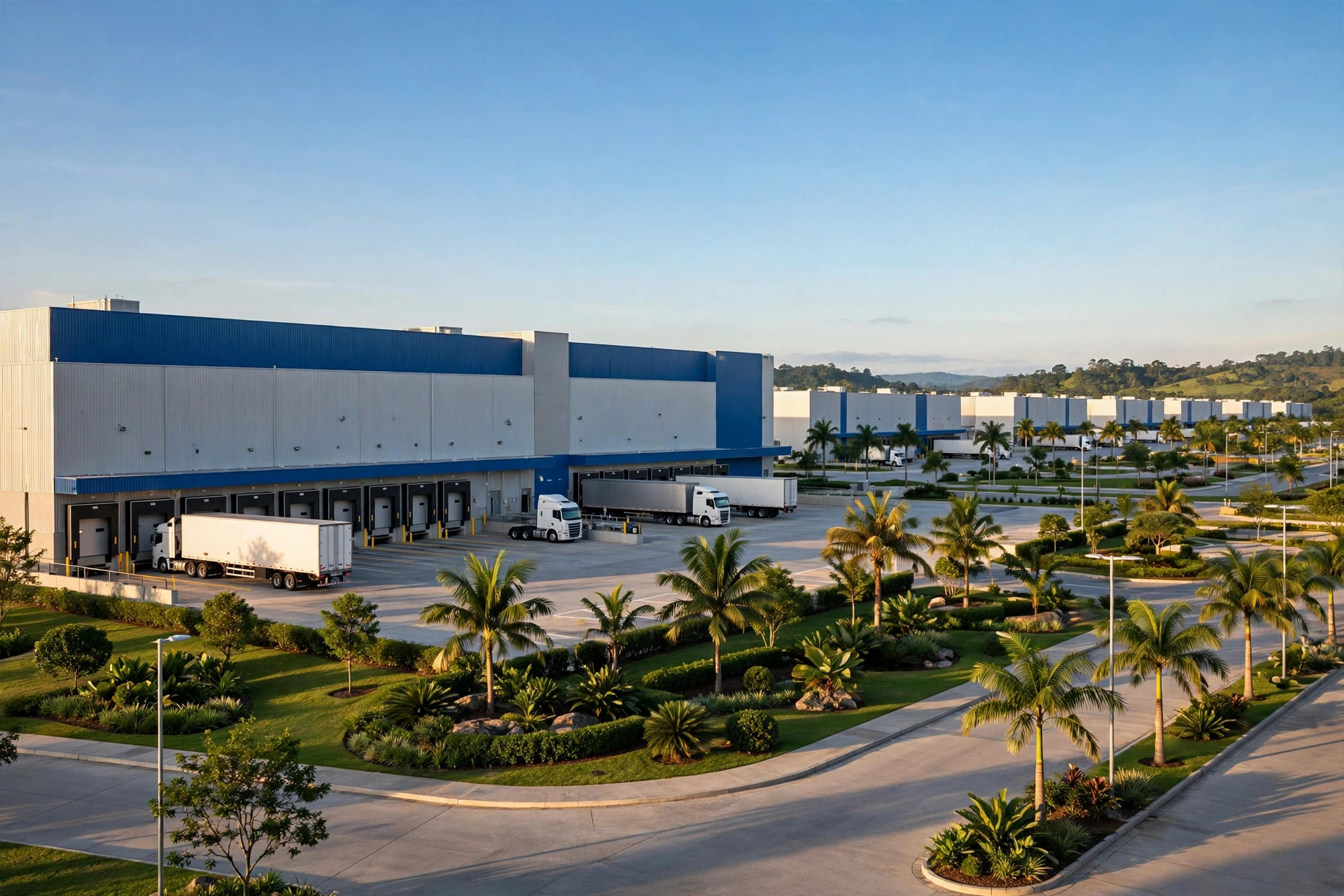
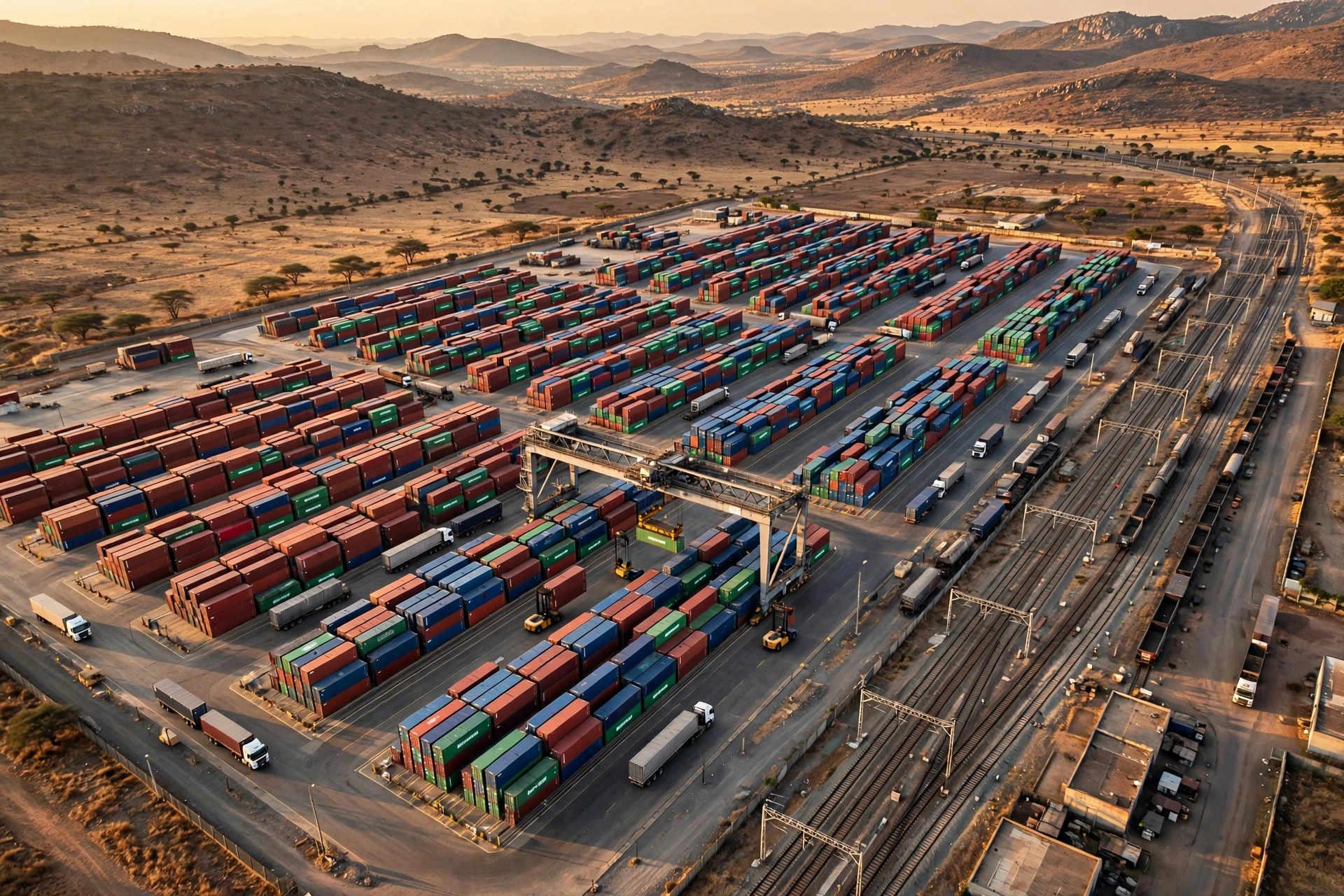
The backstory: DP World signed a 25-year concession with the Rwandan government (2016), and President Paul Kagame inaugurated the facility on 21 October 2019. Phase one covers 13.3 hectares, handles 50,000 TEU a year, offers 30,000 sqm of bonded and non-bonded warehousing plus a 500 sqm HACCP-certified cold store, and parks 198 trucks at a time. Phase one alone cost $35 million. It sits 20 km east of Kigali, near the international airport.
One Box, Mombasa to the Kigali Dry Port: The Full Time-and-Money Ledger
Let me walk you through a 40-foot box, end to end. Every figure has a source:
| Leg | Time | Cost (order of magnitude) |
|---|---|---|
| Shanghai → Mombasa (ocean) | 22–25 days | ~$500–$1,000 for a 20-ft (DP World 2018 release; verify current rates) |
| Mombasa discharge + clearance | Free time is only 3–7 days, then the meter runs | Demurrage starts around $10/day (20-ft) / $20/day (40-ft), climbing past $100/day if you dawdle |
| Mombasa → Kigali (road, via Gatuna, Uganda) | 7–10 days | ~$4,800 for a 40-ft via the Northern Corridor (Shippers Council of Eastern Africa survey) |
| Kigali dry port: handover, clearance, pickup | Truck turnaround cut from 10–14 days to 3 days | At full capacity, the platform is projected to save Rwandan businesses ~$50M/year in logistics costs (DP World estimate) |
See it? Five to seven weeks door to door, and all the money — and all the uncertainty — sits after the vessel discharges. The 22 ocean days are fixed; the schedule is printed. The 10 inland days are alive: road conditions, border posts, paperwork — any one of them can add days.
Two Real-World Scenarios: Blowing the Free Period, and Picking Your Corridor
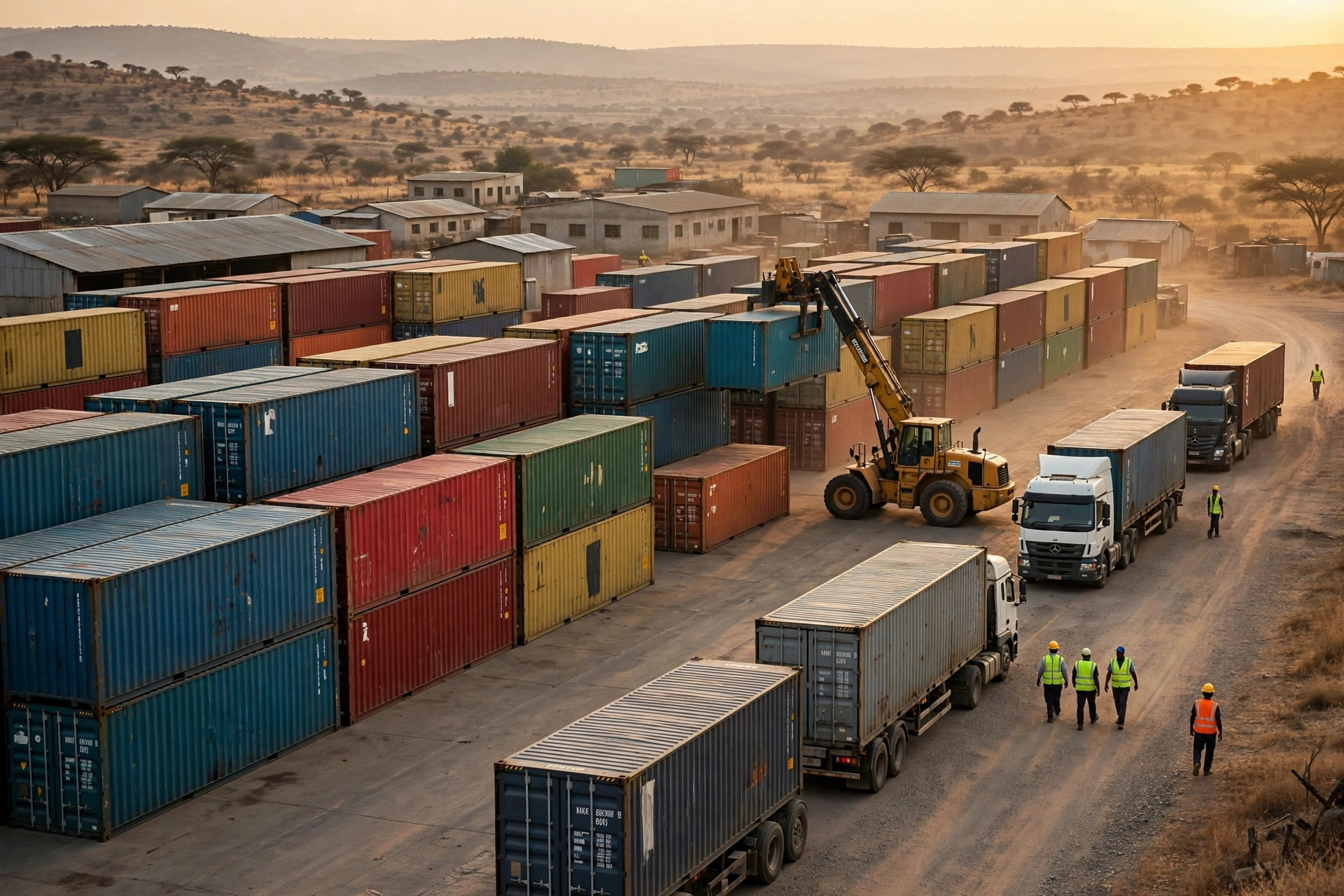
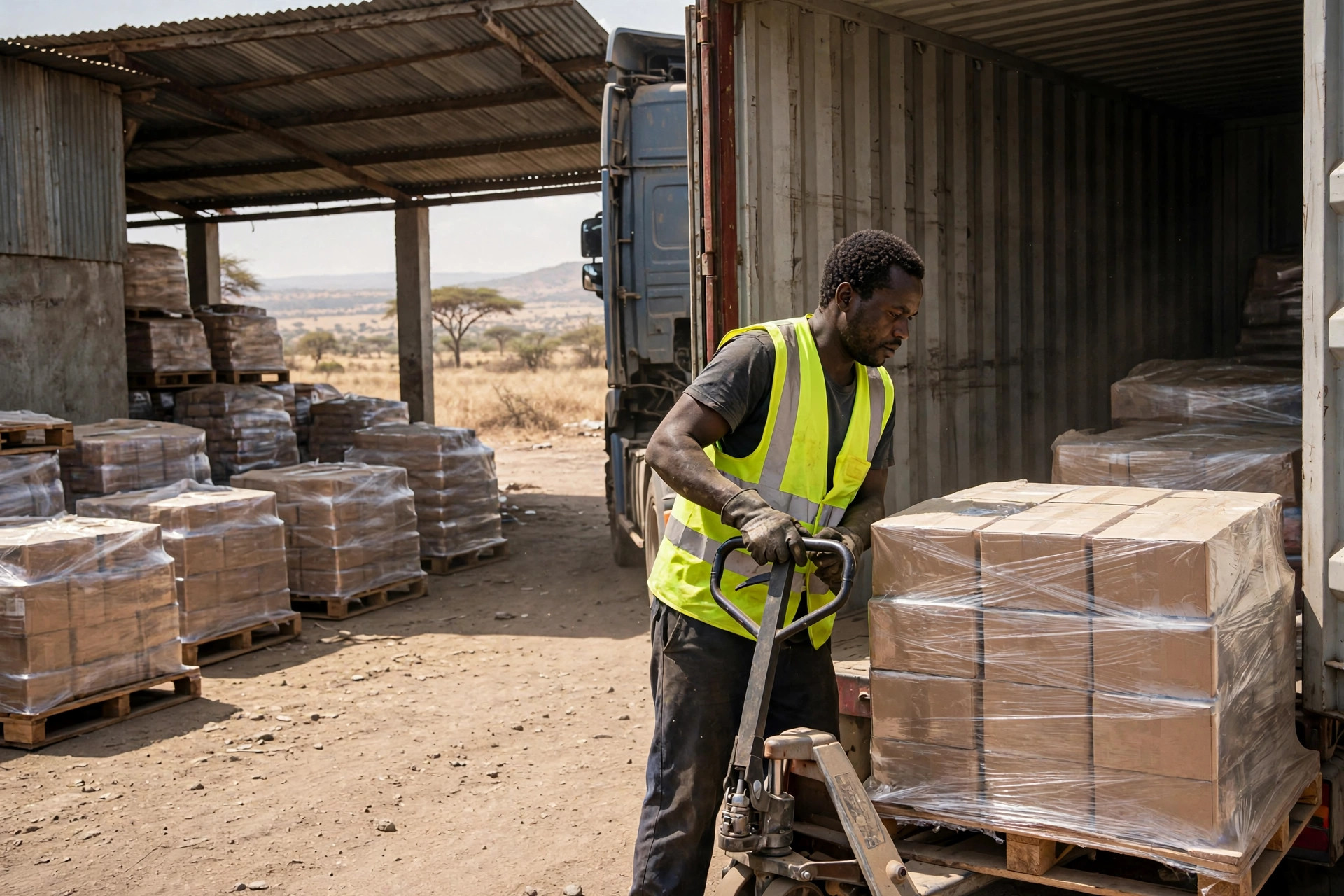
Scenario one: the importer who blew his free days. Mombasa gives you as little as 3 free days, 7 at best. A building-materials importer in Kigali — a friend in the trade told me this one firsthand — didn't have his bill of lading and packing list ready before the vessel arrived. He scrambled for a clearing agent after discharge and sat 5 extra days. Demurrage plus port storage, both meters running, cost him the better part of a thousand dollars on one box. He learned the lesson: while the ship is still at sea, the documents are already in the clearing agent's hands, and the box moves the day it lands. That's the real value of the dry port's "one-stop shop" — DP World stations a dedicated customs team inside the platform, containers leave Mombasa sealed with customs e-tags (active RFID) and tracked in real time, and clearance happens on-site in Kigali instead of a separate trip into town. Documents first, clearance on-site — that's how you actually beat the free period.
Scenario two: Mombasa or Dar es Salaam? Every Rwanda importer faces this. Mombasa (Northern Corridor) is fast — 7 to 10 days to Kigali — but expensive, ~$4,800 for a 40-footer. Dar es Salaam (Central Corridor) is cheaper by roughly $1,000 a box, but slower — though Tanzania's Rusumo crossing is now a joint one-stop border post clearing most consignments in 30 minutes to 2 hours. My rule of thumb: high-value, time-sensitive cargo goes via Mombasa; low-value bulk you can plan ahead goes via Dar. Don't compare port charges. Compare "how many days is my cargo on the road" — inventory carrying cost is money too.
How to Actually Use the Dry Port's Bonded Warehouse
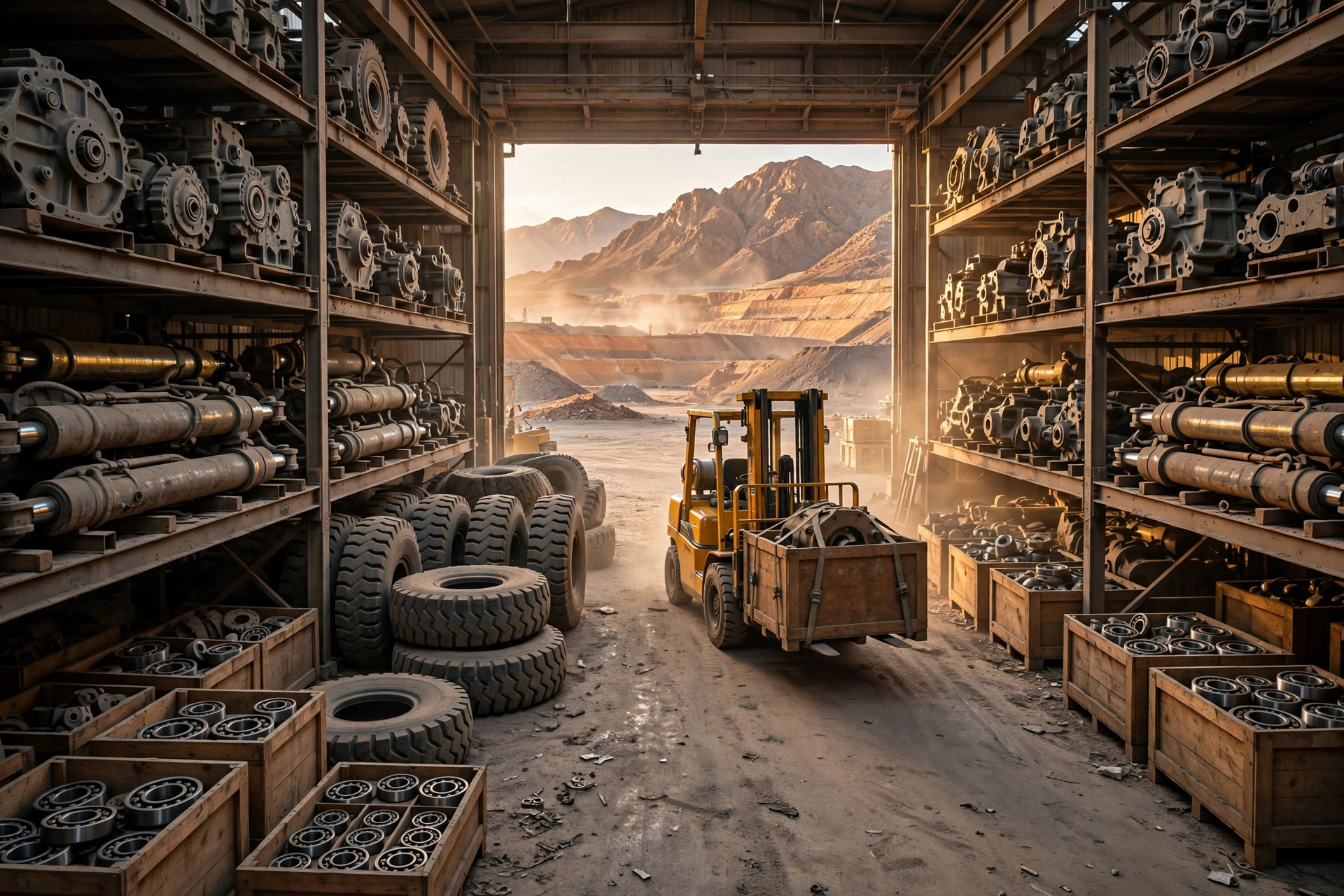
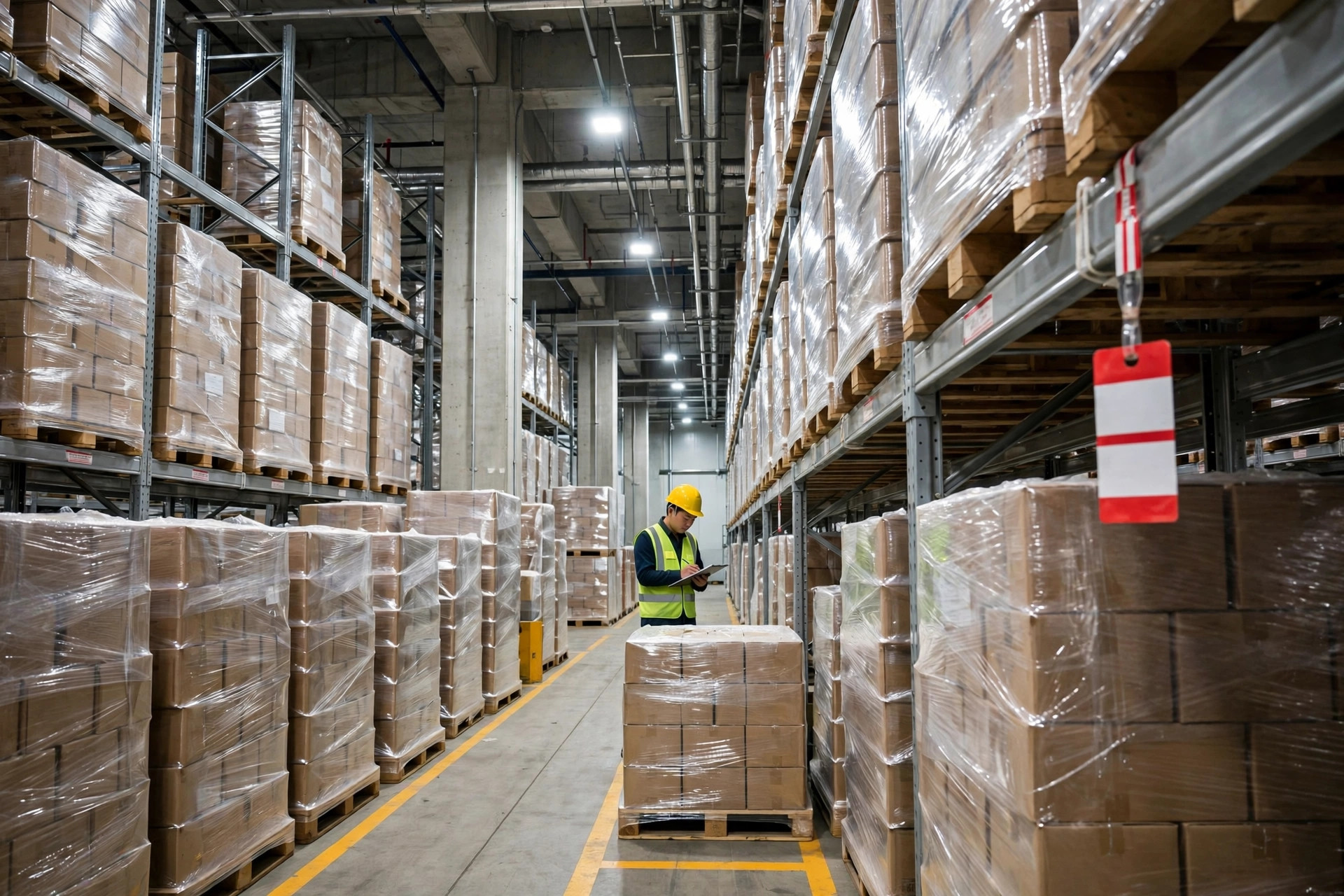
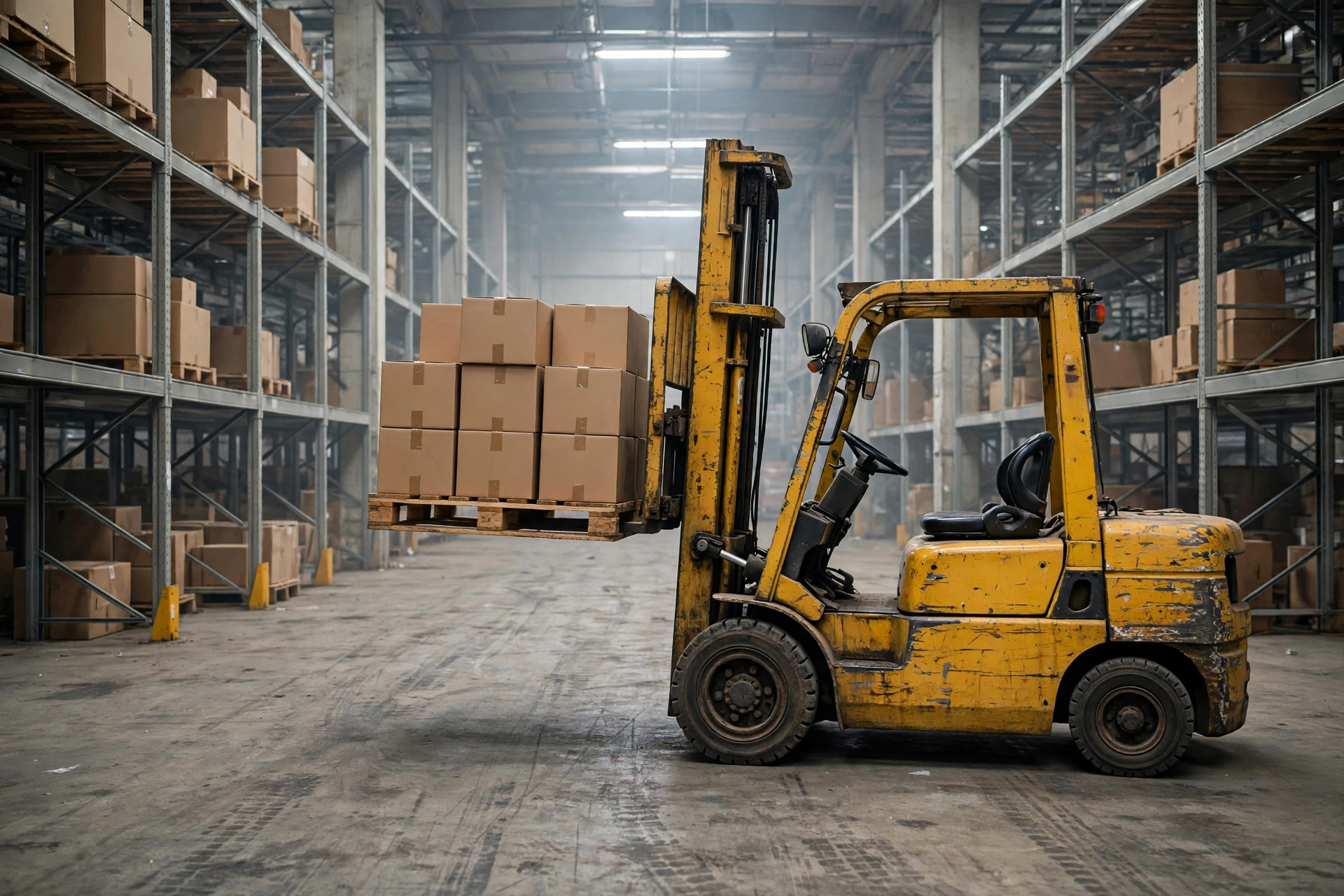
The 30,000 sqm of bonded and non-bonded warehousing is, in my view, the most underrated part of the whole facility. Plenty of importers treat it as ordinary storage. That's a waste. Three proper uses:
First, staggered pickup to defer duty. Cargo enters the bonded warehouse; you pull stock batch by batch and pay duty as you go. Rwanda imports carry EAC duties (0–35%), 18% VAT, and 5% withholding tax — paying all of it upfront on a full container is a cash-flow killer. The bonded warehouse is effectively an installment plan.
Second, run it as a regional distribution hub. Kigali sits within reach of eastern DRC to the west, Burundi to the south, and Uganda to the north — a market of 40 million-plus people. Bring in full containers, break bulk and sort at the dry port, then forward smaller lots across the borders. DP World positions it exactly this way: imports routed through Kigali for onward distribution to Uganda, Tanzania, Burundi, and the DRC.
Third, don't sleep on the 500 sqm of cold storage. HACCP-certified — if you move pharma, FMCG, or perishables, pay attention. DP World said it planned to expand to 1,000 sqm, which tells you demand is real. The hardest part of cold chain in inland Africa is keeping the chain unbroken on the last mile; the dry port's cold store plus its own truck fleet closes that gap.
Here's the counterintuitive take: a dry port's biggest value isn't "moving the seaport inland." It's removing uncertainty from your supply chain. When truck turnaround was 10–14 days, you never knew when cargo would arrive, so you carried two extra weeks of safety stock. At 3 days, that working capital gets released. That money dwarfs any freight-rate difference. If you can't do that math, the dry port is just a more expensive place to park your boxes.
Three Pieces of Advice for Importers and Warehouse Folks
One: documents always travel ahead of cargo. Before the vessel berths, your paperwork is already with your clearing agent. The 3–7 free days are for picking up the box, not for preparing documents.
Two: pick your corridor on total cost, not unit price. Mombasa is fast and pricey; Dar is slow and cheap. Run the inventory-carrying cost and stockout risk into the decision before you choose.
Three: a bonded warehouse is for throughput, not hoarding. Every extra day your cargo sits there is rent. Pull in batches, turn it fast — that's how you earn back that $35 million investment.
There's an old saying on the road: it's not the slowness that kills you, it's the standing still. Cargo moving on the road costs money; cargo standing in a yard burns money. Everything the Kigali dry port has done in six years is about making East Africa's inland cargo stand less and move more. If you do this business, get this math straight before your next freight negotiation — you'll sit taller at the table.
By Shifu Zhao, Trucking Veteran (15 yrs)