Here is my verdict up front: in Milan, being close to the city center is not the achievement. Knowing where your goods need to go, how much volume swings in peak season, and whether returns must be handled inside the warehouse — that is the achievement. I have seen too many people start by asking whether there is space inside Milan, without asking a single question about direction, seasonality, or returns. This is a two-sided story. On one side, Milan, as a fashion capital and the center of Lombardy, concentrates goods, talent, and carrier resources. On the other side, that concentration is itself the cost: the closer you push toward the center, the harder space is to find, the more constrained inbound and outbound movements become, and the less flexible you are. Put plainly, choosing a warehouse in Milan is not choosing an address. It is choosing a trade-off.
Let me start with a mistake I watched unfold. A few years ago, a mid-to-high-end women's fashion brand asked me about a northern Italy layout. The range was not huge in units, but it was wide in styles, colors, and sizes, and brutally seasonal. At first the team insisted on a warehouse right beside Milan: it was close to the showroom, easy to visit, and good for brand image. After two rounds of discussion, the problem became clear. Space near the city center had restricted access windows, large trucks were hard to schedule, and in peak season goods arrived at the gate but could not get in. Worse, there was nowhere to spread out returns and quality checks. Tagging, steaming, and repacking were all squeezed into one aisle, and the busier it got, the messier it became. In the end they stepped back: the main warehouse went to a logistics park in the Milan suburbs, with only a very small transfer point kept near the city. Visiting goods stayed easy, but freight started to flow. That step back was worth it. A warehouse is not a showroom, and looking good does not solve shipping.
The second case is an e-commerce range, and its logic is completely different. A seller of small home goods and accessories had orders scattered across northern Italy: fragmented during the day, concentrated in the evening, with a return rate that could not be ignored. They also wanted to hug Milan at first, but discovered that the real bottleneck for northern Italy distribution was not Milan as a single point. It was how to cover Turin, Verona, and Bologna as a line. Eventually they placed the warehouse at a corridor node east of Milan. To the west it could serve the Turin direction, to the east it could run toward Venice, and linehaul departure times actually became more reliable than they had been from a rigid Milan location. In peak season they did not rely on one large warehouse to absorb everything. Fast-moving items were pushed forward to the corridor warehouse, while slow-moving lines stayed in the main warehouse, and stockouts and overstock fell at the same time. The lesson I took from that case is simple: a distribution warehouse is judged by its route map, not by straight-line distance on a map.
Milan Suburban Parks: Cheaper Rent Does Not Always Mean Lower Cost
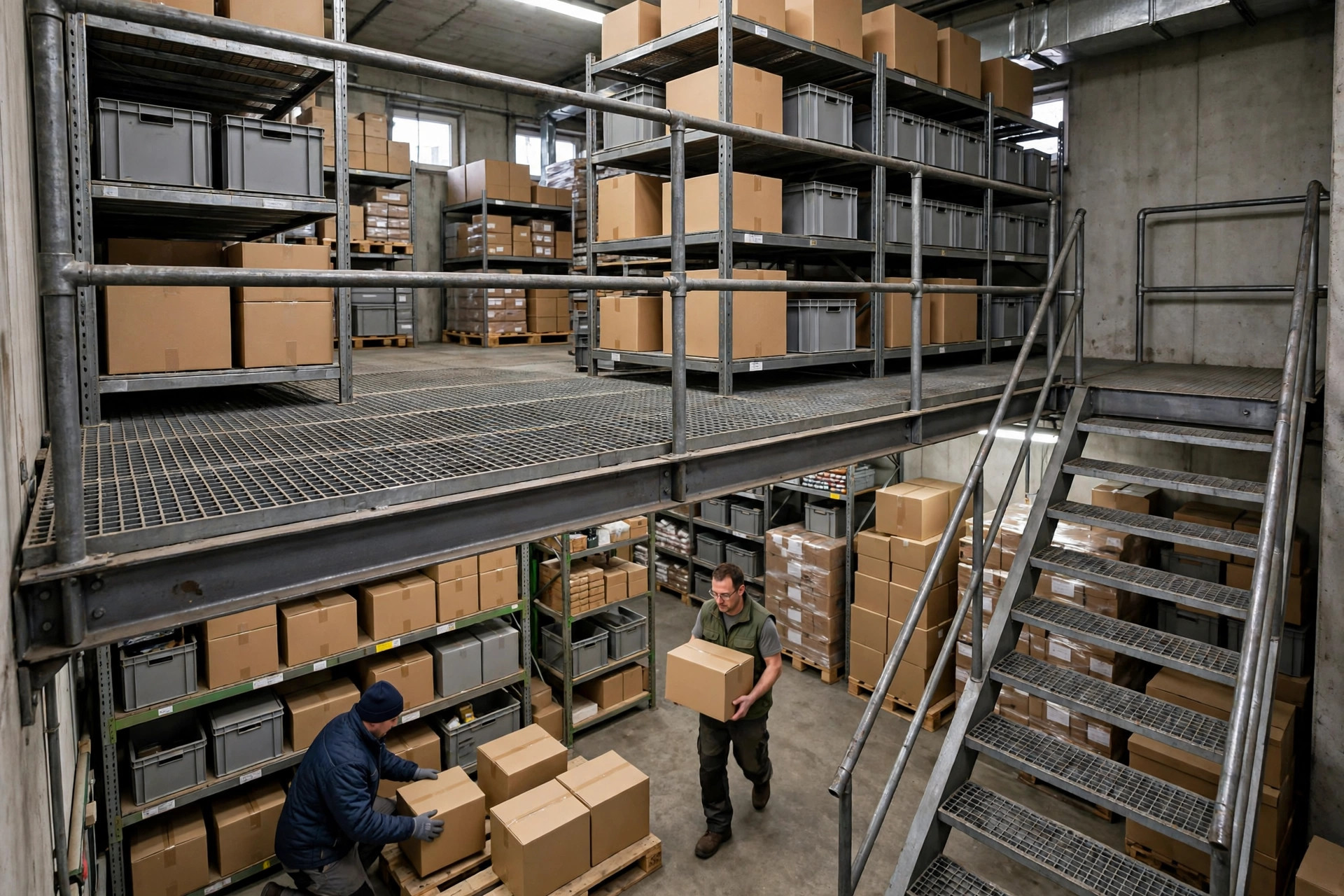
A logistics park in the Milan suburbs is where most people start looking, and for good reason. Space is comparatively easier to find, park services are relatively mature, large trucks move more smoothly than in the city, and the hiring pool is wider than at a remote node. But suburban parks carry their own costs. First, not all parks are alike. Some lean toward full-truck and bulky goods, others fit small-piece picking much better. If the park does not fit your range, a rent that looks reasonable will quietly reappear as cost in picking, checking, and returns. Second, a suburban warehouse is neither far from the center nor truly close, so same-day promises for the city need extra care. A promise written too generously will come back as a service failure. Third, peak-season flexibility must be agreed in advance: can you add people, add shifts, or add temporary storage areas? Those terms matter more than the price per square meter. My approach is to model labor and temporary space for both low and peak season before talking about space, and never to sign a year-long agreement based only on low-season volume.
Milan Corridors: Turin to Venice Is Not One Line
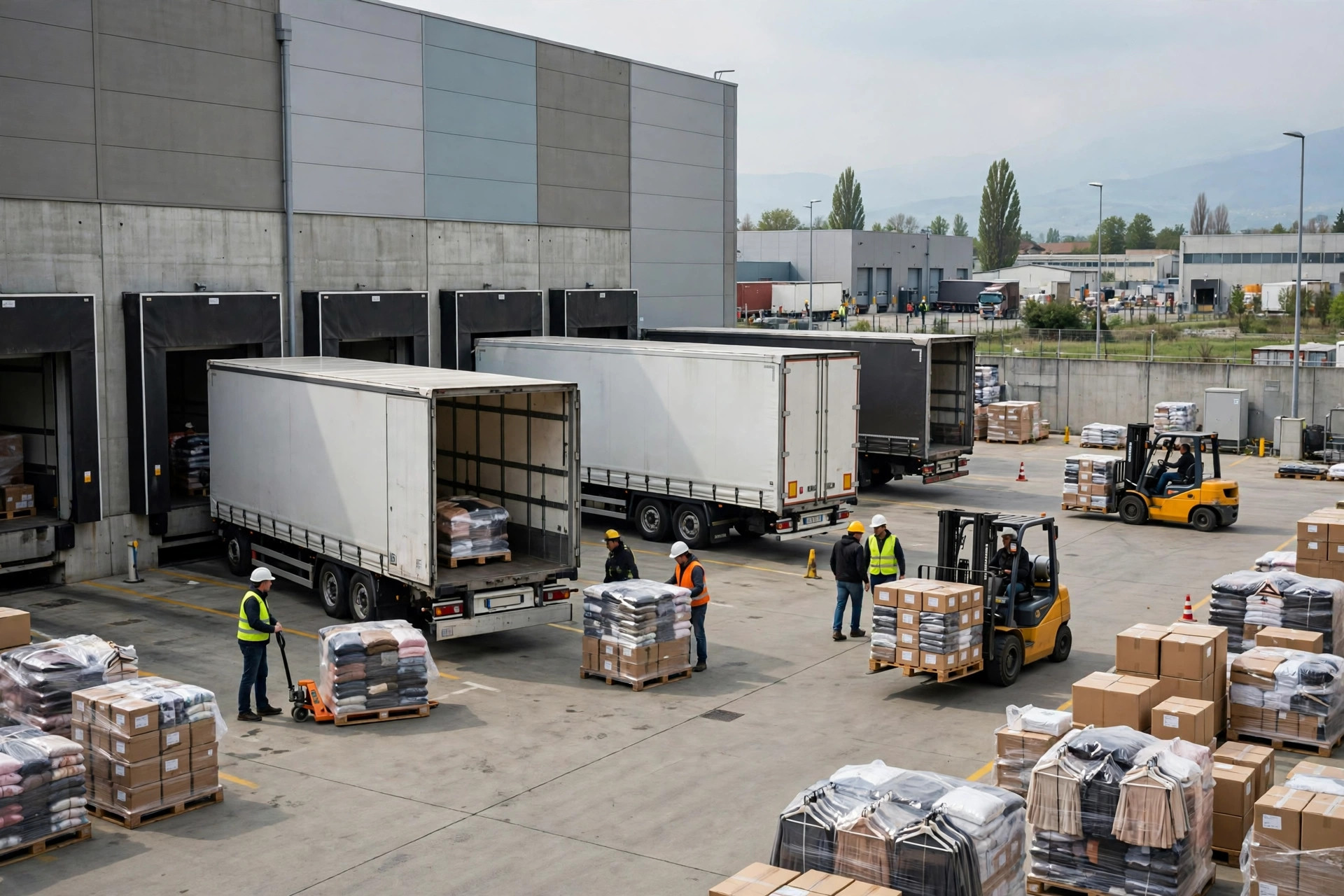
Many people describe Turin to Venice as a single corridor, as if any point along it would do equally well. It will not. Nodes along this axis do different jobs. A western node fits goods that also need to serve Turin and the French direction. A central node fits Lombardy itself plus nearby distribution. An eastern node fits Veneto and the northeast. Choose the wrong node and the linehaul looks only slightly longer, while in practice you add one more transfer, one more loading and unloading cycle, and one more chance for damage and delay every day. There is another point that is easy to miss: the value of a corridor warehouse is not only its distance from Milan, but whether it can connect with your carrier network. Some carriers run daily departures from one node and only a few departures a week from another, and departure frequency directly sets your cut-off times and promised delivery times. Before signing, put your main carriers' timetables on the table and then choose the node. Do not choose the node first and then beg for departures.
Northern Italy Distribution from Milan: Fashion Goods and E-Commerce Goods Are Not the Same Warehouse
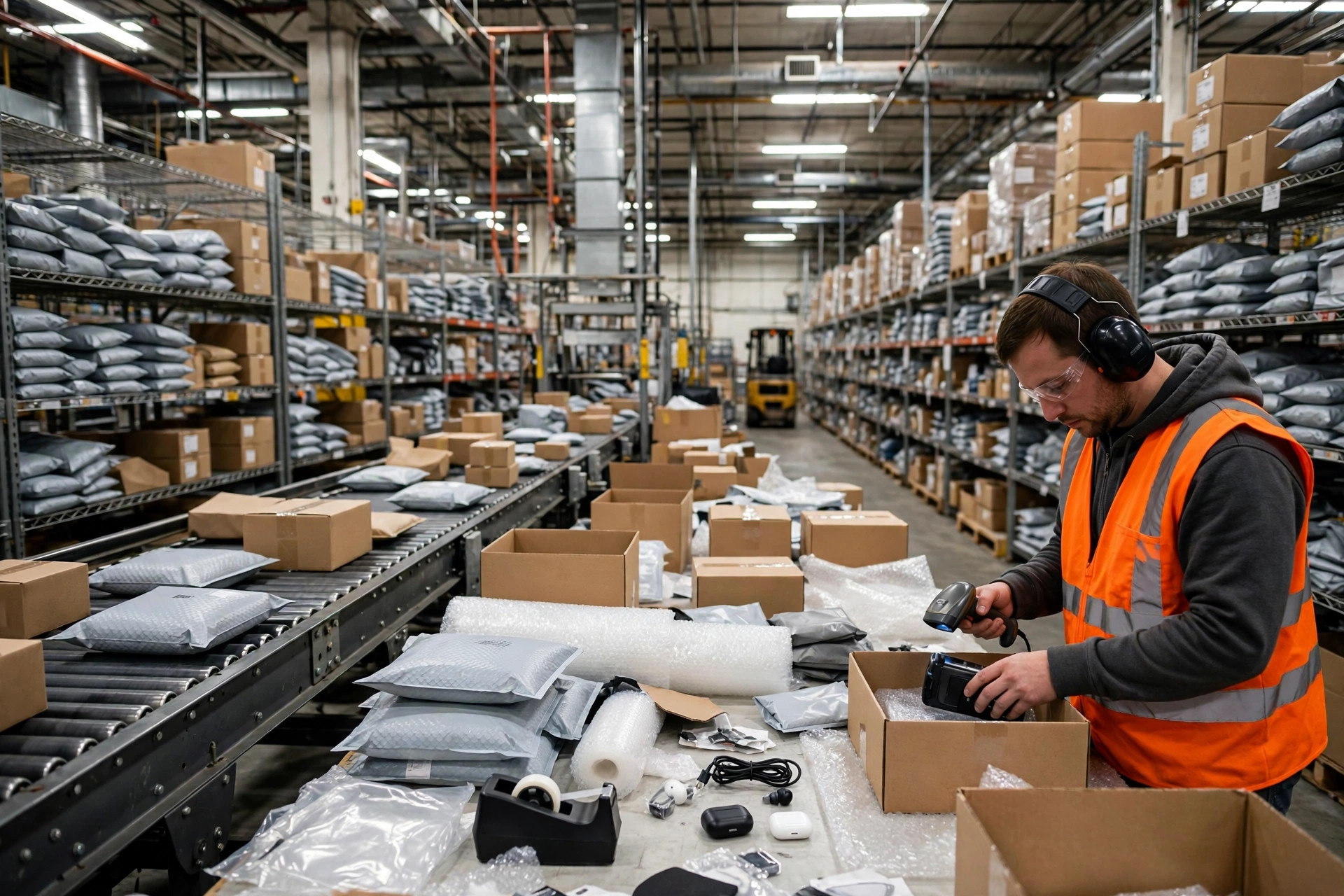
Milan has a distinctive feature: fashion goods and e-commerce goods often appear in the same city, but they are not the same warehouse. Fashion goods come in many styles and small quantities, with high demands for quality checks, hanging storage, tagging, and returns refurbishment. The warehouse needs room to spread out work, and the system needs to track style, color, and size. E-commerce goods come in fragmented orders and dense waves, with high demands for picking efficiency, checking accuracy, and return speed. The warehouse needs smart travel paths and wave design. Force both ranges into one process and they will drag each other down in peak season. My advice is to separate by range first, and only then share space. Shared space is fine, but receiving, quality, and returns areas should be sized and staffed separately, and category and wave rules in the system should be set separately too. Here is the counterintuitive part: in Milan, the most valuable part of a warehouse is often not storage, but handling capability. A warehouse that can turn returns around quickly and put goods back on sale will save far more tied-up stock value in peak season than any saving on space cost.
Before deciding, use this framework to lay the three directions side by side. Do not decide by feel:
| Direction | Best for | Biggest cost | Easiest mistake |
|---|---|---|---|
| Milan suburban logistics park | Brands and sellers with stable ranges that need park services and a hiring pool | Peak flexibility must be agreed in advance, or adding people and space becomes difficult | Copying a city same-day promise onto suburban fulfillment |
| Turin to Venice corridor node | Distribution warehouses covering several northern Italy directions and relying on linehaul departures | Choosing the wrong node adds a transfer every day | Choosing the node first, then asking carriers for departures |
| Milan city transfer point plus suburban main warehouse | Ranges that need city visits, transfer, and brand presence, while protecting fulfillment | Two locations need one more set of handover and inventory rules | Using the transfer point as a small warehouse until it overflows |
This table does not give you one best answer. It forces you to write down the cost. In the Milan market there is no free benefit. Suburban services, corridor departures, and city convenience each come with a matching cost and constraint, and you should accept them knowingly when you choose.
One last piece of advice: before visiting warehouses in Milan, write down three things on paper — which directions your goods travel, how many times peak volume multiplies, and what returns must be done inside the warehouse. With those three answers, a park sales team will know what proposal to give you. Without them, you will only hear attractive talk about area and location. Specific rents, taxes, subsidies, and freight rates differ by park, carrier, and period, so always confirm them against current local policy and actual quotations, and never budget from someone else's numbers from last year. In Milan, are you setting up a warehouse to be near the fashion capital, or to make northern Italy distribution run smoothly?
By Lao Mi, Supply Chain Veteran (20 yrs)