Let me rant first: selling single SKUs is a bloodbath.
Same category, a dozen sellers with near-identical products. You drop a dollar, he drops two. Race to the bottom until everyone's drinking air. I lost three single SKUs that way the year before last — the products were fine, 4.5 stars, but the neighbor kept undercutting the Buy Box. Pause ads, sales go to zero, and two months of inventory sits in FBA racking up storage fees. I used to wake up every morning and check prices first thing. It broke me.
Then it clicked: single-SKU selling competes on price; bundles compete on combinations. Copying one of your SKUs is easy. Copying your entire combination? Much harder. That's why I fell into the bundle rabbit hole — two years in, enough mistakes to fill a booklet.
Done with the single-SKU grind: I've tried both bundle plays
First, the two plays, because people still mix them up:
Virtual Bundle — Amazon's official tool. Combine 2 to 5 ASINs into one bundle page virtually. No physical assembly; FBA picks and ships the individual items as usual. Upside: zero extra stocking cost, flexible combos, launch or kill it any day. Downside: weaker page authority, and shoppers feel less of a "deal" than with a physical bundle. Policy details change often — check Amazon's latest official policy before you move.
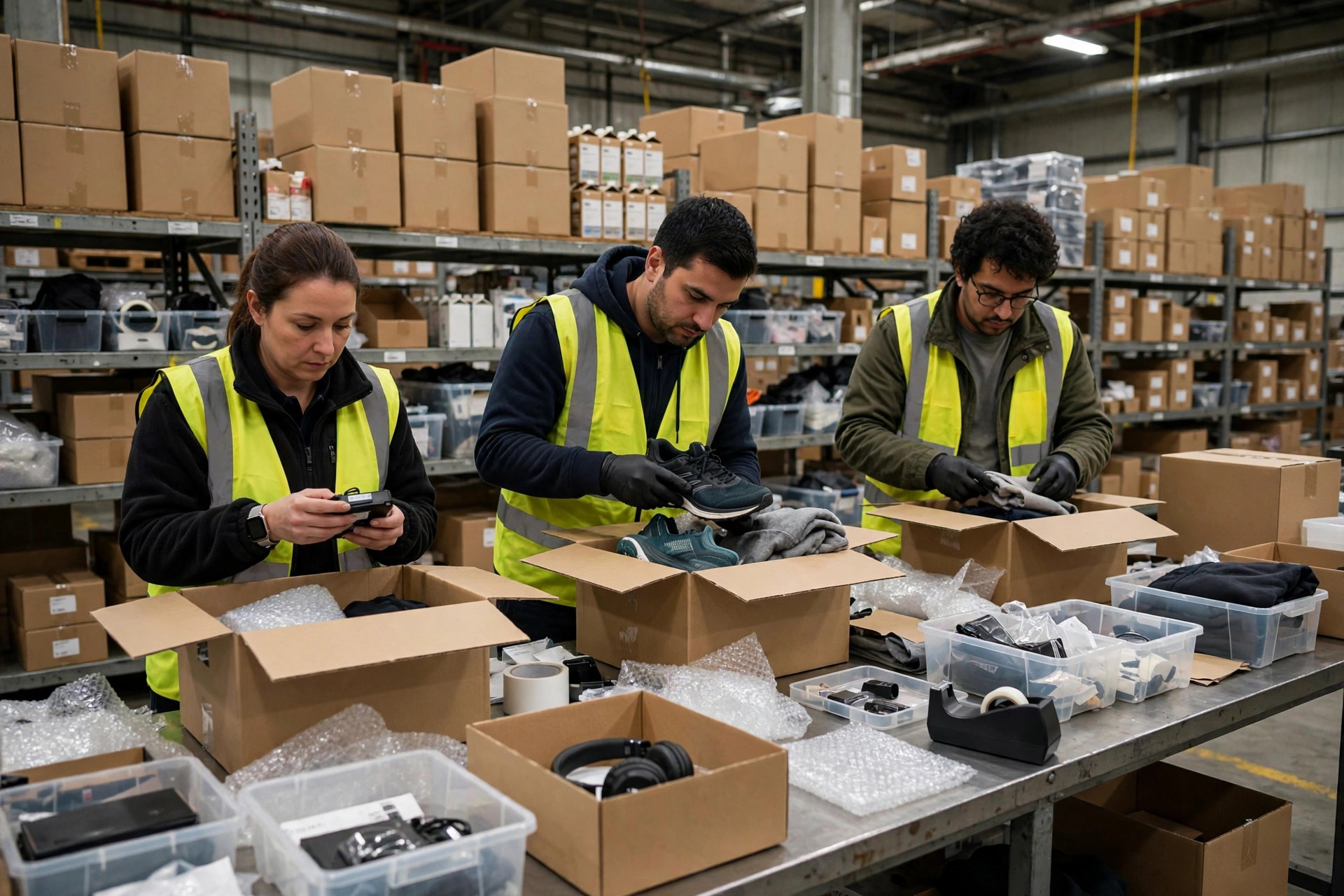
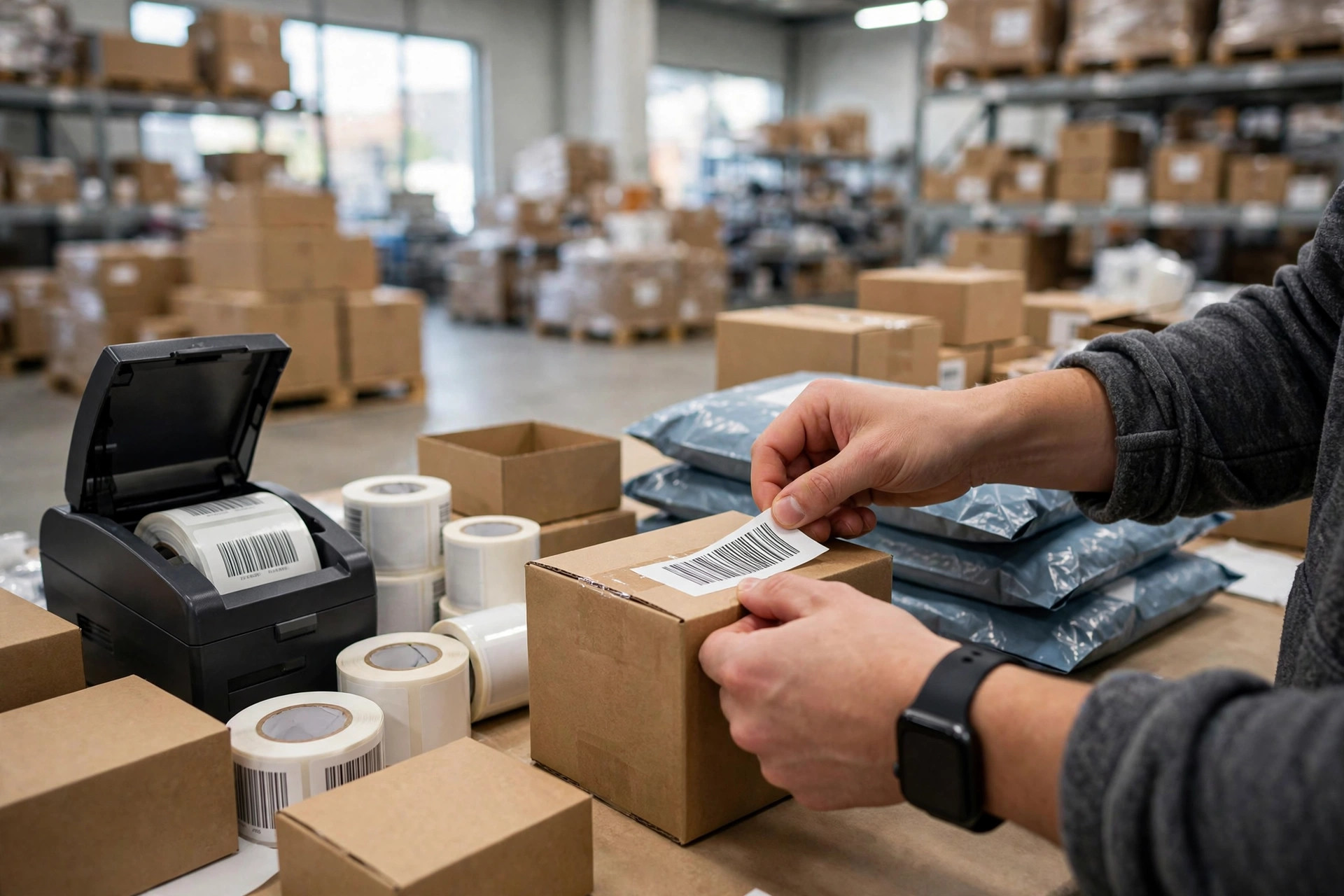
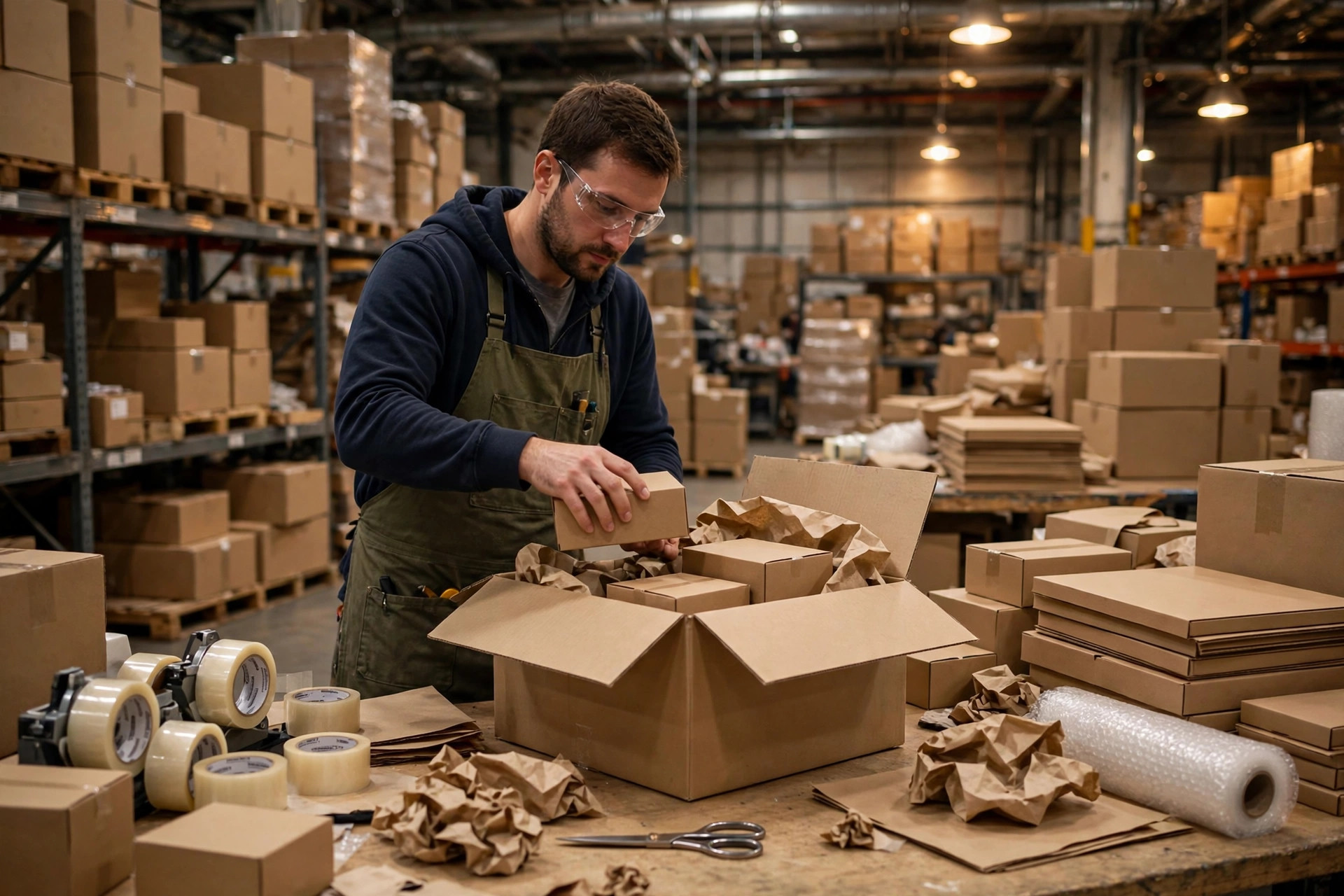
Physical bundle: you assemble the items yourself, label it, create a brand-new ASIN, ship to FBA. Upside: higher conversion, one FBA fulfillment fee instead of three, way harder for hijackers to copy. Downside: messy stocking, painful returns, assembly labor and materials.
The trade-off in one line: want fast and flexible — test with Virtual Bundle. Want fatter margins and a moat — go physical. My playbook now: test every new combo as a virtual bundle; only go physical once the data looks right.
Case time. Q4 2024, I made a physical bundle of a pet grooming 3-piece set: comb, deshedding brush, nail clippers. Sold separately at $12.99, $12.99, $9.99 — $35.97 total. As one bundle: $29.99. Shoppers see six bucks off, no need to piece it together — easy yes. Sold 4,000+ sets in the peak month. The surprise was returns: 6% on the bundle vs. 8-10% on each item sold separately. Why? Bundle buyers know exactly what they're getting — fewer "wrong item" and "bought a duplicate" returns. That 6-vs-10 gap meant about 160 fewer returns a month. Real money saved on return processing and shipping.
February 2025: a camping light 3-piece set, tested first as a virtual bundle. Zero cost, ten minutes to build the page, FBA inventory untouched. After a month, the bundle page converted about 30% better than the singles' average. Only then did I green-light the physical version. Virtual bundles are my free litmus test — validate demand without spending a dime.
Stocking: work backwards, not from gut feel
The biggest bundle stocking trap: planning from each SKU's individual sales history. Dead wrong. Work backwards — decide how many bundles you'll sell next month, then derive each component's quantity.
My grooming set, assuming a 1,000-bundle target next month:
| Component | Bundle need | Solo monthly sales | Safety stock | Stock this much | |---|---|---|---| | A Comb | 1,000 | 800 | 300 | 2,100 | | B Brush | 1,000 | 500 | 250 | 1,750 | | C Clippers | 1,000 | 300 | 200 | 1,500 |
Formula: component quantity = bundle demand x units per bundle + solo sales + safety stock.
Bloody lesson: the weakest component caps how many bundles you can sell. October 2024, I blew it — understocked the clippers, bundle went out of stock for two weeks while combs and brushes gathered dust in FBA, ad spend burning the whole time. Weakest-link effect. When planning, look at the weakest link first and give it 20% extra safety stock. Don't ask how I learned that.
Returns teardown: the nastiest trap
Bundles sell great. Returns will make you cry. A returned bundle comes back in three states, each with its own handling:
One: unopened, untouched. Jackpot — inspect and relist.
Two: opened but complete. Reassemble. Materials plus labor run me about $0.50 a set. Fine, tuition paid.
Three: missing pieces or dirty. The worst. Break it into singles — sellable ones go back on the single-SKU listings, the rest go to clearance or donation for the write-off.
My system: every return gets a "physical" on arrival, sorted into three piles, processed on a fixed day each week. Never let them pile up — after a month you can't tell which piece belongs to which set. How FBA handles returned bundles and what it costs: check Amazon's latest official policy. That policy changes often; don't apply last year's experience to this year.
The math: how much more does a bundle actually make?
Same grooming set. All numbers approximate; FBA rates per Amazon's latest:
| Three singles | Physical bundle | |
|---|---|---|
| Price | $35.97 | $29.99 |
| FBA fulfillment (approx.) | $12.00 (3 x about $4) | $5.00 (once, large standard) |
| Product cost | $9.00 | $9.30 (incl. assembly materials) |
| Gross margin per unit (approx.) | $14.97 | $15.69 |
See it? Six bucks cheaper for the buyer, about $0.70 more profit per order for me. At 4,000 sets a month, that's $2,800 extra a month. The whole secret: FBA fulfillment goes from three charges to one. Amazon charges per package — three small parcels vs. one slightly bigger box is a huge difference. That's the bundle profit engine, completely legit.
Hidden bonus: ads. Three singles each burning their own ad budget becomes one bundle page with concentrated spend — ACoS instantly looks better. Concentrated traffic plus higher conversion, and Amazon's happy to push you. Win-win.
Pricing tip: the bundle price must make the shopper instantly feel "I'm saving." $35.97 vs. $29.99 — six bucks, roughly 16% off. That band is the sweet spot: less feels like nothing, more eats margin. I usually land at 80-85% of the singles' combined price.
Two policy traps, early warning:
One: don't bundle unrelated products to game the system. Comb plus something totally random reads as rank manipulation — best case the bundle gets taken down, worst case an account health hit. Combos need logic: same scenario, same shopper, "bought A, probably needs B."
Two: virtual bundle components must be purchasable individually; variation and category rules for bundle ASINs follow the latest official policy. Before you build anything, read the current policy in Seller Central. Don't be lazy, and don't trust secondhand group-chat lore.
Tested it myself. It works. Single-SKU selling is a red ocean; bundles are a moat you dig yourself — anyone who wants to hijack you has to replicate the whole combination, and most won't bother.
By Ah K, E-commerce Seller (5 yrs)