Let me be honest up front: I run a 3,000-square-meter warehouse, and words like "overseas expansion" and "North African hub" make my wallet nervous. We small warehouse owners cannot afford to burn money on grand strategies. So when a friend in import distribution asked me whether the Algiers warehouse market was worth a look, my mouth said "please don't drag me into this" while my hands went ahead and researched it anyway. What I found surprised me: this is not really a big-company stage. It is a market full of gaps a small operator can slip into, provided you learn how the place actually behaves instead of importing a playbook from home and hoping it fits.
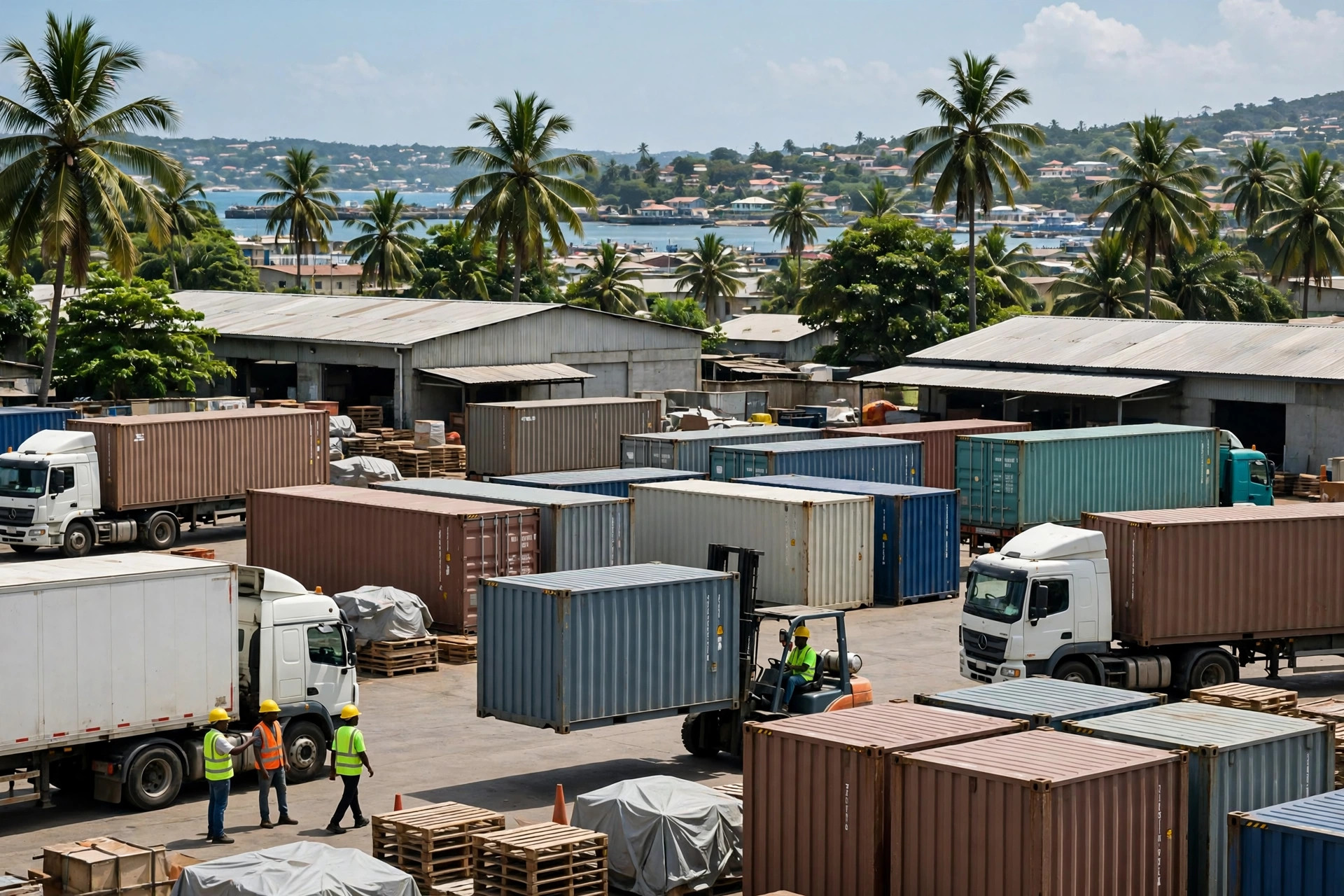
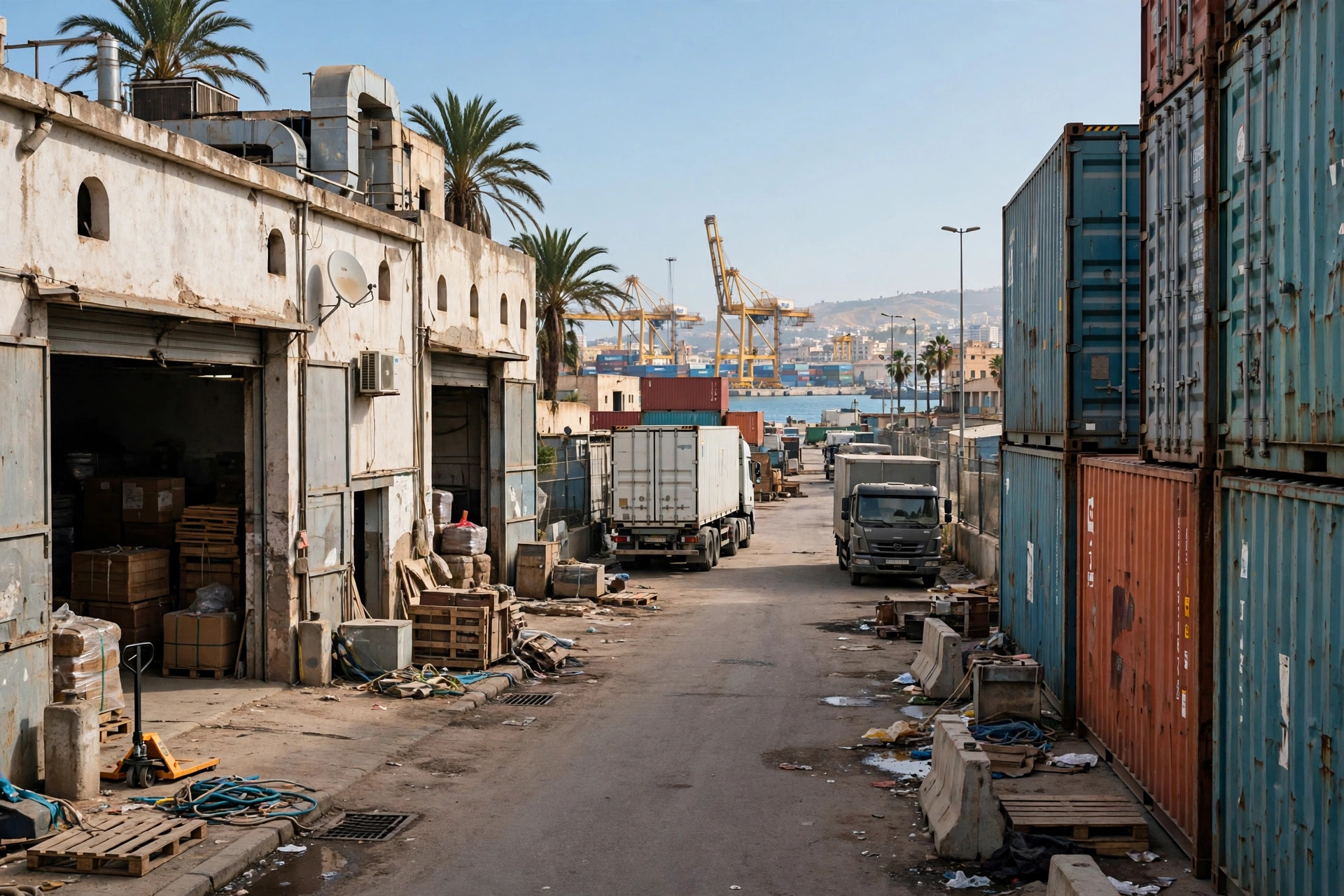
Algiers grew up hugging the Mediterranean, and its logistics chain reads like beads on a string: port, city, suburbs, then inland. Goods come in by sea, pass through the port corridor, get broken down in the suburbs, and only then roll inland truck by truck. If any link jams, whatever you saved upstream gets handed right back downstream. So the first question about Algiers is not "how much is rent?" It is "can my goods get out of the port, into a warehouse, and out of the city without drama?"
The Algiers Warehouse Market Starts at the Port Corridor
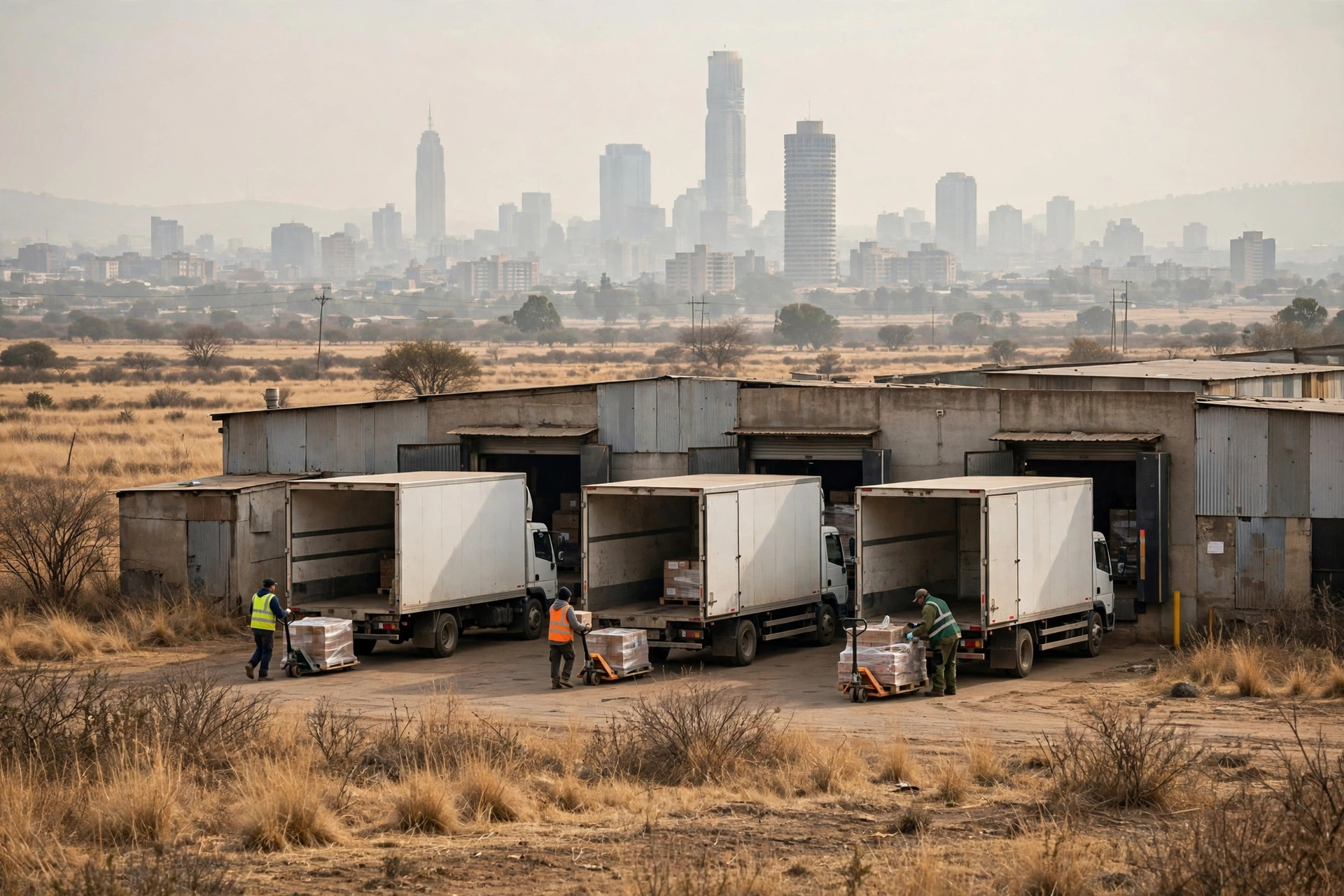
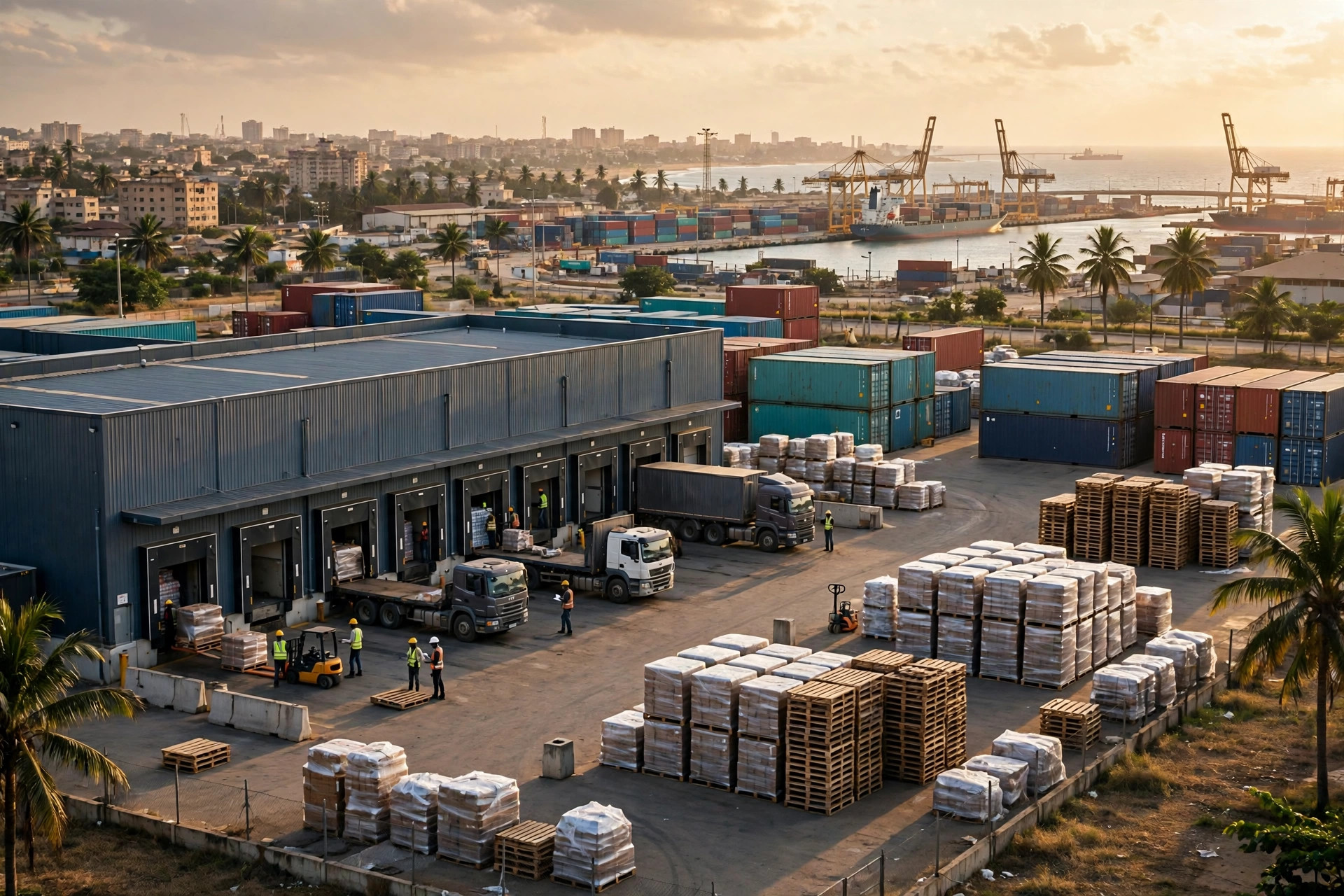
The port corridor is the throat of the whole chain, and it is where newcomers pay their tuition. A friend of mine put it well: it is like the morning highway into town. The road itself is not long, but the gates, the paperwork, the inspections, and the pickup appointments all have to line up, or the truck just sits there baking in the sun. And sitting in the sun is not free. Driver hours, detention, and your customer's patience are all on the meter.
Here is an illustrative example, not a market quote: picture a shipment of 20 pallets. If one wrong letter on a document costs you two extra days in the corridor, you are paying for extra empty truck runs and two more days of staging space, and the odds and ends add up to roughly a small warehouse's monthly electricity bill. Flip it around, though: get the documents, the pickup window, and the receiving crew aligned in advance, and the goods roll straight off the truck into the rack. What you save is not one big sum. It is the whole chain behaving itself. That is the small warehouse philosophy in one line: we cannot out-scale the big companies, so we out-careful them. Fewer mistakes is our competitive advantage, and it is free.
Here is the counterintuitive part: the warehouse closest to the port is not necessarily the best deal. Proximity sounds like saved freight, but the area around a port usually has the worst congestion and the tightest operating windows. Trucks cannot get in in the morning and cannot get out in the afternoon, so you end up working half days. For a small operator, distance is not the enemy. Unpredictable time is. I would rather put the warehouse a little further back, somewhere trucks can reliably enter and leave and crews can keep a normal shift, than pay for "close to the port" and spend every day arguing with traffic and queues.
City vs Suburb: Two Ledgers in the Algiers Warehouse Market
City warehouses and suburban warehouses keep two completely different sets of books. A city warehouse wins on closeness to customers: urban deliveries are a short drive away, which suits small, frequent orders that need same-day delivery. The price is a small footprint, restricted access, and very little room to grow. A suburban warehouse wins on space and smooth access: room to stack, sort, and stage, which suits bulk, cross-docking, and seasonal stock. The price is a longer leg into the city, so delivery times have to be agreed with customers honestly, up front.
I drew my friend a comparison table and told him to fill it in with the latest local listings before deciding anything. Never budget off somebody else's numbers from last year:
| Factor | City warehouse | Suburban warehouse |
|---|---|---|
| Best for | Small, frequent orders needing same-day delivery | Bulk, cross-docking, transfers, seasonal stock |
| Biggest strength | Close to customers, fast urban delivery | Big space, smooth access, room to grow |
| Biggest risk | Tight footprint, congested access, hard to expand | Longer leg into the city, delivery times must be set early |
| How a small operator uses it | Start here as a showroom to prove the customer base | Move here once volume is steady, as a distribution center |
One more trap when filling in that table: rent is only the first row. Handling, delivery, damage, waiting time, and plain old communication effort all sit underneath it. The classic small-warehouse mistake is comparing rent alone, moving in, and discovering that delivery costs ate every cent the cheaper rent saved. Check the latest local listings and drive the route yourself, measuring fuel and time, before trusting anyone's verbal promise.
Inland Distribution: Where the Last Mile Tests Your Patience
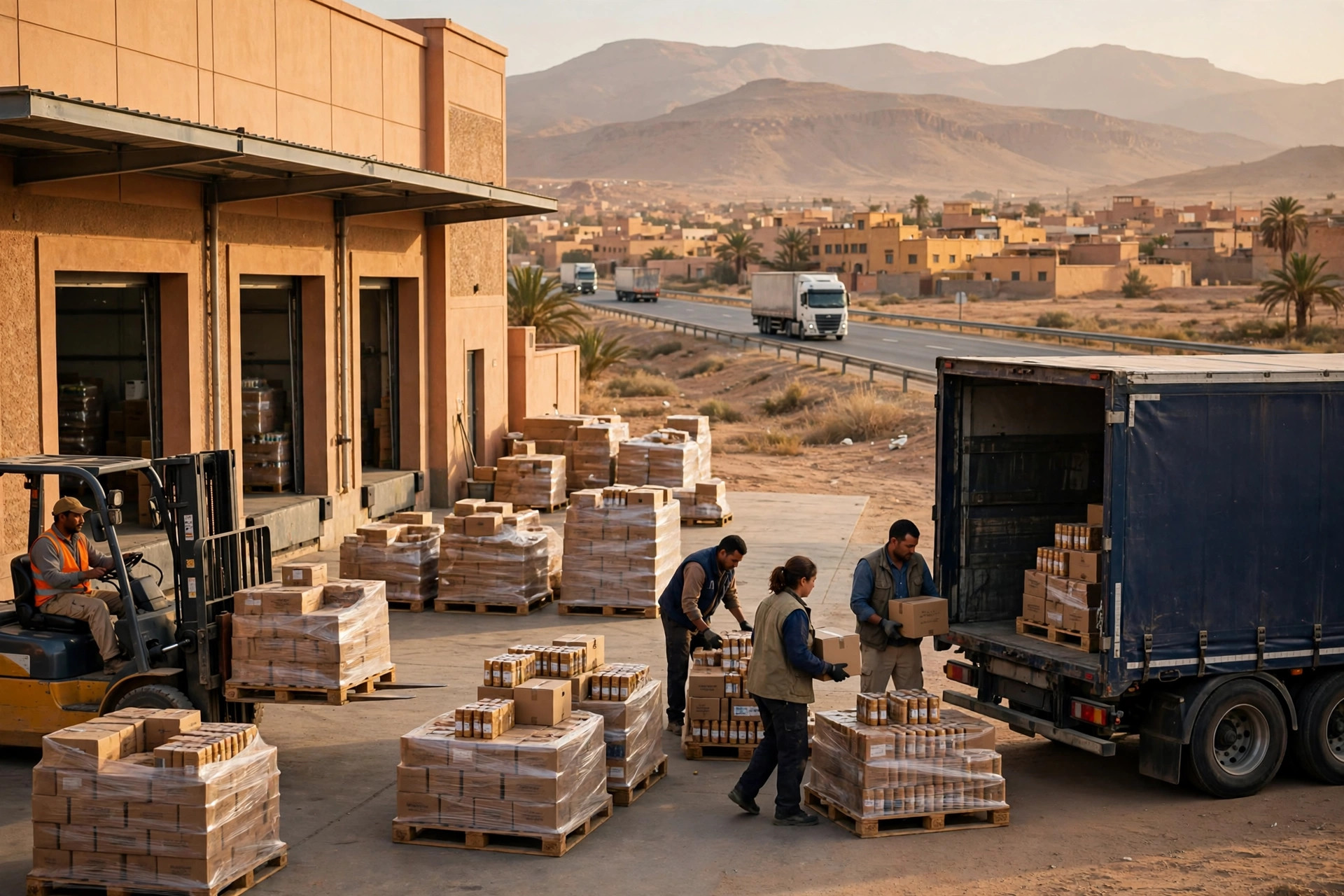
The real test comes on the inland leg. Moving goods from Algiers toward the interior is not one smooth highway run. Routes, handover points, and receiving habits change at every stop. My advice is unfashionable and it works: run small trial shipments first. Do not push a full truck inland on day one. Send two or three small loads, and learn the transit times, the handover paperwork, the signing habits, and the phone number of the person who actually fixes problems. Once the route behaves, then scale it.
Here is a second illustrative example. Say you have an inland customer who needs 20 cartons every week. Do you send one shipment of 20, or two shipments of 10? Instinct says one, because the freight looks cheaper. In practice, splitting has a hidden virtue: resilience. If one shipment stalls, the other still arrives and the customer does not run out. Put everything on one truck and a single delay means a stockout. For a big company, a stockout is a complaint ticket. For a small warehouse, a stockout can be a lost customer. So the small operator's inland rule is not "what costs least" but "what never leaves the customer empty."
Import-driven stock is the other reality you cannot dodge in Algiers. Much of the goods are imported, so when vessel schedules wobble, inventory rides a roller coaster: the ship arrives and the warehouse bursts; the ship is late and the warehouse stands empty. Small operators cannot copy the big-company trick of holding fat safety stock. We cannot afford it. The realistic move is to wire yourself into upstream schedule information, so before the goods even reach port, your warehouse already has receiving, zoning, and putaway sequenced, and when the schedule shifts, the roster shifts with it. Inventory management here is not a math problem. It is a communication problem, and whoever hears the news fastest keeps the tidiest warehouse.
Pull it together and the picture is this: big companies look at Algiers and see scale; small operators should look at it and see gaps. The port corridor rewards not making mistakes, the city-suburb choice rewards counting total cost rather than rent alone, and the inland leg rewards never leaving a customer empty. None of that requires deep pockets. It requires attention to detail, a willingness to drive the route yourself, and the honesty to tell customers the awkward truths before they discover them. For actual rates, taxes, and fees, check the latest local listings and official policy; this piece is about the playbook, not the price list.
If you are a small warehouse owner wondering whether to take a look, my advice is simple: do not sign a lease first. Take a trip. Stand in the port corridor for half a day and watch how trucks move in and out. Count how many trucks pass a suburban warehouse gate in an hour. Call an inland customer and ask what scares him most. After that trip, you will know. A market only counts as an opportunity if you can actually serve it; the rest is just noise. Small warehouses have their own way of surviving. We do not compete on size. We compete on lasting longer and standing steadier.
By Xiao Ma, Small Warehouse Owner