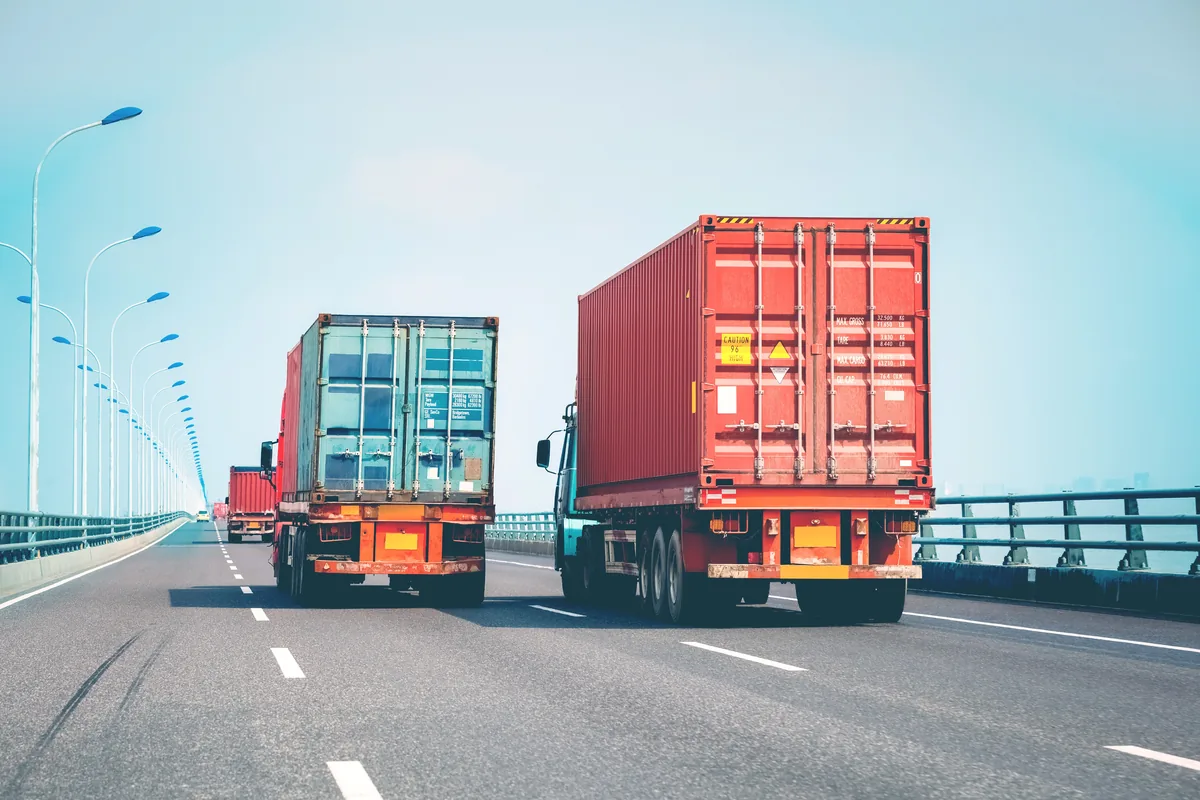
Let me give you the conclusion first: in Mercosur cross-border warehouse logistics, the tariff is the least of your worries. The real money goes to border delays, paperwork, and tax differences. Put plainly, the agreement waives your tariff. It does not waive the hassle. I have seen too many people treat "duty-free inside Mercosur" as "free movement across South America," only to watch their freight sit at a border crossing for a week.
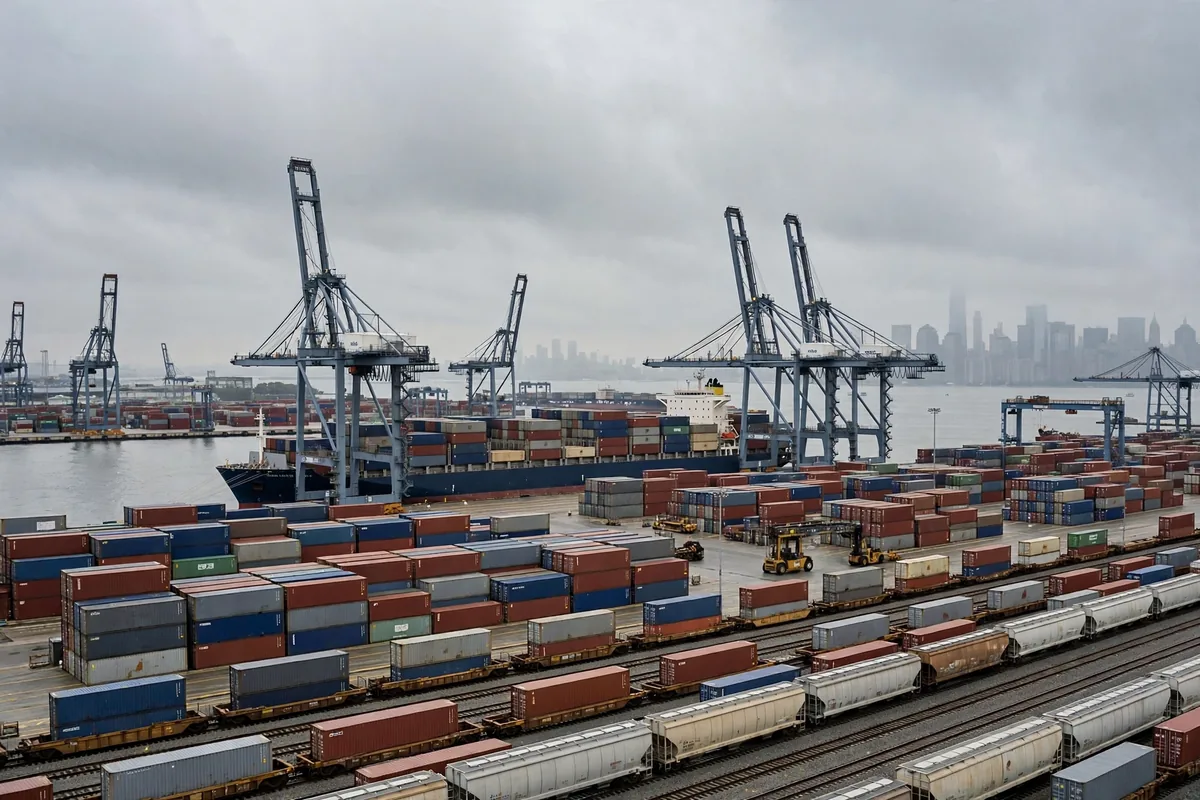
Let me set the foundation straight. Mercosur, the Southern Common Market, was founded by the 1991 Treaty of Asunción. Its full members are Brazil, Argentina, Uruguay, and Paraguay, with Bolivia as the newest full member, while Venezuela has had its membership suspended since 2016. On paper it is a customs union: goods circulate freely between member states, and a common external tariff applies to the outside world. There is a new development this year — the EU–Mercosur agreement was signed in January 2026 and entered into provisional application in May — but that is a Europe-facing matter and has little direct effect on the freight routes I am talking about here. What is written in a treaty and what happens on the road are two different things. This cuts both ways: the tariff exemption is real, and so is the friction at the border.
Duty-Free Does Not Mean Cost-Free in Mercosur Cross-Border Warehouse Logistics
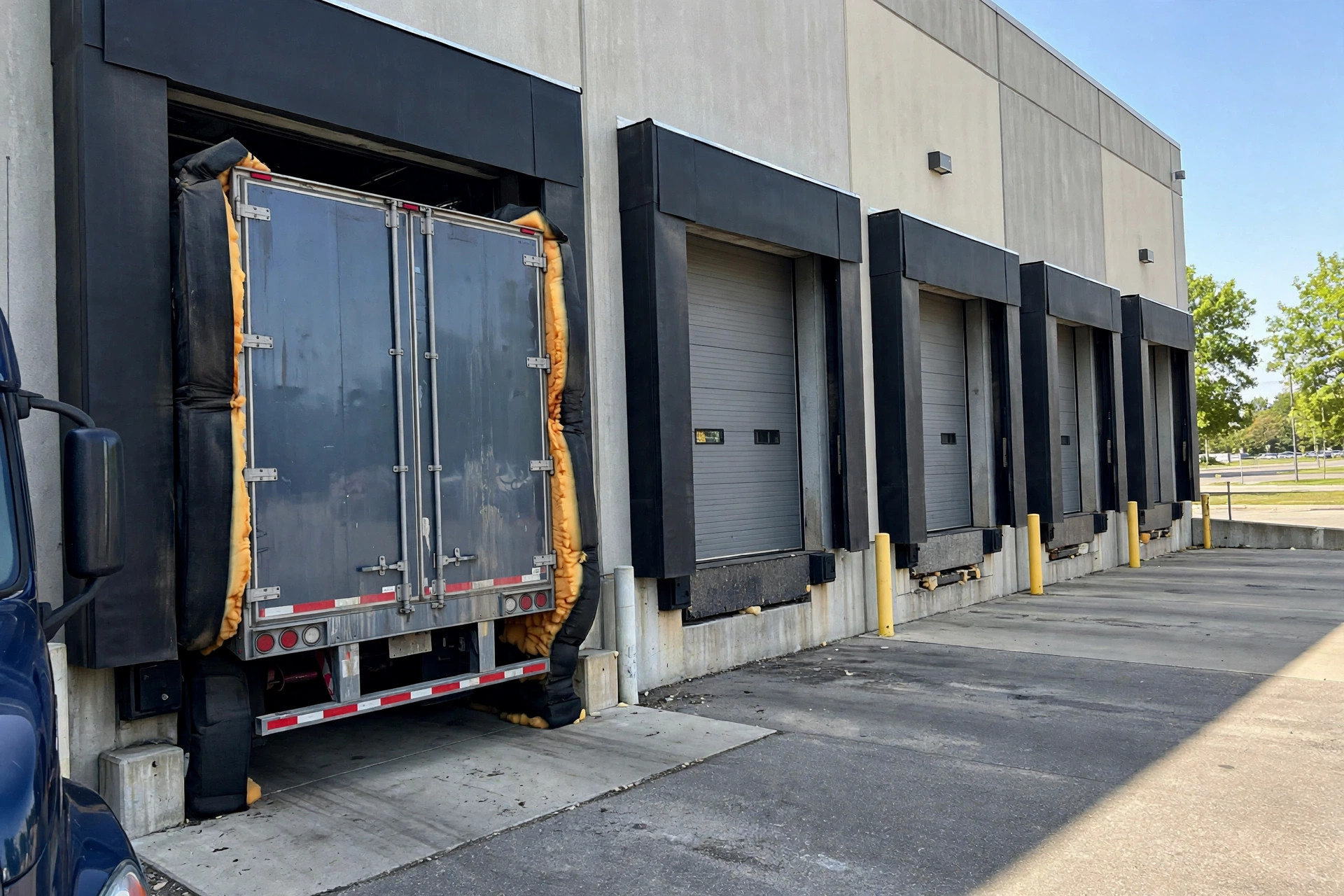
Let me tell you a real story. In the spring of 2025, a Shenzhen seller of outdoor lighting kept stock in a São Paulo warehouse and took an order from Buenos Aires. Inside Mercosur, no tariff — he figured the truck would arrive in two or three days. Instead, the freight sat at the border for a full week. The problem was not the tariff. It was the certificate of origin. Free circulation inside Mercosur has a condition: the goods have to qualify as originating in a member state, or meet the rules of origin. His lights were made in China, shipped by sea to São Paulo, then re-exported to Argentina. Strictly speaking, that shipment never qualified for the intra-bloc exemption. One stamp wrong on the paperwork, and a border officer has every reason to make you wait. In the end he filed the correct documents, paid the duties owed, and got the release — by which time his customer was already furious.
The lesson is one sentence: Mercosur's "free circulation" is free only for goods that meet the rules of origin. Re-exported goods, or goods without enough local content, go through every step of the process. Certificate of origin, commercial invoice, packing list, and the NCM classification code — miss one and your freight can be held. Plenty of Chinese sellers doing South America for the first time get tripped up on exactly this.
Tax differences are the other hidden bill. Brazil has the ICMS, a state-level turnover tax. I will mention the concept only, because rates vary by state and there is no single verifiable number to quote — check the latest official policy before you plan around it. The concept alone is enough to hurt: move goods from the state of São Paulo to another state and the tax treatment changes; move them from Brazil to Argentina and you are playing a different game again. In a warehousing budget, tariffs are the visible cost. Tax compliance and time are the invisible ones, and they are bigger. Here is my counterintuitive call: inside Mercosur, a duty-free shipment is not necessarily cheaper than a shipment that pays duty. Sometimes routing through Chile works out better. Chile is only an associate state, not a full member, so the goods pay duty — but the process is predictable and the transit time can be counted on, so the total bill comes out lower. Duty-free saves you tax. It does not save you time, and in South America, time is the most expensive thing.
São Paulo or Montevideo: Where to Put the Stock for Cross-Border Warehouse Logistics
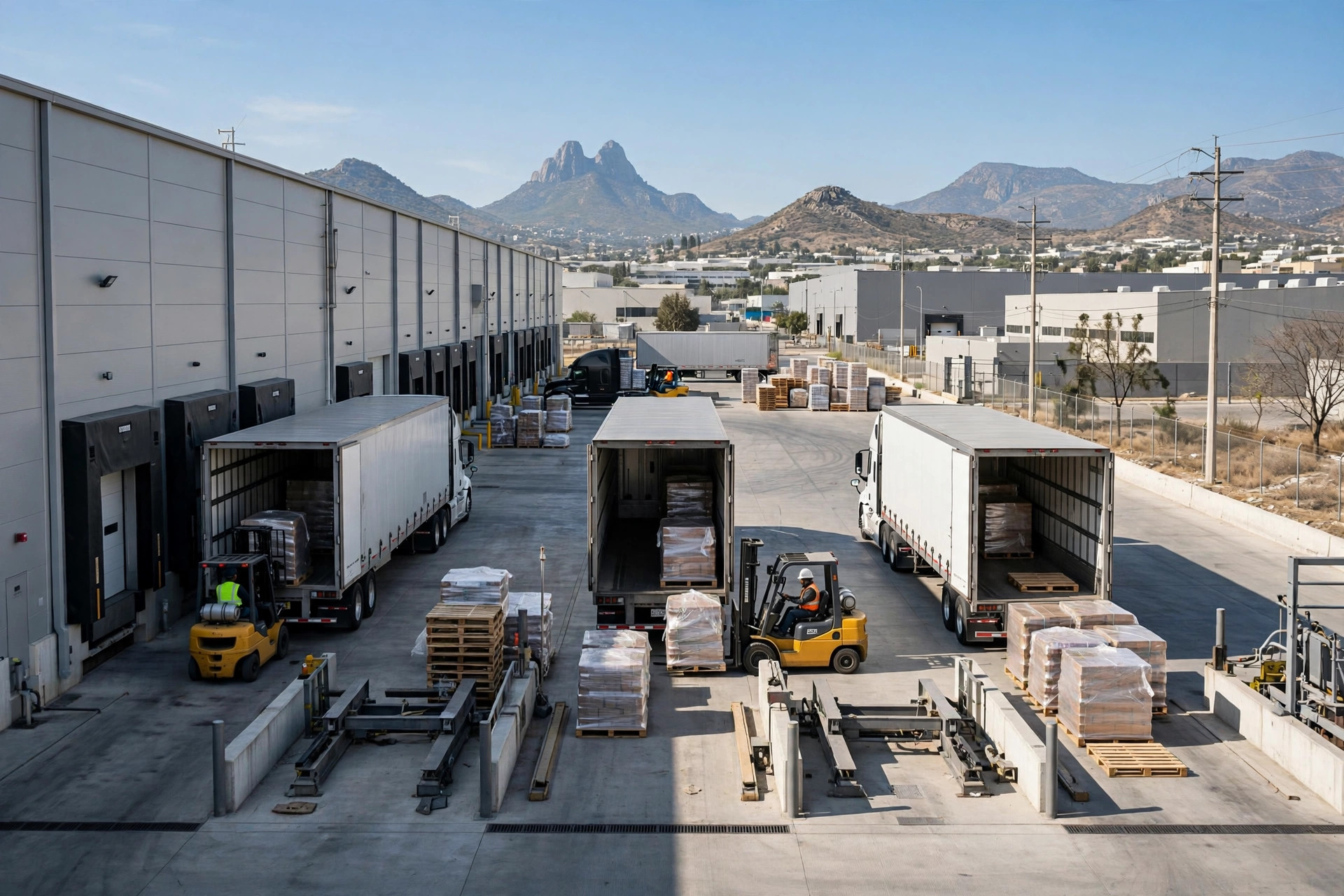
How do you choose a distribution point? My method is to look at who you are mainly selling to. São Paulo is Brazil's economic heart: the deepest warehousing resources, the most forwarders, the strongest handling capability. Its weakness is that Brazil's internal taxation is the most complex in the bloc — goods go into Brazil easily and come out with difficulty. Buenos Aires is a real market, but Argentina's import controls and foreign-exchange procedures have never been stable. You can put a warehouse there, but you need to build in generous buffer time. Montevideo is the option most people overlook. Uruguay's market is small, but its free-zone regime is flexible, and it works well as a regional distribution hub — freight dispatched from Montevideo to Argentina and southern Brazil clears the border with relatively little friction.
The second story is about Montevideo. A home-storage client of ours moved its South American distribution warehouse from São Paulo to the Montevideo free zone in the second half of 2025. Before the move, his São Paulo-to-Argentina shipments lost roughly four to five extra days at the border on average — that figure is an illustrative example, not a measured statistic, but the direction is real. After the move, dispatching from Montevideo cut the wait sharply, and peak-season replenishment stopped getting strangled at the border. His total bill did not go up, and his delivery times got steadier. Of course, this cuts both ways: Montevideo's warehousing resources are thinner than São Paulo's, heavy and oversized handling is weaker, and it suits smaller sellers better. Big-volume sellers still need to go back to São Paulo.
Use the table below as a decision framework. Each of the three points has its own way of working:
| Distribution point | Best for | Strengths | Risks |
|---|---|---|---|
| São Paulo | Mainly selling to Brazil, large volume | Deepest resources, most forwarders, strongest handling | Most complex taxation, heavy outbound paperwork |
| Buenos Aires | Mainly selling to Argentina | Close to customers, fast local delivery | Unstable import controls and FX procedures |
| Montevideo | Regional distribution, mid volume | Flexible free zone, clean dispatch paperwork | Thinner resources, weak heavy-freight handling |
For Chinese Sellers Going to South America, Answer One Question First
My advice to Chinese sellers heading for South America is one sentence: decide who you are actually selling to before you decide where the warehouse goes. Selling only to Brazil? Put the warehouse in São Paulo and stop dreaming that one warehouse covers the whole continent. Selling to Brazil and Argentina both? A distribution warehouse in Montevideo may be the better deal. Still small in volume? Do not rush to build anything — run your orders through a third-party warehouse first, and learn the paperwork and the rules of origin before you commit. South America is not one market. It is four or five markets with different rules bolted together, and Mercosur only makes them look like one.
So let me leave you with a question: is your freight really Mercosur freight — or just Chinese freight passing through Mercosur? Answer that one honestly, and you are halfway through the border already.
By Lao Mi, Supply Chain Veteran (20 yrs)