Nobody celebrates a return. The sale felt good for about a day, then a box comes back, sits in a corner, and quietly starts eating the profit you thought you had made. That is the honest starting point for mercado libre returns warehouse processing when you run a small warehouse in Latin America: you do not have a returns department, you do not have spare people, and you definitely cannot afford to let returned stock sleep in a pile for a week.
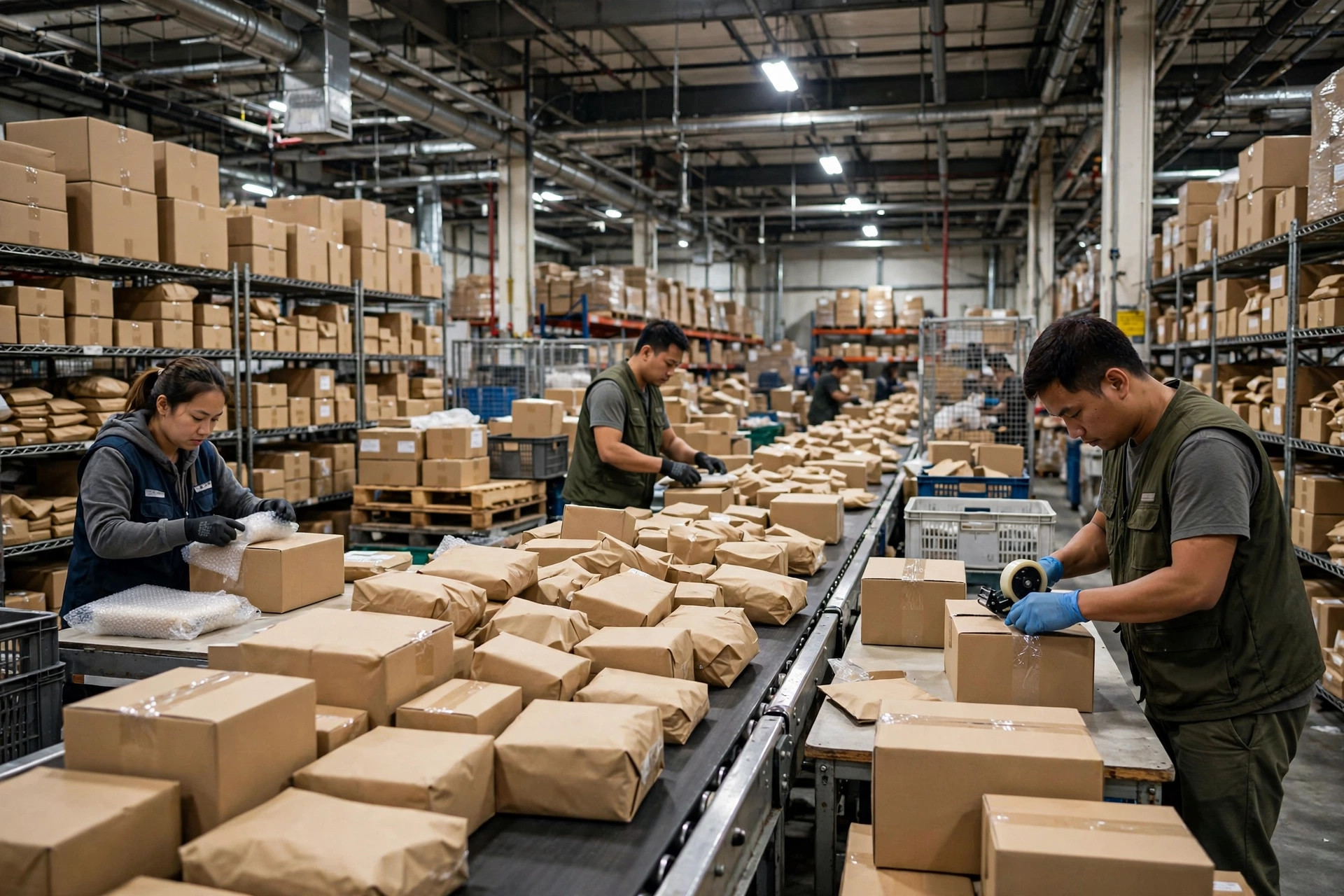
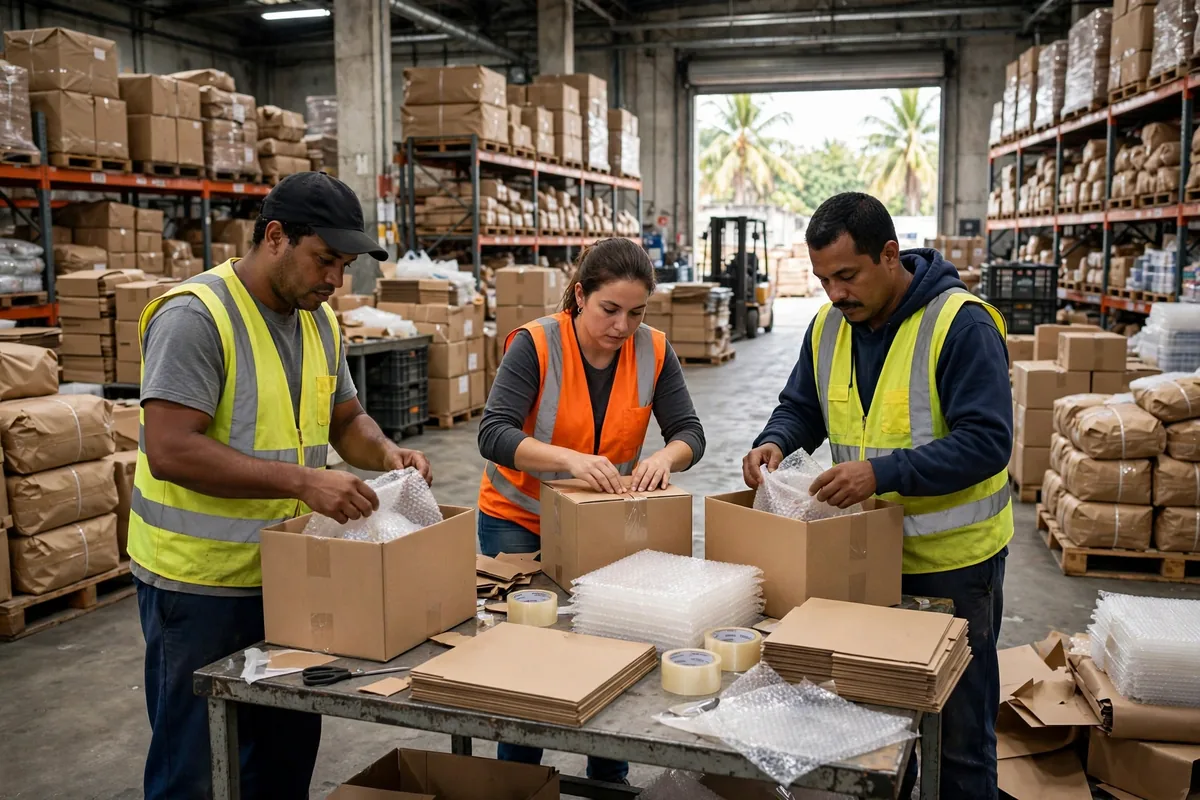
Our setup is small. A handful of people cover picking, packing, customer messages, and returns, often on the same shift. Early on, returns were the job everyone did "when there was time," which meant they were done late, badly, or not at all. What changed things was not software. It was one long table, two shelves, a phone stand, and a rule that no return parcel spends the night unopened.
mercado libre returns warehouse processing starts with photos, not opinions
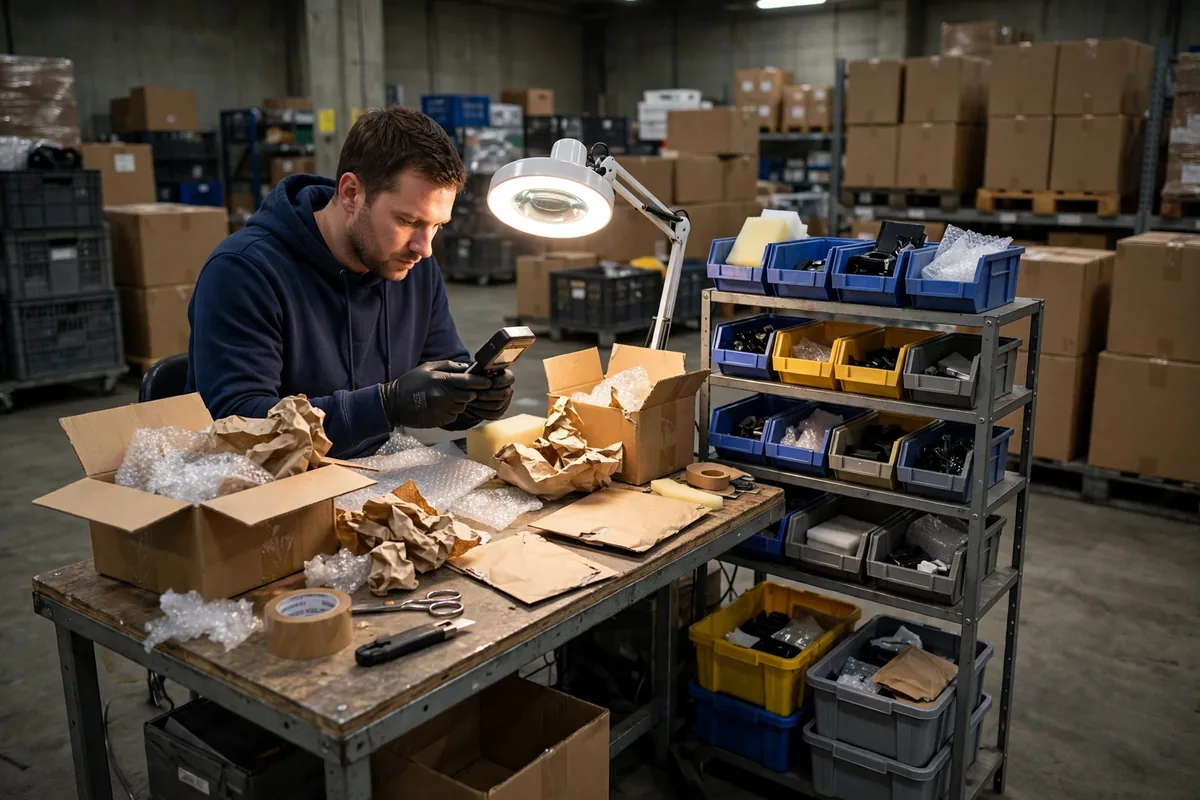
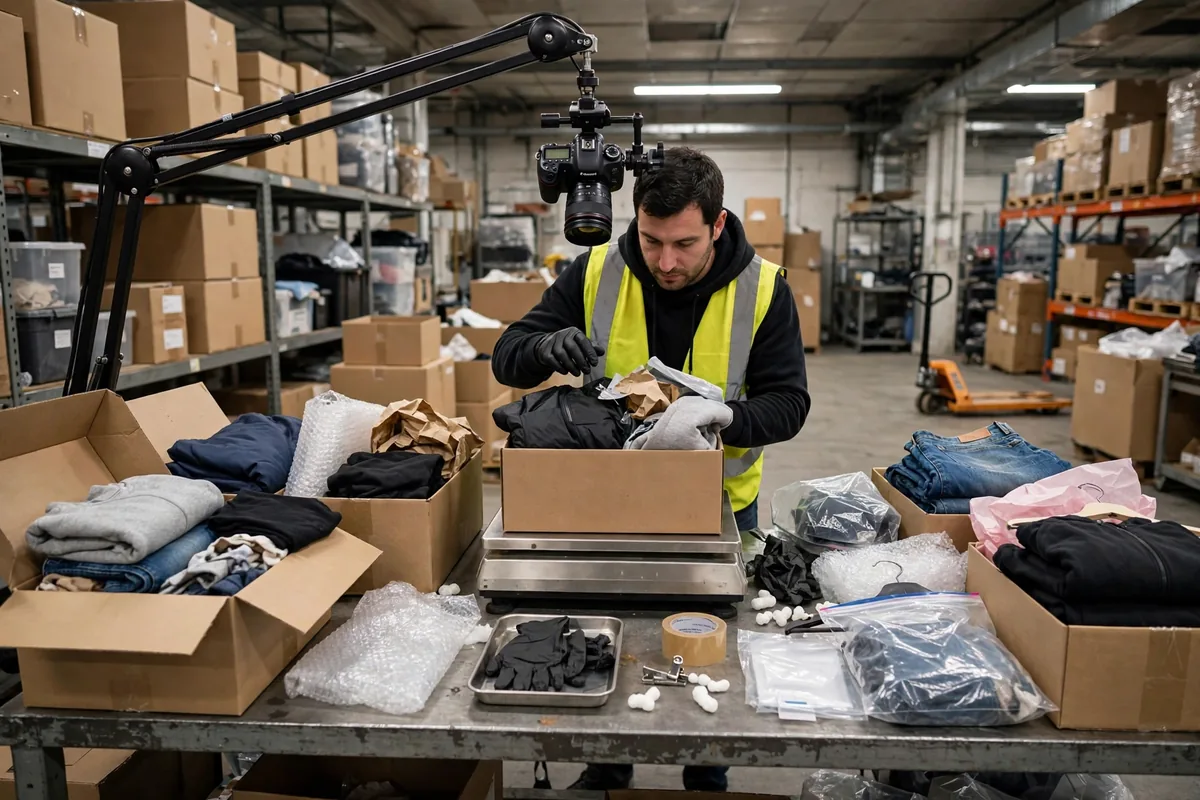
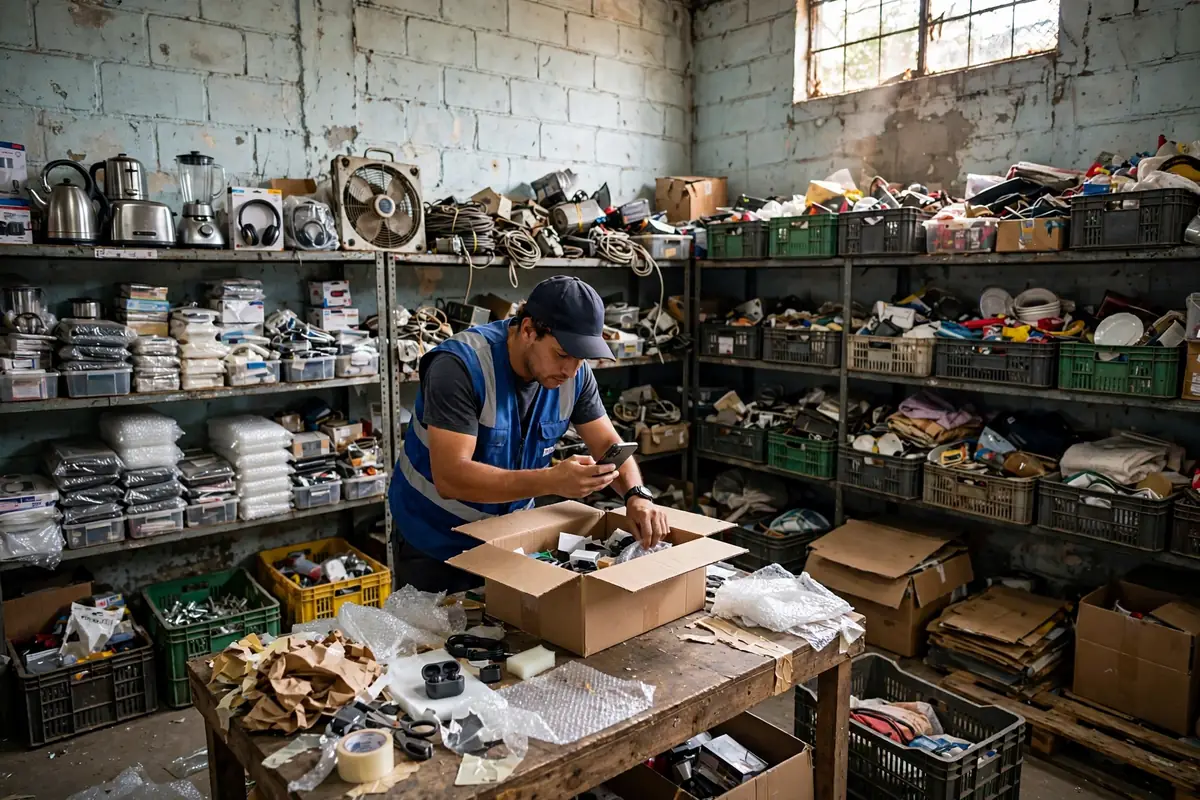
The cheapest protection a small seller has is a photograph taken at the right moment. When a return arrives, we photograph the outer box first: dents, crushed corners, tape that looks re-sealed. Then we open it and lay everything out exactly as it came — the item, accessories, tags, inserts — and take a second photo. Anything wrong, a stain, a snag, a missing part, gets a close-up. The whole routine takes about a minute.
Why bother? Because the most painful disputes are the vague ones: the item that came back is not the item that went out, or it came back damaged and everyone remembers the story differently. A time-stamped unboxing photo with the return label visible in the frame does not win every argument, but it changes the conversation from memory to evidence. I am deliberately not quoting platform deadlines or outcomes here, because those differ by site and category and they change — handle every case per the platform's latest rules. The habit of documenting first, however, never goes out of date.
Illustrative example: during one busy season, a jacket came back marked as a size return. Our unboxing photos showed the tags still attached but a clear snag on one cuff, with the return label in the same frame. Instead of arguing with the buyer or quietly putting the jacket back on the shelf, we logged the grade, kept the photos with the order record, and routed the jacket to the repair-and-discount bin. Had we reshelved it, the next buyer would very likely have returned it again, and we would have paid for the round trip twice. One minute of photography saved a second return. That is the kind of math a small warehouse understands.
Keep the photo spot fixed. Same light, same plain background, same phone position. Ours is a white foam board under the warehouse lights. It costs almost nothing, and consistency matters: a blurry photo taken against a messy shelf is evidence you cannot use.
Sort the reason before you grade the item: mercado libre returns warehouse processing that actually fixes something
Most small teams grade returns by one question only: can we sell it again? We learned to ask a different question first: why did it come back? The reason decides the fix, and mixing reasons together means you keep paying for the same problem.
We split reasons into three rough buckets. The first is fit: size, cut, color looking different in person. The product is usually fine. The fix is speed — inspect it, get it back on sale quickly — plus a product-page repair. Add a measured size chart, note the model's height next to the photos, and that category of return tends to fall the following month. The second bucket is genuine defects: a broken zipper, loose stitching, something that does not work. Those go upstream. If several units from the same batch fail the same way, that is a supplier conversation, not a warehouse problem. The third bucket is simple buyer's remorse. The item is often perfect, but the packaging is destroyed, so your real cost is repacking, and your grade should reflect that instead of pretending a crushed box is free.
Illustrative example: one month, a dress style started coming back far more often than usual. We assumed quality. After opening more than a dozen returns, every dress was flawless — and almost every reason said some version of "longer than expected." That was not a warehouse failure; the listing had never stated the dress length. We added the measurement and a height reference to the listing, and returns on that style dropped noticeably afterward. A returns corner is the closest place in your business to honest customer feedback. If you never separate the reasons, you throw that information away.
Our grading itself has only four levels, taped to the wall: A, original packaging intact, straight back to stock; B, item fine, needs new packaging; C, minor flaw, repair or sell at a discount; D, unsellable, record it and write it off. Each grade has its own colored tote. A new helper can learn the system in one shift, which matters when your whole team could fit in one car.
The slow math of a slow returns corner
Here is an illustrative example, using round numbers from our own small operation. These are not platform fees — check any actual charge per the platform's latest rules — but the shape of the math will look familiar.
Say an item sells for the equivalent of about $28, with roughly $7 of margin. If the return is graded the same day, suppose about seven in ten units go back to stock as A or B grade. Your loss is mostly return handling and repacking, say about $2.50 in this example, and you keep most of the margin. Let that same return sit for ten days and three things happen: a seasonal item misses its best selling window and may need a discount, packaging gets damp or tags fall off so a B quietly becomes a C, and whoever answers the customer has to dig through records instead of looking at a fresh photo set. The $7 margin can shrink to nearly nothing.
| Handling speed (illustrative example) | Share back in stock | Illustrative loss per unit | Illustrative margin left |
|---|---|---|---|
| Graded the same day | About 70% | About $2.50 | About $4.50 |
| Delayed 3-5 days | About 50-60% | About $4.00 | About $3.00 |
| Delayed 10+ days | About 30-40% | About $6.50 or more | Close to zero |
The point of the table is direction, not precision: returns speed decides whether a return means "earned a bit less" or "worked for free." Big companies solve this with systems and dedicated teams. Our scrappy version is simpler. Returns never wait overnight. On the worst days, we at least open and photograph everything, even if grading slips a day — evidence cannot wait, opinions can. In peak season, only two named people work the returns table, on rotation. More hands sounds helpful and usually just makes grading inconsistent.
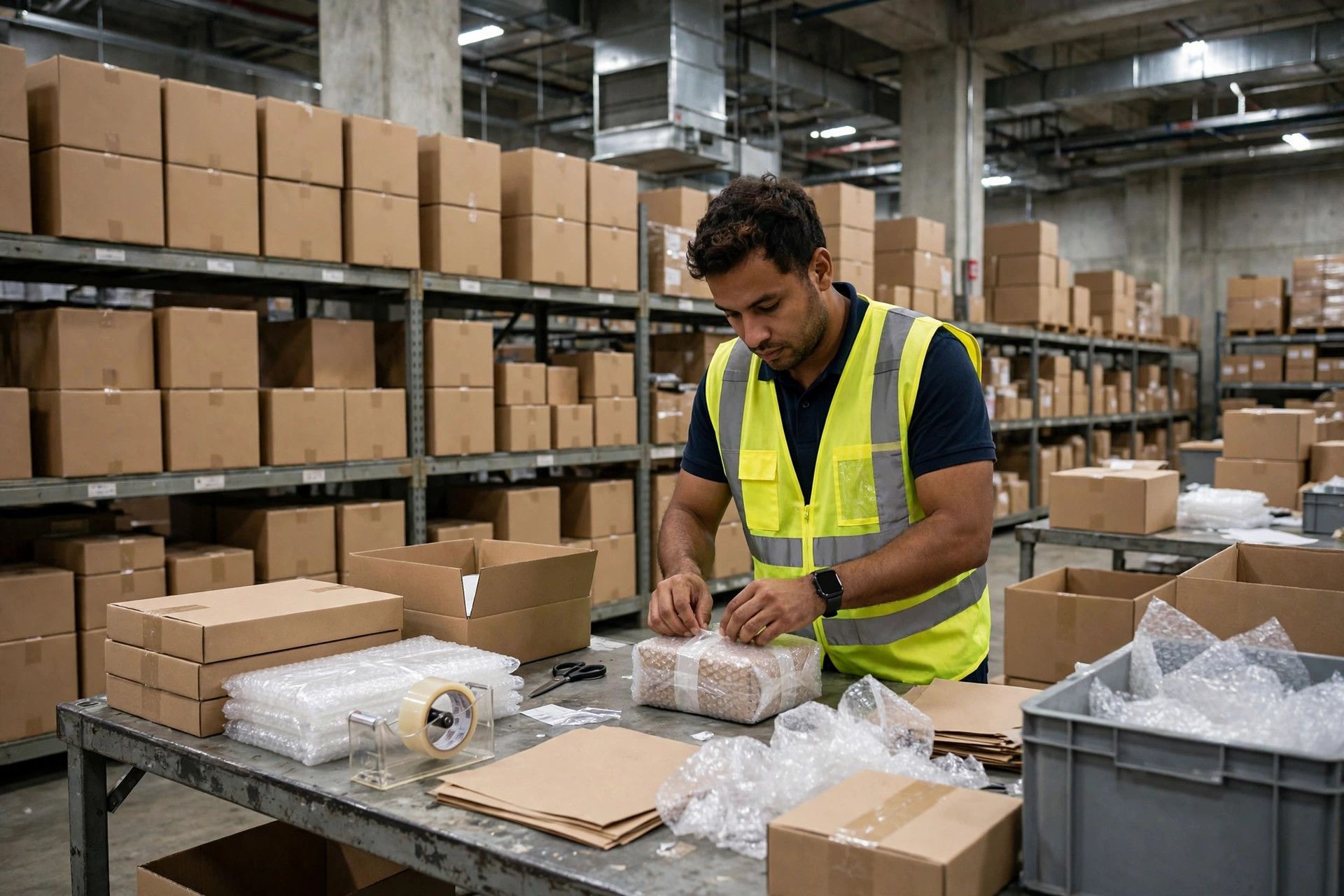
The physical layout costs almost nothing. One table in three zones: open and photograph on the left, inspect and grade in the middle, label and route on the right. Shelves hold only two states, waiting and graded. There is no shelf for "decide later," because in a small warehouse, "later" is where margin goes to die. The whole corner fits in under ten square meters, and its entire equipment list — phone stand, small scale, bag sealer, colored totes — costs less than the delivery fee on a sorting machine we will never buy.
Returns are not the tail end of a sale. They are the second gate your profit has to pass through. Sellers at our size all buy and list in roughly the same way; the ones who keep more money are the ones whose returns move fast, whose evidence is complete, and who actually read the reasons. You do not need a bigger warehouse for that. You need a table, a camera position, and the discipline to give every returned item a destination on the day it arrives.
Small warehouses survive in their own way: few people, so make the routine foolproof; little money, so document everything; little space, so nothing sits without a next step. Start with the table and the photo spot, run it for a month, and your own numbers will tell you what it was worth.
By Xiao Ma, Small Warehouse Owner