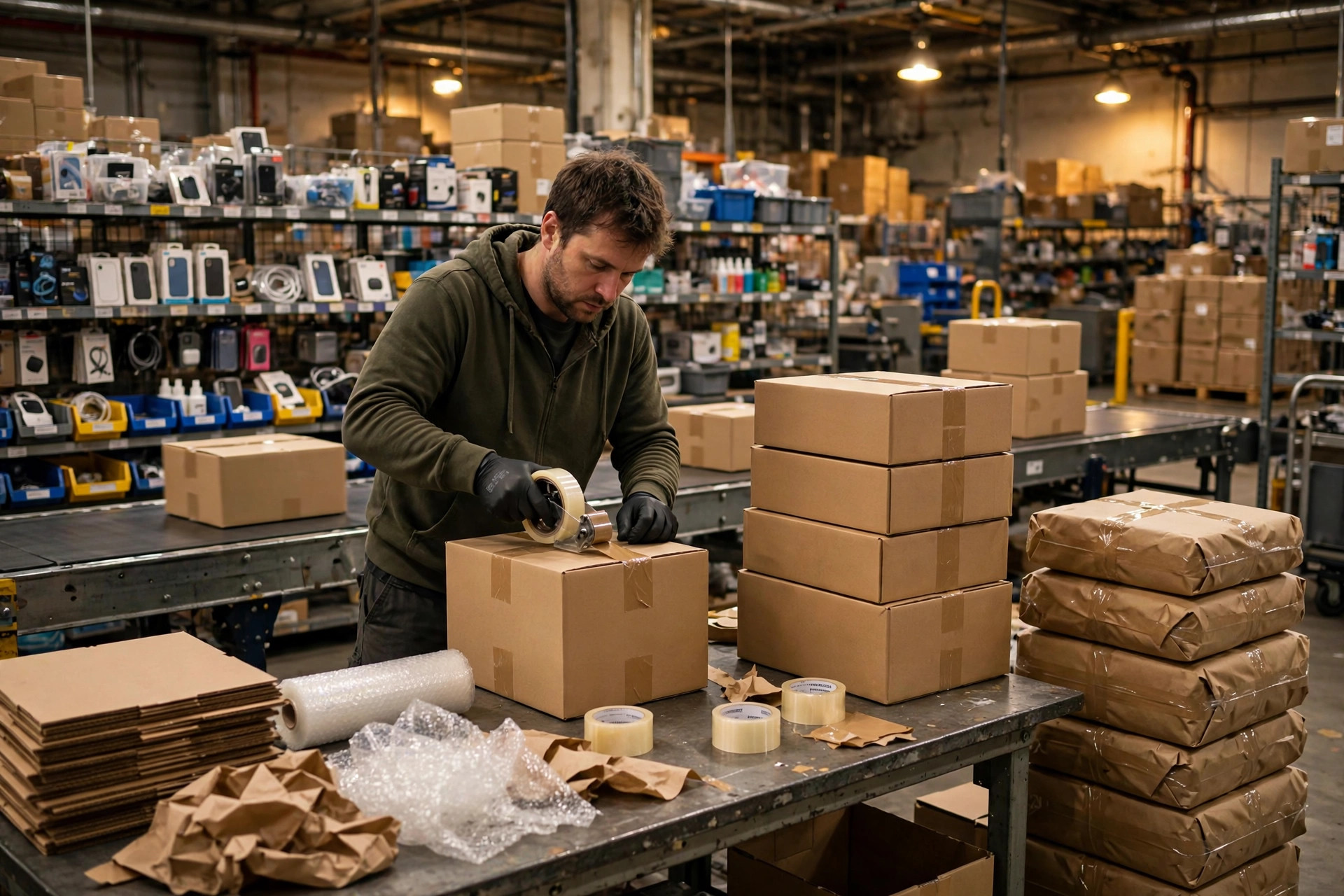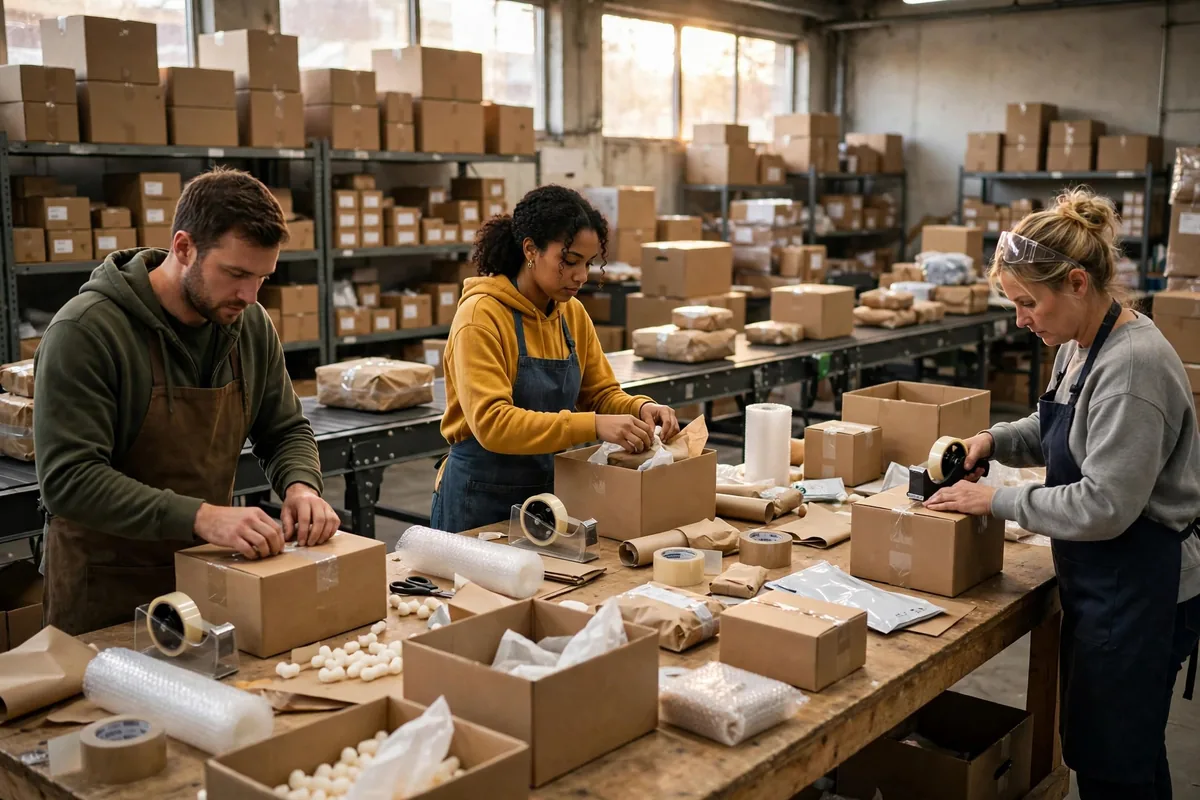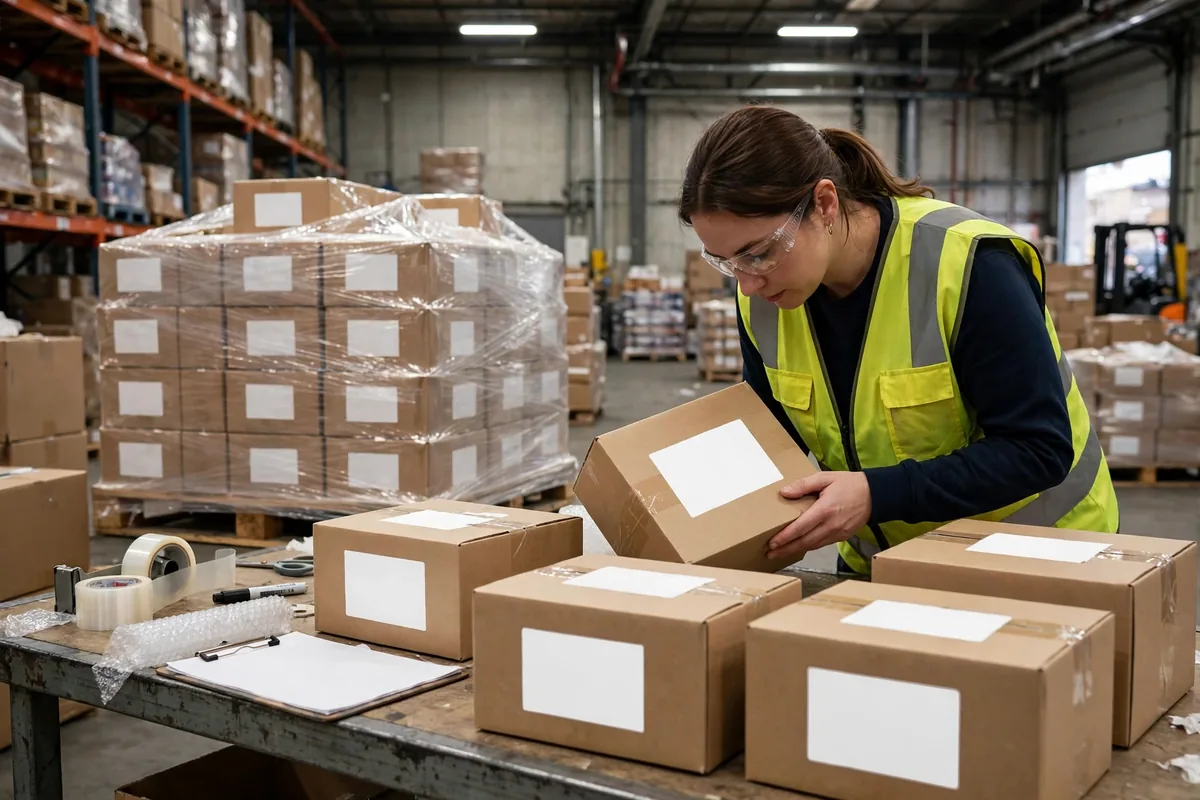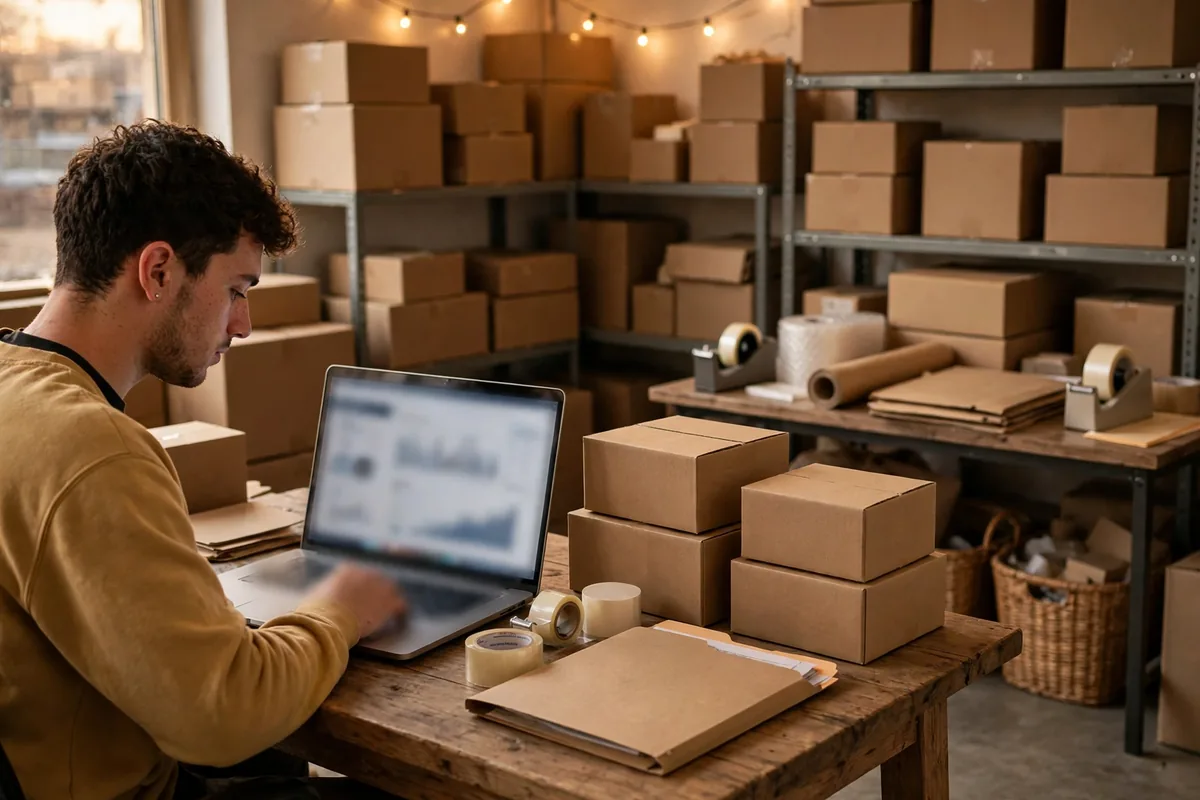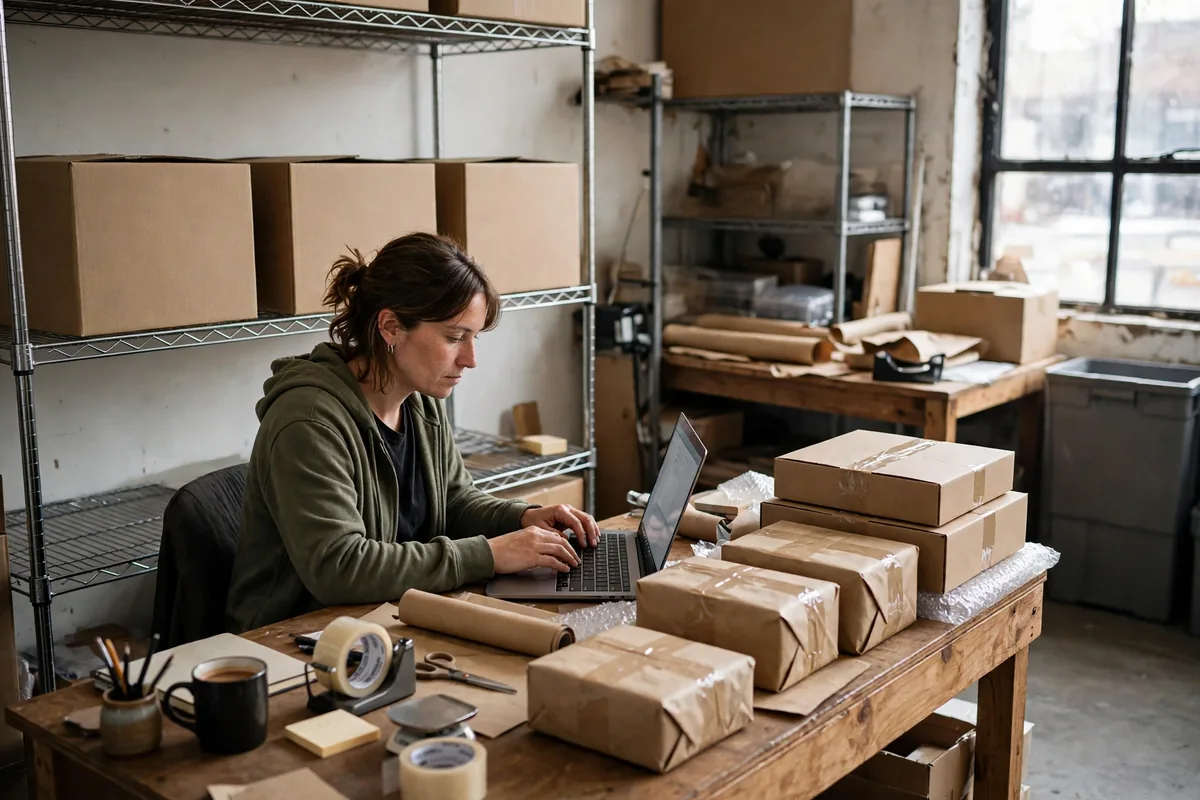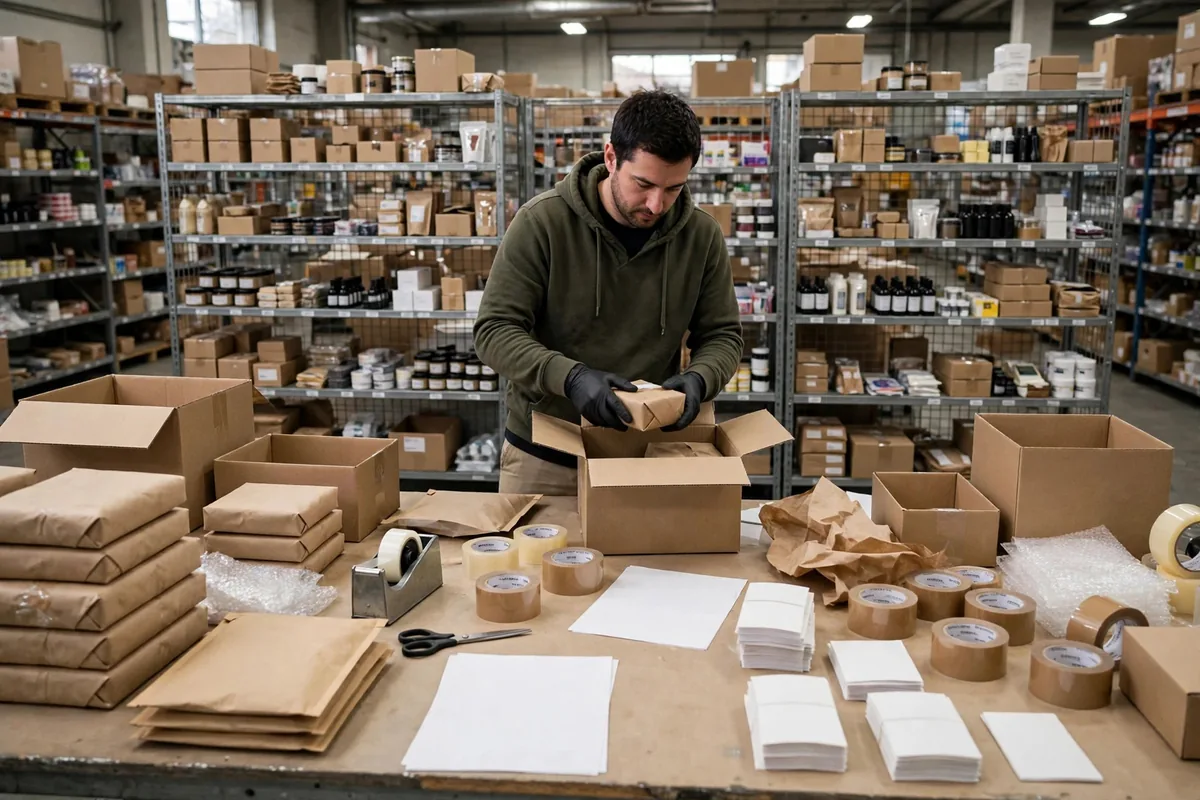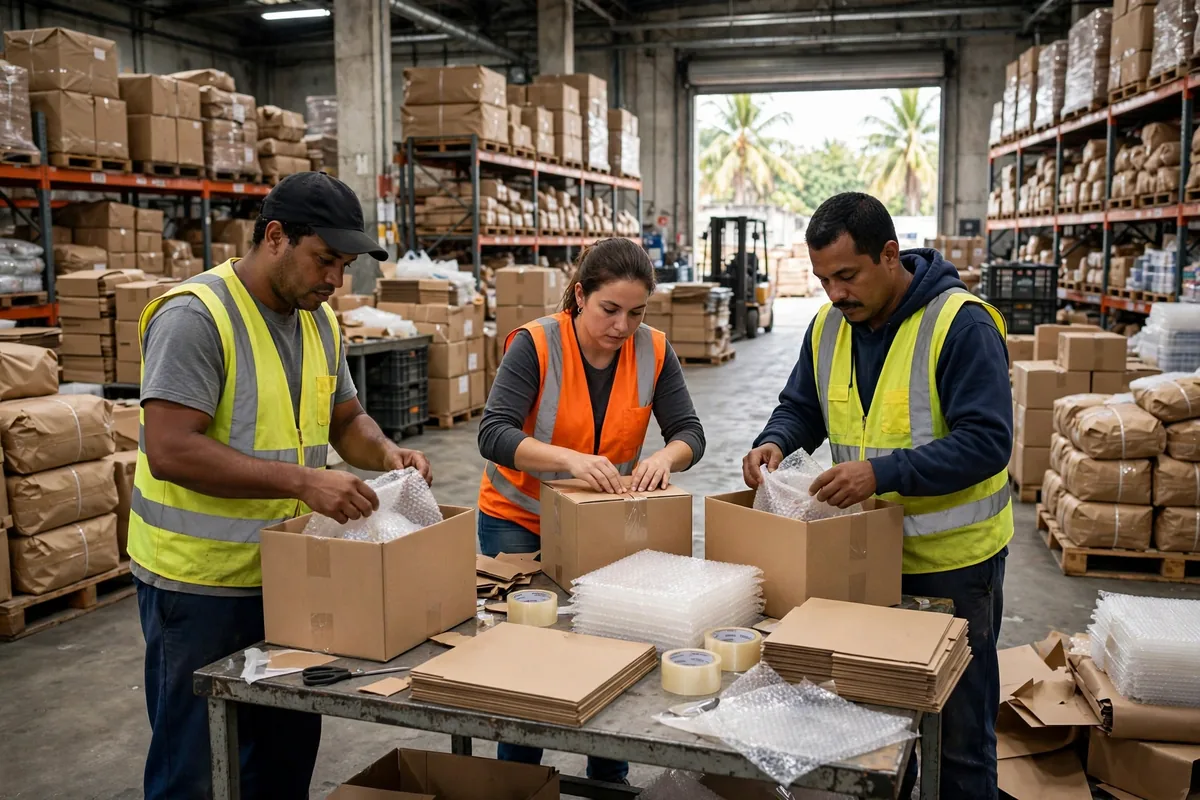
Last month a client who sells into Latin America came to me and asked: Xiao Ma, I want to put stock in Brazil. How does Mercado Libre seller fulfillment actually work? Can your little warehouse hold a batch for me first? I laughed. Holding stock is what I do. Then I read the platform rules and nearly talked him out of it. Brazil looks like a big cake, but a new seller who steps in blind usually pays tuition first.
Fair warning: I run a small warehouse, not a Latin America consultancy. This piece is the math I worked out after checking the official pages and developer docs and cross-checking with a friend who sells on the Mexico site. Fees and commissions change whenever the platform feels like it, so take exact rates from the platform's latest policy. What I can give you is the routes and the way to do the math.
Mercado Libre seller fulfillment: four routes, check the dead ends first
Here is a dead end most people do not know about. Mercado Libre's cross-border program is called Global Selling. One account lists in five marketplaces, Mexico, Brazil, Chile, Colombia, and Argentina, and you get paid in US dollars. It only accepts companies registered in the US, mainland China, or Hong Kong. But its Full warehouses, where the platform stores, packs, and ships for you, are open to cross-border sellers only in Mexico and Chile. The Full warehouse in Brazil is for local sellers only.
In plain words: if you want your stock sitting in a platform warehouse inside Brazil, you need a local entity in Brazil first. That step costs money my little warehouse cannot afford to burn. Plenty of new sellers only find out halfway through shipping that Brazil Full is closed to them.
So what is left for a cross-border seller shipping to Brazil? Four routes, if you count honestly: a Brazil local warehouse, Flex, cross-border direct shipping, and the Texas hub. Flex is the platform's same-city rush delivery in big cities like Sao Paulo and Rio, local sellers only, built around same-day delivery. You need stock in Brazil to play. Direct shipping is the route cross-border sellers know best: the stock stays with you, you ship order by order, and the platform requires the parcel to reach the carrier within 3 business days. The Texas hub is the platform's official warehouse in China Grove, Texas. You send stock in bulk, the platform takes over and delivers into Latin America, quoting 2 to 3 days to Mexico.
One more route for sellers registered in China: the platform runs a CHINA FULL warehouse in Dongguan, a semi-managed option where you deliver the goods inside China and the platform handles the rest. It only accepts mainland China and Hong Kong companies. A US company cannot use it.
Mercado Libre seller fulfillment compared: four routes, one table
Lay the four routes of Mercado Libre seller fulfillment side by side and the conclusion is uncomfortable: the fastest route is the most expensive, and the slowest route suits small sellers best.
| Route | Where the stock sits | Time to the buyer | Who can use it | Best for |
|---|---|---|---|---|
| Brazil local warehouse (Full) | Platform warehouse in Brazil | Same-day or next-day | Local sellers in Brazil | Sellers who already have a Brazilian entity |
| Flex same-city delivery | Local warehouse in Brazil | Same-day in the city | Local sellers in Brazil | Sellers with ready stock in Sao Paulo, Rio, and other big cities |
| Cross-border direct shipping | With you | Often two to three weeks | Cross-border sellers, all five marketplaces | Small sellers testing products |
| Texas hub | China Grove, Texas | About 2 to 3 days to Mexico | Companies registered in the US, China, or Hong Kong | Sellers with volume who want faster delivery |
The Texas hub has hard numbers worth remembering: starting capacity is 1,000 units, each unit up to 25.3 kg, no side over 120 cm, and the sum of all sides no more than 260 cm. The Full warehouse in Mexico caps each unit under 25 kg, Chile under 20 kg, with the same size limits. Oversized stock does not get in, so check before you ship, not after.
Two money traps. First, the Mexico Full warehouse requires a Mexican tax ID, the RFC, and the platform now verifies it. Without one, withholding can climb steeply. Tax rules follow the platform's latest official policy, so confirm before you commit. Second, the platform's pricing page sets a minimum listing price of 3 dollars for direct shipping and 4 dollars for Full. Run that math before listing cheap items. Selling fees and storage fees vary by category, so I will not print specific rates here. Check the platform's latest policy. A wrong number is worse than no number.
Test with direct shipping first: the small-warehouse way
My client Lao Chen did it right when he launched on the Mexico site in early 2026. He tested with direct shipping. Three small home appliances, 50 units of each sitting in his own warehouse, packed the day an order came in, handed to the carrier within 3 business days. After three months, one product took off and the other two were delisted. His dead-stock loss was under 100 units. If he had pushed 1,000 units into the Mexico Full warehouse on day one, storage fees and returns on the two losers would have dragged him under.
Only then did he move the winner to step two, the Texas hub. He sent 500 units in bulk, the platform took over, delivery to Mexico ran 2 to 3 days, and the listing carried a USA FULL badge. Conversion visibly improved. Step three is the Full warehouse, and only once monthly sales are steady. Brazil he has not touched, for a simple reason: no local entity, and forcing it would be asking for trouble.
Run the numbers and the order makes sense. That is the sequence Mercado Libre seller fulfillment rewards. Hypothetical example, for illustration only: one small appliance at 20 dollars, 100 units is 2,000 dollars of stock. With direct shipping, that 2,000 dollars of stock sits in your own warehouse, and if it does not sell you can move it to another channel. With the Texas hub, the same 2,000 dollars is already across the ocean inside a platform warehouse, and getting it back costs another freight bill. A Brazil local warehouse is worse still, because first you have to build the local entity. Same stock value, completely different exit.
Here is the counterintuitive call: Brazil is the biggest market, but it is the last one a new seller should touch. Mexico and Chile are the practice grounds. Full is open to cross-border sellers there and the tax ID process is relatively clear. And one more thing: the slowest route, direct shipping, is the friendliest to small sellers, because it ties up no inventory. The Full same-day badge looks great, but only if you bet on the right product. Bet wrong and the badge becomes a storage-fee collection notice.
Small warehouses have their own way of surviving: test with direct shipping, move winners to the Texas hub for speed, talk about Mexico Full once monthly sales are steady, and leave Brazil for the day you actually have a local entity. Where the stock sits comes down to how much money you have and how much dead stock you can afford. Do not stock up because everyone else is. Do not let three words, same-day delivery, do your thinking for you.
By Xiao Ma, Small Warehouse Owner