Let me put the conclusion first: a mendoza wine export warehouse problem is rarely about distance, and moving Mendoza wine from the winery to the port of Buenos Aires is not a distance problem. It is a heat and vibration problem. Put plainly, wine does not fear a long journey. It fears getting hot when it should stay cool and getting shaken when it should sit still. I have seen too many shippers spend their whole budget on a refrigerated ocean container while leaving the inland leg, a few hundred kilometers of ordinary trucking and open-air waiting, completely unprotected. By the time the container is opened at destination, the wine has aged ahead of schedule, and no polite complaint letter recovers that loss.
There are two sides to this. One is temperature. Wine in storage and transit hates repeated temperature swings far more than it hates any single warm day. A bottle held at a steady, cool temperature for extra weeks changes slowly. The same bottle riding through days of daytime heat and nighttime cooling in an unprotected truck, or sitting on a sun-exposed dock, suffers at the seal and in the body of the wine. The other side is vibration. Bottled wine does not fear one jolt. It fears long, low, constant shaking, what the trade calls bottle shock. Cloudiness, stirred sediment, and a dull, closed taste often have no single accident behind them. The cause is a road that shook the wine for too long.
Where Mendoza Wine Export Warehousing Breaks First
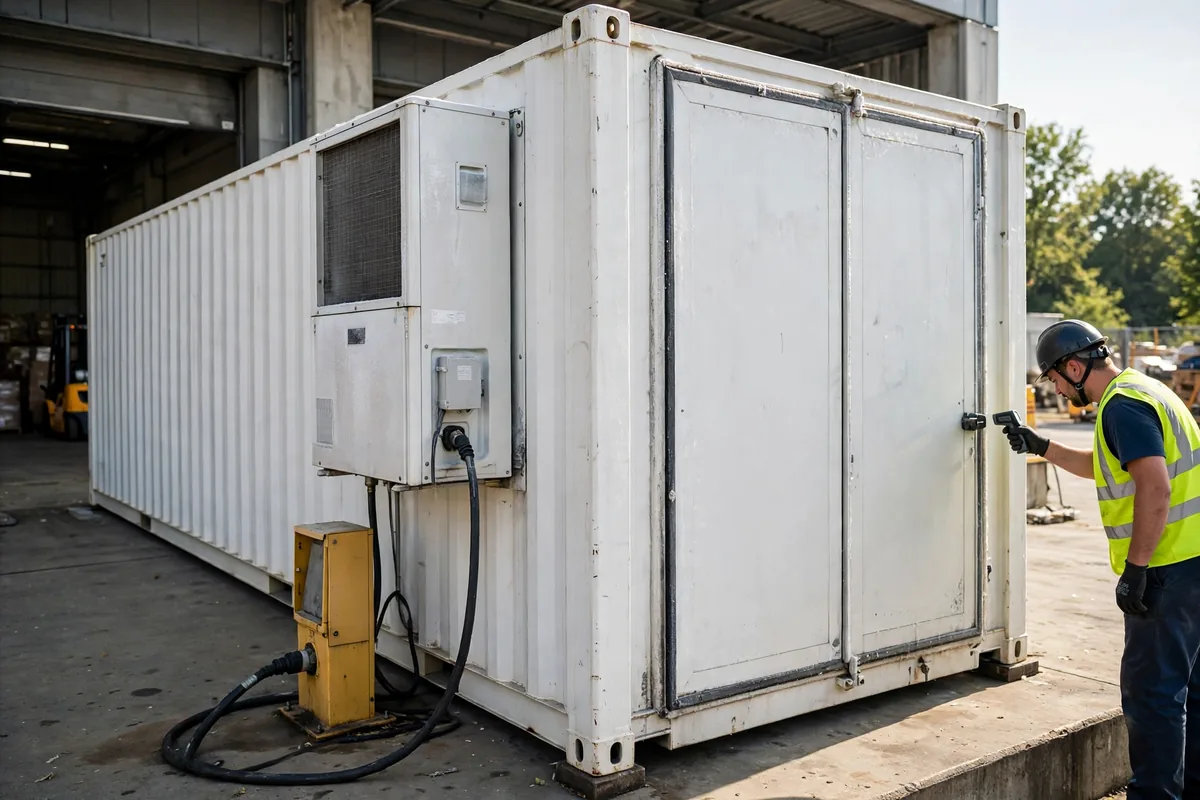
I handled a shipment that taught me this the hard way. In early summer 2023, a lot of Mendoza Malbec left the winery in good shape, bound for consolidation at Buenos Aires. The winery cellar was excellent, cool and stable, and loading was done with normal care. The failure happened at the transfer warehouse, where the pallets waited two days on an open dock during a run of hot days. The outer cartons took direct sun and came out warm to the touch. At the port, a visual check still looked acceptable, but buyers at destination reported that part of the lot tasted noticeably older than the sample they had approved. No single step had failed dramatically. Heat, waiting time, and exposed outer layers had combined to push good wine past its limit.
Labels caused the second failure I remember best. In 2024, a Mendoza lot bound for Asian markets left the winery with front and back labels already applied. At the transfer warehouse, rushing to meet a sailing, staff re-boxed part of the lot in a humid area. Cartons softened, label corners curled, and some back-label text wore thin. At destination customs, a few batches needed extra days while the paperwork and labels were verified. The wine itself was fine. The documents and labels failed first, and the cargo sat in port unable to move. In export warehousing, label and document integrity matter as much as the wine, because customs officers judge paper, not taste.
The Storage and Consolidation Order Before Sailing
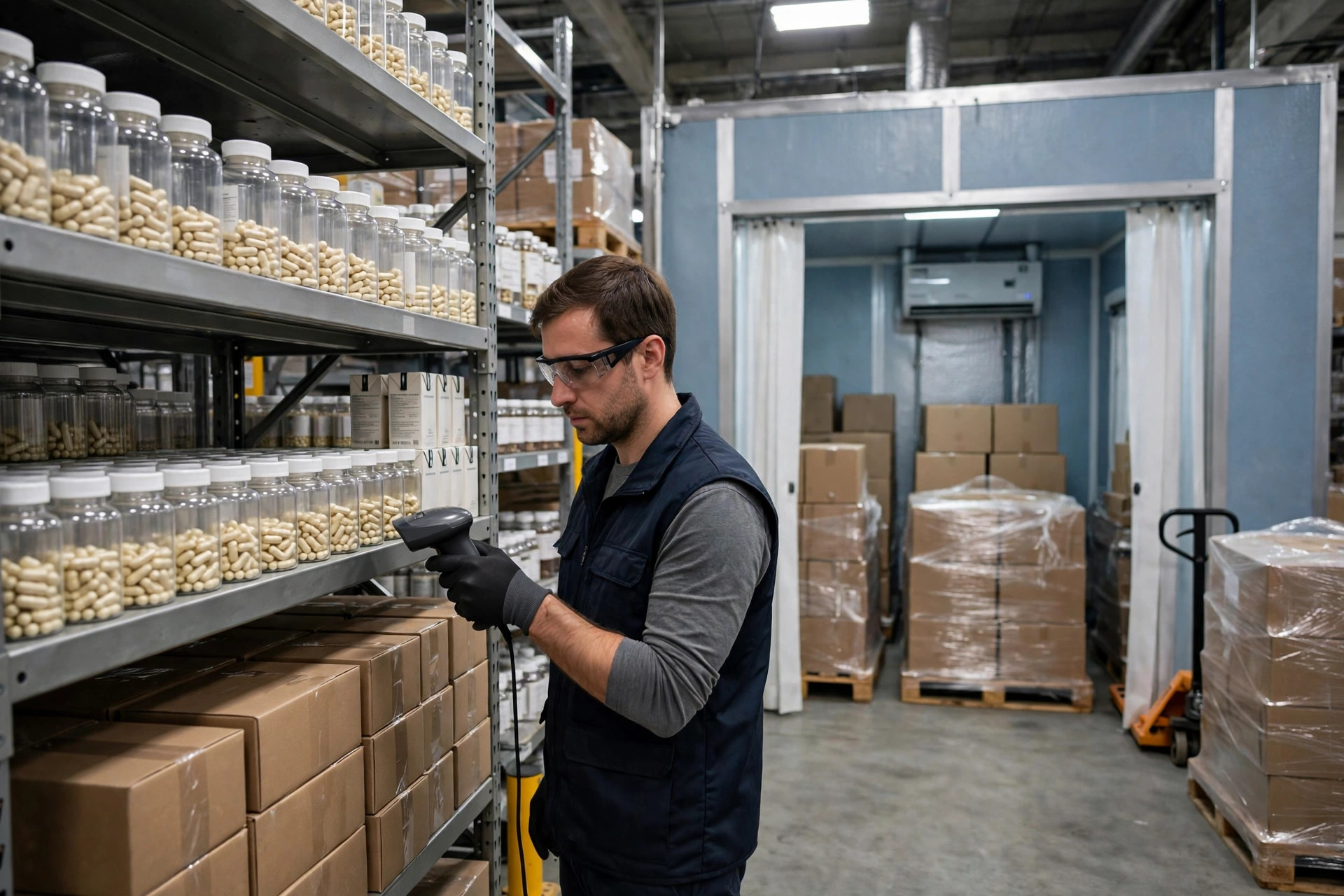
For a mendoza wine export warehouse plan, I work in this order: control temperature first, control vibration second, and control documents last, but never skip any of the three. Before the wine leaves the winery, confirm resting time. Recently bottled wine should not go straight into a long inland haul; it needs a settling period so the wine stabilizes. At the transfer warehouse, choose shaded storage, keep pallets away from sun-facing walls and dock edges, and add an insulating cover over outer pallets. The cover costs little and does a great deal. At consolidation, heavy cases go low and light cases high, which everyone knows. What gets missed is mixed loading: packing wine in the same container as strong-smelling cargo or heavy vibrating freight creates odor transfer and resonance risk at once. Waiting for the next sailing beats forcing a bad consolidation.
| Stage | Main risk | Low-cost practice | Never skip |
|---|---|---|---|
| Winery dispatch | Shipping before settling | Hold the settling period before booking trucks | Pre-dispatch sampling |
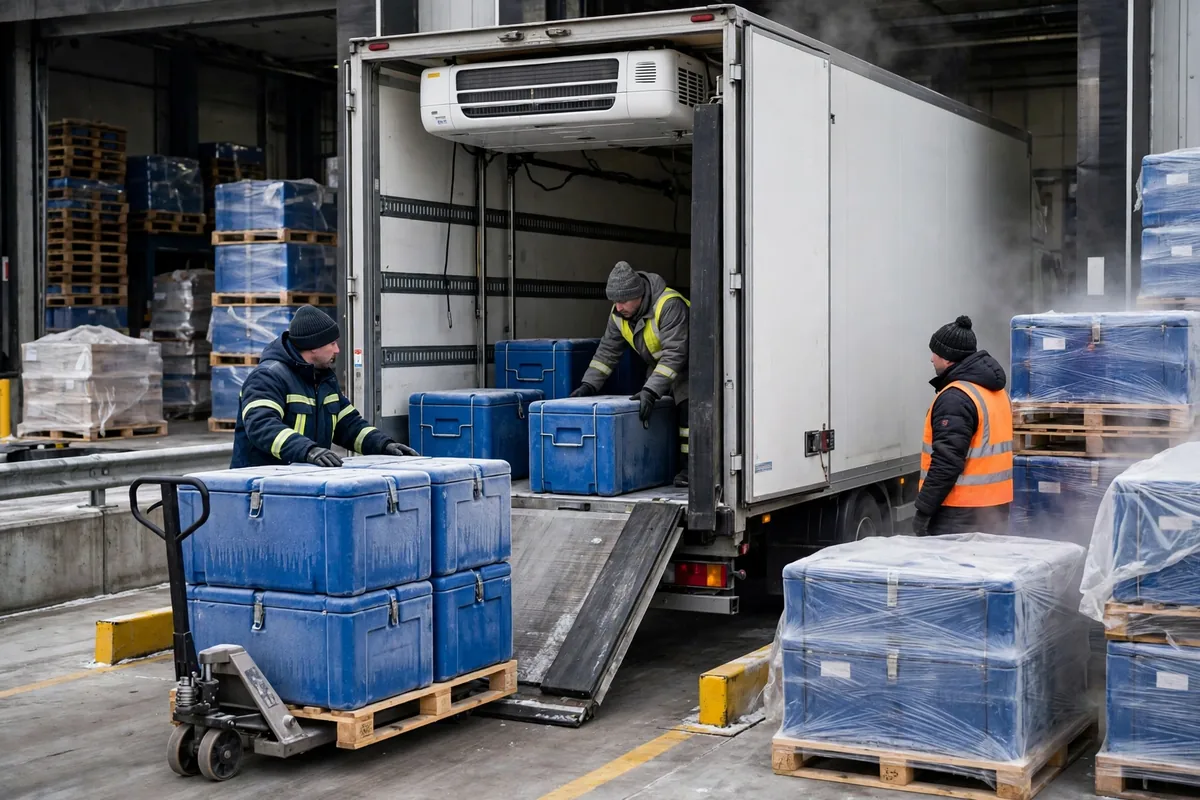
| Inland trucking | Sun exposure, long vibration | Avoid midday loading, choose smoother routes | Insulating covers, pallet securing |
| Transfer storage | Open-air waiting, humidity damage | Shaded bays, pallets off the floor | Temperature and humidity records |
| Consolidation at port | Odor transfer, resonance | Consolidate like cargo, add case padding | In-container securing, seal check |
| Destination customs | Worn labels, mismatched documents | Check labels case by case before dispatch | Back-label compliance review |
Here is the counter-intuitive judgment most shippers get wrong: the ocean leg, though the longest, is usually the most controlled part of the journey. A refrigerated container holds a recorded temperature curve, and responsibility is clearly defined. The uncontrolled part is the inland stretch that nobody records. Nobody can say afterwards how hot those two waiting days really were. Putting a small temperature logger inside an inland pallet costs little, and it turns "we cannot say" into evidence. When something goes wrong, that record decides whether the claim sits with the carrier, the transfer warehouse, or the shipper.
Summer is the window that demands the most discipline. My rule for summer shipments is simple: run a hot-season plan, and keep a mendoza wine export warehouse checklist for the season pinned to the dispatch board. A second point belongs in the contract, not in conversation: write in a maximum transfer-waiting time, a duty to notify on temperature excursions, and a delivery format for the temperature records. Verbal assurances are worth nothing on claim day; written clauses are what make a dispatcher think twice before parking your wine in the sun. Load and unload outside the midday heat, refuse transfer bookings that mean open-air waiting, and prefer sailings with fewer transfers even if the departure is later. A sailing delayed by a week costs storage and tied-up capital. A lot baked through two extra days of sun can cost the full value of the shipment plus the buyer's trust. The first cost is visible. The second is unaffordable.
The distance from Mendoza to the port never decided what condition the wine arrived in. The unowned hours in between did. Are you willing to pay a little for records and protection during those hours?
By Lao Mi, Supply Chain Veteran (20 yrs)