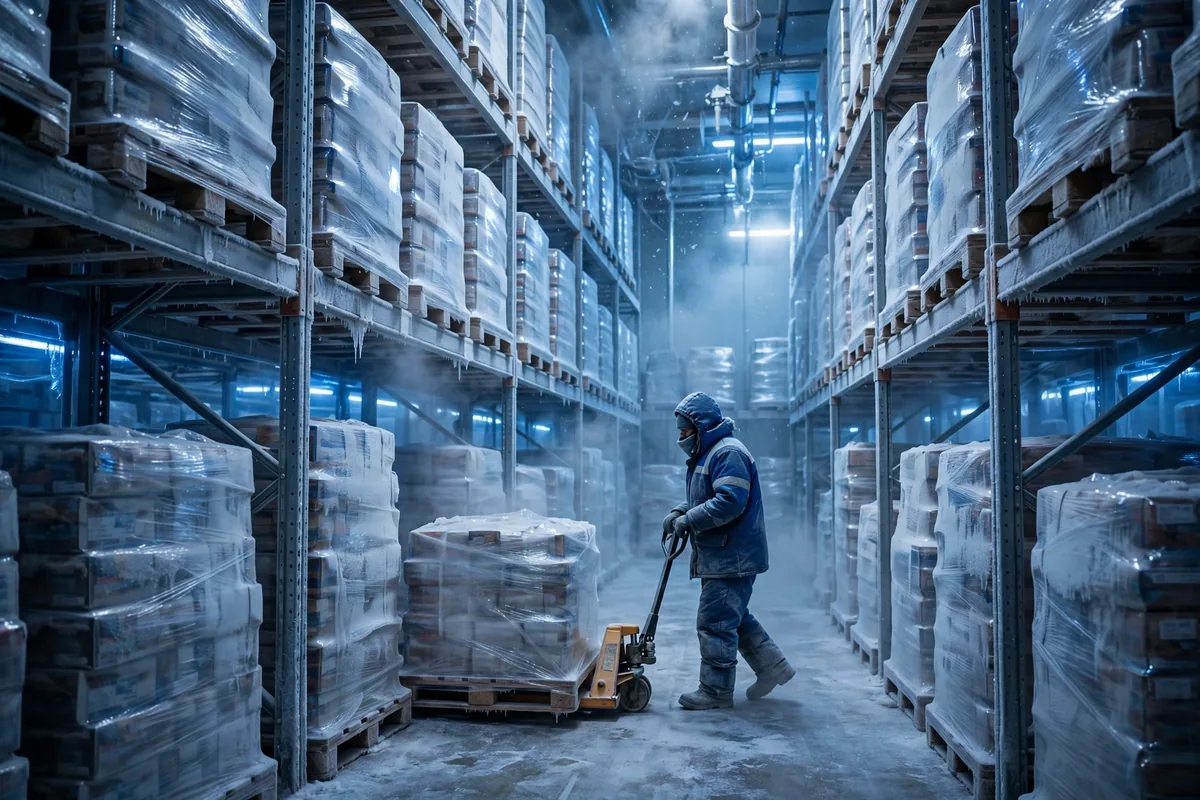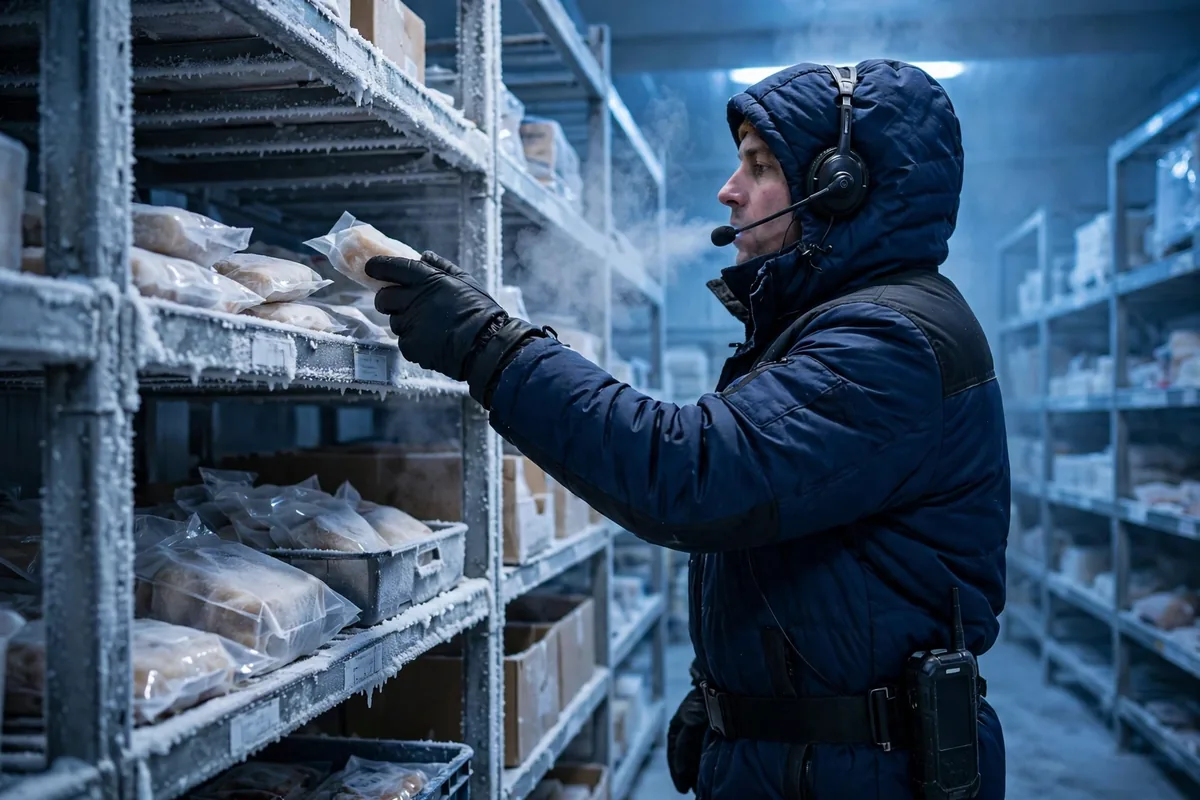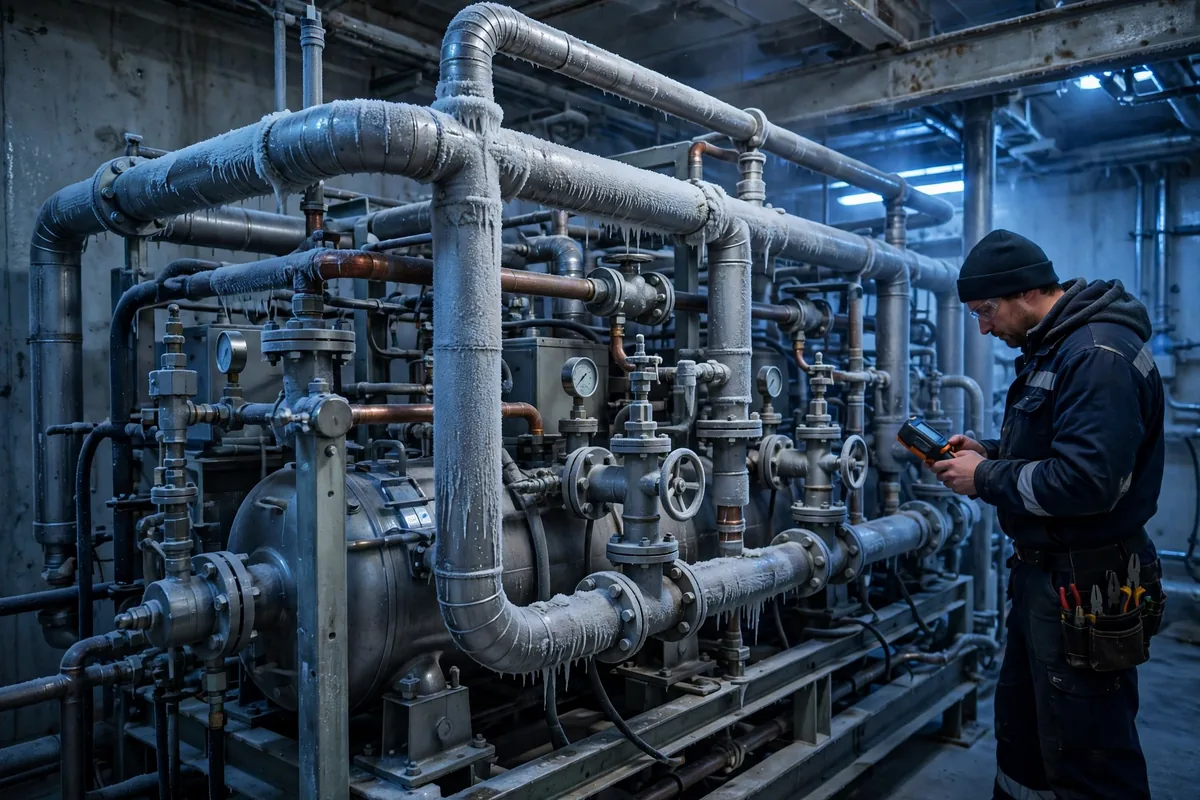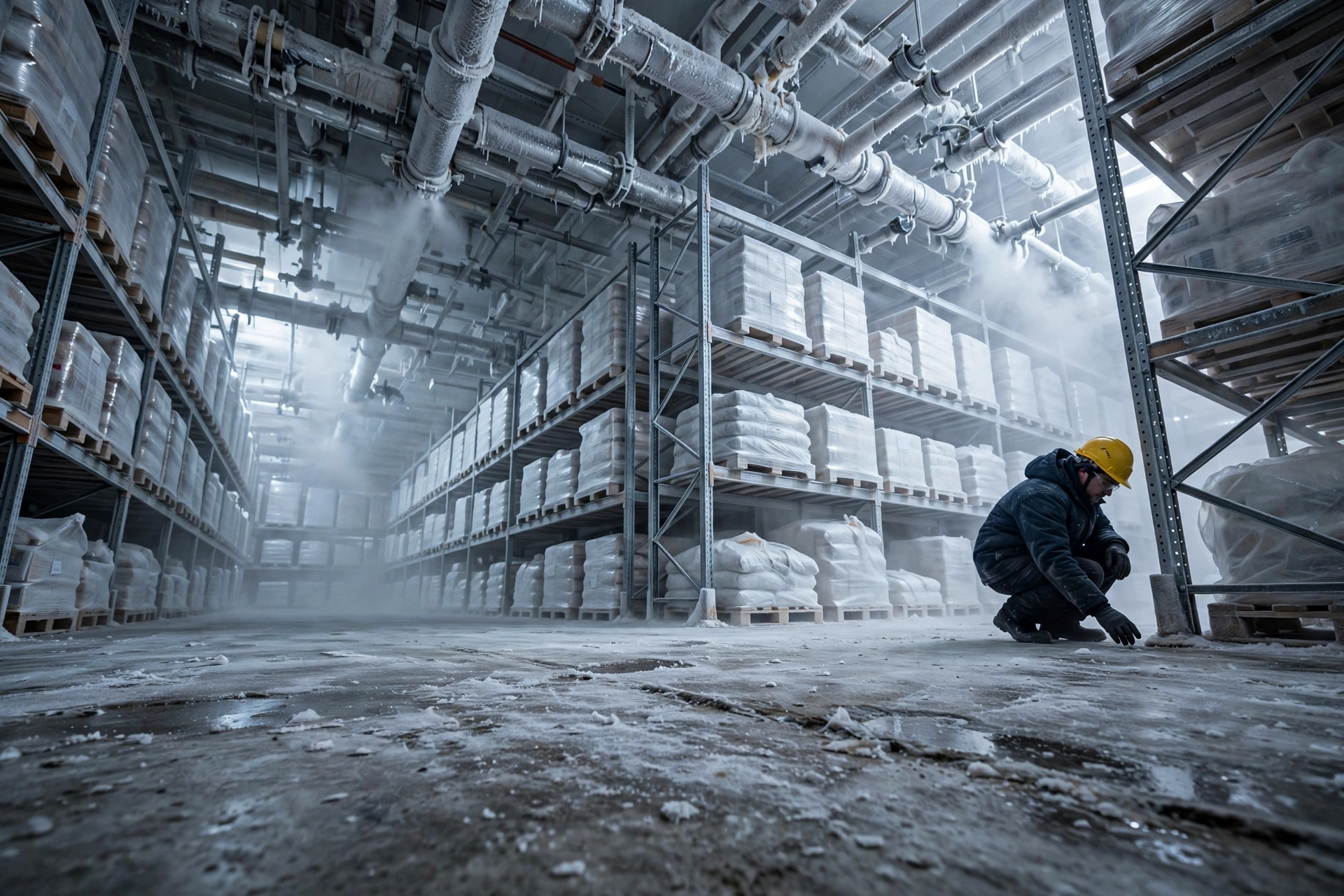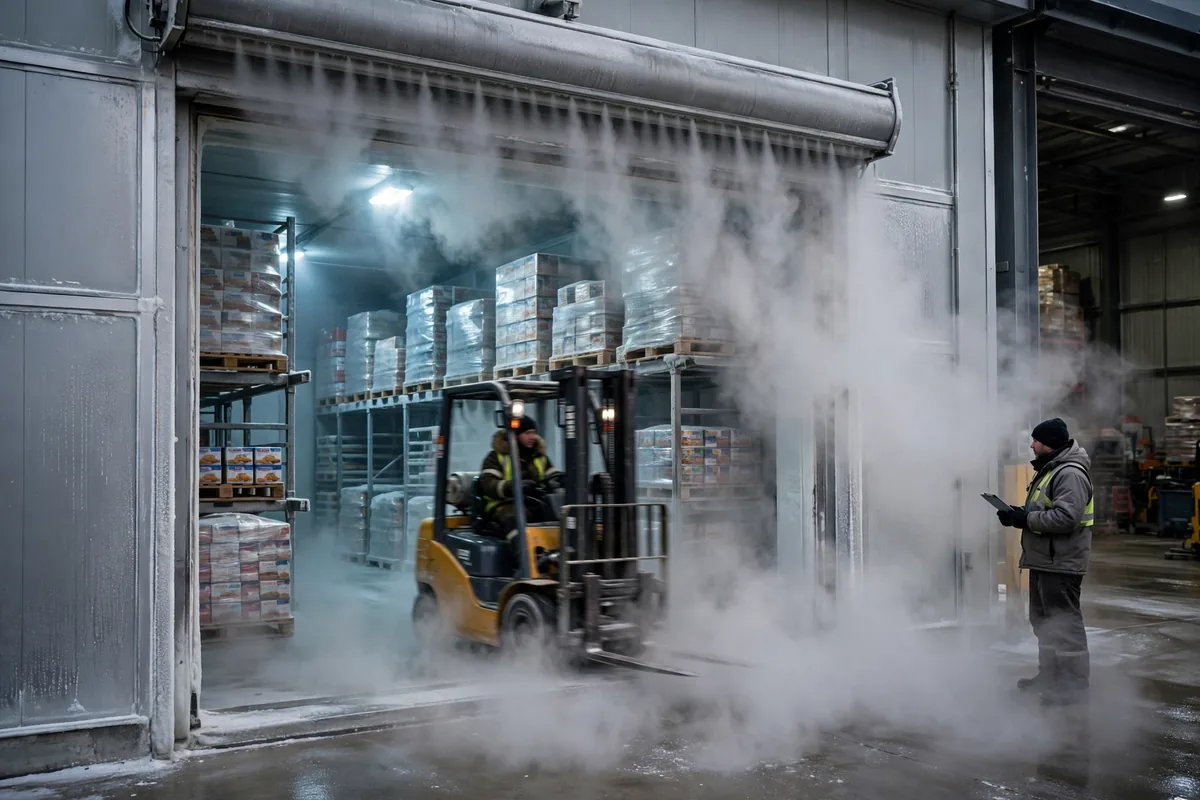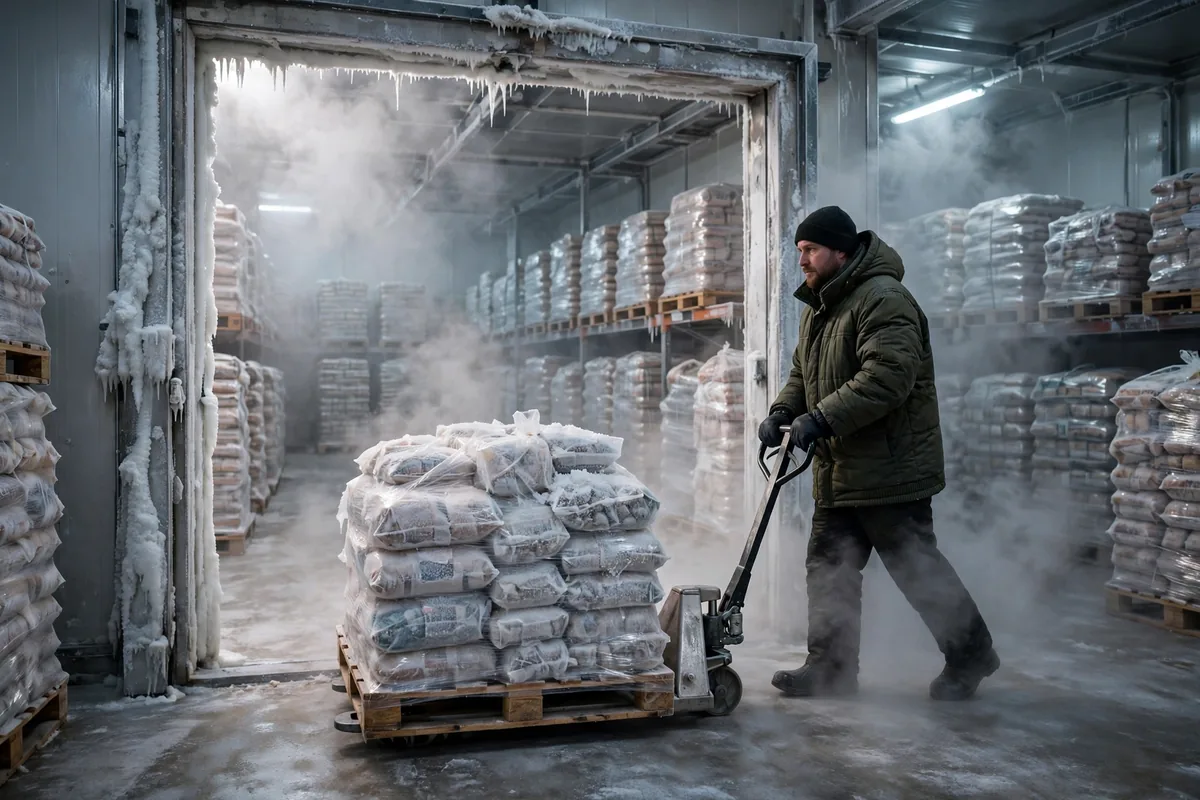
To put it bluntly, the thing a cold storage warehouse should fear most is not a weak refrigeration unit. It is the door. A frozen chamber sits around minus 18 degrees Celsius, a chilled chamber between 0 and 4 degrees, and the compressors run around the clock to hold those lines steady. Then the door opens, warm air pours in, the temperature climbs, and the machines have to fight their way back down. Cold storage temperature rise, nine times out of ten, is not an equipment problem. It is a door-management problem.
I have seen too many cold storage operations spend money in the wrong place. A temperature alarm goes off, so they add compressor capacity, replace air curtains, upgrade insulation, and after a full round of spending the temperature still drifts upward during peak hours. Look at the doorway and the answer is standing right there: forklifts rolling in and out, the strip curtain bunched to one side, a picker propping the door open for convenience, dozens of door cycles in a single peak hour. No amount of cooling capacity can keep up with a leak like that.
There are two sides to this. One side is temperature, the other is speed. Keep the door shut tight and the temperature holds, but work slows down. Leave it open and the work flies, but the temperature will not hold. Running a cold store is about finding a balance between those two sides that you can hold for years, not about chasing a fast hour.
Where Cold Storage Temperature Rise Actually Comes From
The sources of cold storage temperature rise are specific. The first is the warm air that comes in every time the door opens. With a large temperature difference between inside and outside, cold air sinks out and warm air rushes in within seconds. One opening is nothing to fear. Hundreds of openings a day add up to a serious heat load.
The second source is the work itself. People, forklifts, and freshly received goods at room temperature all bring heat in. A batch of room-temperature goods pushed straight into a frozen chamber will lift the temperature faster than the door will. Many warehouses watch the door and ignore the goods. The refrigeration unit has to cool the goods down first, so the chamber temperature has to rise for a while.
The third source is aging door seals and air curtains. A missing strip, a cracked seal, a curtain running below its proper airflow: nobody notices these in daily work, but cold air leaks out through them 24 hours a day. Slow leaks add up just like fast ones.
I saw this play out at a food cold chain warehouse in northern China. The air curtain at the frozen chamber door had been broken for half a month, and half the strip curtain was rolled up on the door frame. Every afternoon around two or three o'clock the chamber temperature drifted up, and the shift manager blamed the afternoon heat. The day after the curtain was repaired and the strips were put back down, the afternoon peak was gone. Find the right problem and the fix is often cheap.
Controlling Cold Storage Temperature Rise: Managing Door Operations
Control the count first. Goods that can go in once should not go in three times. Sequence pick lists by location so a forklift clears one zone in a single trip. Many warehouses sequence picks by order, which sends the same zone through the door several times. Reordering the pick sequence cuts door cycles and saves the pickers walking too.
Then control the duration. A door standing open while someone waits, searches for goods, or turns a forklift around is leaking cold air for nothing. The rule at the door should be simple: confirm the location and quantity before going in, do the job, come straight out. Some warehouses put a timer reminder at the door that sounds when it has been open too long. It sounds crude. It works.
Then control the handover. During peak receiving and picking, stagger the use of the cold store door. Do not stack every truck at the door at once. Bring goods in batches and close the door between them. Cold storage temperature rise is worst when peaks overlap: the door opens most often exactly when there are the most goods and the most people.
Here is a counterintuitive judgment: moving a little slower through the door can actually save more. A forklift rushing in and out looks efficient, but it throws the strip curtain around and lets cold air escape faster. A steady pace lets the curtain and air curtain do their job. One degree less of temperature rise means less compressor runtime, and the electricity saved is worth more than the seconds gained. Counting only labor speed while ignoring the power bill is bad math.
Pre-cooling deserves its own mention. Room-temperature goods pushed straight into a frozen chamber are like carrying a big heater inside. The right way is a pre-cool room that brings the goods down first. Without one, at least bring goods in batches and wait for the chamber temperature to stabilize before the next batch. Pushing everything in at once for convenience lifts the whole chamber and every product inside it pays the price.
Night shifts and shift handovers are another gap. The day shift can run a tight door and the night shift can prop it open, and the temperature logger the next morning tells the story. My method is to print the temperature curve and attach it to the handover log. Whoever is on duty signs it. Curves do not lie, and when something goes wrong you can see at a glance which shift it was. Managing a cold store, in the end, is managing people.
A Simple Checklist for the Door
The checks do not need to be complicated. Watch these on the floor:
| Check | Common problem | Fix |
|---|---|---|
| Door cycles | Same zone entered several times | Sequence picks by location, one trip per zone |
| Open duration | Door open while waiting or searching | Confirm location first, add a timer reminder |
| Strips and seals | Curled edges, missing pieces, cracked seals | Inspect weekly, repair the same day |
| Air curtain | Weak airflow or unreported breakdown | Include in daily checks, report the same day |
| Incoming goods temperature | Room-temperature goods straight into frozen storage | Pre-cool first, or bring in batches |
Post this table at the cold store door, not in the office. Five minutes per shift going through it will cut temperature alarms noticeably within a month.
Cold storage temperature rise control is not high technology. It is floor discipline. The refrigeration unit is the backup. The rules at the door are the first line of defense. Hold the door and the temperature holds; hold the temperature and product loss, energy use, and alarms all come down with it. Next time the chamber temperature drifts up, do not blame the machine first. Stand at the door for ten minutes and watch how it opens.
By Lao Mi, Supply Chain Veteran (20 yrs)