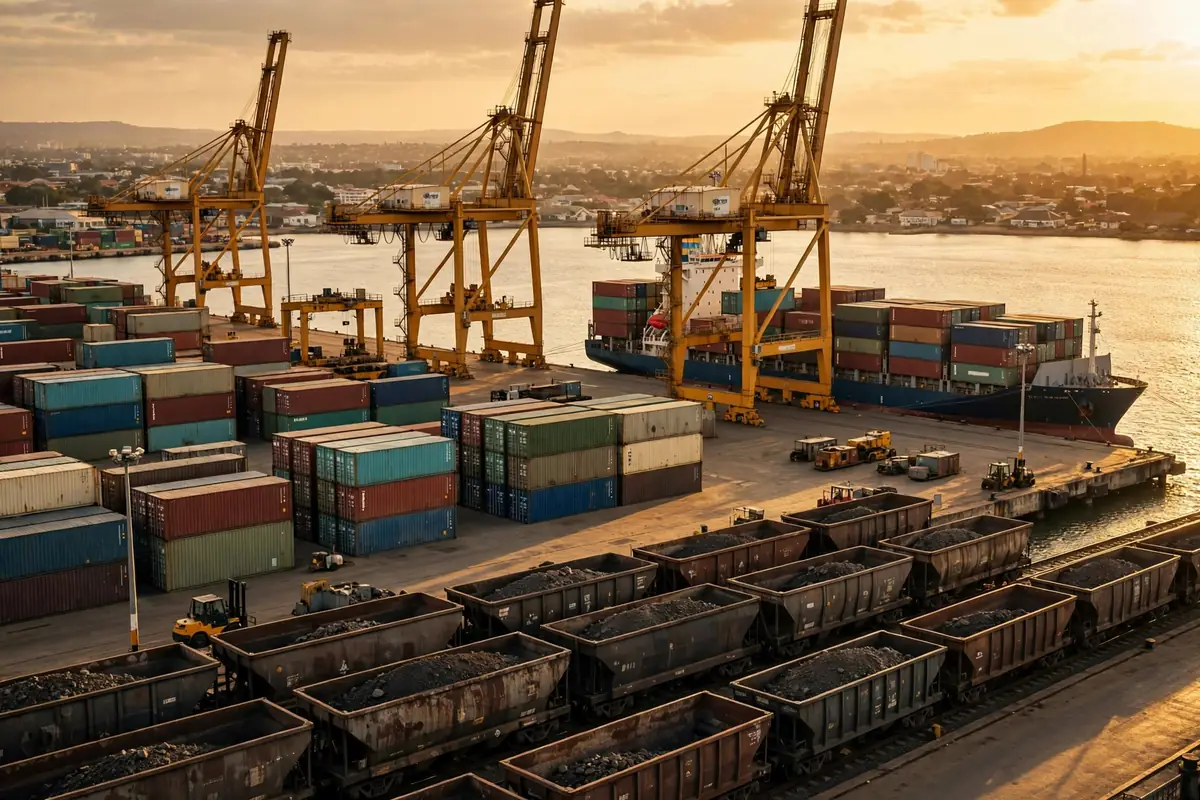
Let me tell you something I have learned in all my years on the road to Maputo. The shippers I feel sorriest for are the ones who pick the shortest road on the map and then end up moving the slowest. The Port of Maputo is exactly like that. On paper, the railway from Maputo to Johannesburg is 584 km, 136 km shorter than going through Durban. But a driver I know, old Chen, hauled a load of chrome ore to Maputo in the autumn of 2025, queued at the border post, found the yard full, and then the sailing changed. His cargo sat outside the port for two extra days. Afterwards he told me the road was shorter, but the math was wrong, and he still lost the time.
That stuck with me. In the port business, being close never decides anything. Being smooth does.
Maputo has genuinely arrived
Let me put the baseline numbers on the table first. In 2025 the Port of Maputo handled 32 million tonnes of cargo, a record for the port, up from 30.9 million tonnes in 2024. Cargo arriving by rail climbed from 9.7 million to 11.7 million tonnes, up a fifth. The port concession has been extended to 2058, which tells you they mean to be here for the long haul.
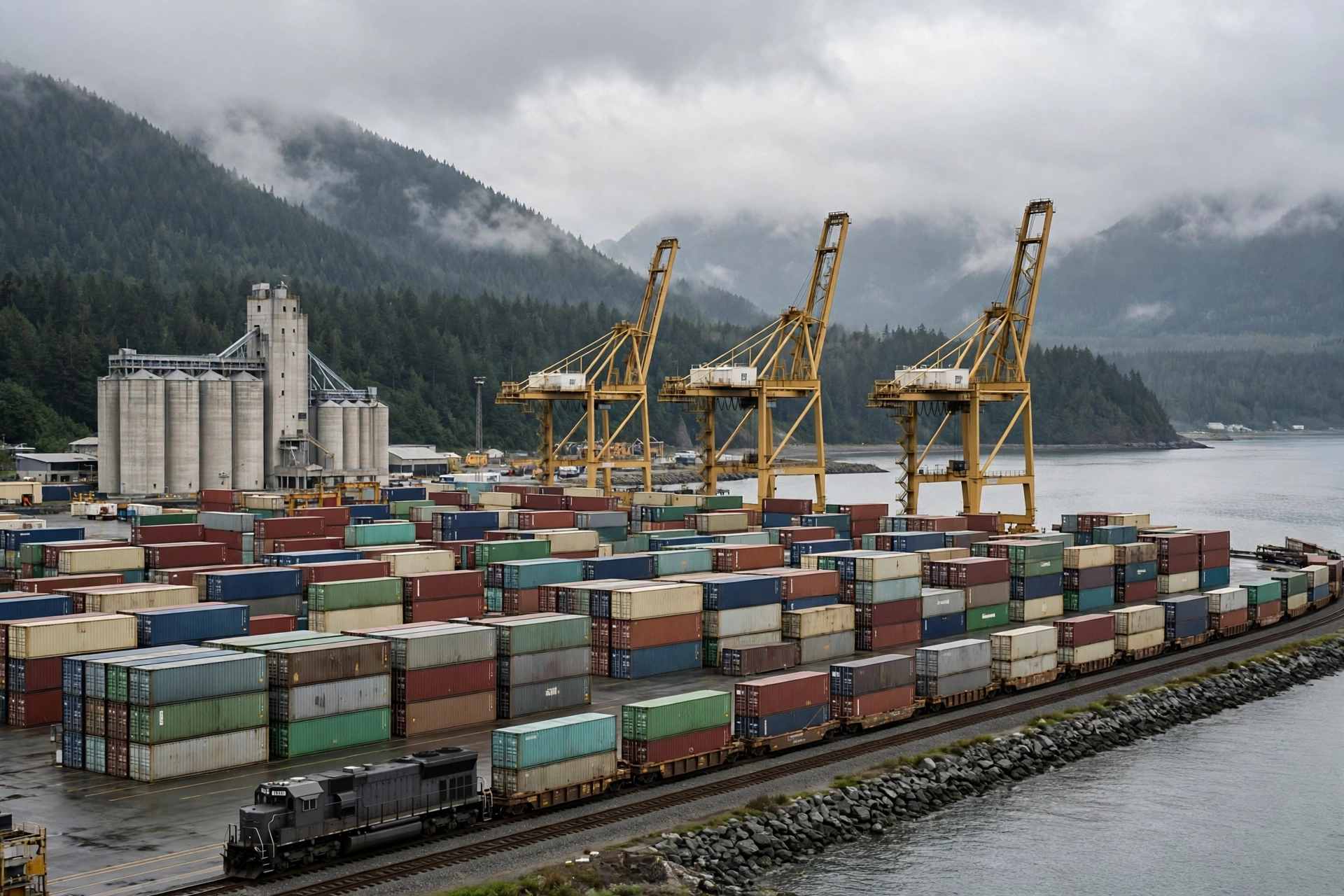
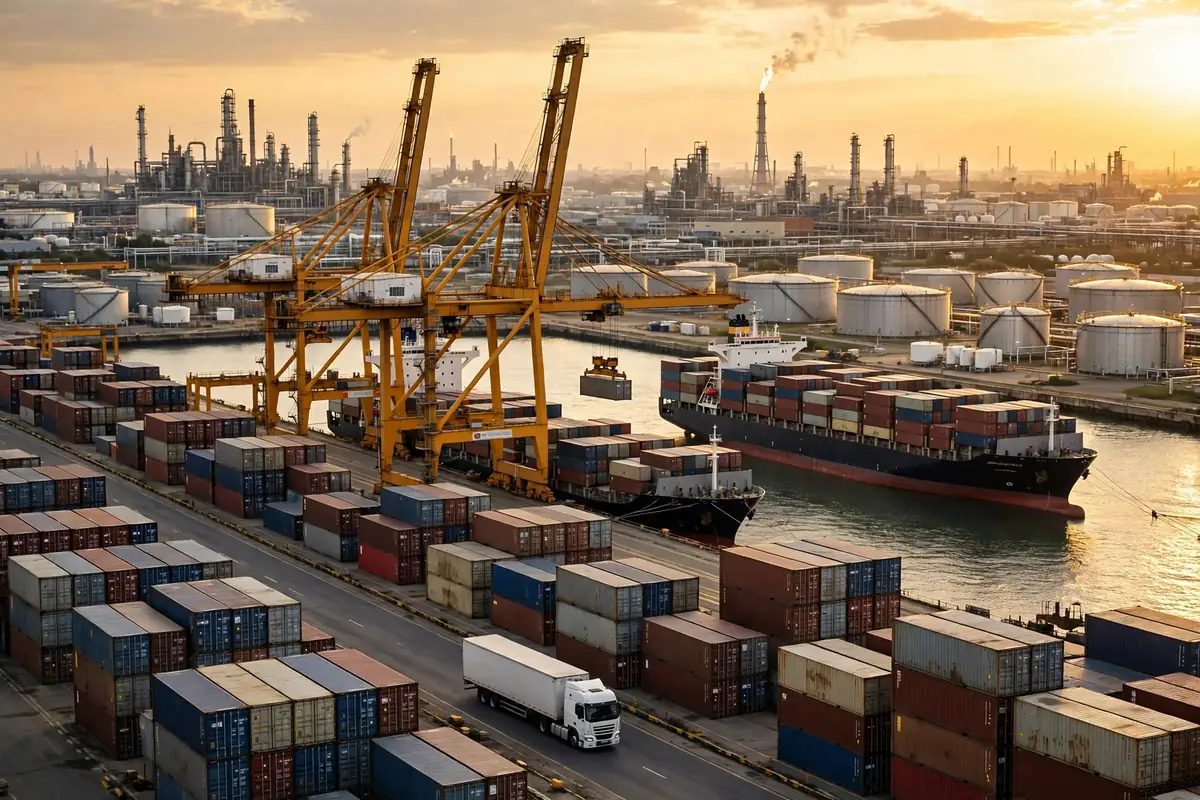
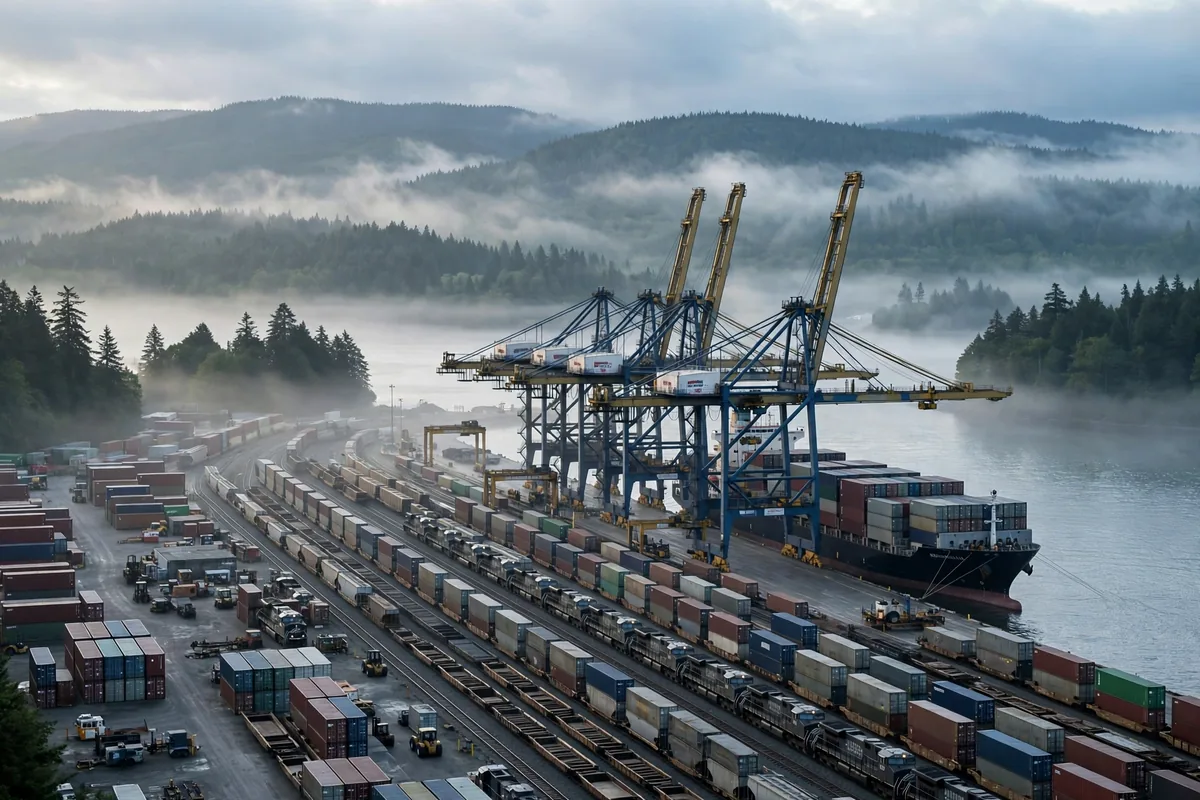
Containers are expanding too. The terminal operator is spending $165 million to expand the container terminal, lifting capacity from 255,000 TEU to 530,000 TEU, stretching the quay from 308 metres to 650 metres, and deepening the berth from 12 metres to 16 metres. Reefer plugs go from 450 to 715, a number anyone exporting farm produce should remember. In October 2026 the port also launched a $150 million dredging project, and once it is done the channel will take vessels 366 metres long carrying 14,000 TEU.
The cargo mix fits the story. Chrome ore, coal and magnetite out of South Africa's Gauteng province, plus Mozambican sugar and citrus, make up the port's daily bread. Back at the start of 2024 the port set a record of 31.2 million tonnes, up more than 16% on the year before. Numbers climbing like that mean one thing: southern African cargo is no longer willing to depend on Durban alone.
But good numbers do not mean your cargo moves smoothly. In all my years driving, I have seen it too many times: while a port is expanding, small shippers suffer most. Construction fences move around the yard, gate routes change, and storage slots shift day by day. Your container is in one zone today and gets moved tomorrow. The payoff from expansion is long-term. The mess is right now.
The citrus season tells the story better than any statistic. During South Africa's 2025 citrus shipments, an exporter I know watched his reefer container reach Maputo and then wait more than a day in the yard before a plug freed up. Citrus can take a lot, but a box without power for a day drifts warm, and the buyer at destination finds fault. He learned his lesson: now he confirms the plug and the storage slot in writing when he books, and in peak season he never leaves it to "we'll sort it out on arrival." Plugs going from 450 to 715 sounds like plenty, but when citrus season peaks, they still get fought over.
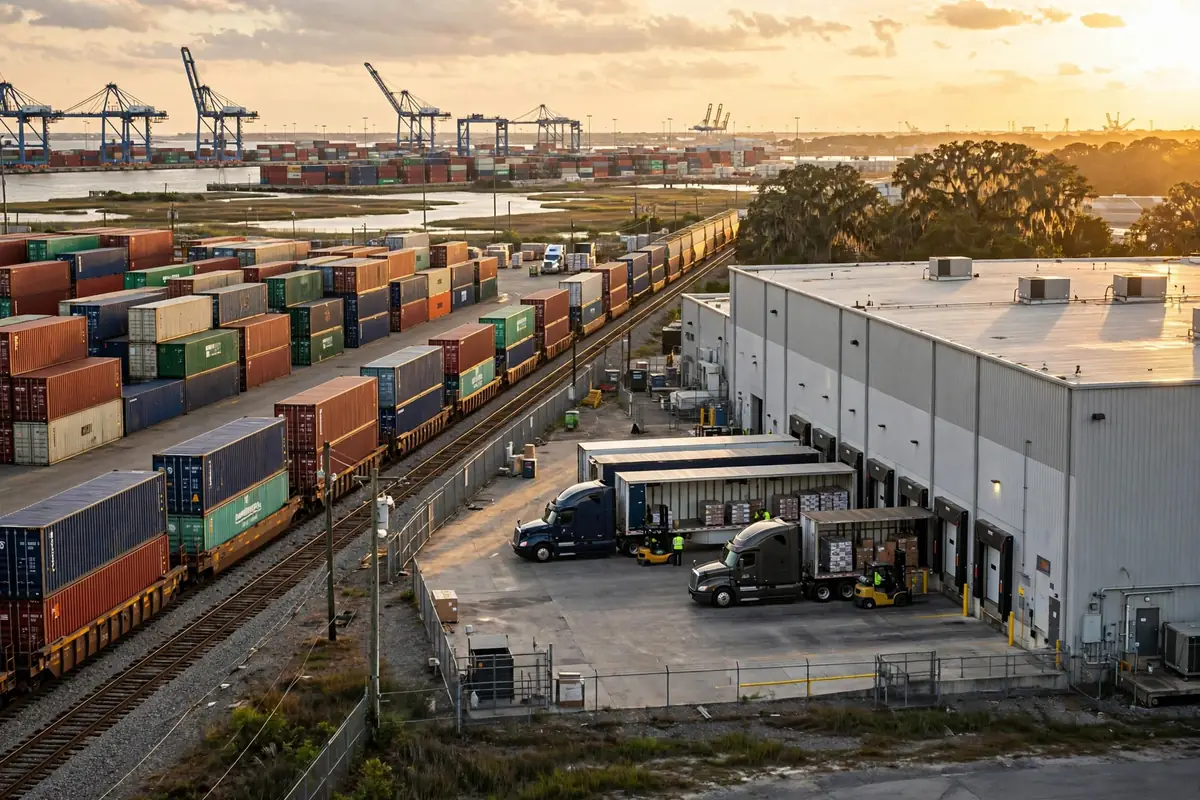
Distribution deserves a word too. Matola, the industrial suburb next to the port, has a dry port. Cargo can go to an inland warehouse first, get sorted and consolidated, and then move into the port for loading. For a small shipper that beats dragging loose cargo to the port and waiting for a sailing. The goods get sorted inland, and once the sailing is set, they roll straight in and spend less time occupying yard space. But an inland warehouse is only as good as its connection to the port and the railway. A warehouse is a warehouse and a port is a port. If nobody coordinates the middle, cargo still gets stuck.
The 88 km from Maputo to the border is the real tollgate
The weak point in Maputo's warehouse and port logistics is not the quay. It is the 88 km of railway from the port to the South African border, and the border post itself. Cargo coming out of Gauteng travels by rail to The port, crosses the border, clears two customs systems and switches between two national railways. The distance on paper is short, but every extra link is another chance for something to go wrong.
I worked out the comparison for a few shippers running this lane:
| Route | Rail distance | Customs | Suits |
|---|---|---|---|
| Port of The Mozambican port | 584 km to Johannesburg | Two countries, one border crossing | Chrome, coal, citrus and other inland cargo |
| Port of Durban | 720 km to Johannesburg | One country | Cargo that wants the simple option |
The 136 km advantage is real. But a border queue, missing paperwork or a shortage of rail wagons can eat all of it. Here is the counterintuitive judgement: do not choose a port by the straight line on the map. Count how many points along the whole journey are decided by a person. The fewer the human decision points, the steadier the transit time.
Reefer cargo is where it bites hardest. Citrus and avocado containers need power the moment they reach the port. More plugs help, but in peak season they are still contested. My advice is to confirm the plug and the storage slot when you book, in an email, not when you arrive. Once you are at the gate, asking does not help.
Then there is the paperwork at the gate. A driver entering The port for the first time is most likely to get caught out by documents: the entry permit, the pick-up order, the customs papers. Miss one and you wait outside the gate while the truck idles and the clock runs. I tell every driver on this lane the same thing: check the documents three times before the truck leaves, not when you reach the gate. The people at the port follow the paper, not the person.
And do not only watch South African cargo. The Mozambican port serves the whole of southern Africa, and cargo from landlocked Zimbabwe and Zambia passes through here too. A good share of that record 32 million tonnes in 2025 was minerals and farm produce from neighbouring countries. The more mixed the cargo, the tighter the yard and rail scheduling gets. Whether your container ships on time sometimes depends not on your cargo, but on how much of other people's cargo is queued ahead of you. That sounds discouraging, but it is how ports work: your plan, however careful, has to give way to other people's plans.
So for shippers running The port, I keep it to three lines: leave buffer at the border, book the plug early, and check the documents three times before the truck leaves. Plain words. Follow them, and your cargo will mostly stay out of trouble.
The door at The Mozambican port is opening wider and wider. A record 32 million tonnes, a 530,000 TEU target, a channel that will take the big ships: southern Africa has a proper second outlet to the sea. But a wider door means more people coming through, and the rules have to change with it. A short road does not mean a fast arrival, and a big port does not mean fast loading. That line fits the Port of The port better than anywhere else.
By Shifu Zhao, Trucking Veteran (15 yrs)