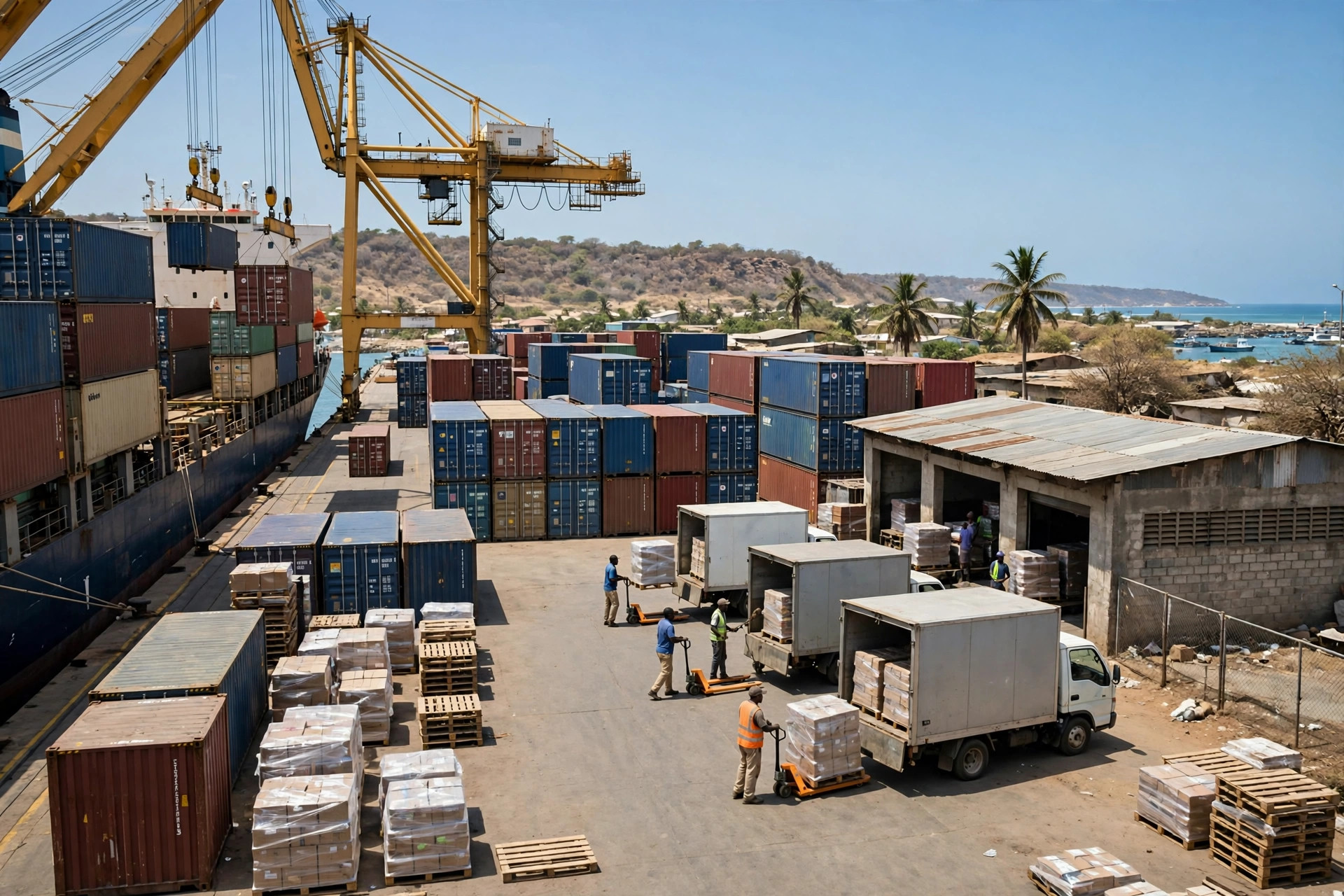
We small warehouses cannot burn money like that. I say it to myself every time a shipment is about to land, because the ship docking sounds like the finish line and it is not. Luanda port warehouse distribution is where the real work starts for a small operator like us: getting the goods picked up, handing over cleanly from the customs stage, and splitting the load out to customers without letting anything stall in between. Every step that stalls costs us the same thing: warehouse space tied up, labor standing around, and customers calling to ask where their goods are. This is our small-warehouse version of the playbook, no big-company theory, just the workarounds that keep our goods moving.
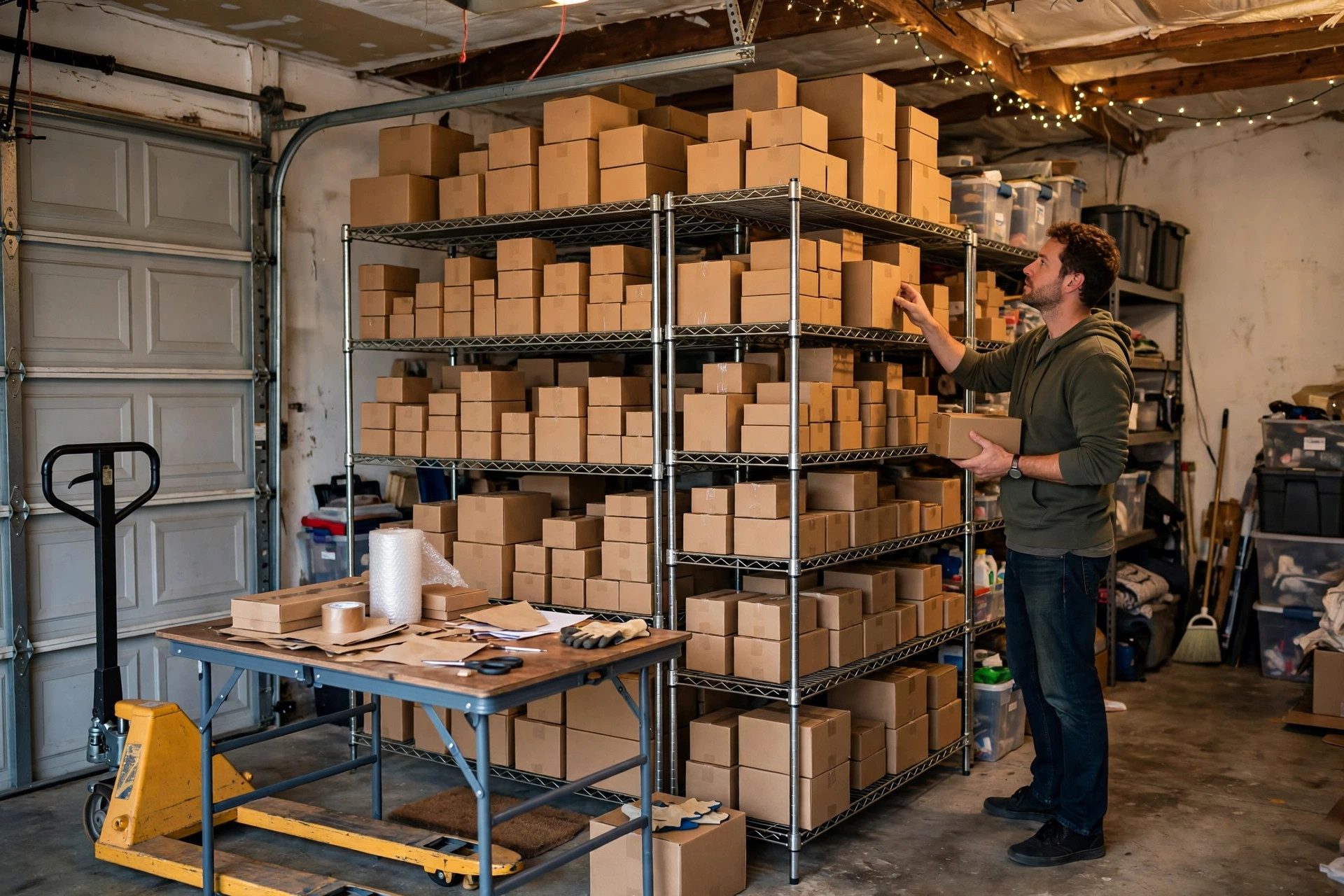
Let me start with our predicament, because it is probably yours too. Our warehouse is small and our team is smaller. Shipments never arrive politely one at a time. They bunch up in the same week: customers asking for their goods, trucks not yet booked, freight waiting to be sorted at the door, and paperwork waiting for a stamp in the office. Our worst run went like this: the goods were already ashore, but one document did not match, the truck went out and came back empty, and we lost a full day while everyone waited. That day taught me the lesson I now run the whole operation on: a small warehouse does not win on equipment. It wins on lead time. Anything you can check in advance, never leave until the day the goods land.
Luanda port warehouse distribution, step one: line up the paperwork before pickup
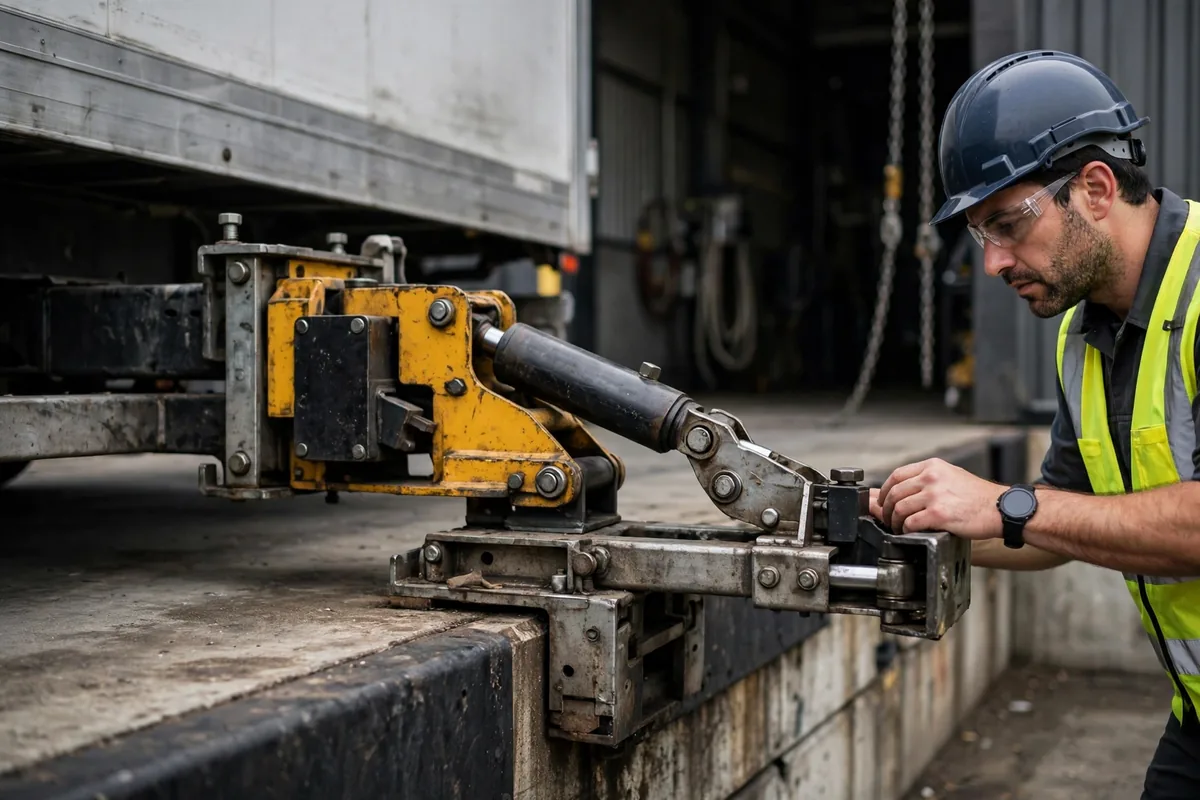
Our first homegrown rule is called "three questions before pickup," and no shipment skips it. Question one: are the documents complete, do the pickup papers, customer details, and goods descriptions match the arrival information, and is anything missing? Fix the gap before the truck moves, not after it arrives. Question two: is the pickup actually booked, on which day, at what time, with which contact person, and does that phone number work? A slot you cannot confirm is a slot you should move, not a truck you should send anyway. Question three: is the warehouse ready to receive, with labor, pallets, and floor space set aside, so the load has a place to go the moment it rolls in? These three questions look embarrassingly simple. Since we started asking them on every shipment, our empty runs have dropped to a level I can actually see. The cheapest saving in this business is often ten minutes spent in advance.
The customs handover needs the same treatment. Pickup and customs clearance are often handled by different people, and the moment their information drifts apart, the shipment stalls in the middle. Our fix is a one-page tracker, one row per shipment, with six stages: arrived, documents, customs progress, pickup, received, and split out. Who owns it and where it is stuck must be visible at a glance. A small team does not need a big system. One table, one phone, and one group chat that can track six stages is enough. The danger is not slowness. The danger is nobody knowing where the slowness is.
Luanda port warehouse distribution, the floor trick: sort big categories first, then small orders
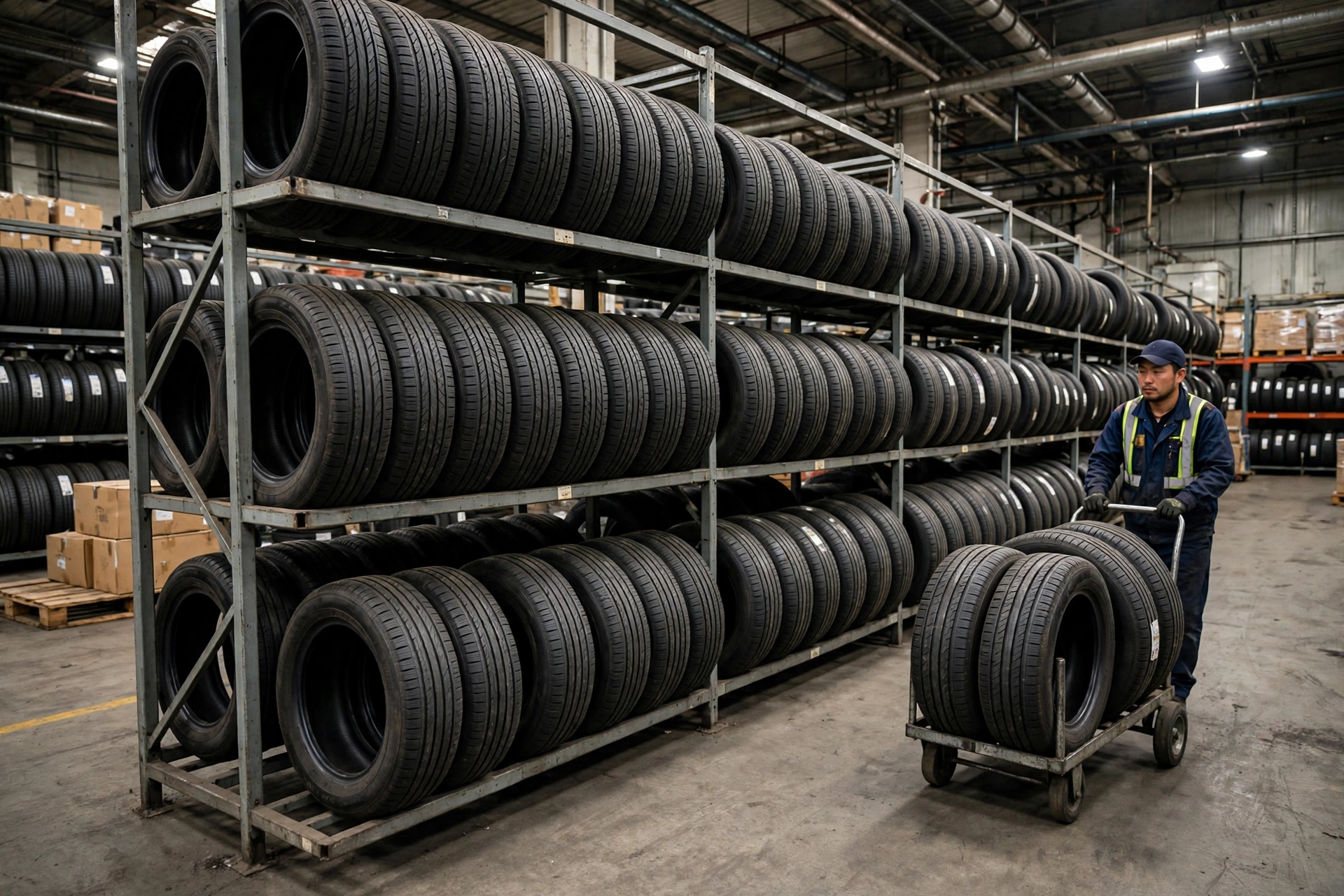
Once the goods are inside, splitting them out is the physical work, and our order is deliberately backwards: we do not split by customer first. We sort by big category first. Goods of the same kind go together, get counted, get a visual check, and get labeled, and only then do we break them down into customer orders. The reason is simple. If the big categories do not add up, no amount of careful customer splitting will fix it. Starting with customer orders instead means discovering a missing carton halfway through and redoing the whole batch. A small team cannot afford rework. Rework is money burned. Better to go half a beat slower at the start and never redo a batch.
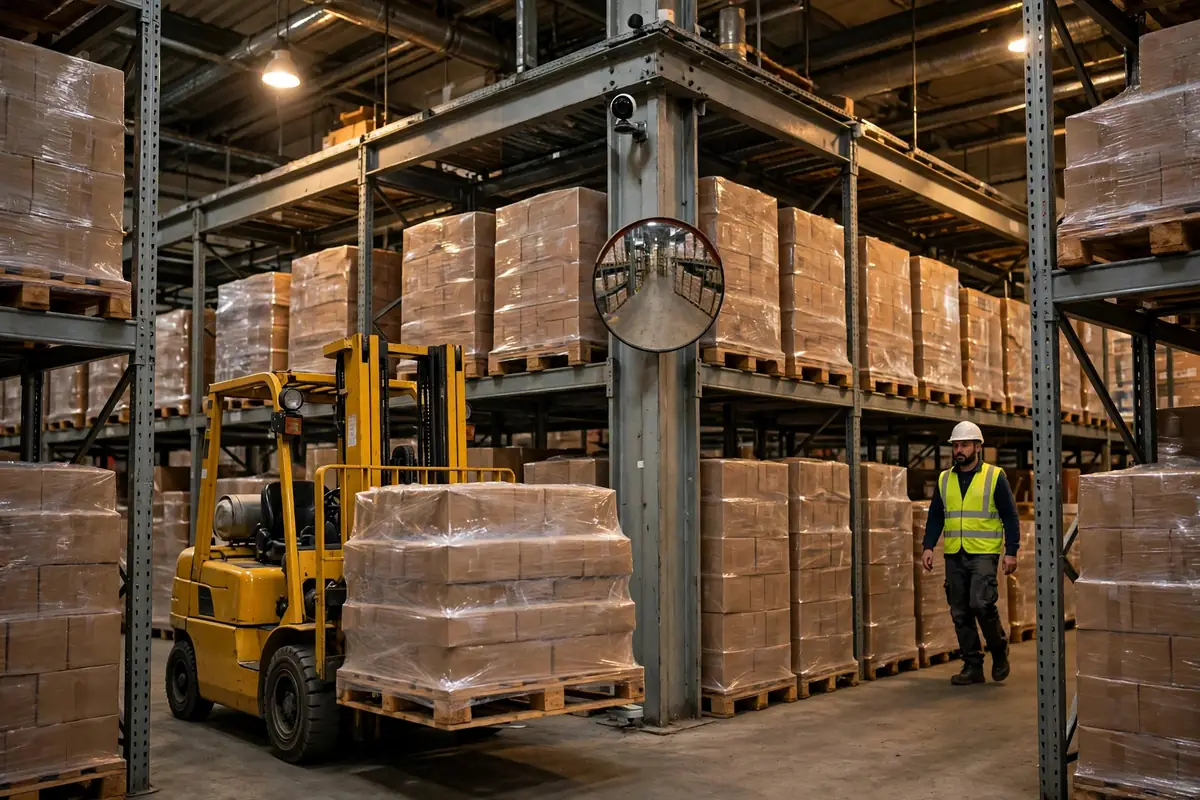
The rhythm of outbound work matters too. Rush orders go first, regular orders go in arrival order, and customers who can share a truck get grouped onto the same run. We have one homegrown rule that changed our mornings: every afternoon at a fixed time, we pull, label, and stage everything going out the next day, so when drivers arrive in the morning they load and leave. It used to be the other way around: the driver arrived and we started looking for the goods while the truck waited at the door. Now the goods wait for the driver, not the other way around, and trucks spend far less time sitting in our yard. Big companies win on scale. We win on never wasting a person waiting for goods or goods waiting for a person.
The small-operator checklist, paid for with our own mistakes
Here is the checklist I would hand to any small warehouse owner doing the same run, and every line on it cost us something to learn. One: check documents before the ship's cargo is even ready for pickup, and never send a truck on hope. Two: give one person ownership of the customs-to-pickup tracker, one row per shipment, so a stuck step is always visible. Three: receive by big category first, then split into customer orders, and accept a slower start to avoid rework. Four: rank outbound work, rush orders, shared-truck groups, and regular orders, and never mix them into one pile. Five, and this is the one that matters most: do not copy a big warehouse's system. Get one table, one phone, and one group chat running smoothly first, and talk about systems when the volume actually demands it. A small warehouse's money belongs on the sharp edge, and the sharp edge is fewer empty runs, less rework, and less freight waiting at the door.
In the end, Luanda port warehouse distribution is not a contest over who has the biggest warehouse. It is a contest over whose handover drops the fewest links. The ship docking is only halftime; the job is done when the goods reach the customer. We cannot out-scale the big operators, but we can out-care them, one checked document, one staged load, and one unbroken handover at a time. Small warehouses have their own way to survive, and ours is doing every small step properly.
By Xiao Ma, Small Warehouse Owner