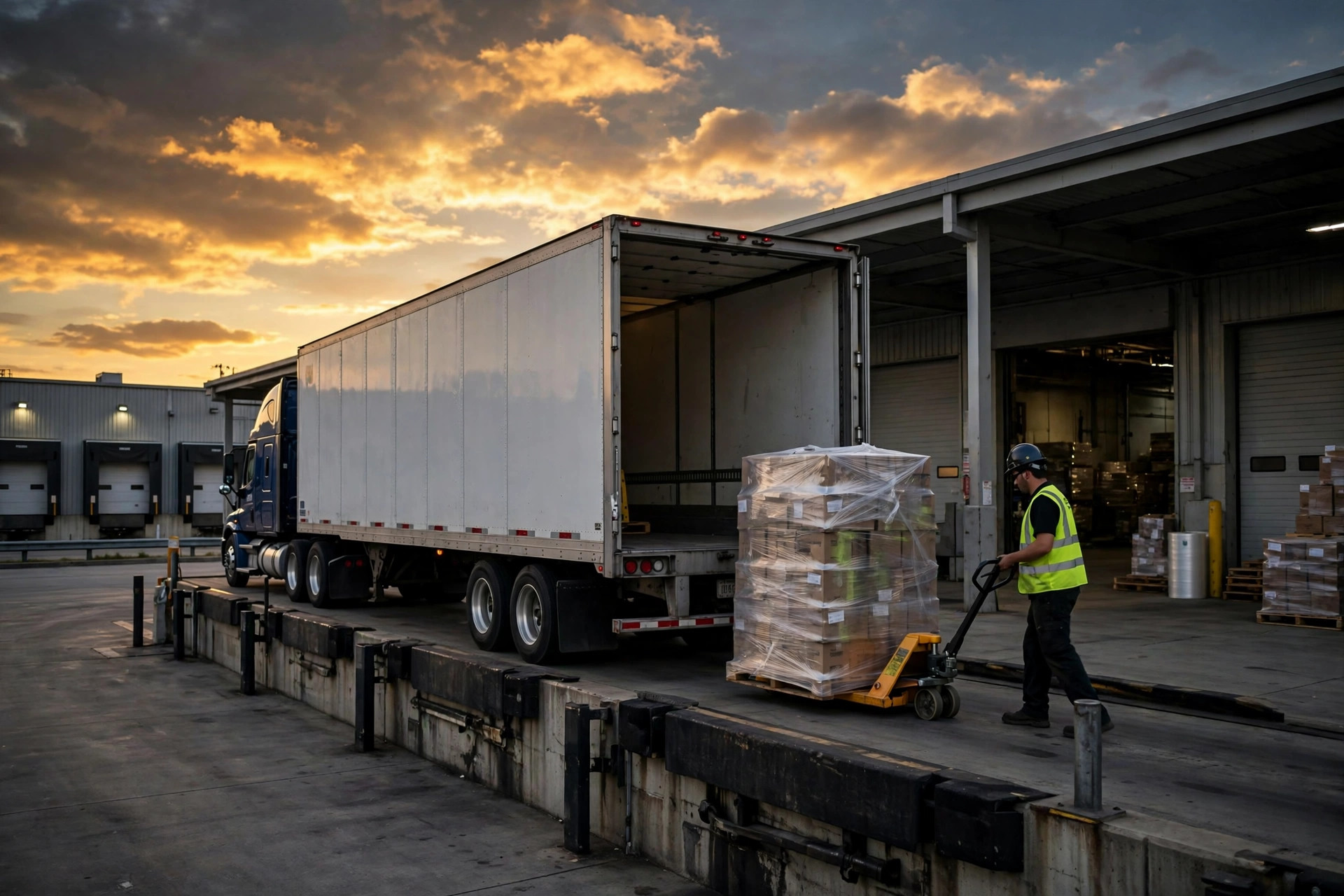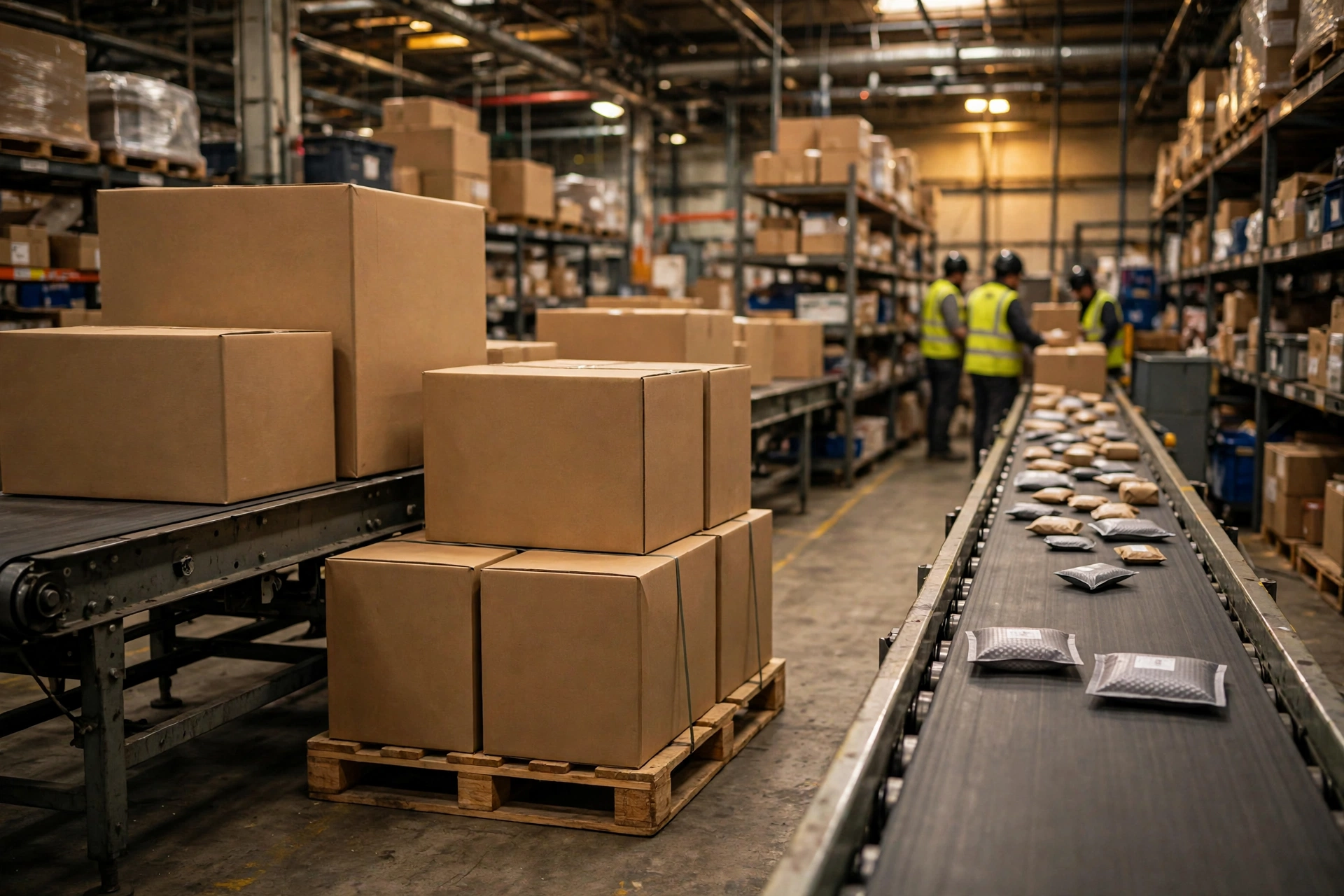
I will tell you straight: after fifteen years behind the wheel, the thing I dread is not traffic. It is the freight bill that shows up days after delivery, fatter than the quote. The first time a young dock hand chased me down asking about an ltl reweigh reclassification dispute warehouse problem, his load had been reweighed at the terminal, measured bigger than declared, and bumped to a higher class. Same pallet, same freight, new price. He wanted to know if the driver had swapped something on the road. Nobody had swapped anything. The warehouse had simply never weighed or measured that pallet properly in the first place.
That is the part shippers hate hearing. Carriers reweigh and remeasure because, frankly, a lot of bills of lading are guesses. A forklift driver eyeballs the weight, somebody writes down the box dimensions instead of the pallet dimensions, and the class gets picked because "that is what we always use." Then the terminal scale tells a different story, and everyone acts surprised.
The reweigh and reclassification surprise at the terminal
Picture an illustrative example, not any one real shipment. A small warehouse in the Midwest ships a pallet of industrial parts. The paperwork lists a tidy weight and a tidy class. At the terminal, the scale shows the pallet heavier, the tape shows it longer because the load leans past the pallet edge, and the density math drops. Lower density means a higher class, and a higher class means a higher bill. Finance storms into the warehouse asking who lied. Nobody lied. Nobody measured, either. That is a different sin, but it costs the same.
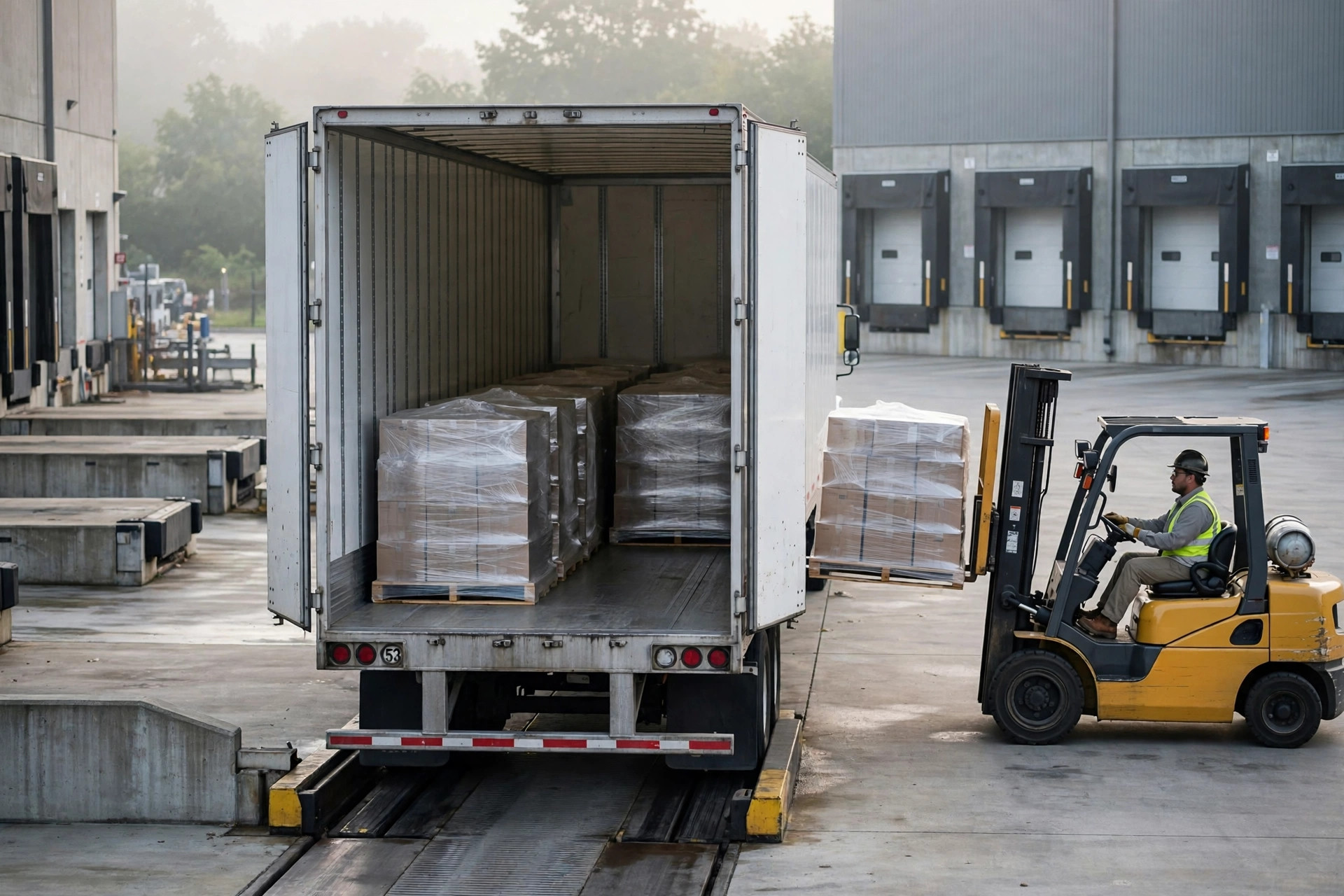
Here is another illustrative scene, this one from a Southern auto-parts warehouse I used to serve. Their cartons were light, but the stretch wrap ballooned out on every side. The carrier measured the bulge, because the bulge is what takes up room in my trailer. The warehouse argued the wrap should not count. I understood their feelings, but feelings do not load a trailer. Space is space. If your freight physically occupies it, you will pay for it, and if you took no photo of how that pallet looked at your dock, you have nothing to argue with later.
That, in plain dock language, is how an ltl reweigh reclassification dispute warehouse headache is born: not from one bad actor, but from a pallet nobody measured and a form nobody checked.
Drivers see this from the other side, too. A sloppy pallet that shifts in transit gets rebuilt at the terminal, and a rebuilt pallet rarely measures the same as the one that left your dock. You blame the carrier. The carrier blames your packaging. The driver, who touched neither, gets blamed by both. I have been that driver. It is not a fun seat.
Warehouse dispute evidence starts at the scale
The warehouses that win these fights are not louder. They are tidier. Every ltl reweigh reclassification dispute warehouse case I have seen go the shipper's way had the same boring evidence behind it, gathered before the truck ever left.
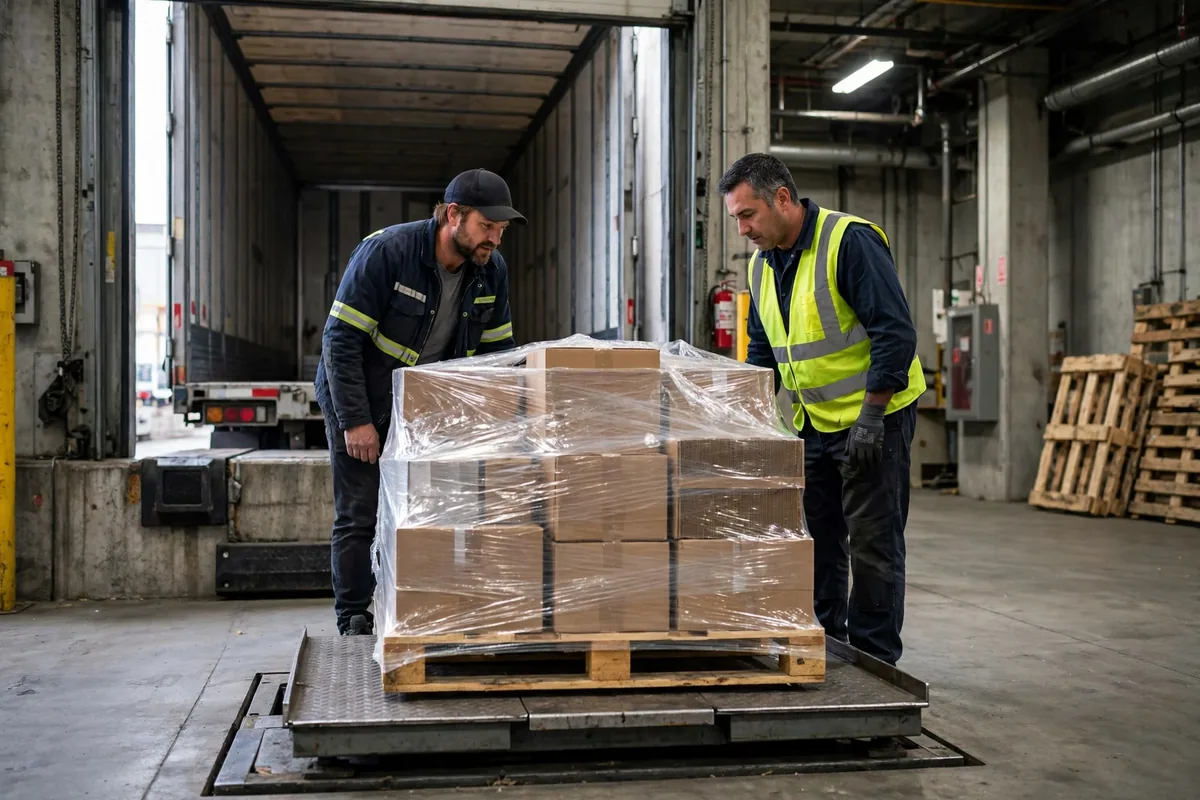
Start with a certified scale, and keep its calibration current. An expired calibration sticker turns your best evidence into an opinion. Weigh every pallet at outbound, write the number on the paperwork while the freight is still sitting there, and never reconstruct weights from memory after the truck leaves. Memory is not evidence. I have watched dock workers guess a weight in the office an hour later, and that guess later got treated as fraud when it was really just laziness.
Measure the way the carrier measures: longest, widest, tallest, including lean, bulge, and anything strapped on that sticks out. If a pipe, a handle, or a corner protector extends past the pallet, it is part of your freight's footprint. Measure it now or pay for it later.
Then take three photos, every time. One wide shot of the finished pallet, one close shot with the tape against the longest side, and one of the scale readout. Time-stamp them and file them under the shipment number. This costs maybe ninety seconds. When a dispute lands two weeks later, those ninety seconds are the whole ballgame.
Write more on the bill of lading than a class number. Note the density, the piece count, and whether the freight can be stacked. Stackability matters more than most warehouses realize. If your freight cannot bear weight on top, say so in writing and pay the honest rate for the space it truly uses. If you stay silent and the carrier plans the trailer around stacking your pallet, somebody will reprice that space, and the argument afterward will not be pleasant.
And build a pallet a driver would respect. Tight wrap, squared corners, nothing hanging off the edges, two shipments never lashed together into one strange shape. A strange shape gets measured strangely. That is not a conspiracy. That is geometry.
When a warehouse dispute is not worth the fight
Here is the counter-intuitive part, and old drivers learn it the hard way: sometimes you should pay a bill you believe is wrong. Dispute deadlines, documentation rules, and reweigh procedures all live in the carrier's tariff, and they differ, so check the carrier's current tariff before you rely on any timeline anyone quotes you. Miss that window arguing internally about whose fault it was, and even perfect evidence is worthless.
Run the math before you run your mouth. This illustrative example uses made-up figures only, to show the decision, not any carrier's real rates:
| Illustrative situation | Extra amount on the bill | Cost to fight it | My call |
|---|---|---|---|
| Small difference, no photos, weights guessed | A few dozen dollars | Half a day hunting paperwork | Pay it, fix the dock process |
| Moderate difference, scale ticket and photos on file | A few hundred dollars | An hour or two building the evidence pack | Fight it, properly and once |
| Same freight reclassed month after month | Small per load, large over a quarter | One root-cause fix | Fight it and change the packaging or the declared class |
When you do fight, send one complete evidence pack, not a drip of attachments over nine emails. Original bill of lading, outbound scale ticket, calibration record, the three photos, the packing list, and your own density calculation. Ask, in plain language, for a review against your outbound records, and ask the carrier to share its reweigh and dimension records in return. When both sets of numbers sit on the same table, the gap usually explains itself. I have seen bills corrected without a single raised voice, purely because the warehouse made the reviewer’s job easy.
Keep a simple log of every ltl reweigh reclassification dispute warehouse case, win or lose, with the product name attached. Patterns show up fast. One product line that keeps getting reclassed is telling you its packaging lies about its size, and fixing that box will save more than any single dispute you will ever win.
One more warning from the road: do not hold the entire freight payment hostage over one disputed line. Settle the undisputed part, keep the dispute in writing, and protect the account. You will need that carrier next month, probably on a Friday, probably when nobody else has capacity. Long relationships out-earn short victories.
Fifteen years of hauling taught me a simple rule. Honest numbers at the dock mean fewer ugly numbers on the bill. Weigh it, measure it, photograph it, write it down — two extra minutes at outbound, or two weeks of arguing later. An old driver saying goes: the road remembers everything. So does the terminal scale.
By Shifu Zhao, Trucking Veteran (15 yrs)