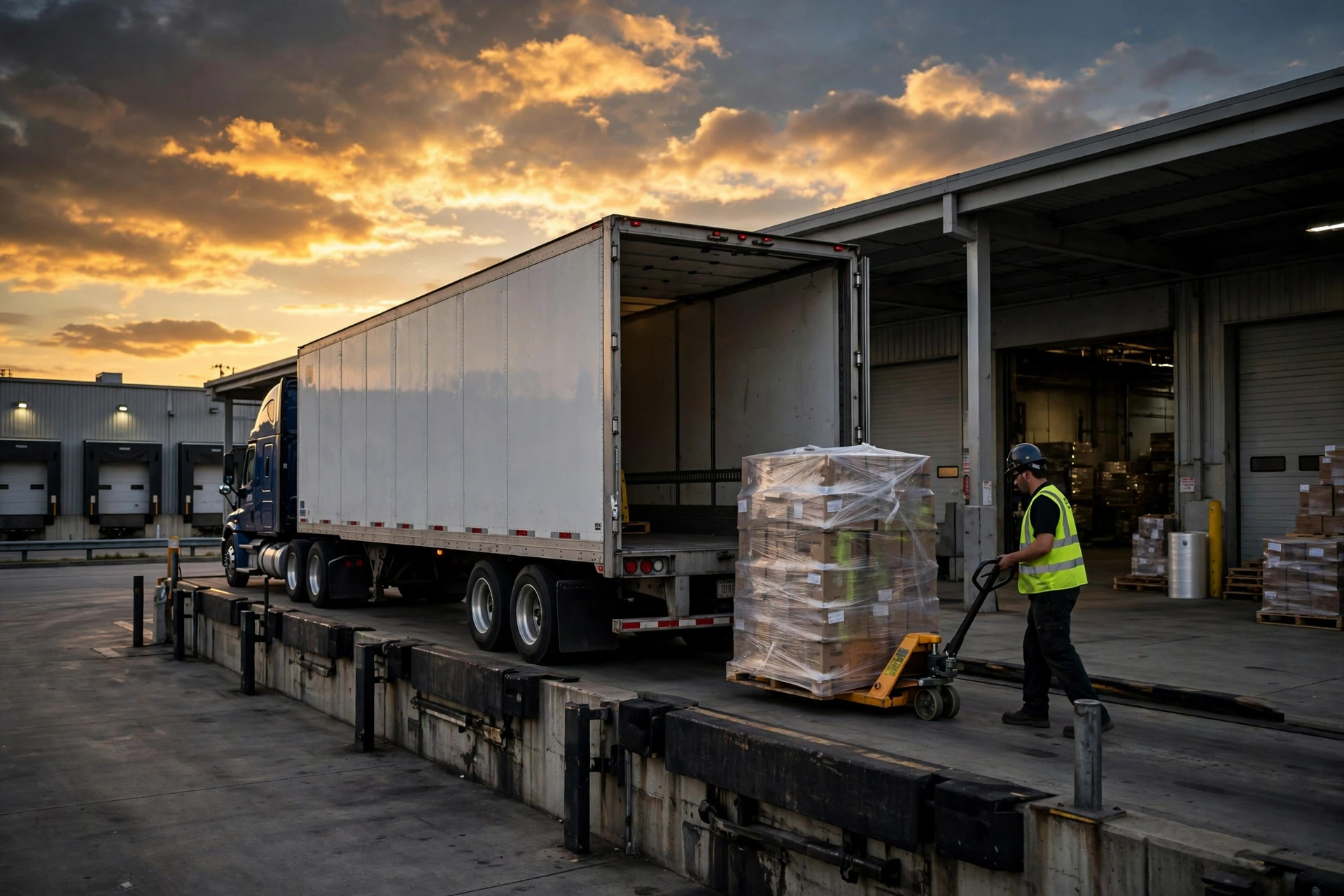
Let me tell you something. Back in March, I was waiting at the dock outside a warehouse in Ontario, California, when a guy who sells outdoor furniture stormed into the office on the phone, red in the face. He'd shipped a load to Florida. The quote said one number. The invoice came in nearly 30% higher. "This is robbery," he kept shouting.
I glanced at his invoice — I've seen this movie a hundred times. The quote is one thing, the bill is another. That extra 30% is almost always LTL accessorial charges — fees for anything beyond basic dock-to-dock service. Legitimate, line by line. The shipper just never knew those lines existed.
I've been driving trucks for 15 years, and I've watched more invoice fights at loading docks than I can count. Below: the 12 most common ones, what triggers each, and how to avoid it. Get this right and your quote matches your bill; get it wrong and every shipment is a lottery ticket.
Why the Quote and the Bill Are Two Different Animals
Here's the plain truth: an LTL quote assumes the easiest possible scenario — working dock, no waiting, easy address, accurate dimensions and weight, a receiver who signs without drama. Every way your shipment differs is another line on the invoice.
The whole game: tell the carrier about the hard parts before you ship, not after you get the bill. Carriers don't mind extra work. They mind surprises.
New as of 2025: the NMFC classification system changed on July 19, 2025 — freight once classed by commodity name is now classed largely by density. A freight class you've used for years might be wrong today. That's item #1 below — the biggest source of reclass fights right now.
The 12 LTL Accessorial Charges That Inflate Your Bill
Twelve fees, what triggers each, and how to dodge it — because dodging happens before the shipment, never after the invoice.
| # | Charge | What Triggers It | How to Avoid It |
|---|---|---|---|
| 1 | Reclassification (reclass) | Your BOL class doesn't match the carrier's inspection; they rerate higher and add an inspection fee. Since the July 2025 NMFC density change, old classes are stale — the hottest dispute item right now | Calculate density yourself and put the right class on the BOL; remeasure leaning pallets at their widest point |
| 2 | Reweigh | Actual weight exceeds the BOL; the whole shipment gets rerated | Weigh the finished pallet — pallet, wrap, corner boards and all — not the net product weight |
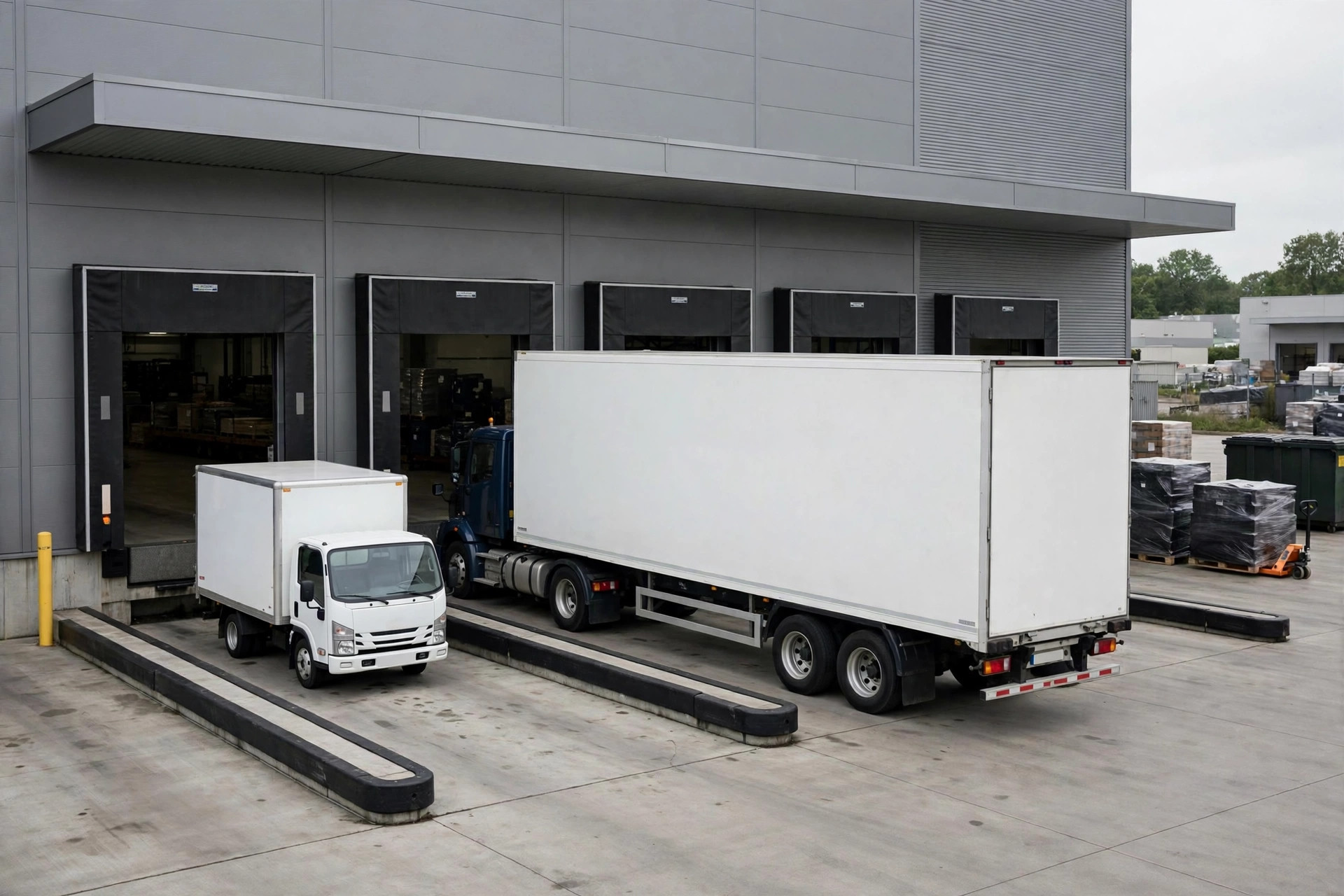
| 3 | Liftgate | No dock at one end, so the driver needs the hydraulic tail lift | Confirm docks at both ends ahead of time; request liftgate up front instead of when the driver is already there |
| 4 | Inside delivery | Driver must move freight past the doorway into the building | Ask the receiver in advance whether they need it carried inside; meet at the dock when you can |
| 5 | Residential | Delivery address is classified as residential | Home-based businesses and converted addresses — declare residential delivery up front, don't gamble |
| 6 | Limited access | Schools, churches, construction sites, farms, military bases, big-box DCs — anywhere hard to get in and out of | Check the address type, declare it, and arrange entry time and a contact |
| 7 | Redelivery | First attempt fails and the driver has to come back | Give the carrier the receiver's number at booking and agree on a time window; no answer means ship a day later, not blind |
| 8 | Appointment / notification | Receiver requires a scheduled appointment or advance notice | Large DCs and retailers need appointments — book early, give the driver the confirmation |
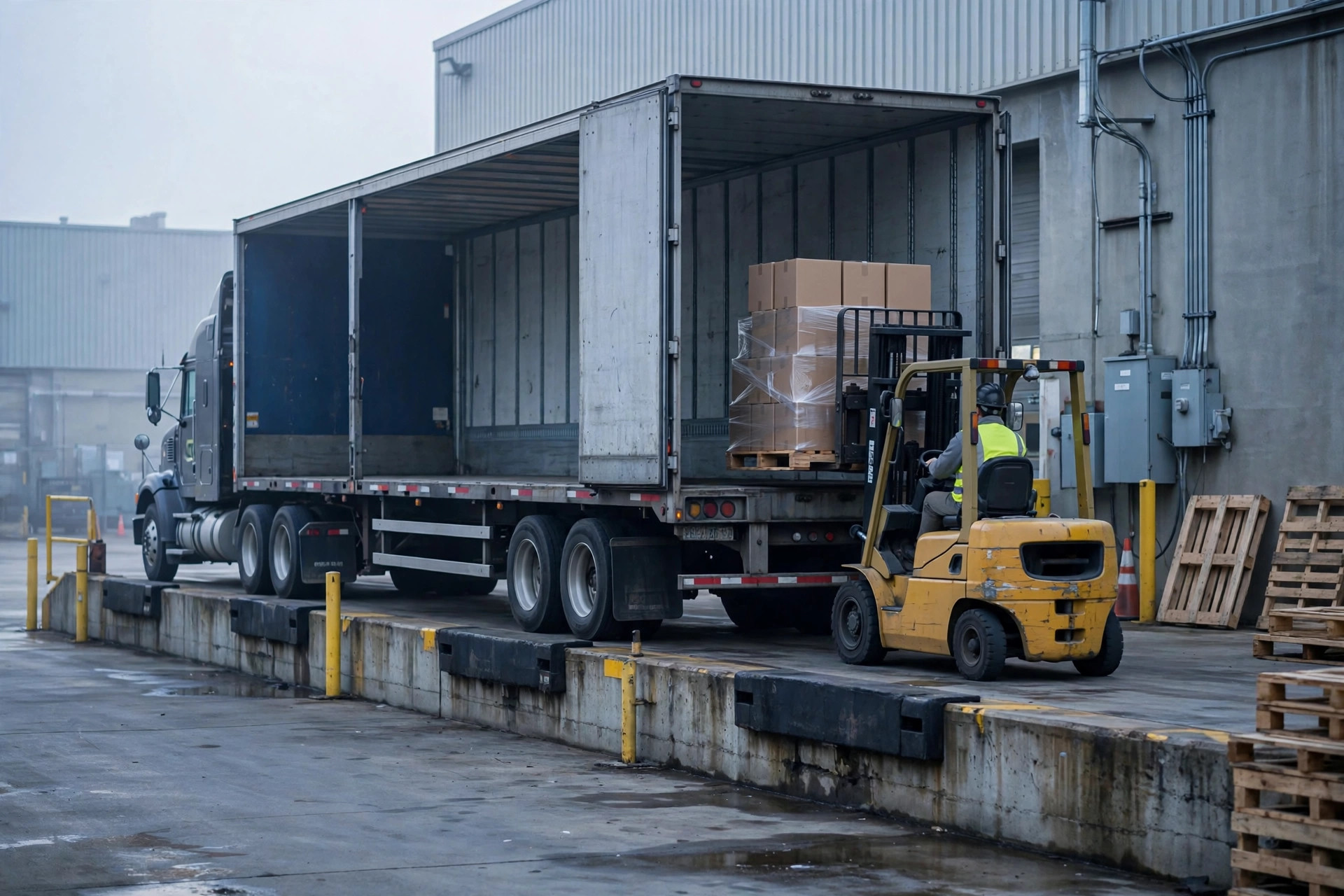
| 9 | Detention | Driver waits past free time at pickup or delivery, billed by the clock | Warn the warehouse, have freight ready, and put the driver at the front of the unloading queue |
| 10 | Overlength | A single piece is very long and eats trailer floor space | Measure the longest piece before booking; own it and negotiate up front |
| 11 | Fuel surcharge | Tied to diesel price, adjusted weekly — automatic, not optional | You can't dodge this one, but always ask whether a quote includes the fuel surcharge before comparing it to another |
| 12 | Hazmat | Chemicals, batteries, aerosols and the like need special handling | Declare up front with paperwork in order; getting caught hiding hazmat costs far more |
Notice the pattern: 10 of these 12 come down to "you didn't say so before shipping."
Do the Math: How a $680 Quote Becomes an $890 Invoice
The arithmetic on a plain two-pallet shipment — an illustration; actual rates vary, so check your carrier's current tariff:
- Base linehaul (what the quote said): ~$680
- Liftgate (no dock at the store — never declared): one extra charge
- Inside delivery (carried into the stockroom): one extra charge
- Detention (over two hours waiting for a dock door): one extra charge
- Invoice total: ~$890 — about 30% over the quote
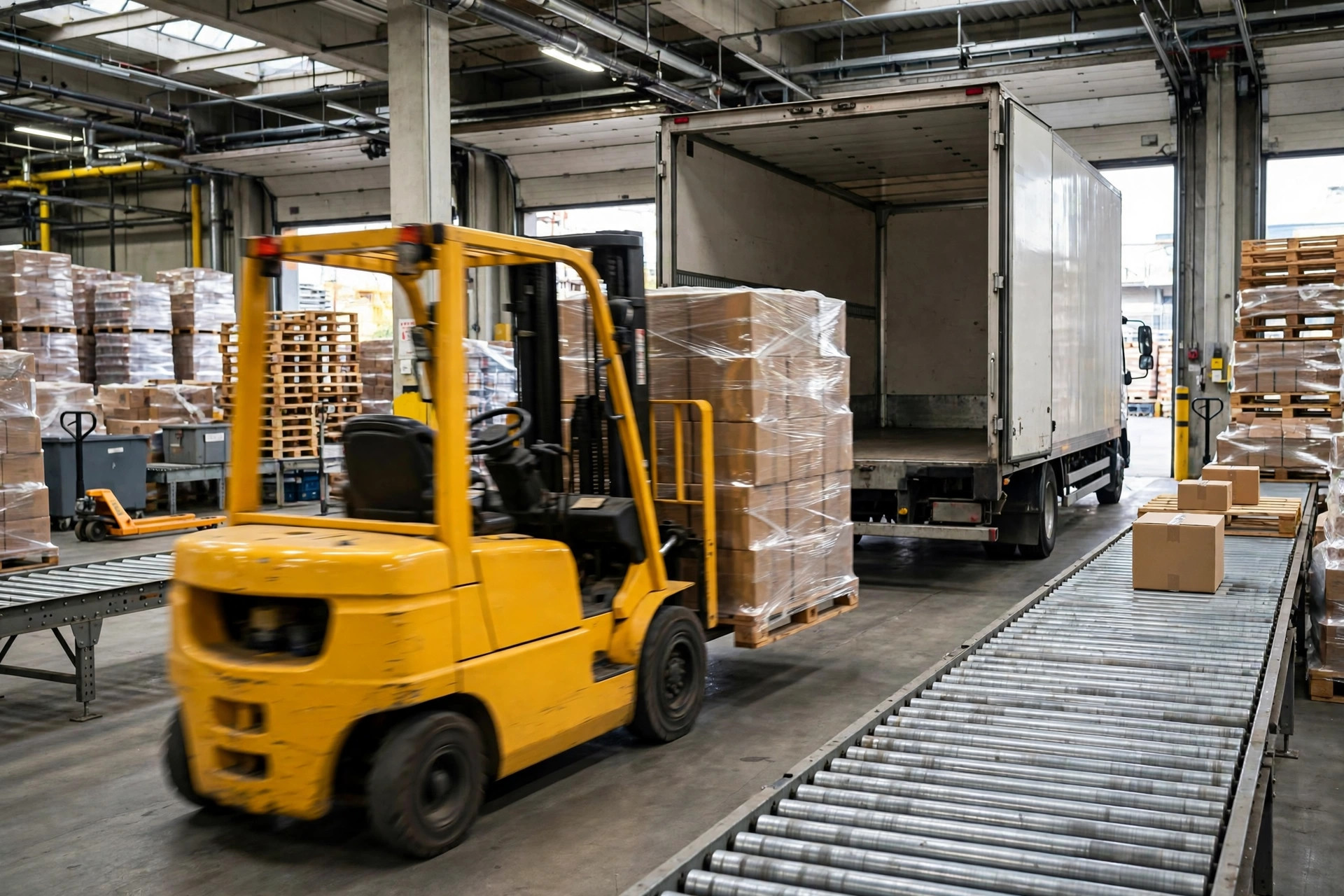
Each fee alone looks reasonable. Stacked, they hurt. Three phone calls before shipping could have killed all three — dock or no dock, carry-inside or not, is the warehouse ready. Ten minutes of work.
Here's the counterintuitive part: the carrier with the lowest quote is often the most expensive carrier. Cheap quotes hide the accessorials and collect at invoice time. The carrier that asks about liftgates, appointments, and residential delivery up front — and prices them openly — looks expensive on paper and lands cheaper in reality. Shop the all-in number, not the first line.
The 10-Point Pre-Shipment Checklist That Keeps Accessorials Off Your Bill
Tape this to the wall. Run through it before every LTL shipment:
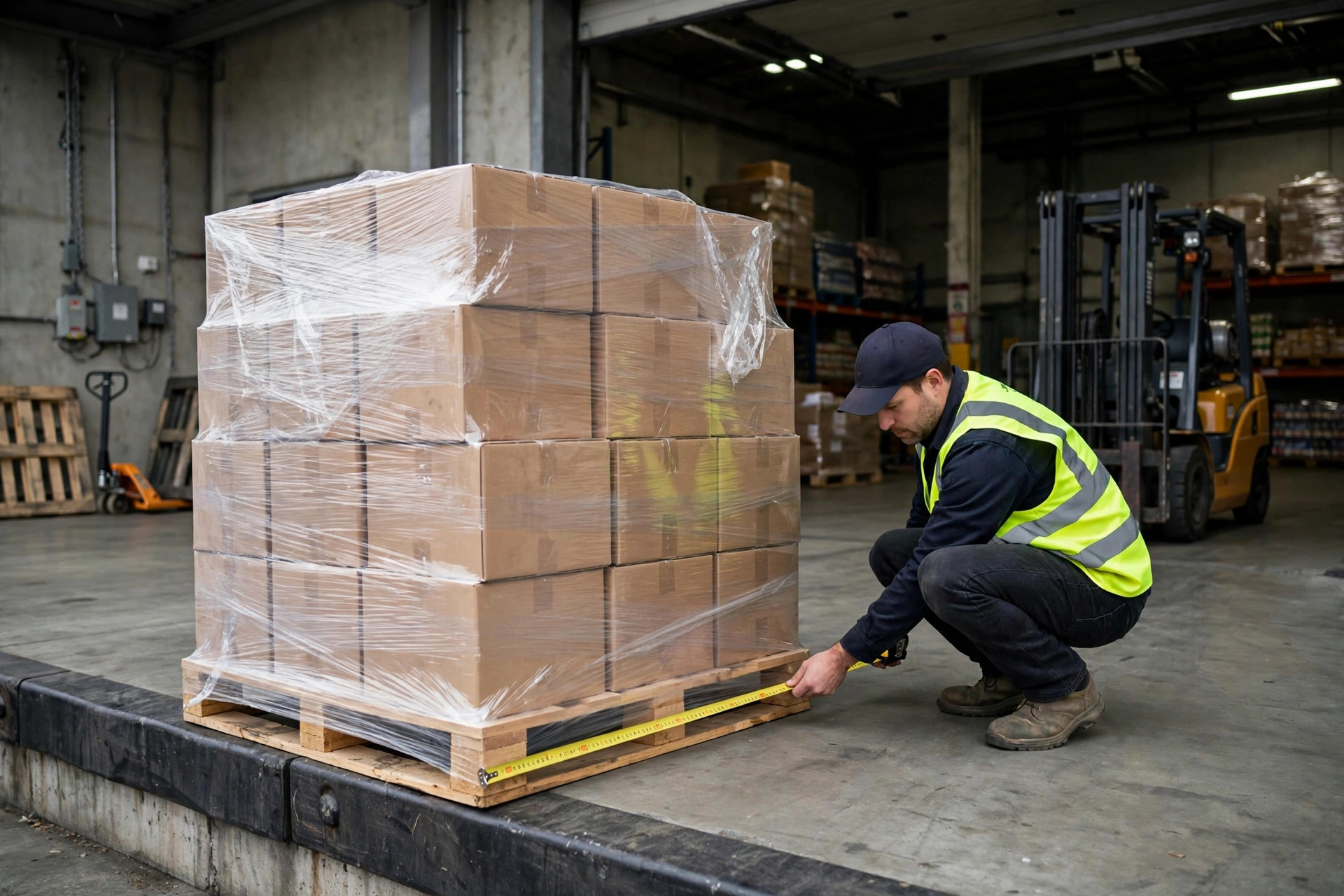
- Measure the extremes. Measure at the widest and tallest point — leaning stacks and overhang count. Since July 2025, density is calculated on the freight as tendered; under-measure and you're feeding the reclass machine.
- Weigh the finished pallet. Pallet, wrap, corner boards — all of it. Never ship on net product weight.
- Calculate density and class yourself. Weight divided by volume, matched to the class table. Don't reuse last year's class blindly — many changed after July 2025.
- Put the right class and NMFC number on the BOL — a wrong class always gets corrected, a right one is your ammunition in a dispute.
- Check the address type. Residence? School? Construction site? Big-box DC? Declare it. The system will find out anyway.
- Confirm docks at both ends — no dock means requesting liftgate up front.
- Ask if they need it carried inside. If yes, declare inside delivery in advance.
- Check for appointments. Large DCs and retailers need them — book early and hand the driver the confirmation.
- Leave the receiver's number. Give the carrier the receiver's number at booking and agree on a time window; no answer means ship a day later, not blind.
- Photograph everything. Finished pallet, dimensions, BOL — three phone photos. Your evidence file if the invoice goes sideways.
When the Bill Looks Wrong: How to Dispute It
If the invoice still comes in hot, don't yell. Work this chain:
- Match every line. Compare each accessorial against the services you declared and received. Flag anything you never asked for and never got.
- Lay out the evidence. Your photos, weight tickets, dimension records, the BOL. In a reclass dispute the whole fight is "how big and how heavy was it, really."
- Read the tariff. Pull the carrier's current rules tariff and check whether you actually triggered each charge. Screenshot the ambiguous clauses.
- Dispute in writing. Email the carrier, item by item: which charge, why it shouldn't apply, your evidence. A phone argument you "won" counts for nothing — paper counts.
Carriers don't fear angry shippers. They fear documented ones. Evidence gets money back; volume gets nothing.
The Takeaway: Ten Minutes Before Shipping Saves 30% on the Bill
Fifteen years behind the wheel taught me this: every dollar saved on a freight bill was saved at the tape measure, before the truck rolled. Accessorials aren't a scam — they punish assumptions. Assume there's a dock, assume someone's there, assume your old freight class still works, and the invoice will educate you.
Measure twice, cut once. Ten minutes on the checklist before every shipment, and your quote and your bill will finally agree — the most valuable ten minutes of the whole shipment.
By Shifu Zhao, Trucking Veteran (15 yrs)