At 5:40 in the morning I walk the floor with a warehouse 5s audit checklist in my hand, and the night shift has not handed over yet. A forklift is parked at an angle by the dock. A charging cable lies across the walkway. Three empty cartons are stuffed under a packing bench. The day-shift lead says, "Chen, we did a big clean-up yesterday." I tell him straight: forget yesterday. Can we start work safely, right now, in this condition? A 5S audit that only looks good on inspection day is theatre, not management. We stopped announcing audits long ago. We check the normal day, not the performance.
Warehouse 5S Audit Checklist by Zone, Not One Big Form
Most warehouses use one giant form for everything, from receiving to shipping, full of lines like "items neatly arranged" and "floor clean." Nobody can audit with that, and nobody being audited knows what to fix. I split the form by zone. Each zone gets a short list, and each list only covers what actually goes wrong there.
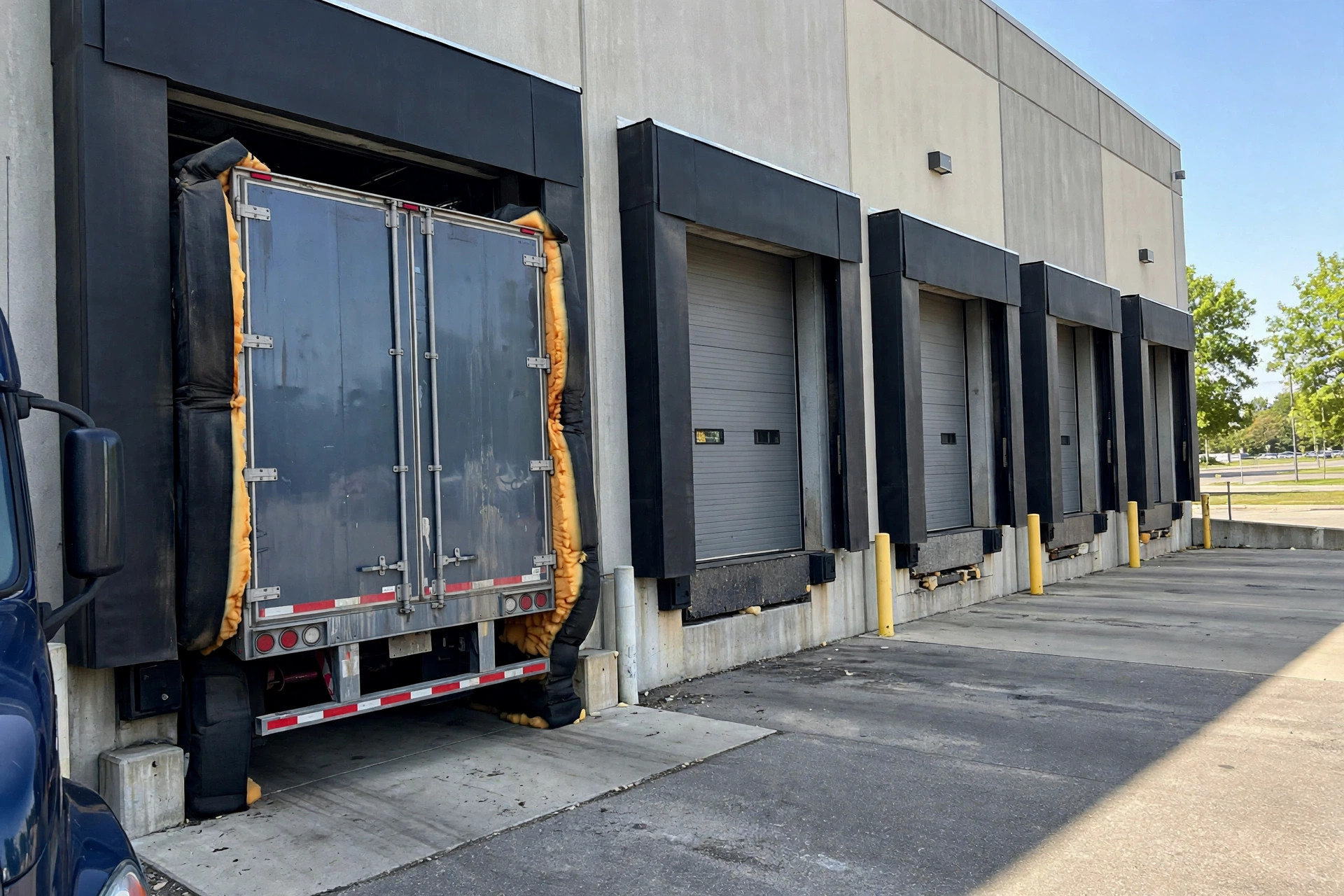
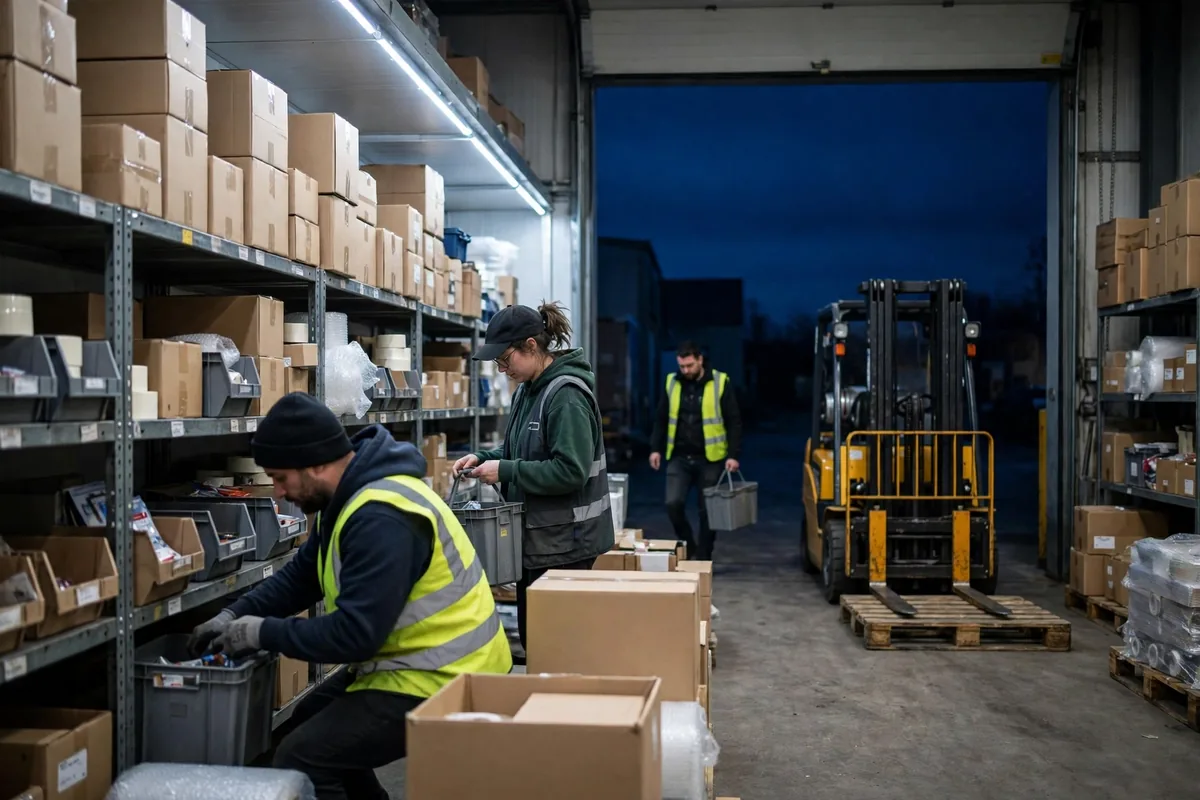
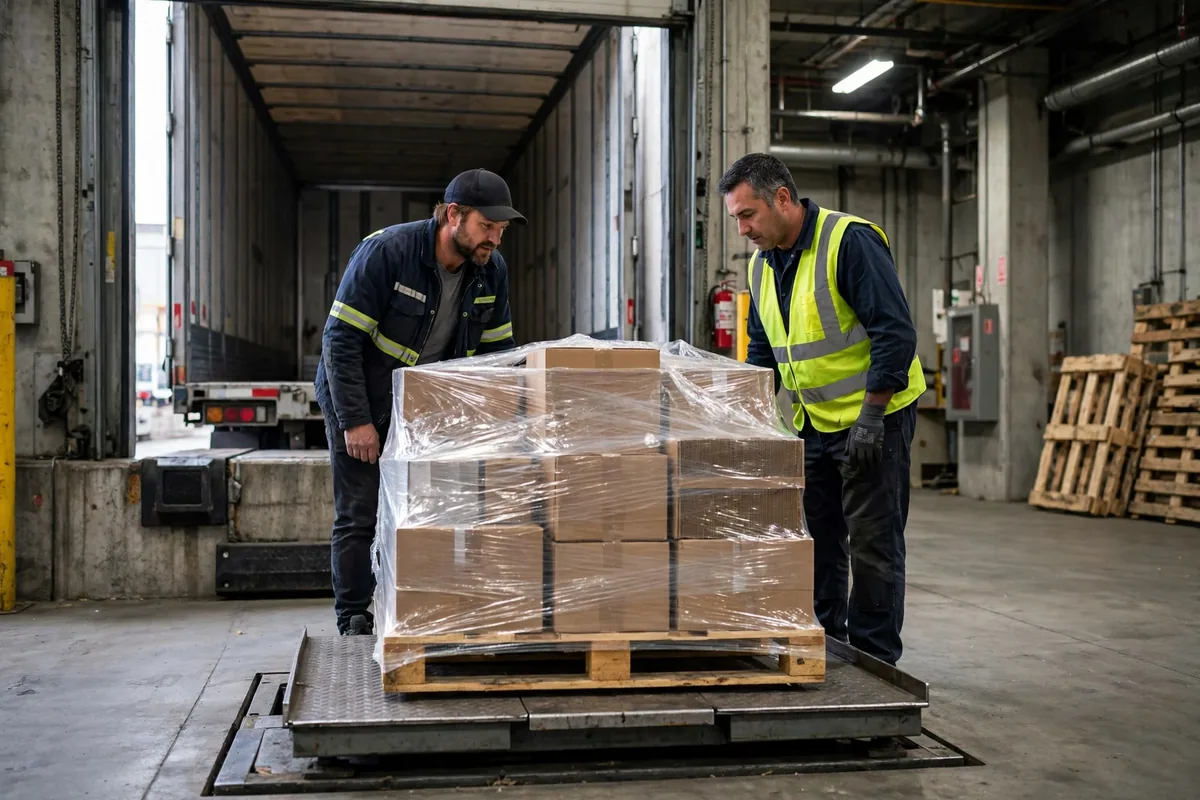
Receiving gets three things: freight waiting inside the marked staging lines, empty pallets stacked safely, and labels facing out. Storage is about aisles. Fire aisles and main travel aisles stay clear, period, and cartons never hang over the rack edge waiting to be clipped by a forklift. Picking is about totes and replenishment openings. Empty totes get collected, full totes never sit on the floor, and leftover pieces get cleared on the same shift. At packing, only supplies for the orders on the bench stay on top, and waste cartons leave on the same shift. The dock is a safety list: plates put back, wheel chocks actually used, doors secured. The charging area gets its own list because night shifts get sloppy there. Cables are hung up, the extinguisher path stays open, and no cardboard is stored next to the chargers.
| Zone | Check every shift | Instant fail |
|---|---|---|
| Receiving | Freight in lines, labels out, pallets stacked | Pallets blocking a fire aisle |
| Storage | Aisles clear, no overhang, leftovers cleared | Loose high-bay load not reported |
| Picking | Totes off floor, replenishment path open | Cartons blocking the pick path |
| Packing | Only live-order supplies on bench | Personal gear stored under bench |
| Dock | Plates back, chocks used, doors secured | Loading an unchocked trailer |
| Charging | Cables hung, access clear, no storage | Cardboard stored by chargers |
The instant-fail column is what makes this work. Touch one of those and the zone fails for the day. No averaging. Averages lie. Nine good lines and one dangerous line still average out to "excellent," and then nobody takes the dangerous line seriously.
Warehouse 5S Audit Scoring, and Why Red Tags Beat Fines
I only use three grades: fine, not fine, and dangerous. No hundred-point scoring, no arguing over two points. Miss a routine check and the zone loses a step. Lose three steps and a yellow tag goes up on the board at the end of the zone, with the problem and the owner's name written on it. Hit an instant-fail item and the tag is red, hung where everyone walks past. A tag only comes down one way: the person who rechecks sees the fix with their own eyes, on the floor.
Here is the counterintuitive part. Tags work because of embarrassment, not money. We tried fines. Fine a veteran operator a small amount and he says nothing, remembers it, and hides the next problem better. A red tag is different. The next crew walks past it, other leads see it, and the lead who owns it feels it. Usually it is fixed before the next shift without me saying a word. But you cannot hang tags everywhere. Hang five red tags in a week and they mean nothing. We cap it at one or two a week, pick the most dangerous problems, and then follow those to the end.
One illustrative scenario: picking kept getting yellow tags for totes on the floor, two days running. The lead did not lecture anyone. He moved the empty-tote collection point a few steps closer, onto the path pickers already walked back on. The tag came down the next day. Most 5S problems are layout problems first. If the right place is ten steps out of the way, busy people will put things at their feet. Fix the layout before you blame the crew.
The Three Ways Audits Turn Into Theatre
The first is the pre-audit blitz. Word goes out that tomorrow is inspection day, the whole warehouse stops for two hours to deep-clean, the floor shines for the visit, and two days later it is back to normal. My answer is simple: no notice, random timing. I walk zones three times a week, sometimes mid-morning, sometimes at the tail of the night shift. You cannot blitz for a check you cannot predict, so the only option left is keeping it decent all the time.
The second is photos with no follow-through. A supervisor's phone fills up with hundreds of problem photos, posted into a group chat, looking very serious. Next week the same cable is across the same walkway in the charging area. A photo is not proof of anything. A closed item is proof. If nobody rechecked it and took the tag down, that photo is just decoration.
The third is scores that connect to nothing. A monthly ranking goes up on the wall. First place gets no benefit, last place feels no pain, and the score has nothing to do with scheduling, recognition, or the lead's own review. Run that for six months and crews learn to act along with you. I tie results to two real things: the lead's monthly recognition, and who gets first pick of new equipment and new areas. Good zones pick first. That does more than a speech ever did.
One more night-shift scene, again an illustrative scenario: around 2 a.m. a charged forklift sits with its cable on the floor, and a worker pushing a flat cart rolls right over it. Nothing happened, and that was pure luck. After that, the charging area became a mandatory stop on the night handover. Both leads walk it together and sign. 5S and safety are not two programs. A cable on the floor, freight in an aisle, cartons in front of an extinguisher — on a normal day that is "messy." On the bad day, that is how the accident starts.
Closing the loop has four steps, none optional. Take the photo, wide shot plus close-up, and attach it to the issue note. Name an owner — a person and a crew, not just "the warehouse." Set the deadline by risk: dangerous items get fixed the same day, layout changes get a couple of days but need a temporary safeguard written down. Then someone else rechecks — ideally the next zone's lead — and signs it closed. If it is not fixed, it reopens at half the deadline.
If the same problem appears three times, stop issuing the same note. Cartons under the packing bench the first time is a reminder. The second time it is a layout question. The third time you ask whether the collection point is too far, the shift is short-handed, or the lead has stopped managing it. Dig to that level and the problem actually closes.
There is a time cost people can check themselves. In a hypothetical worked example, suppose a picker loses a few minutes every shift hunting for totes and moving pallets out of the pick path. Across a small crew over a month, that adds up to real paid hours. Follow two shifts with a stopwatch and count it yourself. Clear aisles and fixed homes for totes straighten the travel path, and speed follows. The opposite is also true: a 5S program made of forms and photos wastes the hours it claims to save. That is why my warehouse 5s audit checklist stays at one page, checked and explained within the same shift.
A last word to fellow leads. Do not launch this across the whole building at once. Pick one dock or one pick zone, run it properly until tags and rechecks feel normal, then expand. When your leads buy in, your crews buy in. Tomorrow, before you print anything new, walk your charging area and your dock and look at the dangerous items. You will know where you stand.
By Chen Feng, Warehouse Operations Manager