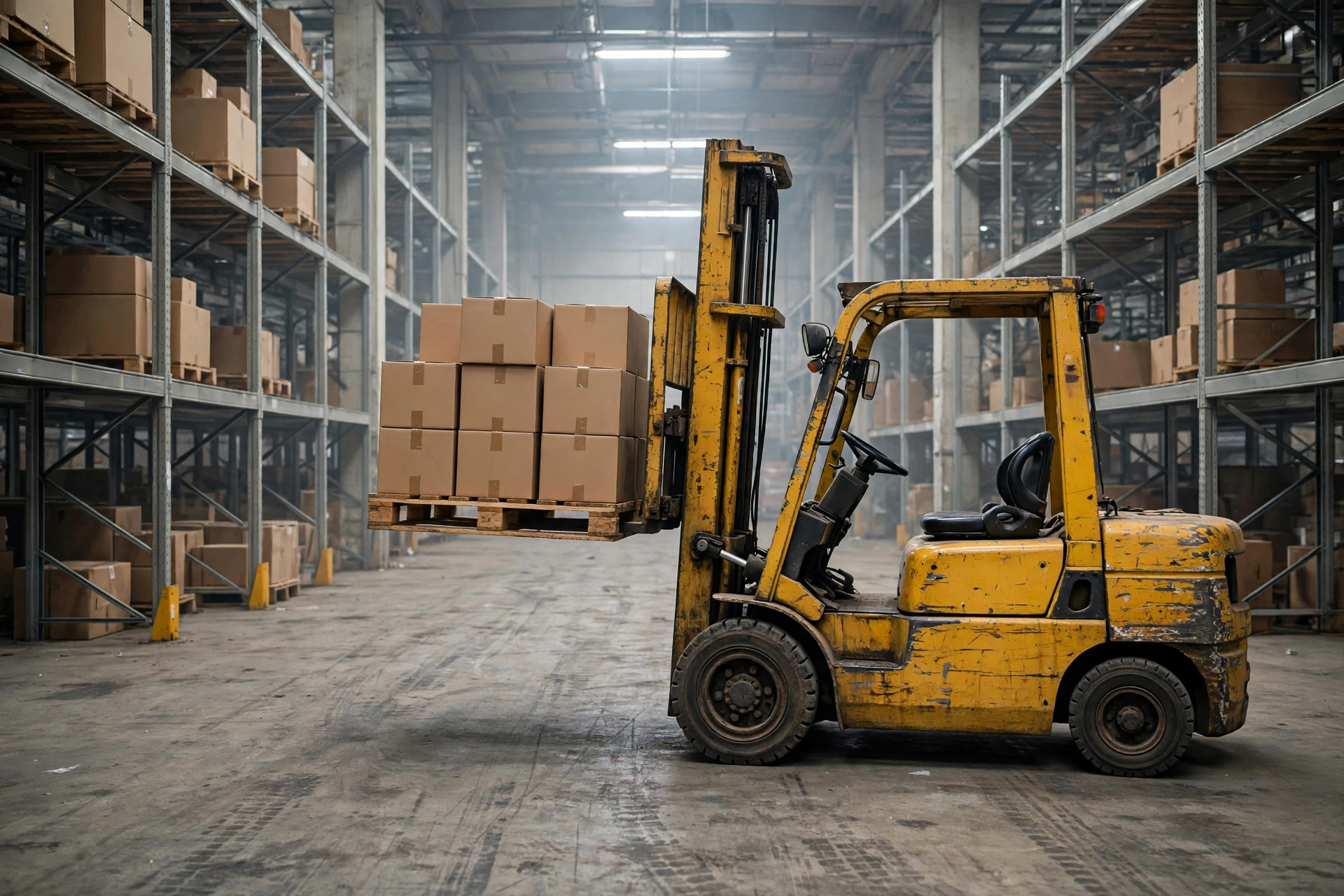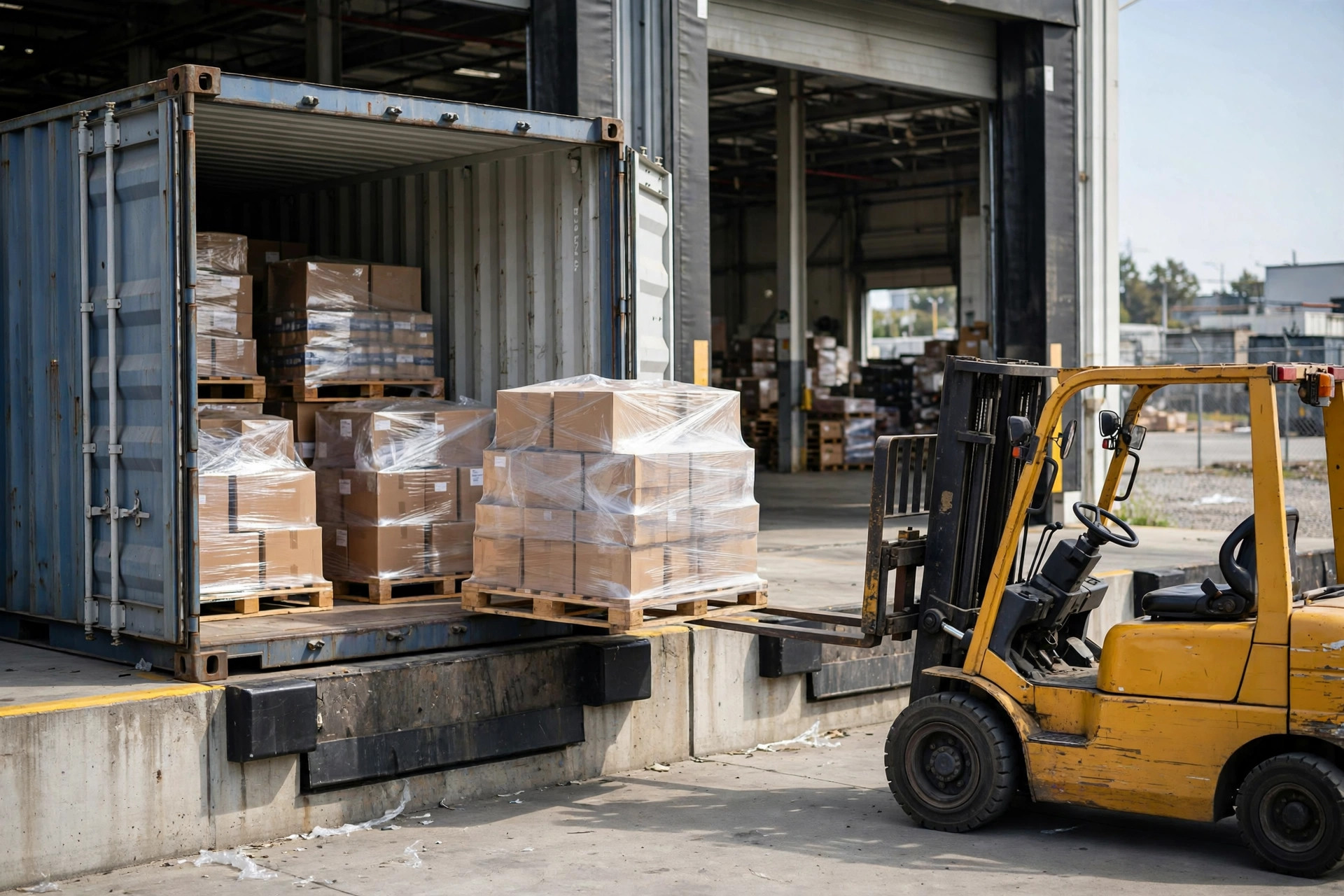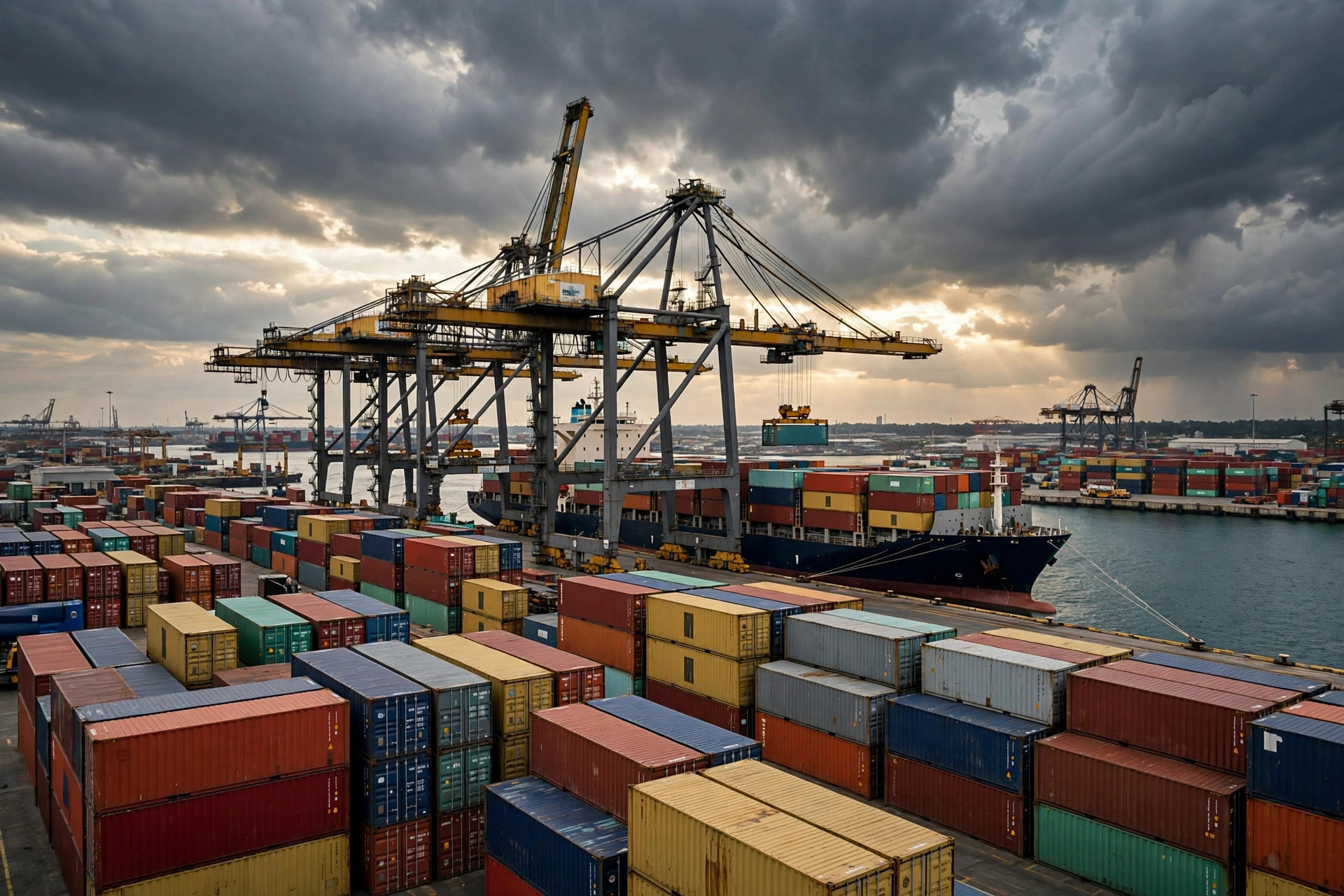
Last October, a friend who runs a 3PL operation out of Fontana, California called me. Two buildings in the Inland Empire, over 200,000 square feet combined, pushing more than 20,000 orders a day in peak season. He'd found a Chinese-built AGV system at nearly half the price of a US integrator's quote, and the WeChat conversation with the factory was going great — until they got to payment and delivery. "I don't want to be the importer," he said. "I have no idea how Section 301 duties actually work. What if I get the HTS classification wrong and get fined? What if customs holds my freight for two weeks? And who fixes the robots when they break?" His question: can't I just find a local agent, pay, and receive the goods — and have nobody bother me about the rest?
You can. But "local agent" covers three completely different businesses, and signing the wrong one is tuition paid for nothing.
The Word "Agent" Hides Three Different Businesses — Sign the Wrong One and You've Wasted Your Money
The pure distributor. They buy the equipment from the Chinese factory outright, act as the importer of record, clear customs, pay the duties, carry the inventory, and resell to you at a markup. You have no contract with the factory — only with the distributor. Highest price, lowest hassle: tariff exposure, exam delays, and classification liability all sit with them. Best for buyers with no import experience and smaller orders. Two caveats: distributors carry inventory, so lead times depend on what they've stocked; and after-sales service is only as good as that distributor — visit their warehouse, look at the spare-parts shelves, don't just trust the sales pitch.
The commission agent. You sign the purchase contract directly with the Chinese factory; the agent takes a commission or service fee and handles clearance, freight, and installation. Here's the catch: the importer of record on file is you. You pay the duties, you own the classification risk, and it's your freight sitting at the port during an exam. Cheaper than the distributor model, but none of the risk has moved. Suits buyers with some import experience who want to save the markup but lack local service resources. Watch out for pure middlemen — "agents" who are really just introducers. They collect a finder fee and vanish. No customs broker license, no bonded warehouse, no service team. Before signing, verify three things: a licensed customs broker on staff, a local warehouse with spare parts, and reference installations of similar equipment.
DAP delivery plus a local service package. The factory has a US subsidiary or a deep local partner; the factory's US entity acts as importer, equipment arrives at your dock under DAP (Delivered At Place) terms, and you sign a separate local installation and maintenance contract. Priced between the other two; suits larger projects. Read the contract: is the Incoterm DDP or DAP, and whose name is on the duty invoice? That determines who actually pays.
The one-line test for all three: look at whose name sits in the importer-of-record box. That name owns the risk.
Don't Fixate on the Agent's Markup — Your Hidden Self-Import Costs May Run Higher
The math most buyers do: the agent marks up ten to twenty percent, that's outrageous, I'll import it myself. But the self-import bill goes well beyond duties:
| Cost item | Self-import | Local agent (distributor model) |
|---|---|---|
| Equipment price | Factory price | Factory price + markup (typically on the order of 10–20%) |
| Section 301 additional duties | Yours, per the current USTR lists | Baked into the agent's quote |
| Customs bond | You buy your own (single-entry or continuous) | You use the agent's |
| Broker fees | You hire a broker | Included in the service |
| Customs exam delays | Yours — an intensive exam holding freight two to three weeks is routine, demurrage accrues daily | The agent's problem |
| HTS misclassification | Back duties plus interest — your liability | The distributor's liability |
| Installation & commissioning | You find the crew, or fly engineers in from China | Local team shows up |
| Spare parts | You stock them; a stockout means downtime | The agent's parts depot |
| Factory acceptance | You fly over, or roll the dice | Handled by the agent or the factory's US entity |
A few of these deserve unpacking.
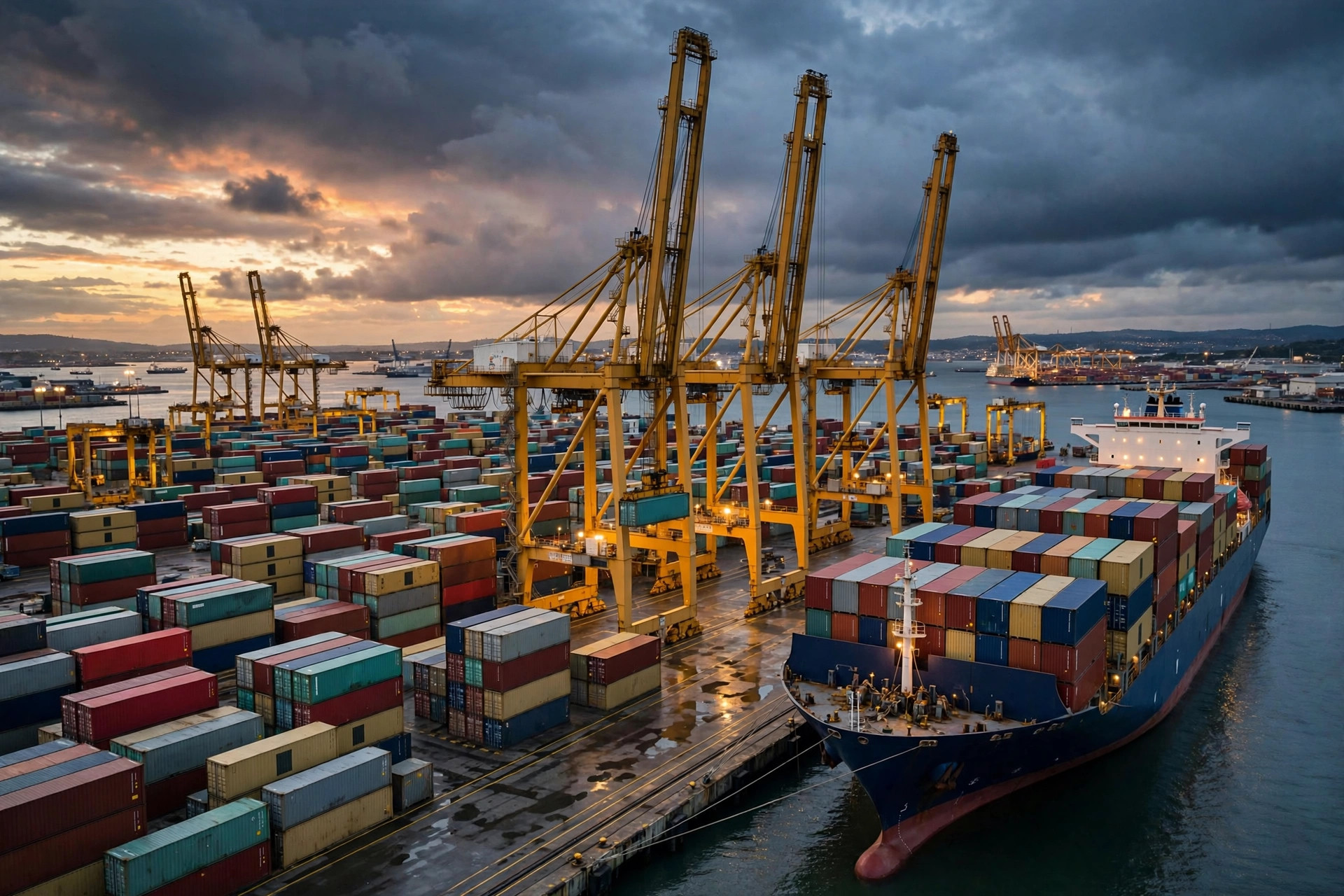
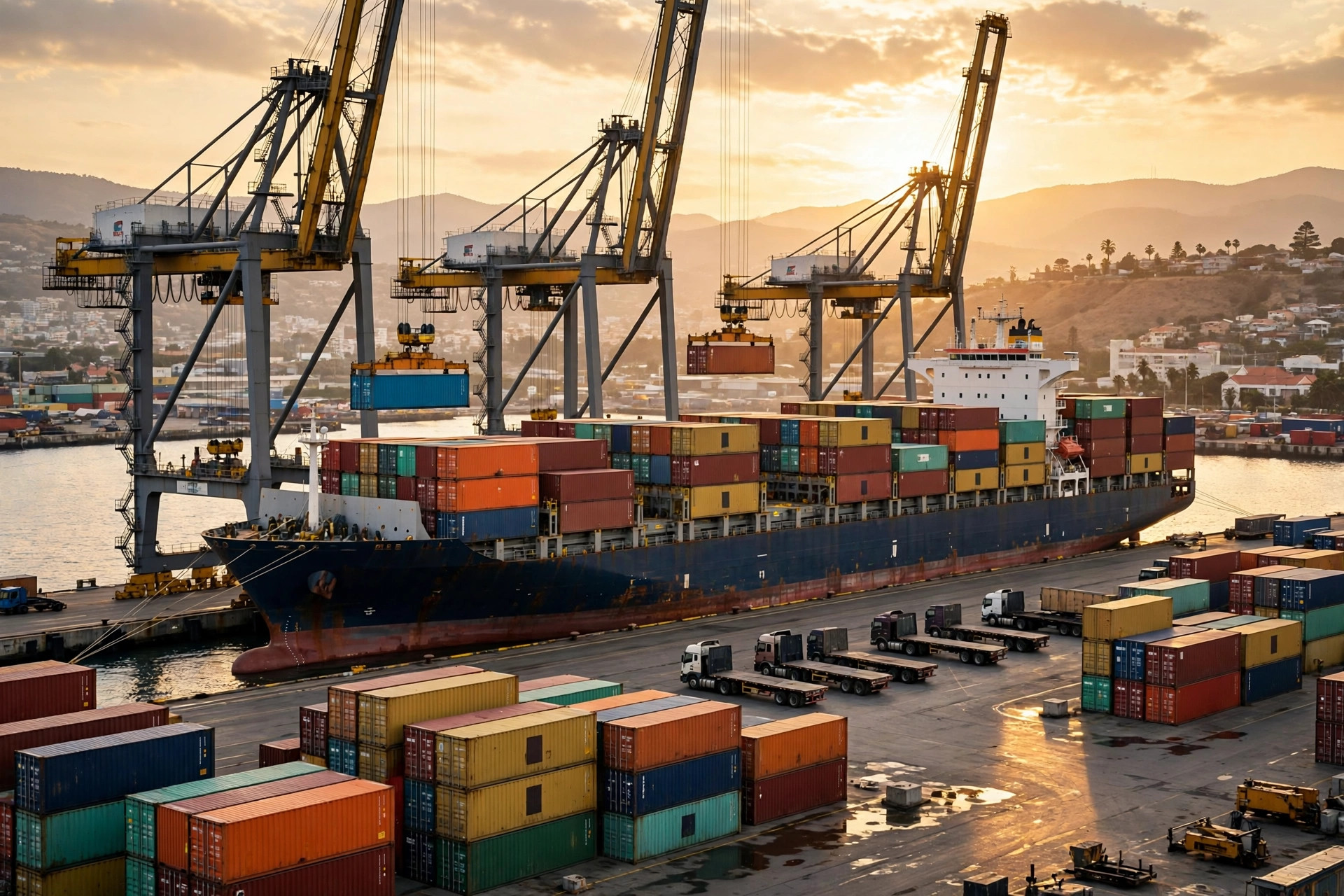
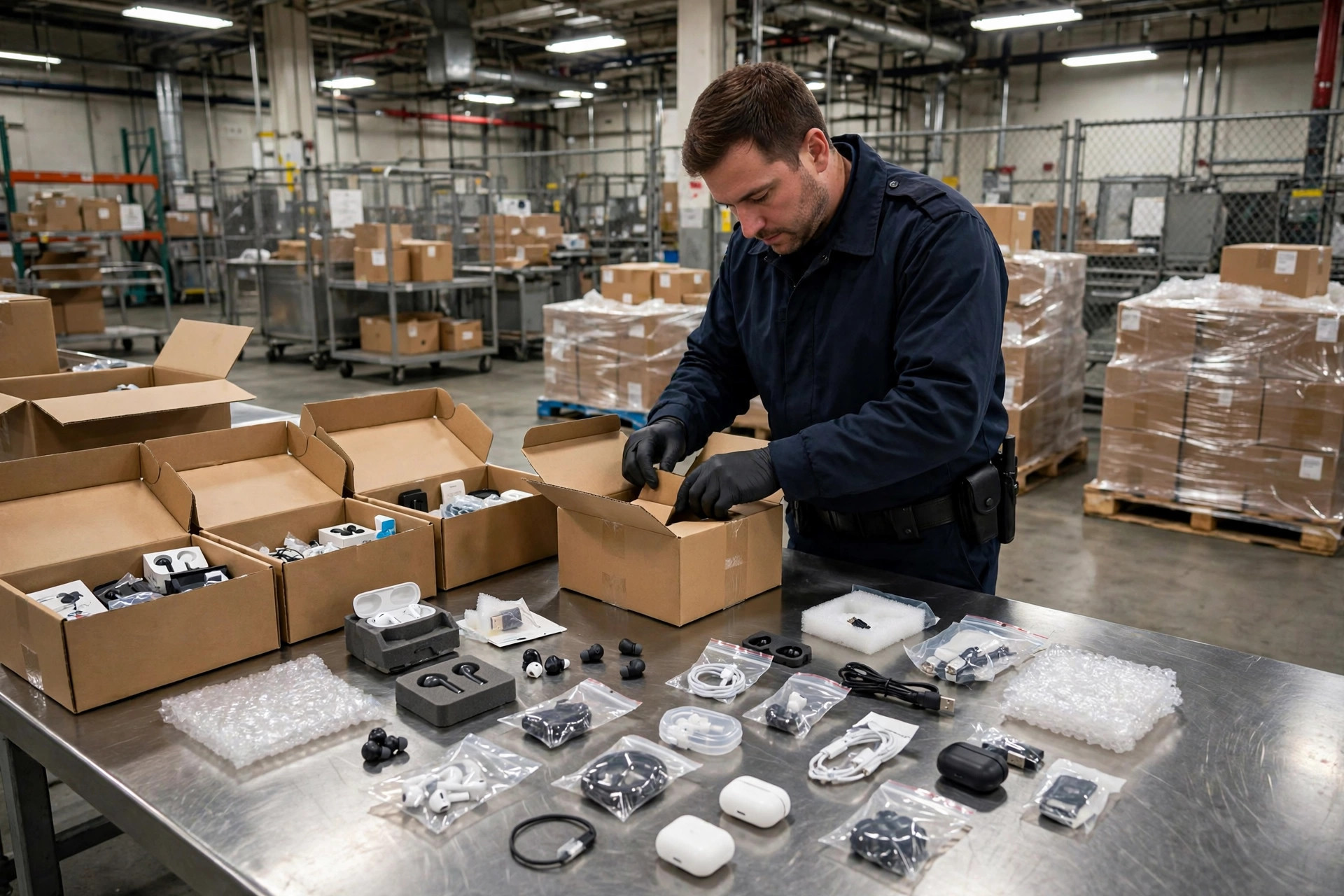
Exams first. Heavy automation equipment is a prime candidate for an intensive customs exam — two to three weeks at the port is nothing unusual. Demurrage and detention accrue by the day; half a month on a 40-foot box adds up fast. Under the distributor model that's the distributor's money. On your own, it's yours.
Classification second. AGVs and conveyor systems live in genuinely disputed HTS territory. Get it wrong and you're looking at back duties plus interest. CBP runs a binding-rulings program — get a ruling before a big order lands and you've bought insurance. An agent's broker does these in their sleep; your first one solo is a different story.
After-sales third. Flying an engineer in from China — visa, flights, hotel, days on site, plus your downtime while you wait — stings exactly once; you never forget it. A local agent with a parts depot and field engineers can be on site in 48 hours. That's the most valuable part of the markup.
My verdict: if your annual purchase volume can't justify a dedicated import-compliance hire, and nobody on your team can read an HTS schedule or a Section 301 list, the agent route is probably cheaper all-in. If you have steady volume plus your own compliance and engineering bench, self-import and keep the margin.
Whoever Signs as Importer Owns the Liability
This is the compliance floor. Four points.
First, the importer of record has to be someone CBP can actually reach: a US company or resident, or a nonresident importer backed by a customs bond. The IOR carries three things: paying the duties, exercising reasonable care over classification, valuation, and origin declarations, and trade-compliance exposure including antidumping/countervailing duties and forced-labor enforcement. Whosever name is in the box can't walk away from it.
Second, who pays the duty is decided by the Incoterm, not by a verbal promise. DDP means the seller delivers duty-paid; DAP means you handle import clearance and duties. Get it in writing — don't trust "we'll cover the tax" in a chat message.
Third, origin is a red line. Marking equipment with its true Chinese origin is a legal obligation; routing goods through a third country and relabeling them to dodge Section 301 duties is smuggling and fraud — seizure, fines, and possible criminal exposure if caught. Don't go there. Compliant ways to manage duty cost do exist: deferring duties inside a foreign trade zone, lawful duty drawback, or the factory doing genuine substantial transformation in a third country — but that's real manufacturing investment at the factory's end, not a sticker swap.
Fourth, do two things before you buy: have a licensed customs broker double-check the HTS classification, and check whether your product category appears on the Commerce Department's AD/CVD lists (steel products like pallet racking have been through this before). Small money, big insurance.
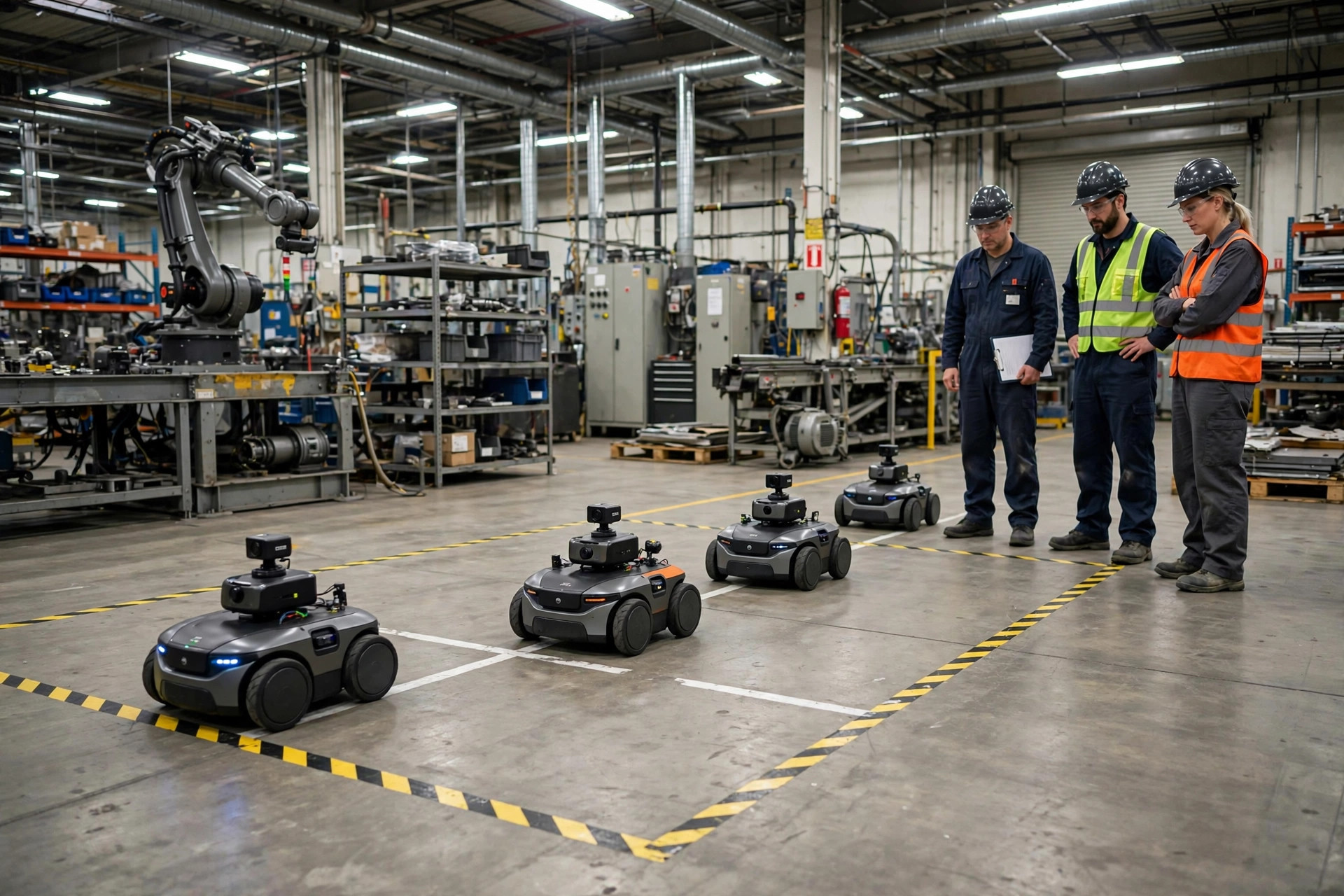
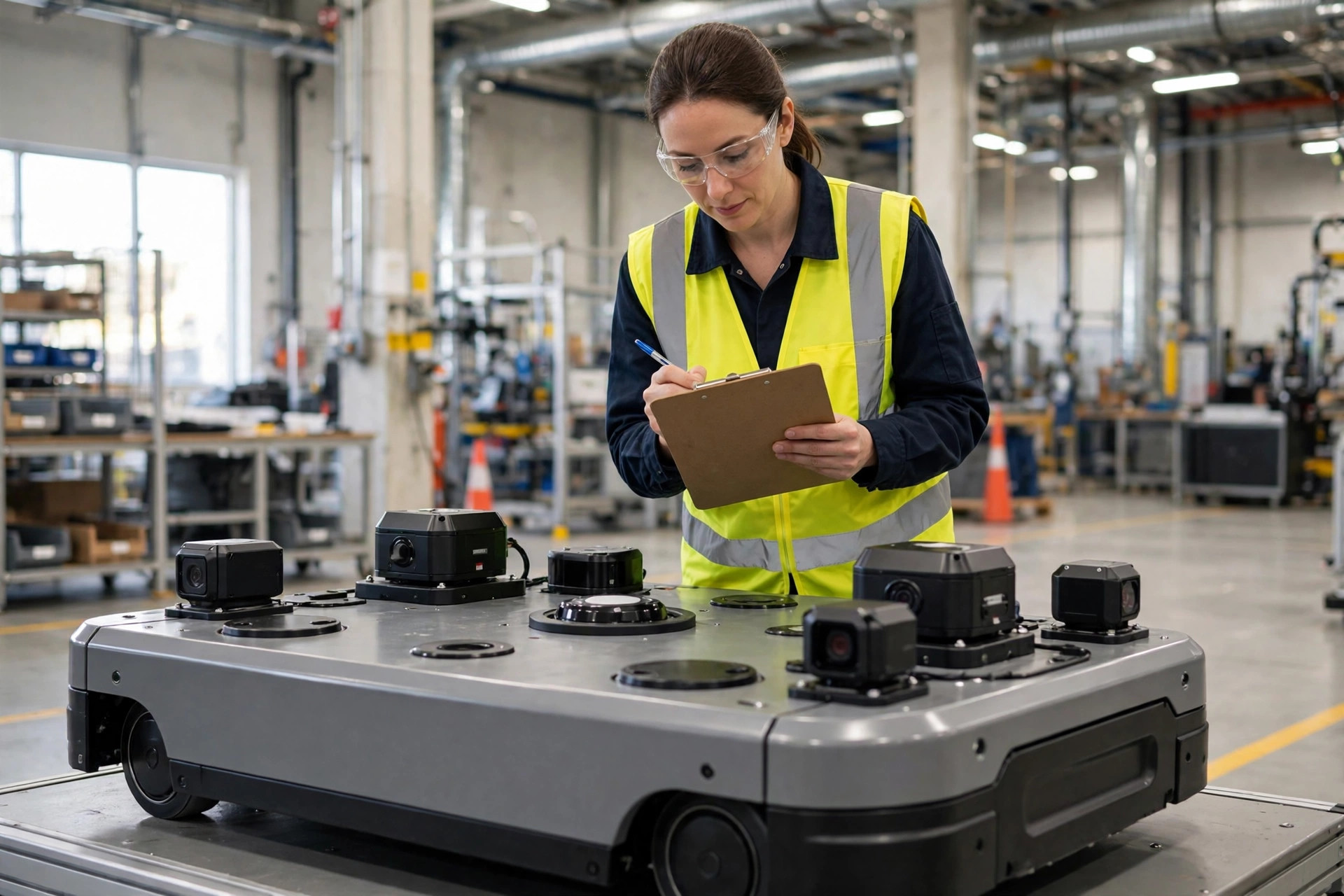
One more: always run a factory acceptance test. Fly over, demand complete test videos and reports, or hire a third-party inspector. Discovering your AGVs can't navigate real racking aisles after they've landed in your US warehouse — with return freight costing more than the units — is a mistake I've watched more than one company make.
Should you use an agent? Six questions.
- Can anyone on your team read an HTS schedule and a Section 301 duty list?
- Is your annual volume big enough to justify a dedicated import-compliance role?
- Can you live with a customs exam holding your freight for two to three weeks?
- If a unit breaks, who fixes it locally — and where do parts come from, how fast?
- In the agent's contract, whose name is in the IOR box? Whose name is on the duty invoice?
- Does the agent have a local service team and a parts depot, or is it a trading shell?
If you can't answer three of the six, use an agent — the markup buys someone else's experience and risk. If you can answer all six, import it yourself and keep the margin.