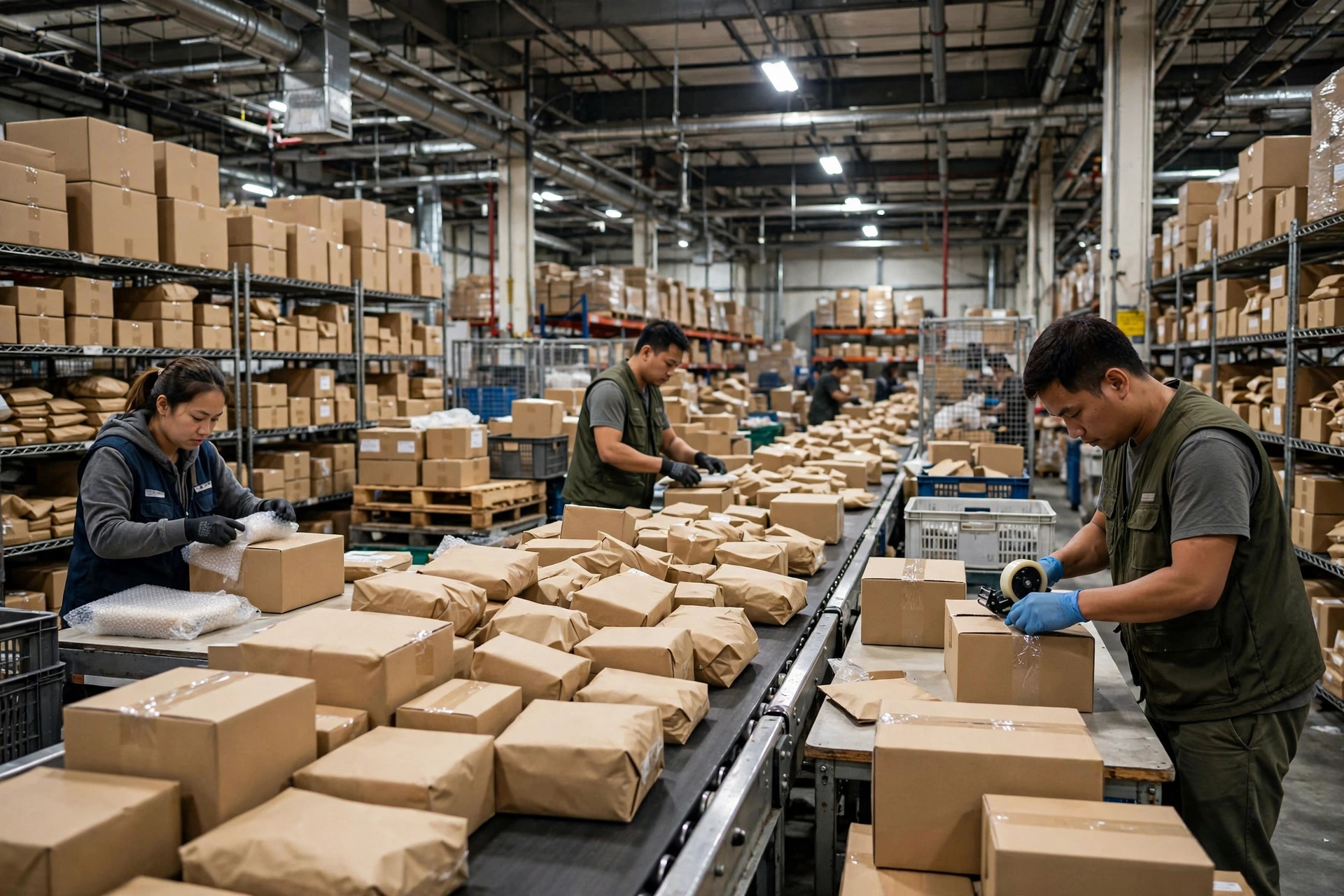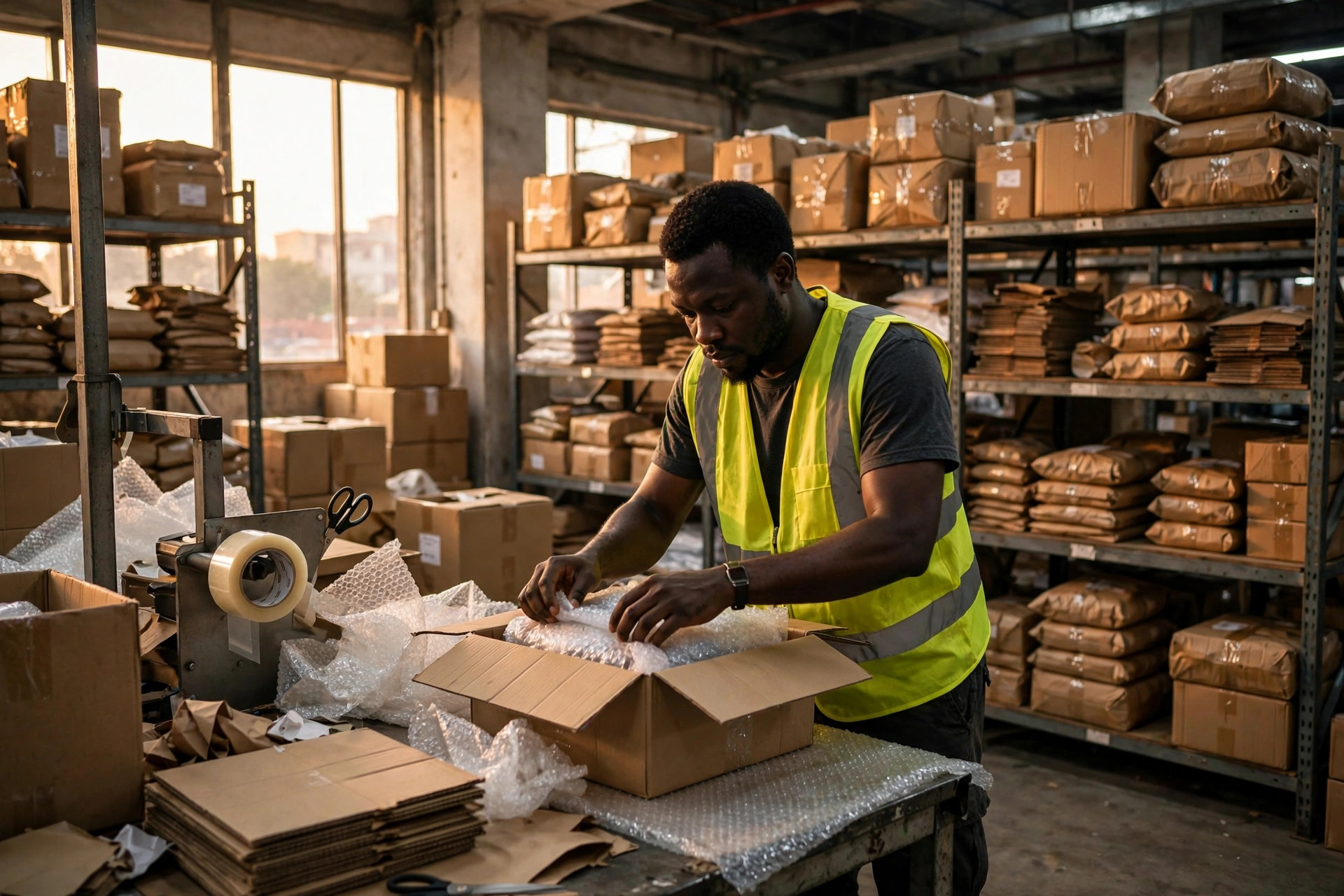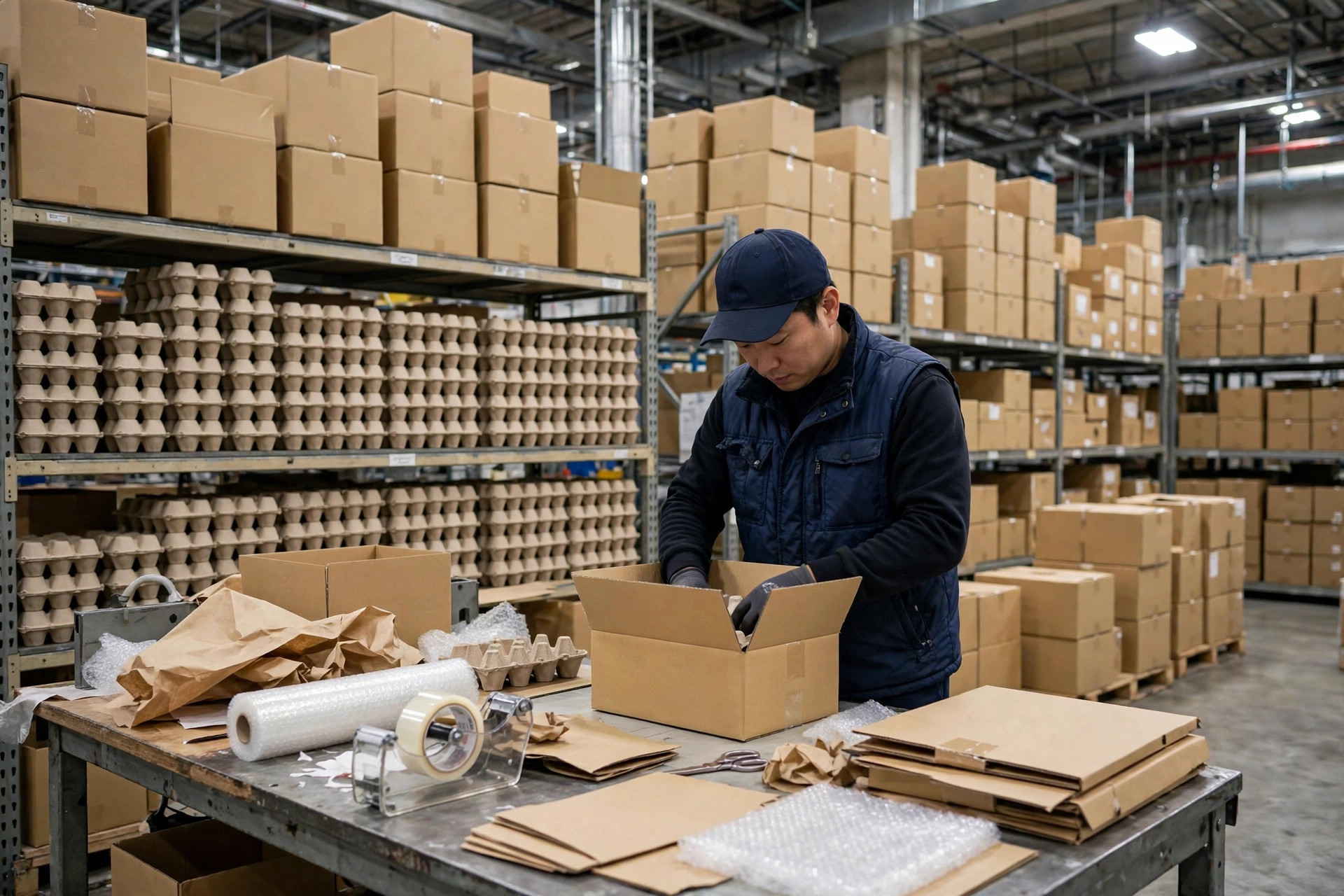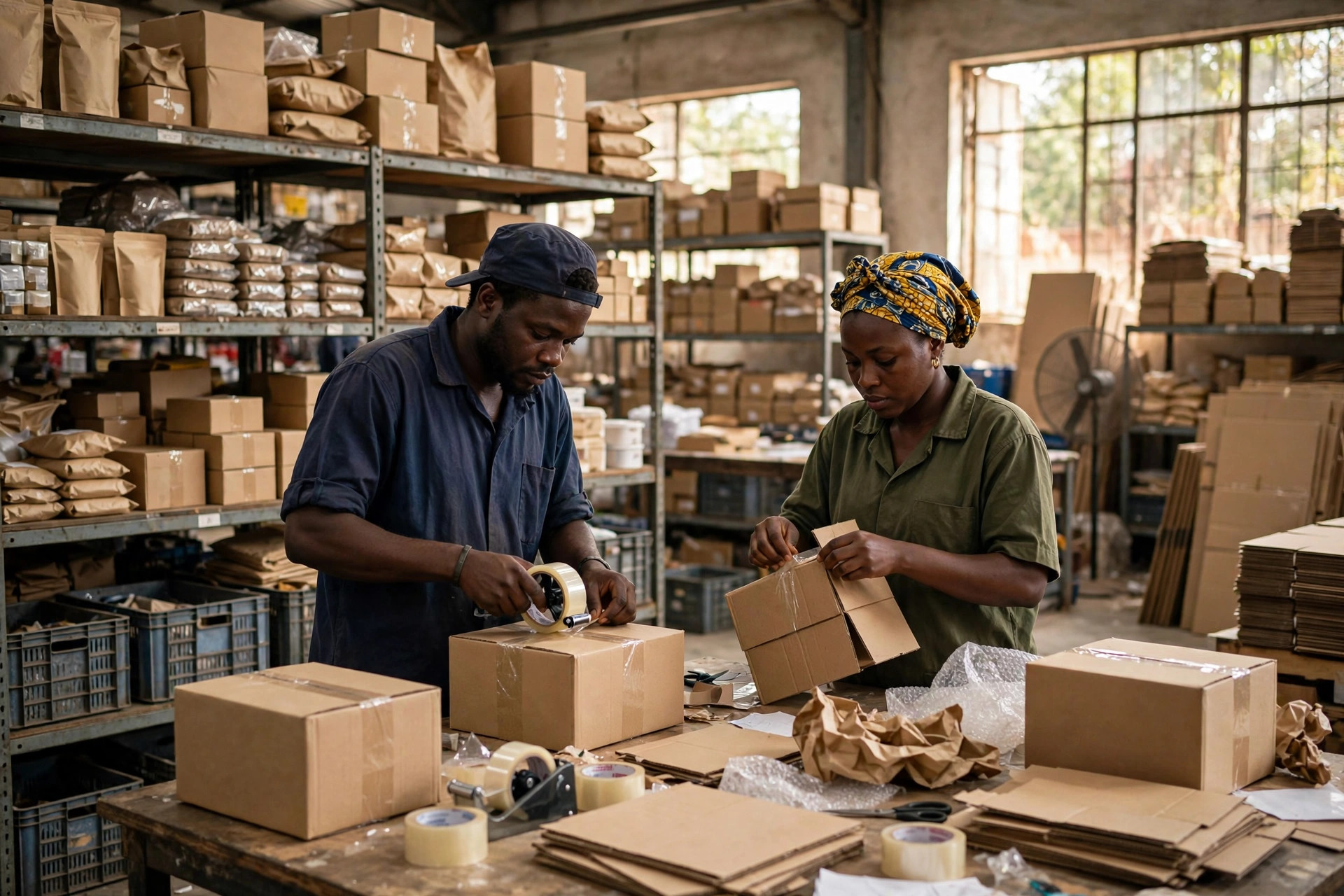
Africa ecommerce warehouse fulfillment, in plain English, means this: your stock sits in a local warehouse in Africa, and when a customer orders, you ship locally and collect cash on delivery. I thought it sounded simple. Just ship from a different place, right? Then my first batch landed in Lagos, and reality punched me in the face.
Why Africa Ecommerce Warehouse Fulfillment Runs on COD
Selling in China, the playbook is comfortable. Addresses are precise, payments land instantly, returns go to a pickup point. Africa does not work that way. Plenty of shoppers don't have a card that pays online, and even the ones who do often won't pay before they see the product.
So COD rules African ecommerce. Not because sellers chose it, but because buyers demand it. They want the product in their hands, a quick look, and only then do they hand over cash. Your warehouse isn't just a shipping point. It's a collection point, an inspection point, and a returns point. Bring the "ship it and forget it" mindset from back home, and your first batch will teach you a lesson.
That's how I paid my tuition. I sent a small test batch to a partner warehouse in Lagos ahead of peak season. Orders came in. Then the problems started. We called customers to confirm delivery, and several either didn't pick up or said "come another day." Stock sat in the warehouse. Ad spend kept burning. That's when it hit me: in Africa, fulfillment isn't back office. It's the front line.
What I Did: Direct Shipping First, Local Warehouse Second
Conclusion up front: don't rent warehouse space and stock big in Africa before you have steady order volume. Direct shipping is for testing products. A local warehouse is for scaling winners.
In the testing phase, I used direct shipping. Small volume, lots of SKUs, no stock to sit on. If a product flopped, the loss stayed small. But direct shipping has a fatal weakness: long transit times. Customers get tired of waiting and refuse the parcel, and with COD, every refusal lands on you. Returns on direct shipping are basically dead stock.
Only after two SKUs sold steadily in Nigeria for several weeks did I switch to a local warehouse. Before I did, I asked myself three questions: steady volume? Can I absorb refusals? Can I wait for cash collection? Only with three yeses did I stock up, and even then in small batches.
A fellow seller skipped that step, shipped a full container in one go, and watched the stock sit for months because the style didn't fit local tastes. You can't skip testing.
Nigeria vs Kenya: Africa Ecommerce Warehouse Fulfillment Compared
Which country first? Look at your product and your team. There is no "better" country, only a better fit.
| Factor | Nigeria (Lagos first) | Kenya (Nairobi first) |
|---|---|---|
| Market size | Bigger population, higher ceiling, bigger swings | More concentrated; Nairobi covers a large share of orders |
| Language | English works fine | English works; Swahili is more common in daily life |
| Last-mile delivery | Huge city, brutal traffic, addresses stop at landmarks | More compact, but addresses are just as vague |
| Payment habits | Cash leads, bank transfers common, COD is the norm | Mobile wallets widespread, COD still the norm |
| Returns handling | High volume of refused returns; needs its own space | Refusals exist too, but smaller volume is easier to manage |
| Fulfillment partners | More choices, quality varies wildly | Fewer choices; judge on long-term fit |
That table is a sense of direction, not a location decision. What really decides it is whether your product has steady local demand, and whether you can find a reliable local partner.
The COD Math: Work Backwards From Cash in Hand
The biggest illusion in COD is "sold means earned." No. A sale only counts when the parcel reaches the customer, the cash comes back, and the books reconcile.
My framework is simple. Work backwards from cash in hand per order:
Cash kept per order = COD actually collected − last-mile delivery fee − warehousing share − returns loss − collection and reconciliation cost
The traps hide in the details: redelivery fees and remote-area surcharges, returns stock eating floor space, damaged packaging and resale discounts, cash tied up during the collection cycle. Fill in every line with your own quotes, and get everything written into the contract.
There's also a trade-off most people get backwards. To cut refusals, they pile on confirmation calls and keep rescheduling delivery, which pushes costs up and slows everything down. My approach is to accept a certain level of refusal and treat it as a normal cost of the COD model, priced into the product, instead of spending big money to drive it to zero. Refusals aren't there to be eliminated. They're there to be priced.
Last-Mile Delivery: The Phone Matters More Than the Address
Lesson one of African last-mile delivery: the address is unreliable, the phone is what matters. Plenty of orders list an address that stops at a mall or an intersection. The courier arrives and has to call the customer to ask where exactly they are. If the call goes unanswered, the order is basically dead.
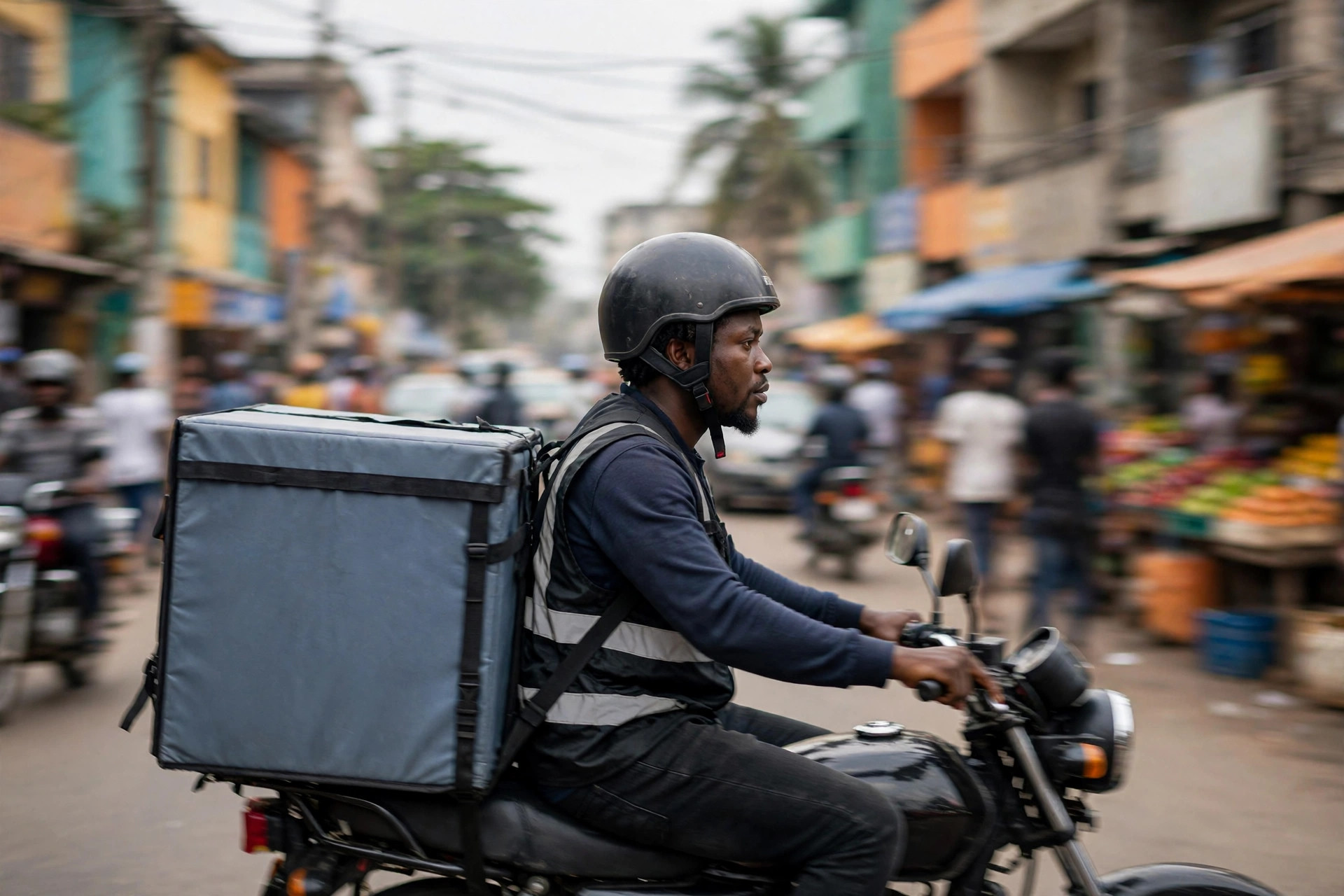
I learned this the hard way in Nairobi. An order address pointed to somewhere near a mall. The courier arrived, called, and the customer said "just leave it at the front desk." The parcel went to the front desk. Then the customer claimed it never arrived. After that, I set a hard rule: COD orders get handed over face to face, counted on the spot. No exceptions. Leaving parcels at a front desk or a doorstep under COD is digging your own grave.
Timing matters too. Ask your local couriers which window works best. And make the packaging tough: a dented carton gets refused on sight.
Returns and Cash Collection: The Two Grinds
Returns come in three kinds, each needing different handling. Refused returns: never opened, straight back to the warehouse, repack after a packaging check. Post-delivery returns: opened, so inspect the unit and accessories, and keep defective ones separate. Stranded stock: the customer never picks up, the parcel sits, and past the agreed window you decide with your partner whether to clear it at a discount or ship it back. Who pays for each case has to be in the contract.
Cash collection is the other grind. Money doesn't hit your account the moment the customer pays. It travels through courier handover, provider settlement, and reconciliation first. Settle the cycle length, reconciliation frequency, and discrepancy handling before you start. My rule: reconcile weekly, and only release the next batch when all three line up. Cash handling needs watching too. Ask your provider: who collects, how handover works, how often cash gets deposited, what proof exists at each step. If they can't answer, I pass.
Vetting a Local Fulfillment Partner
Pick the wrong local partner in Africa and it hurts worse than picking the wrong product. A bad product, you swap it. A bad partner, and your stock, your cash, and your customers all go down with it. I vet partners on five points.
First, the warehouse. A video walkthrough is the minimum; an on-site visit is better. Outbound, returns, and stranded-stock areas must be separate, or stock counts turn chaotic.
Second, the system. Orders, inventory, delivery status, and collection status should all be visible in real time. If they're still reconciling over chat messages and spreadsheets, walk away.
Third, the COD reconciliation process: cycle, frequency, discrepancy handling, cash handover. If they can't explain it, they haven't figured it out.
Fourth, returns handling: standard inspection, shelf time, stranded-stock handling. These details decide your loss rate.
Fifth, the contract. Fee structure, collection terms, return cost splits, compensation for lost parcels, and what happens to your stock if the partnership ends. All of it goes in writing.
Pitfalls to Dodge
Don't overstock. Stock in batches, top up once things run smoothly. Don't cheap out on packaging. Do confirmation calls, but don't overdo them; balance cost against speed. Settle return rules and collection rules before you start, in writing, not after something goes wrong. And don't drag the back-home assumptions of "precise addresses, instant payment" into Africa. Respect local habits, and the money follows.
Africa ecommerce warehouse fulfillment isn't that hard, and it isn't that easy either. Every step has a local twist, but the twists fall into five buckets: COD, refusals, collection, returns, partners.
I tested this myself, and it works: test products by direct shipping, switch to a local warehouse once volume is steady, run COD costs backwards through my formula, and vet partners against the five points above.
By Ah K, E-commerce Seller (5 yrs)