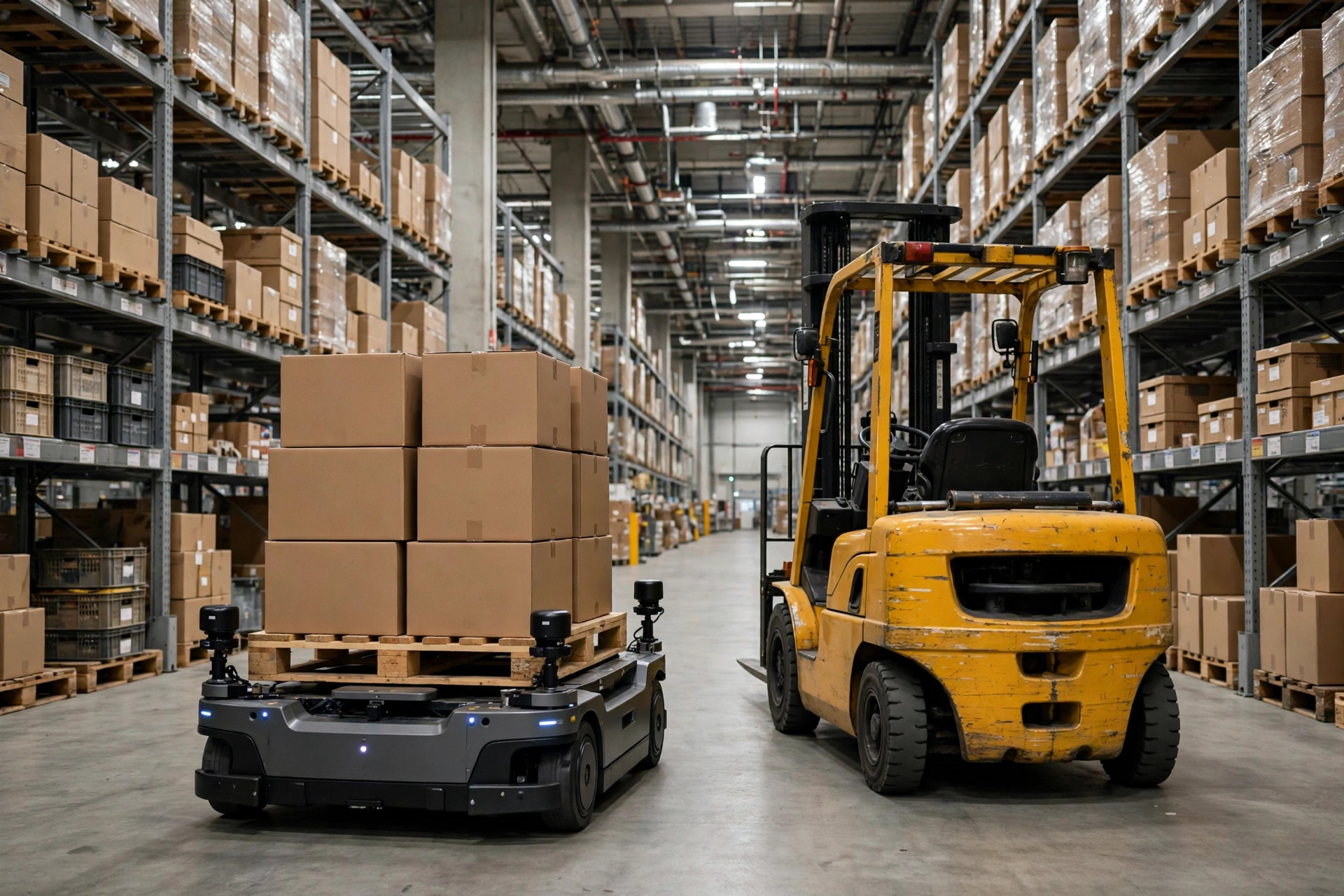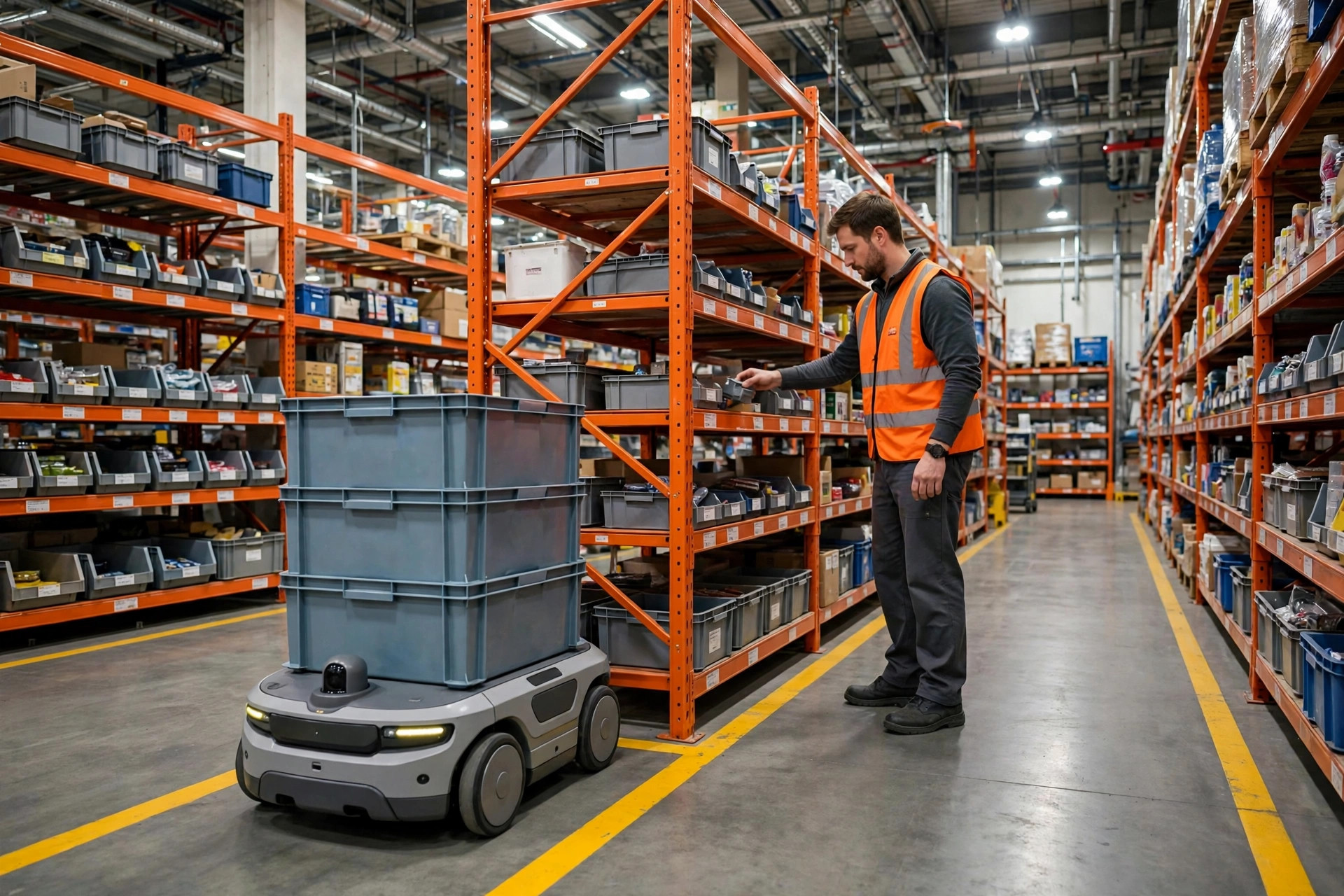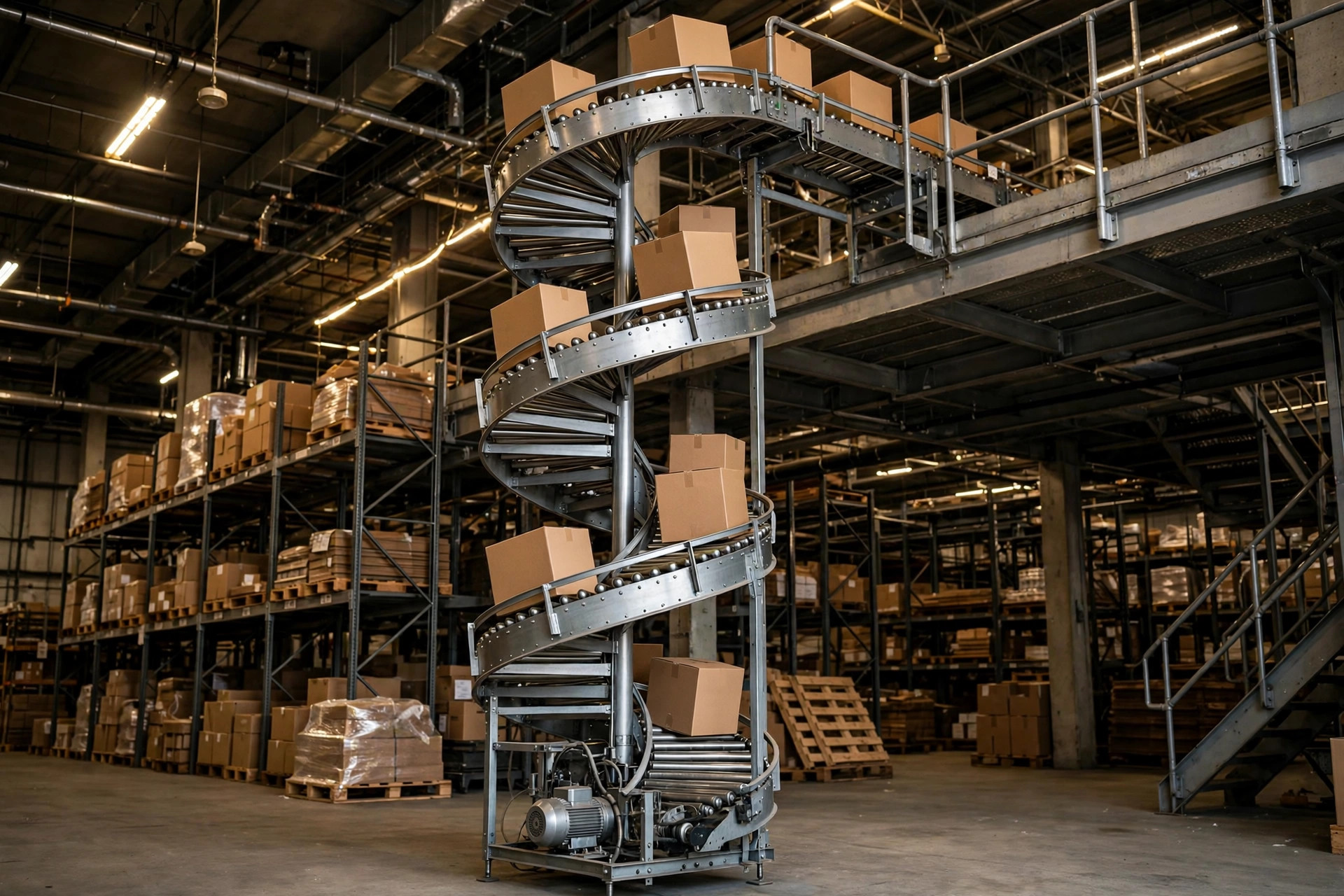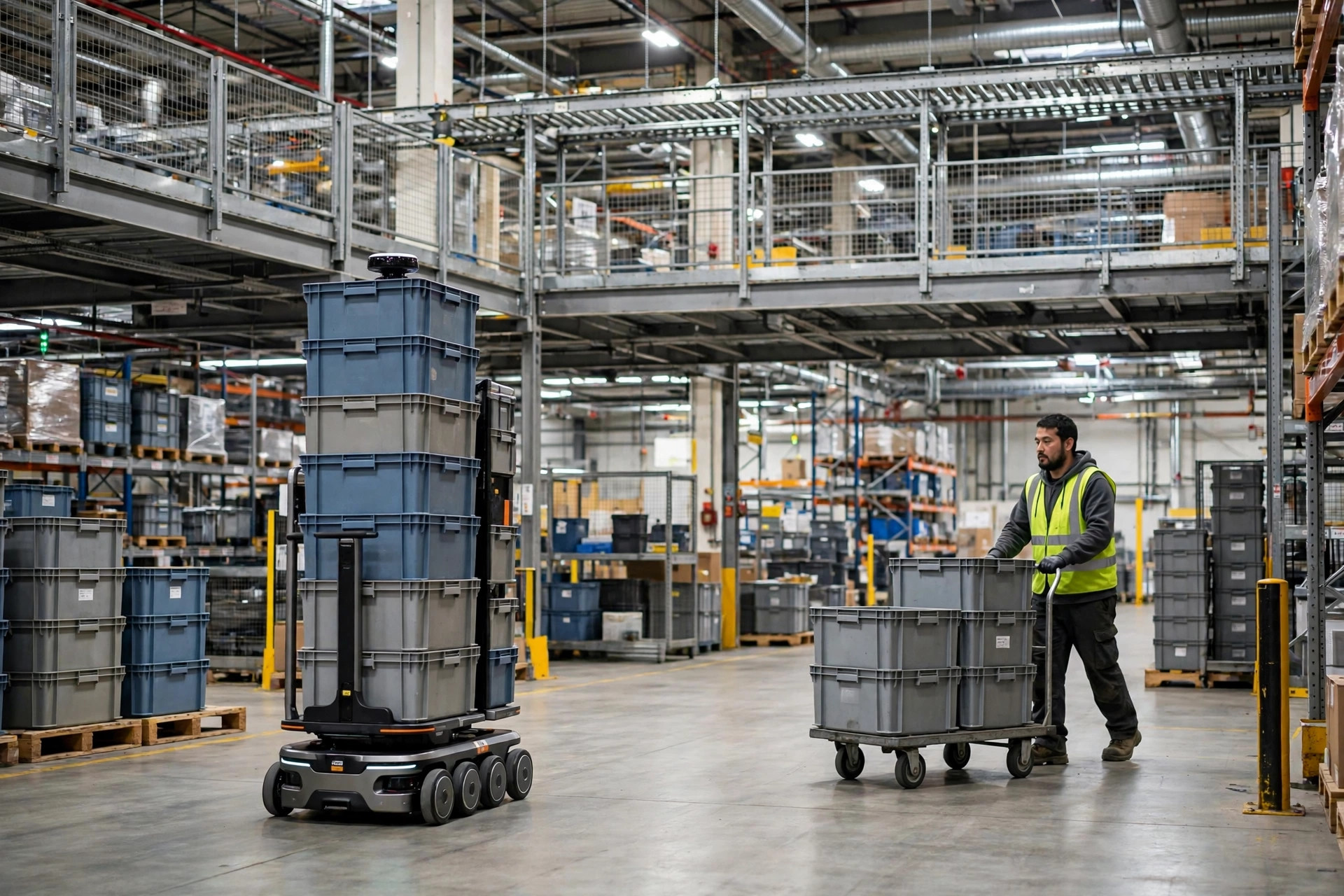
In 2024, I ran the numbers for an 80,000-square-foot e-commerce warehouse in the Inland Empire: 22 pickers, $960,000 a year in total labor cost. A goods-to-person AMR system was quoted at $780,000. The owner asked me if it was worth it. My answer: that does not depend on the equipment price. It depends on how much of a raise you think you will be paying three years from now.
Ninety percent of the debate around automation investment gets wasted on vibes like "equipment is too expensive." The breakeven line is actually calculable, and the math fits on a single sheet of paper. Here is the model, the variables that matter, and the mistakes I keep seeing.
Copy this formula down first
The breakeven only compares two things: the annual labor cost you would eliminate, and the annualized cost of the equipment. When the first grows faster than the second, you automate.
Annual labor cost (per head) = hourly wage × annual hours + benefits + overtime share + workers' comp share + hiring and turnover share
Annualized equipment cost = (purchase price − residual value) ÷ depreciation years + annual maintenance + cost of capital
Pay attention to the labor column: never compute it as "hourly wage × 2,080 hours" alone. In every warehouse I have worked with, benefits, overtime, workers' comp, peak-season temp premiums, and re-hiring costs add another 25 to 35 percent on top of the wage line. If you skip them, your breakeven always lands two years too late.
Example (illustrative numbers — substitute your own):
| Item | Value |
|---|---|
| Pickers replaced | 6 |
| Hourly wage | $19 |
| Annual labor cost (with 30% load) | ~$308,000 |
| AMR system purchase price | $250,000 |
| Depreciation / residual | 5 years / 20% |
| Annual maintenance (service + spares) | 8% of purchase price |
| Cost of capital | 8% |
| Annualized equipment cost | ~$80,000 |
The math: (250k − 50k) ÷ 5 = $40k depreciation; $20k maintenance; $20k cost of capital; $80k total. Six pickers cost $308k a year; the equipment costs $80k a year — payback in year one, a no-brainer. But reality is messier, because three variables swing the result hard.
The three variables that move the needle most
First, the wage growth rate. This is the most sensitive input in the whole model. Using the numbers above, I ran three scenarios: 3% annual raises, and the system saves roughly $950k over five years; 5% raises, roughly $1.15M; 8% raises, over $1.4M. A couple of points of assumption, hundreds of thousands of dollars of difference. Pull your actual raise data from HR for the past three years. Do not guess.
Second, equipment utilization. The same system running one shift a day versus three shifts has a wildly different annualized cost. On a single shift, the equipment sits idle 16 hours a day while depreciation ticks on, pushing the breakeven back two to three years. Automation and "can we staff a second shift" are joined at the hip — if you cannot fill the shifts, fix order density first and talk equipment later. Conversely, a warehouse already on two shifts and still short-handed gets full utilization for free, and the breakeven jumps forward.
Third, residual value. Generic equipment (electric forklifts, standard AMRs) has a deep secondhand market — 20 to 30 percent residual after five years is realistic. Custom conveyor and oddball sorters are basically scrap metal; even 5 to 10 percent is optimistic. Every ten points of residual difference on a $250,000 system moves the annualized cost by $5,000. Before buying, go ask what comparable used equipment actually trades for. Do not believe the salesperson's "holds its value" story.
Used and leased: how the formula changes
Smaller warehouses with smaller budgets can use the same model — just change two inputs.
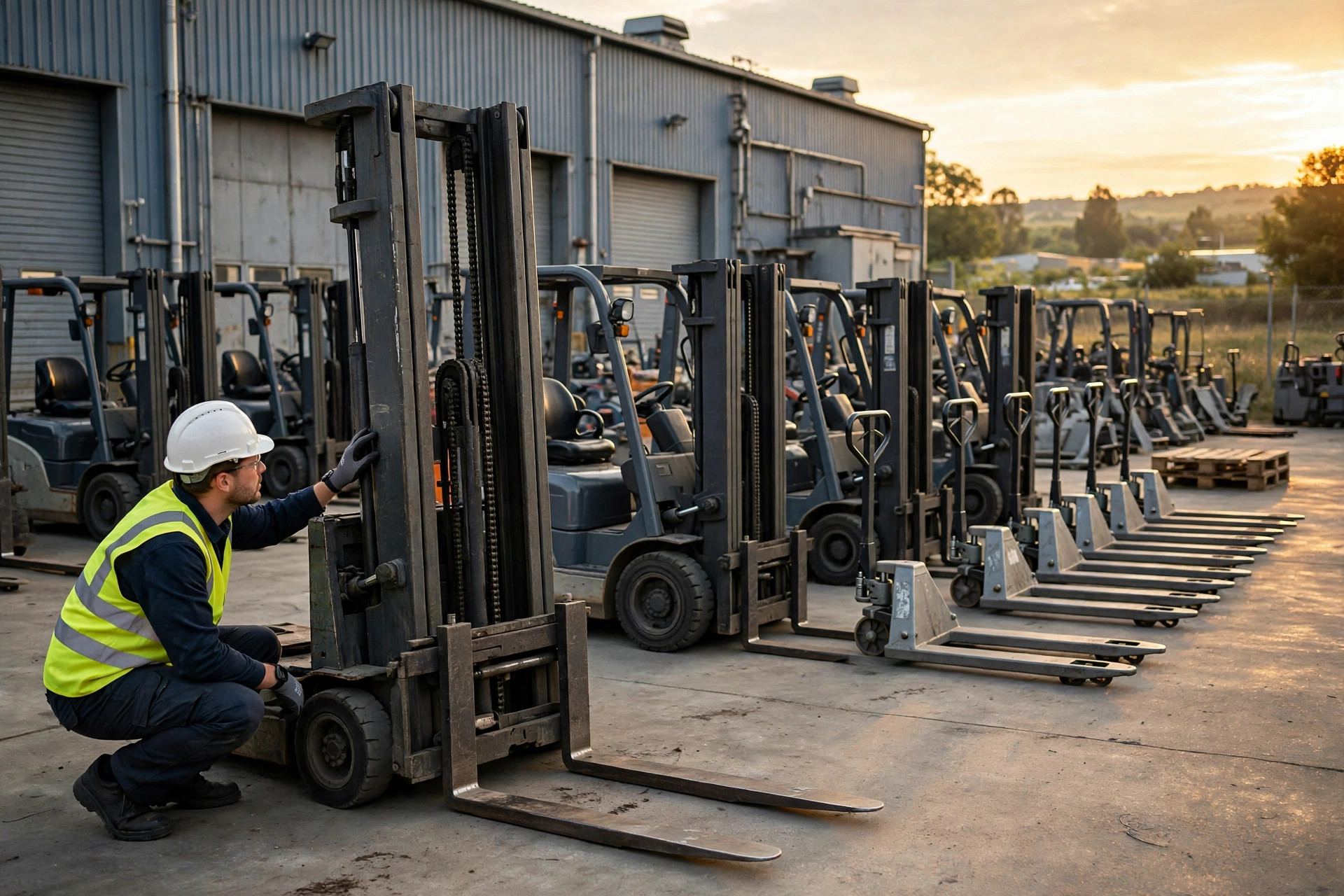
Used equipment: plug in 40 to 60 percent of the new price, but bump up annual maintenance (older machines eat more parts and break more often), and add a "downtime converted to labor" line — historical failure rate × hours lost per incident × hourly wage. The most honest math I have seen: a used forklift costs $3,000 to $5,000 more per year than a new one in repairs and downtime, so over five years the total-cost gap is nowhere near as wide as the sticker prices suggest.
Leasing: monthly rent × 12 goes straight into the annualized equipment cost line; residual is zero, and the cost of capital disappears (no big upfront outlay). Leasing fits two situations: order volume is uncertain for the next two years and you do not want to be locked into equipment, or you want to validate a category of equipment in your own building first — a one-year lease is tuition. Per-bot monthly AMR rentals are mature now, which effectively turns capex into opex you can cancel.
Four ways to get the math wrong (I have seen all of them)
Counting the equipment price but not the integration. The quote is only the starting line: floor leveling, sprinkler relocation, WMS integration work, the two weeks of lost throughput during cutover — these "soft costs" usually run 20 to 40 percent of the equipment price. I watched a sorter project where the machine was $400k and integration burned another $150k.
Leaving overtime and injuries out of labor cost. Computing labor at the base wage assumes your warehouse never runs overtime and nobody ever gets hurt. Two months of peak overtime plus one recordable injury's direct and indirect costs are enough to lift the annual labor line 20 to 30 percent. Skip them and your breakeven is systematically late.
Comparing peak-season labor against full-year equipment cost. You staffed 40 temps in November and December; that does not mean you run 40 people all year. Labor must be a 12-month weighted average; the equipment cost accrues all year regardless. Comparing peak labor against it produces a fake "automation wins big" conclusion, and then the idle equipment embarrasses you in February.
Fantasizing about residual value. "This system will still sell for half its price in five years" is the salesperson's favorite story. The more custom the build, the thinner the secondhand market. Always run the model with the conservative residual. If it still pencils out, it is genuinely worth doing.
Something you can do tonight
Pull your warehouse's actual labor ledger for the past 12 months — wages, overtime, workers' comp, temps, recruiting costs, every line — and compute the true annual cost per head. Then get one all-in quote from an equipment vendor, integration included. Drop both numbers into the formula and the breakeven line is right in front of you.
One uncomfortable parting thought: most "should we automate" paralysis is not about unclear math. It is about not wanting to face what the math says. Put the numbers on the table — automate when they say go, wait when they say wait. The worst outcome is making the same decision three years from now, after wages climbed, based on the same gut feeling you had today.