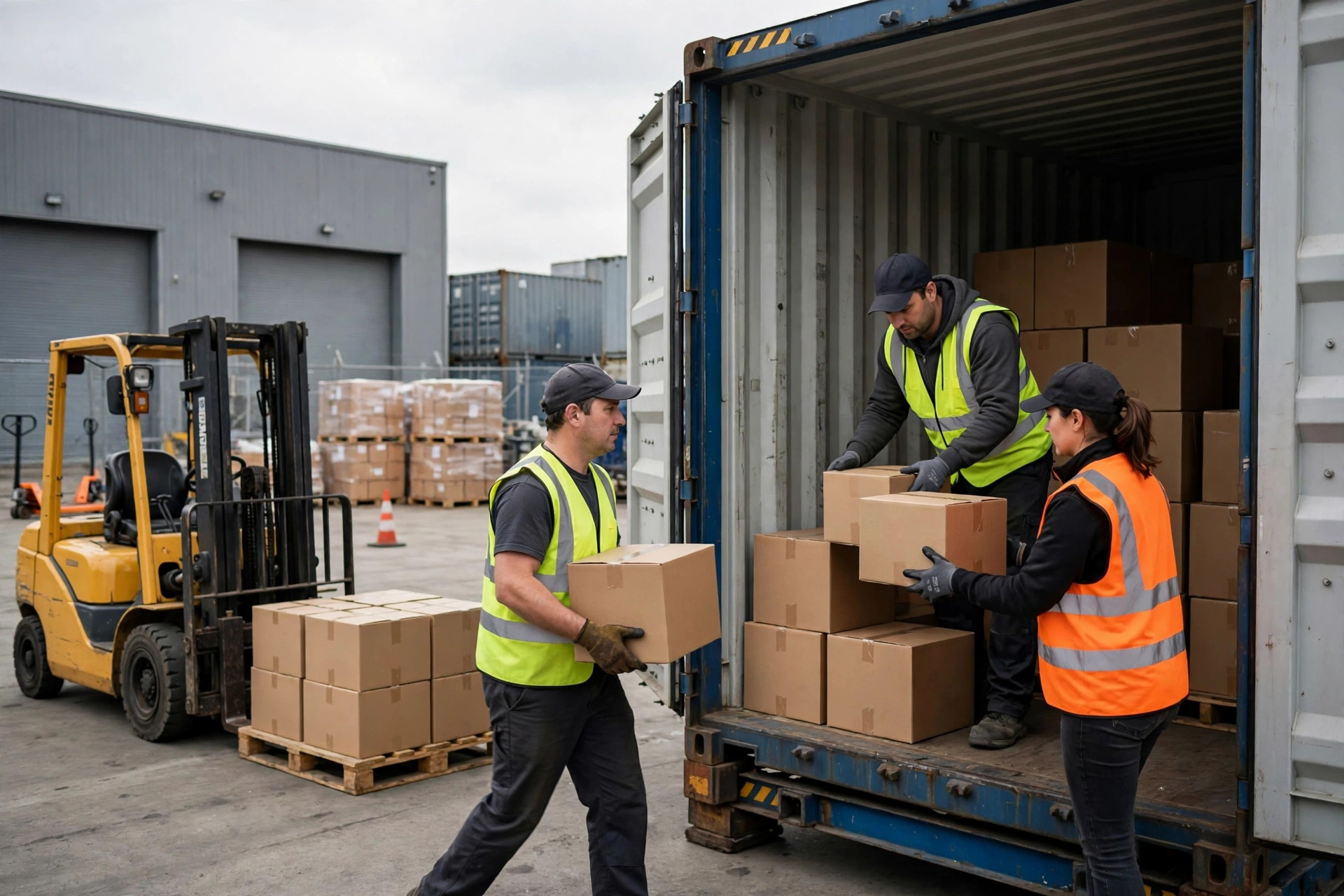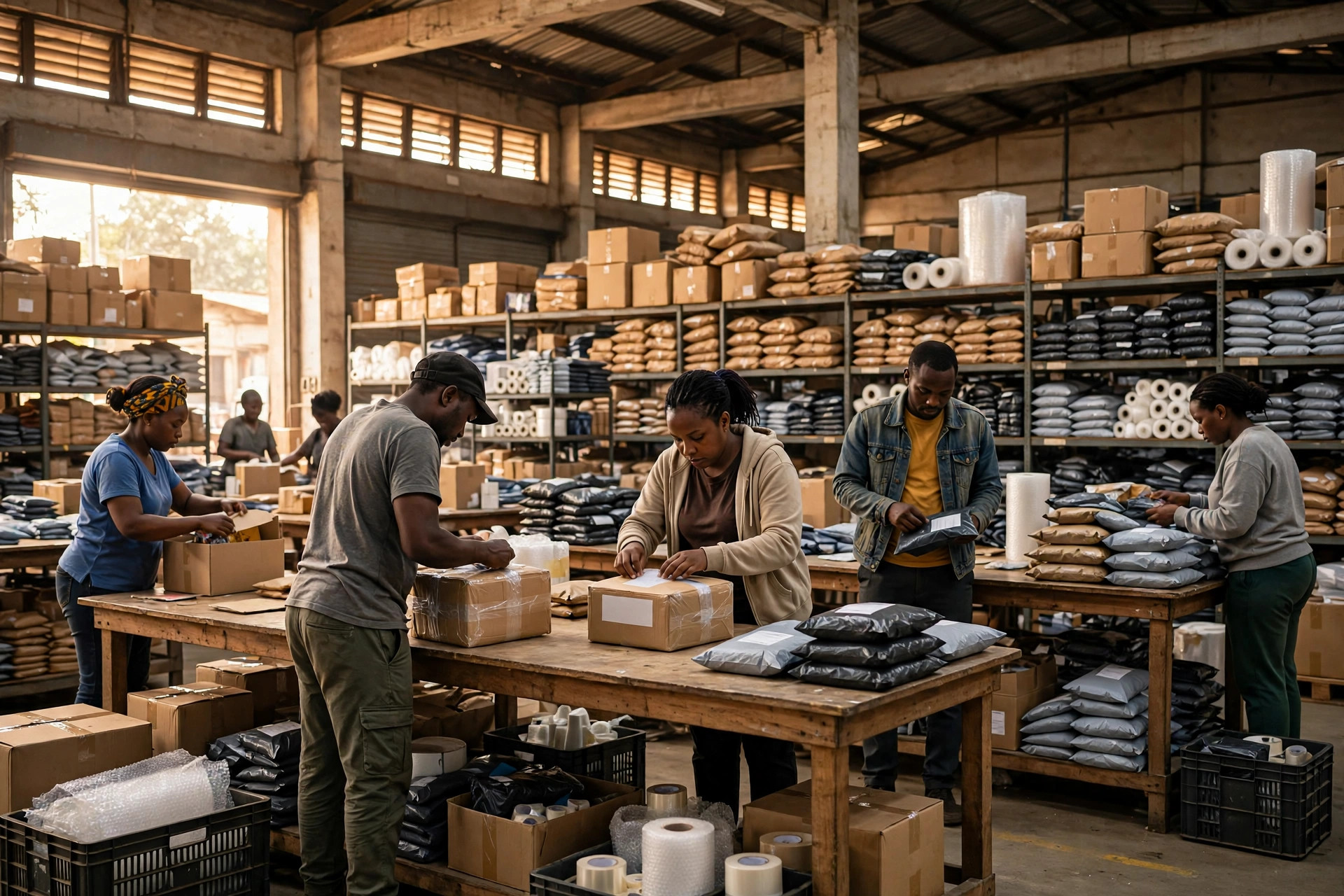
Let me be blunt: Kilimall Kenya seller fulfillment is where most sellers in African e-commerce go to die. Not bad products — bad logistics.
I spent nearly two years wrestling with Kilimall Kenya seller fulfillment. Kilimall launched in Nairobi in 2014, founded by Chinese entrepreneurs, built on Chinese supply chains — Xinhua even ran a 2023 feature with photos from their Mlolongo warehouse, local staff packing and shipping. This is not Jumia's capital-driven playbook. It's a "Chinese supply chain + African local fulfillment" model, and you have to think inside that frame.
Right now sellers have three options: FBK (Kilimall's official warehouse), self-shipping, and third-party overseas warehouses. There is no silver bullet. Only trade-offs.
Three Fulfillment Options for Kilimall Kenya Sellers: I've Done All Three
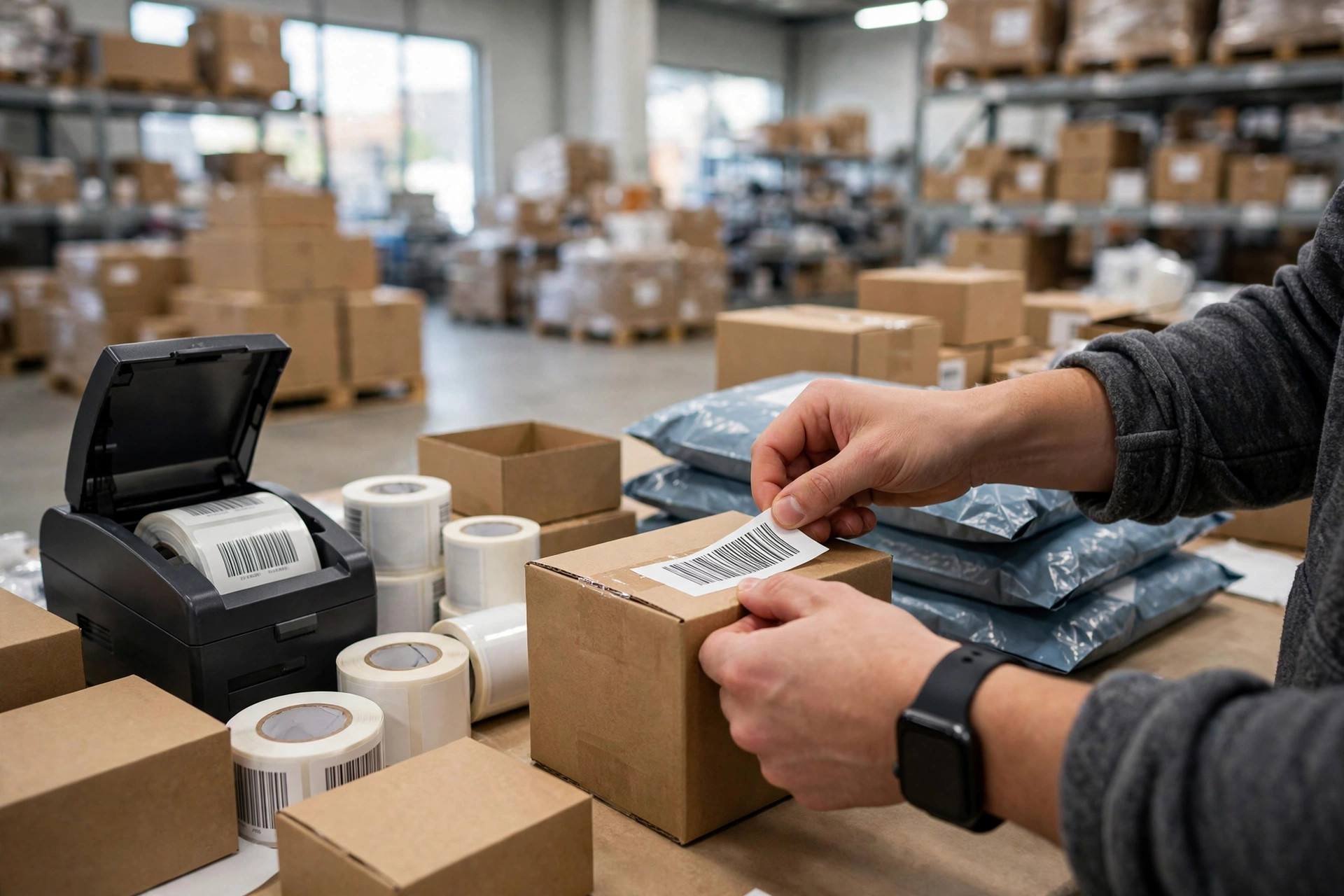
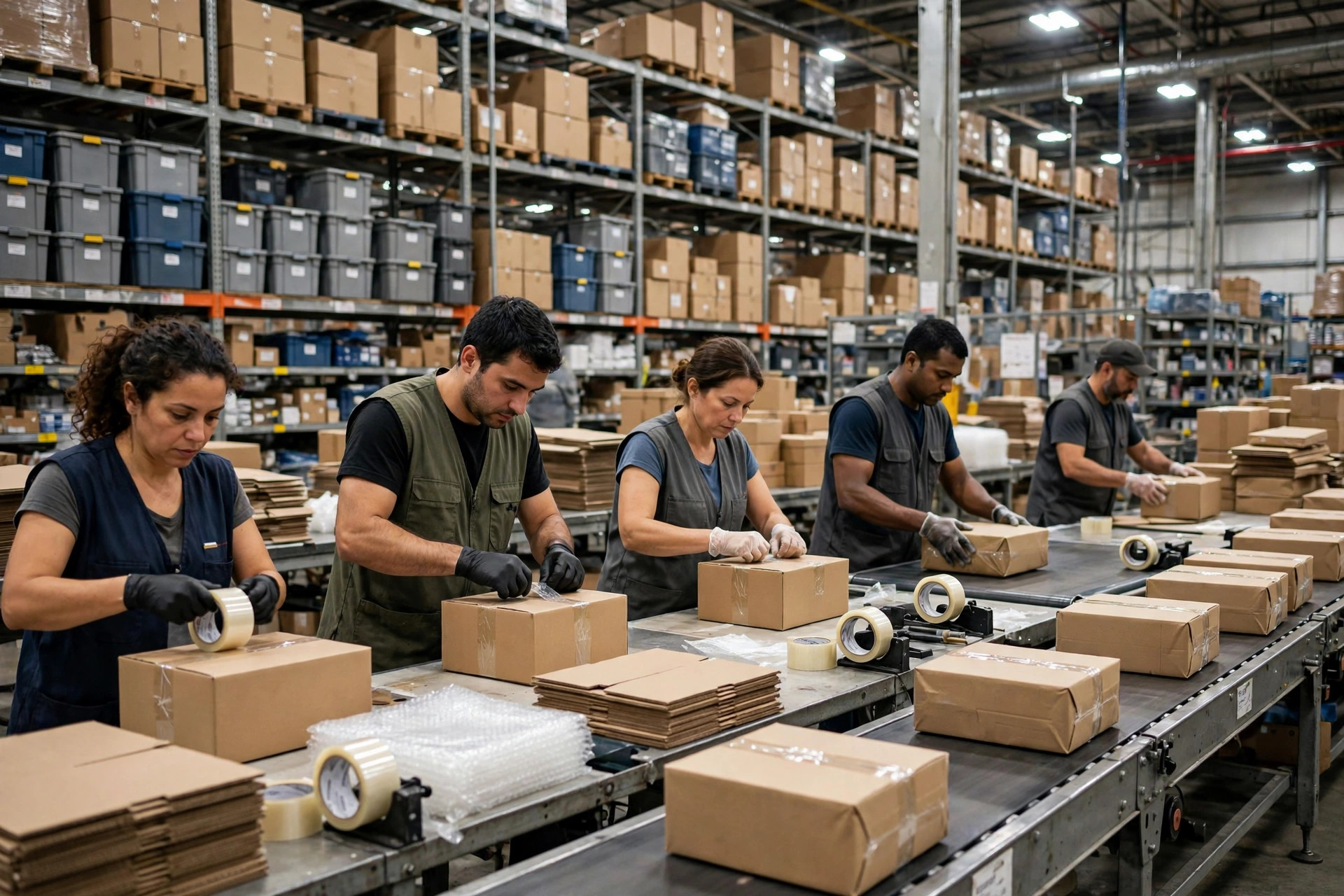
When I started on Kilimall in 2023, I chose self-shipping. Goods flew DHL from Guangzhou to Nairobi, and I rented a small unit off Dongguan Road with two local guys packing. Cheapest option on paper, right? Three months in, my delivery success rate was 91%, and half the storage room was stacked with returns and "buyer unreachable" parcels. Kenya's address system is what it is — plenty of orders just say "Kilimani, near the big supermarket." The courier can't find the buyer, the parcel comes back, and the platform does not reimburse the return leg.
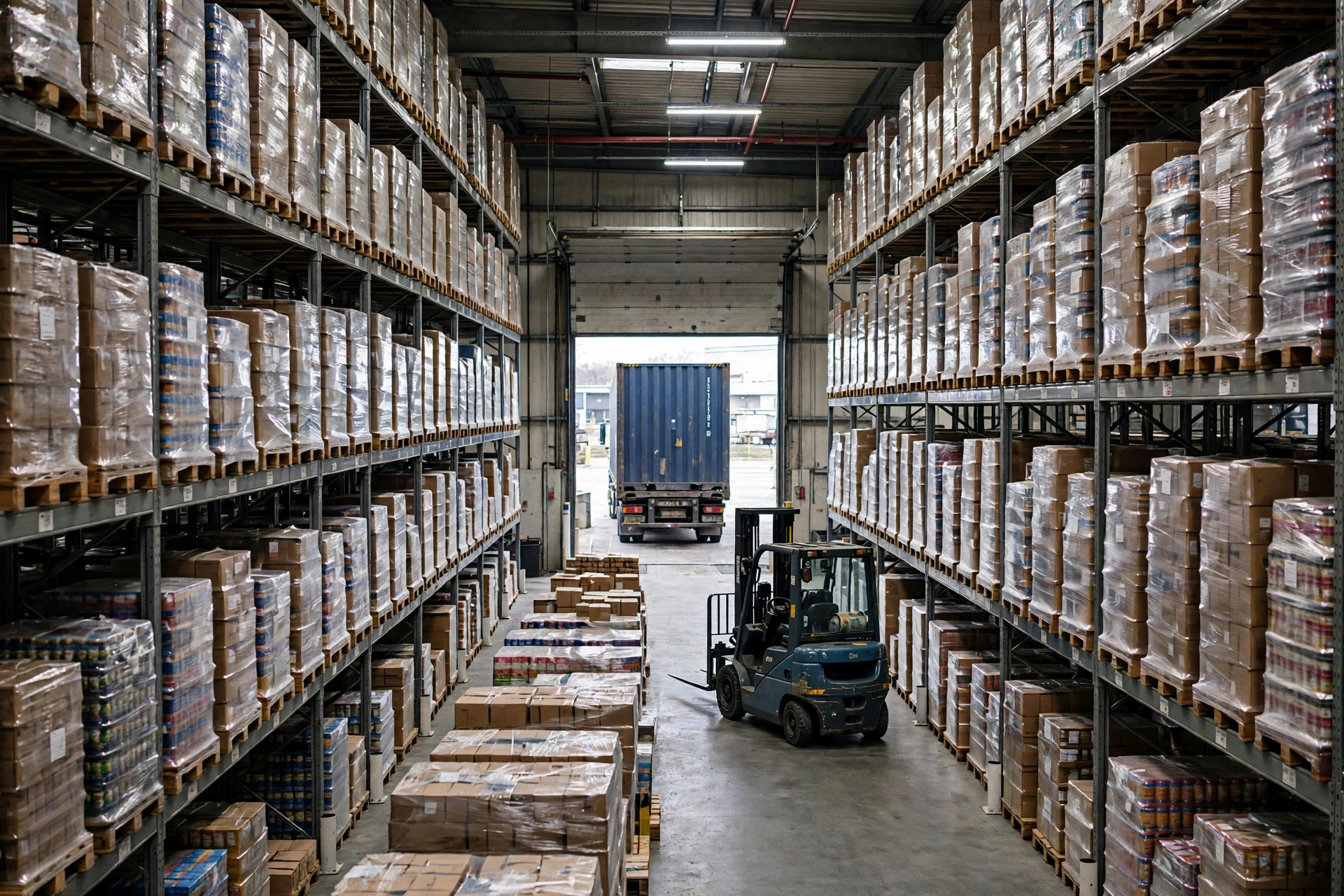
In early 2024 I moved my 3C accessories category into FBK. The logic is simple: stock goes into the official warehouse first, and when an order drops, the platform picks, packs, and ships through the KiliExpress delivery network. The Ksh 100 per-piece pickup fee is written into seller policy — transparent, at least. First month after the switch, my delivery success rate jumped from 91% to around 97%. Why? KiliExpress couriers know local addresses cold, and FBK orders get system priority — failed deliveries auto-reroute to pickup stations where buyers collect themselves.
But here's what FBK won't tell you upfront: inbound means locked-up cash. In June 2024 I put 4,000 Bluetooth earbuds into FBK. Then July and August hit — post-election hangover in Kenya, consumer spending dipped — and I only moved 1,500 units in two months. The rest sat in the warehouse with monthly storage fees ticking. Back in the self-ship days I could at least slash prices and clear stock anytime. Pulling inventory out of FBK takes two weeks minimum.
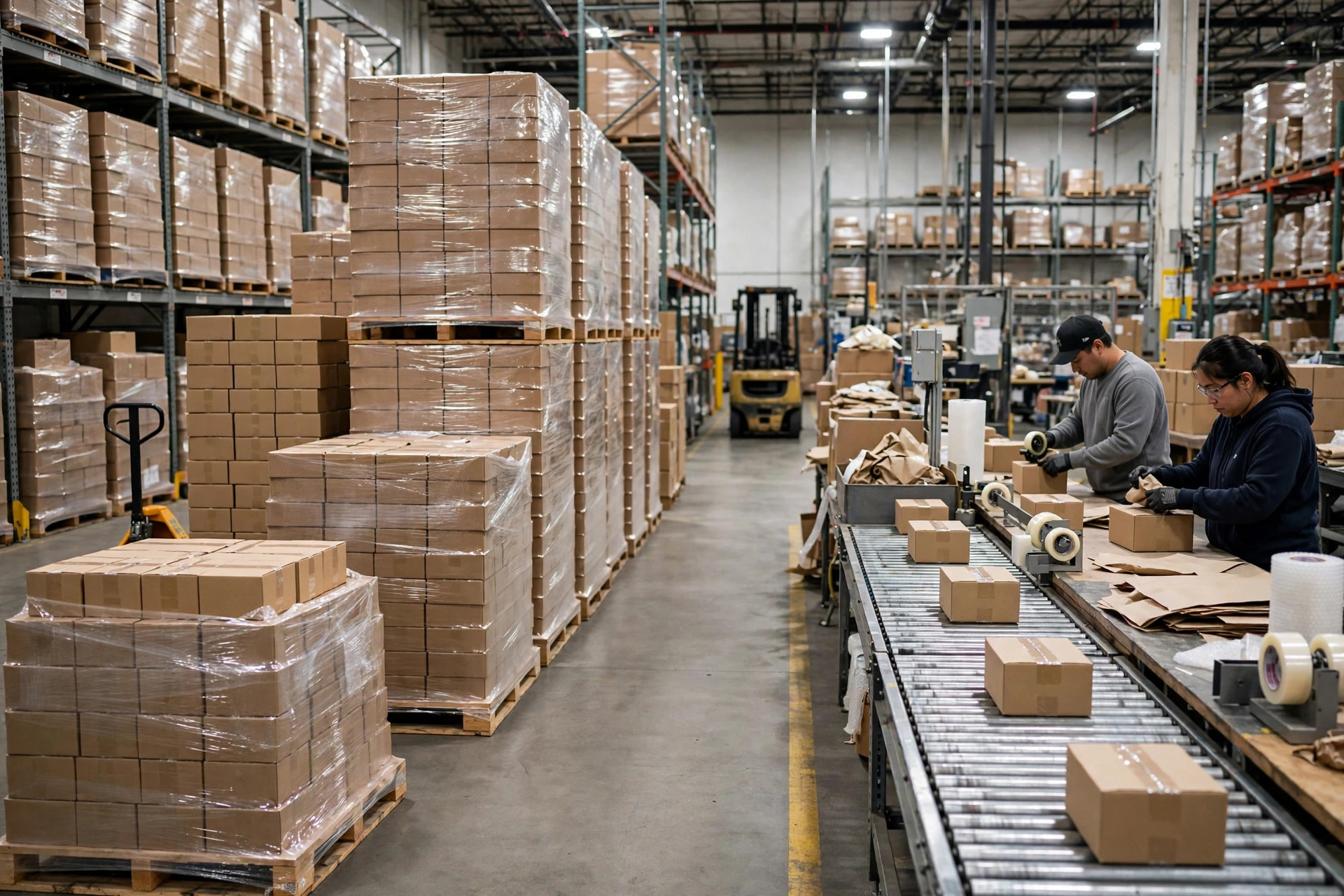
So late 2024, I put my home-goods category into a third-party warehouse in Mlolongo. Mlolongo sits southeast of Nairobi, right where Kilimall's own big warehouse is — the logistics ecosystem is already there. The 3PL play: I ship consolidated sea freight myself (about 40 days), the warehouse does pick-and-pack per order, and KiliExpress picks up from their dock. Cheaper than FBK, more flexible than self-ship — scale up winners, and shift slow movers over to Jumia.
Here's my comparison table, based on my own store data from 2024 (check the Kilimall seller backend for current rates):
| FBK Official Warehouse | 3PL Warehouse (Mlolongo) | Self-Ship | |
|---|---|---|---|
| Inbound | Consolidated sea/air into warehouse | Consolidated sea freight into warehouse | International express per order |
| Outbound | KiliExpress pickup at Ksh 100/piece | 3PL packs + KiliExpress pickup | Pack yourself + courier collection |
| Delivery success (my data) | ~97% | ~95% | 91% |
| Cash locked up | High (bulk inbound) | Medium (batch inbound) | Low (ship per order) |
| Withdrawal flexibility | Low | High | Highest |
| Best for | Hero SKUs, standard products, volume | Multi-SKU, testing, dual-platform | New product tests, tiny volume |
No best option. Only the one that fits your current order structure.
KiliExpress and Kilimall Delivery: What "82% Next-Day" Actually Means
A lot of sellers see "82% next-day delivery, 98% delivery success" and get excited. Let me translate those numbers into plain language.
"82% next-day" means orders in Nairobi and surrounding towns. Kenyan orders are heavily concentrated in Nairobi. Outside the capital — Mombasa, Kisumu — two to four days is normal. If you write "nationwide next-day delivery" on your listings, prepare to drown in bad reviews.
"98% delivery success" is a platform-wide figure, and it includes pickup-station collections. What actually matters to your wallet is the success rate for your category and your fulfillment mode. Small 3C items deliver best; big furniture is worst (rejection rates can hit 8–10%, and the seller eats the return freight). Platform averages are useless — watch your own seller dashboard.
Two practical details on KiliExpress pickups: first, cutoff times. Warehouses around Mlolongo get same-day pickup for orders ready before about 3 PM; after that it's next day — which directly hits your 48-hour dispatch score. Second, for remote-area orders, don't force courier delivery. Nudge buyers toward pickup stations. Higher success rate, half the disputes.
M-Pesa Payouts: The Real Cash-Flow Killer in Kilimall Fulfillment
Everything above was about cost. This section is about survival.
Kenya runs on mobile money. M-Pesa is everything. Kilimall buyers pay mostly via M-Pesa or cash on delivery (COD), and COD can hit 30–40% of orders in lower-tier markets. That means goods go out the door while the money hasn't arrived.
The payout chain: buyer signs → platform confirms delivery → settlement cycle → withdrawal to your M-Pesa or bank account. From dispatch to spendable cash, expect one to two weeks at best. Anyone who's sold on Amazon knows payout cycles are standard in cross-border e-commerce, but Kilimall has an African twist: COD rejection.
In September 2024, one of my LED strip SKUs had 35% COD orders with a 12% rejection rate. Goods went out, KiliExpress made the trip, the buyer said "no thanks," the parcel came back — and return-leg fees still applied. Round trip, COD orders ran 6–8 points lower in real margin than M-Pesa prepaid orders. My fix: for any SKU where COD exceeded 40% of orders, I disabled COD and took M-Pesa prepay only. Order volume dropped 15%, but net profit went up. That trick worked for me — verified in my own books.
The Pitfall List: Four Lessons Paid for in Blood
One: never bulk-stock FBK a month before peak season. Kenya's consumption rhythm isn't China's. December Christmas season is peak, yes — but January and February are the deadest months of the year. Overstock then, and you're paying rent to a warehouse.
Two: self-ship is for testing only. Once daily orders hold above 30, switch to FBK or a 3PL immediately. Self-ship success rates can't sustain your store rating — drop below 4.5 stars on Kilimall and traffic gets cut in half.
Three: when picking a 3PL in Mlolongo, go see it in person. In 2024 I toured four. One claimed "full pick-and-pack service" but had no racking — goods piled on the floor, water pooling at the door when it rained. In Africa, photos and videos lie. Don't skip the plane ticket.
Four: don't over-expand SKUs. Kilimall is a "Chinese supply chain" platform — it rewards supply-chain depth, not breadth. My rule now: max 20 SKUs per category, with real depth per SKU. Two hundred dead SKUs sitting in FBK will eat you alive in storage fees.
The honest truth: there is no standard answer to Kilimall Kenya seller fulfillment. FBK fits hero SKUs and volume, 3PL fits multi-SKU flexible plays, self-ship fits testing. My store now runs all three: 3C winners in FBK, home-goods tests through a Mlolongo 3PL, new products self-shipped for the first 100 orders.
Get fulfillment right and Kilimall is a great platform. Get it wrong and no product can save you. That trick worked for me — do the math first, stock second, never the other way around.
By Ah K, E-commerce Seller (5 yrs)