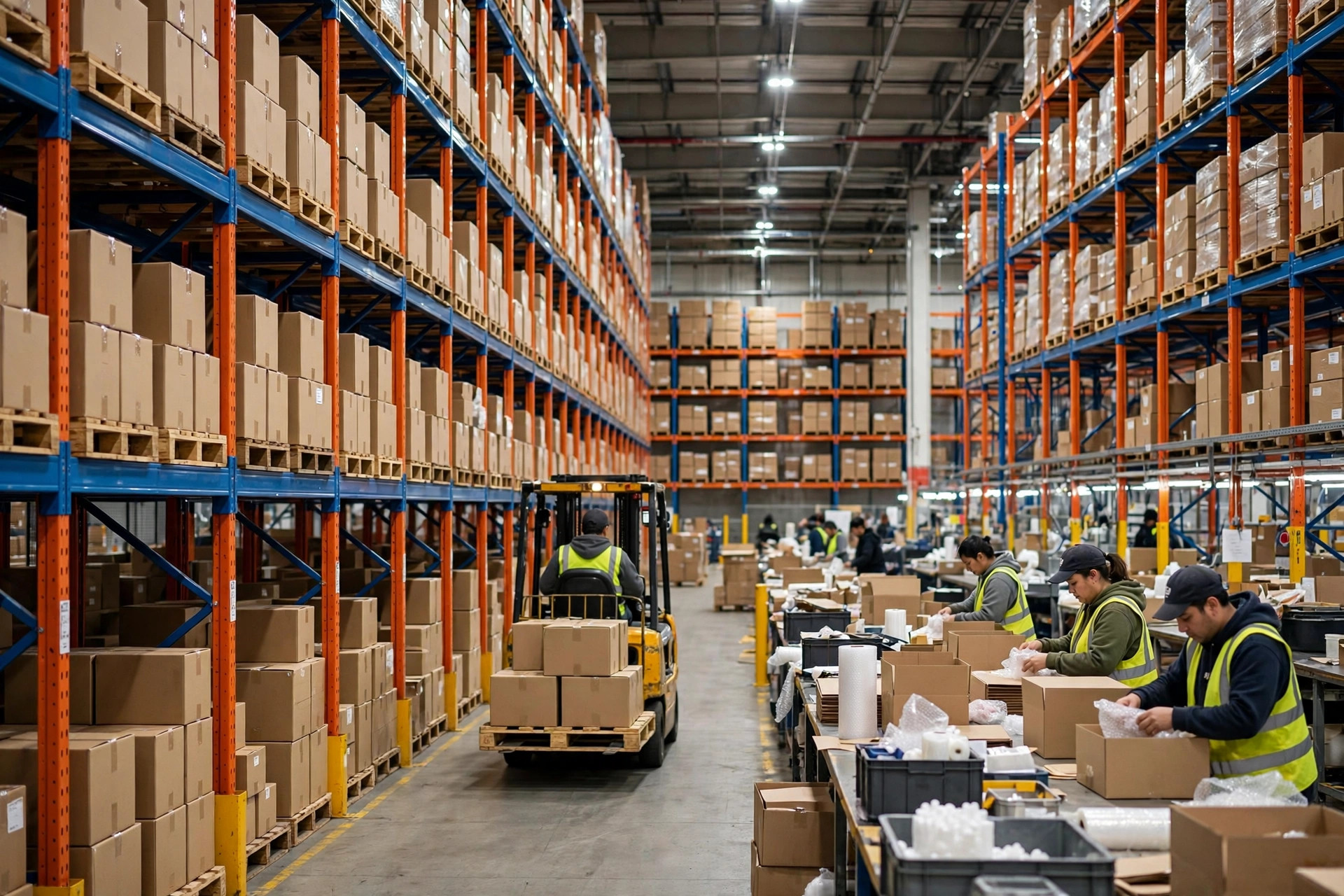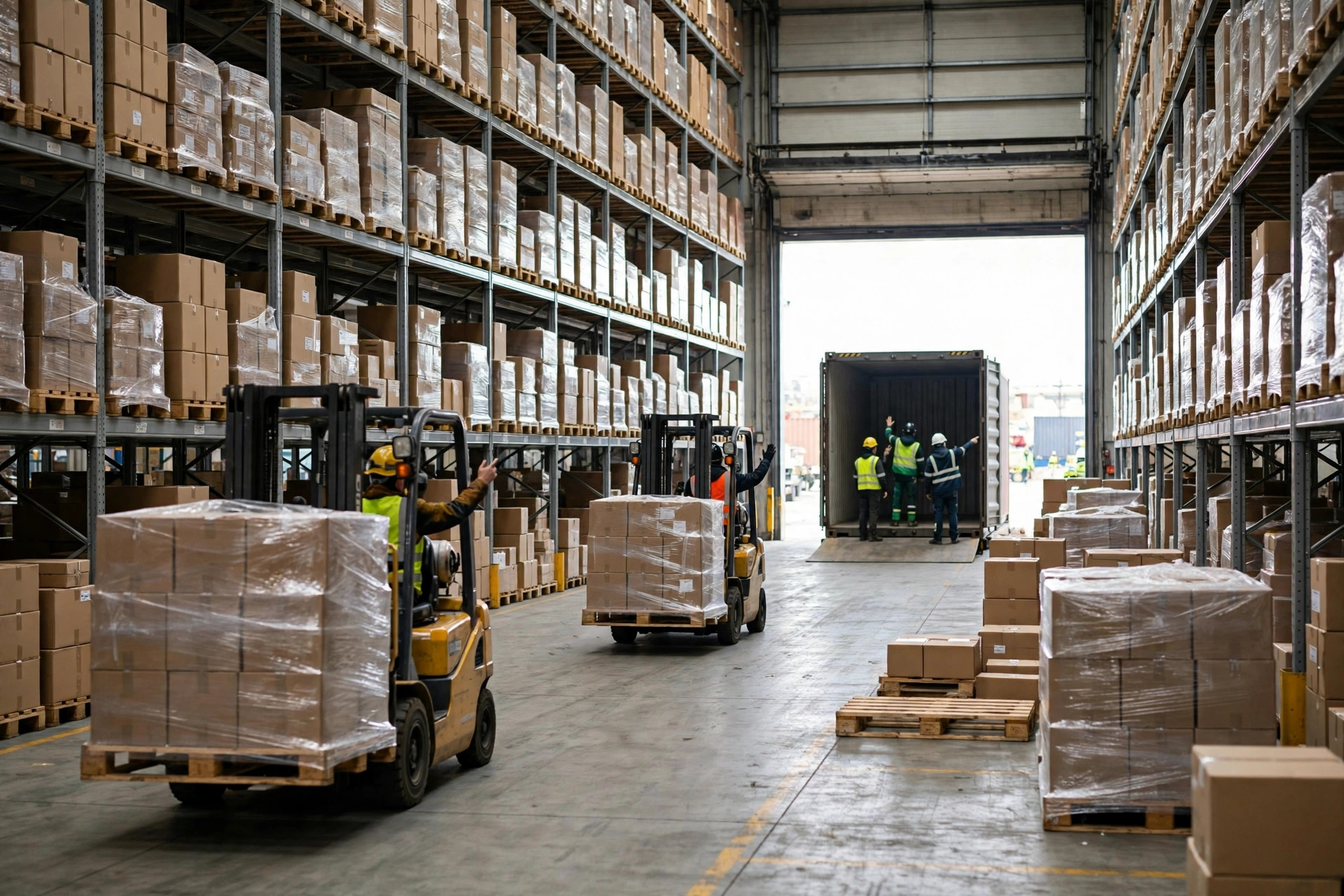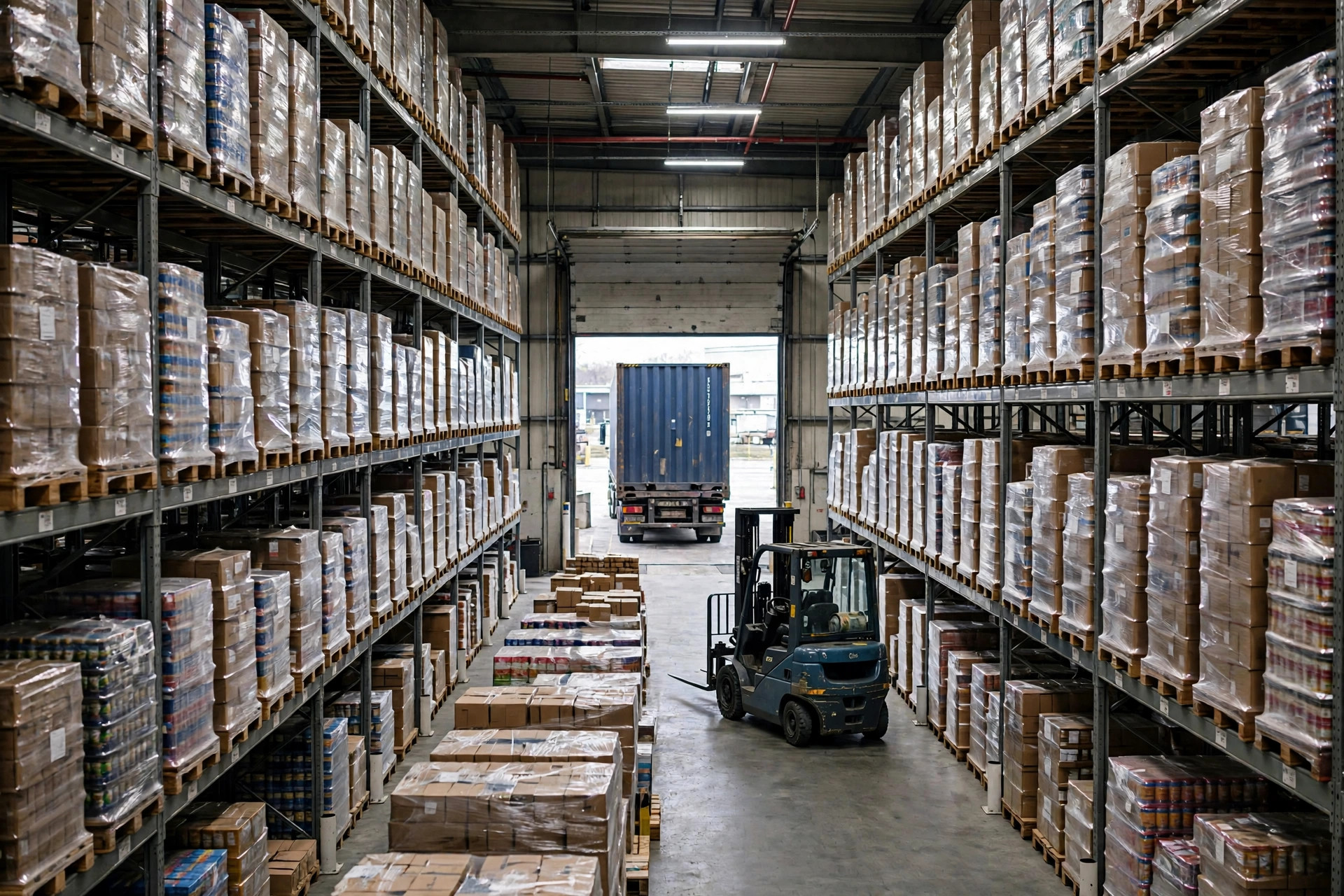
We had a client — a home-appliance seller out of Shenzhen — who moved 80% of their US volume from FBA to a third-party overseas warehouse in 2023. Saved close to $400,000 in fulfillment costs that year. The boss took our whole team out to dinner. Then Amazon restructured its storage fee tiers, the oversize surcharge on his category jumped, and he moved half the volume back. See the pattern? Between FBA and a 3PL, there is no permanent winner — only sellers who can do the math.
I have signed over a hundred warehouse contracts in the last few years, and I have run the FBA-versus-3PL numbers for clients at least 200 times. No theory today. Here are the three seller profiles I see most often. Find yourself, and see which side wins. One disclaimer first: Amazon changes its fee schedule faster than most people change their passwords. Treat any FBA fee figures here as structural illustration only, and always check Amazon's latest published rates.
Profile 1: Small-Item Newcomers — FBA Is the Default Answer
The picture: a 5-to-8-person team in Shenzhen or Guangzhou selling phone accessories or beauty tools. Under 50 SKUs, each under a pound, $15–30 average order value. Nobody on the team owns logistics full-time.
For this profile, I usually say: don't overthink it, stay on FBA. The reasons are practical.
FBA's fulfillment fee is per unit, and small items are naturally cheap. More importantly, the Prime badge drives conversion. One client selling phone stands tested moving 30% of volume to a 3PL for self-fulfillment in March 2024 — same listing, same price, conversion dropped nearly 20%. The dollar-something saved per order on fulfillment never made up for the lost sales.
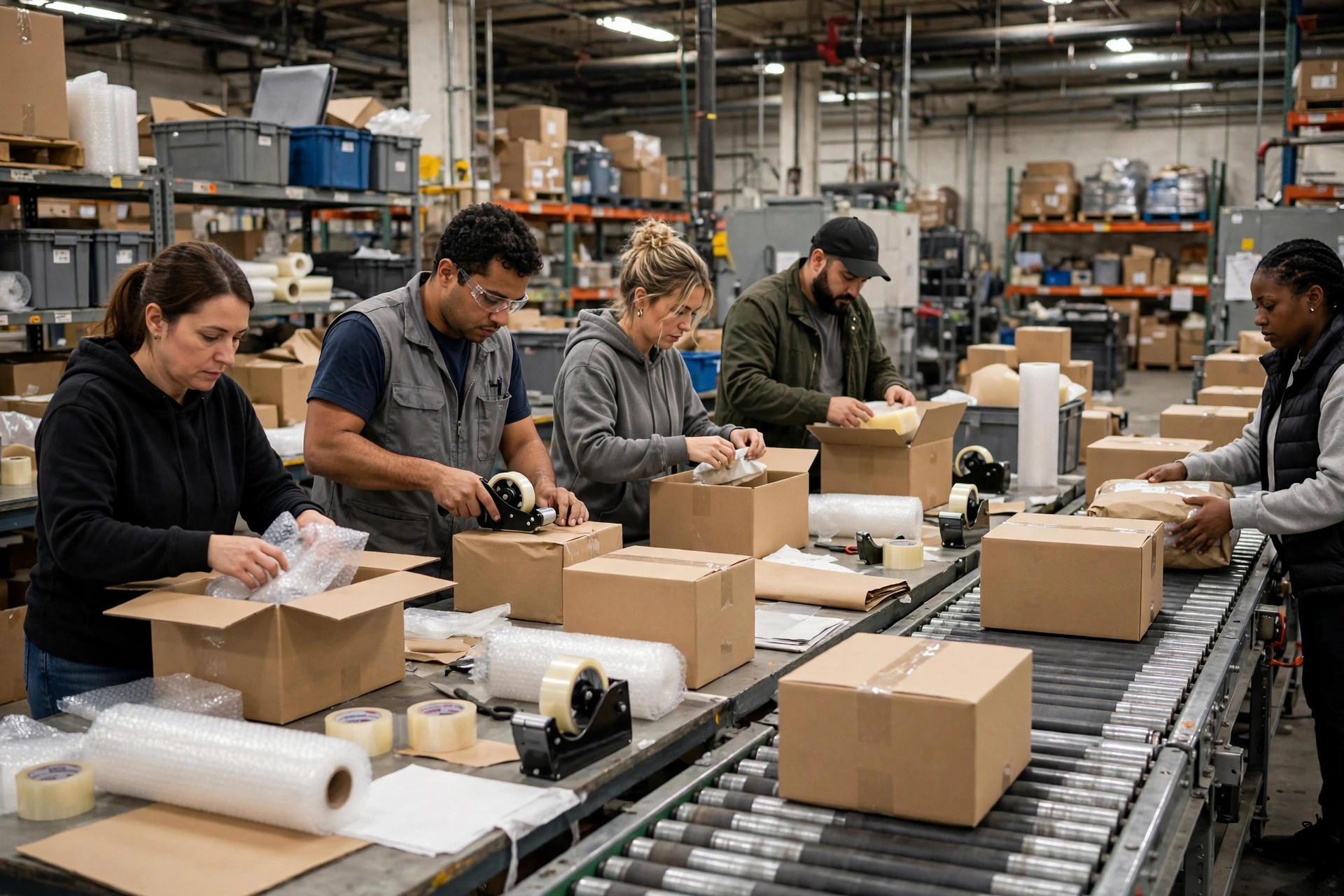
The real cost of a 3PL is actually higher for sellers this size: inbound receiving fees, monthly pallet or cubic-foot storage, per-order pick fees, and parcel rates nowhere near Amazon's negotiated discounts. At low volume, per-unit handling cost doesn't scale down. The worst case I saw: 3,000 orders a month, and the "monthly minimum" line alone ate 15% of the warehouse bill.
Verdict: under 500 orders a day, few SKUs, lightweight products — FBA is the default answer. Don't trade conversion for pocket change.
Profile 2: Bulky Seasonal Sellers — the 3PL's Home Turf
The picture: furniture, fitness equipment, patio gear. $5M+ annual sales, items starting at 20 pounds, Q4 accounting for 45% of the year. Two or three dedicated ops people.
This is the 3PL's home turf. FBA's fee logic for bulky items is dimensional tiers plus weight, with separate oversize surcharges, and storage fees that jump month by month heading into peak season. A client selling folding treadmills showed me the math: storing four months of inventory at FBA (July–October, building for Q4) ate 8 margin points in storage fees alone.
The 3PL playbook: monthly pallet-rate storage. Bulky goods stack several units per pallet, so unit cost drops fast. Per-order pick fees run 20–30% below FBA's bulky fulfillment fees in most cases. And the flexibility matters — you can stage inventory two months before Q4 without begging Amazon for inbound capacity.
But here is the trap my clients keep walking into: returns. FBA returns run through a system. 3PL return processing is billed separately, $3–8 per unit, more for bulky items. If your category runs above a 15% return rate — apparel and footwear especially — put that on its own line in the spreadsheet, or year-end will hurt.
Profile 3: Multi-Channel Brands — the FBA-plus-3PL Hybrid
The picture: eight-figure annual revenue, Amazon at 60%, own DTC site plus Walmart and TikTok Shop making up the other 40%. A real brand team, starting to care about not keeping every egg in one basket.
This profile agonizes the most, and it is the one that should run a hybrid model: FBA holds only the top 20% of SKUs that move on Amazon — keeping Prime speed and the Buy Box — while a 3PL acts as the central DC covering DTC and other channels, and doubles as a replenishment buffer for FBA.
A pet-supplies client of ours runs exactly this: 3PL in Los Angeles, 40 minutes from Amazon's ONT8 fulfillment center. Bulk inventory sits at the 3PL (monthly storage far cheaper than FBA peak-season rates), and when Amazon inventory hits the reorder point, full pallets transfer over — the inbound leg amortizes to under a dollar a unit. During the 2024 Prime Day inbound caps, competitors stocked out while this client sold through two extra weeks on the back of that transfer pipeline.
The trade-off, stated plainly: you now manage two inventory pools, and reconciliation across the WMS and every channel doubles. No dedicated inventory owner on the team? Don't play this game. Pick one side.
Where the Padding Hides in a 3PL Quote
We had a client, a Bluetooth-speaker seller from Guangzhou, who brought me three 3PL quotes to review. Bidder A's pick-and-pack fee was $2.10 per order — the cheapest on paper. Bidder B was $2.60, Bidder C $2.40. He was about to sign with A. Then I spread all three quotes side by side: A's inbound receiving was billed per pallet at $45, and his small cartons only fit 20 per pallet — over $2 per carton. B billed inbound per carton at $3, which was actually cheaper. A also had a one-time $2,000 "system integration fee" that B didn't charge at all. Year-one total: A came out 18% more expensive than B.
The padding in a 3PL quote usually hides in four places: the inbound billing unit (per pallet vs. per carton — matters enormously depending on your carton size), the monthly minimum (billed even in slow months), return processing fees (many quotes simply omit this line), and peak-season surcharges (September–December handling up 15–30%, worthless if it's not in the contract).
So never compare on the pick-and-pack fee alone. The right way: hand each bidder your actual trailing-12-month shipment data, split by season, and make them run a full-year bill on your numbers. Any bidder who won't model against your data — walk away. If they won't even do the math, the partnership isn't worth negotiating.
FBA vs 3PL Fulfillment: Cost Comparison Table
| Cost line | Profile 1 (small-item newcomer) | Profile 2 (bulky established) | Profile 3 (multi-channel brand) |
|---|---|---|---|
| FBA fulfillment fee | Low, per-unit | High, oversize surcharges bite | Medium, core SKUs only |
| FBA storage fee | Acceptable | Peak-season spikes hurt | Buffered by 3PL staging |
| 3PL monthly storage | Doesn't scale, expensive | Pallet-rate, economical | Central DC, economical |
| Returns handling | FBA's system is painless | 3PL bills separately — model it | Two systems to manage |
| Hidden upside | Prime conversion | Inbound flexibility | No single-platform chokehold |
The counterintuitive takeaway: most sellers think "moving to a 3PL = saving money." What you actually save is structural money, not absolute money. Change any one of the three variables — volume, SKU mix, return rate — and the answer can flip. That home-appliance client switched three times in two years, and every switch was correct, because the volume structure was different each time.
Next time you negotiate a contract, remember to ask these three questions: first, what is the monthly minimum, and can it be waived in the slow season; second, how is return processing billed, and is there a cap for bulky items; third, is the peak-season handling surcharge written into the contract, and at what percentage. Ask those three, and the other side knows you have done the math. The padding in the quote tends to disappear on its own.
By Susan, 3PL Sales Director