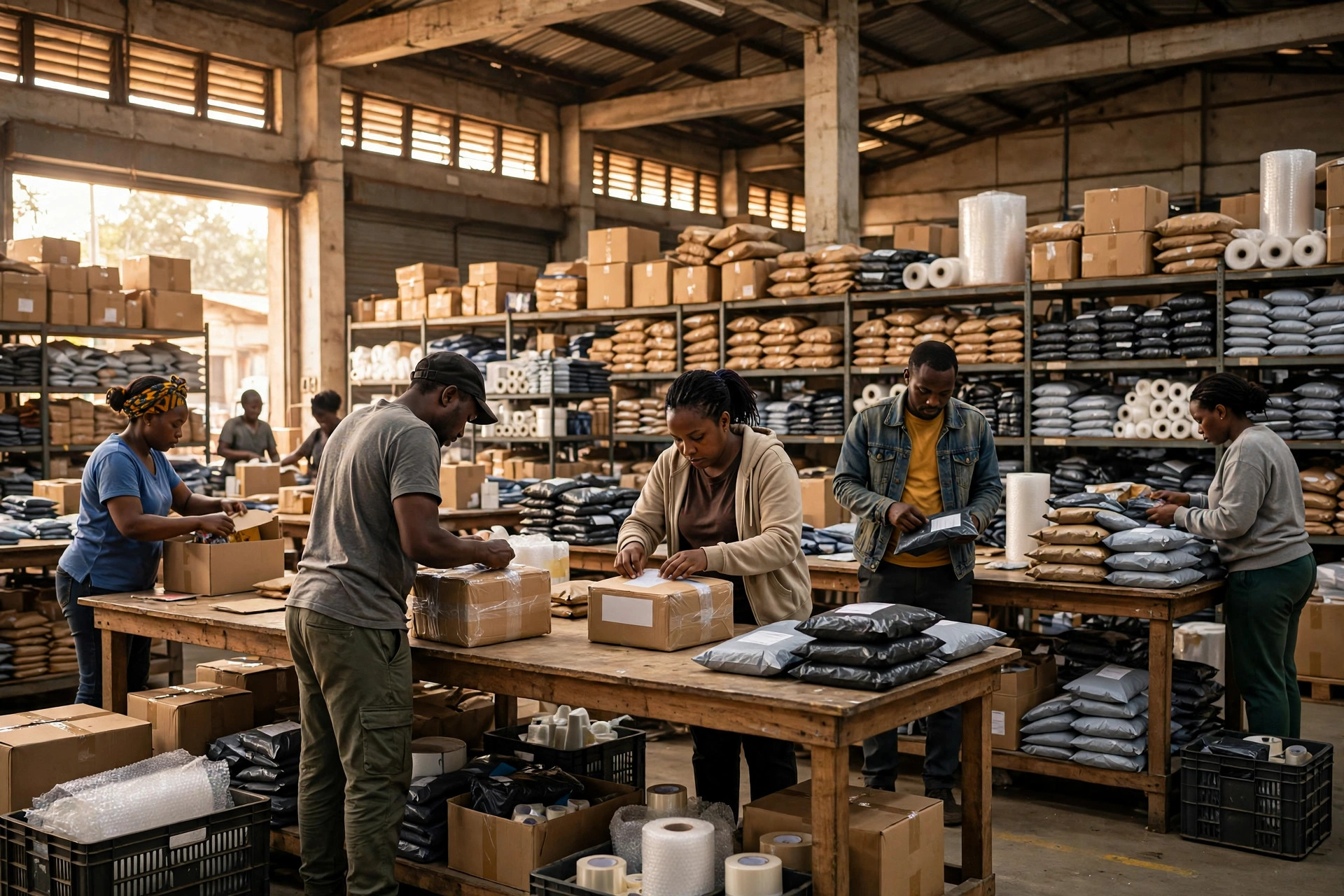
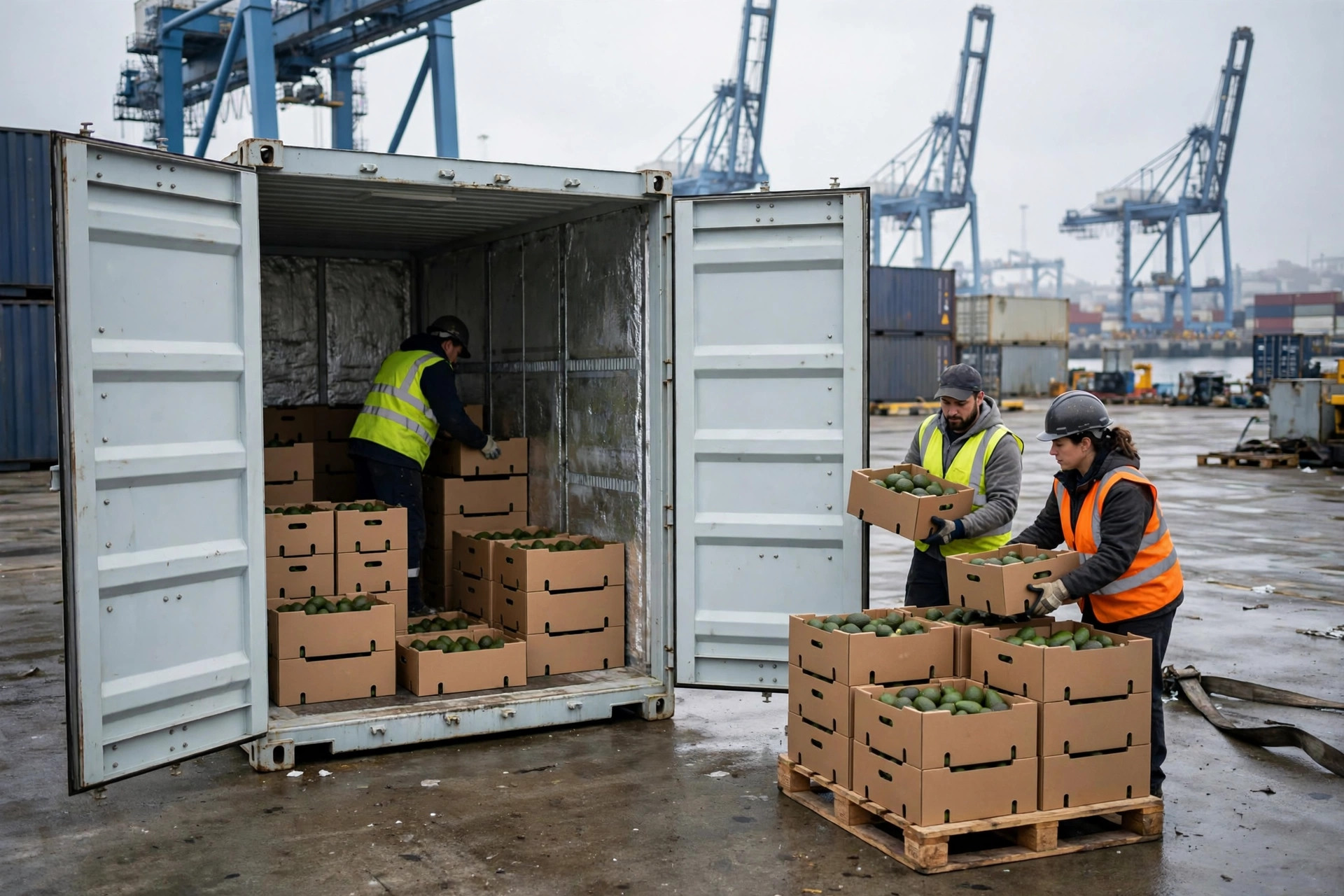
Talk about kenya macadamia export warehouse storage and most people picture containers and shipping schedules. After years working on warehouse equipment, I have seen too many deals lost on land, not at sea: nuts went into a warehouse, drying fell short, and mold got there first. Think of a macadamia nut as a tiny warehouse of its own. It carries moisture, and it trades moisture with the air around it. If you cannot control moisture, grading, processing, and export inspection all turn into cleanup work for mold.
Kenya Macadamia Export Warehouse Storage Starts with Drying, Not Shipping
The nut season in Kenya's central highlands often collides with rain. In April 2024, a cooperative around Nyeri took in a load of in-shell nuts while rain came and went. The drying yard could not stay open, and the nuts sat in woven bags for two extra days. When the load reached the processor, the problem was not nut size. It was uneven moisture: some nuts in the same batch were dry, others still damp. The processor downgraded the load, and what the cooperative lost on that downgrade was more than the small change of a compact dryer. The lesson is blunt: drying is not a step that starts at the factory gate. The ledger opens on harvest day.
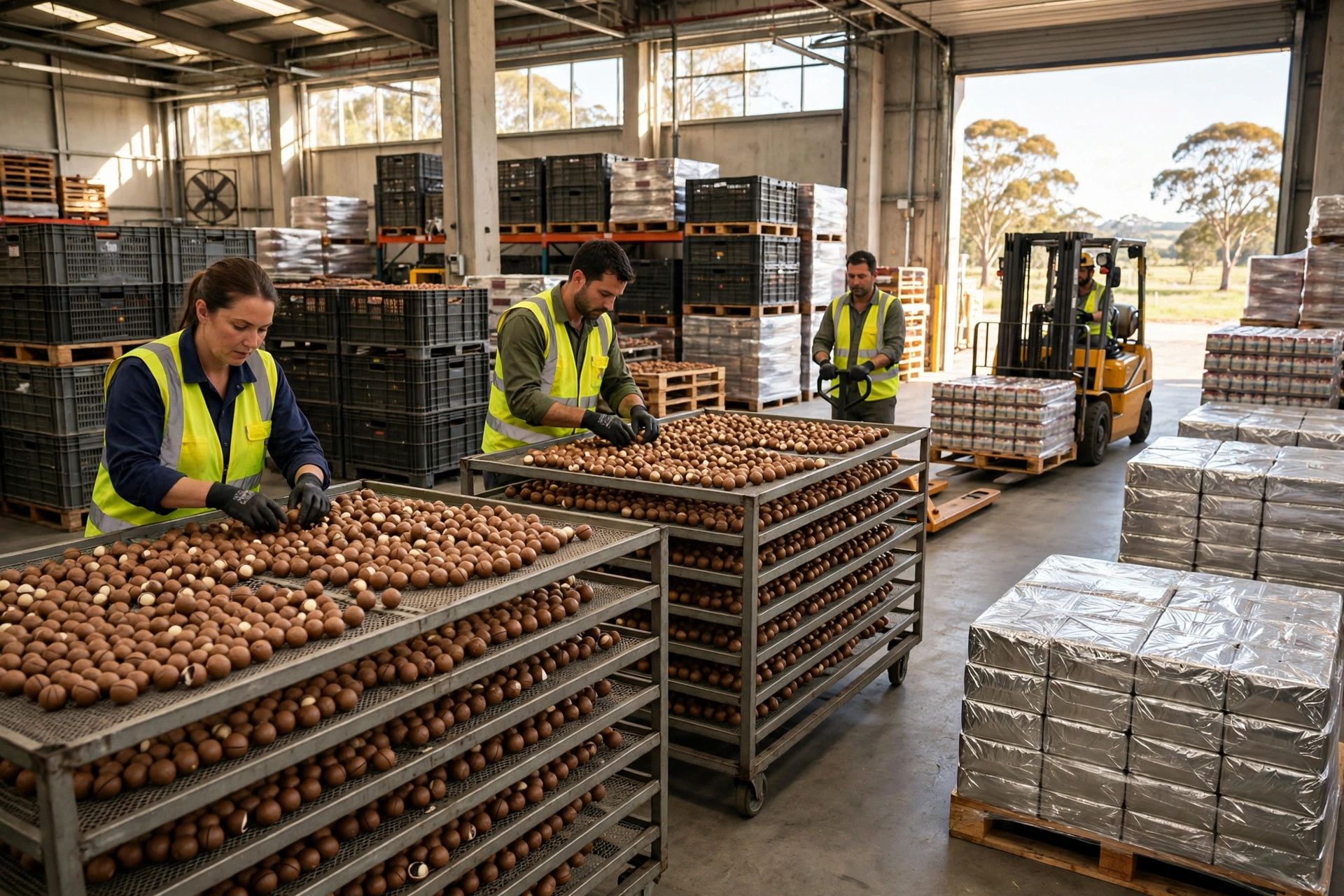
Think of it like laundry. Put a half-dry shirt in a closed closet and the closet will smell sooner or later. Nuts behave the same way. The general rule for in-shell nuts is to bring moisture down to single digits, with kernel moisture lower still, subject to the buyer's specification and Kenya's latest export notices. The number itself is not the hard part. Uniformity is. A batch that is dry on the outside and damp at the core is not dry at all. Test before intake, test at several points, and never judge a batch by one handful from the top of a bag.
Count the full drying ledger, not just the power bill. A batch carries at least four costs: energy, labor, loss, and rework. Sun-drying looks free, but it eats yard space, depends on the weather, and needs constant turning by hand; one rainy week and rework climbs fast. Hot-air drying costs fuel and electricity, but the time is controllable and batches come out even. Plenty of small plants compare only electricity prices and ignore rework and downgrades. A ledger built that way is wrong from the first line.
Mold Control in Export Warehouse Storage: Moisture, Air, and Time
Here is a counterintuitive point: a more tightly sealed warehouse is not automatically a safer one. Sealing keeps outside damp out, but it also locks in the moisture the nuts themselves give off. In 2023, a processor put properly dried in-shell nuts into a new warehouse and blocked off most of the vents to "keep moisture out." Two weeks later, when the stacks were opened, mold showed on the bottom layers of the stacks against the wall. Not the whole lot, just the still, unventilated corners. Mold does not work on averages. It starts in the dampest corner it can find.
So run mold control on three numbers. First, intake moisture: a wet load must not enter the warehouse, because once it mixes into a good batch, the whole batch's ledger turns murky. Second, warehouse damp management: stack off the floor and away from walls, leave air channels between stacks, and check wall bases and stack bottoms often during the rainy season. Do not wait until you can smell mold. Third, time: stock is not safer for sitting. Even well-dried nuts should move first-in, first-out, because the longer a lot sits, the longer the risk window stays open. Buyer limits on mold toxins are governed by the buyer's specification and the latest official policy, so check those sources rather than memorizing a number. What the warehouse can lock down is simpler: moisture in spec, air moving, and every batch traceable.
| Approach | Where the money goes | What it fears most |
|---|---|---|
| Sun-drying only | Yard space, labor, time | Rainy-season rework, uneven batches |
| Hot-air drying first | Fuel, power, maintenance | Over-drying, cracked kernels, lost flavor |
| Sun plus hot-air combined | Two crews, scheduling | A handoff gap that sends half-dry nuts into storage |
There is no universal winner in that table, only trade-offs. Small volumes with stable weather favor sun-drying. Large volumes with rainy-season deadlines favor mechanical drying, which is really buying certainty. The most expensive option is needing to meet a rainy-season deadline while still betting on the weather.
The Line Between Sun-Drying and Mechanical Drying
On equipment selection, I have no patience for vanity specs. Some plants start by asking for a fully automated continuous drying line with every parameter maxed out, as if a pricier machine made better nuts. That is like putting a racing engine in a three-wheeler: the power is there, but the roads, the fuel bill, and the repair skills are not, and the machine ends up gathering dust in the workshop. The real dividing line is not price. It is three questions: Is your daily volume stable? Are your fuel and power supplies reliable? Can your operators actually run this machine day after day?
Small, scattered volumes favor a mobile compact dryer plus a drying yard, because a breakdown is easy to fix. Large, concentrated volumes justify a fixed drying line, but judge it on energy and maintenance cost per unit processed, not on the purchase price alone. The true price of a machine is the purchase price plus five years of fuel, wear parts, and downtime losses. Any selection that compares purchase prices only is buying blind.
There is one more dividing line people miss: spare drying capacity. The harvest peak lasts only a few weeks. Buy a dryer sized for average volume and the peak queue will back up, and queued nuts are moisture trouble waiting to happen. Keeping roughly a fifth of capacity in reserve looks wasteful on paper. In practice it buys control during the weeks that decide the season.
Maintenance: Where the Money Quietly Leaks
The first leak is uncalibrated sensors. Temperature and humidity probes drift with age, and a display can look normal while the warehouse is already damp. Calibration is unglamorous, but it is the foundation of the whole mold ledger: if the numbers are wrong, every decision after them is wrong. Calibrate at least once a quarter, add one more round before the rainy season, and write it into the maintenance sheet instead of trusting feel.
The second leak is blocked air channels. When the warehouse gets busy, pallets, empty bags, and crates get shoved into the ventilation paths, and the ventilation system might as well be switched off. On inspection, do not only check whether fans spin. Check whether air can actually travel between stacks. An air channel is not a spare corner for clutter. It is part of the mold-control system.
The third leak is broken batch records. Which lot, which day, which grower, how long it dried, what the intake moisture was: once that chain breaks, a problem cannot be traced, and the fallback is reworking or scrapping a whole lot. Records do not need fancy software. A clear table, a firm label on every lot, and first-in, first-out discipline will save serious money. Spare parts belong on the same list. A fan bearing, a heating element, a conveyor belt: when one fails at peak season, a day of downtime means another day of queued nuts sitting damp. Keep at least one set of critical wear parts where the workshop can reach them, not on order somewhere while the season moves on.
In the end, kenya macadamia export warehouse storage is not a ledger about one machine's price. It is a moisture ledger for a nut's whole journey from the central highlands to the processor. Dry it properly, keep mold in check, choose equipment honestly, and do not skip maintenance. Whether the money was well spent comes down to one number: how much higher your in-spec intake rate is than the plant next door.
By Da Liu, Automation Engineer