Honestly, I only started studying kansas city warehouse market logistics because I was cornered. In 2023 our orders climbed, more and more of them from customers in the middle of the country. Shipping from the coast meant we were always a step slow, and the review that stung most said the product was fine, the waiting was not. Two warehouses at once? A small warehouse like ours cannot afford to burn money like that. We could pick exactly one spot, and it had to be right. The shortlist: Dallas, Chicago, Memphis and Kansas City. Calculator in hand, I flew to Kansas City first.
Why a small warehouse went to Kansas City
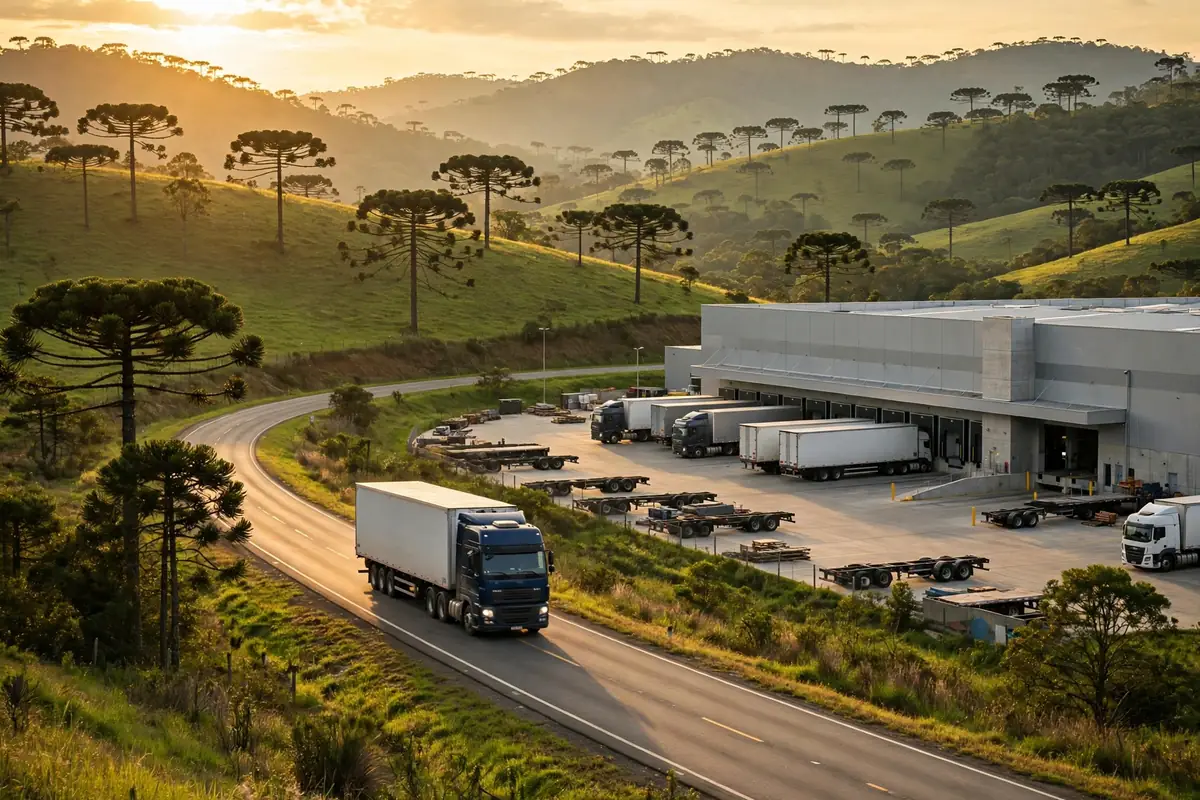
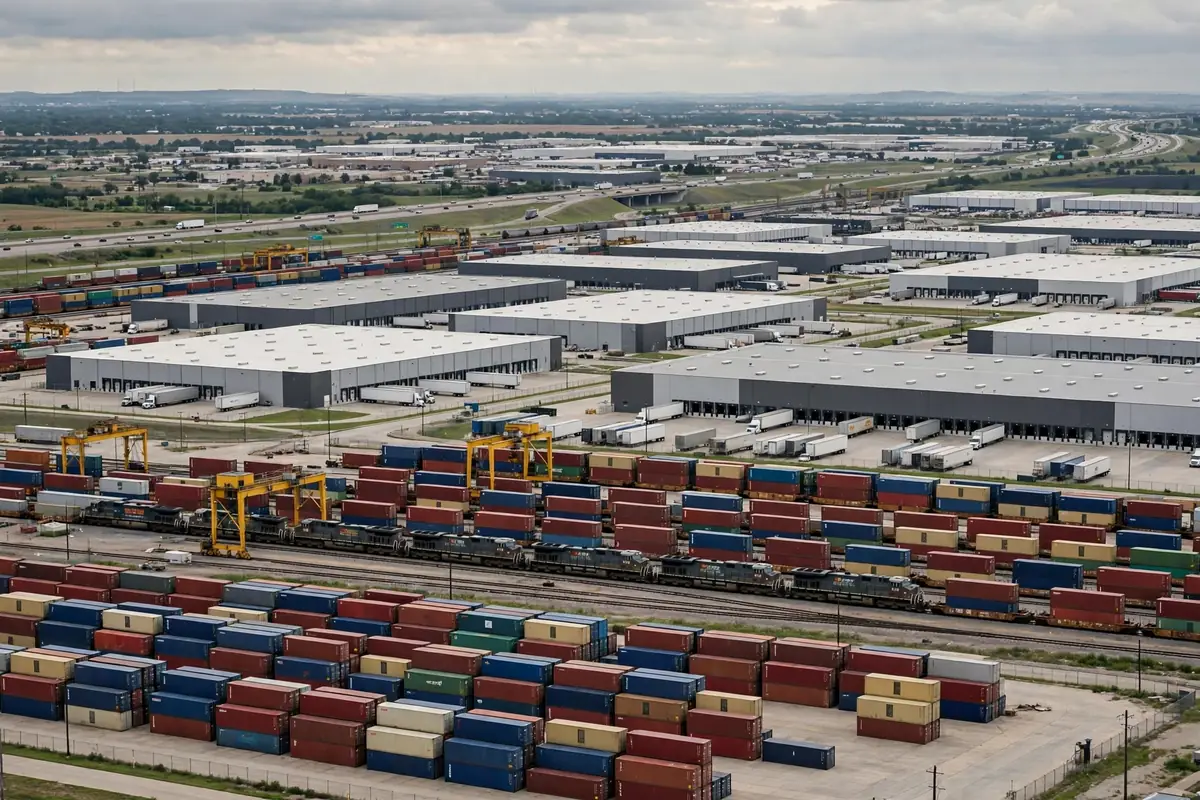
Everyone knows the headline selling point. Kansas City sits in the middle of the country, where rail lines and interstates meet: I-35, I-70 and I-29 all run through it, and warehouse clusters have grown up around the inland port and the rail terminals. Freight can leave in any direction without looking hopeless, and freight from both coasts has a way to arrive. For a big company that is a network advantage. We cannot afford a network. We can afford one dot on the map, and that dot has to pay for itself.
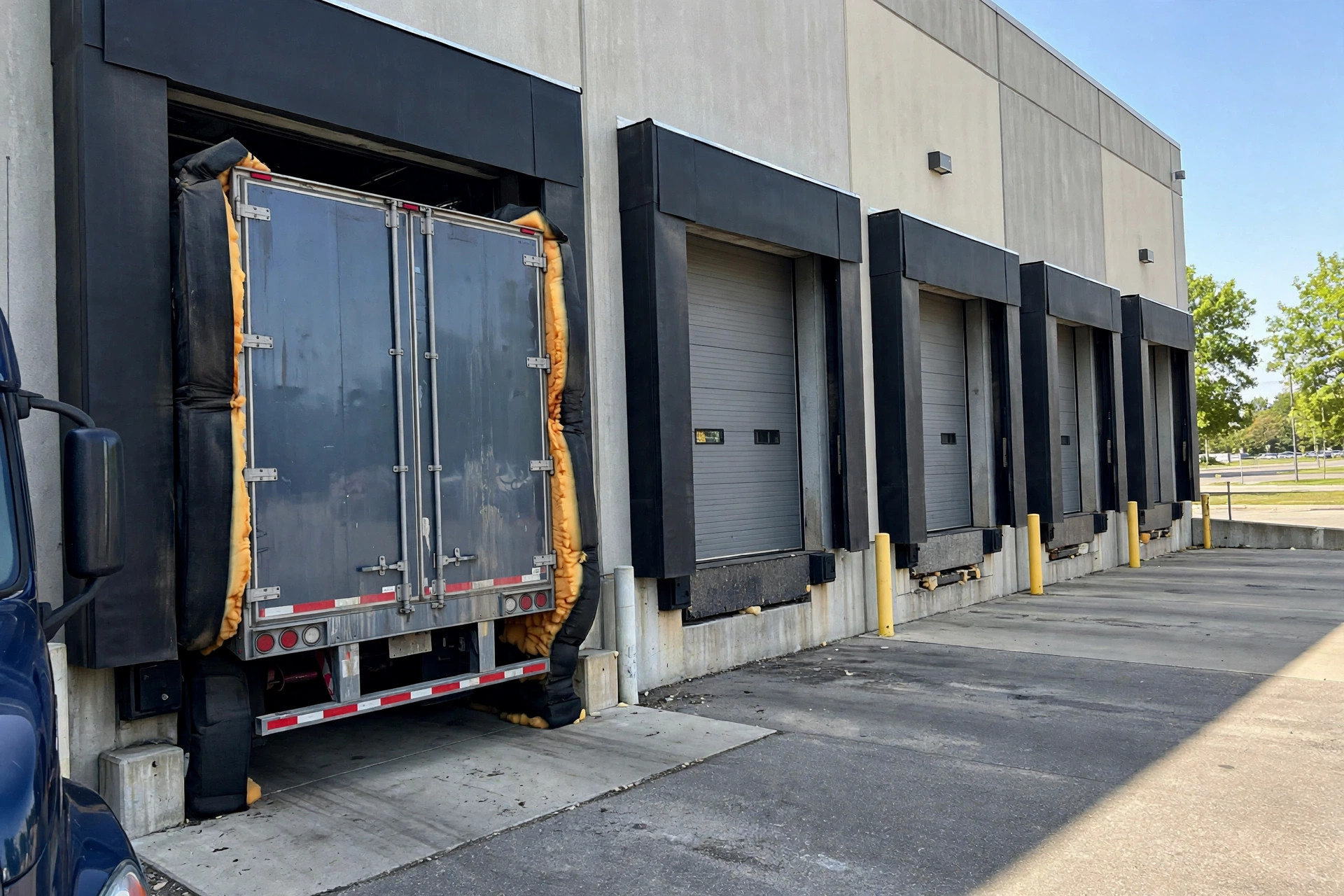
What stayed with me from those viewing days was not the shiny new parks. It was the flexibility of the older buildings near the terminals. The big parks are beautiful, but their minimum sizes and lease terms are written for big tenants; a small operator pays for empty space all year, and that eats the profit first. So my rule: judge usable space, not total space, and the total bill, not the headline rent. Parking, handling and seasonal expansion all go into the cost per order. Rent levels move by market and season, so check the latest local quotes before believing any number, including mine.
Kansas City also taught me a counterintuitive lesson: the geographic centre is not close to everybody. It is not far from anybody, which is a different thing, and not actually near anybody either. Ship from Kansas City and Midwestern customers genuinely feel the benefit, with two-day delivery in reach. Coastal customers gain nothing; they may even wait longer than when you shipped from the coast. The centre card only works if your orders are concentrated in the middle. Ours were, and we proved it before signing anything by pulling our order history by destination. If that share had been thin, the flight would have been tuition money and nothing more.
The two-day maths: kansas city warehouse edition
For a small warehouse, a Midwestern site lives or dies on one calculation: how many orders does two-day delivery actually capture, and what does it cost you? Ship the Midwest from the coast and parcels wander an extra day or two; buyers wait, and questions and returns pile up. Ship from the middle and the timeline tightens, which customers feel in repeat orders. But that is only half the ledger. A second warehouse means a second layer of stock: the same SKU sits in two places, and when it goes stale, it goes stale twice, with your cash in both piles.
Here is an illustrative example, with invented figures that show the structure and nothing else: assume a small warehouse handling ten thousand Midwestern orders a month in this scenario, averaging four days in transit from the coast and two days from Kansas City. The two saved days buy fewer angry reviews and better repeat business. Against that, charge the cash tied up in duplicate safety stock, the cost of a second site, and the linehaul cost of feeding Kansas City from your suppliers. If the gains do not cover the costs, do not open the warehouse, however pretty the map looks. Our own answer was a compromise: move only the fastest Midwestern lines across, and let the long tail keep shipping from the original warehouse. Slower for those orders, yes, but nobody's cash sleeps in two buildings at once.
Our scrappy entry method is worth stealing. Before the 2024 peak season we signed no long lease. We rented shared space from a local operator, paid by what we actually used, and ran it for three months. That gave us real numbers on delivery times, damage and returns. Data is the only bargaining chip a small warehouse has.
That is why, when I look at kansas city warehouse market logistics now, I care less about the perfect city and more about entry posture: shared space before your own lease, fast lines before the full catalogue, returns working locally before any talk of expansion. Get the posture right and a slightly wrong city can still be fixed. Get it wrong and the right city drowns you in fixed costs.
Against Dallas, Chicago and Memphis: market logistics compared
Put the four candidates side by side and each has its own fate. Dallas offers a big Texas home market and smooth reach south and west, ideal if your customers lean southern. Chicago is the old Midwestern hub, thick with rail and freight resources and dense with customers, though space in popular areas is tight and costs need careful adding up. Memphis built its name on an express hub, suiting freight that lives by air-speed. Kansas City is the balanced one: highways and rail both work, nothing is spectacular and nothing is broken. Local rents, labour and space change constantly, so treat the table below as a framework only and fill in numbers from your own quotes.
| Candidate | Strength (framework only) | Trap for a small warehouse |
|---|---|---|
| Kansas City | Highway and rail crossroads, balanced Midwestern reach | Do not lease at big-warehouse scale; lock a small-space option first |
| Dallas | Large southern market, smooth radiation | Useless advantage if your customers are not in the south |
| Chicago | Deep hub resources, dense customers | Tight space in hot areas, costs need line-by-line checking |
| Memphis | Express hub, friendly to time-critical freight | Hub premium wasted if your freight is not time-critical |
One more dimension gets forgotten: where your freight comes from. Most of our goods enter through the West Coast, so the replenishment line into Kansas City had to be costed before we celebrated the outbound savings. A friend in auto parts made that mistake in 2023: he chose his city on outbound times alone, signed, and then discovered his main supplier's linehaul ran so rarely that replenishment lagged a week behind. His in-stock rate ended up worse than before he moved. You are not choosing a point. You are choosing a chain.
Farm goods and auto parts: two different seasonal tempers
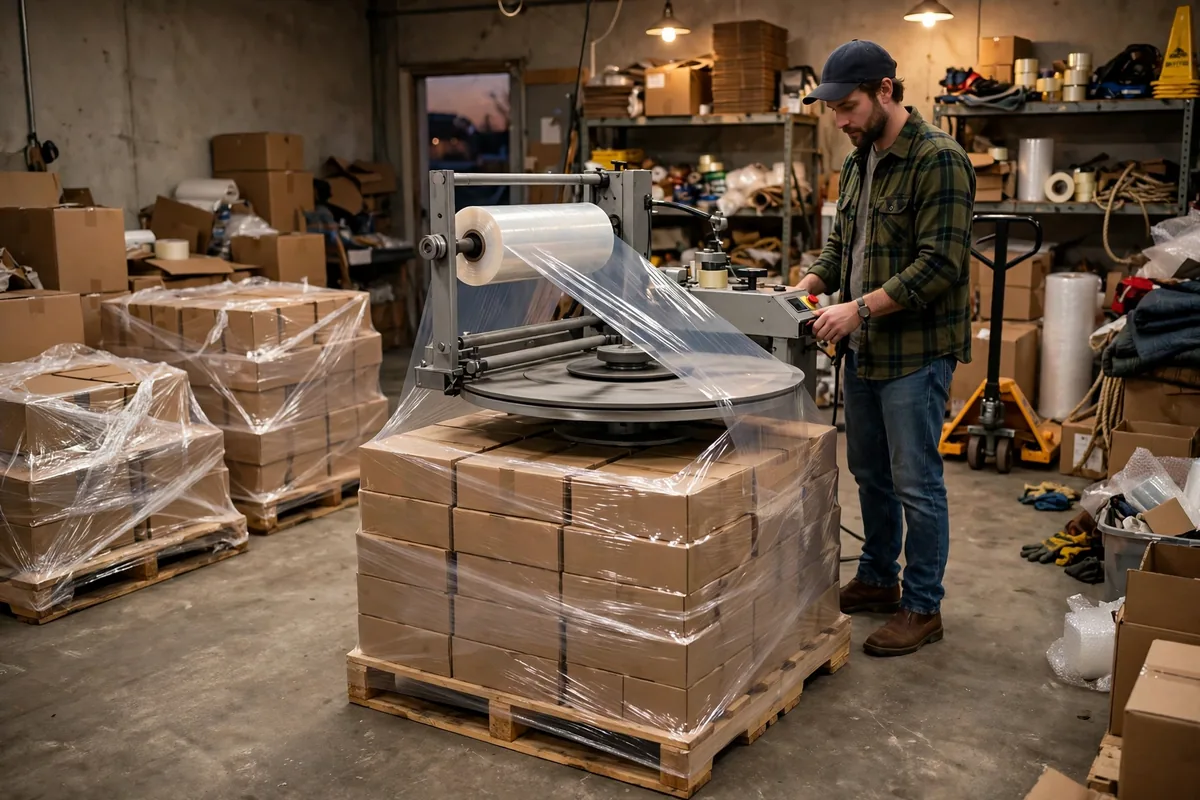
Two kinds of freight around Kansas City teach opposite lessons. Farm-related goods are seasonal to the bone. Around harvest, seeds, machinery parts and packing materials surge through the door, and in the quiet months you can hear the forklifts echo. A small warehouse cannot afford peak-sized space sitting idle all year. The scrappy answers are sharing and staggering: borrow temporary capacity before the season, move your own non-urgent stock out during it, and pull everything back afterwards. One farm-machinery parts customer of ours did a version of this in spring 2024, keeping slow, bulky parts in shared space and only fast small parts in the main building. Picking speed held up and the space bill stayed sane. The figures are his business, but the shape of the trick is free to copy.
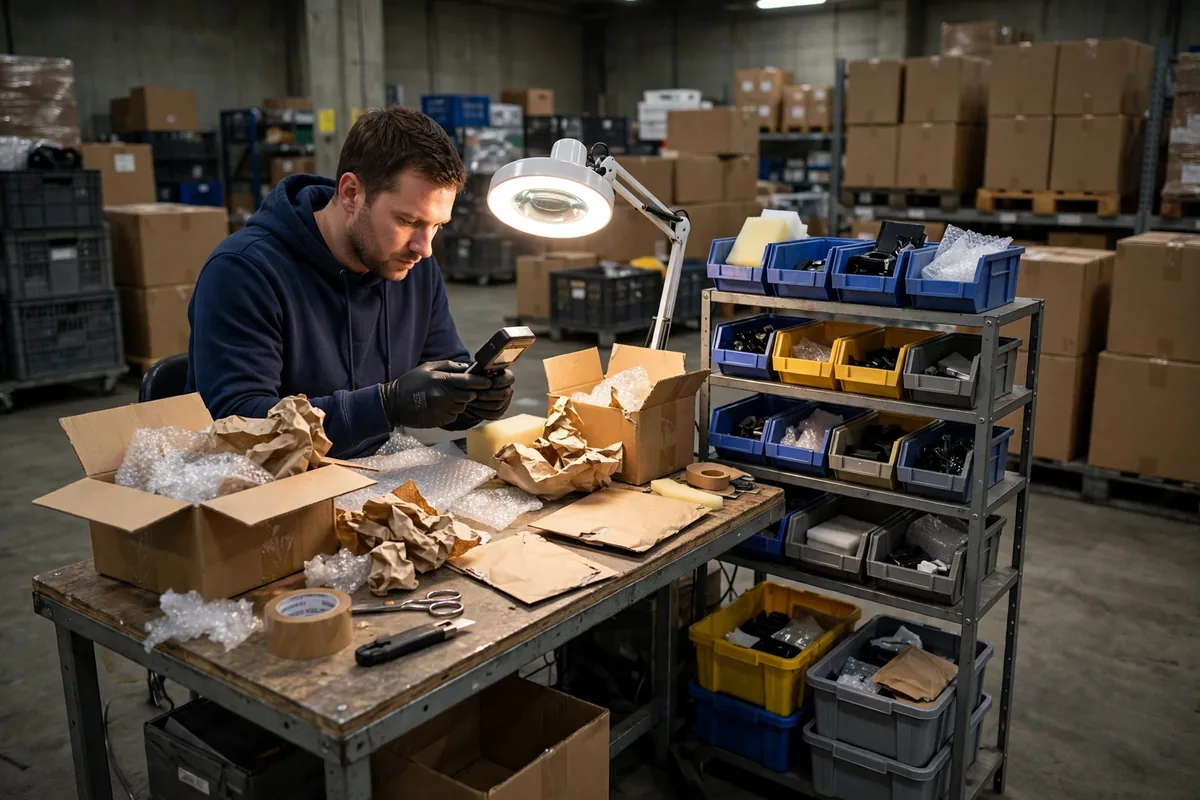
Auto parts have the opposite temper. The SKU count is endless, individual lines move slowly, yet coverage cannot have holes: miss one obscure part and you lose a repair shop's whole order. An auto parts warehouse wins on in-stock rate and finding speed, which means honest, boring work on location codes, zoning and counting discipline. It has small seasons too, with maintenance and wear parts moving harder before winter; sliding those lines closer to the packing bench in advance is the plainest optimisation there is.
The biggest thing I brought home was not a city. It was a way of living within our means. Big companies buy networks; we buy one point. Big companies compete on square footage; we compete on cost per order. Big companies sign ten-year leases; we share space for three months and then talk. Kansas City worked for us because our order mix, our freight's temperament and our entry posture happened to line up. Hand the same answer to a competitor whose customers live on the coasts and it falls apart on day one. There is no standard answer in site selection, only an answer that reconciles with your own ledger. Small warehouses have their own way of living.
By Xiao Ma, Small Warehouse Owner