Let me be blunt. When small sellers talk about Jumia fulfillment, they always start with the same question: is shipping expensive? Then the goods actually reach West Africa, and the real profit killer turns out to be something else entirely. Wrong stock, rejected inbound, and returns that never make it back to sellable inventory. I learned that the hard way. My goods sat in a Lagos warehouse, my money leaked out through return orders, and the sales report looked fine while the month-end profit was basically nothing.
This is not a sign-up guide. It is about what happens after your goods arrive: stocking, inbound, and returns back to your warehouse. Get those three stages straight, and a small seller has a real shot at growth. Get them wrong, and every extra sale just makes the warehouse mess bigger.
Stocking for Jumia fulfillment: I do the math per product before I order anything
Stocking goes wrong in two opposite ways. Order too much because you are afraid of running out, and slow sellers pile up in an overseas warehouse, where returning them can cost more than the goods are worth. Order too little because you are afraid of tying up cash, and a listing that just started climbing goes out of stock and loses its momentum.
My unglamorous method is to calculate per product, never per store. Each product gets its own little sheet: recent sales, stock on hand, stock in transit, and returned stock that can be sold again. Those four numbers together are your real sellable quantity. If you only look at sales and ignore returns that passed inspection, you will overstock. Apparel and shoes are the worst for this. A returned item that is still in good shape is sellable stock, and leaving it out of your plan is like creating your own stockout.
Here is the counterintuitive part. Your bestseller is not always the product worth stocking deepest. I had one item with great monthly sales and a brutal return rate. Two people spent three days sorting its returns, checking quality, and repacking. The labor and time ate the margin. Now I rank a hero product by its return-handling cost first and its sales second. Flip that order, and profit gets steadier, even if the sales chart looks less exciting.
I also split shipments. The first batch is small, just enough to test whether packaging and sizing have a systematic problem. The second batch follows once I see the real return pattern. It feels slow. It is much cheaper than sending a huge batch, finding a problem, and reworking everything overseas. Fee structures and delivery standards change often and vary by site, so for anything official, check the platform's latest published policy. Do not build this year's cost sheet from someone else's screenshot from last year.
Inbound labeling and inspection: skip this and pay for it later
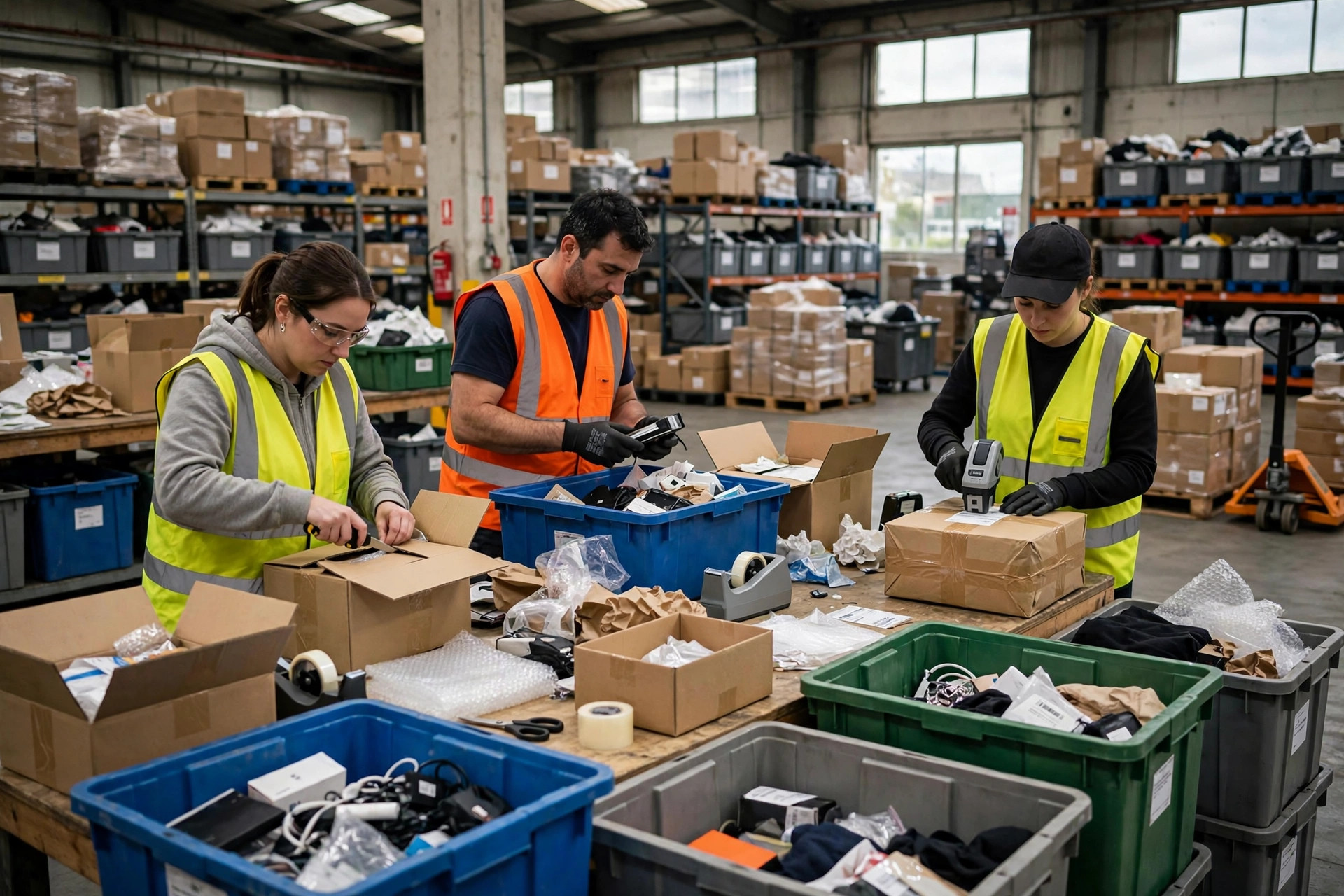
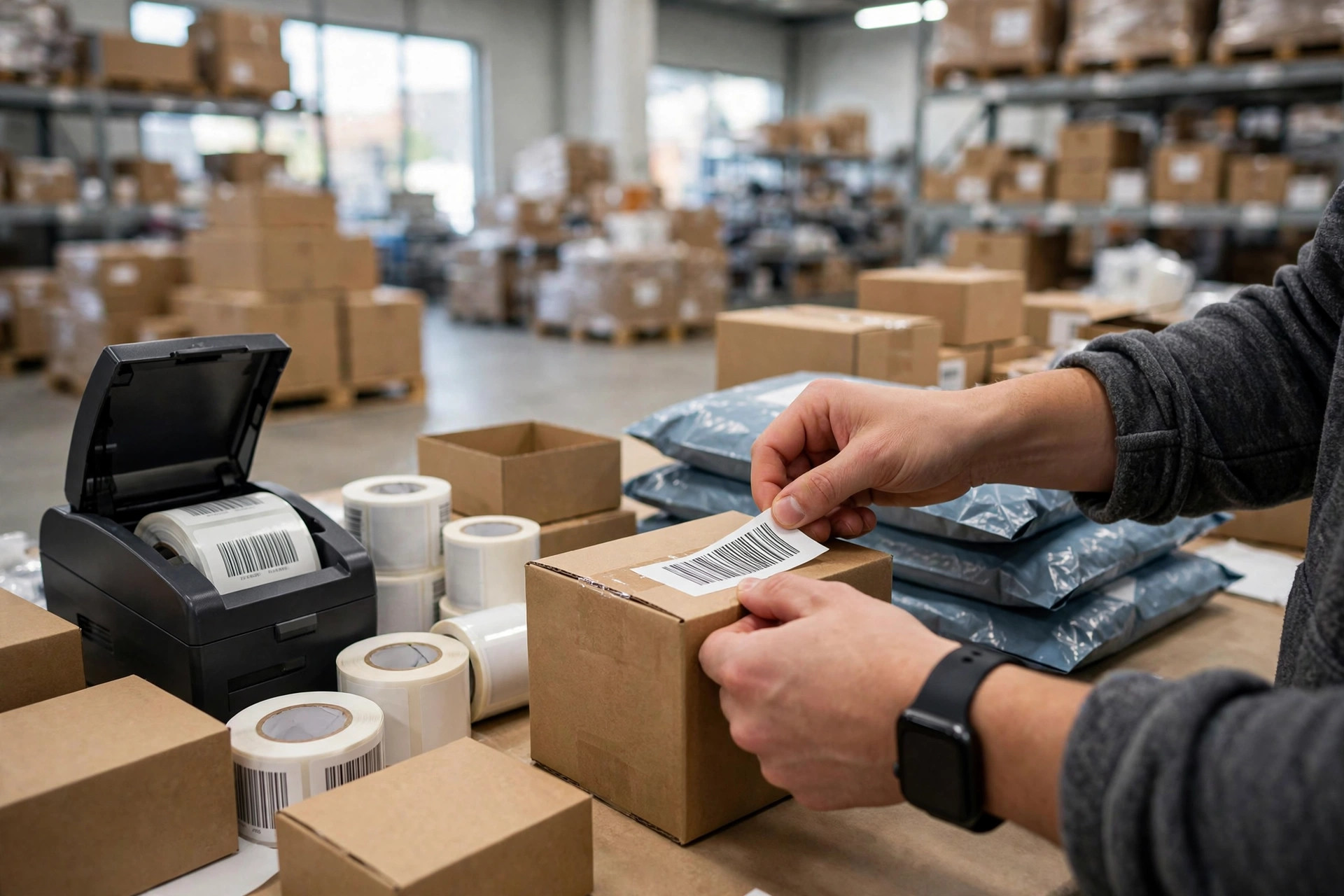
Every inbound mistake I have made started with "this looks fine." A barcode stuck crooked cannot be scanned, so the whole batch stalls in inspection. A carton label that does not match what is inside gets rejected, and the goods come back for relabeling. Packaging that cannot survive the trip arrives damaged, so you start losing money before you have sold a single unit. These are all easy to catch before shipping from home. Once the goods are in West Africa, fixing them costs several times more.
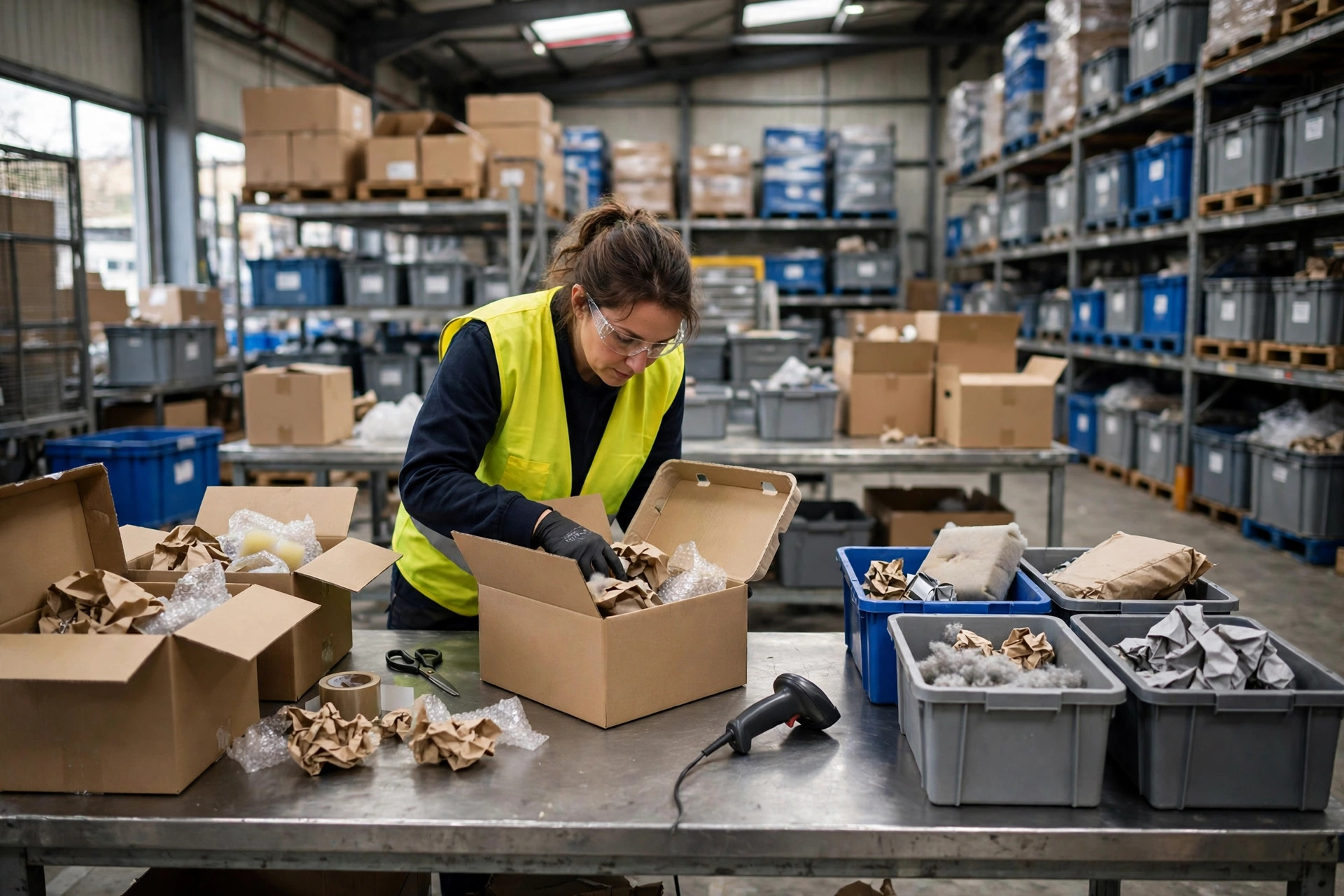
My pre-shipment rules are boring on purpose. Every product gets its own label, stuck on a flat surface, never over sealing tape or a crease. Each outer carton gets a master label, plus a packing list inside showing items, quantities, and batch. Fragile goods get extra protection at my end; I never assume the warehouse will add it. Before dispatch, I open two cartons at random and photograph them. If there is an inbound dispute later, those photos are my evidence. Half an hour of this saves a week of arguing.
Sizing and color descriptions deserve the same care. A size chart that makes sense at home may not read the same way to a buyer in Lagos or Accra. If buyers have to guess, they guess wrong and return the item. I now write size guidance in plain, direct language, even if it takes two extra lines. Two extra lines are cheaper than one avoidable return.
Returns in Jumia fulfillment: only resellable stock is real profit
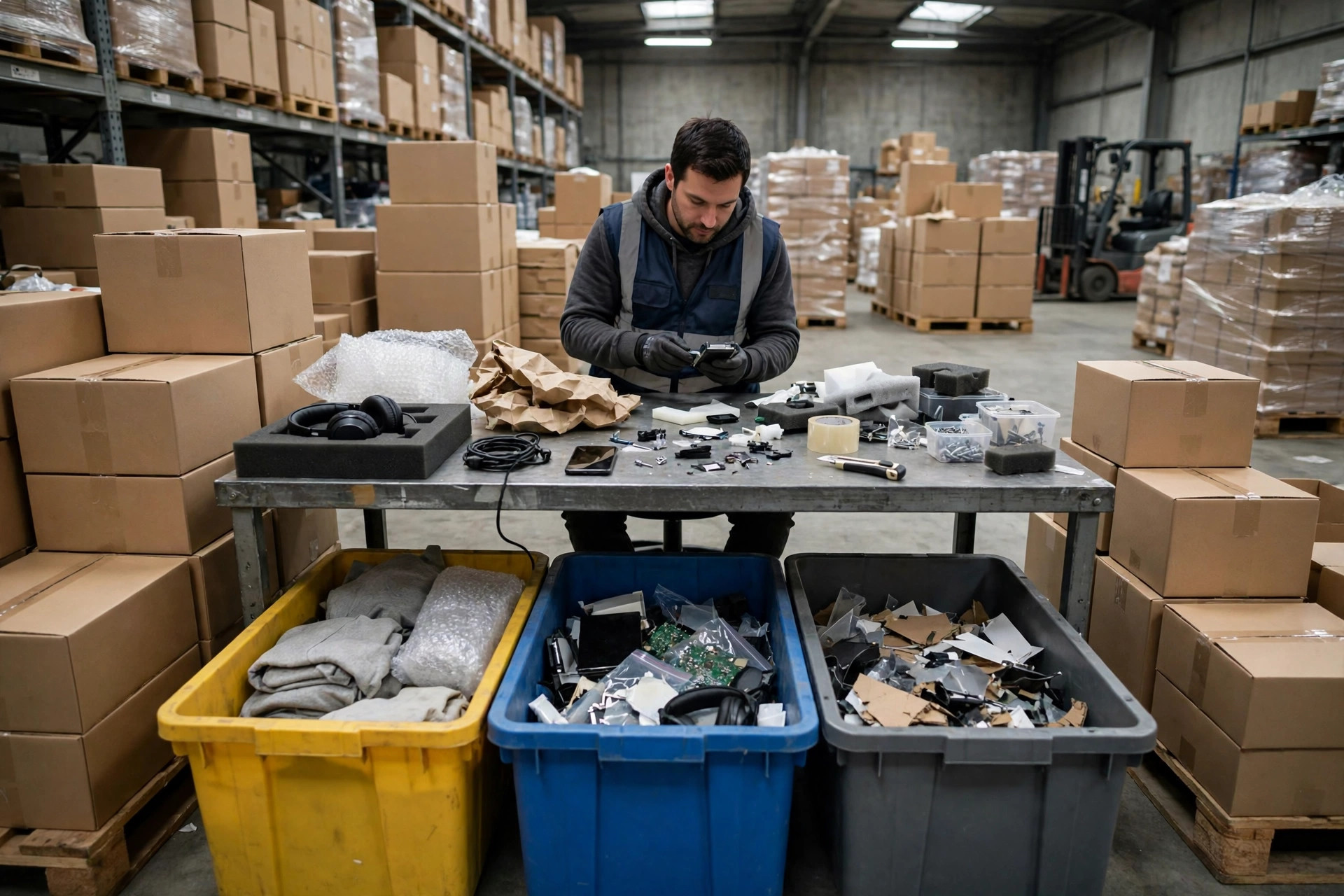
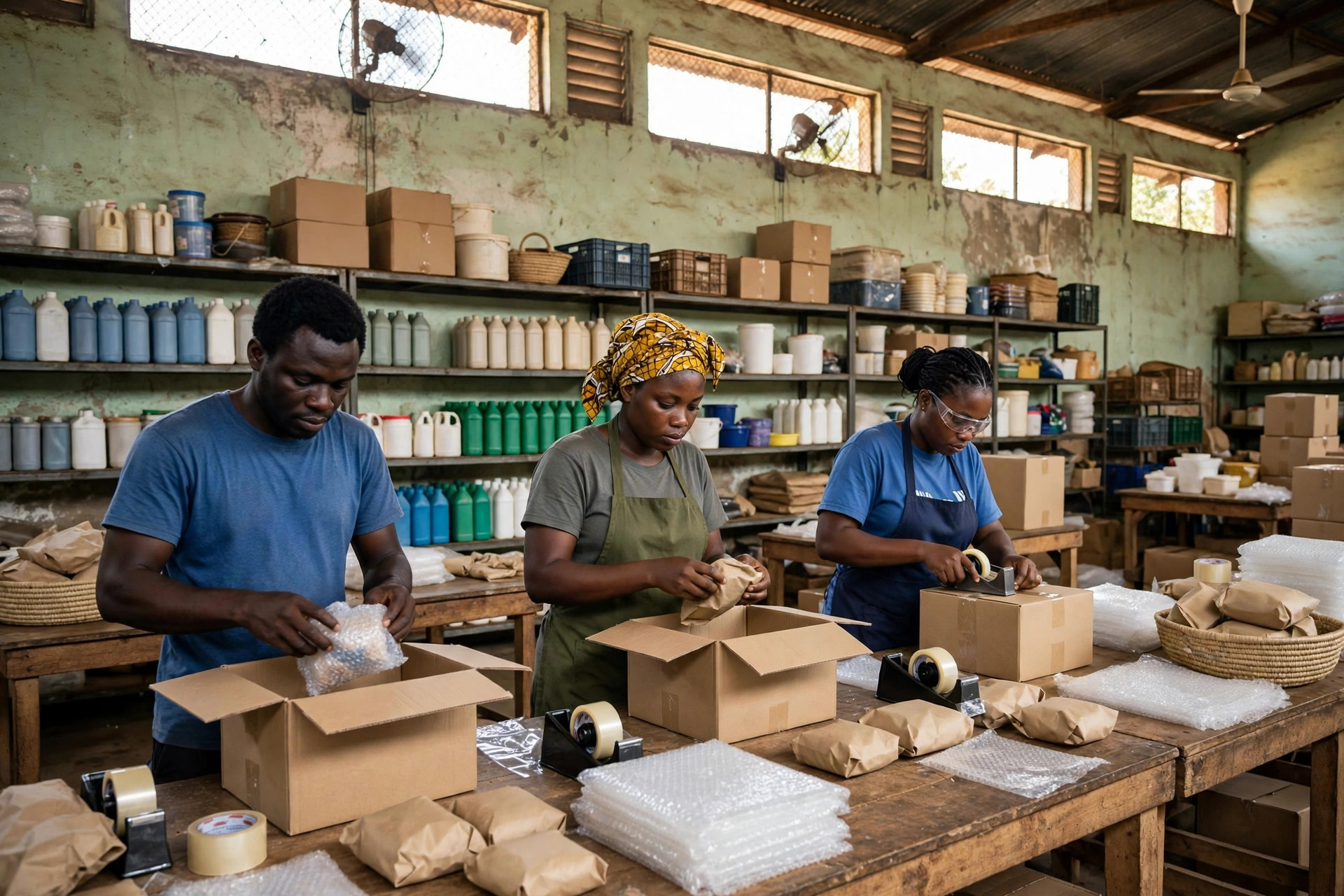
Returns are where I see small sellers lose track of the numbers. When goods come back, do not start by counting the loss. Sort them into three groups first. Group one is in good condition: it passed inspection and can go back on sale after repacking. This group needs to return to sellable status as fast as possible, because every week it sits idle is a week of tied-up stock. Group two has minor defects: it can be repaired, repacked, or sold at a discount, but it needs its own record, kept separate from perfect stock, or your inventory will never reconcile. Group three is dead stock: write it off through the proper process instead of letting it occupy a shelf and a system quantity for months.
I once left a batch of returned home goods mixed together for two months. By the time I dealt with it, some packaging had gone damp, some accessories were missing, and only about half could be sold again. The lesson was simple. Returns are not a month-end job. They are a daily routine. Twenty minutes a day sorting returns beats two days of digging through a warehouse at month-end.
On costs, one warning. Warehousing, inspection, relisting, and disposal for returns each have their own charging rules, and those rules can change. For exact figures, check the platform's latest published policy. When I plan margin, I budget a returns-handling allowance first and treat what is left as real profit. Returns are never free, so do not plan as if they are.
Last-mile timing: do not promise what you cannot control
The classic small-seller mistake in last-mile delivery is overpromising. The faster your listing claims delivery will be, the higher the buyer's expectation, and the more likely a small delay turns into a bad review and a return. I do the opposite now. My listing and my customer-service script both use a conservative expectation, and delivery standards follow the platform's latest published policy. I never add my own optimistic bonus on top. If the parcel arrives early, the buyer is pleasantly surprised. If it arrives on the conservative expectation, the buyer thinks everything went normally. Surprises earn good reviews. Disappointments earn returns.
Timing also varies by place, and that matters. Delivery conditions in central Lagos are not the same as in outlying areas, so one blanket promise for every region is a trap you set for yourself. I look at regions separately and flag areas with more variable timing, so customer service can set expectations before the buyer orders, not after.
There is also a trade-off most sellers do not want to admit. Speed and cost always pull in opposite directions. Faster costs more; cheaper takes longer. A small seller without big volume should not try to win on the fastest tier. Make the delivery promise reliable first, make returns smooth second, and let reputation build. Reputation takes ten good orders to repair after one bad one.
My five rules, stuck on the wall
One, plan stock per product, and count returnable stock as sellable stock, not just sales. Two, photograph random opened cartons before dispatch, keep barcode and packing-list records, and settle inbound disputes with evidence. Three, sort returns every day into three groups, get good stock back on sale fast, and do not let dead stock sit. Four, treat fees and delivery standards as moving targets and check the platform's latest published policy instead of trusting old screenshots. Five, keep listing promises conservative and keep customer-service wording consistent, so buyers are not sold a timeline you cannot keep.
None of this is clever. It is all paid for, one bad order at a time. Stocking, inbound, and returns back to the warehouse only work when the numbers line up across stages: sales, stock on hand, stock in transit, and returns. Check those four numbers against each other every day, and the business gets stable. Let them drift apart, and the more you sell, the bigger the hole gets.
This one actually worked for me: line up the four numbers first, then talk about growth.
By Ah K, E-commerce Seller (5 yrs)