Last Q4, toy warehouse holiday peak fulfillment nearly broke our shop. The week before Black Friday, daily orders jumped from a few dozen to more than three hundred, and the warehouse phone would not stop ringing: our best-selling blind-box gift set was out of stock, slow movers were still sitting on half a shelf, and customer service was drowning in "missing charm" complaints. I was stunned — I had stocked up two months early and hired extra hands, so why were we firefighting every single day? This year I changed the playbook, and the same Q4 ended with the warehouse crew clocking out on time. Here are the three ledgers I paid for last year.
Toy Warehouse Holiday Peak Fulfillment Pitfall #1: Stocking the Wrong SKUs
Last year my stocking method was simple: take last year's sales, add twenty percent, and ship it all to our California warehouse in one go. Black Friday week exposed it fast. Our best-selling blind-box set normally sold twenty to thirty units a day; during Black Friday week it hit more than one hundred twenty a day and sold out on day three. The listing sat dead for three days while ad spend kept burning. On the other side, two plush toys left over from the previous Christmas — I had stocked several hundred of each on a "what if they pop again" hunch — barely moved, eating shelf space while pickers walked around them every day.
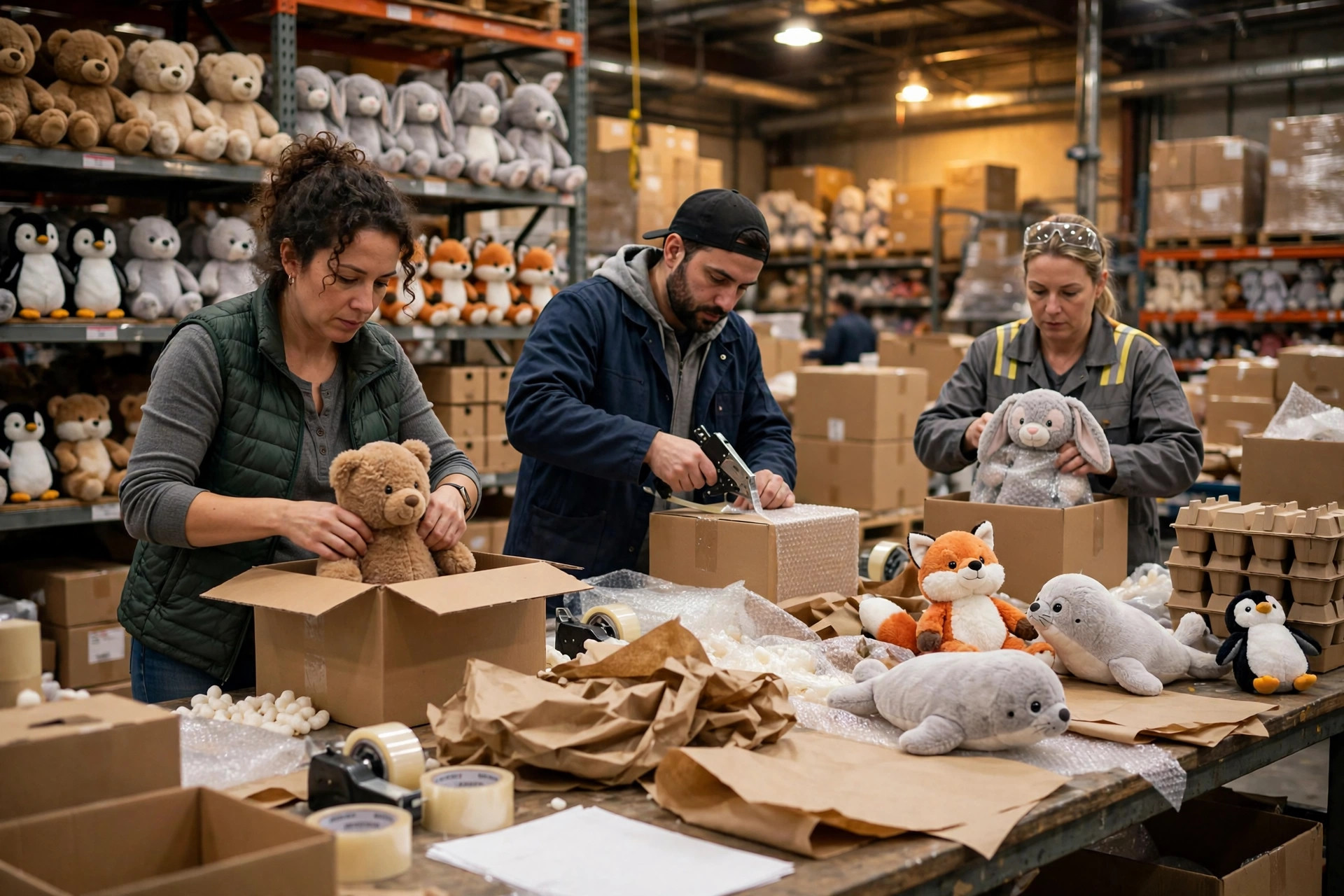
This year I sort every SKU into three tiers. Tier one is the winners: the sets and plush lines that drive most of our orders. Those get stocked early, plus a ten percent safety buffer — better to overstock a winner than to stock out. Tier two is the steady sellers, replenished weekly instead of all at once. Tier three is the long tail: two weeks of cover, no more; if it stocks out, it stocks out. And there is one lesson I paid for in blood: a gift set has to be planned by component. One gift set equals two blind boxes plus one charm. If any component runs short, the whole set cannot ship. Last year I stocked enough blind boxes but fell two hundred charms short, and the set stocked out anyway. This year every set is broken into a component list before I order anything.
The math is done in September, not November. I list the top twenty SKUs, break each set into components, and work backward from Black Friday week's daily rate. That blind-box set at more than one hundred twenty orders a day means over eight hundred sets a week, which means roughly seventeen hundred blind boxes and seventeen hundred charms. Miss one component and the whole week is at risk. Add ten percent for lost parcels and count errors, and the table is set. October is just execution — no more gut-feel ordering.
Pitfall #2: It Wasn't a Hiring Problem, It Was a Scheduling Problem
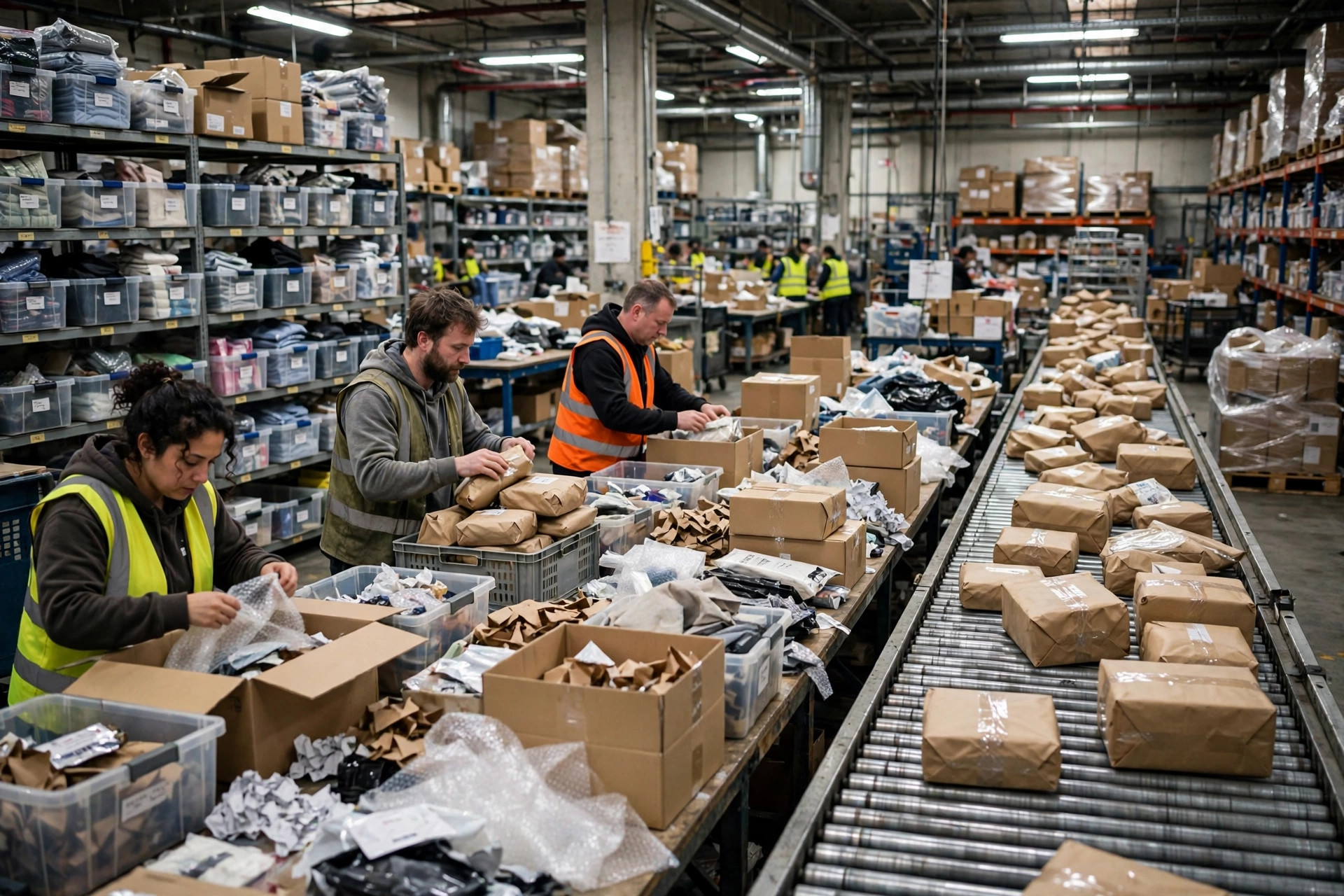
Three days before Black Friday last year, I hired four temporary workers. More hands, more output — that was the theory. In practice, they needed three days of training just to get by, and the busiest days of the season landed exactly when they were at their greenest. Mis-picks actually went up. One gift set shipped without its charm more than a dozen times in a single day, and I spent that night calling buyers one by one to apologize and reship. The reship postage hurt, but the two one-star reviews hurt more.
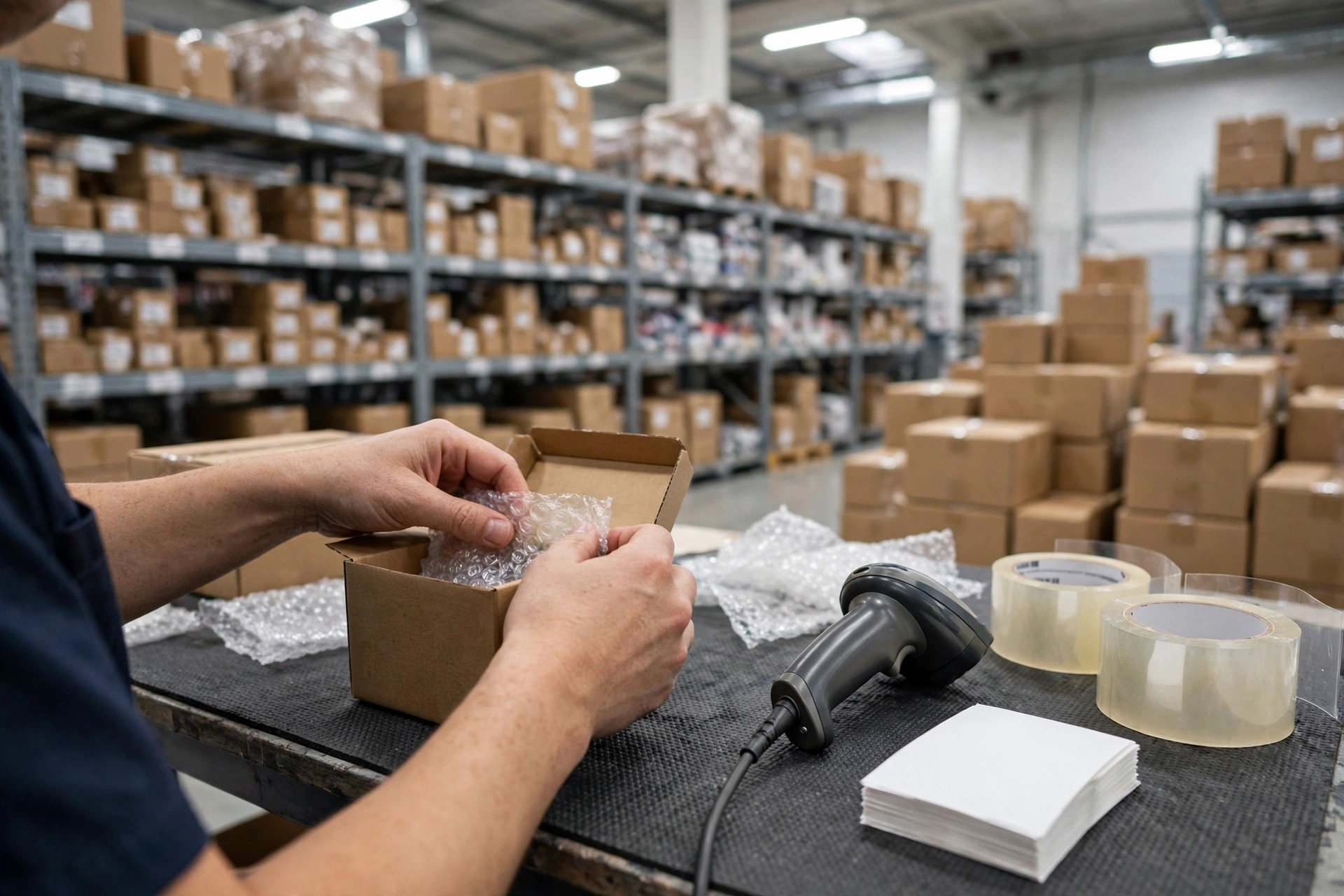
This year I hire two weeks early, pair every new worker with a veteran, and keep packing-station partners fixed. The bigger change is a weight check at the packing bench. Before peak, my senior packer weighs twenty good sets, takes the middle value, and writes it on a card taped to the bench. If a packed set weighs off by enough to notice, the order is pulled aside and opened: missing charm or wrong plush, caught before it leaves. Each check costs under ten seconds per order, and the wave of mis-picks from last year has not repeated once.
Scheduling changed too. I stopped rostering evenly and started rostering to the order curve: more hands on the early shift during Black Friday week, two people on the late shift to clear same-day returns and problem orders, fewer hands on quiet days. Peak season is not won by headcount. It is won by having people on the floor during the handful of hours when orders actually spike.
Toy Warehouse Holiday Peak Fulfillment Pitfall #3: Returns Are a Second Peak Season
For years I treated returns as cleanup after the season. Black Friday and Christmas shipped, returns piled up for two full weeks, and by the time we opened them in January, only a small share could go back on sale. The rest had damaged packaging or missing parts and had to be cleared at a discount. That is when it clicked: the returns wave is not the tail of peak season. It is a second peak season, and every day you delay processing, you lose money twice — once on the return, once on the resale you missed.
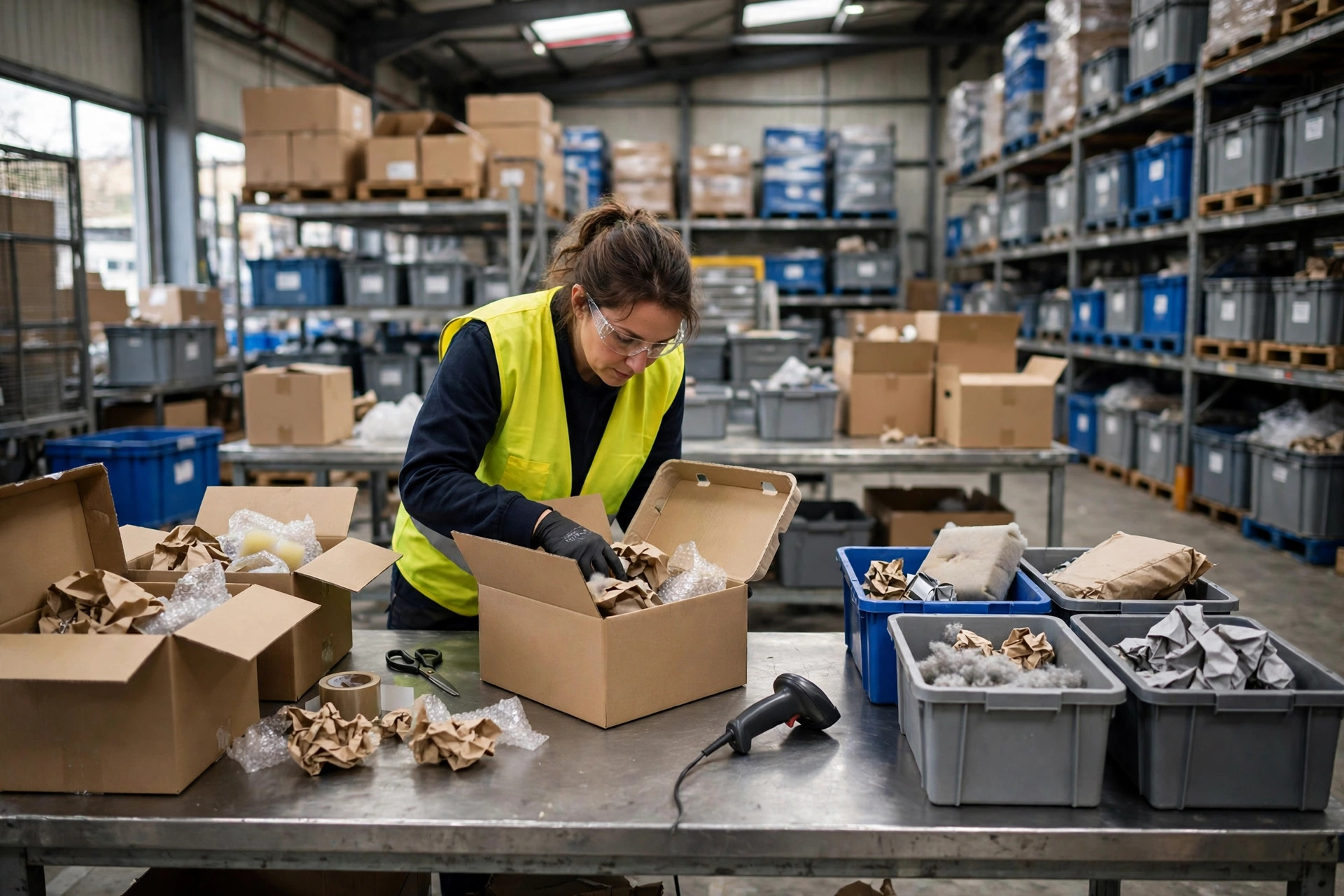
This year returns get their own zone and one rule: open, photograph, and grade within 48 hours. Grade A is mint and goes straight back to the shelf. Grade B has damaged packaging but a fine product, so it gets repacked and sold again. Grade C is broken or incomplete and goes to a separate bin for disposal, off the regular shelves. Grading sounds like extra work, but it is where the money comes back: a mint return back on the shelf in two days can still catch the post-Christmas wave of exchanges, gifts, and self-purchases.
Reshelving has a fixed routine too: check the seal, check the parts bag, scan the barcode. All three pass and it goes back as normal stock; any one fails and it drops to Grade B. Customer service never has to hedge when a buyer asks about it. Last year's January returns, opened late with damp packaging and lost parts, mostly went to clearance. This year's returns, opened fast, mostly went back out at full price.
| Ledger | Last year | This year | Result |
|---|---|---|---|
| Stocking | Last year plus 20%, all at once | Three SKU tiers, sets broken into components | Winners stay in stock, slow movers stop clogging shelves |
| Labor | Four temps hired three days before Black Friday | Hired two weeks early, weight check at the bench | Mis-picks caught before shipping |
| Returns | Piled up two weeks, opened in January | Dedicated zone, graded within 48 hours | Mint returns reshelved and resold, returns stop being pure cost |
Do these three things first this peak season: sort SKUs into three tiers and plan sets by component; hire two weeks early and add a weight check at the packing bench; give returns their own zone and grade them within 48 hours. Toy warehouse holiday peak fulfillment rewards the sellers who do the math early. Do the math early and peak season is the most profitable time of year; do it late and you spend the whole season firefighting.
By Ah K, E-commerce Seller (5 yrs)