In November 2025, 42 cartons of cross border returns landed at once outside our Los Angeles warehouse. Some had two old shipping labels stuck on top of each other. Some had crushed corners. One home-storage item had even lost its inner bag. The warehouse guy asked which carton to open first. I said none of them. Match the paperwork first.
That is the most expensive lesson I have learned in five years of selling cross-border. The painful part is not the buyer clicking return. It is what happens after the goods drift back over several weeks. By then the information is a mess: the return reason on the platform is vague, and the carrier's receiving record does not match the carton count. If the warehouse just starts unboxing, you will later find a missing item, an extra item, or the wrong model, and the books will never reconcile.
Cross Border Returns Start at Receiving, Not Unboxing
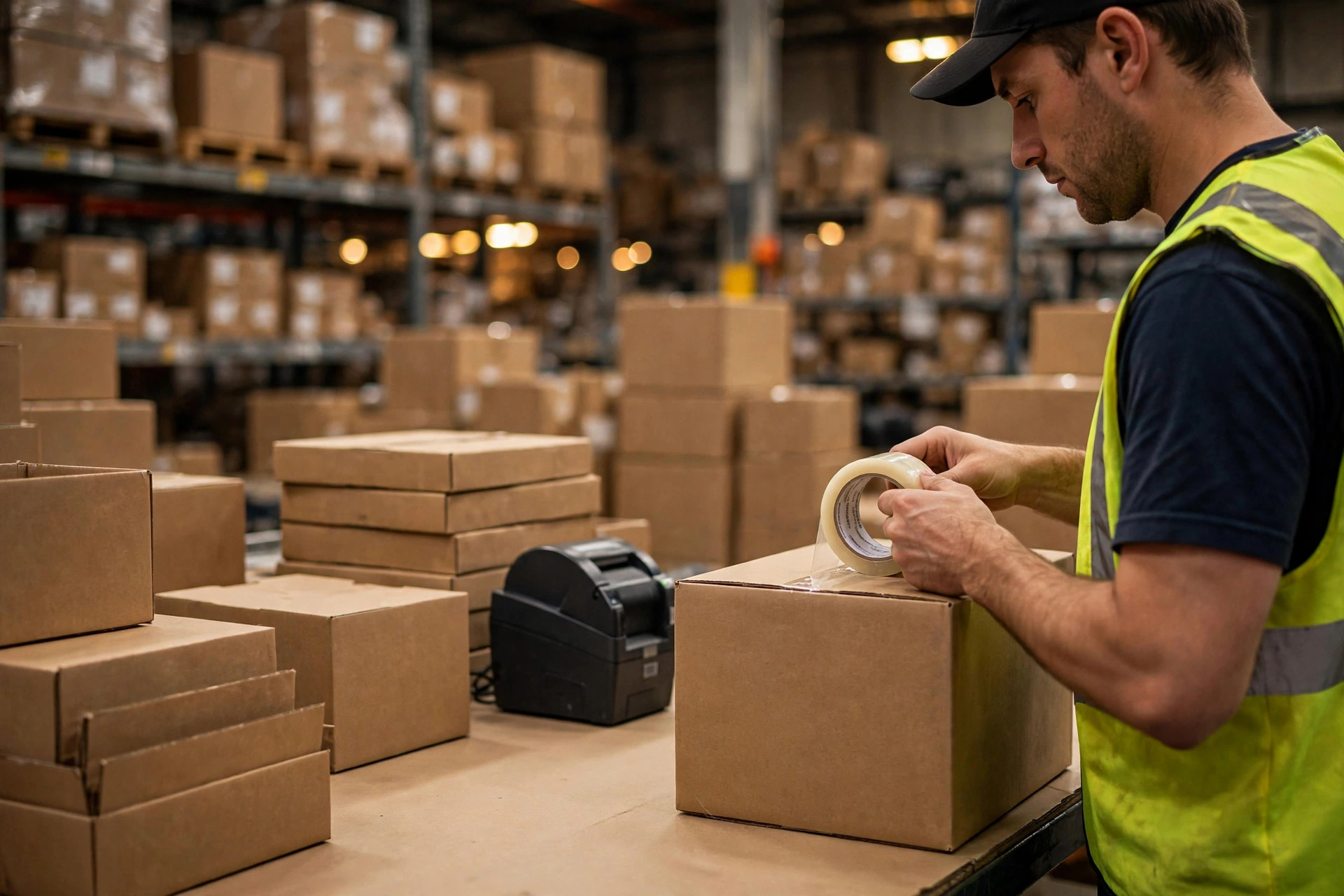
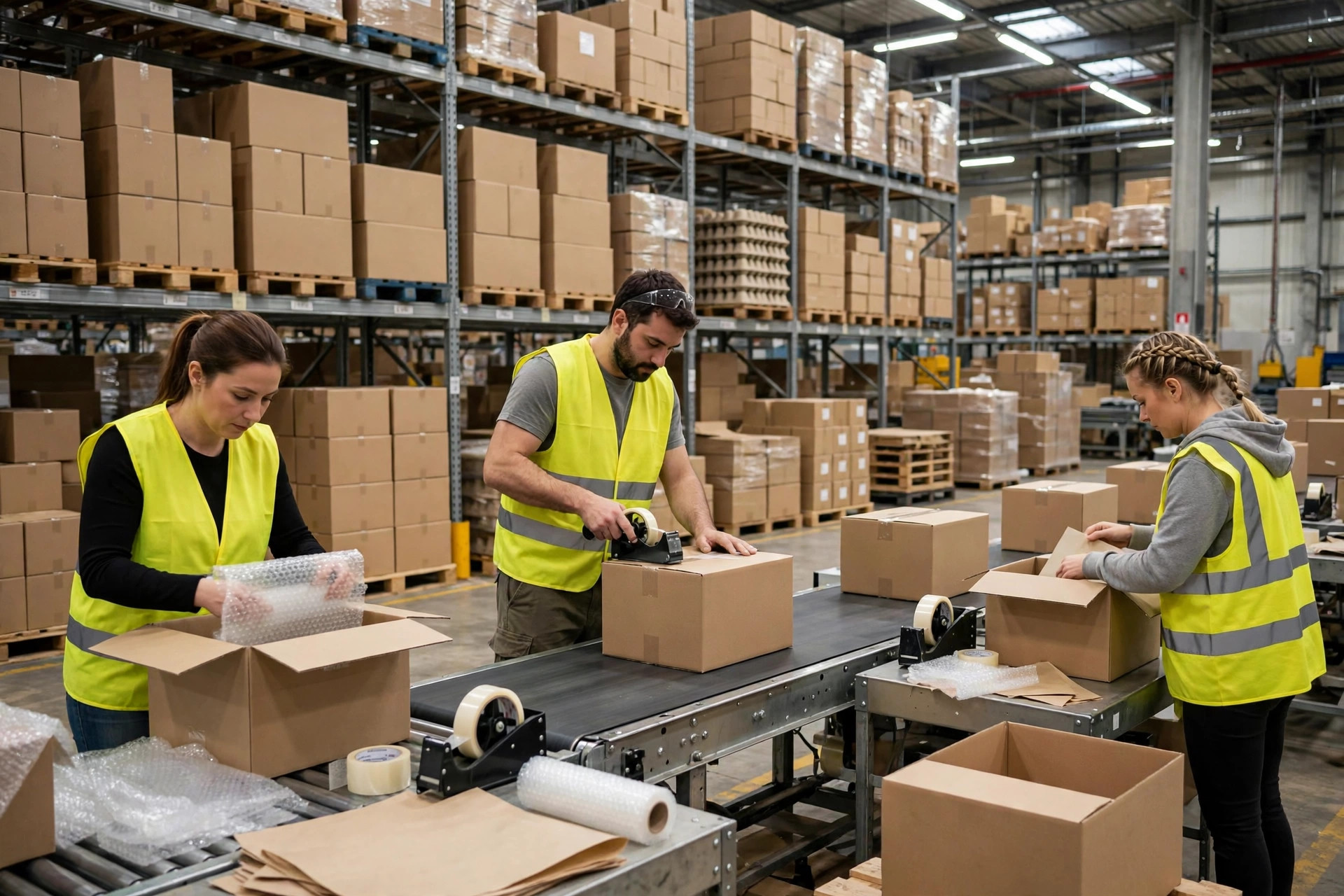
My receiving routine is rigid, and new staff always complain about it. It has still saved me twice. Match cartons against the delivery record, carton by carton; if one carton is short, log it as an exception before anything else moves. Identify each carton before opening it: scan the original label and the return number, and confirm which order, which buyer, and which stated reason it belongs to. Check the outside too: damaged, damp, or re-taped cartons get photographed before opening, with photos filed by order number.
In March 2026, a batch of home-storage goods came back from a European warehouse: 68 items in total. Nine cartons looked intact from the outside, but inside were old models the buyer had swapped in. Because we had photographed the outer cartons and the sealing tape at receiving, the evidence chain was complete when we appealed, and that loss was not charged to us. Without photos, that argument is hopeless. The platform will simply treat the delivery as received in good condition.
One more rule: returns get their own zone. Never mix them with normal inbound stock. I have seen returns pushed straight onto regular shelves, and the next day a picker shipped a defective returned item to a new buyer. That second complaint doubled the shipping and handling cost. Even a few pallet positions are enough, as long as the zone is physically separate and clearly marked as pending inspection.
Inspection and Sorting: Resell, Fix, or Scrap
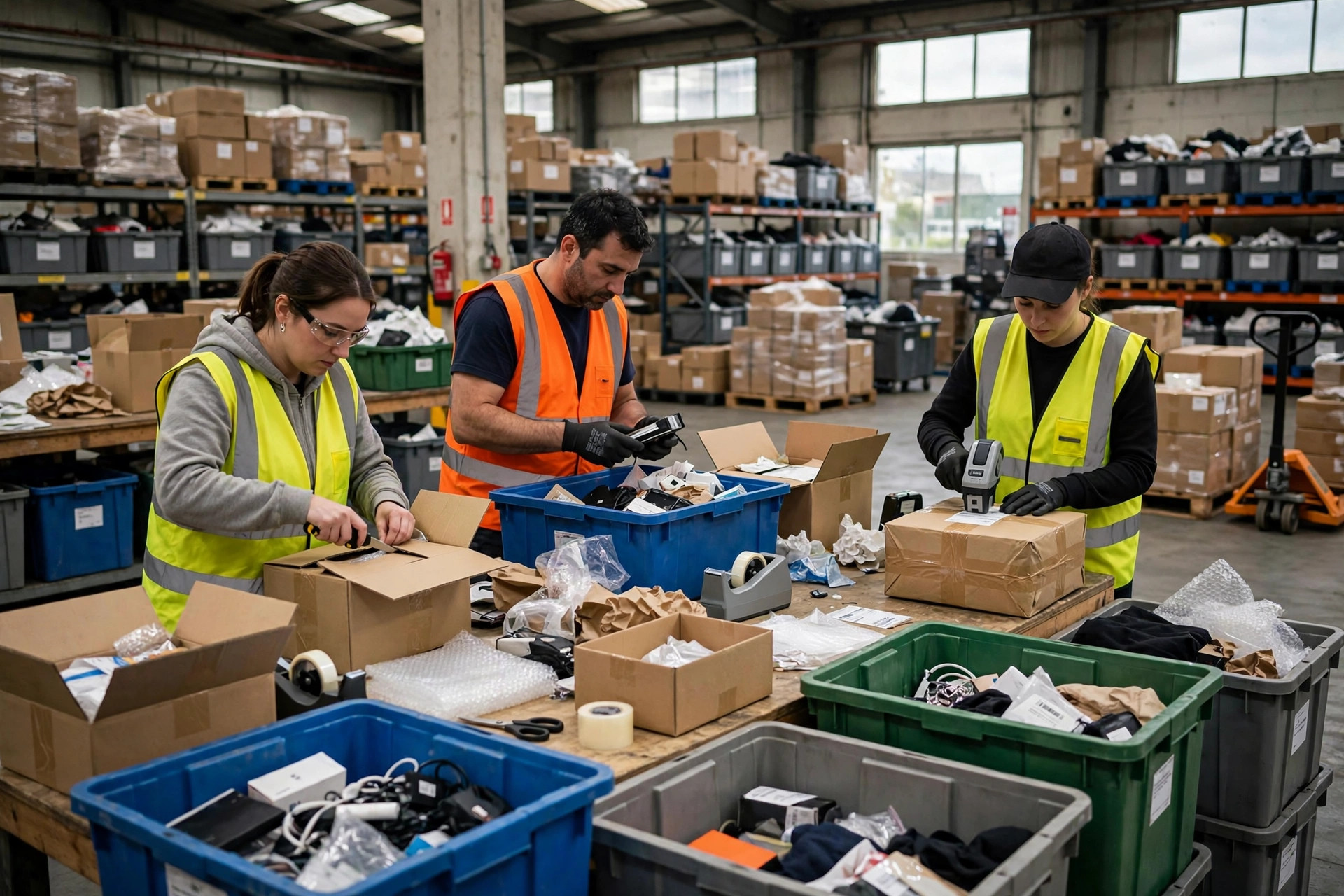
Inspection gets three grades only. I do not run five or six grades, because the more grades you have, the more staff sort by gut feeling. Grade A can be resold straight away: packaging intact, function normal, all accessories present, just relabel and list it again. Grade B needs work: broken packaging, a missing accessory, or a light scratch, so it gets repacked, topped up, or sold at a discount. Grade C cannot be resold: functional damage, hygiene problems, or a missing key part. That grade goes to disposal or compliant destruction. Do not let it sit in the warehouse waiting for a miracle.
While inspecting, record two things: whether the stated return reason was true, and whether the problem was the product, the packaging, or the transit. In that November batch of 42 cartons, 17 items were marked as quality problems. Real inspection showed only 6 were genuinely damaged products. The rest were crushed packaging from transit. Once you have that data, fixing the packaging pays back faster, and costs less, than redesigning the product.
Do not skip the system entry either. Every item's inspection result, photo reference, and final destination should be entered the same day, with a clear status: pending, resold, or scrapped. I used to pile goods up and backfill the records days later. By then nobody could remember which photo belonged to which item, so we had to unbox and inspect everything a second time. Same-day entry is the laziest option in the long run, because it avoids doing the work twice.
Here is a counterintuitive call: a low return rate is not always good news. One of my products showed a very low return rate, and I later realized the return process was so awkward that buyers skipped returning and just left a bad review instead. A bad review hurts a listing far more than a return does. Fast warehouse processing is, in a sense, damage control for the listing: the sooner goods are inspected and relisted, the shorter the cash is tied up, and the lower the review risk.
Where the Money Actually Goes
Most sellers count only freight when they cost a return. That misses more than half the bill. In my own books, one returned order breaks down like this:
| Cost bucket | Where it comes from | What keeps it down |
|---|---|---|
| Reverse freight and clearance charges | Moving goods from buyer back to the warehouse | Sending returns to the right warehouse, not the long way round |
| Inspection and sorting labour | Unboxing, checking, photographing, entering data | A fixed routine, not a fresh plan for every carton |
| Repacking and relabelling | New cartons, bags, accessories, labels | Keeping common packaging beside the returns zone |
| Storage while waiting | Pending goods occupying pallet positions | A handling deadline, escalated when it slips |
| Disposal | Compliant handling of unsellable goods | Clearing them promptly instead of hoarding them |
Exact rates and time limits vary by platform, route, and country policy, so check the latest official policy for your case rather than trusting any single number you read online. But one calculation is always clear: every extra week goods sit in the pending zone, storage rent and repeated handling keep rising, while the resale value only falls. Delay is the quietest way returns burn money.
Cross Border Returns: Resell, Repair, or Scrap?
The decision at this point comes down to three tests: value against handling cost — if handling costs are catching up with the value, scrap it, and do not throw good money after a lost cause just to save face; compliance — goods involving hygiene, safety, or brand authorization should never be repacked and resold on a hope, because compliance risk is not something you save your way out of; and timing — seasonal goods past their season have lost most of their resale value, so clear them early and free the pallet space for products that actually make money.
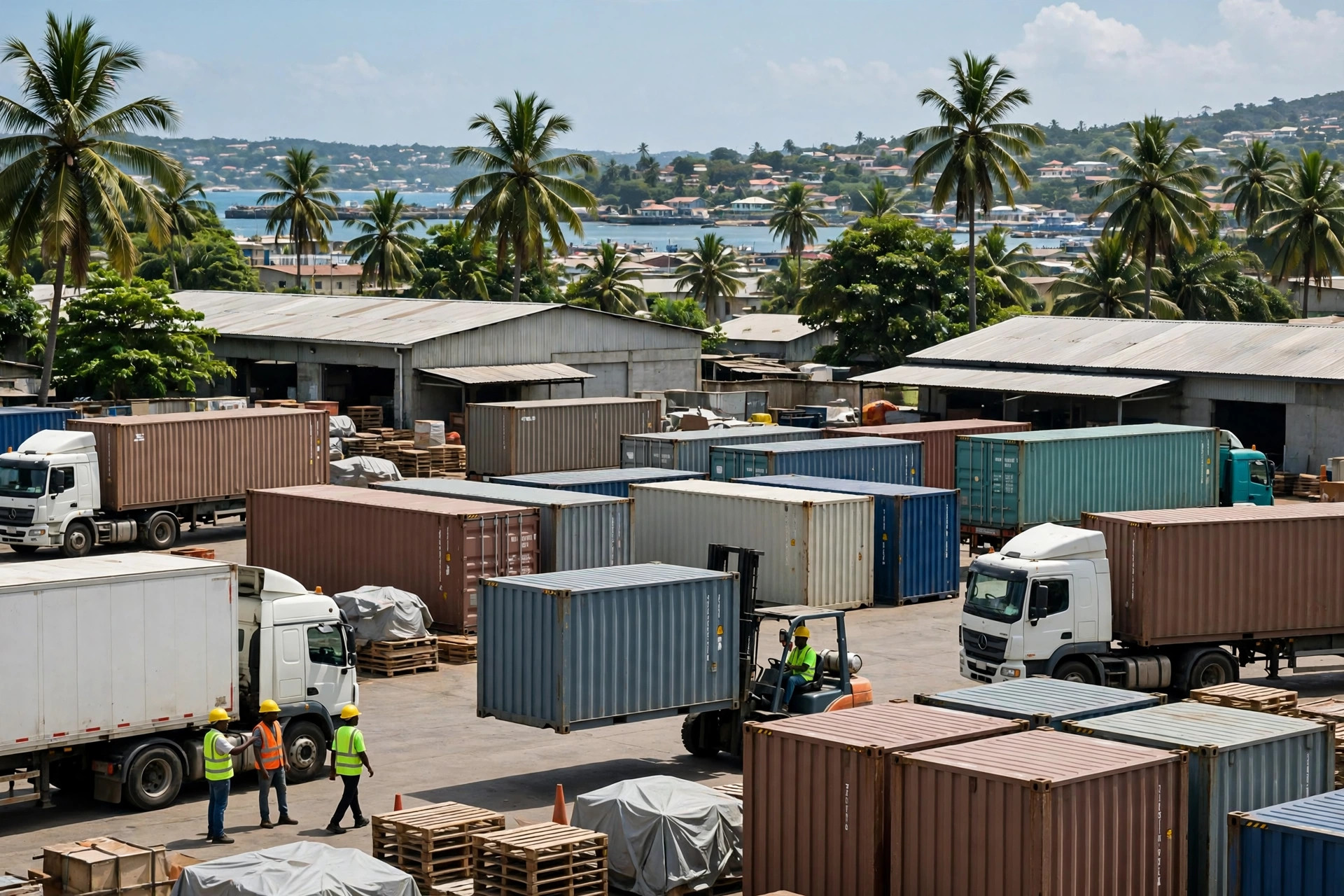
There is a trade-off many sellers refuse to face: shipping goods back to the home country for resale looks like it protects the price, but once you add second freight, clearance, and domestic storage, it can cost more than a local discounted clearance. I learned this with a batch of small appliances in 2025. I shipped them home to protect the price, and the second freight plus storage wiped out the saving. Since then my rule is simple: low value and bulky goods get handled locally first. Only high-value, small, and clearly sellable-at-home goods are worth shipping back.
There is no elegant shortcut here. Match the paperwork, inspect and grade, cost it honestly, and decide by the framework. Run those four steps without skipping one, and returns stop being a pile of trouble and start being a bill you can actually read.
This trick actually works for me. I have tested it myself.
By Ah K, E-commerce Seller (5 yrs)