Here is the conclusion first: if you are a Chinese seller entering Indonesia, put your warehouse in Greater Jakarta and do not try to cover the whole country on day one. Jakarta indonesia ecommerce warehouse fulfillment is not a rent problem. It is an order-map problem. Indonesia's ecommerce market is big, but orders cluster heavily on Java. Put the warehouse in the wrong place and every rupiah you save on rent comes back as inter-island freight and returns.
First, the size of the market — and a warning about the numbers. The e-Conomy SEA 2025 report from Google, Temasek and Bain puts Indonesia's ecommerce at US$71 billion in 2025, up 14%. Momentum Works, which counts marketplace GMV only, reports US$57.7 billion. The two firms measure different things, so the gap is normal, and my judgement is that whichever definition you use, Indonesia is Southeast Asia's largest ecommerce market. The platform split matters more: Momentum Works has Shopee at 46% of Indonesia's platform GMV in 2024, rising to 54% in 2025, while Tokopedia plus TikTok Shop — the two merged operations in 2024 — together hold 38%, and Lazada and the rest share the remaining 8%. You cannot dodge Shopee or the Tokopedia-TikTok combination. Your warehouse exists to serve their buyers first.
Jakarta Ecommerce Warehouse Location Starts With Where Orders Come From
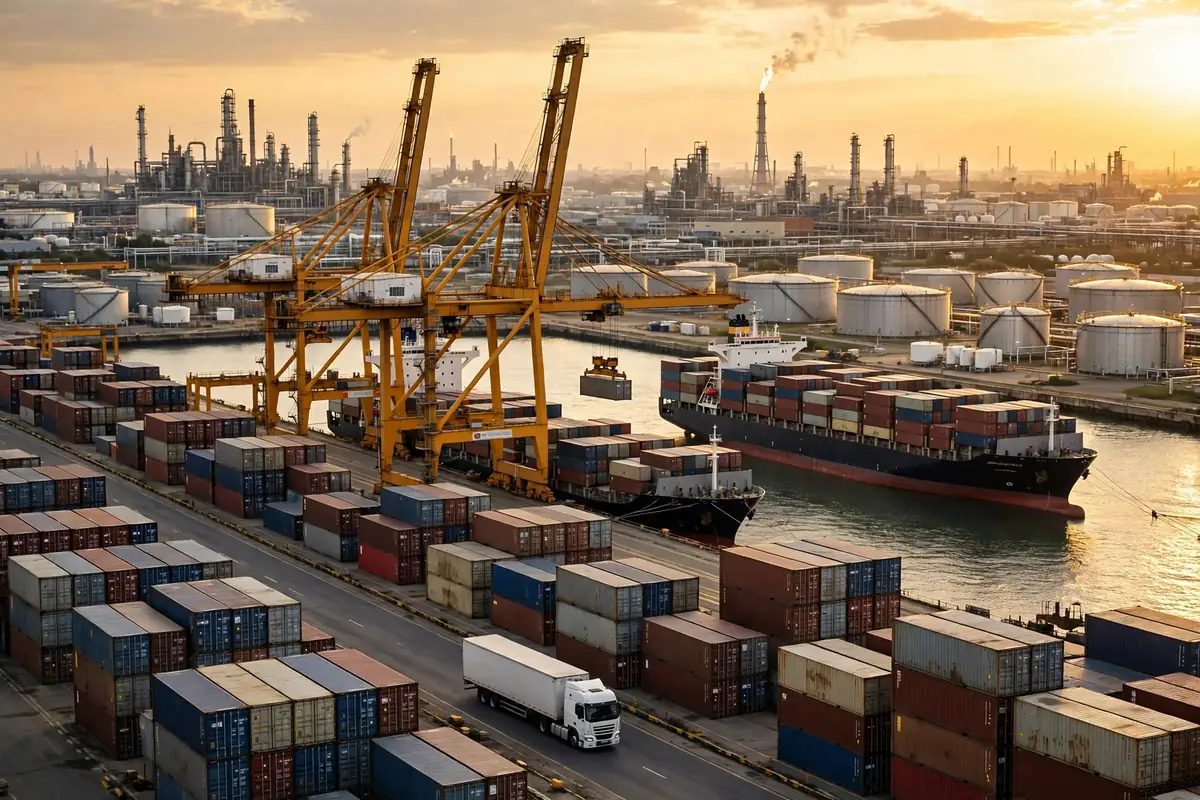
Greater Jakarta — Jabodetabek, Jakarta plus Bogor, Depok, Tangerang and Bekasi — holds more than 30 million people, the densest 3PL infrastructure in the country, and Tanjung Priok, Indonesia's largest container port. My location rule is one sentence: put the warehouse where order density is. Central Jakarta rents are high, so move out to Bekasi, Tangerang or Cikarang, where trucks move freely and the port and airport are both within reach. East Jakarta's Cililitan and Pulo Gadung sit close to industrial zones; West Jakarta is densely populated and awkward for containers, so I usually steer newcomers away from it.
This is a mistake I have seen three times: a seller signs the cheapest warehouse first, then discovers half the daily orders go outside Java. From a Jakarta hub, Sumatra usually takes two to four days, Sulawesi three to five, and remote eastern islands five to ten days or more. Longer transit means more refusals and more returns. My approach is to run a single Jakarta node for three months, plot orders by province, and only add a second node in Surabaya or Medan when one outer province holds steadily above 50 orders a day. Until then, one node is the right answer.
One more location question: where does your stock come from? Most Chinese sellers ship by sea to Tanjung Priok, clear customs, and truck to the warehouse. The closer the warehouse is to the port, the cheaper the container pickup and return. Airport-adjacent sites suit high-value small parcels; port-adjacent sites suit bulk replenishment. Do not mix the two up.
The Jakarta Ecommerce Warehouse Stocking Bill: Every Extra Day Costs Money
Stocking is where a Jakarta ecommerce warehouse bleeds most easily, so here is a worked example — the structure matters, not the exact figures. Suppose you sell 3,000 orders a month at an average order value of IDR 150,000, roughly US$9, for monthly revenue of about US$27,000. One Jakarta fulfillment provider's published price list charges IDR 35,000 per cubic metre per day for storage, with the first seven days free, and IDR 12,000 per order for pick and pack. At that rate, 3,000 orders cost IDR 36 million a month in pick-and-pack alone, while storage depends on how many cubic metres you occupy and for how many days. That trade-off sits at the centre of jakarta indonesia ecommerce warehouse fulfillment: pick-and-pack grows with sales, storage grows with idle stock, so stock that sits still is burning money.
So the stocking rule is simple: fast movers get 30 days of cover, mid-range lines get 15 days, and tail items get none — ship those from China only when an order arrives. Many sellers do the opposite, piling up tail stock that occupies racking, racks up storage fees, and ends up cleared at a discount. Two more numbers to watch before signing: Indonesia's VAT is 11%, so ask whether the quote includes tax; and Jakarta's minimum wage runs about IDR 5.07 million a month, roughly US$320, which looks cheap until night shifts and Ramadan scheduling push the real cost up. Leave slack in the roster.
Returns and COD: Nail the Process Down Before Opening the Warehouse
Indonesia has one hurdle no seller avoids: cash on delivery. Data cited from the Indonesian E-Commerce Association (idEA) puts COD payment default at 10% to 15% of orders, and practitioners in COD-heavy categories routinely report return-to-origin rates of 20% to 40%. A refused parcel travels back at your expense, you pay freight twice, and the stock is stuck in transit. Most newcomers only see that bill three months after opening.
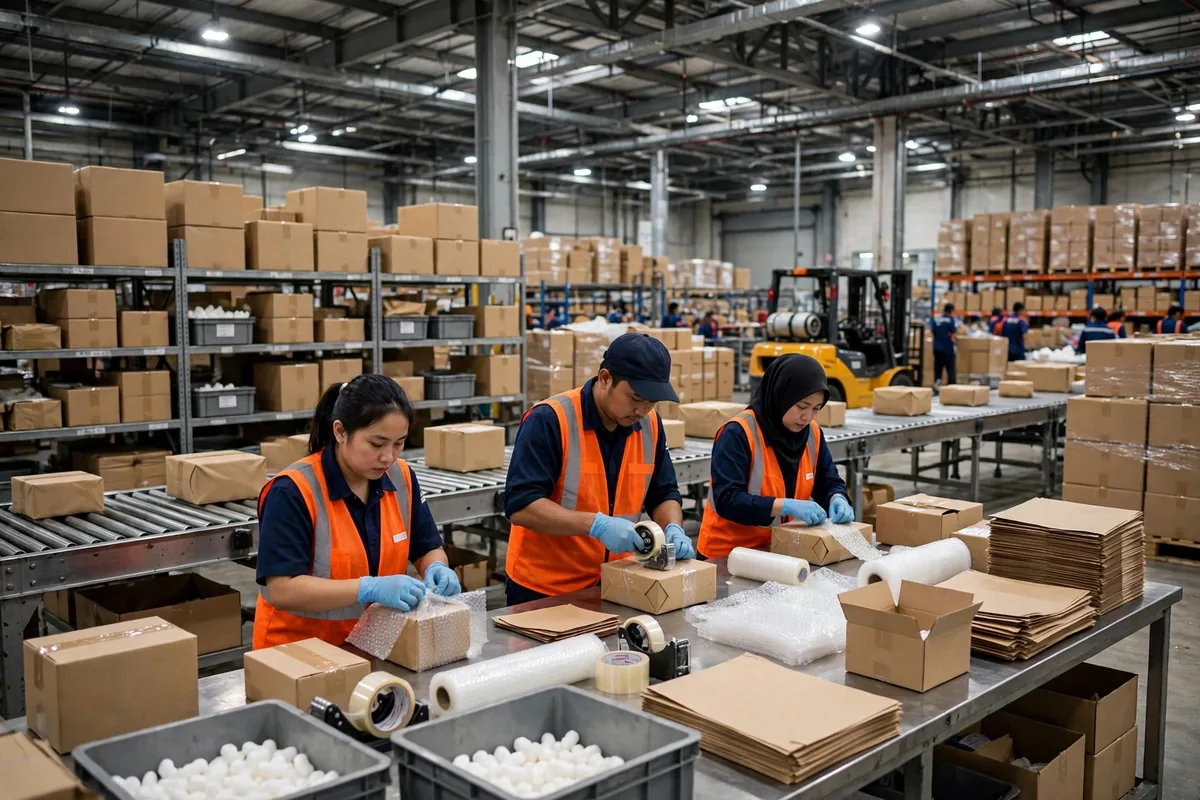
My go-live night checklist has four items, and I do not open a warehouse with one missing. First, confirm every COD order by phone or WhatsApp before shipping; if you cannot reach the buyer, do not ship. Second, give returns their own zone — inspect and sort every returned parcel within 24 hours, put resellable stock back on the shelf the same day, and keep unsellable items separate so returns never mix with fresh stock. Third, lock return reason codes in the WMS: refused, damaged, wrong item, changed mind, each tracked separately and reviewed weekly, fixing the biggest cause first. Fourth, write each marketplace's return window and freight rules into the SOP — Shopee, Tokopedia and Lazada do not share one rulebook, so one process cannot serve all three.
One last judgement: jakarta indonesia ecommerce warehouse fulfillment is not a cost centre, it is a delivery-time machine. Location decides how many days you can promise, stocking depth decides whether you can take a big promotion, and the returns process decides whether you can afford to lose. Get those three right first, and only then negotiate rent — that is when the numbers on the rent sheet start to mean anything. Where should the stock go? Where the orders are densest, and where you can actually manage it.
By Lin Xiao, WMS Implementation Consultant