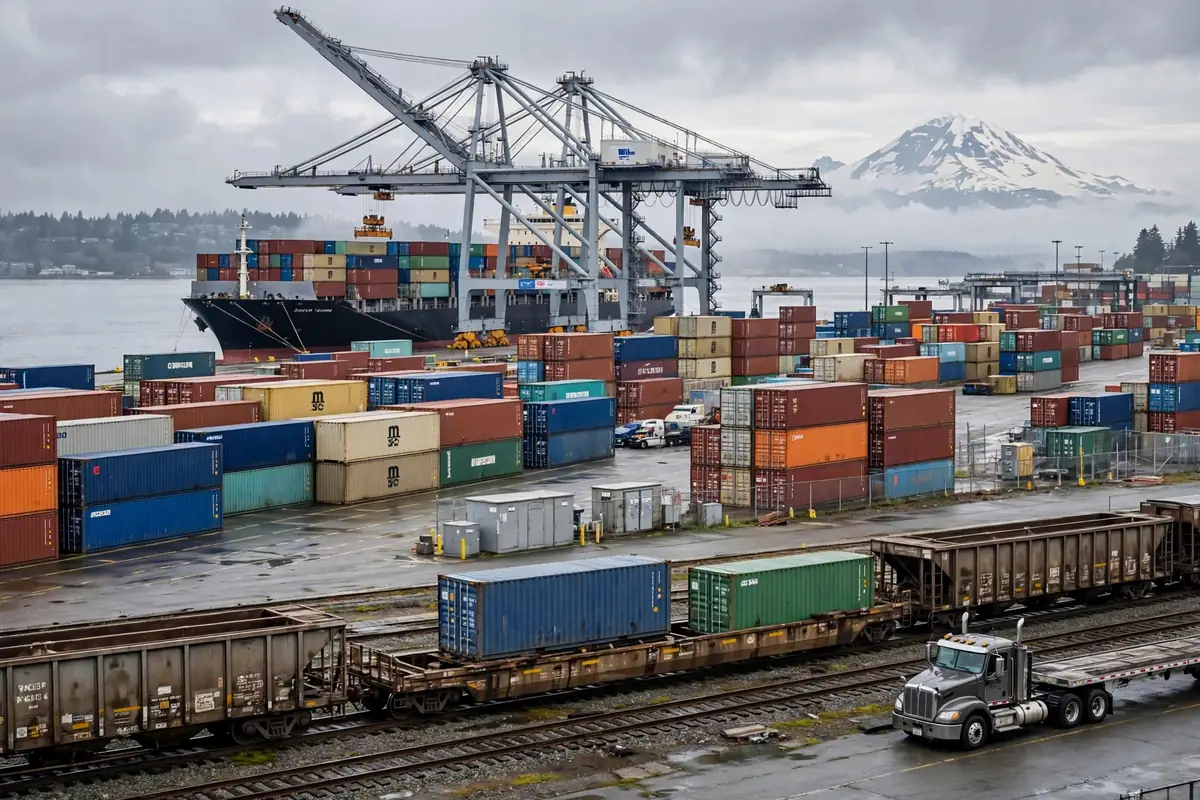
Ireland pharma exports have reached a scale at which the cold chain is no longer a footnote to the industry, but part of how the industry should be understood. According to a Goodbody report prepared for the Irish Pharmaceutical Healthcare Association, Ireland's pharmaceutical exports reached €139 billion in 2025, a record high, equal to 53% of all goods exports and 41% of modified gross national income, GNI*. A year earlier, in 2024, exports stood at €100 billion, making Ireland the European Union's second-largest pharmaceutical exporter, behind Germany at €115 billion. Behind every pallet leaving a plant near Dublin sits a temperature-controlled route that has to hold from factory gate to aircraft hold, and the reliability of that route is quietly becoming a competitive factor in its own right.
Why Ireland Pharma Exports Are This Large
The structure explains the scale. Ireland pharma exports are concentrated in high-value biologics and active ingredients. Trade data analysis shows the single largest export class is the active ingredient behind GLP-1 and insulin medicines, growing from €0.5 billion in 2018 to €16.7 billion in 2024. Employment is substantial: around 75,000 people work directly and indirectly in pharmaceutical manufacturing and related activities, with roughly 28,000 of them in manufacturing itself. Nine of the world's ten largest pharmaceutical companies operate production sites in Ireland, according to IDA Ireland's public figures.
Concentration is the other key to understanding the sector. In 2025, more than 60% of Ireland's pharmaceutical exports went to the United States, and exports to the US alone were worth roughly 25% of GNI*. That makes the cold chain question a geopolitical one as much as a logistics one: a change to one air route or one tariff schedule transmits itself along a highly concentrated export channel. The data support a measured judgement. Ireland's pharmaceutical competitiveness is built on manufacturing capability, but its vulnerability comes from exactly this concentration, and any decline in the reliability of one link is amplified by the sheer scale of the flows passing through it.
The Three Legs of the Ireland Pharma Cold Chain
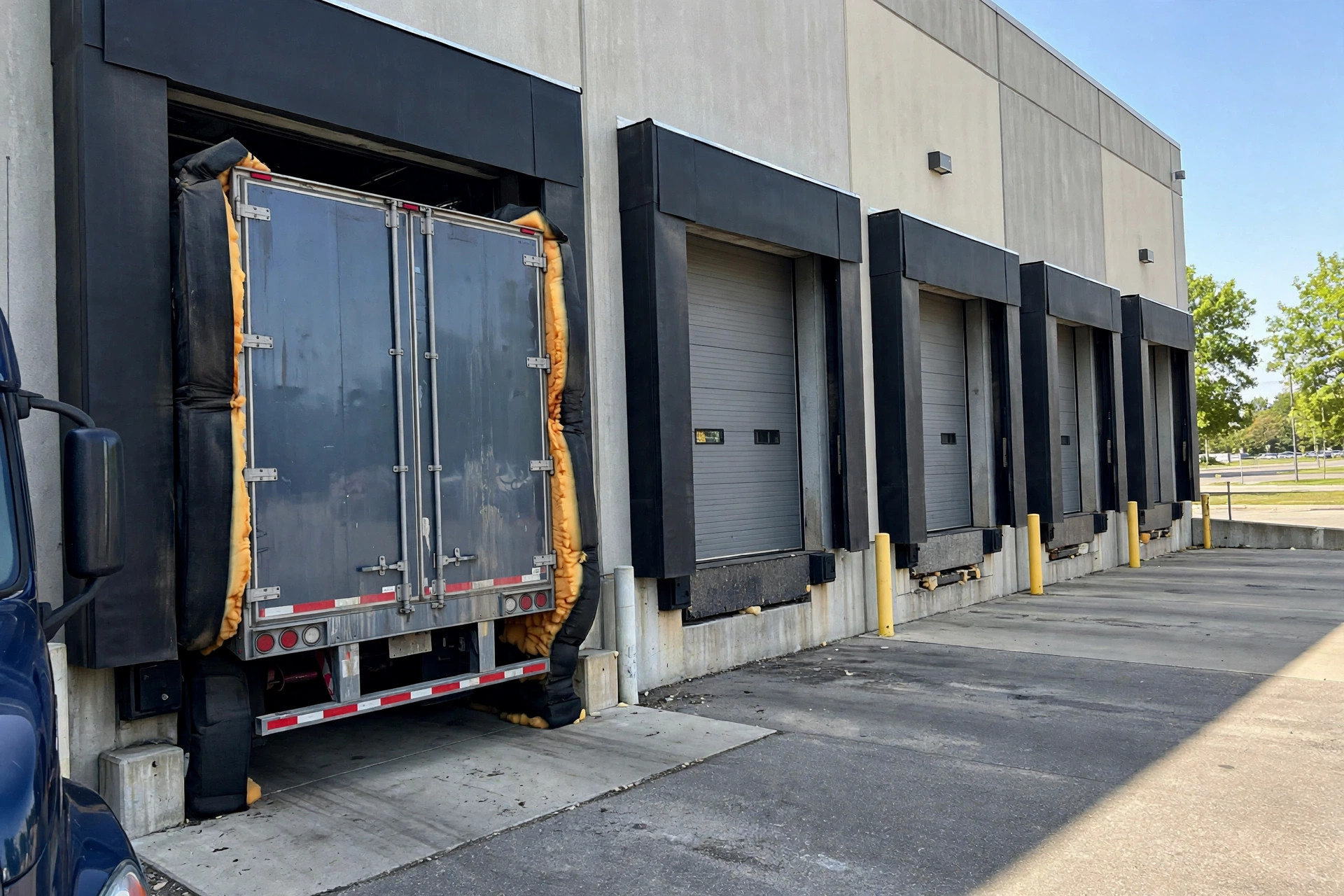
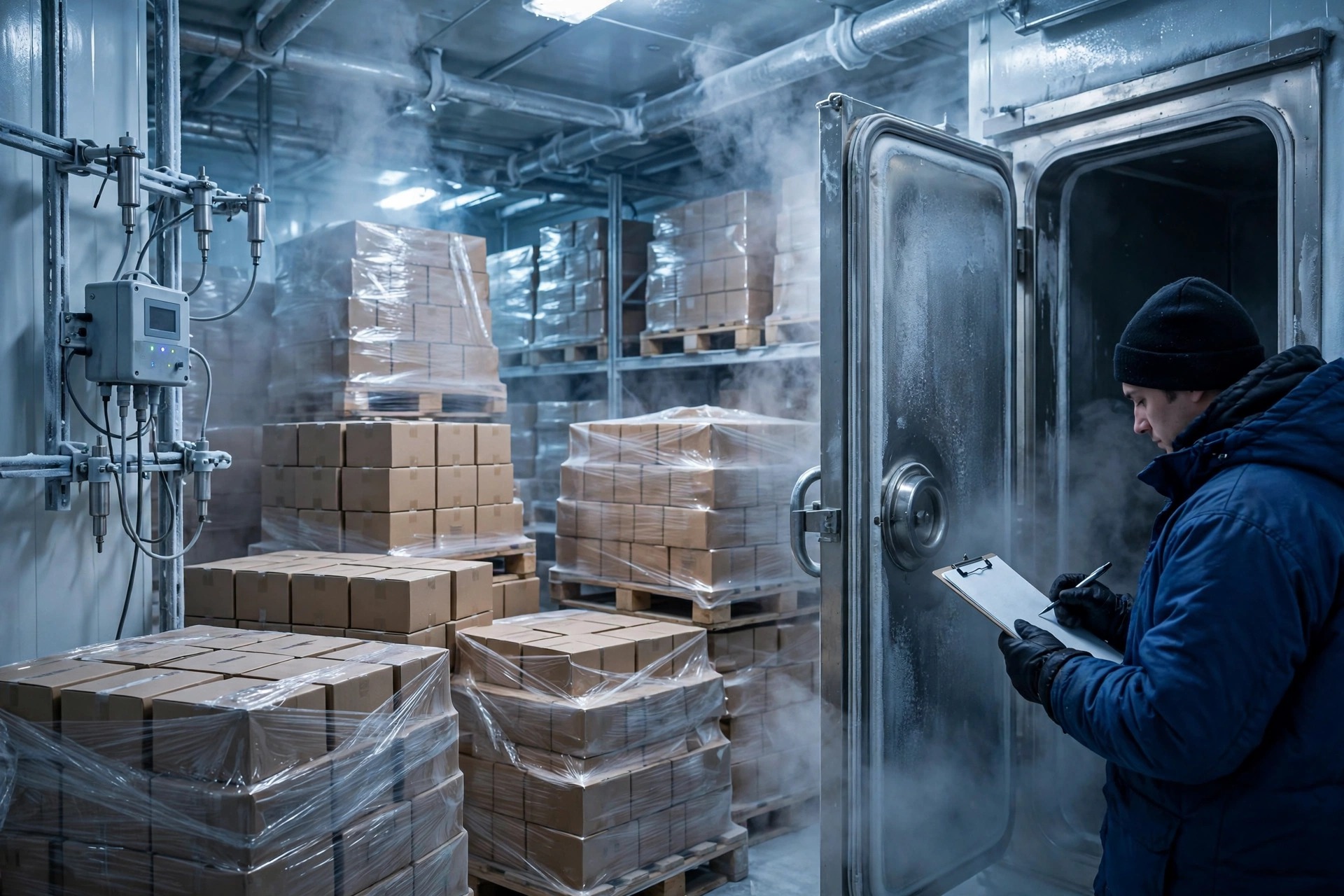
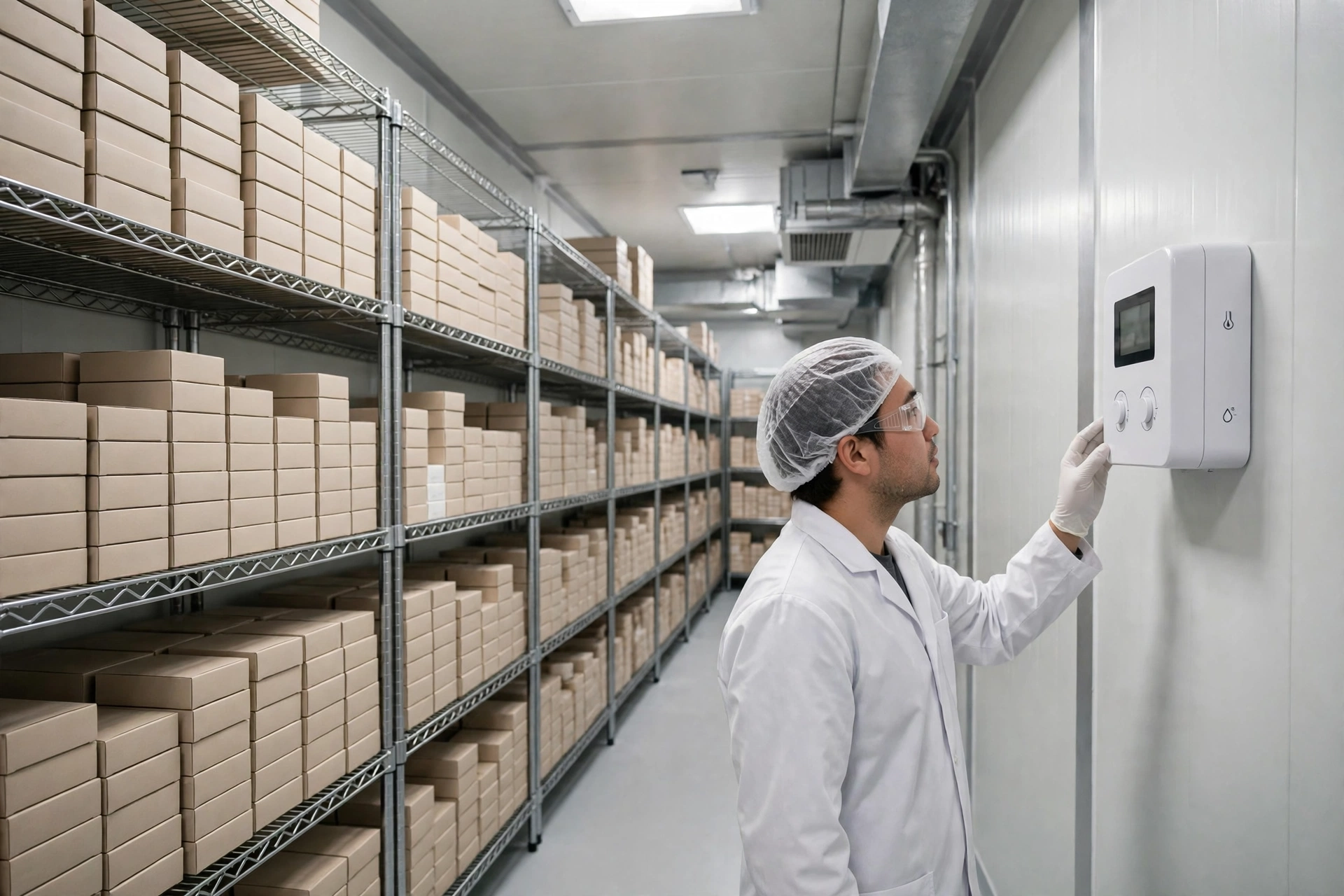
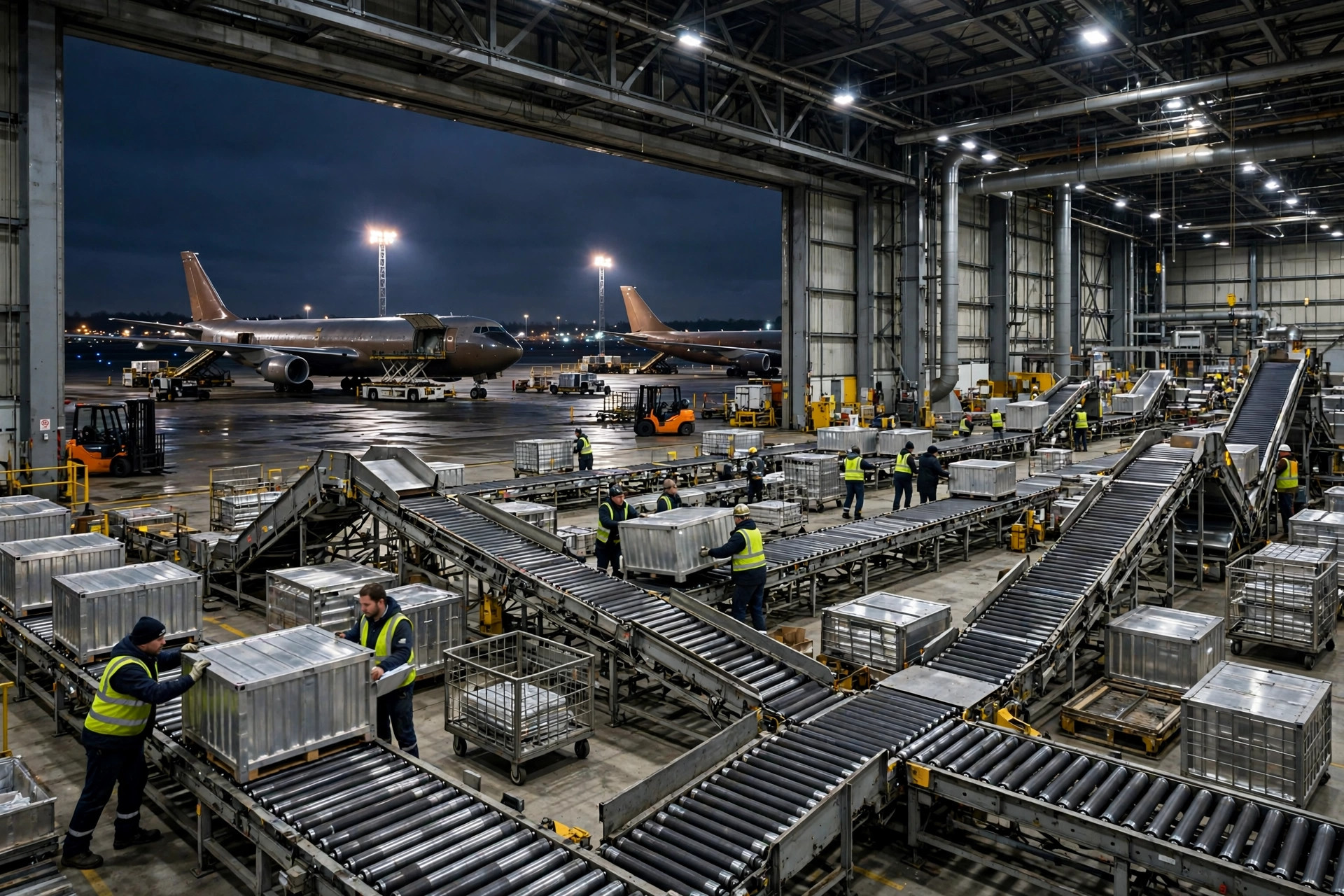
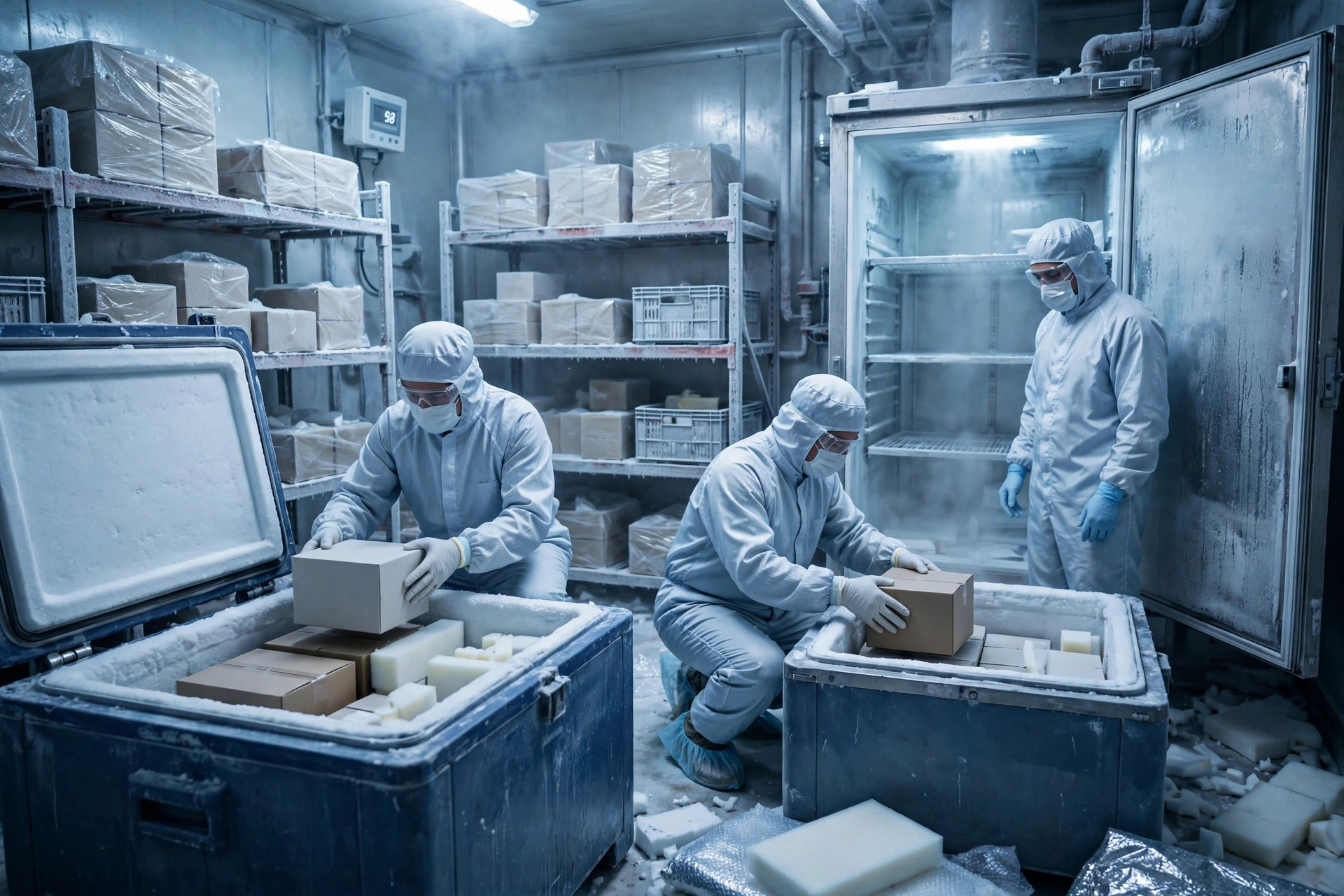
A complete Ireland pharma cold chain usually runs in three legs. The first is inside the plant's temperature-controlled warehouse, where finished goods are stored by regime: 2–8°C refrigerated, 15–25°C controlled ambient, or –20°C frozen, with batch numbers, expiry dates and temperature records checked before dispatch. The second leg is the road transfer to the airport. Life sciences warehouses around Dublin Airport are the usual staging point; one such facility near the airport, opened several years ago, offers 40,000 square feet of warehousing split across ambient, chill and blast-freezer regimes, and holds a licence from the Health Products Regulatory Authority, the HPRA. The third leg is the air movement itself. Dublin Airport sits in the major carriers' GDP-approved pharma station networks, with compliant temperature-controlled handling, and goods are loaded there into active refrigerated containers or passive thermal shippers before flying onward.
The most fragile point in these three legs is not the refrigeration equipment. It is the handover. Every change of hands is a breakage risk: the plant's refrigerated truck hands over to the airport warehouse, the warehouse hands over to the ground handler, the handler hands over to the destination warehouse. If temperature logger data is only read at the final destination, an excursion in the middle leg may not be discovered for days. A Dublin case study offers a reference point. SEKO Logistics opened a new Dublin facility for a thermal packaging company, and since the partnership began, the number of pre-conditioned shippers stationed in Ireland has risen by about 150%, with conditioning, refurbishment and staging all done locally, shortening the response time between warehouse and plant loading dock. The implication is that the local depth of cold chain capacity determines how fast a break can be repaired.
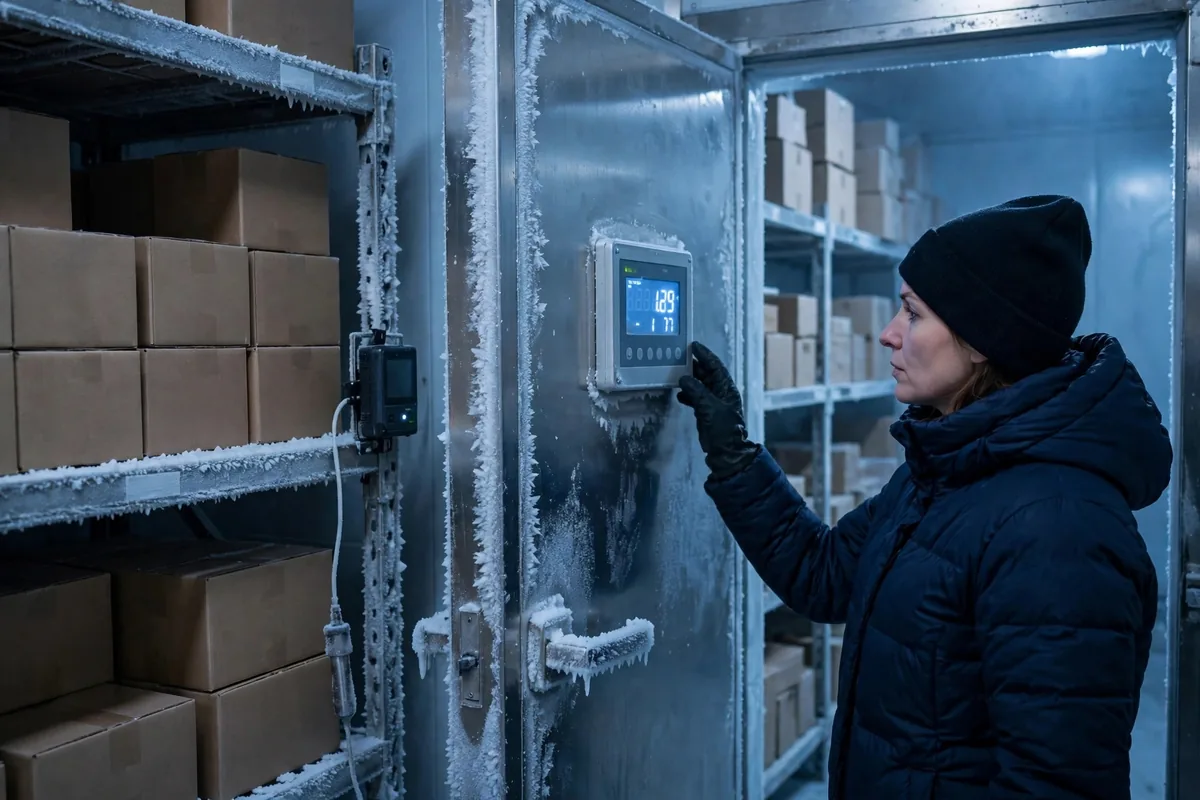
Consider a scenario, illustrative in its timings, realistic in its logic. A shipment of 2–8°C biologics leaves a Dublin plant in a refrigerated truck bound for the airport cold store. Midway, the truck's refrigeration unit fails, and the temperature inside the shipper rises above 8°C for 45 minutes. Under Good Distribution Practice, the shipment is quarantined on arrival while the quality team assesses stability against the temperature record, and nothing moves until that assessment closes. Forty-five minutes of excursion buys several days of waiting and a full file of documentation. The timings in this scenario are hypothetical, but the logic is real: the cost of a temperature excursion is rarely incurred during the excursion itself. It is incurred in the quality disposition that follows.
How to Cost a Single Shipment's Temperature Control
A cold chain cost calculation that counts only freight and storage understates the real figure badly. The true calculation has to include the cost of failure. The numbers below are a hypothetical worked example, included to show structure rather than to quote prices. Assume a shipment of biologics valued at €2 million. A temperature failure that condemns the whole shipment costs €2 million outright. Emergency replenishment by charter flight adds a hypothetical €80,000. Stability re-testing, documentation and customer communication add a hypothetical €20,000. The total is €2.1 million. Against that, the premium for moving the same shipment under a fully monitored active refrigeration solution, rather than a standard passive shipper, is typically a small fraction of the failure cost.
This comparison leads to a counterintuitive conclusion. In Ireland pharma exports, the return on cold chain investment is not linear. It is threshold-shaped. Spend below the threshold and the money is effectively wasted, because a single break consumes everything saved. Spend above the threshold and each additional euro buys only a smaller probability of failure, never zero failure. The decision is therefore not about choosing the most expensive option. It is about first pricing the cost of failure for your own shipment, then working backwards to what temperature control is worth paying for. The higher the value, the shorter the shelf life and the stricter the destination regulation, the higher the threshold sits, and that relationship holds without exception.
The active-versus-passive choice follows the same logic. Active refrigerated containers carry their own cooling and depend on power, which suits long routes and high-value cargo. Passive thermal shippers rely on pre-conditioned coolants and insulation, which suits shorter routes and standardised handling. Neither is better in the abstract; the fit depends on route length, cargo value and the ground handling available at the airport. Dublin's pharmaceutical exporters keep both capabilities for a reason: their routes include short hops to the US East Coast and long hauls to Asia, and one solution does not cover every lane.
Returning to the export figures, €139 billion and a 53% share of goods exports show an industry that has grown too large to discuss manufacturing without discussing distribution. Whether cold chain capacity becomes the next bottleneck depends on three variables: whether export concentration toward the United States keeps rising, whether the cost of thermal packaging and real-time monitoring keeps falling, and whether cold storage capacity around Dublin Airport can keep pace with plant expansion. None of the three is settled, and together they will decide whether the cold chain account for Ireland pharma exports is calculated in ever finer detail over the coming years, or whether it is only reopened after the next break in the chain.
By Dr. Chen, Supply Chain Researcher