Here's my verdict up front: if you're shipping fewer than 3,000 orders a month, stay with a 3PL and spend your energy on selling. That number isn't pulled from thin air — it's the line I've watched dozens of sellers cross in the wrong direction over twenty years in this business. Your own books still get the final vote, though. Below is the math so you can run it yourself.
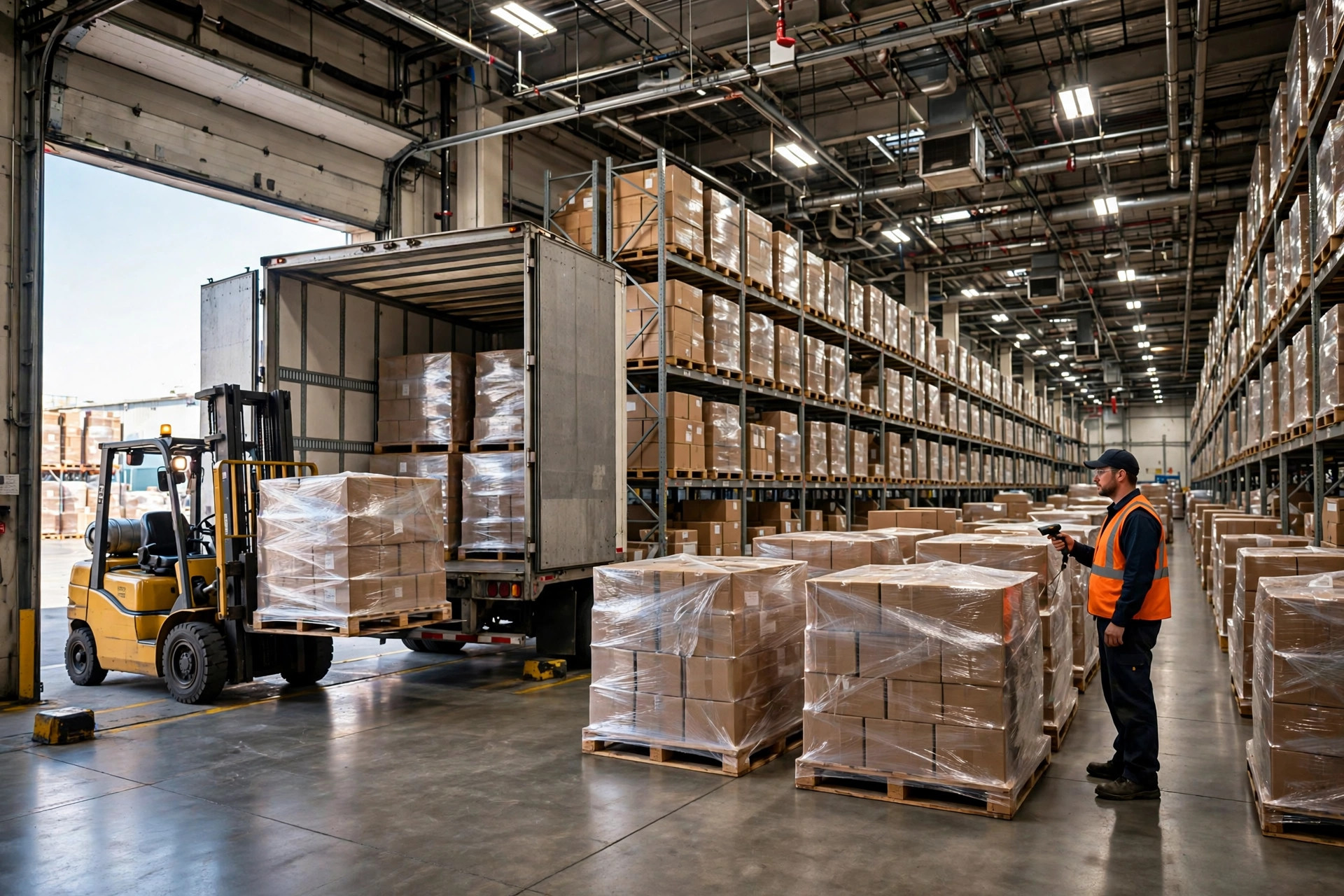
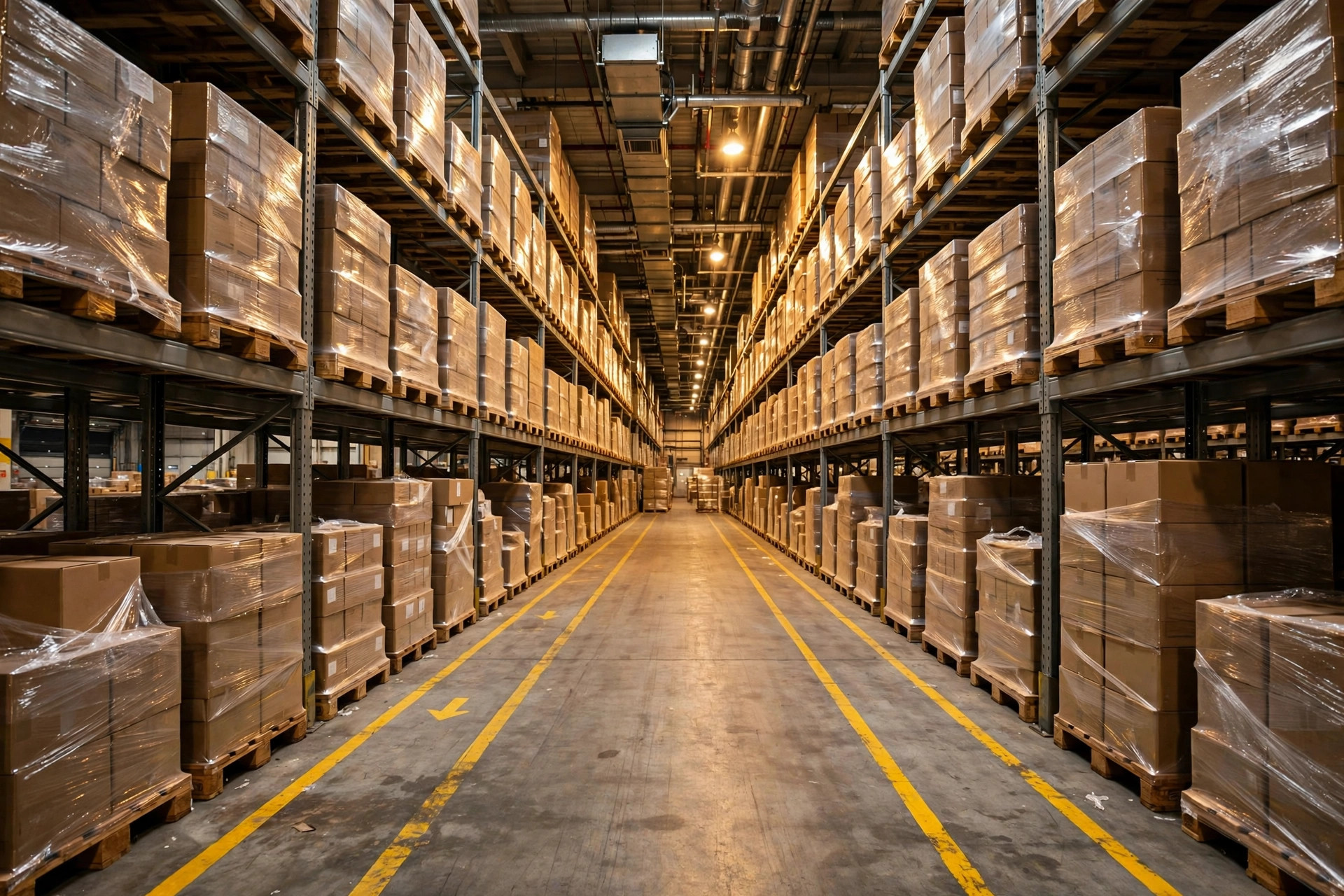
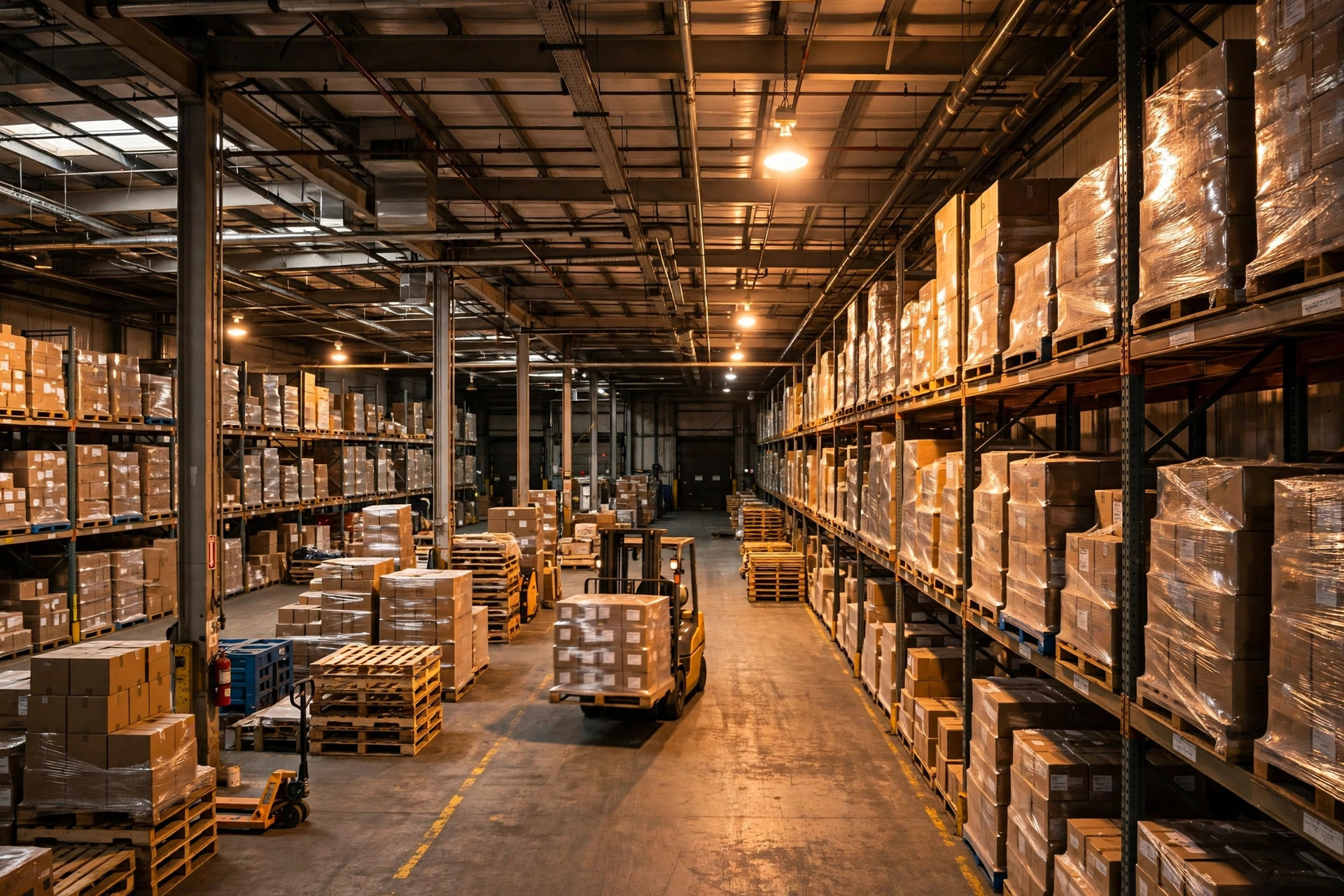
I've seen this calculation go sideways more times than I can count. A pet-supply seller in Dallas was doing about 2,500 orders a month in 2024 and decided the five-figure monthly 3PL bill was a rip-off. He signed a lease on 8,000 square feet in the suburbs. Six months later he told me: "Mi, every dollar I saved on the 3PL turned into payroll and electric bills — plus one full-time me." I wasn't surprised in the least.
Where the money actually goes
Running your own warehouse has two kinds of cost: fixed costs that don't care about your volume, and variable costs that move with it.
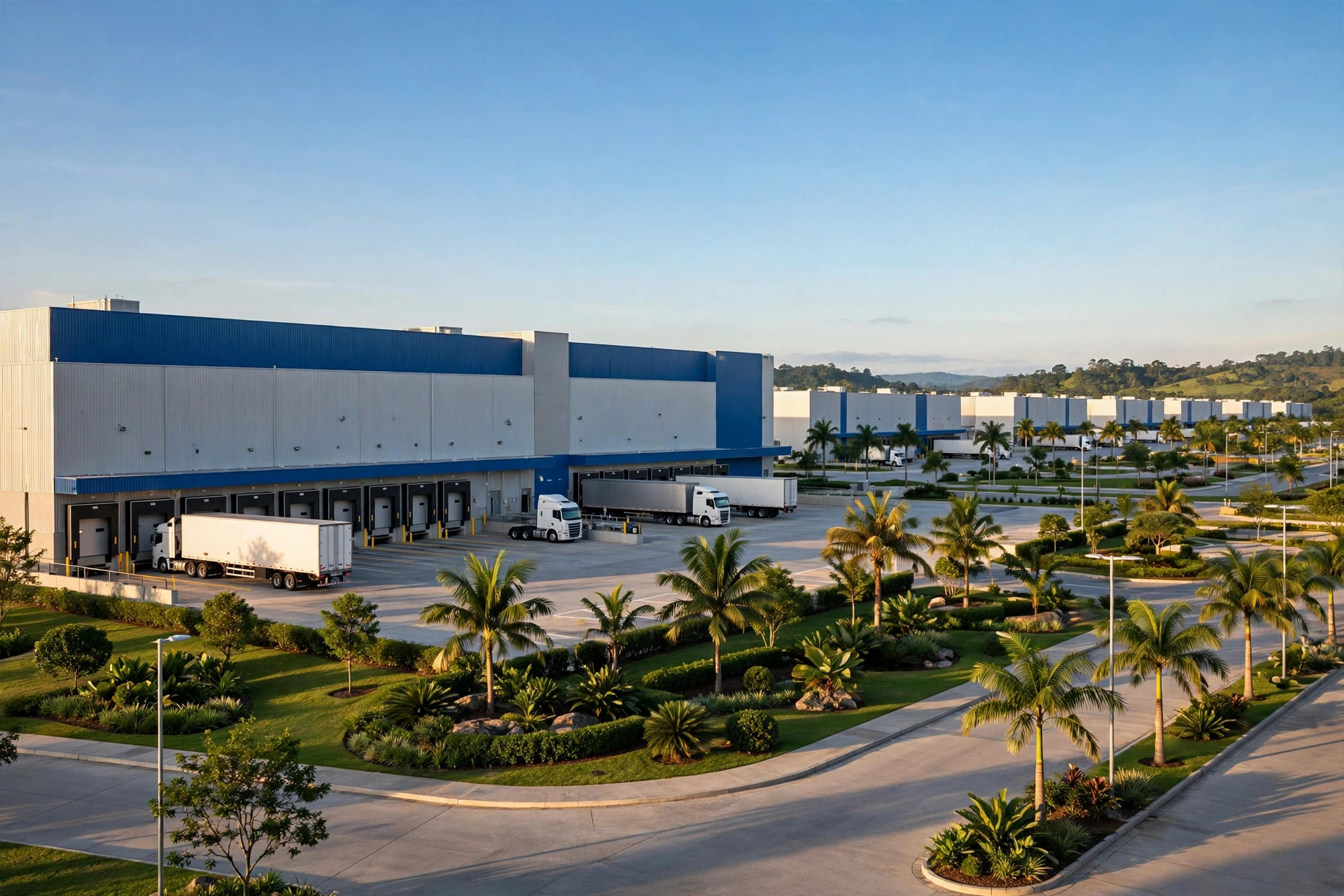
Fixed costs are the silent majority. Start with rent. In Q2 2025, the national average asking rent for US industrial space was $9.12 per square foot per year, according to Cushman & Wakefield. Mid-America markets run cheaper at $6–$8, while hot markets like California's Inland Empire hit $18–$22. A modest 10,000-square-foot space in the middle of the country costs you roughly $70,000 a year in rent — whether you ship 500 orders a month or 5,000. The landlord doesn't do volume discounts.
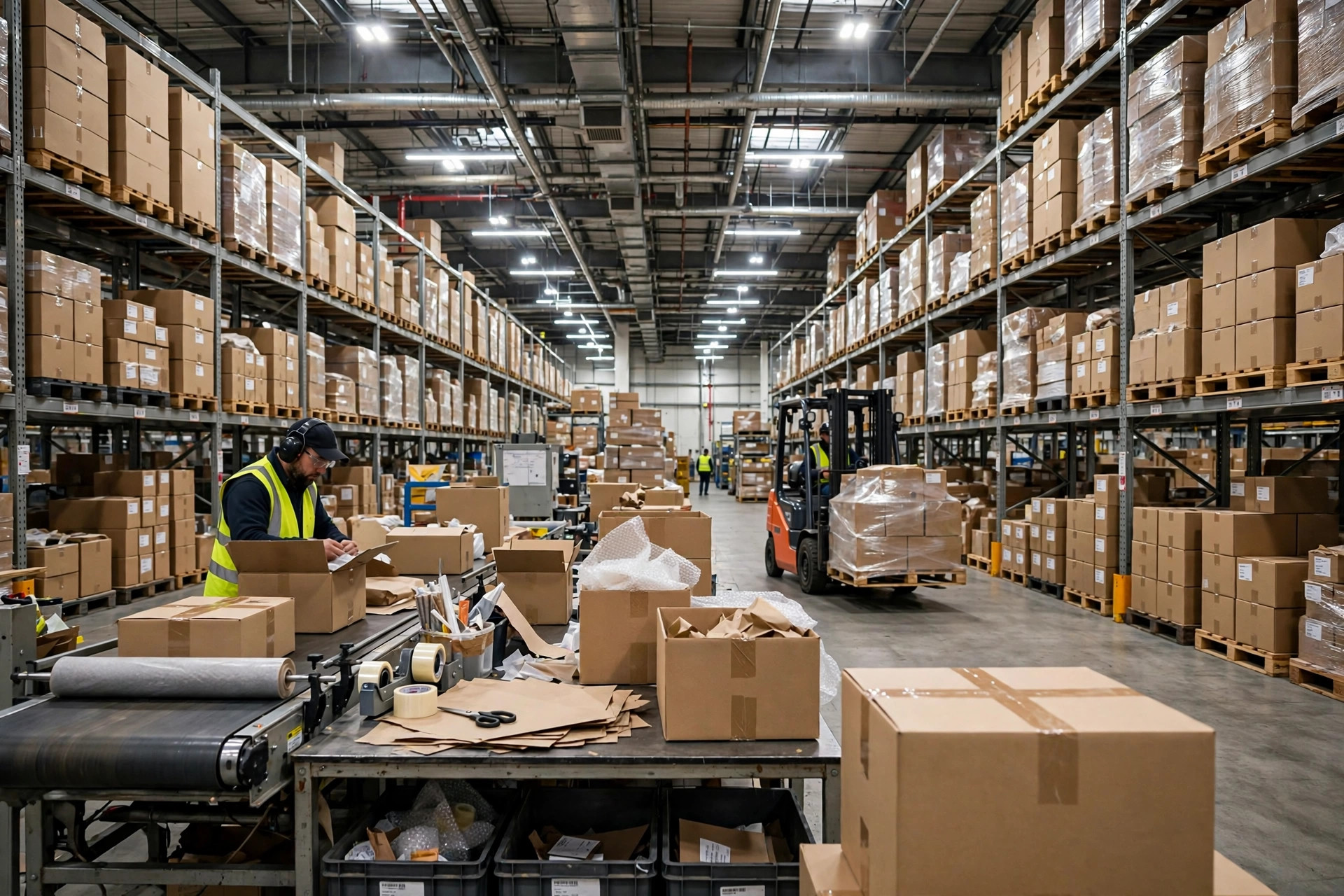
Then labor. Indeed data puts the average US warehouse worker wage around $18.20 an hour in 2025; once you load in payroll taxes and insurance, your true cost per hour is north of $25. Peak season means temp workers — higher rates, lower productivity. Then the forklifts, racking, and pack stations. The WMS subscription. Insurance, utilities, internet. And the line item everyone forgets: your own time. Twenty hours a week managing a warehouse is twenty hours not spent on sourcing or product development.
Spread those fixed costs across your orders and the math gets brutal at low volume. The same warehouse serving 1,000 orders a month versus 10,000 carries a per-order fixed cost ten times heavier. That's the cruelty of going in-house: it's a scale game, and small players start underwater.
Read the 3PL quote sideways, not top to bottom
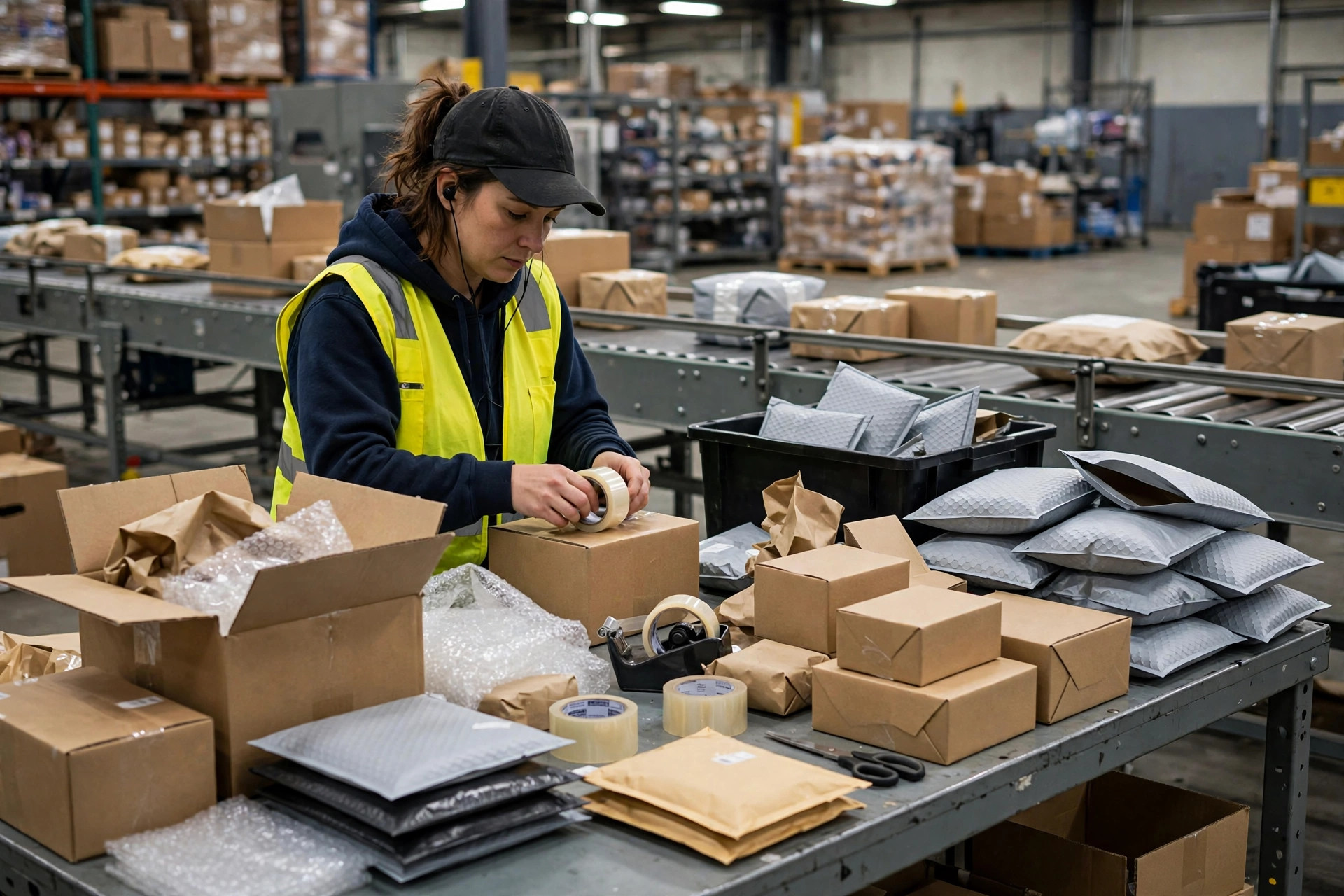
A 3PL rate card looks intimidating, but it breaks into a few buckets: receiving, storage, pick and pack, packaging, a monthly account fee, and shipping. Shipping is mostly pass-through, so the real cost difference isn't there.
Here are some industry benchmarks to calibrate against. The Fulfillment Advisor's 2025 survey of 600+ warehouses found B2C pick and pack averaging $3.20 per order, plus $0.48 per additional item; B2B orders averaged $4.80. Pallet storage averaged $20.17 per pallet per month, with most warehouses charging $18–$25. And here's a gotcha: monthly minimums averaged $517 in 2025, up sharply from the year before. At low volume, you're effectively paying the minimum regardless, which makes your real per-order cost ugly.
The only 3PL number that matters is your all-in cost per order: add up every fee for the month — pick and pack, storage, receiving, returns, account fees, amortized one-time charges — and divide by the orders actually shipped. That's the number you compare against in-house. Plenty of sellers stare at the $3.20 pick fee and think "that's more than my own labor would cost," forgetting that their own rent, insurance, and equipment depreciation never made it into the comparison. Also watch the fine print: nearly half of warehouses now charge long-term storage surcharges on slow-moving inventory, typically 1.5 to 3 times the standard rate after 30 to 90 days. Dead stock at a 3PL is a silent budget killer.
Do the breakeven math yourself — here's the framework
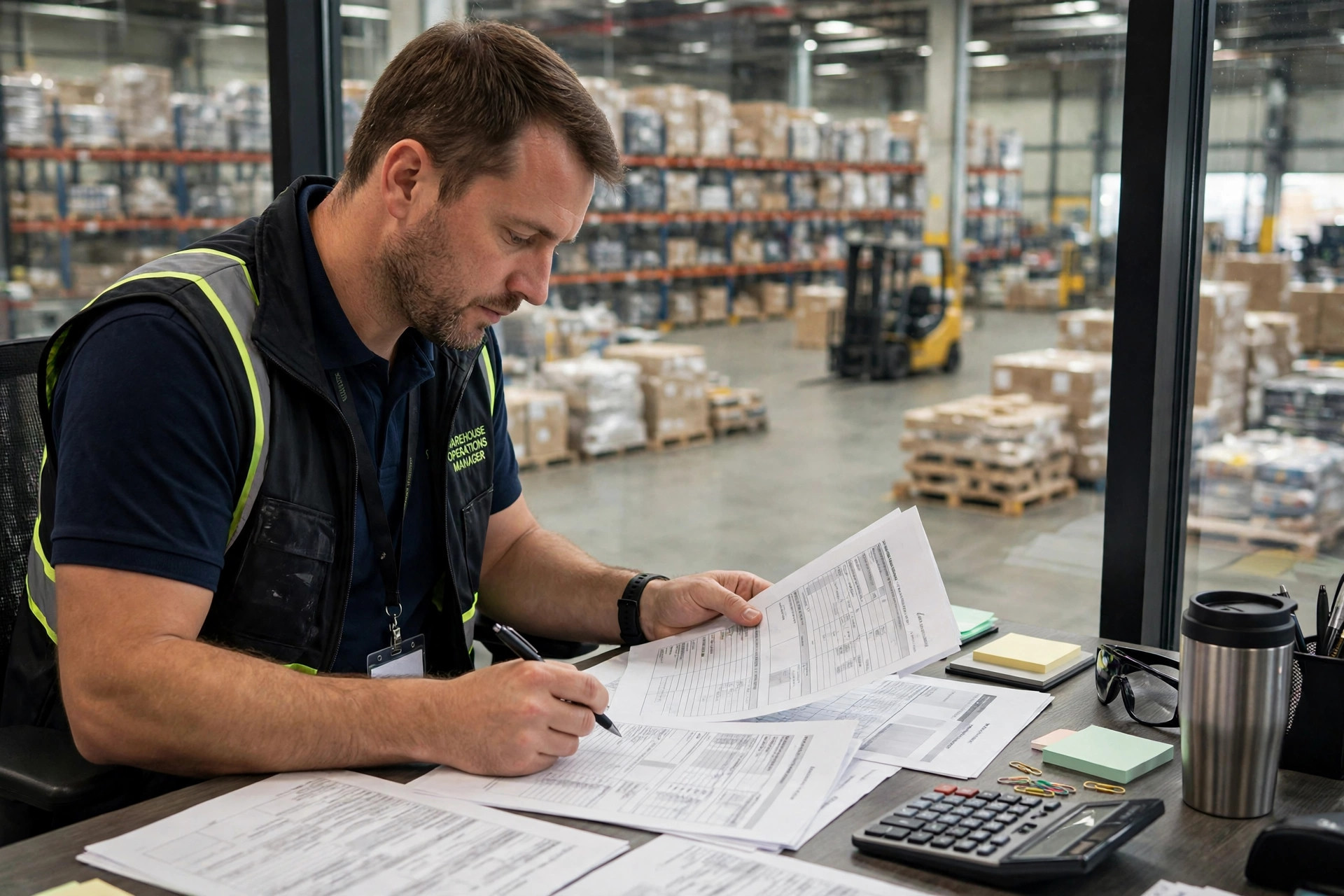
It's simpler than it looks. First, total up your monthly fixed costs for going in-house: rent, the headcount you'd carry even at zero volume, equipment depreciation, software subscriptions, insurance and utilities, and your management time — priced at what an hour of your operating work is actually worth, not zero. Second, figure out your variable cost per order in-house: packaging, incremental labor per order, consumables. Third, compare against the 3PL's all-in cost per order. The breakeven formula: monthly in-house fixed costs divided by (3PL all-in per order minus in-house variable per order).
An example to build intuition (illustrative numbers only — plug in your own): say in-house fixed costs are $12,000 a month, in-house variable cost is $1.50 per order, and the 3PL's all-in cost is $5.00 per order. Breakeven = 12,000 ÷ (5.00 − 1.50) ≈ 3,428 orders per month. Below that, the 3PL wins; above it, in-house starts paying off. That's why I call 3,000 a month the rough dividing line — most small and mid-size sellers land near it once they do the math honestly.
A few variables move that line a lot. SKU complexity is the biggest: a thousand SKUs with inspection and kitting, and 3PL surcharges pile up fast — in-house starts winning earlier. Seasonality cuts the other way: if your volume lives in three months of Q4, staffing a warehouse year-round is pure waste, and a 3PL's elasticity is something you can't build yourself. Watch your growth curve too: a brand growing 20% a month outgrows its warehouse in half a year, and most people never price in the cost of a move or the stockout risk during one.
One more thing sellers get wrong: they compare the 3PL quote against today's volume and sign a three-year lease based on it. If your volume doubles, a good 3PL renegotiates — your lease doesn't. And if your volume halves, the 3PL bill shrinks with it while your warehouse keeps charging you full price. That asymmetry is the whole argument for outsourcing below scale.
Here's the honest truth: this calculation was never just about money. A 3PL buys you elasticity — someone else absorbs the spike, and you're not feeding idle staff in the slow months. In-house buys you control — quality, speed, and the customer experience stay in your hands. For brands under 3,000 orders a month, the real risk isn't paying 5% more on logistics. It's the founder burning their hours managing a warehouse while the product and the market go unattended.
So here's my question for you: if you took the hours you spend on the warehouse each month and put them into one new channel or one better product — would that cover the 3PL premium, and then some?