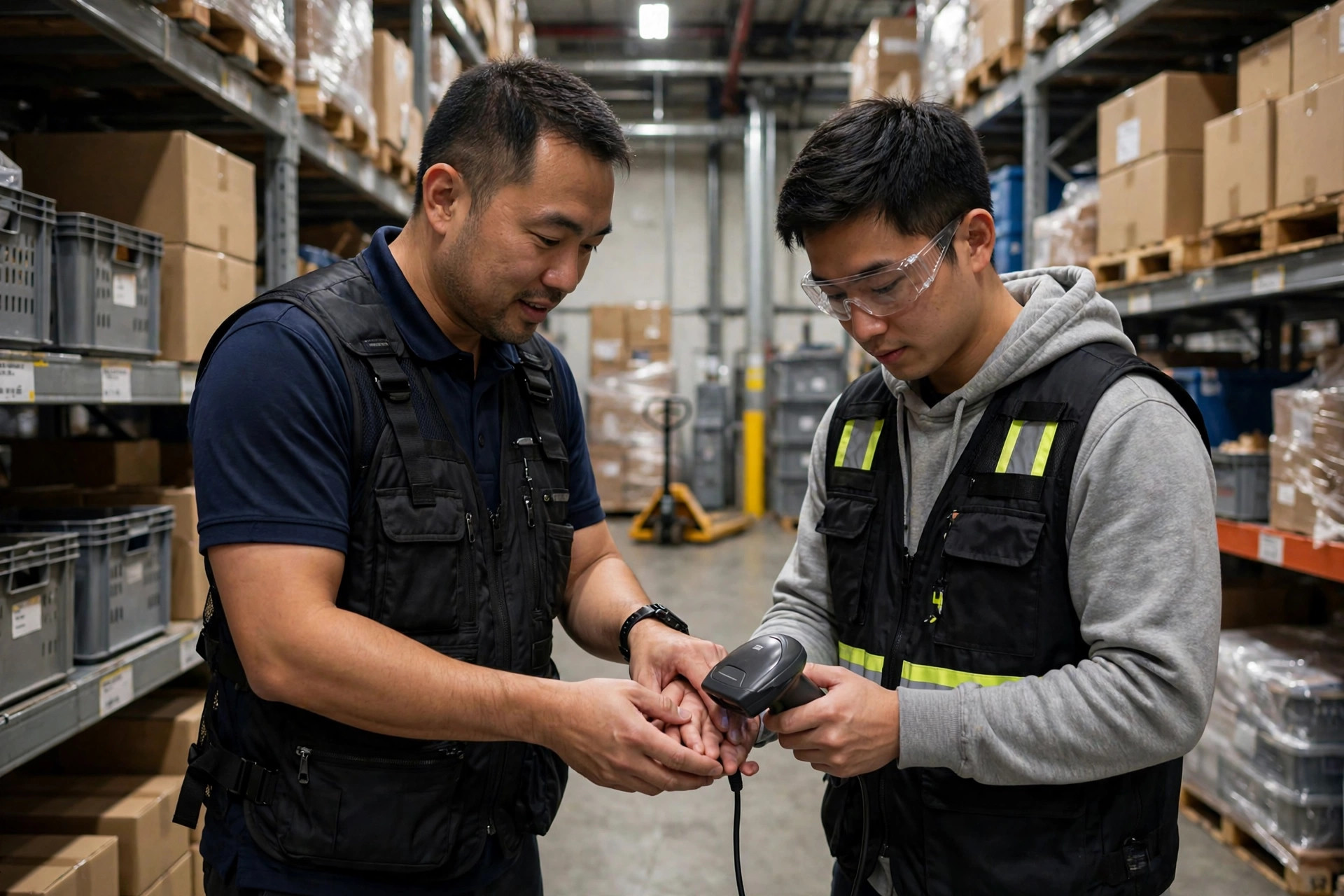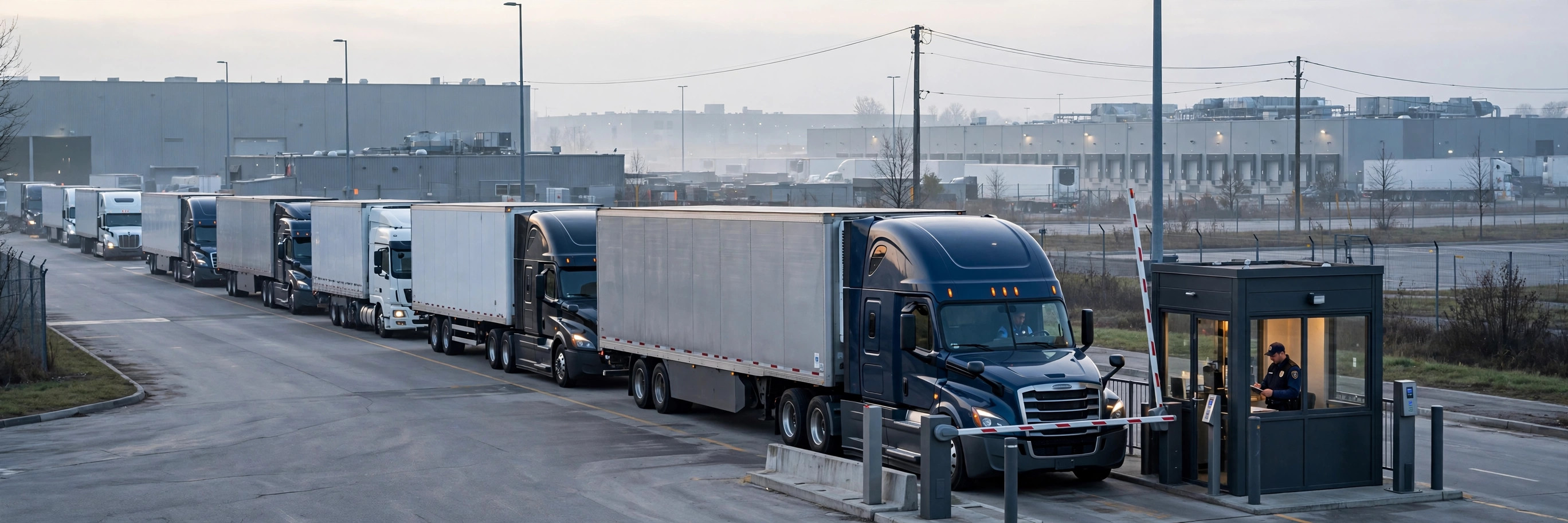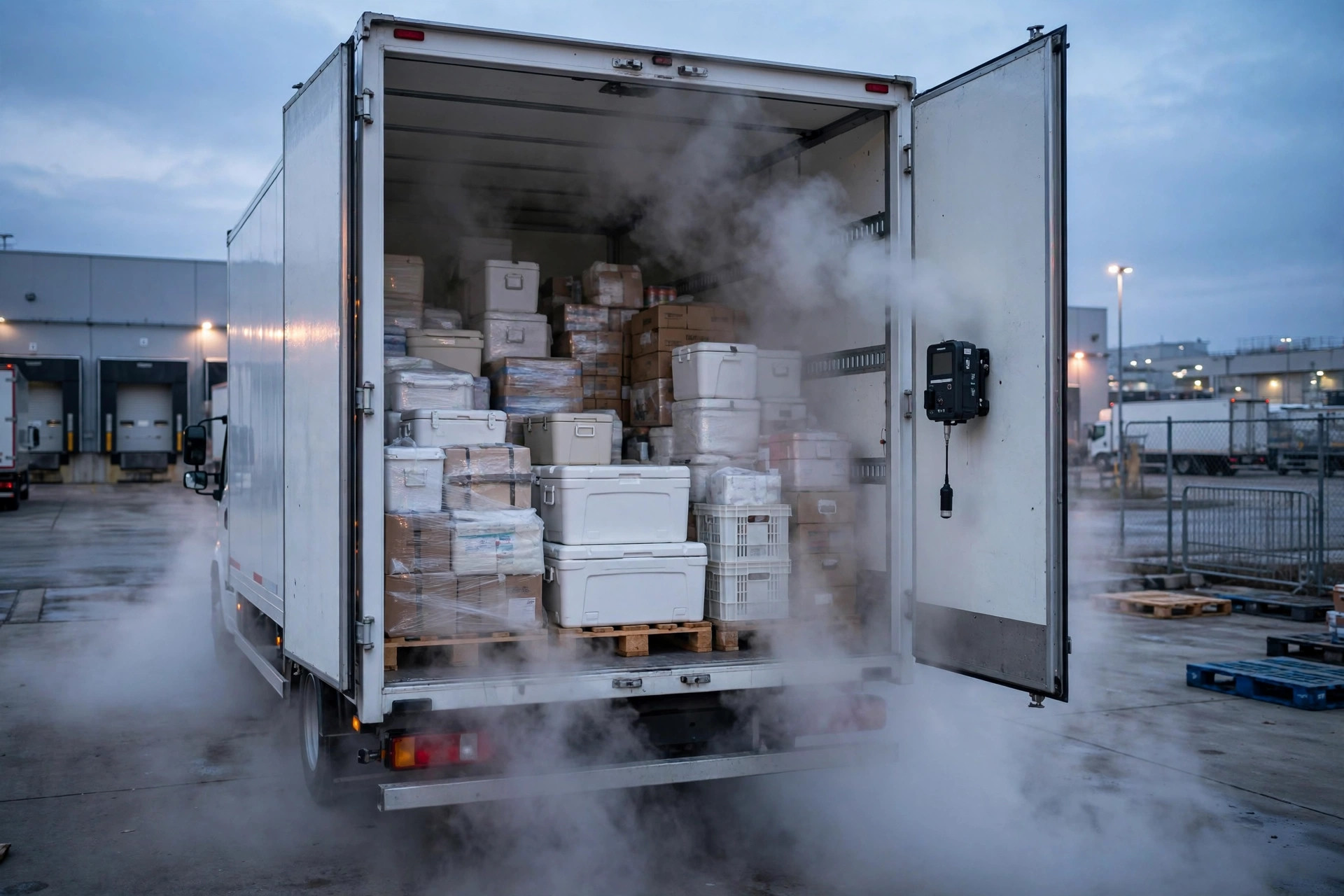
If there's one place where drivers, warehouses, and shippers end up yelling at each other, it's the receiving dock. I've been driving trucks for fifteen years, and I've watched this scene play out more times than I can count: the trailer door rolls up, the receiver counts the pallets, and his face drops — "We're short two pallets." The driver fires back, "The seal was intact! I never opened the doors!" They stand there on the dock staring each other down while the shipper calls, asking the only question that matters: who's paying for this?
A receiving discrepancy is the fastest way I know to turn a routine delivery into a three-way fight. And here's what fifteen years on the road taught me: in a claim, the truth doesn't win. Evidence wins.
A Receiving Discrepancy in Real Life: The Day We Came Up Two Pallets
Fall of 2023, it happened to me. I was hauling 12 pallets of small appliances from a Los Angeles pickup to a 3PL warehouse in Ontario. I know the Inland Empire lanes like the back of my hand — I could find that dock blindfolded. The seal was intact the whole way, the GPS trail was clean. I backed into the dock, handed over the paperwork, and the receiver started unloading with his forklift. When he finished, he counted, looked up, and said, "Driver, the paperwork says 12 pallets. I only count 10. We're short two."
My stomach dropped. The seal number matched, the doors hadn't been touched — how do you lose two pallets? My first thought: maybe the shipper short-loaded the trailer. But the receiver didn't care about that. All he knew was "your truck, ten pallets."
The shipper called half an hour later, hot under the collar. Two pallets, he said, worth a couple thousand dollars apiece. He wanted answers from me.
Let me tell you something — I've been burned this way before, and I learned my lesson. The first thing I did wasn't argue. I pulled out my phone. On the delivery receipt, in my own handwriting, I wrote: "Received 10 pallets, 2 pallets short, seal intact." Then I had the receiver sign next to it. I photographed everything: the loaded trailer before unloading, a close-up of the seal, the pallets sitting on the dock. Every photo had a timestamp and location baked in. The shipper did file a claim against the carrier, and the two pallets were paid out at invoice cost — a couple thousand dollars each. The money came out of the carrier's pocket, not mine. Why? Because I had proof of exactly what left my hands. That handwritten line on the delivery receipt was the whole reason I walked away clean.
That's the thing about receiving: nobody cares what you say happened. They care what's on paper, what's in the photos, and whether the timeline holds up. That's the entire game.
Concealed Damage Claims: That Email on Day Four
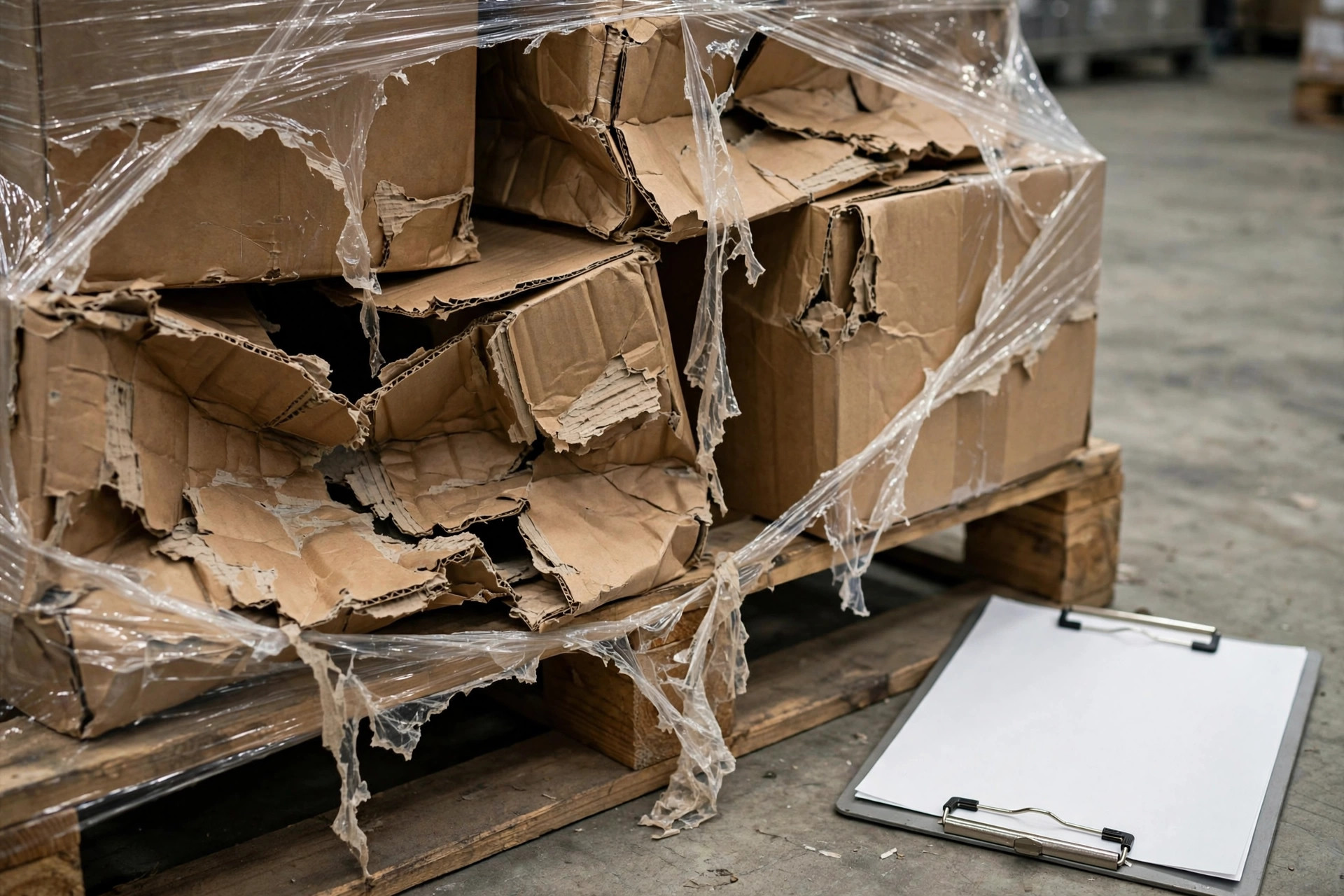
Spring of 2024, Houston. I was delivering a load of household goods to a warehouse on the east side of town. It had poured that morning. By the time I arrived the sky had cleared, but the two pallets near the trailer doors were soaked — the cardboard was water-stained, and one pallet had partially collapsed. The receiver frowned and said, "These can't go straight into stock." We counted the damage together: 3 cartons with obvious water stains, 1 collapsed pallet. I photographed it all on the spot — the full trailer, close-ups of the wet cartons, the angle of the collapsed pallet. On the delivery receipt I wrote: "3 cartons water-stained, 1 pallet collapsed, remainder intact." He signed. We each kept a copy.
The story didn't end there. Two days later, the shipper called: they'd opened more cartons and found moisture damage inside — boxes that looked fine on the outside were moldy within. That's concealed damage — invisible at unloading, obvious at unpacking. Most people give up at this point. "We already signed clear, what can we do?" But the shipper didn't give up. On the fourth day after discovery, he sent the carrier a written notice with my photos and a copy of the signed receipt attached. The claim went through. He told me it paid out a little over five thousand dollars.
See the pattern? Concealed damage isn't a lost cause — it's a race against a clock. Here's how the clock works for U.S. motor freight: anything you can see at unloading goes on the delivery receipt, right then and there. Damage you couldn't see — the hidden kind — generally has to be reported to the carrier in writing within 5 business days of discovery. Miss that window and the carrier can shut you down with one sentence: "It was signed clear." The formal claim window is longer — up to 9 months from delivery — and once you file, the carrier typically has to acknowledge it within 30 days and resolve it within 120. That's the federal framework. The fine print varies by carrier, so always check your carrier's contract and published policy before you act.
Your Evidence Timeline: A Driver's Claim Checklist
Here's the routine I've built over the years, laid out as a timeline. Drivers who follow it almost never get dragged into a discrepancy fight:
Before the doors open: Photograph the seal and match the seal number to the paperwork. Seal wrong or number doesn't match? Don't open the doors — make a phone call first. That photo is your proof that you never touched the freight.
During unloading: Doors open, take a wide shot of the loaded trailer. Watch the receiver count. If a pallet is missing, say so on the spot — not after you've signed.
The moment of signing: This is the most important sixty seconds of the trip. The delivery receipt (POD) must show three things: the actual count received, the nature of any discrepancy, and the condition of the packaging. Write it plain: "Received 10 pallets, 2 short." "3 cartons water-stained, 1 pallet collapsed." "2 crushed outer cartons." Get the receiver to sign next to your notes, and keep your own copy — a phone photo works. Remember: signing "received in good condition" when it wasn't is the same as throwing away your shield.
Within 48 hours: Send the photos, the signed receipt, and the bill of lading to your dispatcher or company. Don't let them sit on your phone. Phones get lost, phones get replaced — evidence shouldn't live in one place.
After discovering hidden damage: Written notice to the carrier within 5 business days — email is fine, save the sent record. Formal claim within 9 months of delivery, per your carrier's contract and published policy.
Claim Deadlines, and Three Pieces of Advice
First, to shippers: don't fight the driver — fight for the evidence. The driver is one link in the chain. When freight comes up short, the first job is assembling the delivery receipt, the photos, and the camera timeline — not yelling at the driver on the phone. Win the argument, lose the money. That's a bad trade.
Second, to warehouses: the receiver's pen matters more than the forklift. Count in front of the driver. Write down discrepancies on the spot — no backdating, no after-the-fact edits. And keep your dock camera footage at least 30 days. Half the concealed-damage claims I've seen came down to one question: "What did unloading actually look like that day?"
Third, to everyone — and this is the part most people get backwards: a lot of folks think writing notes on the delivery receipt is pointless. "The warehouse won't honor it, why bother?" Wrong. That handwritten line from the driver is the cheapest and most important insurance policy in the entire claim chain. In a dispute, the adjuster doesn't care who shouted loudest. They read the paper. An intact seal doesn't automatically clear you — but a clear, signed note on the receipt keeps the liability off your back.
Fifteen years on the road taught me this: out here, it's not the fastest truck that wins. It's the most complete paperwork. There's an old saying where I come from — words vanish, ink stays. Next time you're short two pallets, don't panic. Phone out, pen down. Those two things will do more for you than a hundred arguments ever will.
By Shifu Zhao, Trucking Veteran (15 yrs)