
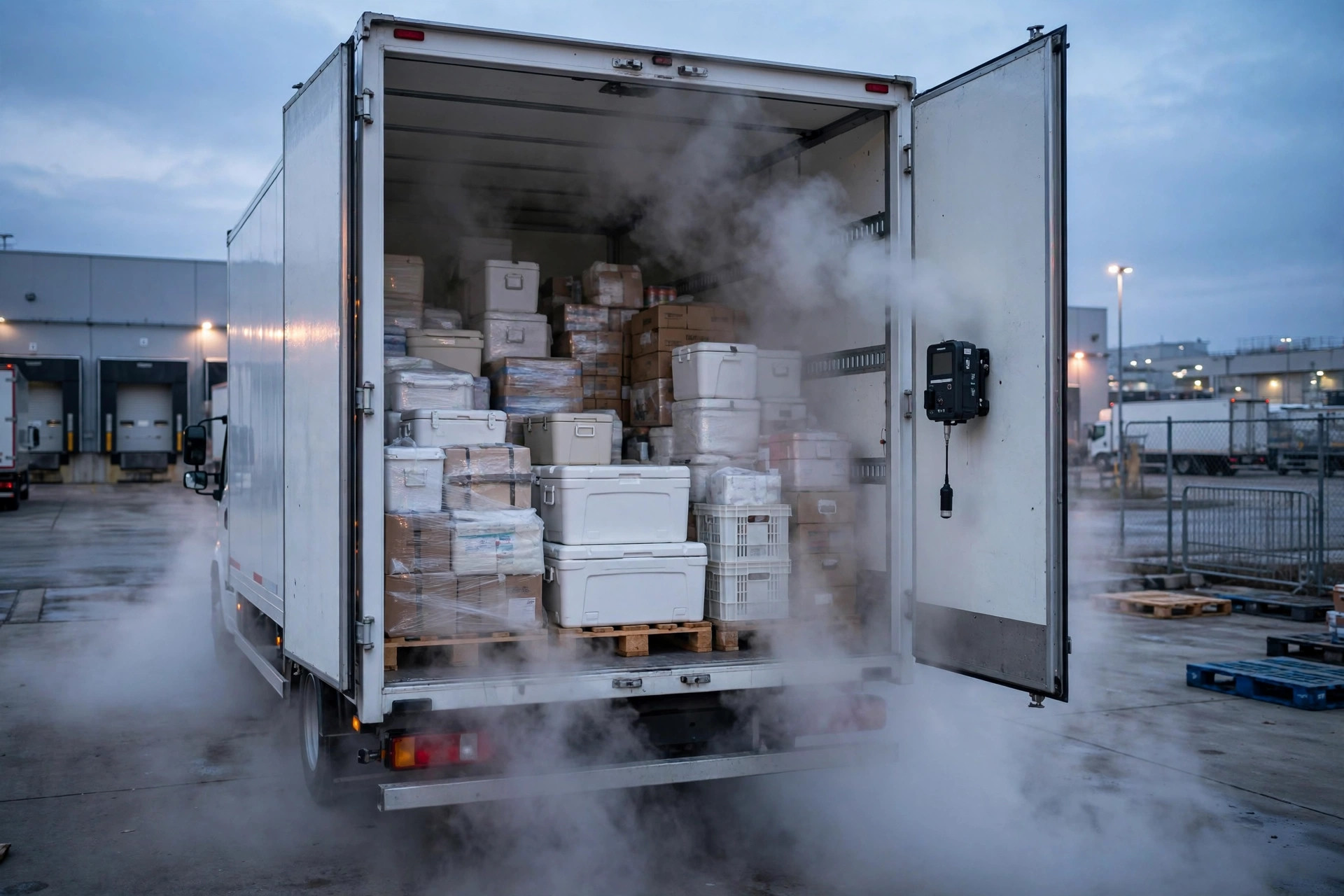
The worst moment in cold-chain e-commerce isn't a slow sales week. It's when your shipment arrives, the temperature is out of spec, and a whole container of product is suddenly unsellable. This is my field guide to the temperature excursion claim: how liability actually gets divided, what evidence you need, how to beat the clock, and how I recovered the full value of a shipment that went warm on the road.
Let me start with a rant. Every cold-chain seller knows the difference between 36°F and 54°F in transit can be the difference between "sell it all" and "throw it all away." And the most infuriating part? When an excursion happens, the carrier's first response is always "not our fault," and the 3PL chimes in with "it looked fine when we unloaded it." Meanwhile your product is thawing and your money is melting with it.
I've paid for this lesson. Now every cold shipment I send is prepared as if I'll have to file a claim on it. Here's the process, bought with real money.
First, Figure Out Whose Fault the Excursion Is
Step one of a temperature excursion claim isn't writing an email. It's pinpointing where in the chain the temperature went off spec. Liability usually sits with one of three parties: the carrier (in transit), the 3PL or warehouse (during unloading and staging), or you (packaging and pre-cooling weren't up to the job).
The only question that matters: at which handoff did the excursion happen?
A friend of mine sells DTC fresh meat. Early last year, a shipment went through his 3PL, and product arrived at customers spoiled. The logger data showed transit temperatures were perfect the whole way — the excursion happened in the two hours between unloading and getting into the cooler. The pallet sat on the dock. The carrier said "it was fine when we handed it over," the 3PL said "we didn't temp-check at unload, not our problem." Finger-pointing both ways, and he ended up filing on his own cargo insurance. It paid the invoice value minus the deductible, and his premium went up the next year.
One takeaway from that mess: without temperature records at each handoff, liability can't be assigned, and unassigned liability lands on you. So my rule now is simple — every handoff gets a temperature record. At loading, at warehouse receiving. Actual numbers on the paperwork.
The Evidence Checklist That Wins Temperature Excursion Claims
This is the checklist I built after paying tuition. Prepare these and the carrier has nowhere to hide:
- Note the set temperature AND the actual temperature on the BOL at loading. Don't just write "refrigerated" — write real numbers, like set -18°C, actual -19°C at load.
- Complete logger data. I put two loggers in every load now, one at the nose, one at the tail. With only one, the carrier will argue you placed it wrong.
- Note the exception on the POD at delivery, before you sign. "Temperature excursion, actual X°C on arrival" — then sign. A clean signature doubles the difficulty of everything that follows.
- Photos and video: thermometer readings, product condition, thawing and leaking — take more than you think you need.
- The commercial invoice: proof of what the shipment was worth.
- A third-party inspection report or destruction certificate: proof the product is actually ruined and unsellable.
- Salvage records: sell what you can at a discount, and document that you tried to mitigate the loss.
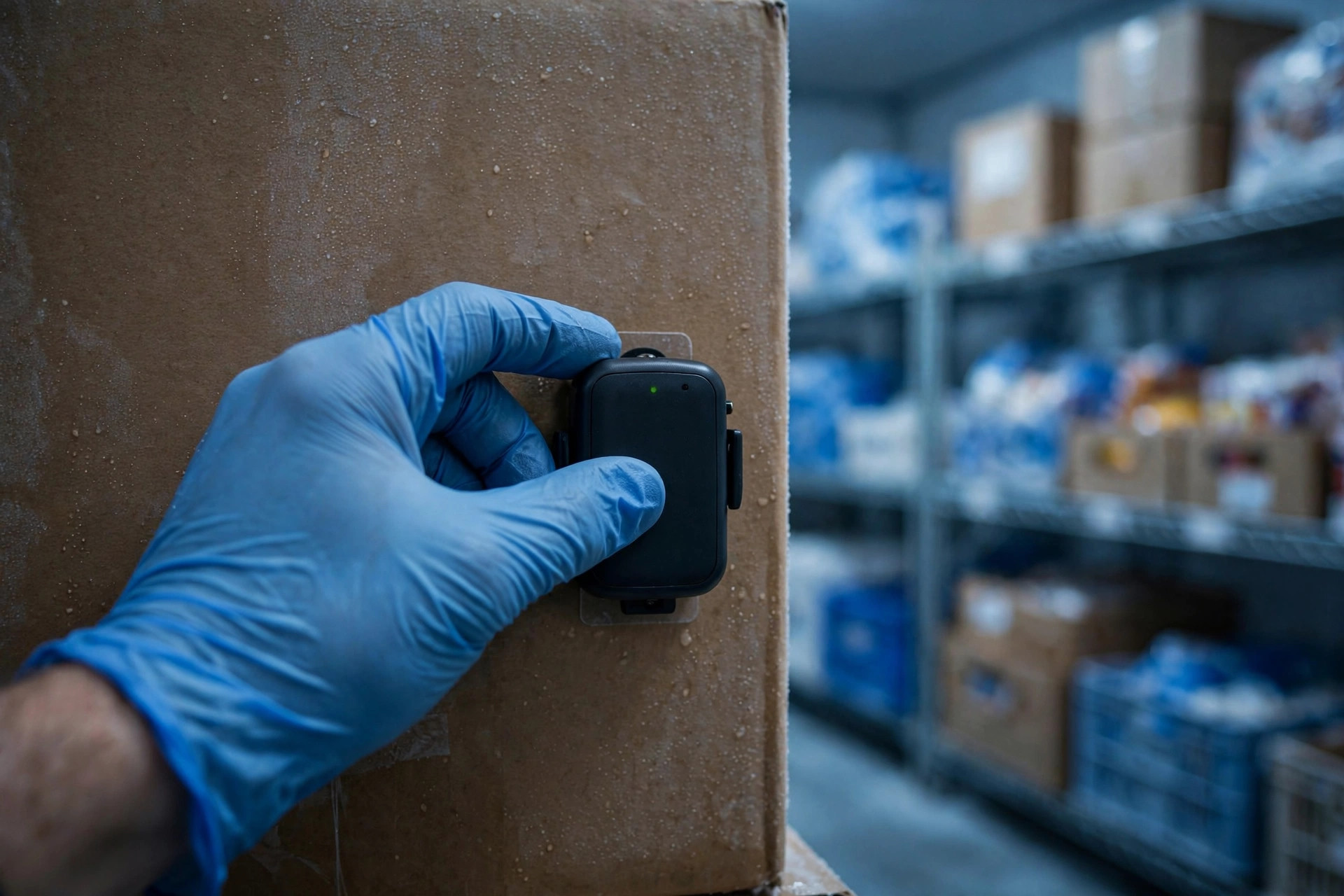
Here's the counterintuitive part: in an excursion claim, the hardest thing is never proving the temperature went out of spec. It's proving "out of spec equals the product is ruined." The carrier's favorite line is "sure it got warm, but is the product actually bad?" Without item 6 on that list, the prettiest temperature curve in the world gets you nowhere.
My own case: a load of frozen seafood moving from the East Coast to Los Angeles. The reefer unit failed mid-route and the temperature climbed from -18°C to -2°C. Invoice value was a little over $30,000. I had two loggers with complete data, the warehouse crew temp-checked and photographed everything on arrival, and the POD said "temperature excursion, partial refusal." With that evidence chain, the carrier accepted full liability for the invoice value within two weeks. Looking back, it came down to three things at the handoff points: the loggers, the photos, the POD note. Missing any one of them and I'd probably still be arguing.
Claim It or Eat the Loss: The Math
A lot of sellers' first instinct after an excursion is to eat the loss — "filing is too much hassle," "they'll never pay." I ran the numbers, and that logic doesn't hold:
| Eat the loss | File the claim | |
|---|---|---|
| Product loss | 100% yours | With solid evidence, you usually recover most of it |
| Extra cost | Zero, but possible marketplace refunds and bad reviews | A logger costs tens of dollars; a few hours of follow-up |
| Time | Over immediately | A couple of weeks when it goes well, months when they stall |
| Hidden effect | The carrier learns you're easy to push around | You build a "don't mess with this shipper" record |
A logger costs tens to a little over a hundred dollars. A cold shipment is worth thousands to tens of thousands. That ROI is a no-brainer. Even if you only recover half, that's half more than zero. The only time eating it makes sense: when the shipment value is so small that the labor of filing costs more than the claim itself.
Carmack and Deadlines: Don't Let the Carrier Stall You Out
For US interstate freight, damage claims generally run under the Carmack Amendment framework. Three things to remember:
First, notify the carrier in writing as soon as something goes wrong, to lock in your timeline. Most carriers' claim rules have filing deadlines — the exact numbers are in your transportation contract and the fine print on the back of the BOL, so check yours instead of guessing.
Second, under the Carmack framework there's generally a window to file a written claim and a separate window to sue if it's denied — the figures I usually see cited are 9 months and 2 years, but treat your own contract and the carrier's claims terms as the source of truth. When in doubt, ask your forwarder or your lawyer instead of winging it.
Third, cargo insurance is your second line of defense, not your first. Go after the responsible party (carrier or 3PL) first; use your own policy when liability is genuinely unclear or the other side won't engage. After the insurer pays, they'll subrogate against the carrier — that's their fight, not yours. Two caveats: there's a deductible, and claims push next year's premium up, so don't touch the policy for small losses.
The carrier's favorite stalling tactic is "it's under internal investigation" — drag it out for months until you forget and the evidence goes cold. The counter is one sentence: get the written notice out first, lock the deadline, then negotiate at your own pace.
Pitfalls to Dodge
Temp-check before you sign the POD, and write the exception on it before the pen touches paper — that's the line you never cross. Two loggers per load; don't trust the carrier's unit, because data in their hands is data you don't have. Put set and actual temperatures on the BOL at loading — a vague "refrigerated" is worthless in a claim. Notify the carrier in writing within 24 hours; a phone call doesn't count, an email does. And if product arrives warm but looks okay, don't gamble and put it away — issues with fresh product show up late. Quarantine it, sample it, document it. Once it's in inventory, filing a claim gets ten times harder.
Tested this myself: winning an excursion claim isn't about luck, it's about the evidence chain. Loggers plus handoff records plus the POD note — with those three, the carrier can't wriggle out. Start doing it on your next shipment, not after the next disaster.
By Ah K, E-commerce Seller (5 yrs)



