Let me tell you about the morning AI dispatching lost to a man with twenty years of road under his belt. I was there. I saw it with my own eyes.
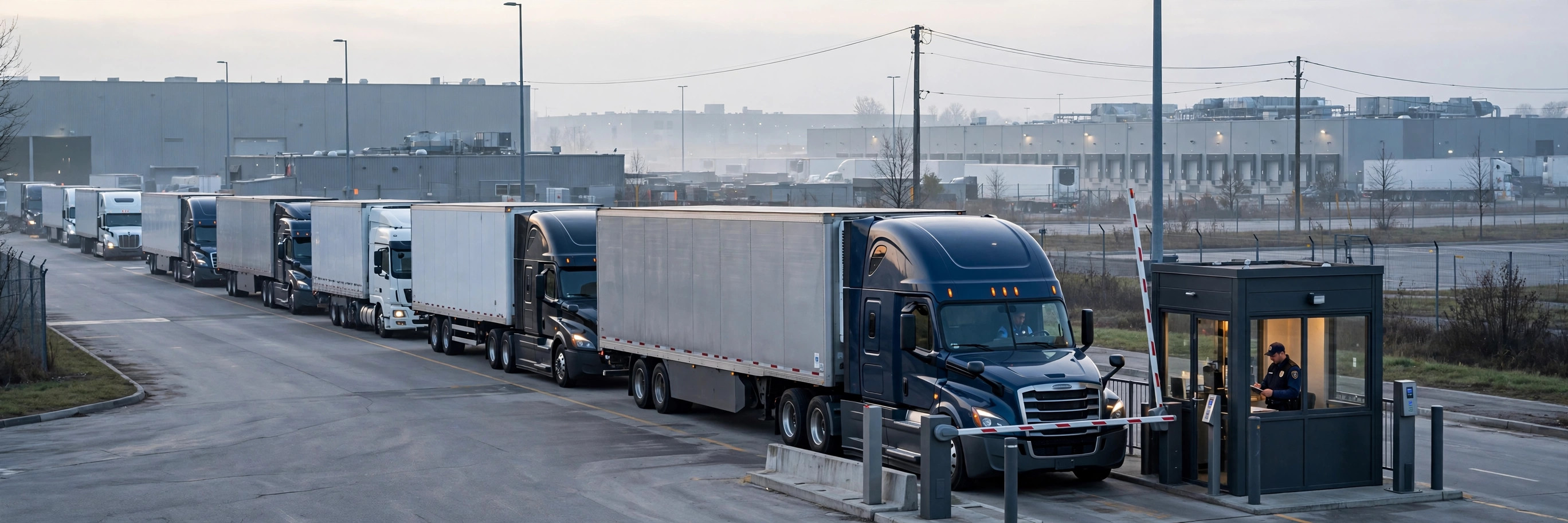
Late November 2025. I was hanging around a friend's fleet — thirty-some trucks running the South China to East China lane. Four-thirty in the morning, the dispatch room was already glowing. The new AI route optimization system had finished planning the day: everything down the G15 expressway. Shortest distance, best fuel economy, optimal arrival times — the numbers were beautiful.
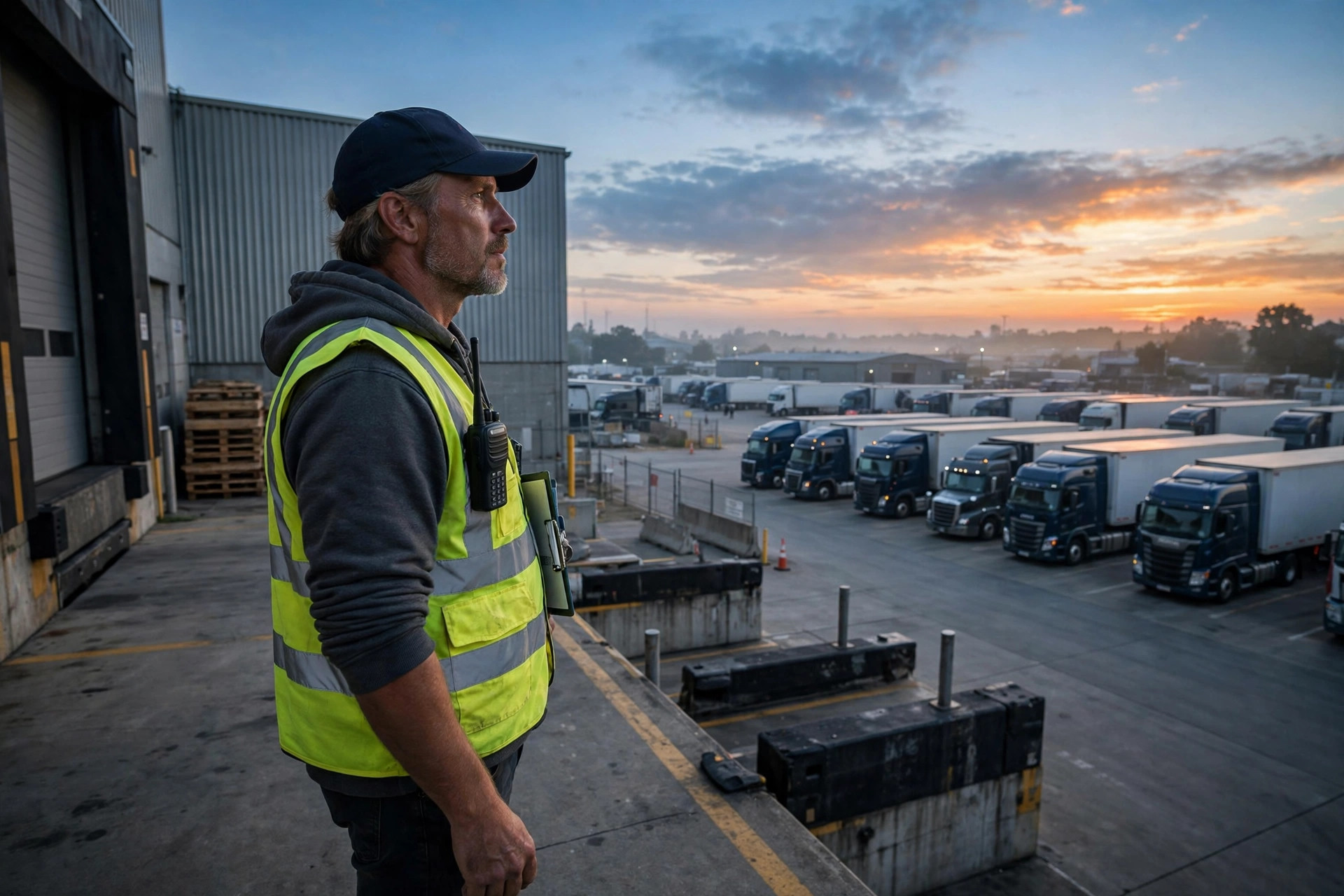
Old Chen, our dispatcher with nearly twenty years in the chair, glanced at the screen, shook his head, and rerouted three trucks with a pen — off the expressway, onto a national highway, forty extra kilometers.
The young guy on shift wasn't having it. "Chen, the system calculated the optimal route. You just added fuel cost. Who pays for that?"
Chen didn't even look up. "Just watch."
By nine that morning, a blanket of dense fog had shut down the G15. Every truck on the system's "optimal route" was parked at a service area, going nowhere for five or six hours, missing every delivery window. The three trucks on the longer road rolled in on time. Later Chen told me he'd seen a message in a driver group chat the night before: "Fog so thick you can't see the taillights ahead." That message never made it into any system.
The Shorter Road Looked Better on Paper
Now don't get me wrong — I'm no technophobe shaking my fist at the future. Earlier in 2025 I visited another friend's city-delivery fleet, twenty-plus trucks, and they'd just gone live with an AI dispatch system. The results were real.
Their dispatcher used to spend two to three hours planning routes every day — past midnight during peak season — then call every driver one by one to confirm. After going live: fifteen minutes, done. The fleet's own numbers, as they told me: each truck drove a couple hundred fewer kilometers a month, empty-running dropped close to ten percent, and fuel spend followed. The dispatcher stopped being a "route planner" and became an "exception watcher." Nobody got fired. Everybody breathed easier.
So AI route optimization isn't hype. On normal, predictable lanes, it beats humans — faster, more thorough, never gets tired. A hundred orders, twenty trucks, dozens of drop points: no human brain can juggle that. The machine does it in a blink, factoring fuel, tolls, and driver hours all at once.
But what Chen won that foggy morning was exactly AI's blind spot: AI knows the roads on the map. It doesn't know the business on the roads.
Where the Veteran Wins and AI Loses
Fifteen years behind the wheel taught me this: a veteran dispatcher carries a "living map" in his head. Let me break down what that actually means.
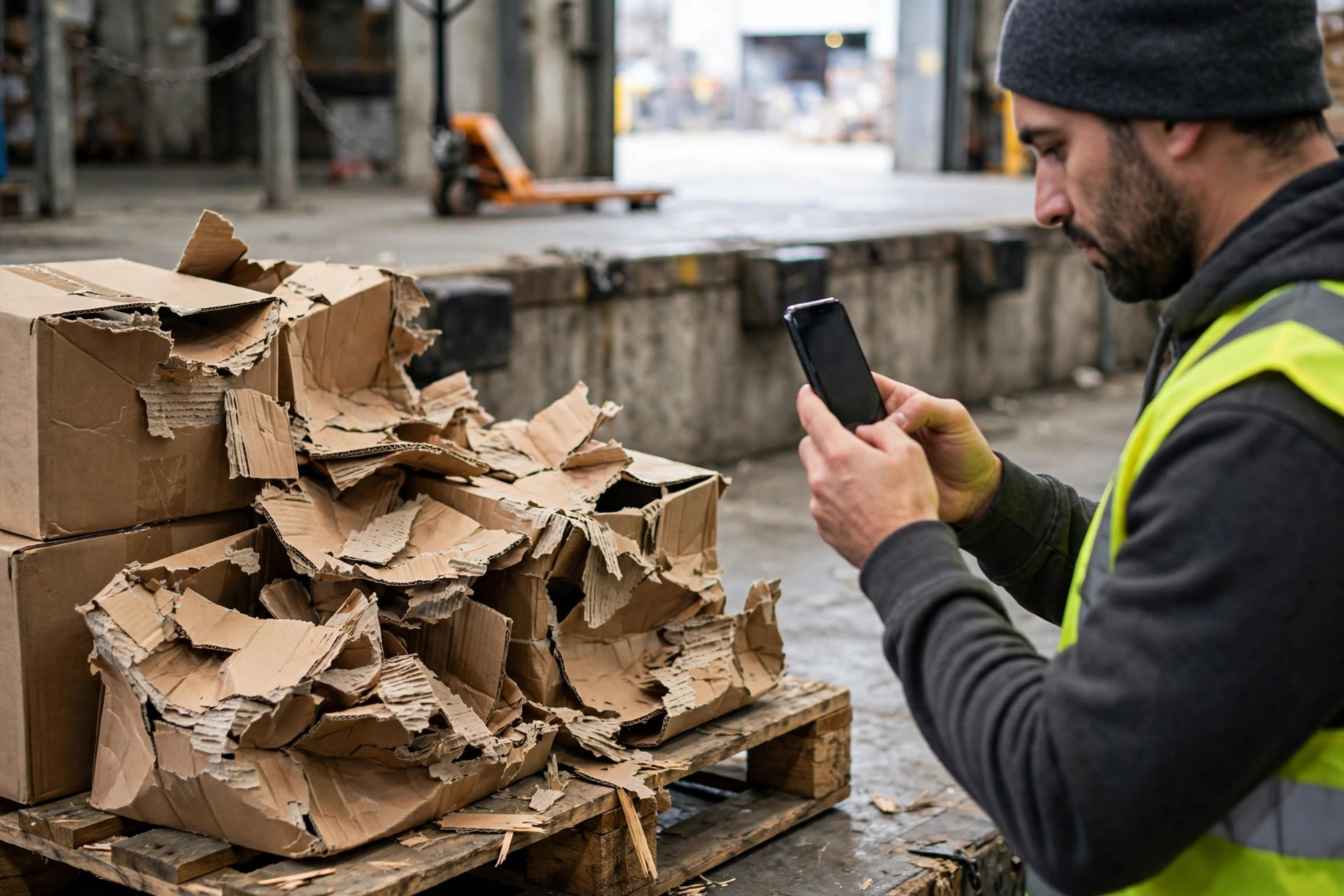
First, the temperament of warehouses. AI knows Warehouse A accepts deliveries from 8 to 12. It doesn't know that Monday mornings there always mean a queue — show up and wait three hours. It doesn't know Dock 7 at Warehouse B has a broken forklift and unloads at half speed. It doesn't know the receiving guy at Warehouse C takes lunch at noon sharp, so arriving at 11:50 means sitting until 1:30. That knowledge comes from a decade of dealing with those docks. It's not in the system, and most of it never will be.
Second, the temperament of roads. Which stretch floods every rainy season. Which national highway turns into a parking lot of trucks after dark. Which rest stop isn't safe to park at overnight. Chen knows all of it blindfolded. Real-time traffic data is good, but it's never as fast as one line in a driver group chat: "Fog ahead, don't take that road."
Third, the temperament of people. Which customer's receiver never picks up the phone in the morning — deliver after two. Which shipper's "urgent" add-on order is truly urgent, and which one cries wolf every week. That judgment is built on years of relationships, not data points.
Let me lay it out side by side — AI dispatch versus the veteran, honest accounting:
| AI Dispatch | Veteran Dispatcher | |
|---|---|---|
| Planning speed | Dozens of orders routed in ~15 minutes | Hours by hand; all-nighters in peak season |
| Cost on standard lanes | Optimizes distance, fuel, tolls together; less empty running | Solid from experience, but can't calculate as fine |
| Handling surprises | Only as good as its data; no data, no answer | One phone call or chat message reroutes around a closure |
| Warehouse coordination | Reads the delivery window in the system | Knows which dock really queues, which dock really crawls |
| Cost to adopt | Software fees plus data maintenance; steep for small fleets | A veteran costs real wages — but one replaces three, no license fees |
| Reliability | Rock solid when data is clean; garbage in, garbage out | Gets tired, takes vacations, can quit — experience walks out the door |
See the pattern? AI wins at calculating. People win at adapting.
The Uncomfortable Truth: AI Dispatch Doesn't Fear Better Algorithms — It Fears Dirty Data
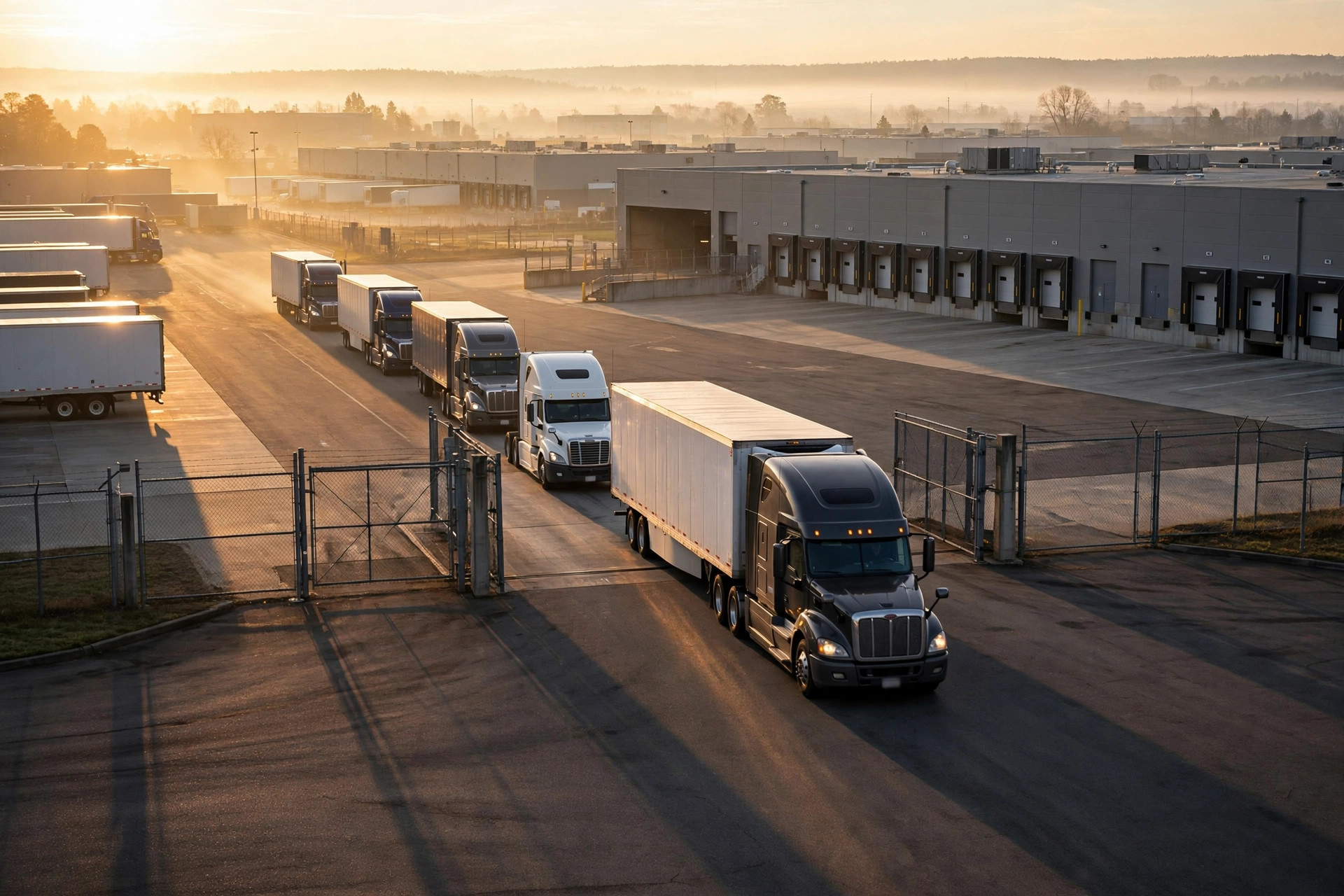
Here's the part most vendors won't tell you: route optimization isn't an algorithm contest. I've seen a fleet pay good money for a supposedly "industry-leading" AI dispatch system, and the drivers refused to follow its routes. The warehouse addresses in the system were three years old — the place had moved. The bridge clearance data was wrong — a 4.2-meter truck routed under a 4-meter bridge. Drivers cursed, dispatchers ended up replanning everything by phone. The algorithm was brilliant. The data was garbage. Brilliant algorithm plus garbage data equals precisely calculated disaster.
The thing AI dispatch fears most isn't a weak algorithm — it's stale, dirty data. Map data, warehouse info, height and weight restrictions, delivery windows — if any of it is off, the AI produces a route that's optimal on paper and miserable on pavement.
And here's the flip side nobody talks about: everything the veteran uses to beat AI — the living, breathing, unwritten knowledge — is exactly what AI needs to learn. Chen dodged that fog because of one chat message. If that message could flow into the system in real time, the AI dodges it next time too. So stop framing it as AI versus the veteran. The veteran's experience is the best training data AI will ever get.
So What Should a Fleet Actually Do? My Honest Advice
No one-size-fits-all answer here. It depends on your fleet:
Small fleet (under ten trucks), fixed lanes — a veteran plus a simple planning tool is plenty. You know those lanes in your sleep. An expensive AI system isn't worth it. Spend the money keeping your veteran happy instead. That's worth more than any software.
Large fleet, fragmented orders, tight delivery promises — go with AI, but do not fire the veteran. The right setup: the veteran reviews the AI's plan for half an hour a day, logs every correction, feeds it back into the system. When the exceptions hit — closures, last-minute orders, a warehouse blowing up — the veteran calls the shots. Give it half a year and the system gets sharper while the veteran's life gets easier.
And a word for shippers and warehouses: warehouse folks, listen up — if you opened up your real delivery windows, dock status, and queue conditions to your carriers, AI routing would get dramatically more accurate. Too many warehouses guard this information, and trucks find out about a three-hour wait only when they arrive. That doesn't just hurt drivers — it hurts your own on-time performance. Shippers: when you pick a carrier, don't just chase the quote that's two cents cheaper. Ask whether they're running "AI alone" or "AI plus a veteran." Somebody has to own it when things go sideways.
There's an old saying among us drivers: the old horse knows the way. AI can run fast — but somebody still has to tell it where the potholes are.
By Shifu Zhao, Trucking Veteran (15 yrs)