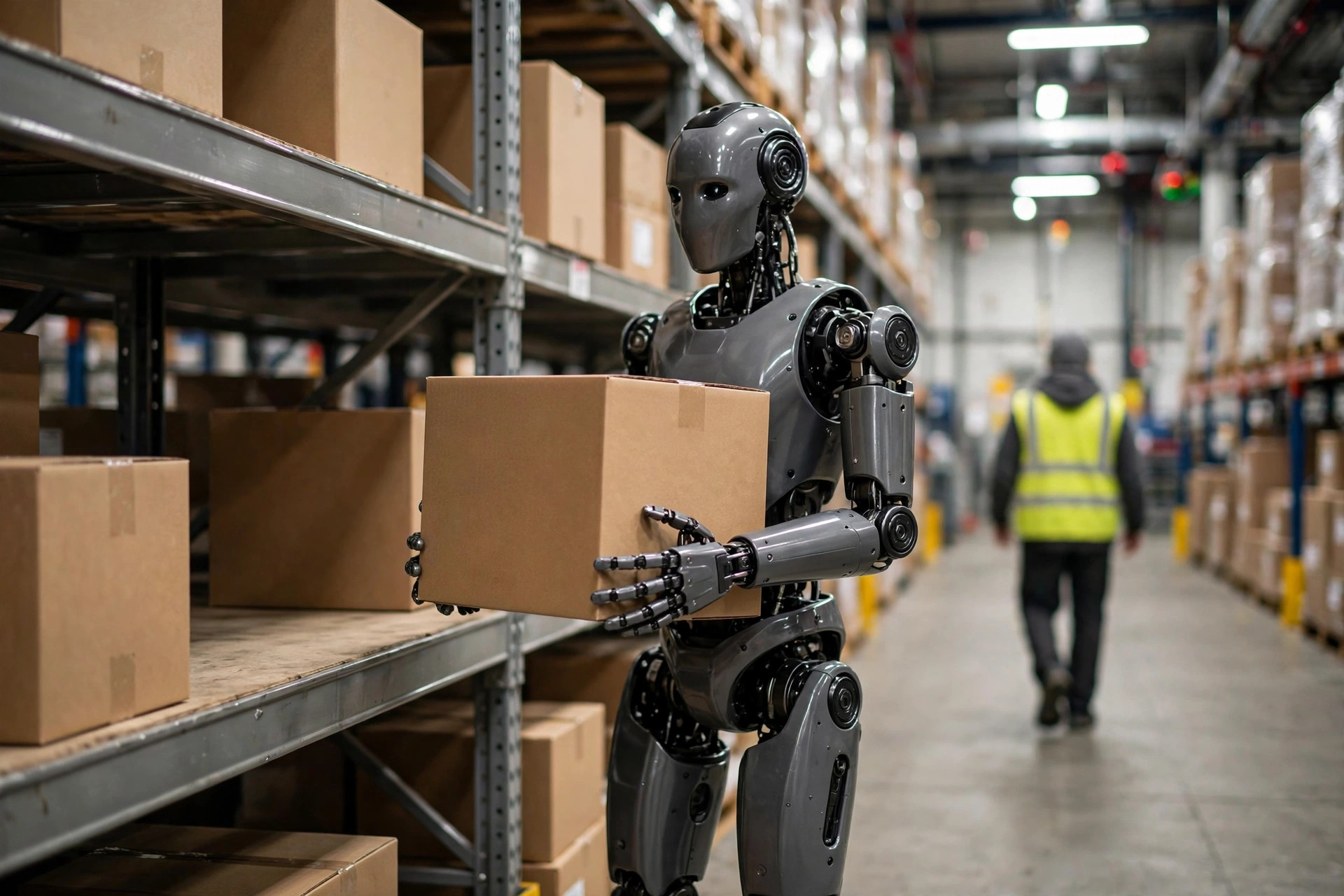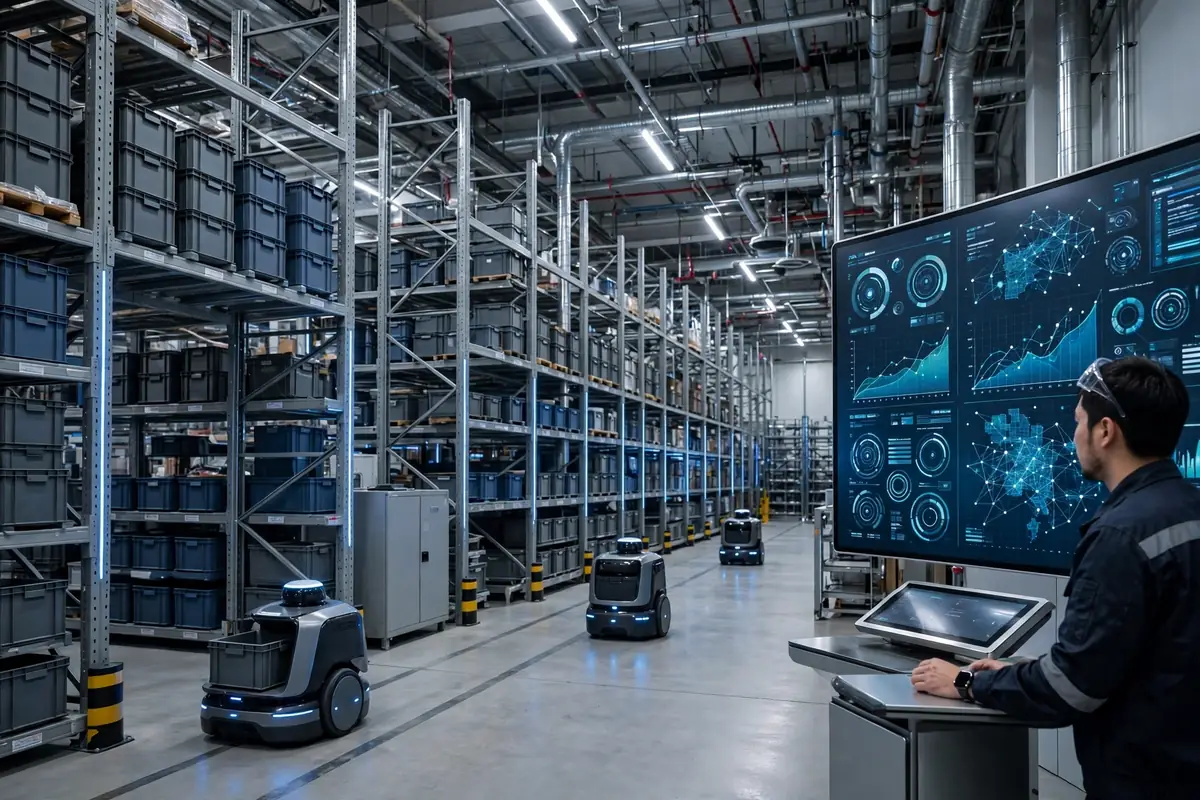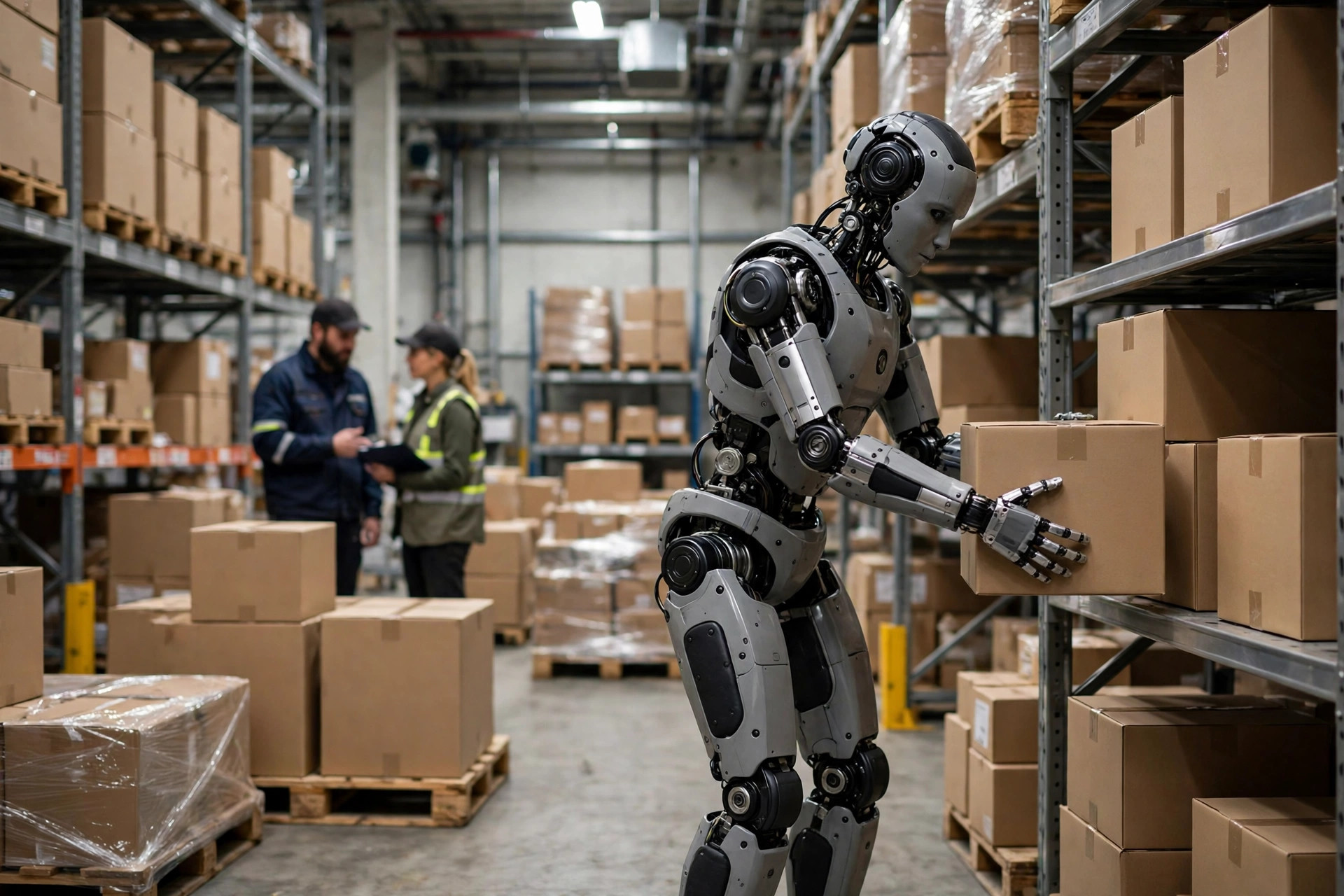
Let me tell you something. A few weeks ago I was waiting at a warehouse gate in the Inland Empire, stuck there for over two hours waiting to get loaded. With nothing else to do, I got talking to the dispatcher at the gate, and he pointed inside and said they had two new humanoid robots in there, able to carry boxes. My first thought was: can that thing actually work, or is it just there to impress visiting clients? He laughed and said no, it was no showpiece — it ran on a fixed line at set hours every day, moving light totes. I have been running freight for years, and I have seen plenty of new equipment roll into a warehouse with great fanfare on day one and end up parked in a corner gathering dust by month three. So I do not care how human it looks. I care about one thing: can it hold up for a full shift in a real warehouse without breaking the flow?
What Jobs Should a Humanoid Robot Do First, So It Does Not Lose Money?
Here is a second story. Last year a shipper friend of mine put serious money into an automated sortation line, and when peak season hit, the orders turned out to be full of oddly shaped goods the machines could not recognize, so people had to cover the gap anyway. The lesson is simple: new equipment rarely fails because it is slow. It fails because it cannot handle messy, varied work. The same applies here. Right now the best fit for this kind of machine is work that is regular, repetitive, and light: moving standard totes from one end of a conveyor to the other, or loading and unloading at a fixed station. That work looks unremarkable, but the process is fixed and the cost of a mistake is small. Ask it to pick from high racks today, break down mixed single-piece orders tomorrow, and handle returns the day after, and you are asking for trouble. My take is that its first warehouse job is not replacing pickers. It is becoming a specialist in the most standard slice of work and nailing that slice first.
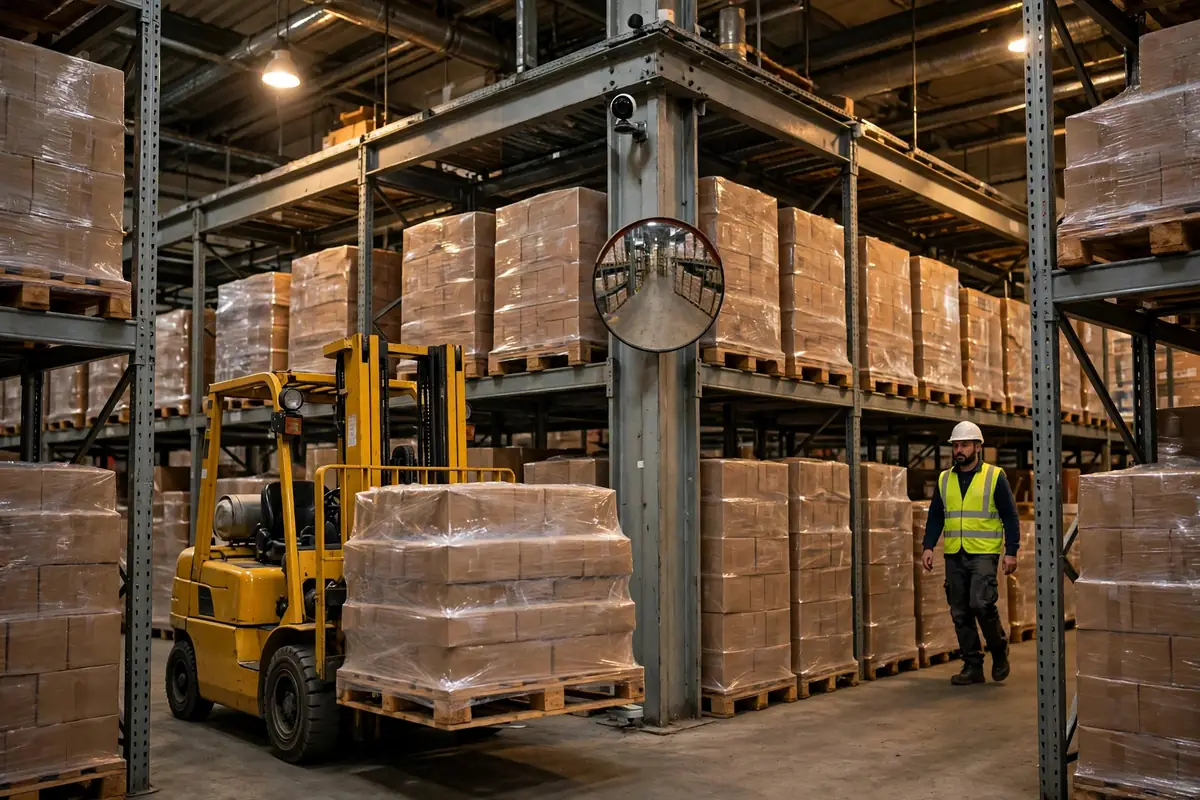
There is also a detail only a driver would notice. What do drivers hate most? A messy yard and dock flow. Forklifts crossing paths, people pushing pallets through, a jammed conveyor mouth — one bad layout can cost a truck an extra half hour. If new machines roll in without the traffic lanes sorted out first, they only add to the chaos. I have seen a warehouse bring in automated guided vehicles without redoing its lanes, and the vehicles and people ended up fighting for the same aisle while the dispatcher shouted over the radio all day. So whatever kind of robot enters a warehouse, the first step is always to paint the lanes: which lane is for people, which for forklifts, which for machines, and who yields at every crossing. Get the roads right and the machine can run. Get them wrong and the cleverer the machine, the more trouble it causes.
A Humanoid Robot Warehouse Timeline That Runs on Milestones, Not Years
People love to name a year for this stuff, and I do not buy that. Here is a framework that runs on gates, and it is far more useful than a guessed date. Gate one is holding a shift: running a full shift in a real warehouse with falls, jams, and dead batteries kept to a level the line can live with. Gate two is working in mixed traffic, sharing the same area with forklifts, conveyors, and people without blocking anyone. Gate three is switching lines: working one line today and a different line tomorrow without an engineer camped out for three days tuning it. Gate four is the money question: whether the all-in cost per machine beats the cost of overtime and unfilled hiring. Miss any gate and the timeline slides back a notch. Most public demos I have seen are still somewhere between gates one and two, a long way from gate four. So my view is this: you will see these machines on fixed stations in big warehouses over the next few years, but large-scale takeover of picking has to wait until the line-switching and cost gates are both cleared.
Turn those four gates into a checklist and use it at pilot time. It beats listening to a sales pitch:
| Gate | What to watch at pilot time | What counts as passed |
|---|---|---|
| Hold a shift | Faults across a full shift | Downtime never stops the whole line |
| Mixed traffic | Sharing space with forklifts and people | No blocked aisles, no forced line stops |
| Switch lines | Time needed to move to a new line | No engineer camped out for three days |
| Money question | All-in cost per machine versus labor | Retrofit, charging, and maintenance all included |
That checklist is also leverage in contract talks. If a gate is not met, stop at that gate. Do not let "the next generation will fix it" push you forward. In all my years on the road, I have watched too many projects die on that exact sentence.
The Counterintuitive Part: Its Biggest Rival Is Not the Worker, It Is the Warehouse Itself
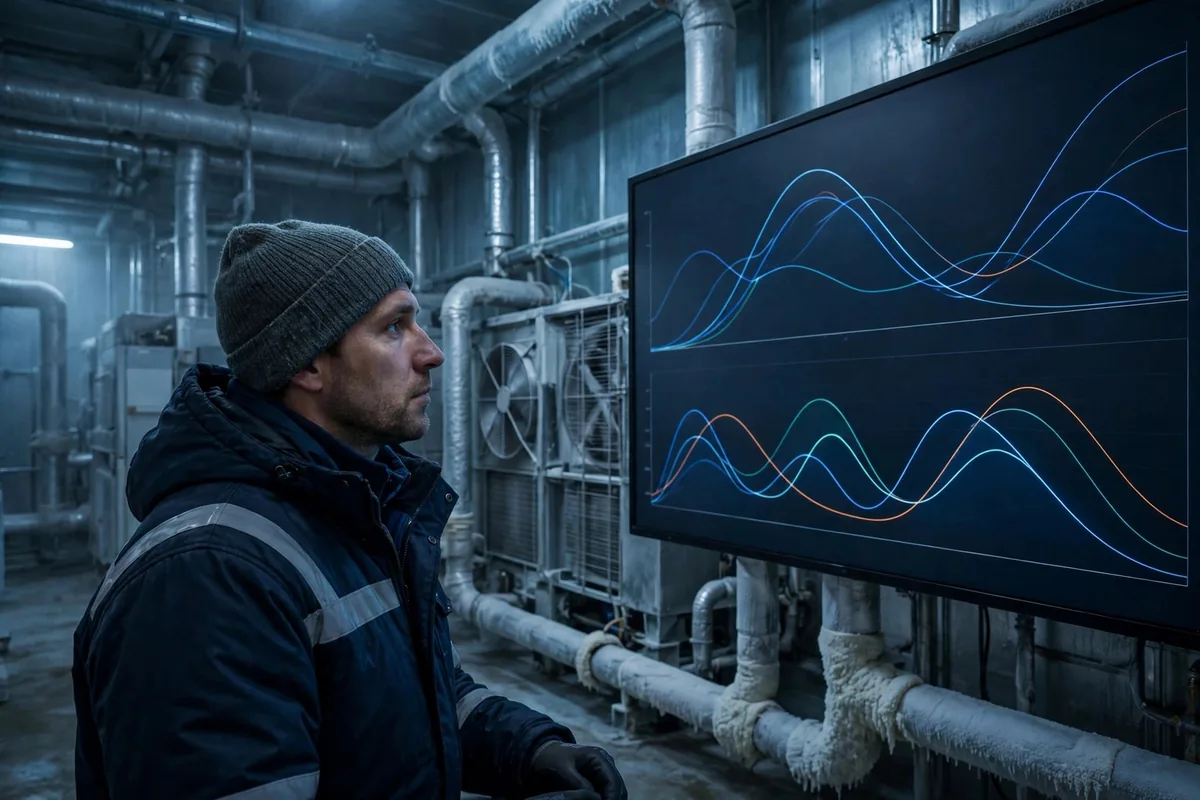
Most people assume the hard part of warehouse humanoid robots is making the hands dexterous enough. Let me tell you, the hands are the easier problem. The hard part is the warehouse environment itself. Floors have slopes, oil stains, and loose stretch wrap. Rack spacing was designed for forklifts and people, not for machines. A change in lighting can fool a camera. Then there is charging and battery life: a tired worker can hand over to the next shift, but a dead machine goes offline, and where the chargers sit and how long a charge takes will eat into its useful hours. So what decides how fast this technology lands is often not the robot company at all. It is whether the warehouse is willing to change its floors, its lanes, and its processes for it. A warehouse that has not even sorted out its own traffic flow will get nothing from a machine that looks human, however clever it is. Flip it around and the rule is clear: the more standard the process, the cleaner the floor, and the more regular the goods, the faster it lands.
There is one more point people skip: safety separation. When machines and people share an area, what happens if the machine misjudges a direction and walks into someone? Who carries that? At pilot stage you need marked separation zones and a clear emergency-stop routine, settled before anything goes wrong, not after. Safety paperwork looks like a hassle, but it is what lets a pilot keep running long term.
Three Pieces of Advice for Shippers and Warehouses
First, do not pay for looking human. Pay for doing work. When you watch a demo, skip the handshake and the dance moves. Watch it work your own goods for one solid hour and count the errors and the stops. Second, pilot on one clean, regular line, not the whole warehouse at once. Once the pilot runs smooth, then talk about expanding. Third, put the retrofit cost in the total: floors, lanes, charging, safety separation. All of it is money. Write the acceptance criteria into the pilot contract — continuous run time, fault count, line-switch time — and stop if they are not met, without embarrassment.
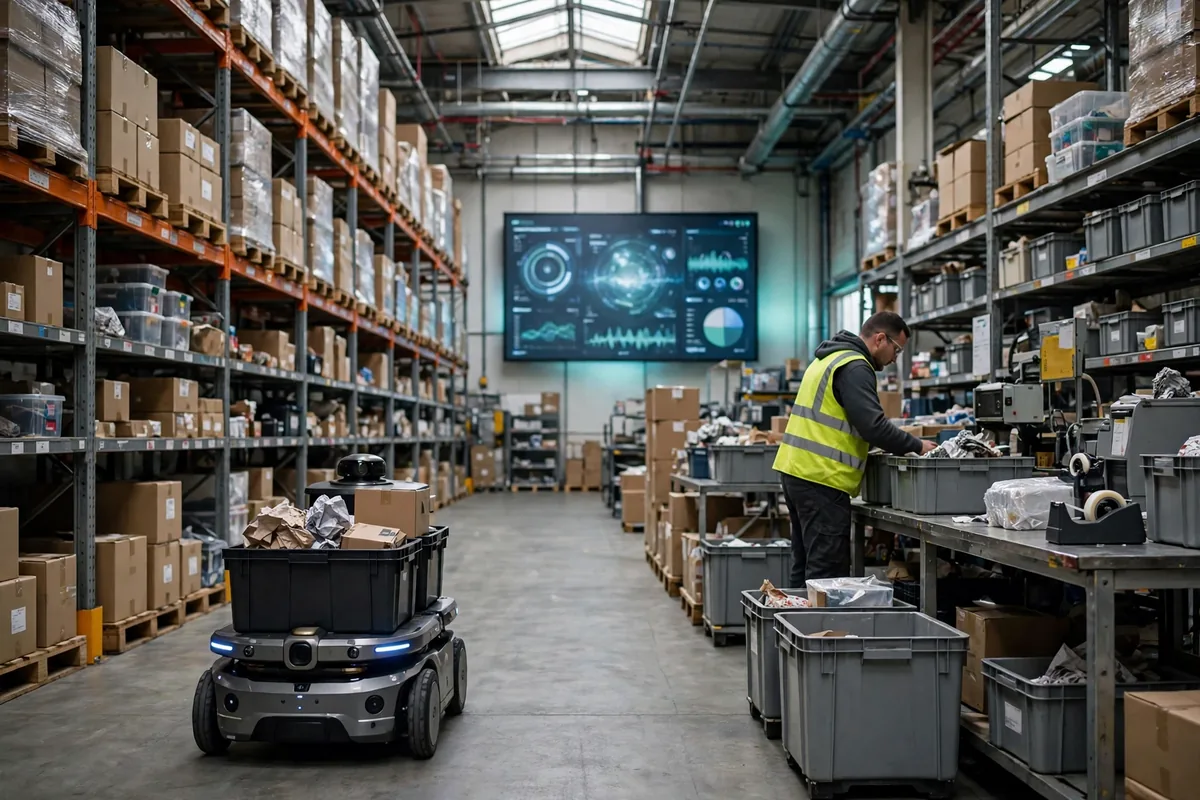
One more thing, about people. Plenty of folks worry machines will take workers' jobs, but the more immediate problem I see is night shifts nobody wants and peak-season hiring that never fills. That gap is exactly where new equipment can help first. People handle the messy work and the exceptions during the day, machines hold capacity on regular work at night. That pairing is far more realistic than swapping everyone out for machines. Equipment is here to fill gaps, not to fight people for their jobs. Get that straight first and the warehouse crew will not resist the pilot — and a pilot people accept is a pilot that actually moves.
By Shifu Zhao, Trucking Veteran (15 yrs)