Let me tell you about last September. I sat outside the Port of Los Angeles–Long Beach for two and a half days waiting on a container that had already arrived. Truck ready, appointment booked, warehouse waiting — and the box wouldn't release. The importer was calling me every hour, the warehouse had to tear up its receiving plan, and I was burning fuel and time sitting in the cab. Turns out the problem started before the container ever left the foreign port: the ISF filing went in late. That's the thing about the us import customs clearance process — the isf entry step comes first, and when it goes wrong, everything downstream waits.
Fifteen years behind the wheel, and I've learned this: from the driver's seat, clearance looks like "arrive, pick up the box." In reality the work starts while the container is still on the other side of the ocean. Here's the whole chain, the way I see it from the road.
ISF 10+2: The Clearance Work Starts Before the Box Ships
ISF 10+2 is basically an advance heads-up that US Customs (CBP) requires. Twenty-four hours before a container is loaded onto the vessel at the foreign port, the importer has to file it. The "10" is ten data elements from the importer — seller, buyer, manufacturer, ship-to party, that kind of thing. The "2" is two more from the carrier, the vessel stow plan and the container status message. Usually the importer files it, or their customs broker files it for them.
Don't take that 24-hour window lightly. I hauled a load of furniture out of Shanghai back in August 2025. The factory changed the stuffing date at the last minute, the sailing slipped a day, but the ISF still went in against the old schedule. When the box landed in Long Beach, the system flagged the mismatch and the container went straight into the exam pile. The importer lost two days, the warehouse had to redo its inbound plan, and I made a deadhead trip for nothing.
Filing late or filing wrong costs real money. The penalty for a single ISF violation runs into thousands of dollars — check CBP's official site for the current figure, because it changes. And it's not just the fine. Messy filings get you flagged for exams more often, and every exam is days you didn't plan for. My rule: file early, file it right, and don't ride the 24-hour line. The moment the factory changes a sailing date, the first call goes to the broker, not after the ship docks.
The fields that trip people up most are the ones that look simple. A trading company takes the order, a factory makes the goods — seller and manufacturer are two different companies, but people file them as one. And the ship-to address: some folks put down the importer's office for convenience when the freight is actually going to a warehouse. An address that doesn't match means questions from Customs and a file that stalls. That filing is the first step of the whole us import customs clearance process, and it's the step importers underestimate most. Get the start wrong and everything after it leans the same way.
Entry Filing After the Ship Docks: Who Moves First
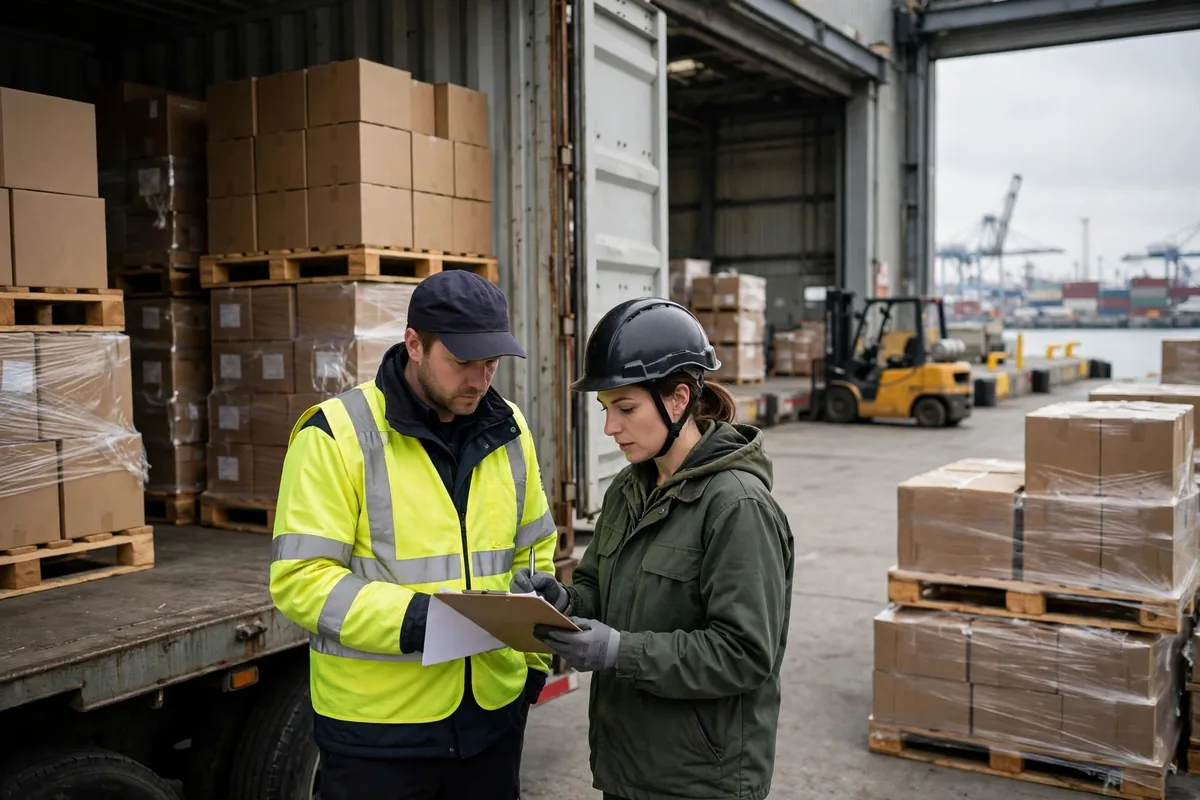
Once the vessel arrives, the sequence goes like this: the ocean carrier releases the bill of lading information, the broker files the Entry — the Entry Summary, CBP Form 7501 — Customs reviews it, and if everything checks out, the container is released and the driver picks it up. Sounds smooth. Every step can jam.
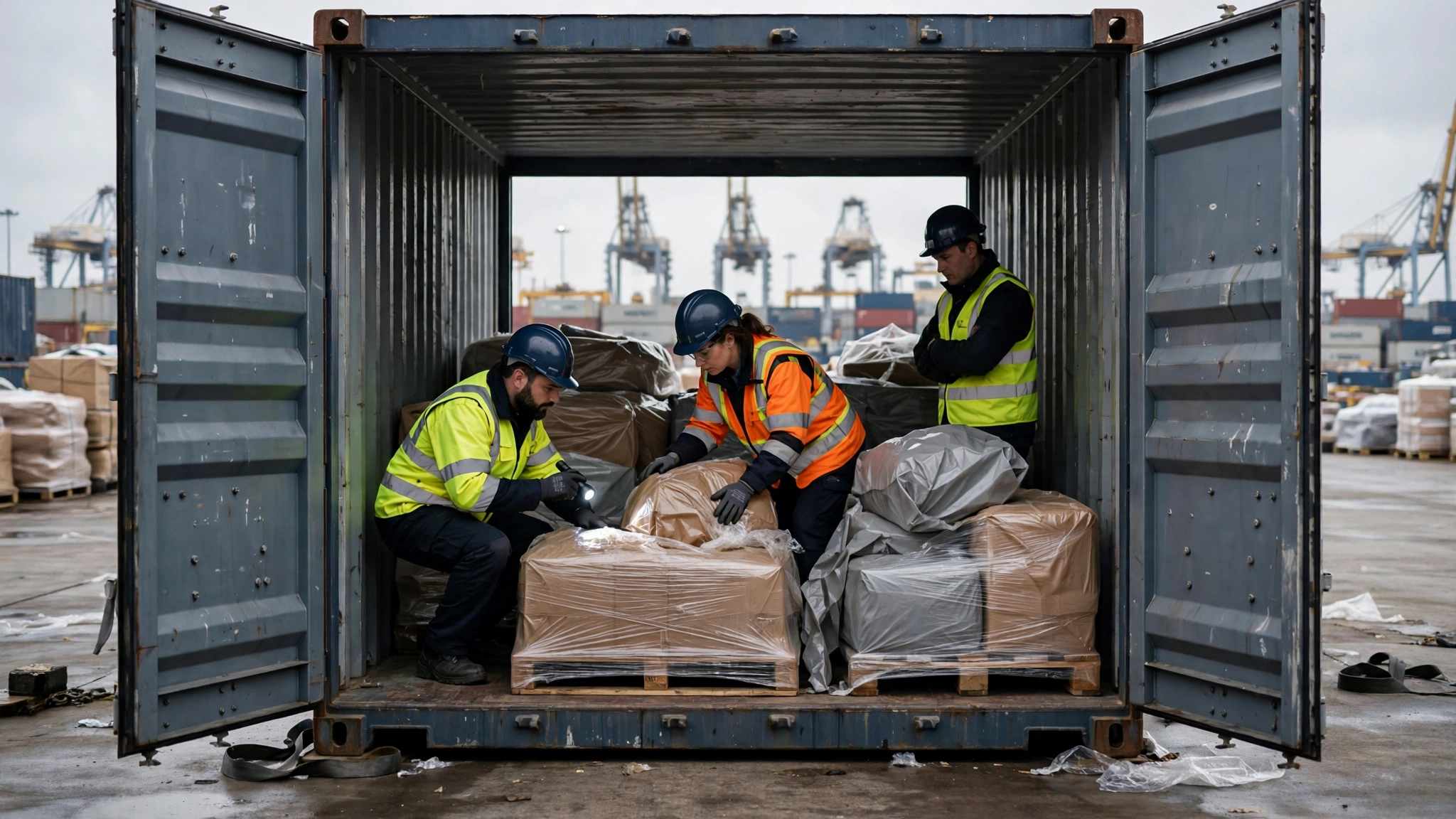
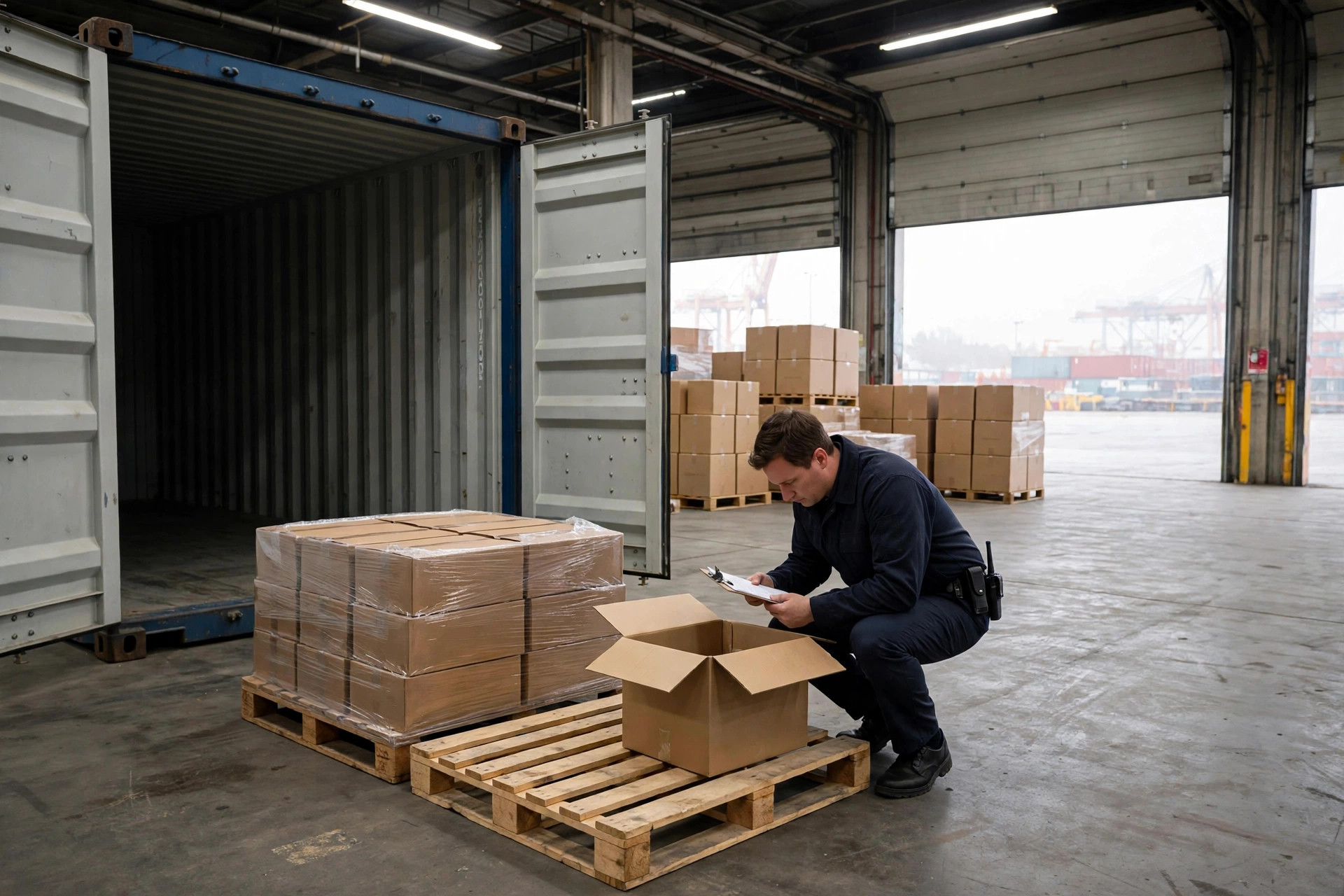
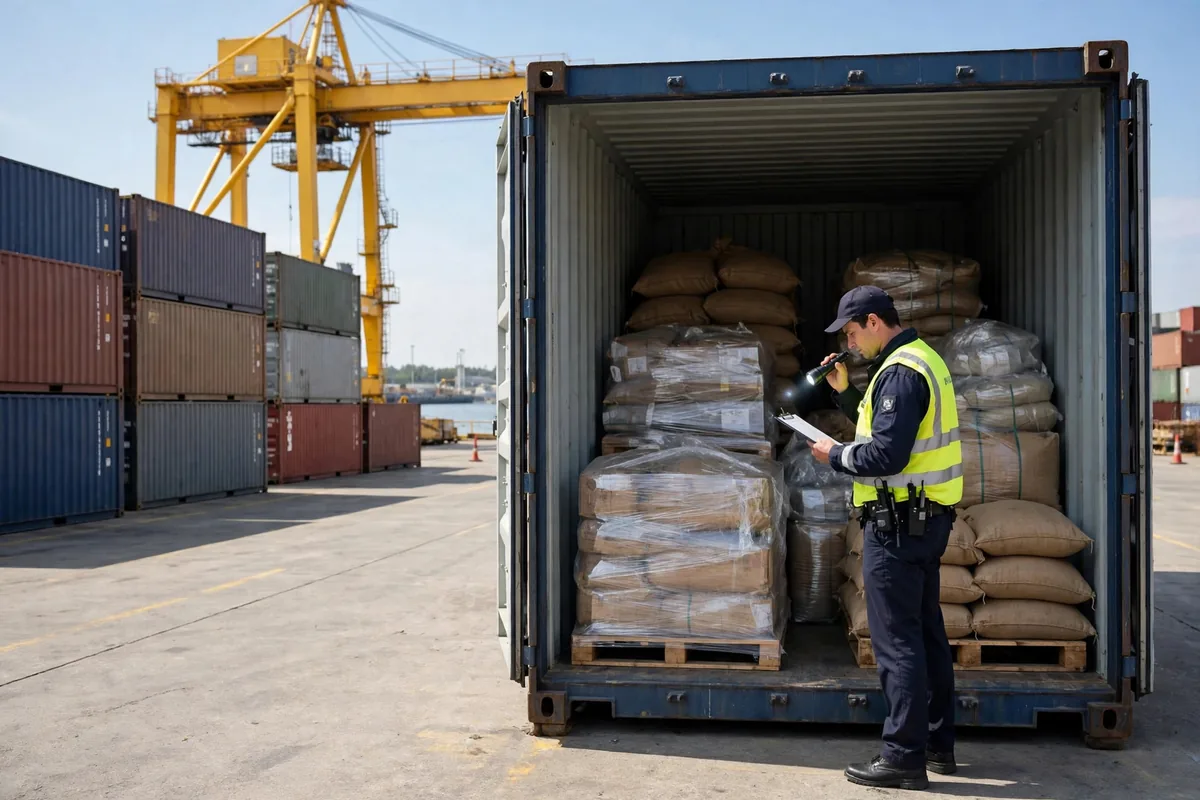
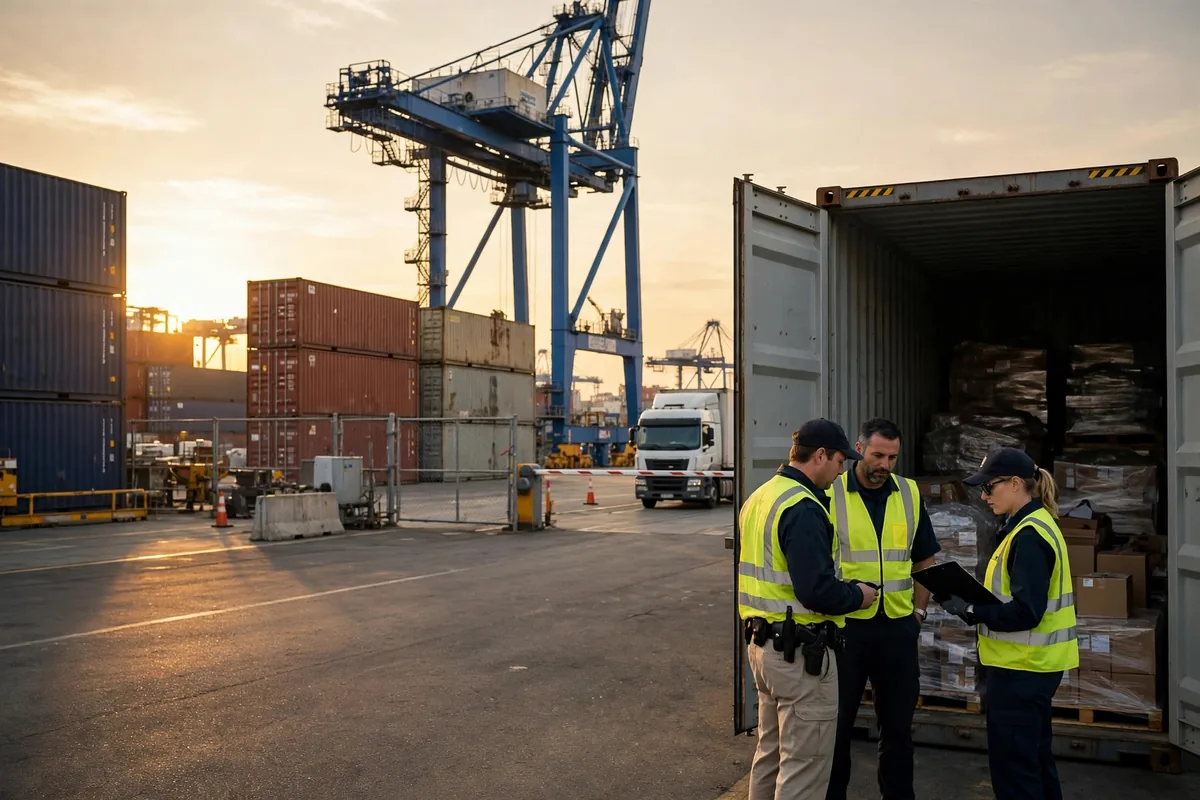
Exams jam it most. There are two kinds. One is a non-intrusive scan — the box goes through an X-ray machine without being opened, usually done within a day. The other is a physical exam: they pull the container to an exam yard and open it up piece by piece. Late in 2024 I hauled a load of LED lights that got pulled for a physical exam at Long Beach. Three days. I made two trips — one to pick up a box that hadn't released, and a second one after it finally did. By then the terminal's free time had expired and demurrage was ticking by the day. I won't quote you a rate here — check the terminal's official tariff for current figures — but three days of exam plus demurrage is enough to ruin an importer's week.
Here's the counterintuitive part: an early-arriving container isn't always a good thing. If the box lands before the paperwork is ready, the free time just burns away. I'd rather have the sailing schedule and the Entry filing lined up than a ship that docks two days early. Some importers hear the vessel arrived early and start pushing me to go get the box. I always ask first: has the broker filed the Entry? Has Customs released it? If not, the truck is just going to sit in line outside the gate burning diesel.
One more thing new importers miss: Entry filing doesn't start the day the ship arrives. The commercial invoice, packing list, bill of lading, and certificate of origin should all be ready while the ship is still at sea. The earlier the broker gets the documents, the earlier the Entry goes in, the smoother the release. Hand the paperwork over the day the vessel berths, and you're donating your own free time to the terminal.
Four Parties, One Timeline
Four parties sit on this chain: the importer, the customs broker, the forwarder, and the warehouse plus the driver. When one of them drops the ball, the other three wait. Here's the timeline I go by — follow it and the chain mostly holds:
| When | Importer | Customs broker | Forwarder | Warehouse / driver |
|---|---|---|---|---|
| 24 hrs before loading | Confirm ISF data is accurate | File ISF 10+2 | Confirm sailing and container number | — |
| While vessel is at sea | Gather invoice, packing list, bill of lading | Pre-review Entry documents | Track schedule changes | Warehouse sets receiving plan |
| 1–2 days before arrival | Confirm customs bond is in place | Prepare Entry filing | Confirm terminal and release conditions | Driver books pickup appointment |
| Arrival day | Provide any missing documents | File Entry Summary | Coordinate carrier release | Wait for release notice before rolling |
| After release | Confirm cargo received | Keep filing records | Settle terminal charges | Pick up, deliver, sign off |
The most important row is the one that says "1–2 days before arrival." Plenty of importers figure they'll deal with it when the ship gets here, then the Entry can't go in because one certificate of origin is missing, the box sits an extra day, and the driver waits an extra day. Lead time is like driving: leave yourself room, and the road stays clear.
The Three Places the Chain Breaks, From the Driver's Seat
First, don't book the truck until the paperwork is ready. Book a pickup appointment too early, and the box hasn't released — that's a deadhead run. My rule is simple: no release confirmation, no wheels rolling. Importers push me on this, but sitting in line outside the port costs real fuel and real hours.
Second, don't try to rush an exam. Once a container is in the exam yard, it comes out when Customs says so. The only useful thing a driver can do is get the word to the warehouse immediately so they can rework the receiving plan. The worst case is an exam dragging three days while the warehouse holds dock space and labor for a box that isn't coming.
Third, the cheapest broker is usually the most expensive one. Whatever you save on the brokerage fee, one exam and one round of demurrage eats it all back, plus the time. When you pick a broker, don't just compare the quote. Watch how fast they answer messages, and watch whether they call you the moment something goes wrong. The broker I've worked with longest isn't the cheapest, but every time a sailing changes or an ISF needs correcting, he's the one calling me first. That's the broker who actually saves you money.
At the end of the day, no step in this process belongs to just one party. ISF is the importer's responsibility, the Entry is the broker's job, the pickup is the driver's job — but when the chain breaks, all four pay the bill. That's the us import customs clearance process end to end, and it works when everybody does their part on time. There's an old saying I keep coming back to: slow is smooth, and smooth is fast. Leave the lead time, get the documents ready, and on the day the box lands, the truck rolls in and rolls out. That's what smooth looks like.
By Shifu Zhao, Trucking Veteran (15 yrs)