I dug into bonded warehouse ecommerce sellers cost because platforms force you to ship full containers months before peak, then customs wants the full duty bill before you sell a single unit. That is how sellers run out of cash with a warehouse full of inventory. Here is the plain version: a bonded warehouse does not cut your duty. It moves the payment date to the moment you actually withdraw goods for US sale. Same tax, longer runway.
what a bonded warehouse actually does for sellers
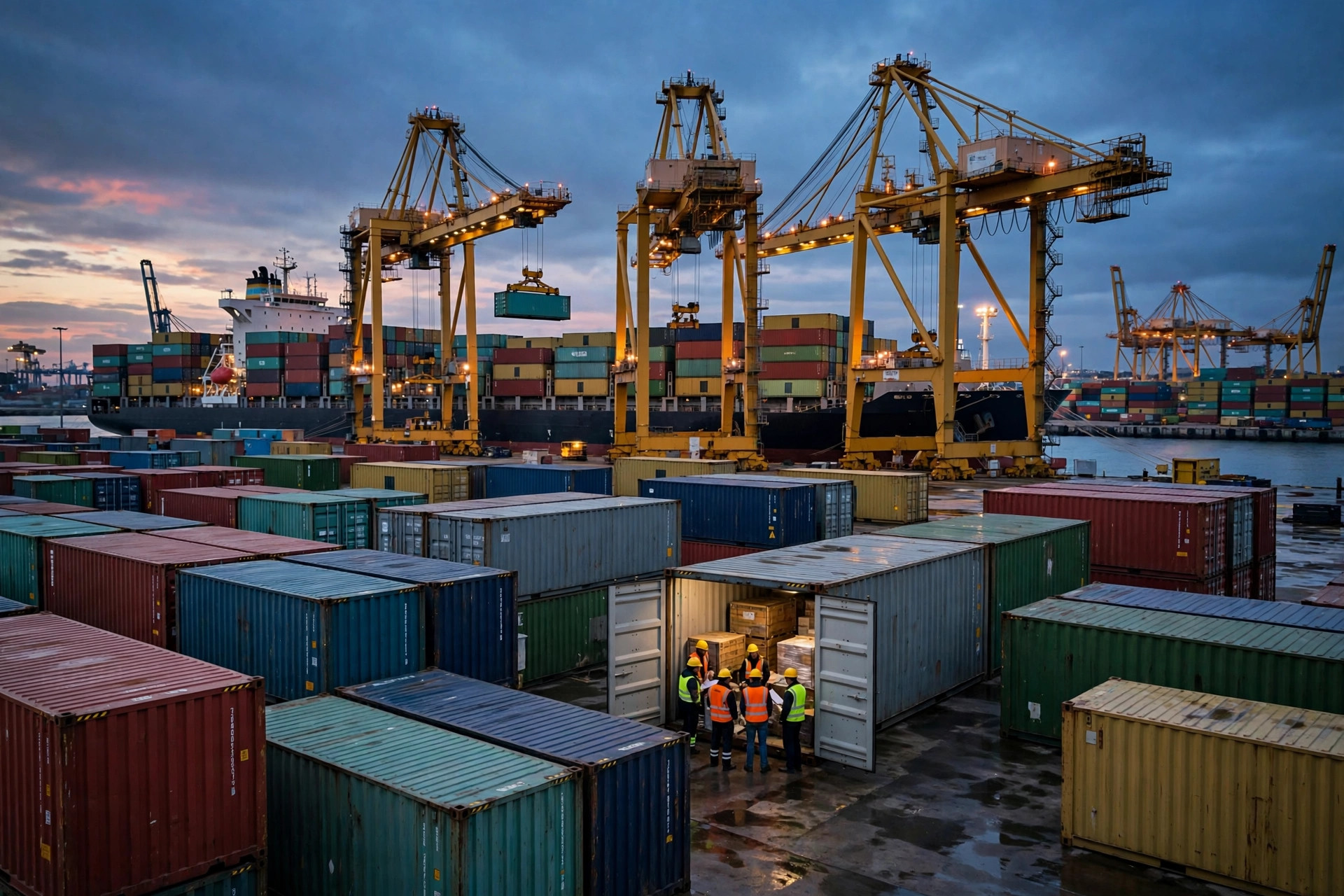
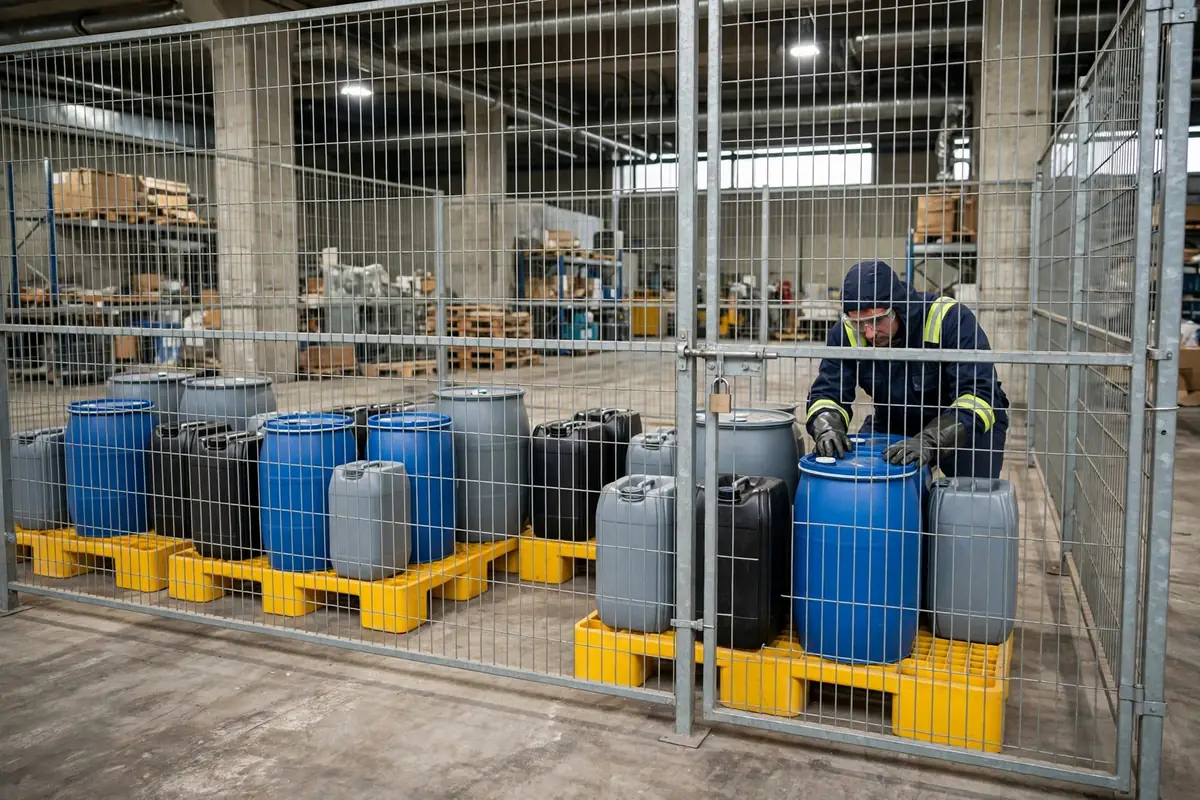
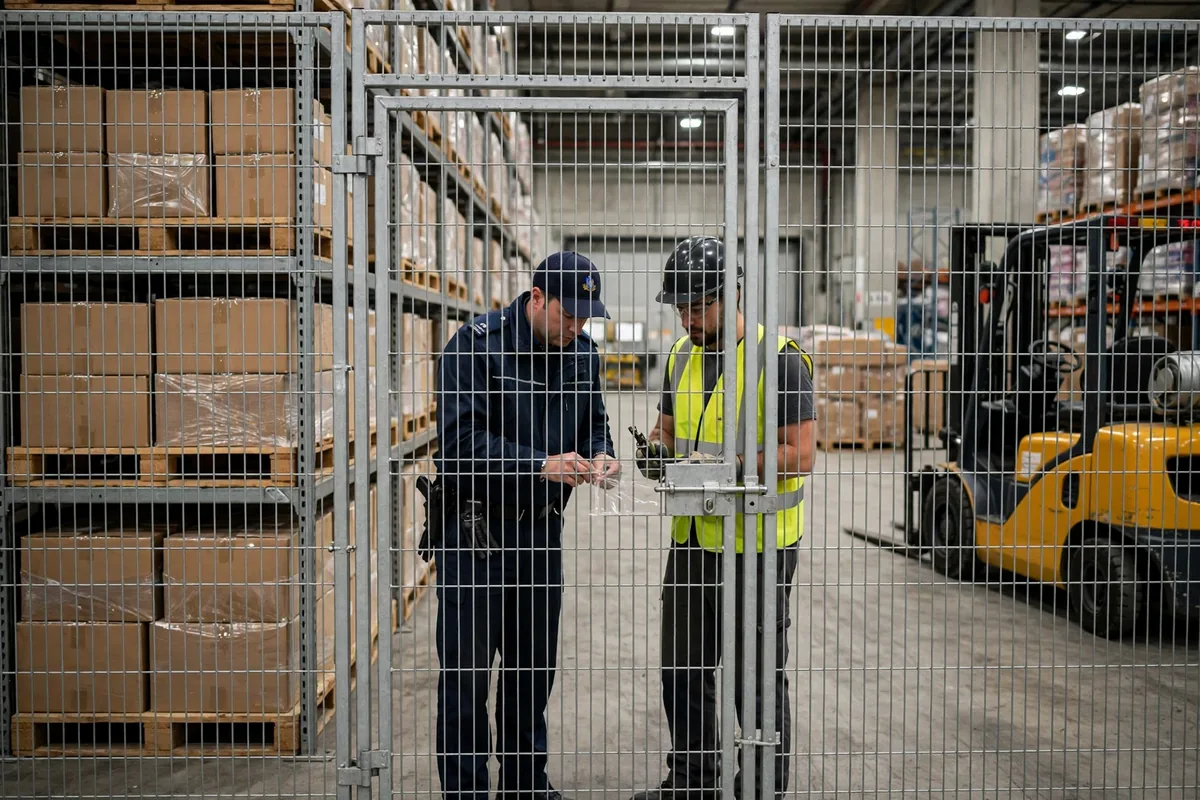
In plain seller language: a bonded warehouse is a customs-licensed facility where imported goods can sit without duty being paid on arrival. Duty comes due when you withdraw a batch for consumption in the US. If goods are re-exported and never enter US commerce, that portion is not dutiable here. Licensing, bond, paperwork, and what handling is permitted all follow US Customs and Border Protection rules, so check the current CBP guidance and your broker's latest advice rather than taking any article, including this one, as law.
What kind of stock fits? Seasonal goods, long lead-time replenishment, high-value containers, and anything whose sell-through you honestly cannot predict. What does not fit: a fast mover that sells out in two weeks. The deferral is worth almost nothing there, and you pay extra handling for the privilege.
Here is the counter-intuitive part. For smaller sellers, the biggest value is not bulk storage. It is testing. Land a new category into bond, withdraw small batches to test the listing, and re-export what flops instead of having paid full duty plus FBA fees on a dead product. When the marketplace changes its rules again, and it will, that exit option is worth more than a point or two of theoretical savings.
bonded warehouse ecommerce sellers cost, in real math
Let me show you the hypothetical example I use in my own spreadsheet. Every number here is an assumption for illustration, not a real quote and not a current duty rate; verify actual rates and fees against official and customs sources before you commit money. Say a shipment is worth around $100,000, and assume for the example a combined duty burden of 20 percent of value, so roughly $20,000 of duty.
| Route | When duty leaves your account | Extra cost (hypothetical) | Cash-flow result |
|---|---|---|---|
| Direct entry into a regular warehouse or FBA | About $20,000 at arrival | No bonded handling fees | $20,000 gone before the first sale |
| Bonded warehouse, four withdrawals | About $5,000 per withdrawal, spread over months | A few hundred dollars a month in extra storage and withdrawal handling, assumed | Only the first batch's duty is paid up front; the rest keeps funding ads and reorders |
The math is not subtle. If that stock takes four months to sell through, direct entry parks $20,000 in a customs payment for four months. Bonded storage trades a few hundred a month in extra fees for keeping most of that cash working. Cash funding ads and the next test product usually earns more than the fees cost.
But do not romanticize it. Storage charges keep running while goods sit in bond, and bonded storage has a maximum permitted period under customs rules; check the current CBP limit and extension rules rather than assuming indefinite storage. A friend of mine in home goods learned this the hard way: his peak-season container sat in bond for over half a year when sales disappointed, storage stacked up month after month, and his total cost ended slightly higher than direct entry would have been. The cash-flow relief was real. It just could not rescue slow stock. Bonded warehousing fixes timing, never demand.
how withdrawals work, and where sellers trip up
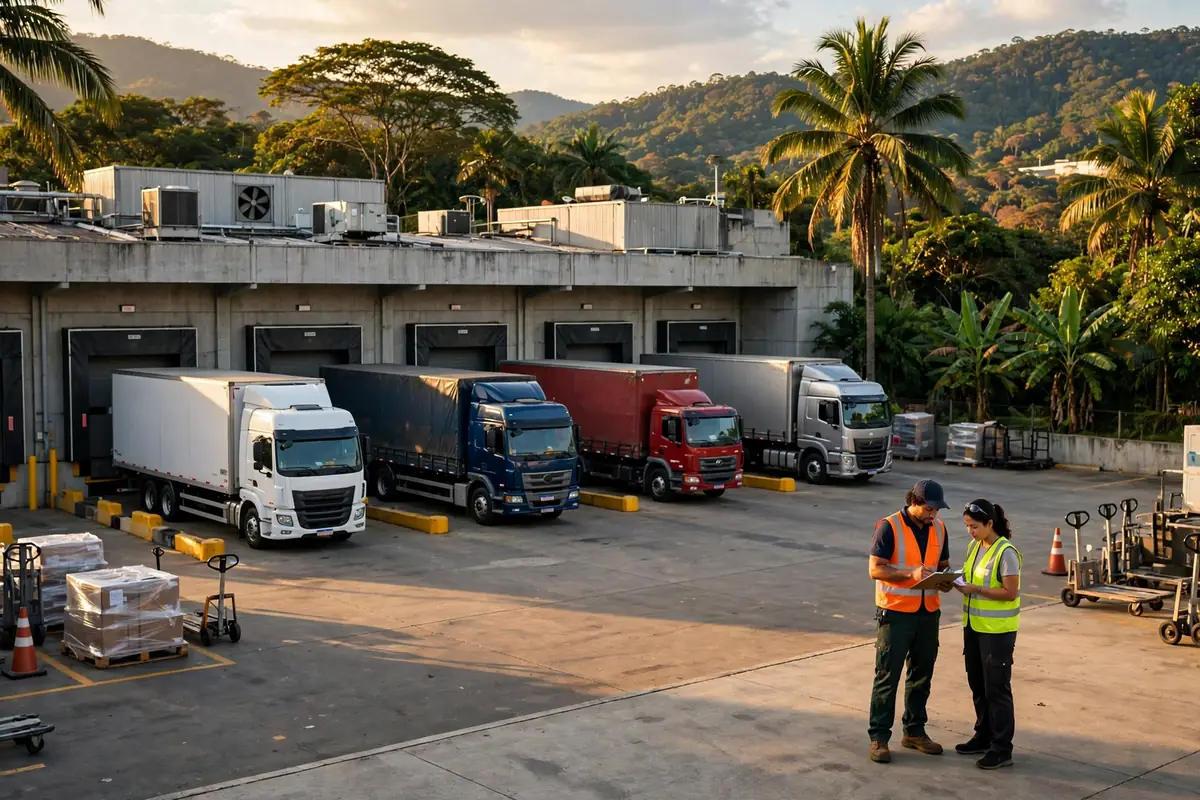
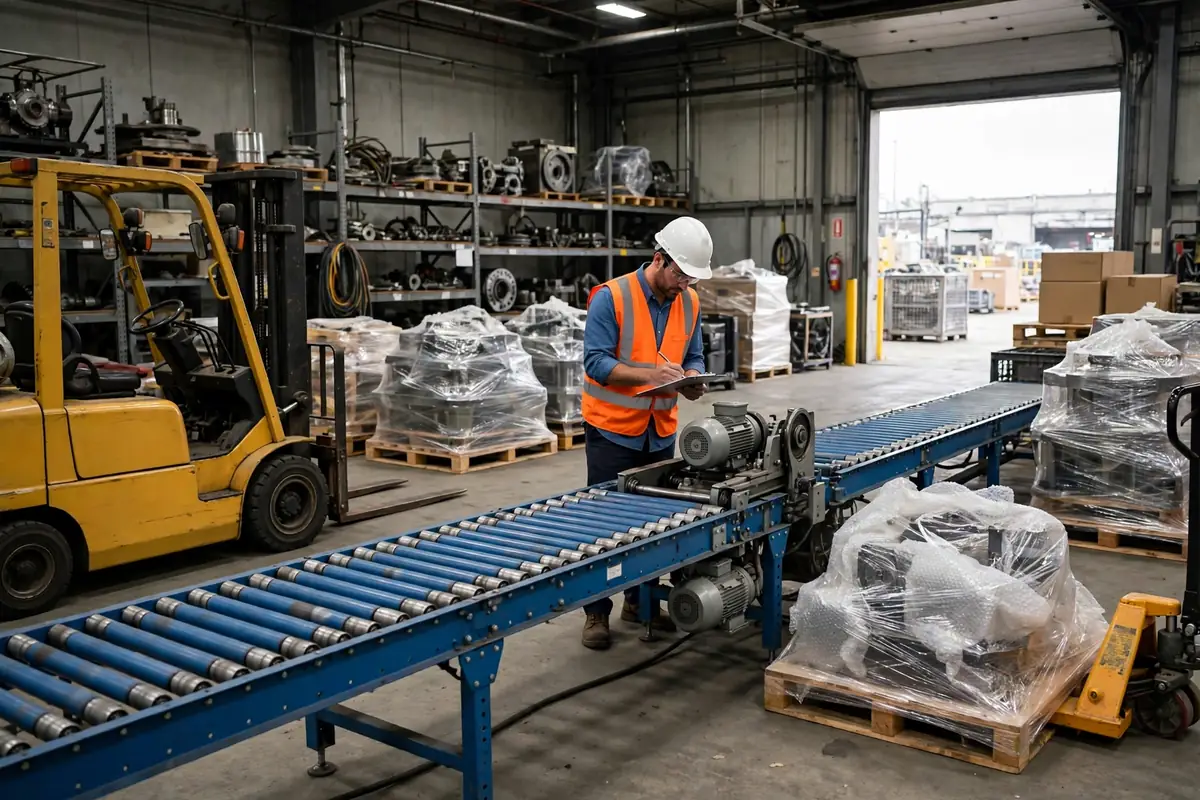
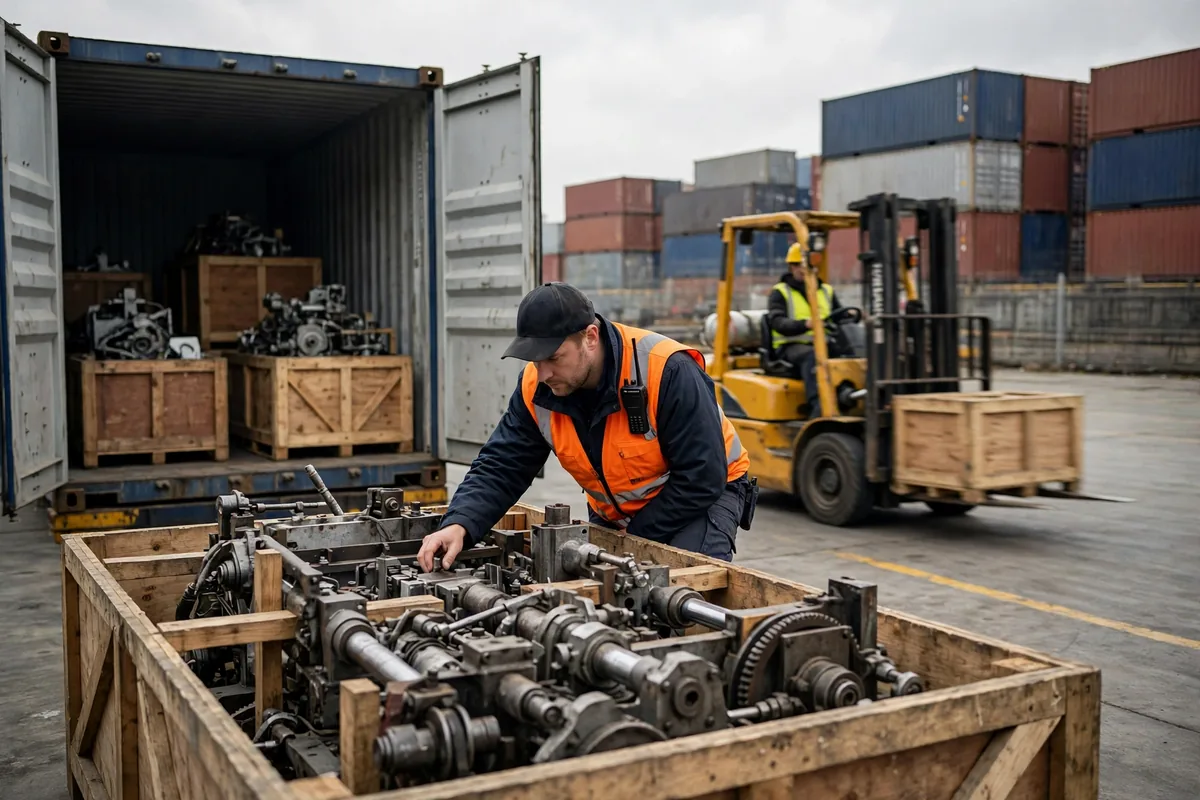
The flow is simpler than brokers make it sound. The container arrives, gets entered into the bonded facility instead of cleared, and waits. Permitted simple handling like labeling or repacking may be possible depending on the rules and the facility; confirm what is allowed before you plan on it. Each time you need stock for FBA or another domestic channel, you withdraw that batch, duty is paid on that batch, and only then does it move into US commerce.
Two practical warnings from watching sellers do this. First, do not withdraw in tiny dribbles. Every withdrawal is a paperwork and handling event with a cost attached; five small withdrawals a week will eat the cash-flow benefit in fees. Batch your withdrawals to your replenishment rhythm. Second, set this up months before peak, not during it. Warehouse space, your customs bond arrangements, and the document flow with your broker all need a test run on a quiet shipment first.
A pet supplies seller I know ran his Black Friday stock this way last year. Everything landed in bond, then he withdrew in three batches driven by his ad testing: batch one proved the listing, batch two scaled it, and the slow variant never got withdrawn at all. It was re-exported to a Canadian channel instead, so he avoided paying US duty on stock he would only have cleared at a loss. He swears by the play, with one condition: your broker and warehouse need to have done this together before, because peak season is the wrong time to learn.
Run this three-question check before you bother. One, is the estimated duty on a single shipment big enough to actually squeeze your cash? Two, will this stock take more than about two months to sell, or is its sell-through genuinely uncertain? Three, do you have a broker who actively handles bonded entries? Three yeses, bonded warehouse ecommerce sellers cost math is probably on your side. Any no, clear directly and keep life simple. And if anyone pitches you a bonded warehouse as a legal way to pay less duty rather than later duty, walk away. That is not a discount. That is a liability with your name on it. This route I have tested on paper and through people I trust, and the boring, compliant version is the only version worth using.
By Ah K, E-commerce Seller (5 yrs)