Let me start with the conclusion, because that is how I work: the first rule of Honduras coffee export warehouse storage is to price moisture before you price freight. That sounds backwards to people who live by vessel schedules, but I have seen too many shipments fall apart over a bag that looked fine and was not. Honduras has a rainy season that does not negotiate. The roof, the floor, and the bag are the real first line of defense, and nobody puts them on a rate quote.
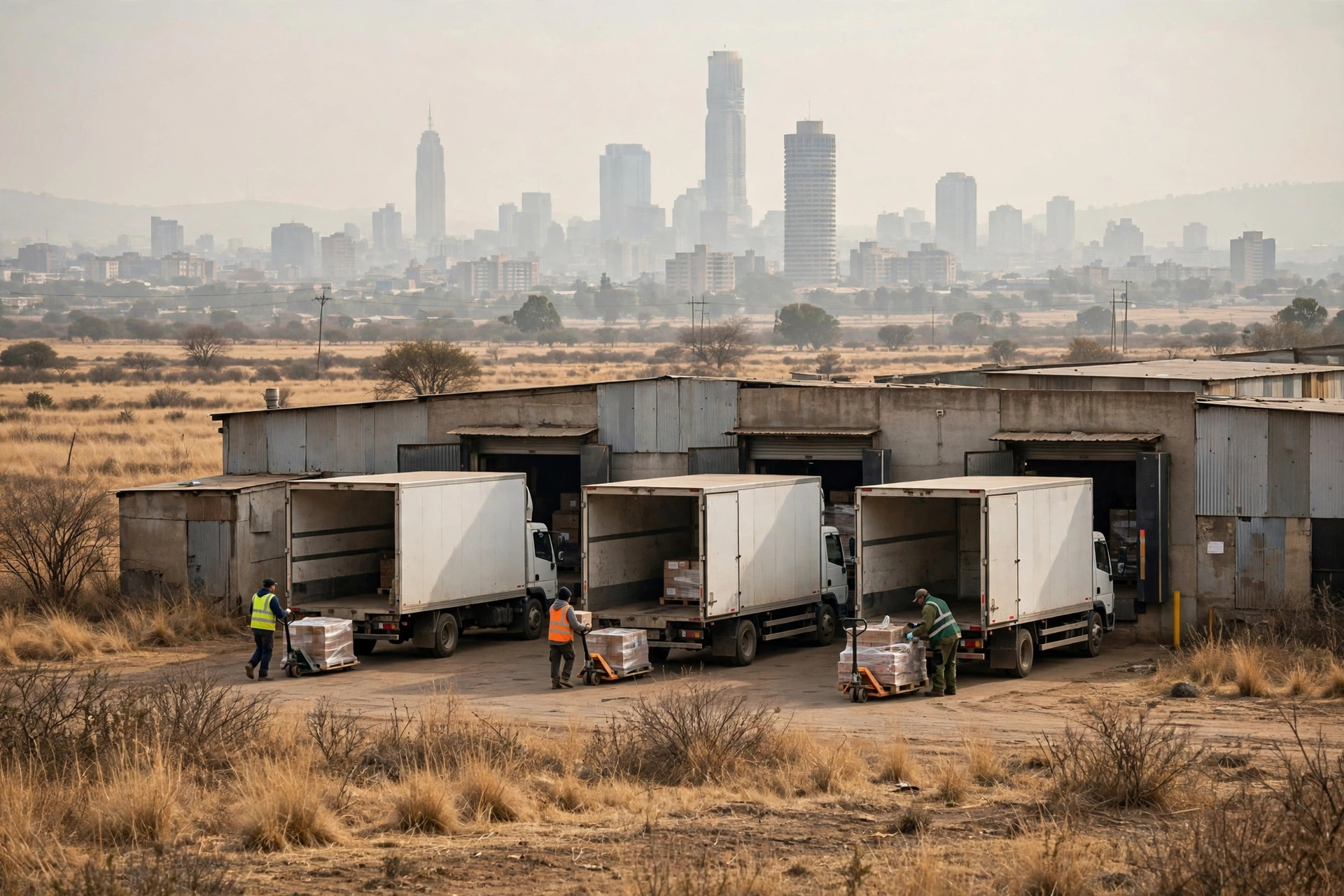
Here is the first story, and it still bothers me. A few years ago I was following a lot from the Copán region for a U.S. buyer. At origin the coffee looked good: clean, well sorted, paperwork in order. Then, during transfer and temporary storage, a few bags picked up moisture. On the outside nothing looked wrong. Once it was ground and cupped, the defect was obvious — flat, dull, musty at the edges — and the buyer pushed the lot back. Put bluntly, the failure was not at the farm and it was not at final stuffing. It was in the middle stretch of storage that nobody had priced properly: who owned moisture control, which bags were used, and who would take the loss if a bag came back damp. All of it was verbal. The argument lasted more than a week, the sailing window slipped, and trust took a bigger hit than the coffee did. Ever since then, my first question on any Honduran lot is simple: who is actually paying for moisture protection?
Honduras Coffee Export Warehouse Storage: Moisture First, Speed Second
Honduras grows coffee across six regions: Copán, Opalaca, Montecillos, Comayagua, El Paraíso, and Agalta. Altitude, rainfall, and processing differ from one region to the next, so no single storage playbook fits them all. Copán is mostly washed coffee, which is a strength and a vulnerability at once. Washed lots are clean, and clean lots hide nothing — when moisture creeps in, the flaw shows up fast.
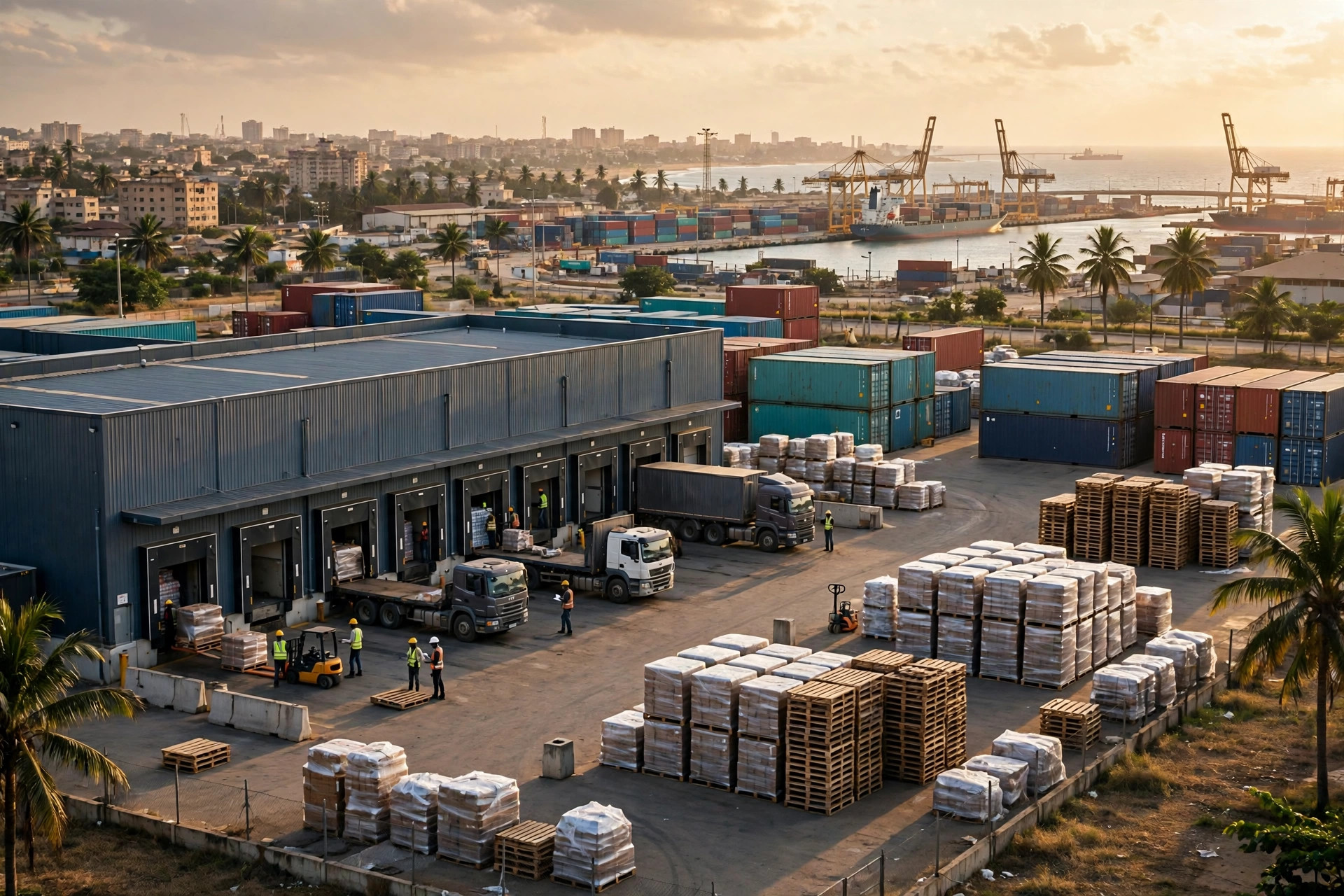
This is a two-sided trade-off, and I always say both sides out loud. Speed has real value: faster turns, less capital tied up, easier vessel connections. But the cost of speed is the time you stop spending on inspection, drying checks, and keeping lots separate. The most dangerous condition in a warehouse is not slowness. It is "looks fine." Every time a bag changes hands — from the farm collection point to the mill, from the mill to the export warehouse — risk stacks up one more layer. If you do not write down who owns each layer, the risk does not disappear. It lands on whoever has the least leverage to push back, and that is usually the origin side.
I have seen too many storage plans that read beautifully on paper and collapse in the first rainy month. A small roof leak here, a damp floor there, bags stacked tight against a wall where condensation forms — suddenly a whole stack has to be opened and rechecked. None of this is advanced technology. It is basic work. And basic work is exactly what gets squeezed out when someone says the vessel cannot wait.
The Villanueva Lesson: Big Throughput Cannot Rescue a Damp Bag
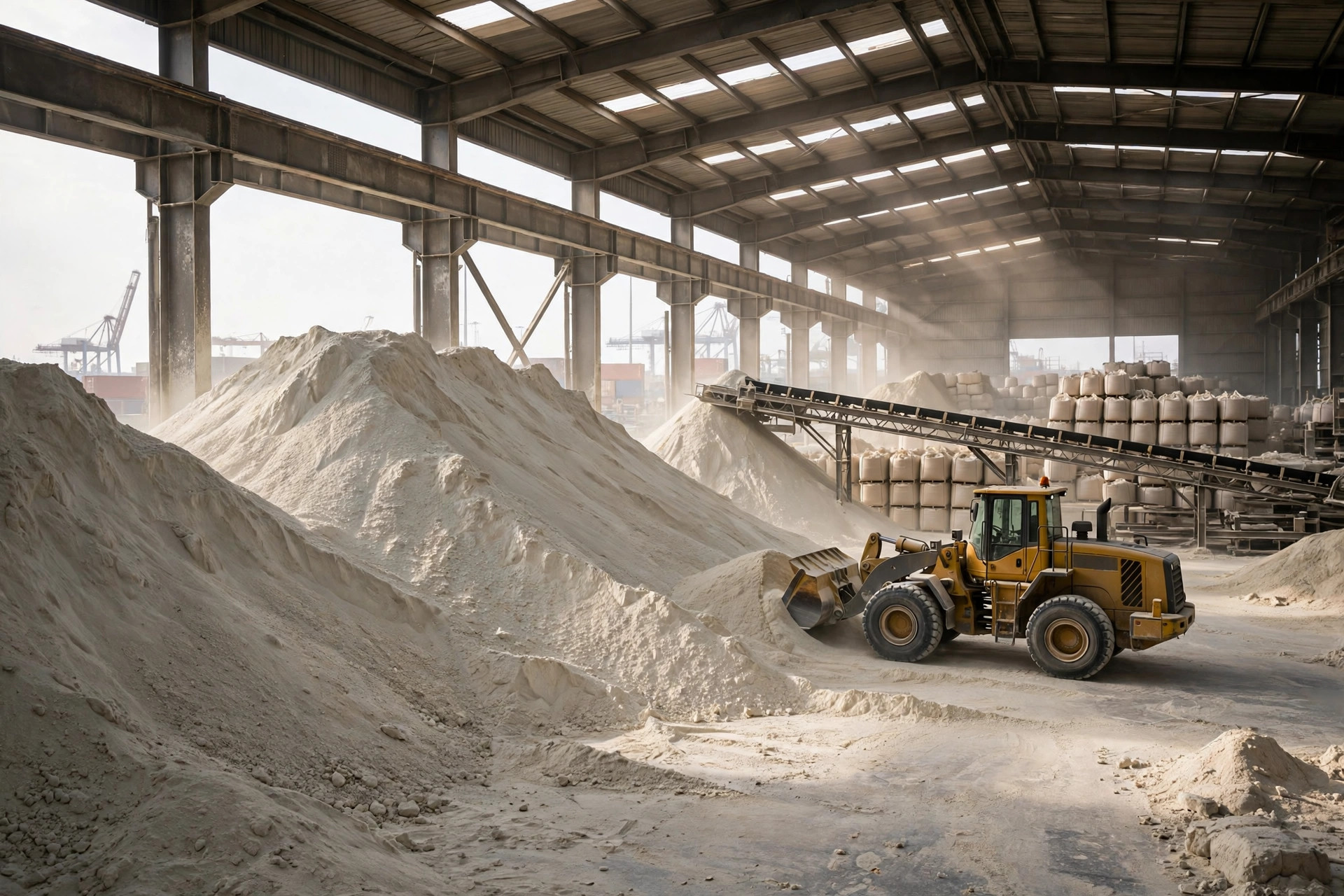
Villanueva is home to an LDC drying plant that handles about 330 tons of parchment coffee per day and stores in large bags. Pause on that number for a moment. Three hundred and thirty tons a day is enormous throughput: intake, drying, and storage running at industrial scale. A plant like that brings discipline to drying and grading, and that matters. But here is the second story, and it is the one exporters get wrong most often.
An exporter consolidated lots from several regions into the plant and assumed that getting inside a big facility meant the coffee was safe. Drying was fine. Grading was fine. The trouble came in storage, where lots in different moisture states were stored together and the uniformity of the whole shipment suffered. A buyer does not want coffee that is "fine on average." A buyer wants every bag to match. Big throughput solves a processing problem. It does not solve an accountability problem: which bag belongs to which lot, what condition it is in, and how long it has been sitting there.
My approach is unfashionable and it works: keep lots separate, label everything, move first-in first-out, and isolate any bag whose condition is unclear before you even think about stuffing it to complete a container. It looks slow. In practice it saves the far larger costs of rejection, claims, and a lost customer — and none of those show up in a warehouse rate until they hit you all at once.
Grading and Moisture Math in Honduras Coffee Export Warehouse Storage
Grading is often treated as the mill's job, separate from storage. That is a mistake. A grade like SHG is not just a label; it tells you how the coffee should be stored, how long it can sit, and what kind of bag it deserves. Higher-grade lots carry more flavor value, so they justify more care in storage. Standard lots can turn faster, but the moisture floor does not move. When grading and storage are priced as two separate jobs, the gap between them is where losses hide.
I break the moisture math into three lines, and I make every party agree on them before shipment:
| Decision | The cheap option | What it actually costs | My call |
|---|---|---|---|
| Bags | Standard bags, no liner | Higher moisture risk in the rainy season and a higher chance of failing re-inspection | For high-value lots, sealed bags such as GrainPro are worth it |
| Stacking | Tight against walls and floor | Wall condensation and floor dampness spread through the stack | Leave air gaps and walkways; the "wasted" space is insurance |
| Inspection | One sample at handover | Problems surface only at stuffing, when fixing them is most expensive | Inspect at every handover and write it on the transfer sheet |
There is no universal right answer in that table. The point is alignment: who pays for the bags, who inspects, and who absorbs a failed lot. Most disputes I have mediated were not technical disputes at all. They were accounting disputes — the numbers were never agreed in writing. For moisture limits, inspection terms, and claims, always follow the buyer's contract and the latest official policy; I will not quote a rate or a threshold here that I cannot verify, and neither should you.
Here is the counterintuitive part, and it is the heart of this business: the most expensive thing in coffee storage is rarely the bag or the rent. It is rework. One damp bag means opening a stack, rechecking, re-drying, re-grading, and burning labor and time — sometimes missing the vessel entirely. Compared with that, spending more up front on sealed bags, pallets, and inspections is not expensive at all. I have watched too many people save a little money early and pay a great deal for the lesson later.
The Other Side of the Trade
So here is my parting advice, not a slogan: in this trade, the winner is not the operator with the biggest warehouse or the most trucks. It is the operator whose books are honest. Origin, mill, export warehouse, and buyer — if all four hold the same record of lot, grade, and condition, the coffee moves. Where the records disagree, the rainy season, the re-inspection, or the claim will settle the difference all at once, and it will not be cheap.
If you have a Honduran lot moving right now, forget the vessel schedule for five minutes and answer three questions. Is the lot and grade clearly identified? Who owns moisture protection, and with what bag? And at every handover, is there an inspection record? If you cannot answer all three, the prettiest shipping schedule in the world is just clearing the road for trouble. Does that sound familiar?
By Lao Mi, Supply Chain Veteran (20 yrs)