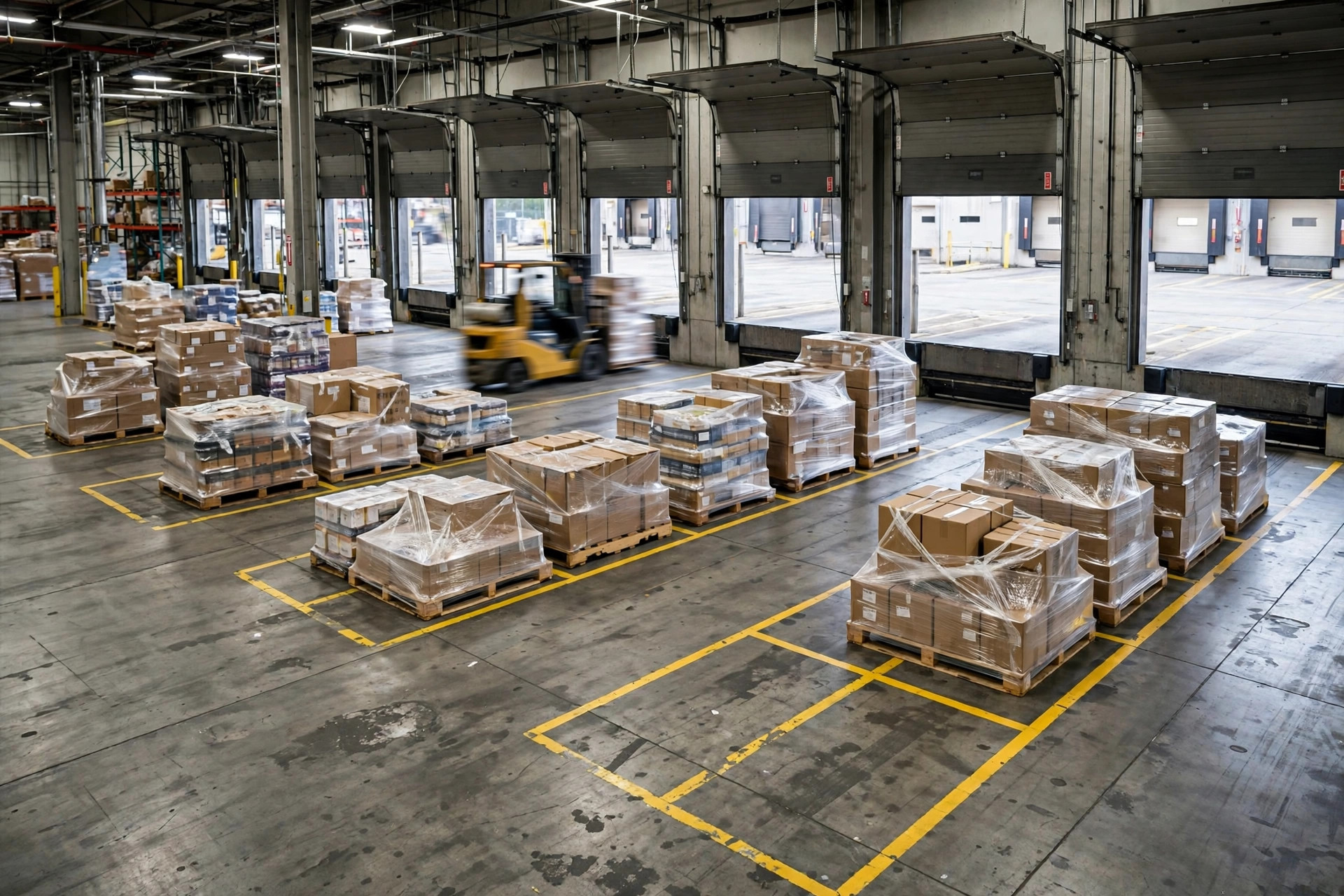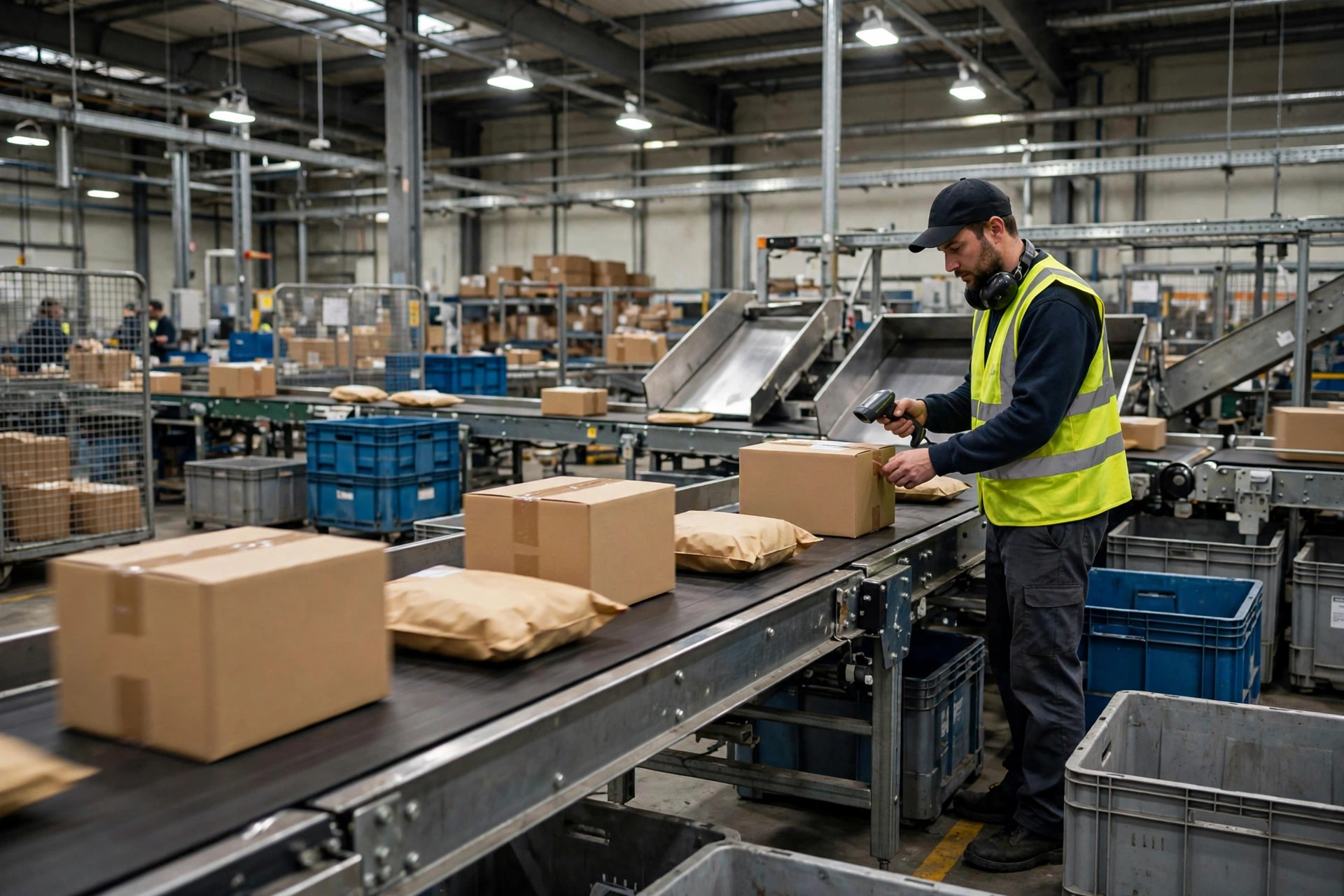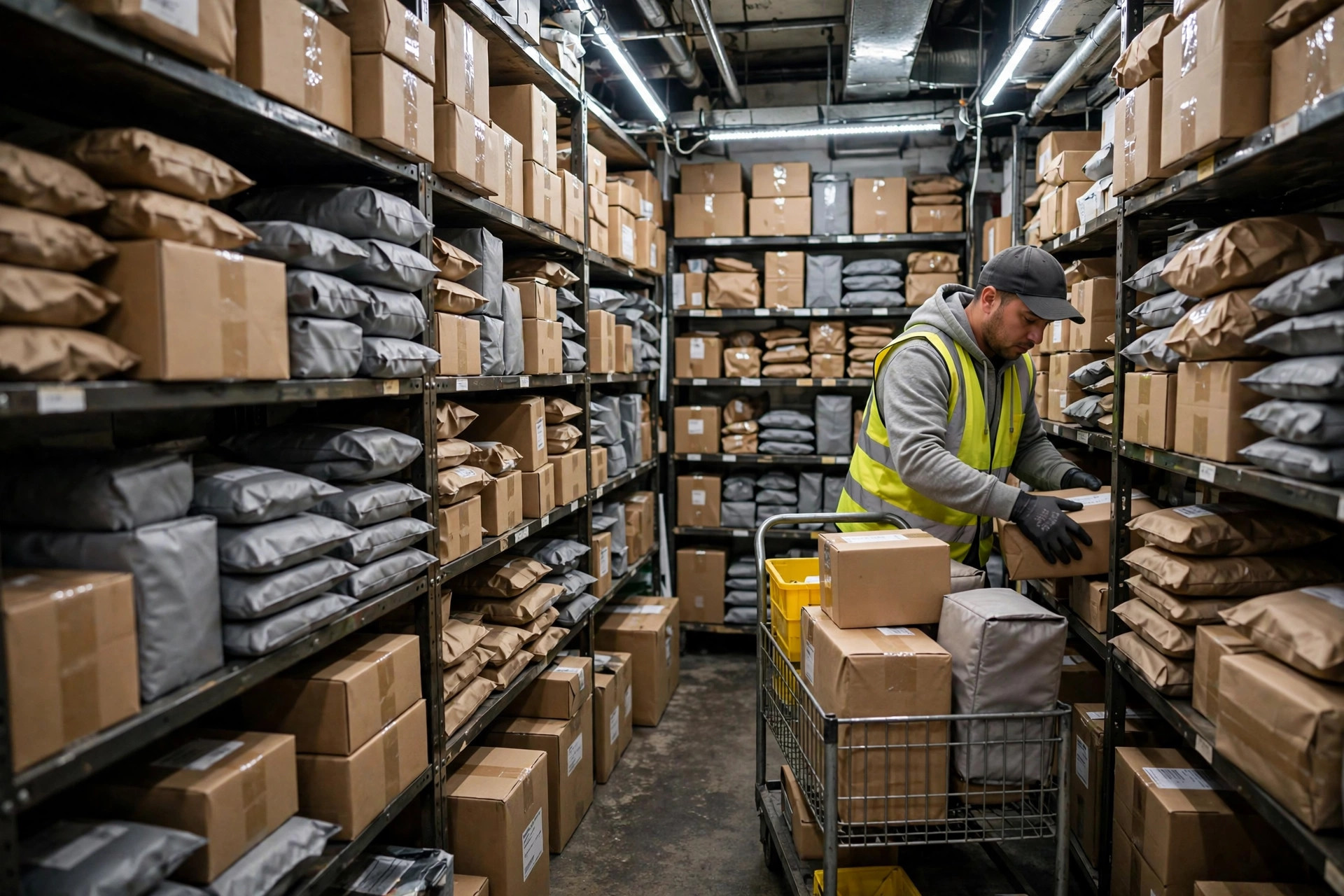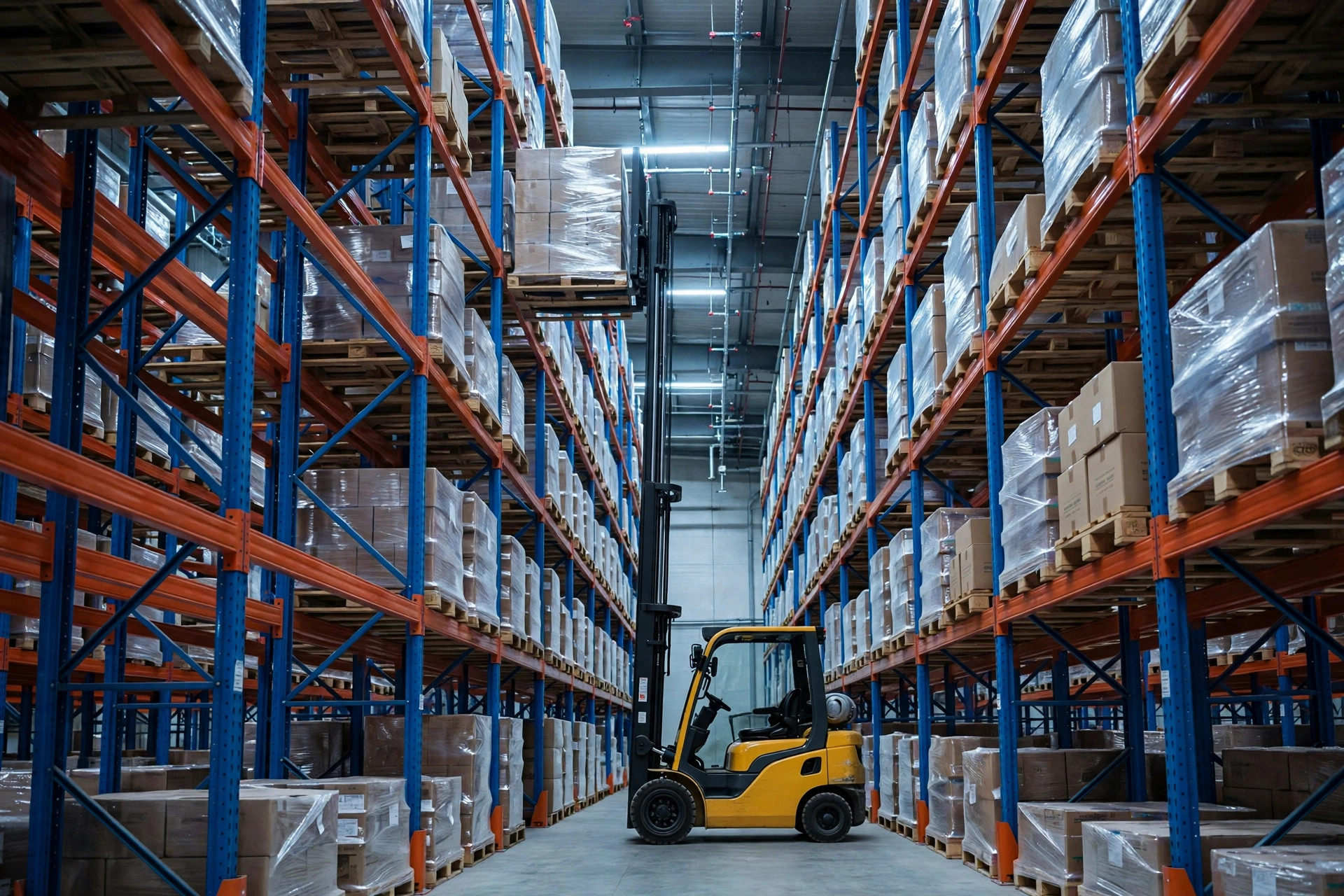
It was 1:40 in the morning — my nightly high-bay racking load distribution check. Night shift had one last truck to receive, and our driver Xiao Zhao was carrying a pallet up to level 5. Hardware parts in cartons, over 600 kilos on that pallet. I shouted: "Stop! That one doesn't go on level 5. Take it to level 2."
He looked annoyed. "Level 2 is full. Level 5 is wide open. It's easier up there."
To be honest with you, folks, I've heard this conversation in my warehouse at least twenty times. And every time I have to repeat the same sentence: high-bay racking load distribution has one iron rule — heavy goes low, light goes high. Put the heavy stuff down low, the light stuff up top. Break this rule, and it's not just the rack that suffers. The forklift and the driver suffer too.
A High-Bay Load Distribution Failure: When the Beams Started to Sag
November 2023, an e-commerce warehouse in Kunshan, rushing to ship pre-sale orders for the big shopping festival. The night shift, trying to save time, put a batch of 600–700 kilo pallets of home-appliance parts straight onto level 5 — the rack was over 9 meters tall, and level 5 sat more than 7 meters off the ground. The reasoning sounded solid: the lower levels were full, the top was empty, just get it up there.
A month later, during inspection, the shift lead noticed several beams visibly sagging in the middle. Each beam had a load placard: 800 kilos per level. The weight was technically within spec — but the "heavy low, light high" load distribution principle had been violated. Here's the thing about racking: the uprights and beams work as one structural system. When all the heavy loads sit up high, the upper sections of the uprights take eccentric loads day after day, and the beam end connectors loosen their grip a little more each time.
Re-slotting that section took two full days. Heavy pallets came down one by one and went back to levels 1 and 2; light goods moved up. We brought in the rack manufacturer's engineer for inspection, and two uprights had deformed slightly — replaced outright. When we added it up: inspection, replacement parts, two days of labor and downtime — well into six figures in local currency. All to save a few minutes of putaway time that night.
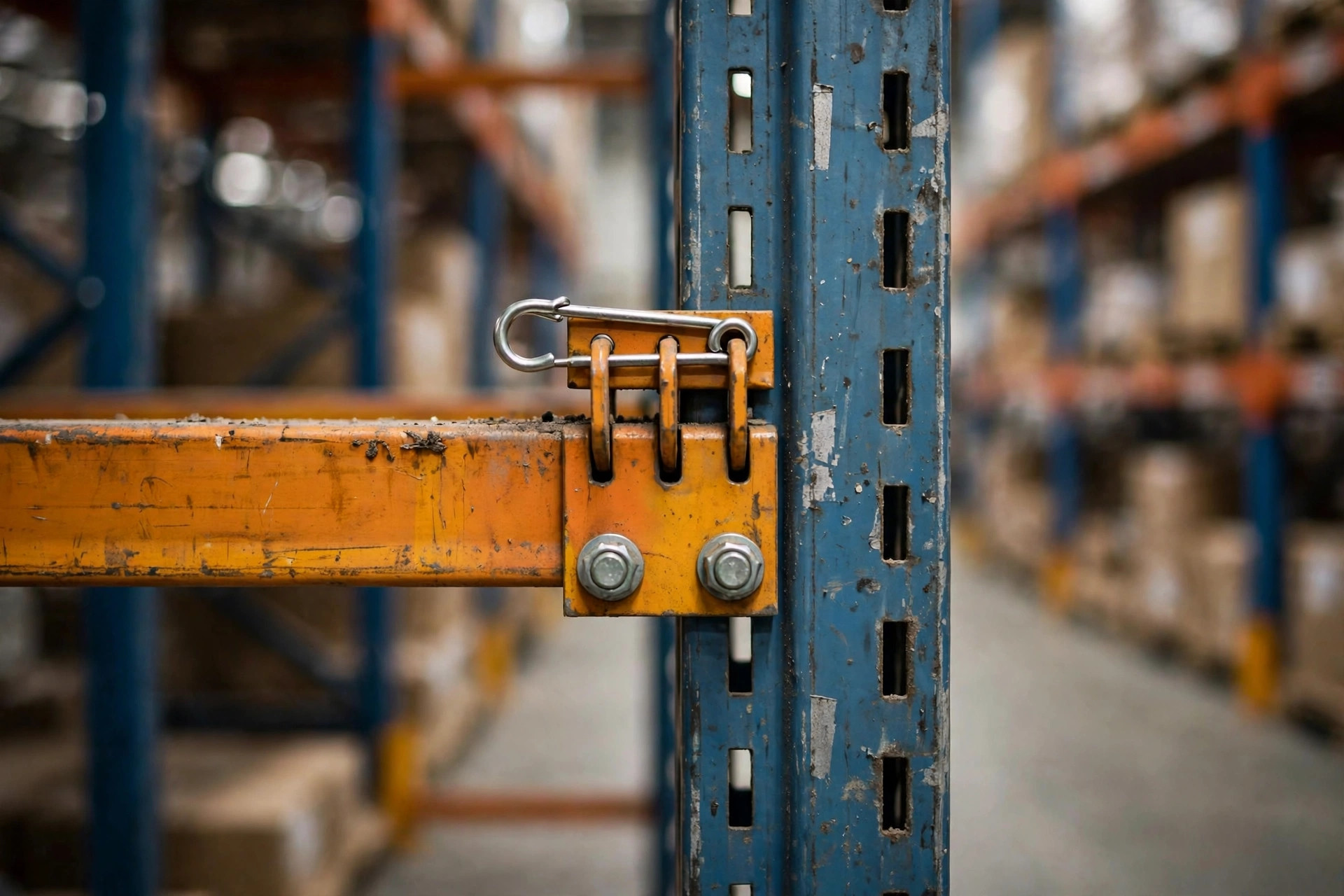
When High-Bay Racking Load Distribution Fails, the Forklift Becomes the Danger
July 2024, an auto-parts warehouse in Guangzhou. Driver Aqiang carried an 800-kilo pallet of engine blocks up to a 6-meter slot. Forks at full height, he turned to line up with the bay — the truck rocked, the front wheels left the ground for half a second, the pallet tilted and slammed into the end of the rack. One upright caved in.
Nobody got hurt. Pure luck. The entire row was sealed off on the spot, a third-party inspector came to check upright verticality, and 12 bays sat idle for 3 days. Those engine blocks were a rush order, the customer's production line was waiting, and late penalties piled on top.
During the review, Aqiang said something brutally honest: "I thought it was the same as always. 800 kilos at 3 meters feels like nothing."
That's exactly the problem. Every forklift has a load curve on its data plate: the higher you lift, the less weight you're allowed to carry. The exact numbers differ by truck — always go by the manufacturer's plate — but the trend is universal. Forks at 6 meters means the combined center of gravity is high and forward; one hard brake, one sharp turn, and a tip-over happens in a blink. Heavy loads up high punish the rack and the forklift at the same time. Nobody wins.
Our High-Bay Racking Putaway Load Checklist
After those two lessons, our warehouse made it a hard rule, posted at every putaway station. New forklift drivers memorize it on day one:
| Check | What we do |
|---|---|
| Weight | Read the pallet weight tag before putaway. No tag? Weigh it. Estimated weights never go up high. |
| Level capacity | Match the bay's load placard. Over the per-level limit? Ground level only. |
| Center of gravity | Off-center or sloppy pallets get re-wrapped first. Only neat, stable pallets go up high. |
| Load sequence | Same upright: heavy goods on levels 1–2, medium on level 3, light goods only above level 4. |
| Forklift data plate | Lifting above 4 meters? Check the load curve first. Over the limit? Get a bigger truck or drop a level. |
And here's the counterintuitive one: fast-moving goods don't always belong on low levels. A lot of people think high-turnover items should sit low for easy access — but if they're heavy, the "heavy low, light high" rule still applies. Picking speed comes from putting light, fast movers at waist height in the golden zone, not from cramming heavy goods low and flinging light goods wherever. The few minutes of picking time you save by putting heavy goods up high won't cover one deformed rack — and it definitely won't cover one tipped forklift.
This Playbook Wasn't Built in a Day
To be honest, the checklist only exists because of those two accidents — and we took some wrong turns getting there.
Our first idea was to let drivers "eyeball the weight." A ten-year veteran can size up a pallet within ten percent just by looking. We tried it for a month and gave up: the veterans were fine, the rookies were not. One rookie guessed "four or five hundred kilos" on a 700-kilo pallet and put it on level 4. Luckily inspection caught it early.
Then we switched to "floor scale plus color stickers." Every pallet bound for putaway goes over the scale first and gets a red, yellow, or green sticker — red (over 600 kilos) goes only on levels 1–2, yellow (300–600) can go up to level 3, green (under 300) goes anywhere. Drivers don't memorize numbers; they read colors. Two years on this system, zero load-distribution incidents.
One more: every year we bring the rack manufacturer in for a full inspection — upright verticality, beam connectors, anchor bolts, item by item. Small money for real peace of mind.
One Reminder for Fellow Warehouse Folks
Folks, there's no "close enough" in high-bay racking load distribution. The numbers on the placards, the curves on the data plates, those four words "heavy low, light high" — all of them were paid for with real accidents.
Two more honest points. First, putaway and picking teams will fight over slots — picking wants convenience, putaway wants safety. My position is clear: safety always comes first. Make up picking speed with better travel paths, not by breaking load rules. Second, don't wait for beams to sag before inspecting. We now run a dedicated load-distribution walk every month, the shift lead going row by row with the checklist.
Next time someone on night shift tells you "the top is empty, just put it up there," forward them this article.
By Chen Feng, Warehouse Operations Manager