Back in the fall of 2023, I watched a full pallet of cleaning solvent sit stuck in a 3PL receiving area for three days. The UN number on the label didn't match the actual product. The customer ended up docking our storage fees for the delayed putaway. The receiving clerk told me afterward: "I had a feeling the label was off when it arrived, but three trucks were lined up, the driver was pushing me, so I figured we'd sort it out after receiving it in."
That "we'll sort it out later" is where nearly every hazmat incident I've seen in twenty years actually begins.
Here's my verdict up front: hazmat inbound inspection can't run on gut feeling or on "we'll get to it." It runs on a checklist — labels, packaging, paperwork, ten minutes, and anything that doesn't check out gets quarantined or refused. Ten minutes at receiving is the cheapest insurance your warehouse will ever buy.
Why Receiving Is Where It Blows Up
Most hazmat incidents I've witnessed didn't start in storage. They started at receiving. The reason is brutally practical: the dock is the fastest, highest-pressure zone in the building. Drivers need to roll, appointment windows are tight, forklifts are queued up behind, and the receiver is juggling three or four things at once.
Under that pressure, the human instinct is to get the freight in the door and deal with problems later. But with hazmat, "later" is the trap. Once mislabeled product enters the system and lands on a rack, fixing it costs ten times what it would have at the dock — and by then it may already be co-mingled, or worse, already shipped to the wrong customer.
So my iron rule: hazmat receiving standards live in the written process, not in the receiver's sense of responsibility. Responsibility gets tired. A checklist doesn't.
Checkpoint One: Labels — Six Things to Verify
In the US, hazmat labeling follows OSHA's Hazard Communication Standard (29 CFR 1910.1200) and the GHS system. A compliant label carries six elements, and I check them in this order:
Product identifier and supplier information — does the product name match the purchase order? Is the supplier name, address, and emergency phone number present? People skip the emergency number, but in a real incident, that's the first number you'll dial.
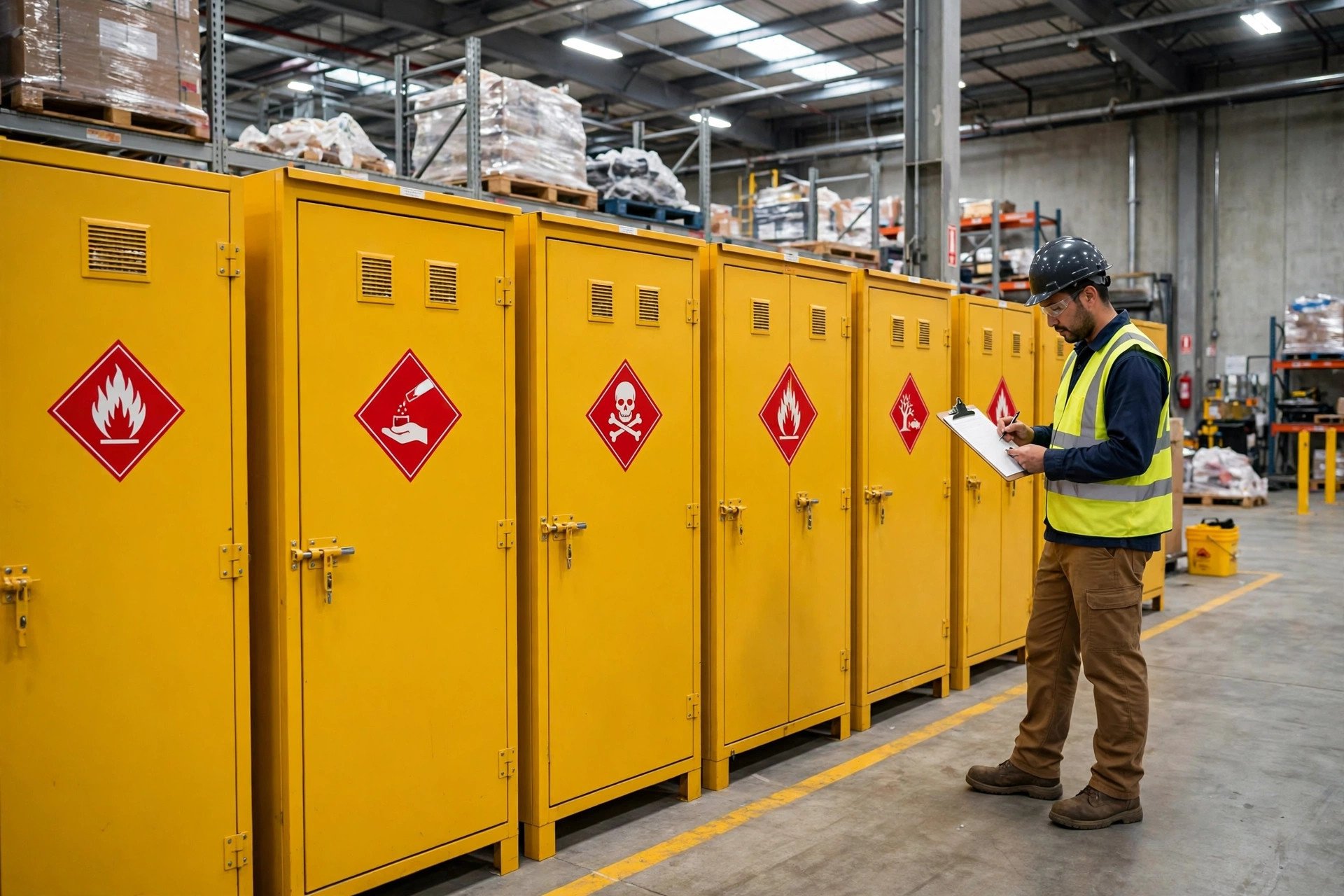
Signal word and pictograms — "Danger" or "Warning," and whether the pictogram shows corrosion, flame, or skull. Check that pictograms aren't worn off or half-covered by tape. I've seen labels applied right across a drum seam, with the pictogram split in two.
Hazard and precautionary statements — a quick scan to confirm they match the SKU you're actually receiving. The critical move: the UN number on the label must match the UN number on the outer packaging and on the shipping paperwork. If the numbers don't agree, the identity of the whole shipment is suspect. Quarantine it. Don't debate it.
One more detail: labels must be placed where they're readily visible — not on the bottom of a drum, not buried under stretch wrap. Wrapped pallets hiding labels are something I see constantly — the supplier wraps the whole pallet for moisture protection and the labels disappear. My practice: unwrap and verify on the spot. Those five minutes are non-negotiable.
Checkpoint Two: Packaging — Look for Damage
For hazmat packaging, I look at exactly four things:
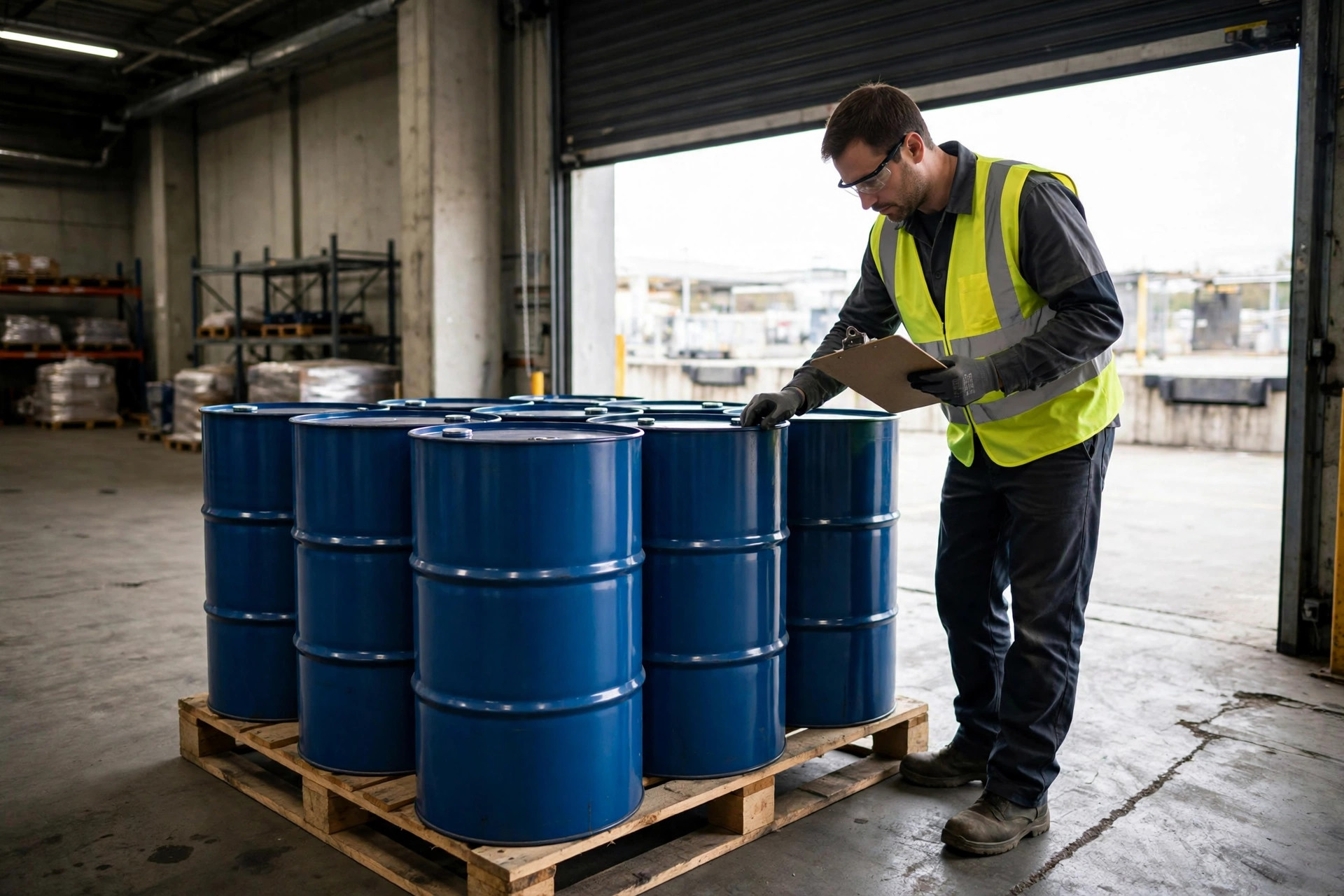
Bulging, leaking, deformation, and seals. Steel drums: check for swelling or rust-through. Plastic drums and IBC totes: cracks, seepage stains around valves. Every package: are closures and caps original, any sign they've been opened?
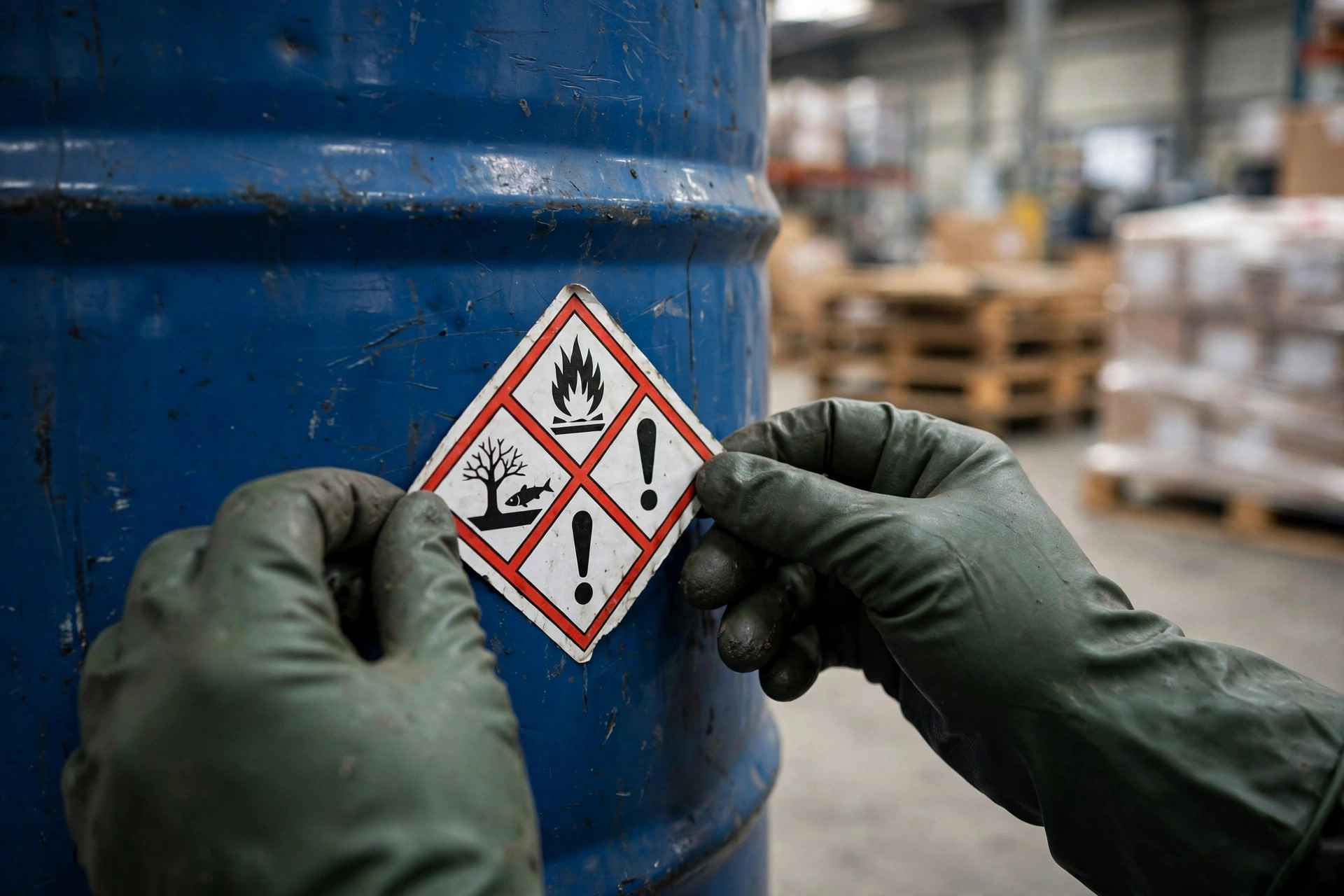
Anything that looks tampered with — even just "looks like" it was opened — gets treated as suspect. My rule: damaged hazmat packaging doesn't enter the building. Not "fix it and receive it." Straight to the nonconforming process. Once hazmat packaging is compromised, you have no idea what the contents went through in transit.
Mixed-load checks are the second priority. Are incompatible chemicals riding on the same pallet or in the same shipment? Acids with bases, oxidizers with flammables — the vibration and friction of transit make these combinations more dangerous on the road than on your racks. Your receivers should have a compatibility quick-reference card — one laminated sheet listing the forbidden combinations among the product families you handle, posted on the receiving wall. Thirty minutes to make, and it blocks the kind of accident that makes the news.
Checkpoint Three: Paperwork — Three Documents
Labels and packaging tell you about the freight. Paperwork tells you about its identity. Three documents, all required:
The Safety Data Sheet (SDS) — sixteen sections under GHS, and the supplier must provide it with the shipment or in advance. I focus on Section 1 (identification and supplier info), Section 2 (hazard identification), and Section 14 (transport information). The UN number and proper shipping name on the SDS must match the label and the physical product — all three. I've seen outdated SDS versions where the formulation had changed. Those go straight back to the supplier for an update.
Purchase order and ASN — quantities, lot numbers, manufacture dates. Lot numbers matter enormously: hazmat recalls and traceability run entirely on lot numbers. A lot number keyed wrong at receiving turns your two-hour recall drill into fiction.
Transport documents — the proper shipping name, UN number, and quantities on the bill of lading. In transit, DOT's 49 CFR governs, and mismatches there are the carrier's and shipper's problem. But once that freight is sitting in your building with mismatched documents, it's your problem.
What to Do With Nonconforming Freight
When inspection finds a problem, I lock in a three-step response:
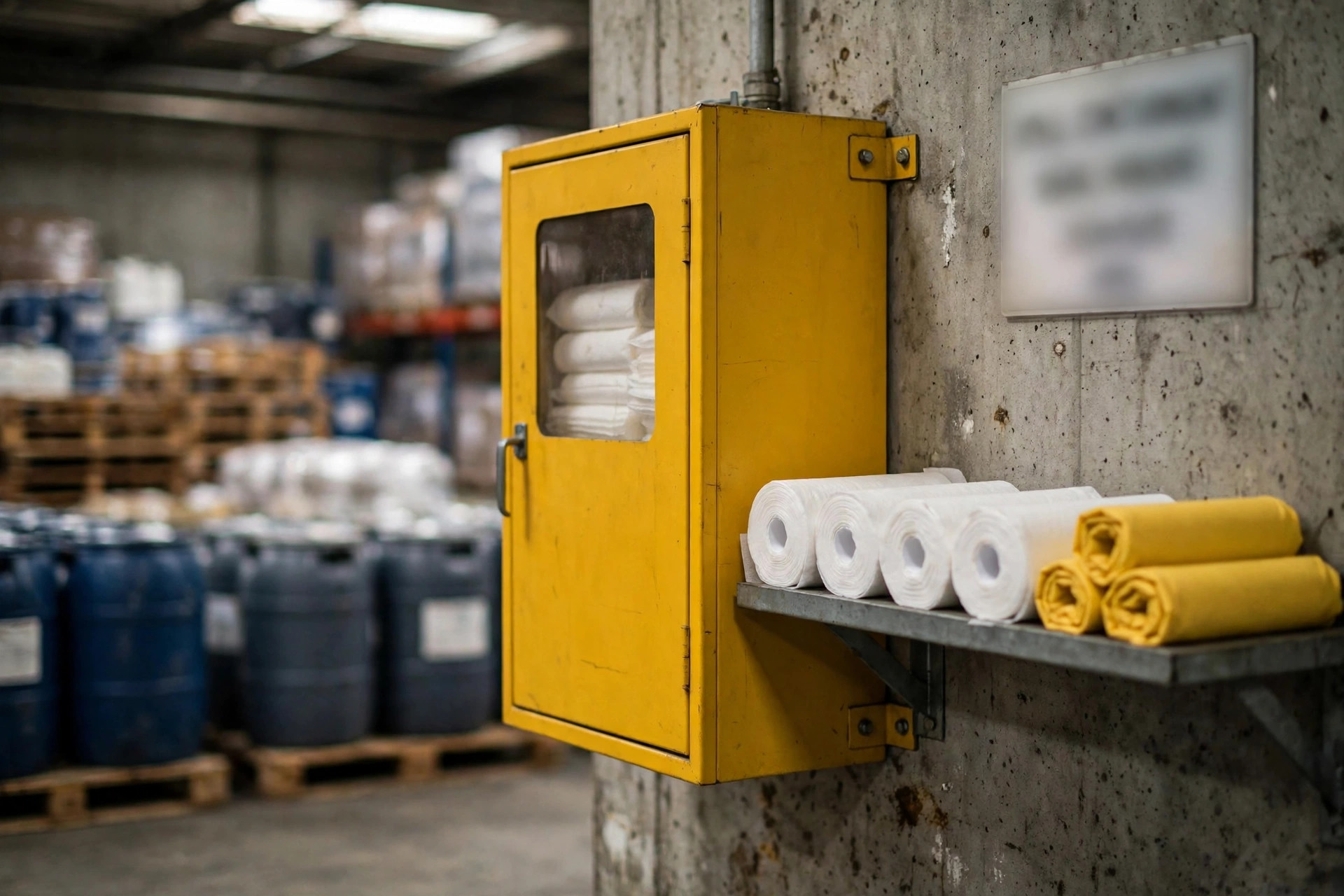
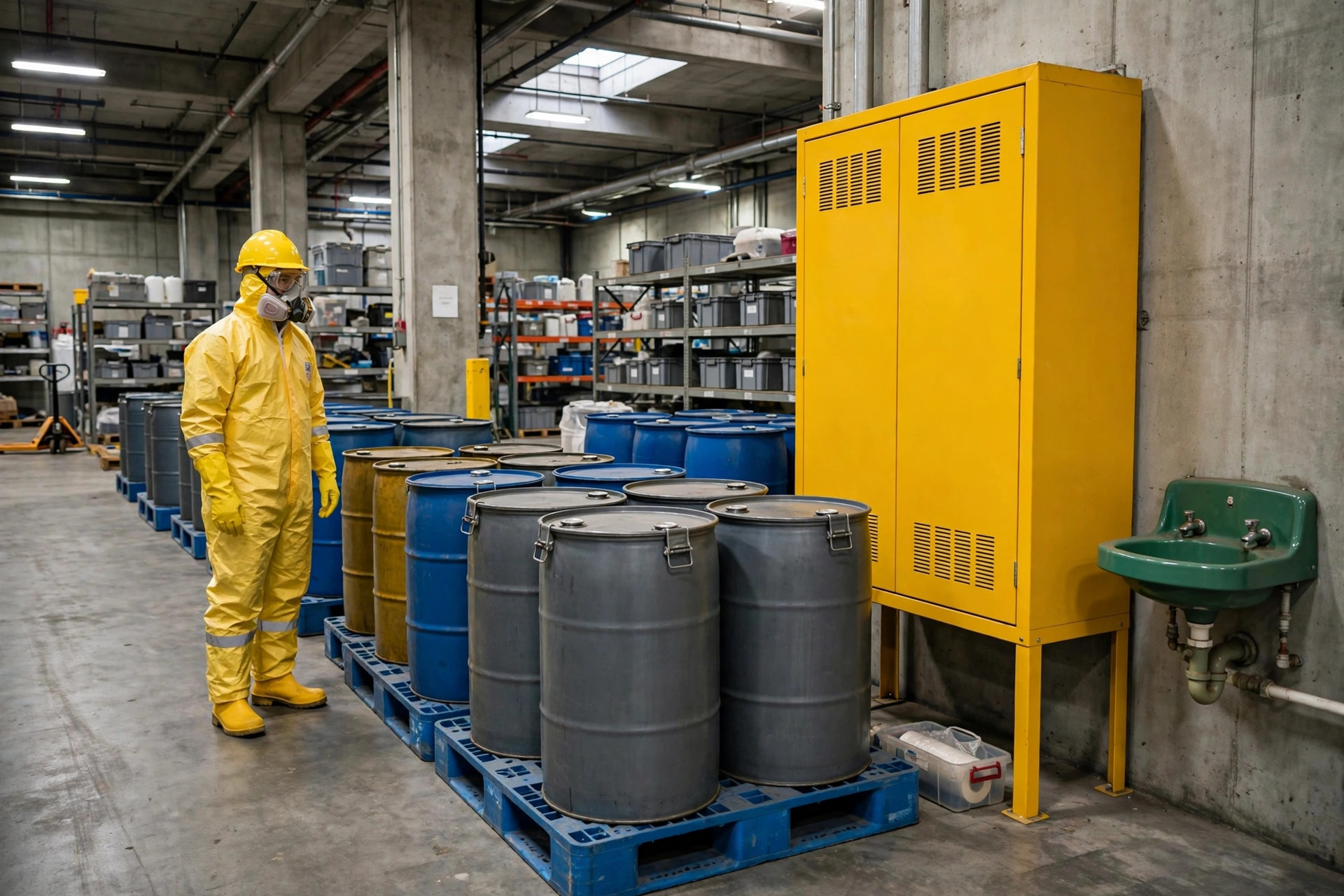
First, quarantine — don't send it back. Move the suspect freight to a designated hold area at receiving and tag it. Never take the shortcut of telling the driver to "just take it back." Hazmat in transit carries heavy compliance liability; handing problem freight back to the driver throws the risk back onto the road and muddies responsibility beyond repair.
Second, photograph everything and notify the supplier in writing. Labels, damage, documents — with timestamps. A phone call is fine, but follow it with an email. If you're a 3PL, copy the customer — it's their freight, and both the decision and the knowledge belong to them.
Third, set a clock. Held freight can't sit forever. I use 48 hours: within 48 hours the supplier or customer must give a disposition (replace, supplement paperwork, or written release), and past that it gets handled per the contract terms. I've seen hold areas turn into permanent collections of freight nobody dares touch. That's a time bomb with a label on it.
One word on penalties: OSHA penalty amounts adjust with inflation every year, so check the current figures on OSHA's website. But here's the thing — the fine is the small part. The real cost of a hazmat incident is the shutdown, the customer claims, and the insurance hike. Those run an order of magnitude above any citation.
What My Ten-Minute Flow Looks Like
String the checkpoints into a flow a receiver can actually complete in ten minutes:
Minutes 1-2: Paperwork. SDS, purchase order, transport documents — reconcile UN numbers and quantities across all three, confirm the SDS version is current.
Minutes 3-6: Labels. Spot-check the six label elements pallet by pallet, with the UN number three-way match as the centerpiece. Check placement and condition.
Minutes 7-9: Packaging. Bulge, leak, deformation, seals — then a pass over the incompatibility quick-reference card.
Minute 10: System confirmation. Quantities and lot numbers keyed in, putaway directed for conforming freight, hold process triggered for the rest.
Print this flow, laminate it, and hang it on a receiving column. New hires learn it on day one; veterans get refreshed quarterly. For hazmat receiving, the standard answer has to live on the wall — not in someone's head. People quit, take days off, and make mistakes when they're rushed. The laminated checklist doesn't.
One question to leave you with: does your warehouse have a hazmat-specific receiving checklist right now? If not, print the checkpoints in this article tomorrow morning. Don't wait for an incident to build one. You can't build it back afterward.