excerpt: Haiphong Vietnam port warehouse logistics starts at the berth, not at the warehouse rent — this piece breaks down the port, the three warehouse locations, and the transshipment trade, and shows you how to run the real math.
Let me give you the verdict first: if you have cargo in northern Vietnam that needs to go to sea, Haiphong is not the backup plan for Ho Chi Minh City. It is the front door. I have watched too many shippers rent a cheap warehouse near Hanoi, then spend every dollar they saved on trucking and missed sailings.
That said, Haiphong only works if you understand three things before you sign anything: which terminal your cargo actually sails from, where your warehouse sits relative to that terminal, and whether your transshipment cargo is even allowed to touch Vietnamese soil the way you planned. Get any one of those wrong and the cheap rent becomes the most expensive decision you made all year.
What Haiphong Port Actually Is
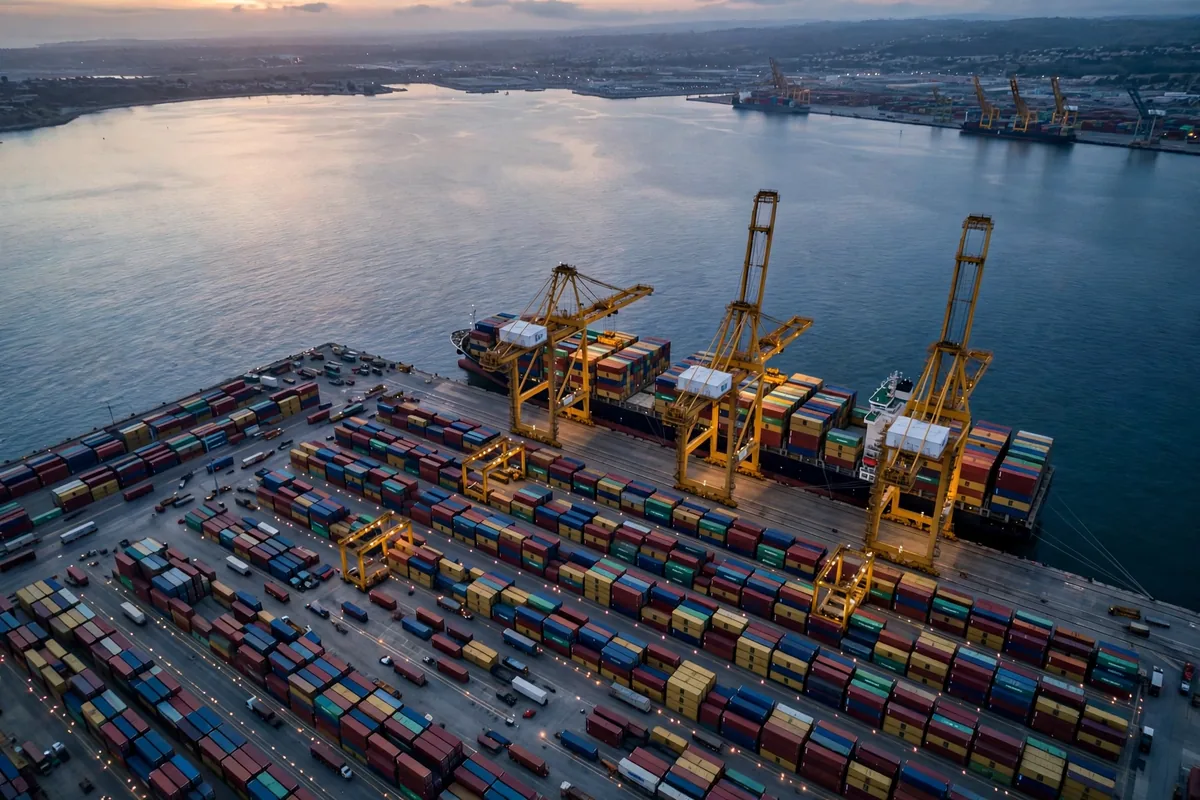
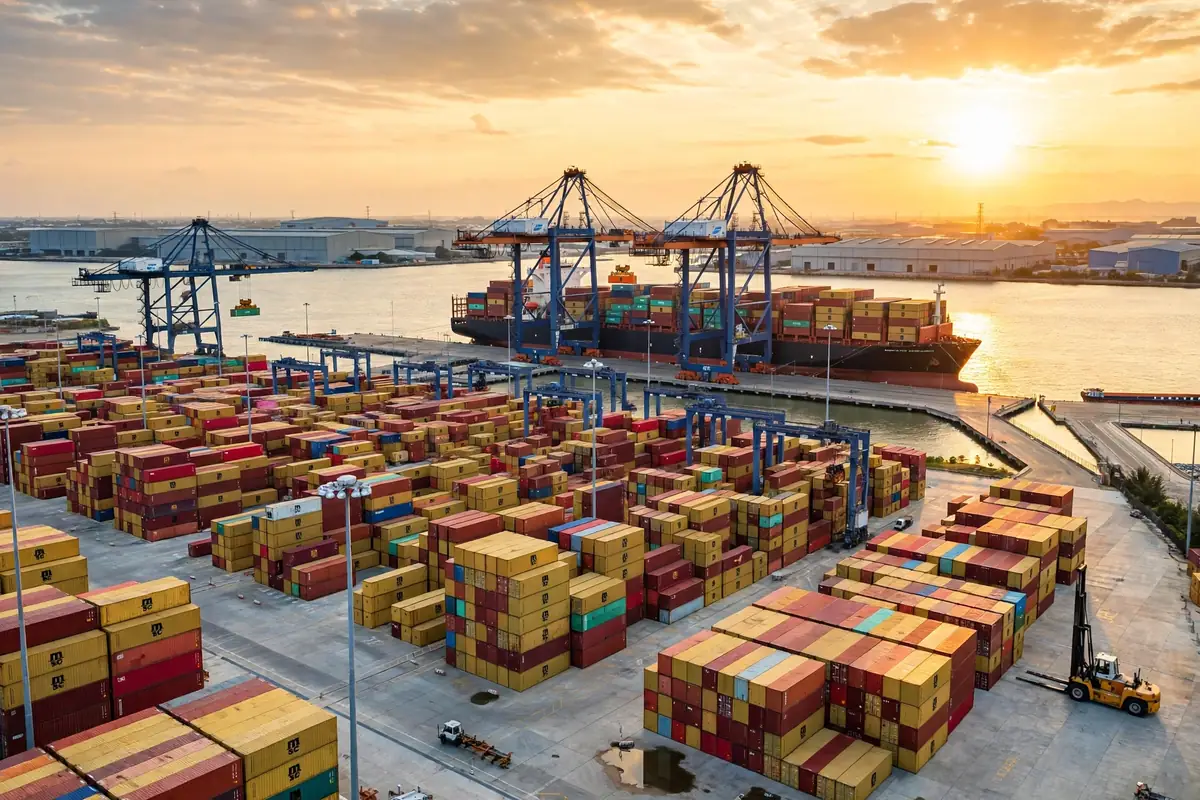
Here is the first thing people get wrong. "Haiphong Port" is not one terminal. It is a cluster. The old terminals sit near the city on the Red River estuary — shallow draft, fine for domestic and short-sea feeder work, useless for a big mainline vessel. The game changed in 2018, when the Lach Huyen deep-water complex opened out on Cat Hai Island. Berths 3 and 4, inaugurated in May 2025, are dredged to 16 meters and can take vessels of 165,000 deadweight tons — roughly 14,000 TEU. In April 2025, MSC's MAKALU III berthed there on a trans-Pacific service, which meant northern shippers finally had a direct sailing to the US West Coast from their own backyard.
The scale is real. In 2024, total cargo through Haiphong topped 106 million tons, up more than 10 percent year on year, with over 17,000 vessel calls. Just one terminal — Tan Cang Haiphong International Container Terminal, TC-HICT — handled 1.5 million TEU in 2024, well above its 1.1 million TEU design capacity, running 13 regular weekly services including 7 direct to the United States. Vietnam as a whole moved about 29.9 million TEU in 2024.
Now the cold water. A deep-water port does not mean your cargo gets on a big ship smoothly. Lach Huyen sits on an island about 40 kilometers east of the city, reached by a sea-crossing bridge. One accident on that bridge and the whole day's pick-up plan slides. That is the first trade-off of Haiphong Vietnam port warehouse logistics: the big ships arrived, but the landside margin for error got thinner.
The Mistake I Keep Seeing: Cheap Rent, Ruined Schedule
A few years ago, a home-goods client of mine rented a big warehouse east of Hanoi. The rent was far cheaper than anything near the port, and the owner was convinced he had found a bargain. Here is what happened instead. Every export container had to be trucked to Haiphong — about 120 kilometers on the expressway, roughly two hours in normal traffic, but in peak season, with port queues, a single leg could eat most of a working day.
Worse was the sailing. His cargo moved on a feeder out of the old terminals, transshipping at Singapore or Hong Kong before joining a mainline vessel — days slower than a direct sailing from Lach Huyen. One Christmas-season shipment missed its connection and arrived in the US more than ten days late. The buyer's deduction on that one shipment would have paid several months of rent on the "expensive" port-side warehouse he had turned down.
My screening rule now: never judge a Haiphong warehouse by rent per square meter. Judge it by the total cost of getting a box from the warehouse floor onto the ship.
Where to Put the Warehouse: Three Locations, Three Ways of Life
Warehouses in Haiphong Vietnam port warehouse logistics fall into three buckets, and the right one depends on what you ship and how fast it has to move.
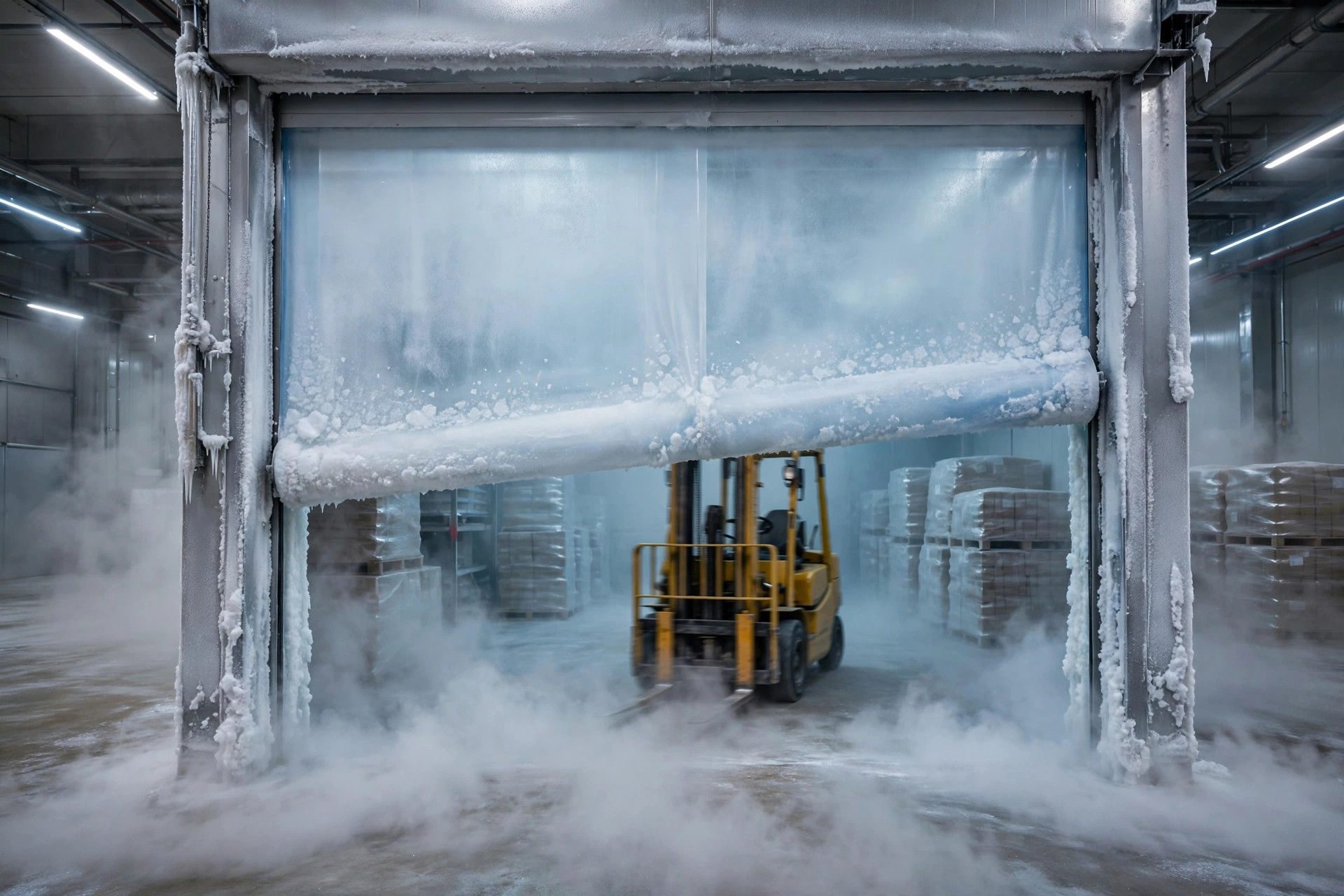
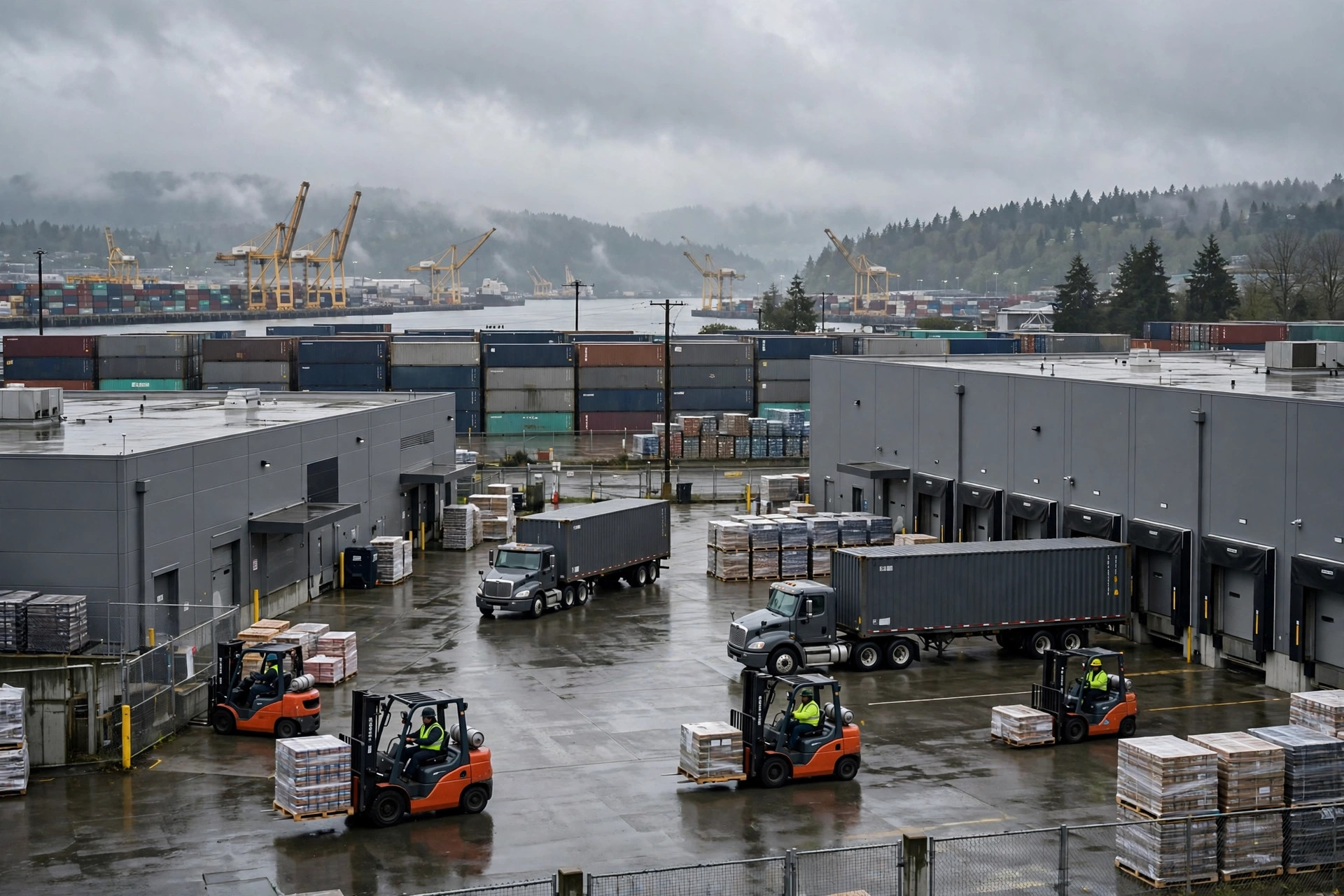
First, port-side warehousing, right next to Lach Huyen and Tan Vu. This fits cargo that lives and dies by the sailing schedule — electronics, fast fashion, anything with a tight vessel cut-off. The price is high rent and tight space; in peak season, good luck finding extra capacity at short notice.
Second, warehouses inside the industrial zones, concentrated around the Dinh Vu–Cat Hai Economic Zone, including parks like VSIP Hai Phong. The factory and the warehouse sit side by side, so finished goods go straight into storage with no shuttle in between. This fits shippers who manufacture locally. The catch is the lease: industrial park contracts tend to run long, and short-term flexibility is hard to negotiate.
Third, hinterland distribution warehouses around Hanoi. Cargo comes in, gets sorted, labeled, and consolidated, then moves to Haiphong as full truckloads. This fits multi-SKU operations that need value-added services — e-commerce, retail replenishment. The cost is the trucking bill I already described: 120 kilometers on the expressway looks short on a map, but peak-season variance can eat your delivery promise alive.
| Location | Best for | Biggest advantage | Biggest cost |
|---|---|---|---|
| Port-side | Schedule-sensitive, high-frequency cargo | Closest to the vessel, fast pick-up and drop-off | High rent, no room to expand in peak season |
| Inside industrial zones | Local manufacturing, full-in full-out | Production and storage in one place, no shuttle | Long leases, little flexibility |
| Hanoi hinterland | Multi-SKU, sorting and labeling work | Value-added services are easy to run | Trucking variance eats your delivery dates |
Before you choose, ask yourself one question: is your cargo waiting for a ship, or waiting for an order? Cargo waiting for a ship belongs near the berth. Cargo waiting for an order belongs near the sorting bench. Want both at once, and you will pay for both.
Transshipment and the China–Vietnam Land Corridor: Real Opportunity, Real Risk
The hottest word in Haiphong right now is transshipment. In early 2025, China and Vietnam announced the Kunming–Lao Cai–Hanoi–Haiphong corridor project, with plans for a Haiphong free trade zone and a railway running from Hanoi all the way to Lach Huyen. The logic is sound: cargo from Yunnan and Guangxi can travel overland to Haiphong and sail from there, a much shorter haul than going around to a Guangdong port.
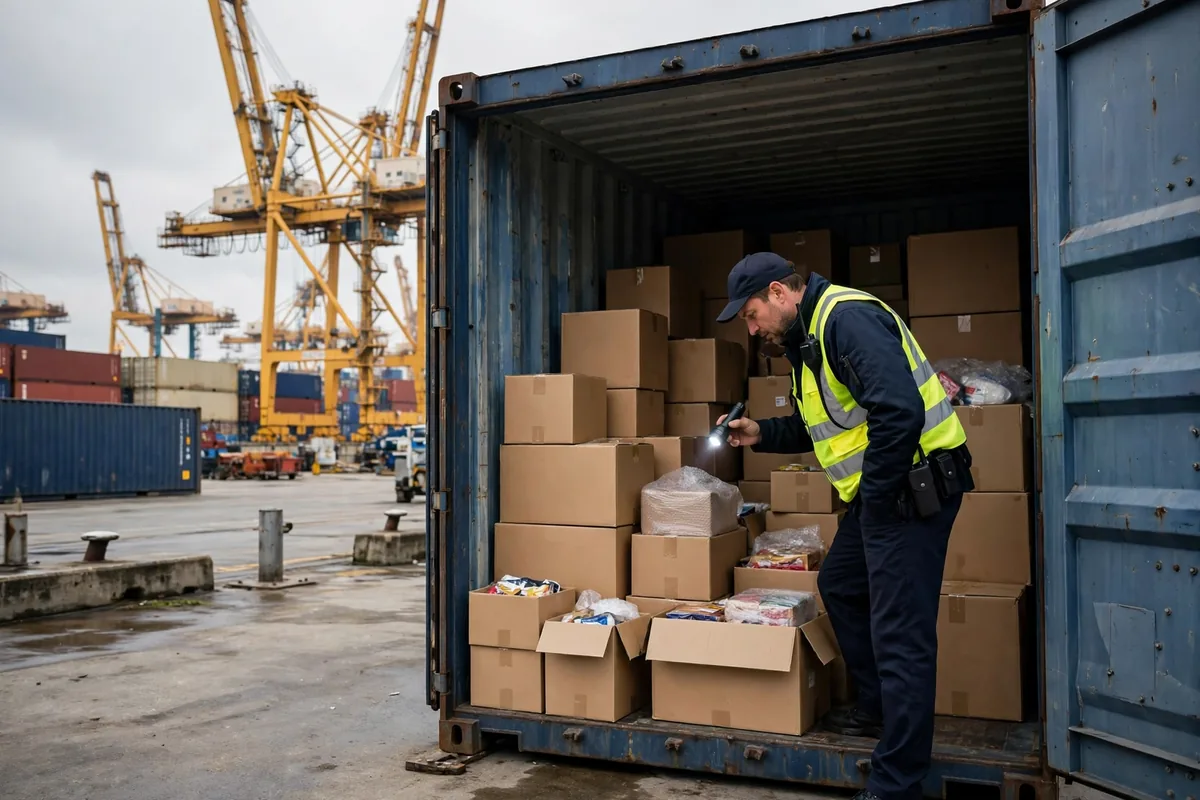
But this cuts both ways. Transshipment only makes money if your cargo genuinely qualifies under the rules. Origin, switch bills of lading, bonded status — get one document wrong and the box can sit in the port while everyone argues about whose problem it is. I have seen too many people treat "in transit" as if it meant "no rules apply." It does not.
Here is the contrarian point most people miss: the more Haiphong grows into a transshipment hub, the more short-term pressure lands on ordinary shippers. Hub cargo competes for the same berths, yard space, and trucks. Congestion goes up first; the price benefits of scale arrive years later. Budget on today's congestion, not on tomorrow's hub dividend.
My practical advice: run one small trial shipment through the full process first — documents, transit time, and cost, all three reconciled — before you scale up. Actual rates, duties, and customs requirements change; check the official sources for the latest policy rather than budgeting off someone else's quote from last year.
Run the Math: How the Decision Actually Pencils Out
The numbers below are a clearly labeled hypothetical example, shown to explain the method — not a quotation. Real rates should be confirmed against current official pricing and carrier quotes.
Say you ship 40 forty-foot containers a month out of a Hanoi factory. Option A: a Hanoi warehouse plus trucking to Haiphong. Option B: a warehouse right by the port. Option A pays a trucking and toll charge on every single box — 40 trips a month, a fixed cost that never goes away — plus peak-season delay charges and the risk of buyer deductions. Option B costs more in rent every month but wipes out most of the trucking and most of the delay risk.
When you work it through, the breakeven point is not the rent. It is your tolerance for delay. One late shipment a month and Option A wins. Five late shipments a month and Option B wins by a mile. So stop asking other people "which option is cheaper." Ask yourself first: how many late deliveries can my customer absorb?
How to Start
If you are setting up your Haiphong Vietnam port warehouse logistics now, here is the order I would follow. First, fix the carrier and the service — confirm whether your cargo sails direct from Lach Huyen or feeds out of the old terminals. Then choose the warehouse location based on that sailing, and do not let a cheap Hanoi lease pull you away from a schedule-sensitive cargo. Negotiate rent and lease term last.
Haiphong warehousing, put plainly, is a choice between cheap and reliable. This port can give you either. It rarely gives you both at once.
By Lao Mi, Supply Chain Veteran (20 yrs)