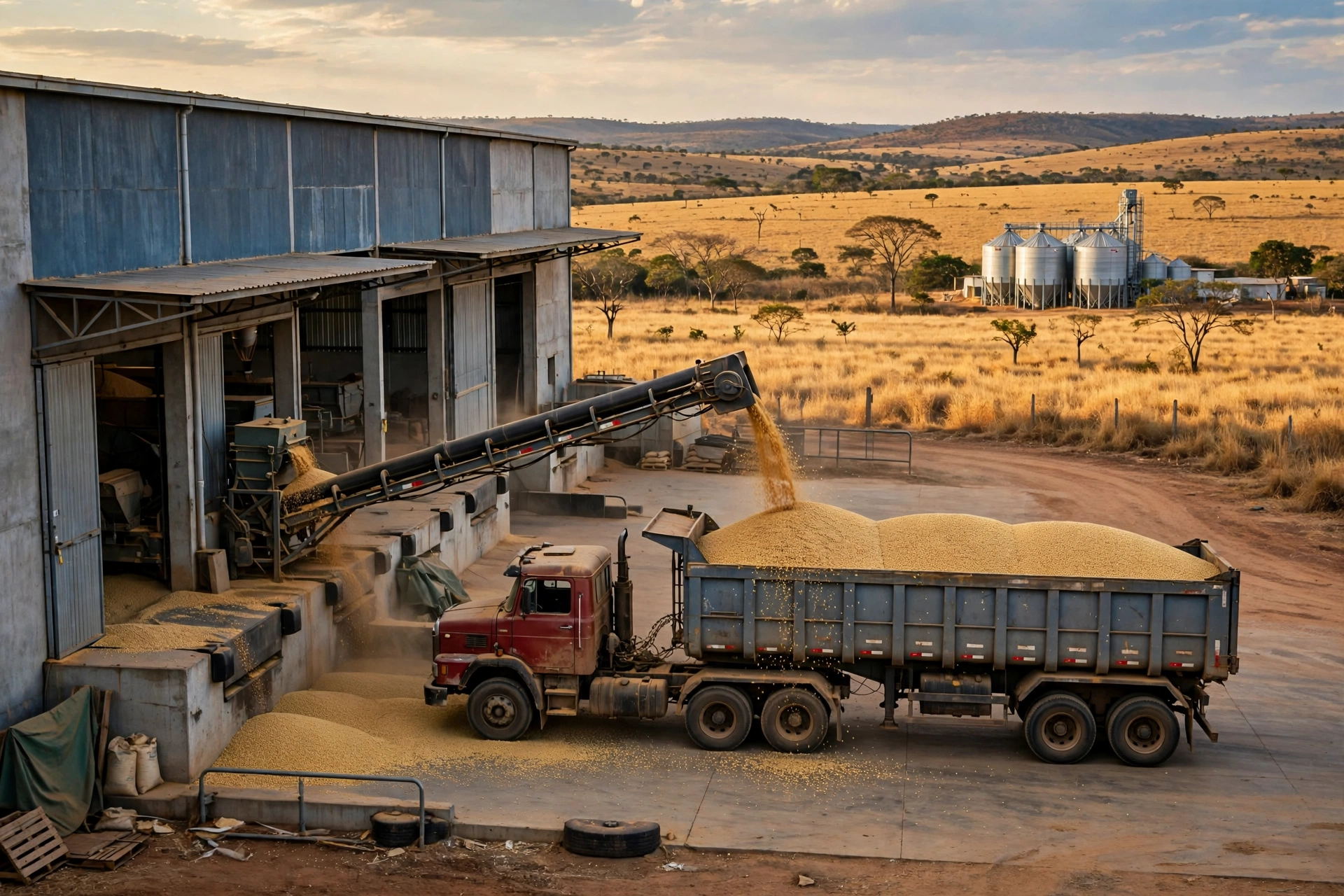
Let me tell you something I learned the wet way. In the 2023 rainy season I was hauling corn seed in Goias, north of Goiania, Brazil, and the rain turned the highway into a mirror. Trucks queued for miles, and every driver in the rest stop was doing the same math: the cargo was ready, the farms were waiting, but the goods could not move because the warehouses near the city could not absorb and release freight fast enough. I have run trucks for fifteen years, and that day confirmed an old lesson. In Brazil's Center-West, do not start with the ports. Start with Goiania, because that is where inland freight either flows or gets stuck.
Goiania is the capital of Goias state, a planned city laid out in the 1930s and founded in 1942, sitting about 200 kilometers from Brasilia. Spread the map out and the logic is plain. East is the federal capital region. North and south run the farming belt. West is Cerrado country, soy and corn as far as you can see. Freight here is not just passing through. It arrives in bulk, gets stored, gets broken down, and gets scattered again to dealers, farms, supermarkets, and small towns. When a shipper asks me where to put a warehouse in the Center-West, my first question is never about rent. It is this: where does your freight sleep at night, and who does it visit in the morning?
Why Goiania Became Brazil's Cerrado Freight Yard
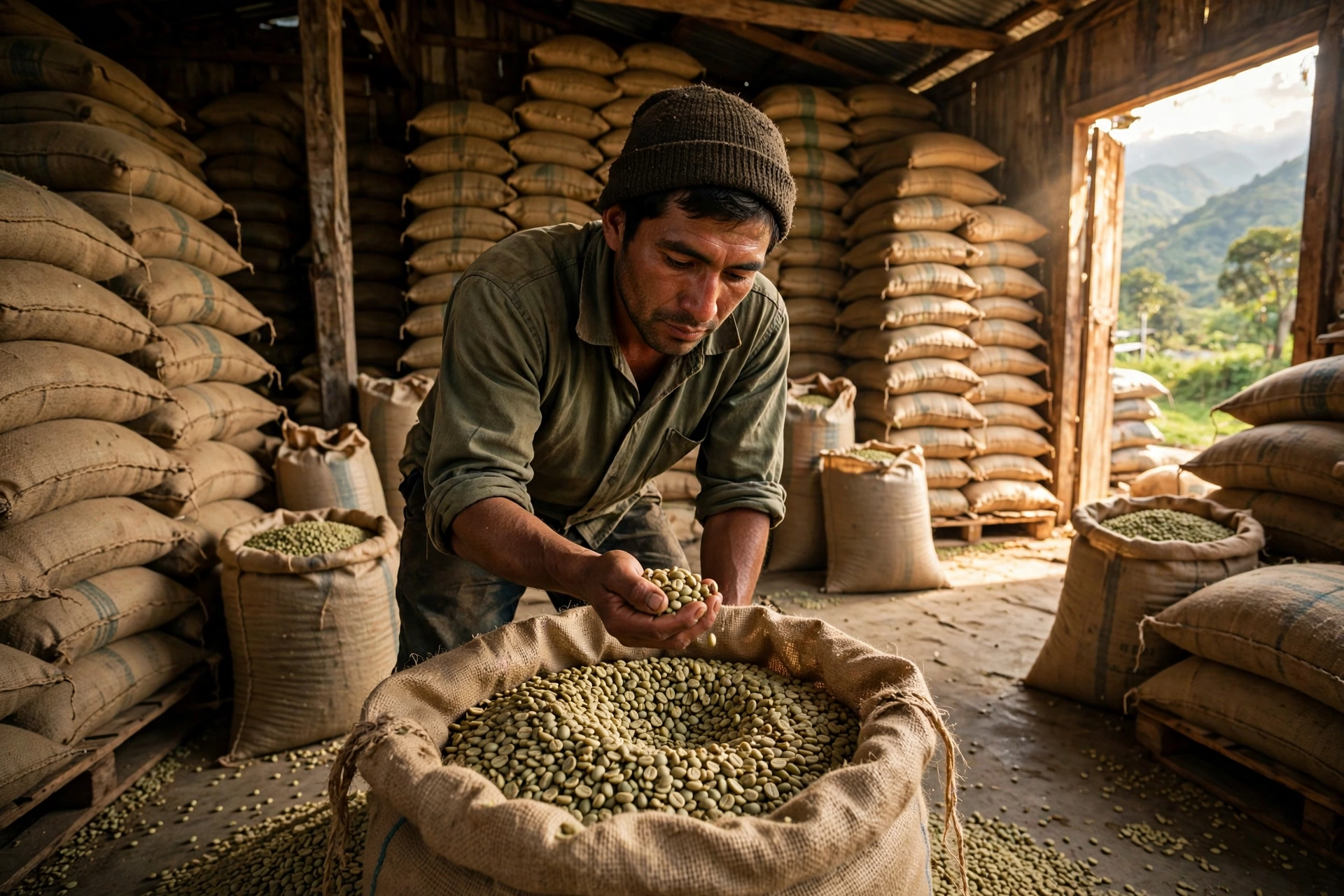
Look at grain first, because grain built this region. In Petrolina, in Goias state, roughly 70 kilometers from Goiania, one grain warehouse holds 580,000 bags at 60 kilograms a bag, which works out to about 34,800 tonnes. That warehouse does not sit where it sits by accident. It stands near the North-South Railway corridor and near the intermodal terminals around Anapolis and Abadiania. Bulk freight lives and dies on the handover: trucks run the short legs, rail runs the long haul, and the warehouse sits exactly where the two shake hands. Move that warehouse a little farther from the rail terminal and every tonne pays for extra truck kilometers. Add rainy-season delays and the rent you saved disappears into diesel and driver hours.
Now look at drinks, because drinks show the other half of the Goiania brazil warehouse market. A Coca-Cola bottler's warehouse in Trindade, in Goias state not far from the capital, covers about 10,000 square meters, takes in 1,900 pallets a day, and delivers to 228 cities and more than 32,000 sales points across Goias and Tocantins. Read those numbers like a driver. Ten thousand square meters is not a monster warehouse. But 1,900 pallets a day, scattered to 32,000 points, is a routing puzzle that only works if the building sits right where the trunk roads meet the last-mile web. Push that warehouse a few dozen kilometers into cheaper land and every route gets longer, every truck returns later, and the fleet you need grows. The building did not get more expensive. The road did.
That is the trade-off newcomers miss. In this market, warehouses do not compete on rent per square meter. They compete on turning radius: how fast freight comes in, how cleanly it breaks down, and how short the loops are when it goes back out. Farm freight is seasonal, so intake surges hard during harvest and then the same building has to serve packaged goods and dealer freight the rest of the year. Pick the cheap shed and you often pay for it in harvest queues at the gate. I have sat in those queues. Two hours at a dock door burns a driver's day, and every delivery promise made in the office becomes fiction.
Goiania, Aparecida, or Anapolis: Pick Your Brazil Ground
Drivers think in three dots on this map, and each dot does a different job. Goiania itself suits consumer goods and city delivery, because the warehouse hugs the market and the final loops stay short, though land and labor are not the bargain option and gates clog in peak season. Aparecida, inside the metropolitan area, suits regional distribution and dealer freight, flexible and close, but bulk cargo pays for an extra transfer leg. Anapolis suits soy, corn, and container freight, because the intermodal terminals and rail handovers are right there, but consumer goods then have to be hauled back toward the city for final delivery.
Here is the honest way to choose. If your freight moves in full truckloads toward rail and ports, lean toward Anapolis. If it breaks into small drops for supermarkets and dealers, stay close to Goiania. If you want both, split the job: a distribution warehouse near the city and seasonal bulk space near the terminal. Shippers who demand one building do both jobs perfectly usually end up with a building that does both jobs badly, and drivers pay for the confusion in waiting time.
Then there is the season, and the season runs this region. The Cerrado has a real rainy season and a real dry season, and wet months punish road transport: surfaces, visibility, loading rhythm, all of it slips. Never plan rainy-season transit times with dry-season speeds. Here is the part people get backwards. Rain does not mainly cost you speed. It costs you certainty. When arrival times swing by a day either way, your customers hold more safety stock, and money sleeps in inventory. That costs more than the extra fuel. So pull freight forward, stage it near the market before the rains, and sign your rainy-season trucking capacity while the sun is still out. Capacity negotiated in the dry season is a contract. Capacity hunted in the rain is an auction, and the shipper always loses it.
Last, the tax bill, and foreign shippers forget this one most. ICMS in Brazil is a state-level circulation tax, and rates and incentives differ from state to state, so the state your warehouse sits in changes the tax on your freight's journey. It is one of the deciding factors in Brazilian warehouse location, full stop. Goias offers investment tax incentives, but check the state government's latest policy for the current terms before you sign anything, because the details move. Brazil's 2023 tax reform will gradually fold ICMS and other taxes into the IBS and shift taxation toward the place of consumption, over a long transition. Until that transition finishes, run today's numbers under today's state rules, but do not sign a warehouse lease so long and rigid that a tax shift strands you in the wrong state.
My advice to shippers is simple road wisdom. Draw your delivery points on the map before you tour a single building, because the right site draws itself. Treat the warehouse crew and the drivers like partners: publish loading schedules, keep waiting times honest, and pay detention by the rulebook. In the rainy season, the driver who likes your freight takes your load first, and that preference is worth more than a small rent discount. Roads are made by the people who run them, and freight moves on relationships as much as on asphalt. Get the Goiania warehouse decision right, and the trucks roll easy. Get it wrong, and the best fleet in Brazil will spend the season queuing in the rain with your cargo on board.
By Shifu Zhao, Trucking Veteran (15 yrs)