"Lao Mi, I heard there's something called an FTZ where goods go in and no duties are owed. Is that real?"
Real — but only half the story. The US offers two legal ways to push duties down the road: the Foreign Trade Zone (FTZ) and the bonded warehouse. They're like two brothers — similar looks, completely different personalities. Pick the wrong one and you'll spend money instead of saving it. Let's put them side by side.
Meet the Older Brother: the FTZ
An FTZ is legally "outside" US customs territory. Goods admitted to a zone owe zero duties until the moment they leave the zone into US commerce.
This isn't a pilot program. The US has 197 active FTZ projects covering roughly 1,300 operations and employing about 550,000 people, per the National Association of Foreign-Trade Zones. Your factory or warehouse can apply to become a subzone and plug in.
The FTZ has four killer features:
Killer feature 1: weekly entry — massive MPF savings Normally, every shipment needs its own entry and its own MPF (0.3464% of value — since October 1, 2026, minimum $34.58, maximum $670.86 per entry). Inside an FTZ, everything withdrawn in a week consolidates into one entry. One MPF.
The math: 20 shipments a week means 20 MPFs normally — at the minimum that's $691.60. In an FTZ, one entry, $34.58 minimum. Over $30,000 a year in MPF savings alone, before counting the per-entry brokerage fees you also stop paying.
Killer feature 2: inverted tariff relief If your imported components carry higher duty rates than the finished product, manufacturing inside the FTZ lets you elect to pay the lower finished-product rate on withdrawal. Import electronic components at 5%, assemble a device dutiable at 2% — pay 2%.
One 2026 caveat: Section 301 and 232 goods must enter in privileged foreign (PF) status, locking the rate at admission — no inverted-tariff play on those. The relief still works for ordinary MFN duties.
Killer feature 3: re-exports and scrap — duties simply vanish Goods manufactured in the zone and exported owe no US duties at all. Scrap and waste destroyed in the zone? No duties either. For apparel and electronics with real markdown, QC-failure, and obsolescence rates, this one is quietly huge.
Killer feature 4: deferral is cash flow Goods sit in the zone for a year, duties wait a year. On high-duty merchandise that's an interest-free loan. For cash-tight companies, this feature alone can outweigh the direct savings.
Meet the Younger Brother: the Bonded Warehouse
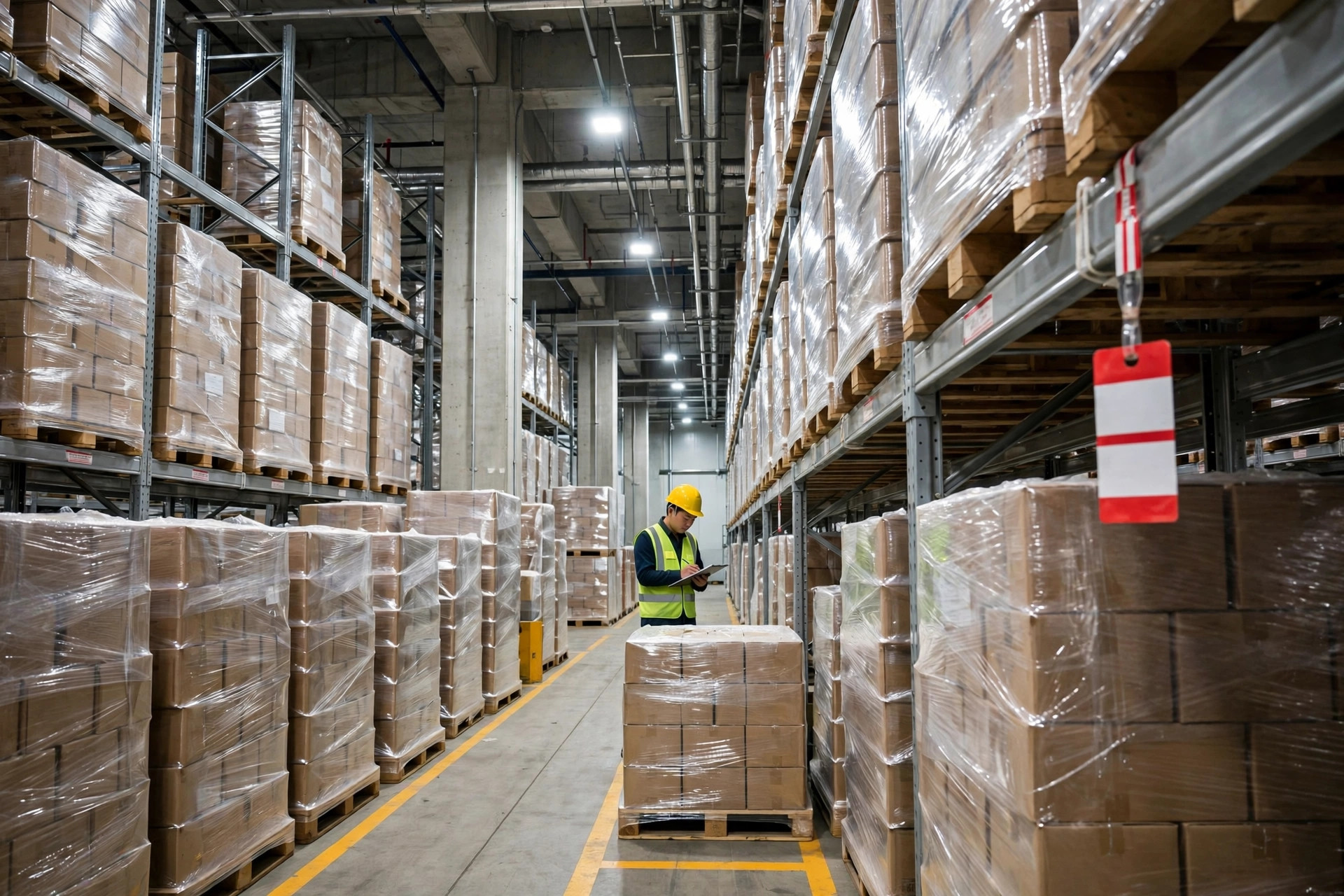
The bonded warehouse is much simpler: a CBP-approved facility where imported goods sit duty-free for up to 5 years. Duties come due when you withdraw the goods for sale; re-export within the window and no duties are ever owed.
Compared with the FTZ, the rules are plain:
- Storage only, no manufacturing: goods leave the way they entered. Assembly or labeling inside? Not allowed — that's the FTZ's job.
- No weekly entry benefit: every withdrawal files and pays separately, MPF per entry.
- No inverted tariff: the rate locks at the warehouse-entry classification, no substitution.
- 5 years is a hard ceiling: written into 19 USC 1559 — past five years unwithdrawn, the goods are deemed abandoned and auctioned by the government.
Head to Head
| FTZ | Bonded warehouse | |
|---|---|---|
| Duty deferral | ✅ Indefinite (no withdrawal, no duties) | ✅ Up to 5 years |
| Manufacturing | ✅ Yes | ❌ Storage only |
| Weekly entry MPF savings | ✅ | ❌ |
| Inverted tariff | ✅ (limited for 301/232) | ❌ |
| Duty-free re-export | ✅ | ✅ |
| Scrap/destruction relief | ✅ | Limited |
| Startup cost | High (application, activation, systems compliance) | Low (rent space in an existing facility) |
| Best for | High-volume importers, manufacturers | Pure traders, slow-moving goods |
Startup Costs: Straight Talk
The FTZ isn't a free lunch. CBP charges no fee for the activation application itself, but the zone grantee typically charges a one-time activation fee in the low thousands of dollars. The real money is downstream: your inventory system must meet CBP supervision standards (zone admissions and withdrawals tracked at SKU level), plus annual compliance reviews and bond costs — tens of thousands a year is normal.
So the FTZ has an invisible threshold: unless you're paying several hundred thousand a year in duties, the compliance cost eats the savings. Paying $50,000 a year in duties? The math rarely works.
The bonded warehouse is far friendlier: rent pallet positions in an existing bonded facility, pay the storage rate, and the operator handles the paperwork. Your only decision is "this shipment goes bonded, that one clears direct."
My Three-Question Decision Tree
Question 1: do you manufacture in the US? Yes → lean FTZ; inverted tariff and in-zone production are things a bonded warehouse can't give you. No → next question.
Question 2: how much duty do you pay per year? Over $500,000 → seriously evaluate an FTZ; hire an FTZ consultant for an ROI study. Under $100,000 → a bonded warehouse is plenty; don't overbuild.
Question 3: how much gets re-exported? High re-export share (30%+) → both tools work, FTZ is more flexible, and you can layer drawback on top. Mostly domestic sales → the FTZ's deferral and weekly entry are the main value.
And there's a combo move: FTZ + duty drawback. Manufacture and export inside the FTZ (no duties in the zone); recover via drawback the duties you paid outside the zone on goods that get exported. The two tools don't conflict — sophisticated companies run both.
A Roadmap for Smaller Sellers: Bonded First, FTZ Later
Moving a few dozen shipments a year? Go in three steps:
Step 1 (now): rent bonded space No application needed. Put slow-moving, high-duty SKUs in bond — withdraw a shipment, sell it, pay duties on that shipment. Cash-flow pressure drops immediately. Cost: a bit of extra storage. Near-zero barrier.
Step 2 (when volume grows): run the FTZ ROI When annual duties approach $300,000–$500,000, pay an FTZ consultant a few thousand dollars for a study. They'll quantify the weekly-entry MPF savings, the inverted-tariff opportunity, and the cash-flow release. Green numbers, then move.
Step 3 (going FTZ): systems first Before activation, get your WMS doing lot/serial tracking and precise zone admission/withdrawal records. CBP's activation review looks at your inventory system first — if it can't track every shipment precisely, you don't get approved.
I've watched several companies walk this path. The beauty is every step has an exit: bonded space can be dropped anytime, a bad FTZ study means you simply don't proceed. Compare that with companies that spend hundreds of thousands standing up an FTZ on day one, then discover their volume can't support it.
One Warning: an FTZ Is Not "Outside the Law"
Cold water time: CBP supervision inside an FTZ is stricter, not looser. Zone records and inventory books are auditable at any time. Entering an FTZ with a messy system is inviting Customs to move into your house. Step one of any FTZ project is getting WMS inventory accuracy above 99% — and that's the single most important thing my 20 years in warehousing taught me.
Next is the final part of this series: how one tariff number can cost you double-digit percentage points under Section 301, and a complete method for reviewing your classifications.
FTZ and bonded warehouse rules are complex and change. Confirm with cbp.gov and a qualified consultant before acting.
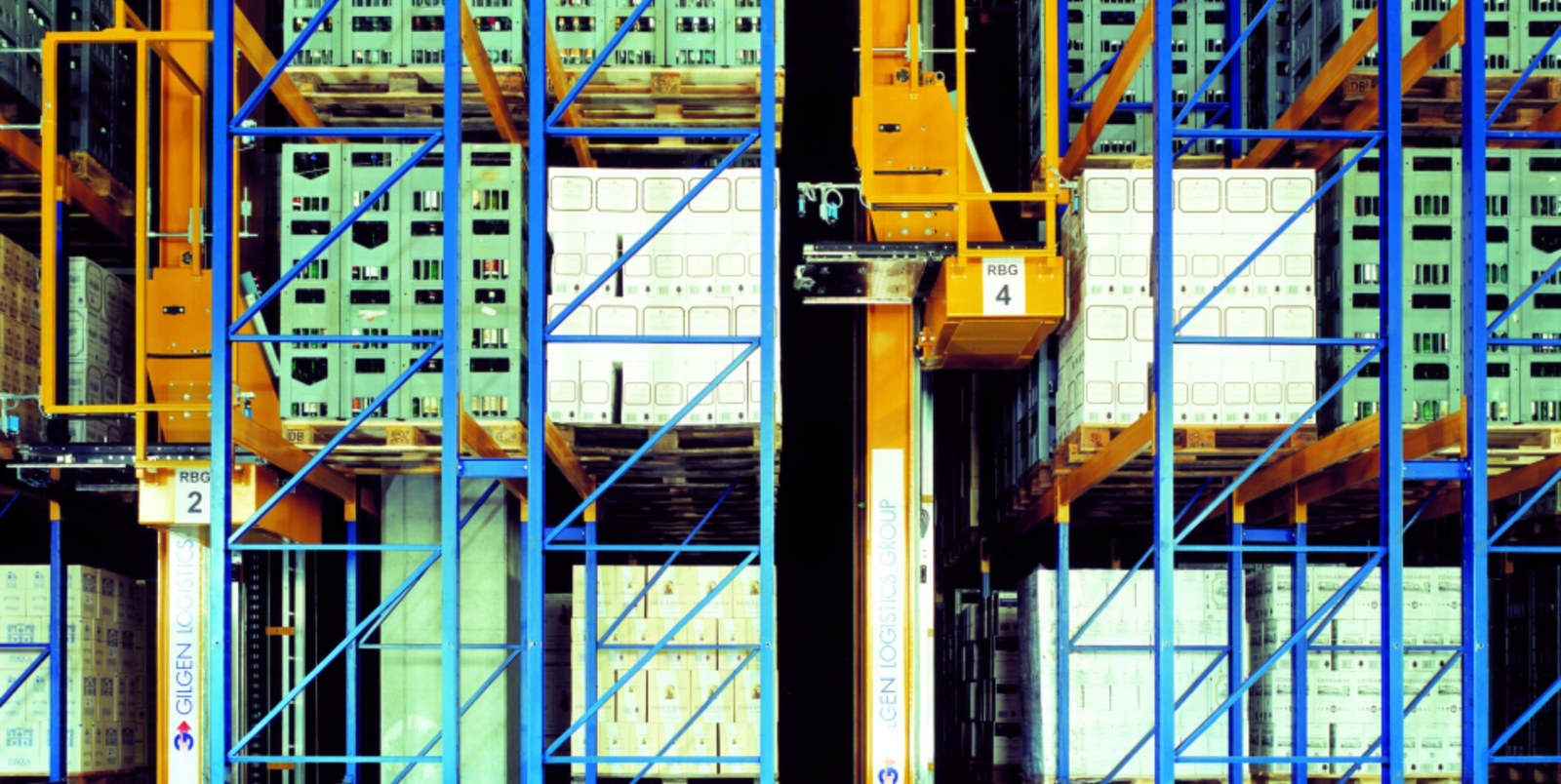
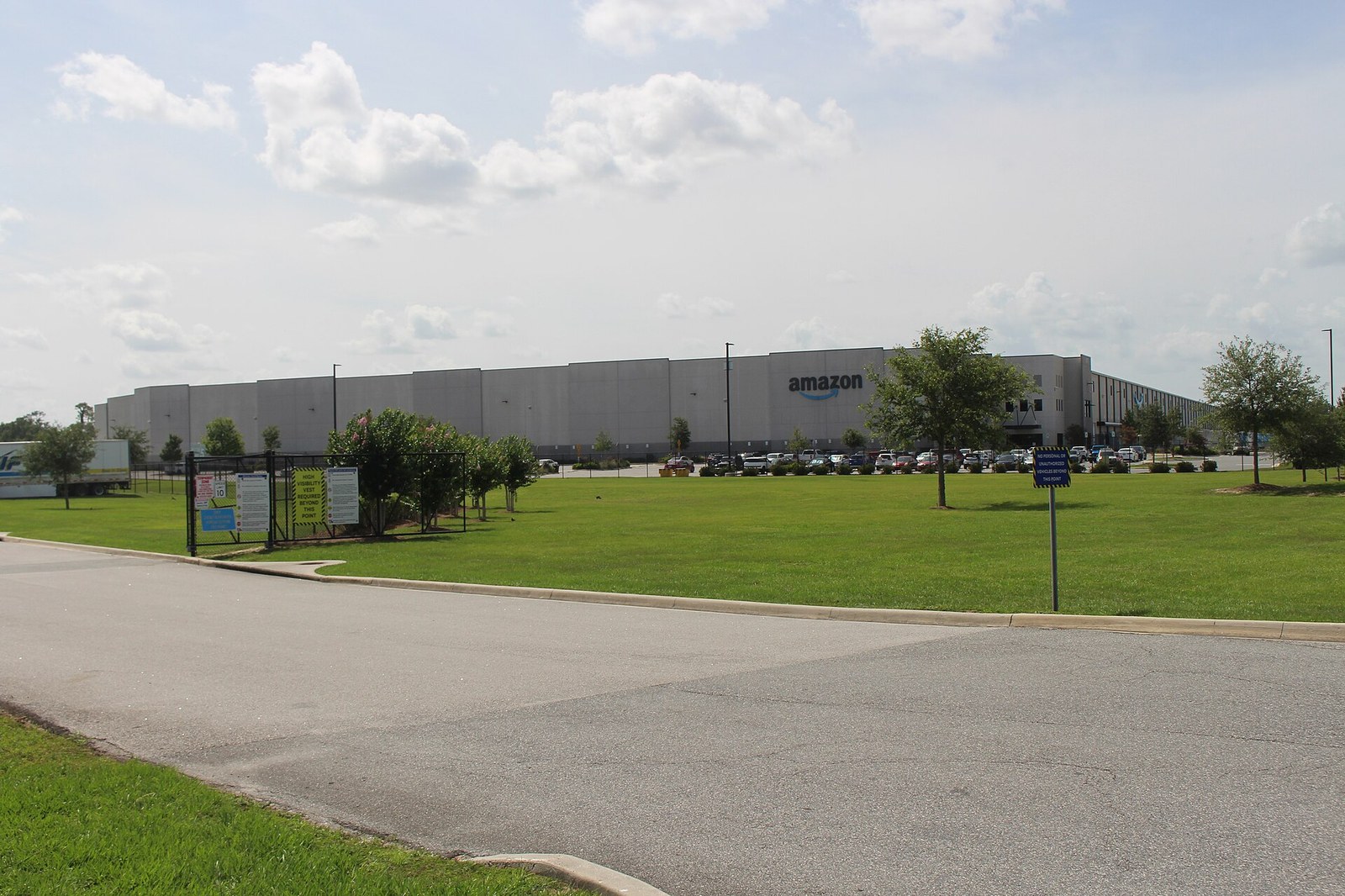
Photo credits: "Automatisches Hochregallager" by Logistiksysteme, CC BY-SA 4.0, via Wikimedia Commons; "Amazon Fulfillment Center, Ocala" by Mjrmtg, CC0, via Wikimedia Commons.