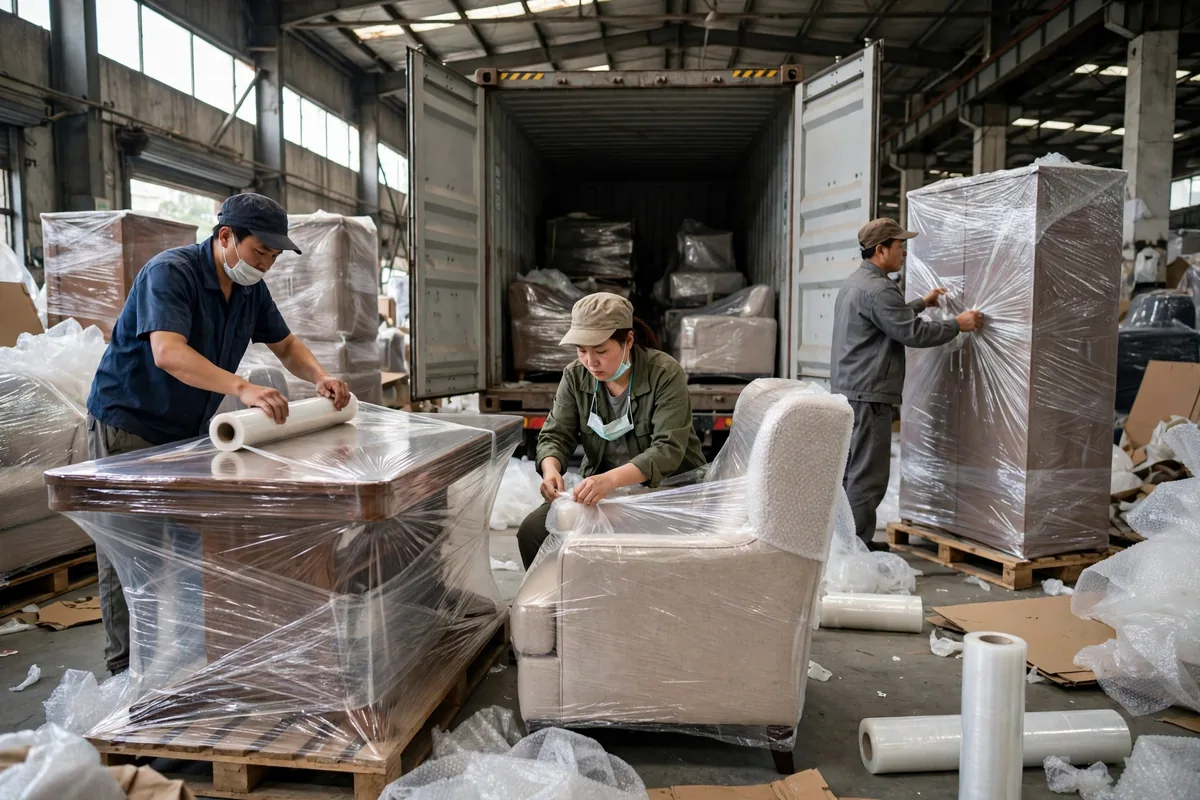
If you only ship small parcels, foshan warehouse logistics manufacturing will surprise you. Small parcels are priced by grams. Foshan freight — sofas, appliances, ceramic tile — is priced by cubic volume, by whether it fits a container, and by whether a return can be repaired and resold. I sell cross-border for a living, and Foshan taught me warehousing the hard way.
The common rookie mistake is assuming a factory that can make a product can also ship it well. Foshan's real strength is not one factory. It is the cluster: furniture in Shunde, appliances and aluminum in Nanhai, ceramics around Chancheng and Sanshui, with packaging shops and repair technicians within a short drive. If your warehouse plan ignores that cluster, the rent you save will be repaid in extra transfers and damage.
Foshan warehouse logistics manufacturing: why bulky goods play by different rules
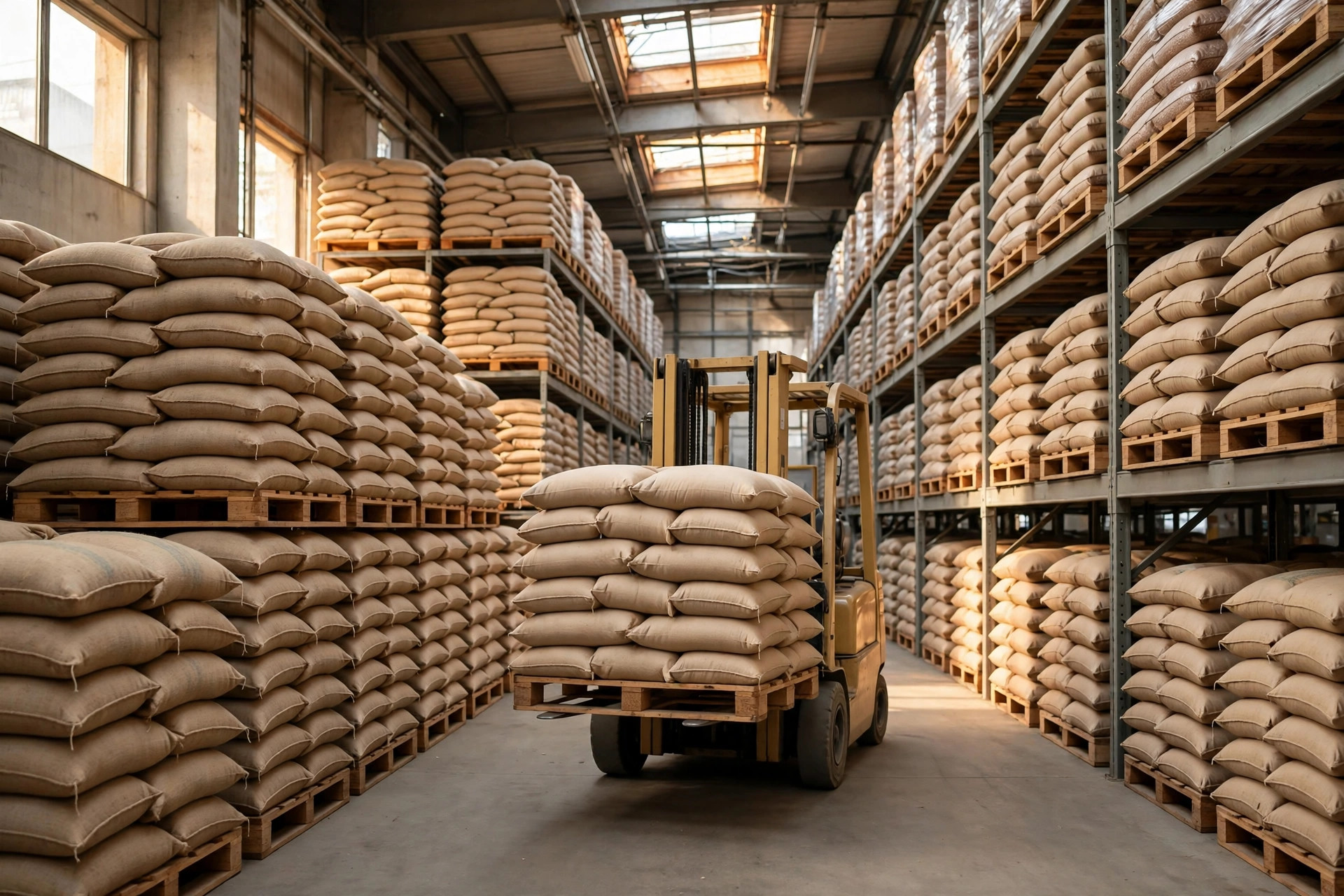
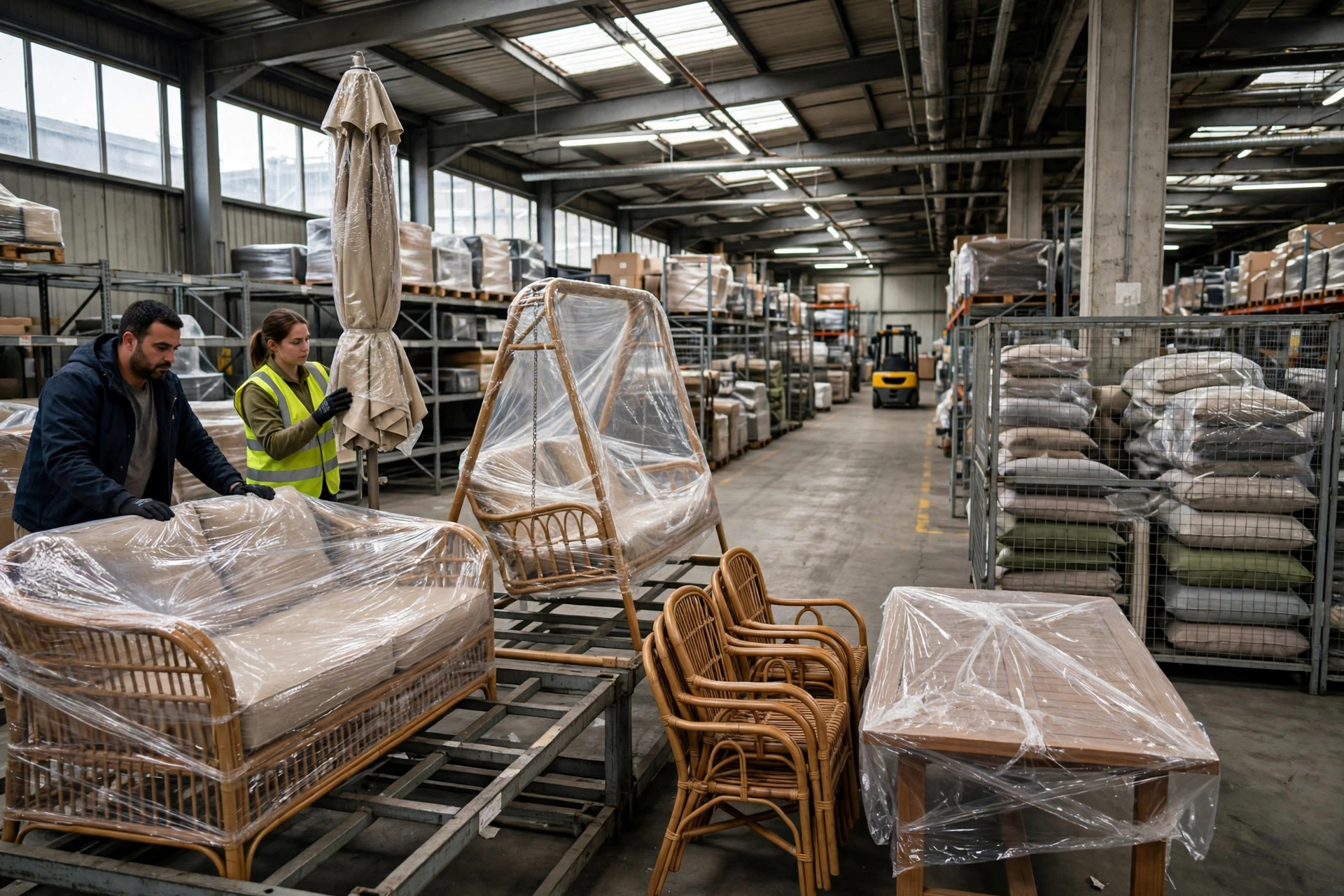
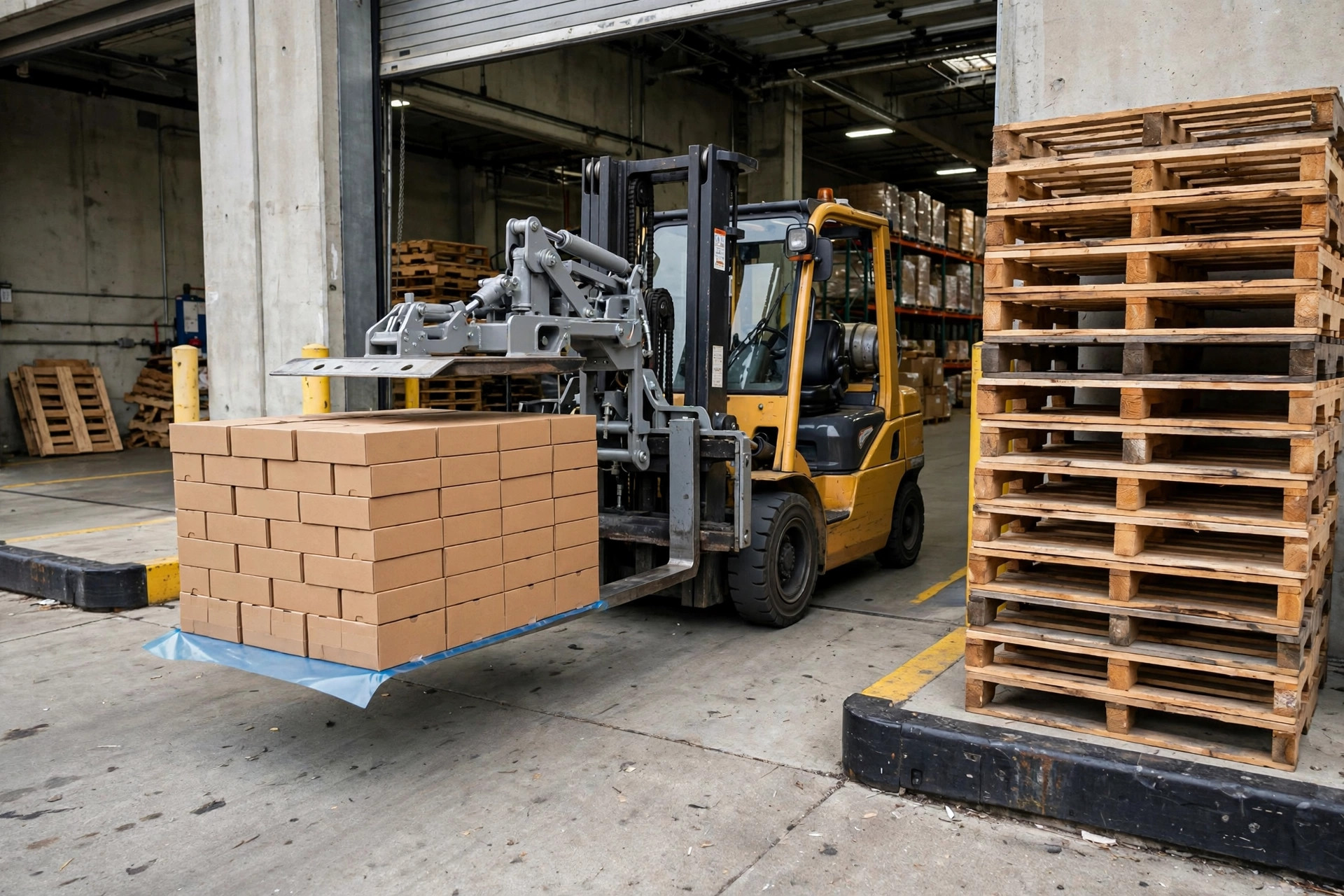
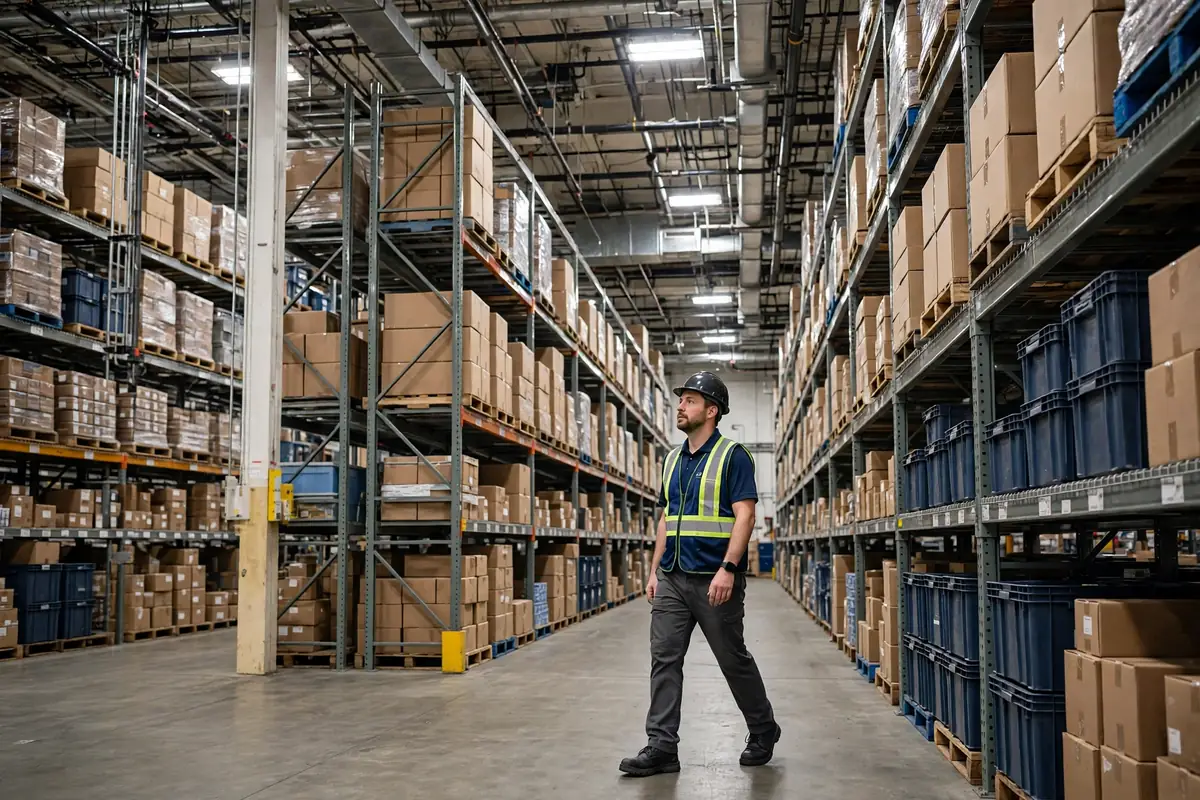
A bulky-goods warehouse lives on floor space and turning radius, not pick counts. One sofa set can block an aisle. One pallet of tile needs a forklift plan, not a hand cart.
Here is a case I watched up close. In September 2024, a fabric-sofa seller in Lecong, Shunde, stored finished goods in a second-floor factory space because it looked free. At container-loading time, every set had to be carried down and repacked by hand. Loading slipped, the sailing was missed, and rebooking plus extra storage cost far more than rent would have. After moving finished goods to a ground-floor rented warehouse with a dock, outbound handling per set became dramatically faster.
The counterintuitive lesson: for bulky Foshan goods, the cheapest warehouse is rarely the one closest to the factory. It is the one closest to consolidation and repair. Every extra transfer adds a fresh chance of dents, torn fabric, and broken corners, and that damage costs more than a small rent difference.
Factory warehouse or rented warehouse: the foshan warehouse logistics manufacturing math
Should you use the factory's own space or rent outside? My rule is simple. For samples and small trial orders, stay in the factory. Once you consolidate containers on a steady rhythm, price a professional outside warehouse seriously.
The table below is a hypothetical worked example. The structure matters, not the exact numbers — always confirm current quotes.
| Cost item | Factory-owned space (hypothetical example) | Rented bulky-goods warehouse (hypothetical example) |
|---|---|---|
| Rent | Looks like zero, uses idle factory floor | Monthly rent by area, plus peak-season flex space |
| Labor | Factory workers pack part-time, no dedicated QC | Dedicated packing and QC, cost is explicit |
| Damage handling | Wait for factory repair slot | Simple refurbishment on site, faster turnaround |
| Consolidation | Slow, goods shuttled between factories | Multiple factories feed one consolidation point |
| Best for | Samples, small trial runs | Steady export volume, peak-season stocking |
A second case makes the point. Before the 2023 peak season, a small-appliance export team in Nanhai worked with more than twenty SKUs across three factories. Consolidating one mixed container meant loading at three locations, with drivers waiting half a day. They rented one transit warehouse in Nanhai, routed all three factories' goods there for inspection, labeling, and consolidation, and cut container collection from two or three days to within one day.
Do not judge on rent alone. Track three numbers instead: days needed to consolidate one container, the share of damage caught before loading, and whether a rush order can be handled the same day. If the factory space loses on those three, rent outside.
Consolidation and first-leg shipping: Guangzhou or Shenzhen?
Foshan exporters usually choose between Guangzhou-area ports and Shenzhen-area ports for the first leg. Nansha is closer to Foshan, so trucking distance is shorter, which suits bulky, lower-value, steady-volume cargo. Shenzhen terminals often offer more sailing choices, which helps urgent orders chasing a specific vessel.
Here is the trap: the cheaper trucking leg is not always the cheaper total route. Bulky consolidation freight loses money when goods sit waiting for a full container or miss a cutoff and wait another week. Storage and tied-up cash erase the trucking saving quickly. Smart sellers pick a primary channel by shipping rhythm — steady weekly volume consolidates through the nearer port, while promotion spikes keep a faster Shenzhen sailing as backup.
One tactic I have tested and kept: do a loading rehearsal. For mixed furniture and ceramics, heavy tile goes on the bottom, lighter furniture on top, with corner protection and filler between them. Before loading, tape the container footprint on the floor and stage everything inside the lines. In 2024, a mixed shipment of ceramic tableware and small furniture skipped this step, misjudged the volume, and left more than a dozen cartons behind. Half an hour of floor rehearsal would have prevented it.
Also align documents early. Fumigation for wooden furniture, certifications for appliances, and material declarations for ceramics differ by destination. Confirm everything with your factory and forwarder before goods arrive at the warehouse, and always follow the latest official policy.
Returns, refurbishment, and peak-season capacity
Small-parcel returns are often destroyed or cleared at a loss. Bulky Foshan returns are different. A returned sofa may need only new fabric, an appliance a small part, a ceramic set a few replacement pieces — and then it can be sold again. This only pays in Foshan itself, because technicians, fabrics, hardware, and spare parts are all local. Ship the return elsewhere and freight eats the residual value.
So when I evaluate a warehouse now, I ask one extra question: can it inspect, repack, swap parts, photograph, and relist? A warehouse with refurbishment capability is worth slightly higher rent, because it turns returns from a pure loss into recoverable inventory.
Peak season needs its own plan. Foshan manufacturing peaks hit production, packing labor, warehouse space, and trucking at the same time. My approach is to lock flexible space about two months ahead, rent only a base footprint off-peak, and expand with short-term space or per-pallet overflow in peak weeks. Lock packing materials and experienced packers early too — inexperienced hands packing bulky goods will raise your damage rate fast.
The bottom line is simple. Winning at this game is not finding the cheapest warehouse. It is chaining factory, warehouse, consolidation, and refurbishment into one smooth line. Get that chain right, and bulky exports stop being a tuition fee. This approach has worked for me in practice.
By Ah K, E-commerce Seller (5 yrs)