We had a client who signed a 60,000-square-foot warehouse in Ontario, California in early 2024. Home goods e-commerce. He was pretty pleased with himself on signing day — he'd negotiated the rent five cents below the building next door, saving over $30,000 a year. Thought he'd won.
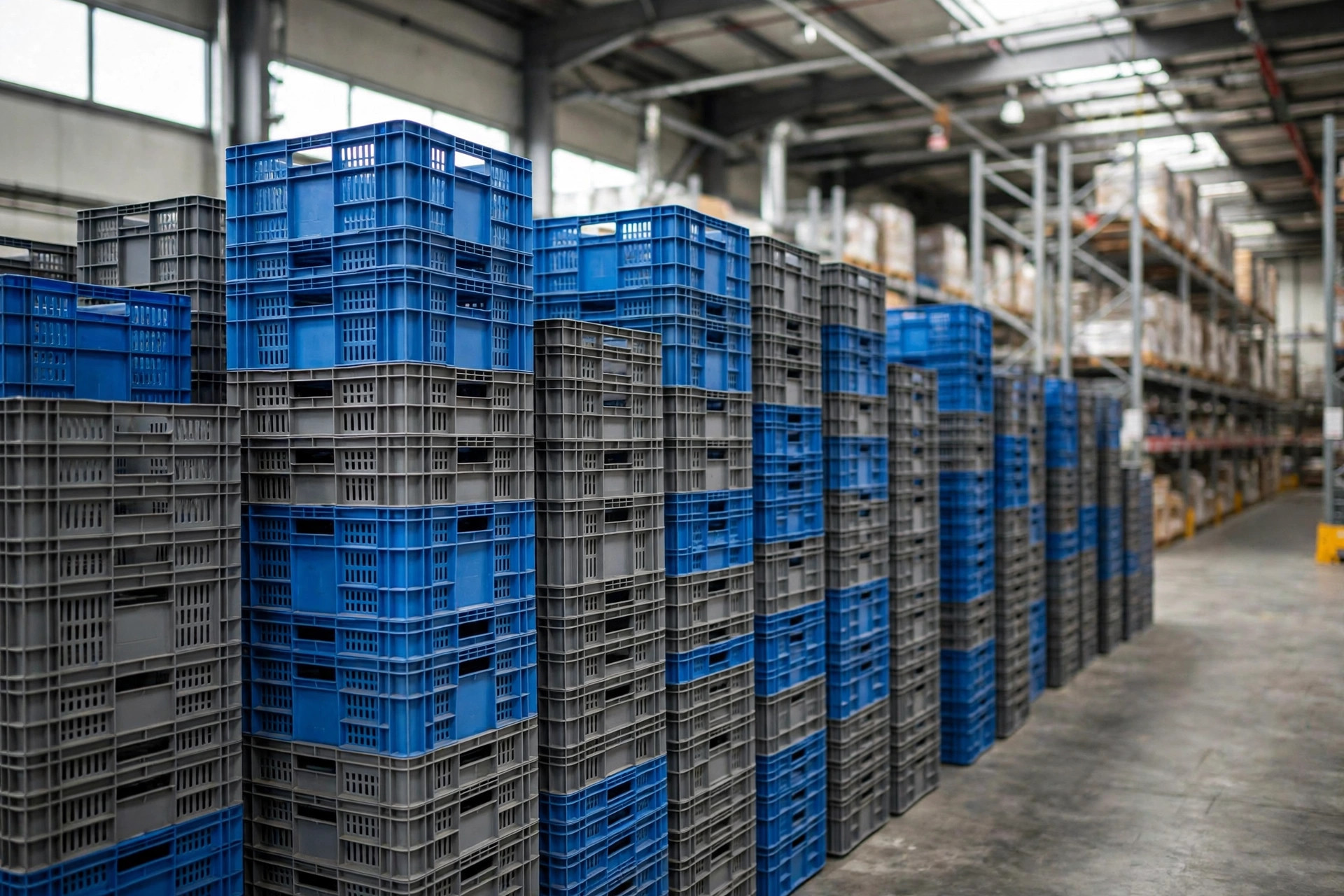
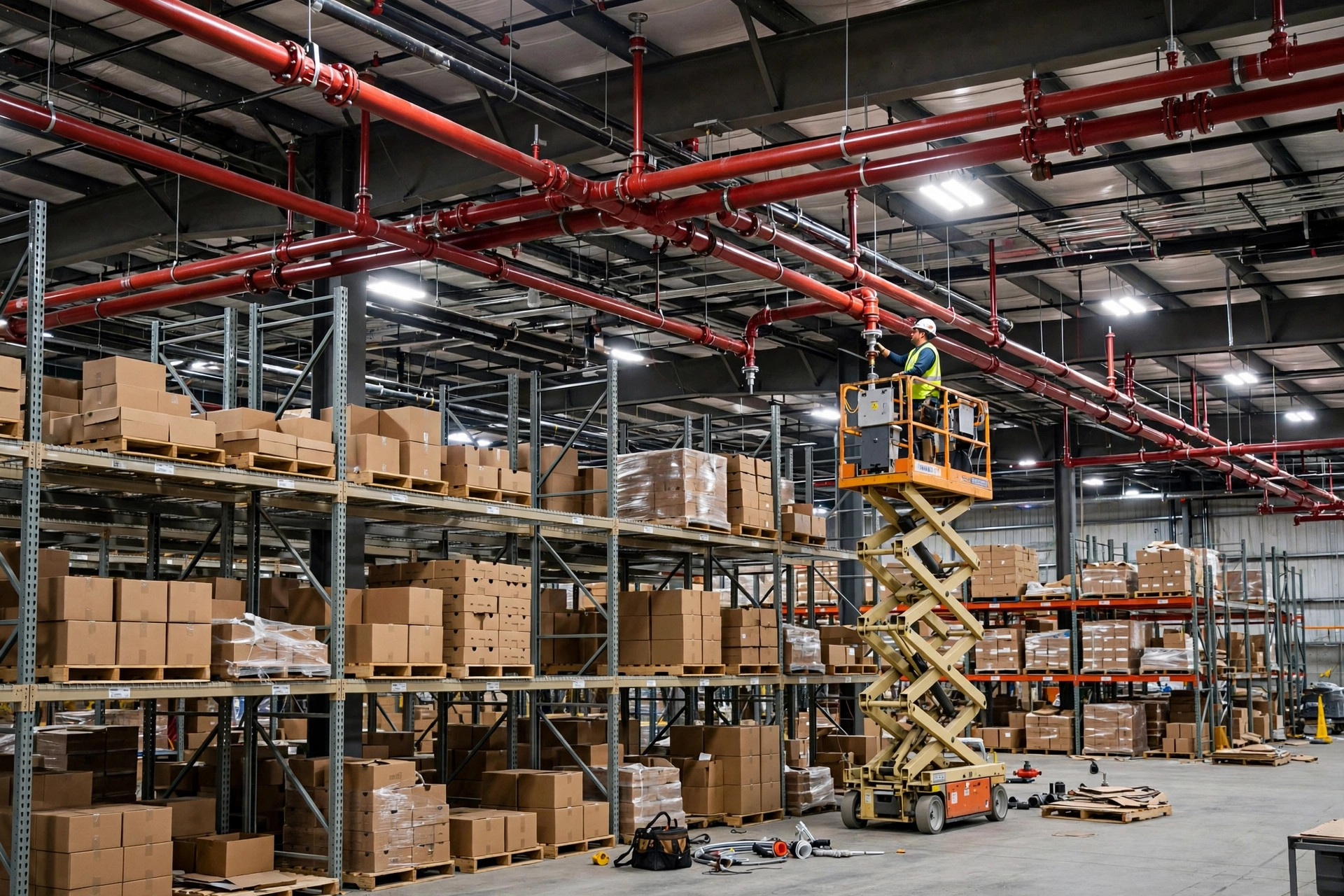
Eight months later, the fire marshal showed up for the annual inspection. The inspector stood in front of the racks for ten minutes and asked one question: "So you've switched to plastic storage bins as your main product line?" The client said yes. The inspector nodded and left a correction notice: the existing sprinkler system was designed for ordinary commodities (Class III) in control mode. The racks were now full of cartoned plastics stacked 24 feet high. The system had to be upgraded to ESFR — early suppression, fast response — on a deadline, or the building would be shut down.
The fire protection contractor came in, surveyed, and quoted $280,000. The client took the quote to the landlord. The leasing manager didn't even blink. He flipped open the lease to Section 14.2 and read the fine print aloud: "Tenant shall, at its sole expense, comply with all fire codes now in effect or hereafter enacted." Nobody reads that clause on signing day. The ink was barely dry, and the client paid the full $280,000 himself. Worse, permitting and construction dragged on for nearly four months — right through peak-season inventory buildup. He paid full rent the whole time while scrambling to stage overflow in a temporary space across town.
I see some version of this story two or three times a year. Tenants pour 99% of their energy into rent and free-rent periods. The fire sprinkler clause gets a glance at best. And yet it's one of the most expensive hidden clauses in the entire lease.
Why the bill lands on you
There are three players at this table, and they don't play by the same rules: the landlord, the fire marshal, and the insurance company.
The landlord's logic is simple. Base building is mine; tenant improvements are yours. In most industrial leases, the sprinkler system gets filed under "tenant alterations" or "compliance obligations," and the landlord would prefer you never bring it up. Many leases carry one magic sentence: "Tenant shall comply with all applicable laws and regulations." Harmless on signing day. But when the fire marshal shows up, that sentence becomes a blank check — and the marshal fills in the amount.
The fire marshal (the AHJ, the authority having jurisdiction) doesn't care about your lease. It cares about one thing: what you're storing and how high you're stacking it. NFPA 13, the U.S. sprinkler installation standard, classifies commodities into groups, and cartoned daily goods versus cartoned plastics are two different worlds. Plastics burn faster and release far more heat — an ordinary control-mode system is decoration against them. Here's the part most tenants miss: the trigger usually isn't moving in. It's changing what you store. You sign with Product A, pivot to Product B two years later, and one inspection later you're staring at a six-figure retrofit.
Then there's the third player: the insurer. Carriers like FM Global routinely demand more than the code minimum. I've seen the fire marshal sign off while the insurer said no — upgrade, or pay double the premium, or find another carrier. Your lease will never mention "insurer requirements." The bill lands on you anyway.
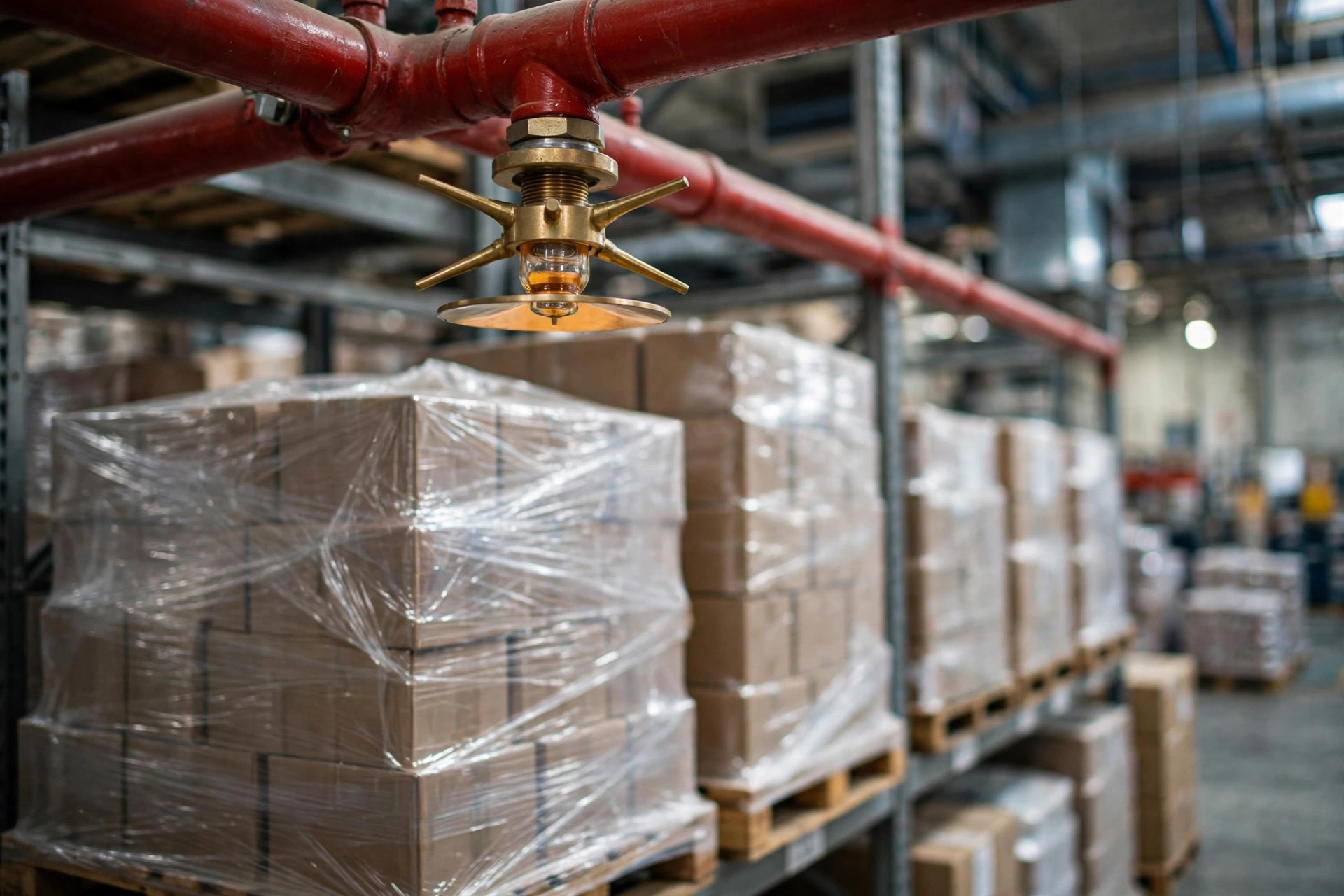
So here's the counterintuitive part: the real cost of a sprinkler retrofit isn't the red pipe. It's the fire pump and the downtime. ESFR is thirsty — design density of 0.6 gpm per square foot, operating pressures of 50 to 100 psi. Plenty of older buildings can't feed that from municipal supply, so you're adding a fire pump and sometimes a water tank. That piece alone often eats a third or more of the quote. And construction means clearing the rack areas — ceiling work, two to four months of disrupted operations. Rent keeps running, business keeps bleeding. The quote shows you the down payment. The shutdown months are the balloon payment nobody mentions.
Do the math: what a retrofit actually costs
The 2025 industry pricing guides put commercial sprinkler retrofits at roughly $4 to $10 per square foot — new construction runs only $1.50 to $3.00. A 50,000-square-foot warehouse typically quotes between $200,000 and $500,000. ESFR heads aren't cheap either: about $180 per head installed, per a published warehouse sprinkler cost case from Risk Logic.
Here's a table you can take straight to the negotiating table, scaled for a typical 60,000-square-foot big-box:
| Scope | Reference pricing | 60,000 sq ft ballpark |
|---|---|---|
| Partial ceiling sprinkler upgrade | $4–6/sq ft | $240,000–360,000 |
| Full-building ESFR + re-piping | $6–10/sq ft | $360,000–600,000 |
| Fire pump / tank (if municipal supply falls short) | separate line item | tens of thousands, no ceiling |
| Business interruption (2–4 months of construction) | rent keeps running | multiply your monthly rent yourself |
See it now? The quote is just the visible part. The rent you pay while you can't operate, plus the orders you lose, is the rest of the iceberg. That Ontario client? The $280,000 was the invoice. The mangled peak season is a number he still doesn't want to calculate.
A second client gives us the happier version. In early 2025, an auto-parts tenant was eyeing a building in Fontana for tire storage — tires are a textbook high-hazard commodity, ESFR practically mandatory. Before signing, he did the smart thing: spent a few thousand dollars on a fire protection consultant to pre-review his commodity list. Verdict: the existing system wouldn't cut it; a ceiling-level ESFR upgrade, roughly $200,000. He walked into negotiations with that report in hand. The landlord agreed to cover $150,000; the tenant picked up the rest. Notice the lesson: the same $200,000 is the landlord's "building capital improvement" before you sign, and your "compliance obligation" after you sign. The only difference is timing.
Nail these four clauses into the lease before you sign
Years on the sell side taught me a few things landlords hope you never learn. Get your lawyer to write these four into the lease. Don't skip them because it feels awkward:
First, make the landlord disclose what the sprinkler system was designed for. In writing: which commodity class, which code year, and hand over the design documents. Plenty of older buildings were designed around the tenant from a decade ago. If you don't ask now, the fire marshal will ask you later.
Second, write down who pays when a commodity change triggers an upgrade — with a cap. For example: the landlord covers the first $150,000 or 50% of any sprinkler upgrade triggered by the tenant's product change; the tenant covers the rest. An uncapped "tenant pays all" clause is a blank check made out to the fire department.
Third, put a time limit on the "comply with all laws" clause. Change it to "laws in effect as of the signing date." Requirements enacted afterward get negotiated and split separately. A few words. That $280,000 case was missing exactly those words.
Fourth, settle the rent question for the construction period. If the retrofit takes part of the building offline, rent drops proportionally for the affected area. Full shutdown, rent abates and the free-rent clock pauses. You shouldn't be breathing construction dust and paying full rent at the same time.
The landlord will frown when he sees these four. Good. The frown is how you know the clause has teeth. And if he won't budge, at least you now know the building's true cost — walking away to the next building isn't wasted time, it's due diligence.
Next time you're negotiating a lease, ask these three questions:
- "What commodity class was this building's sprinkler system designed for — and can I see the design documents?"
- "If I change product lines mid-lease and the fire marshal demands an upgrade, who pays?"
- "What happens to my rent during the months of construction?"
How they answer tells you everything you need to know.
By Susan, 3PL Sales Director