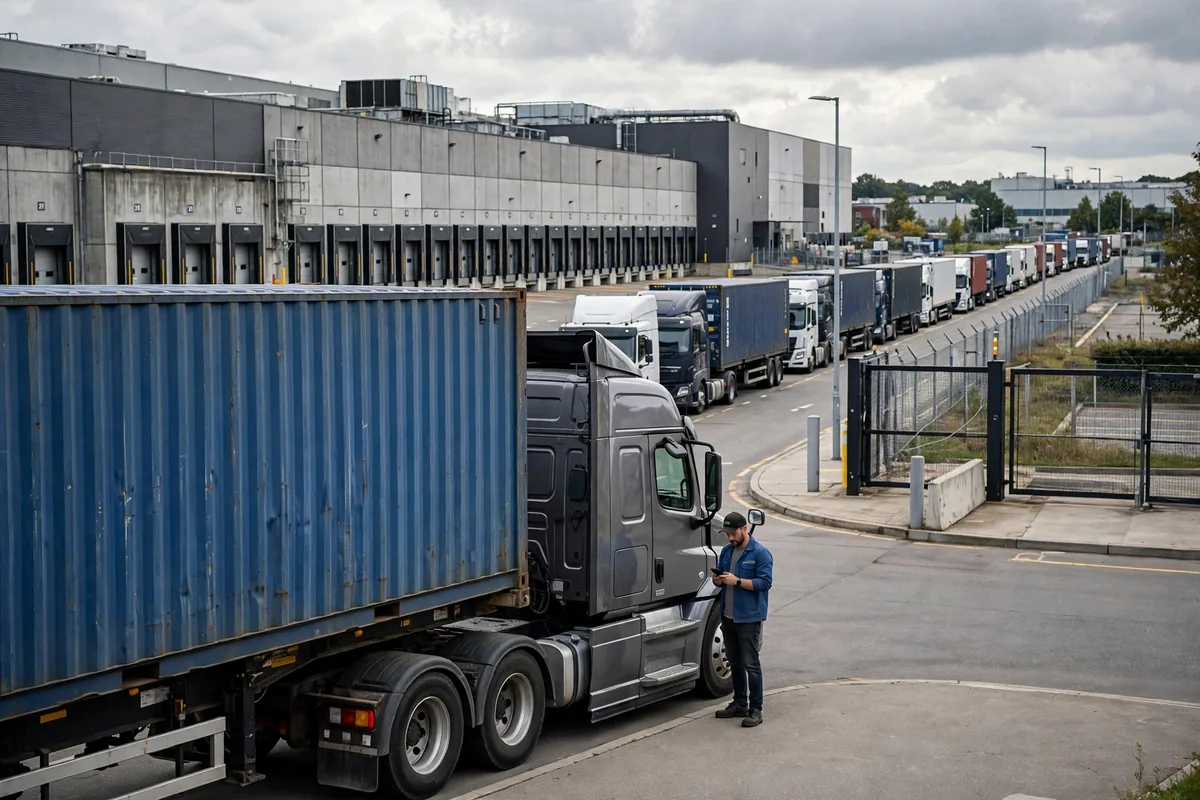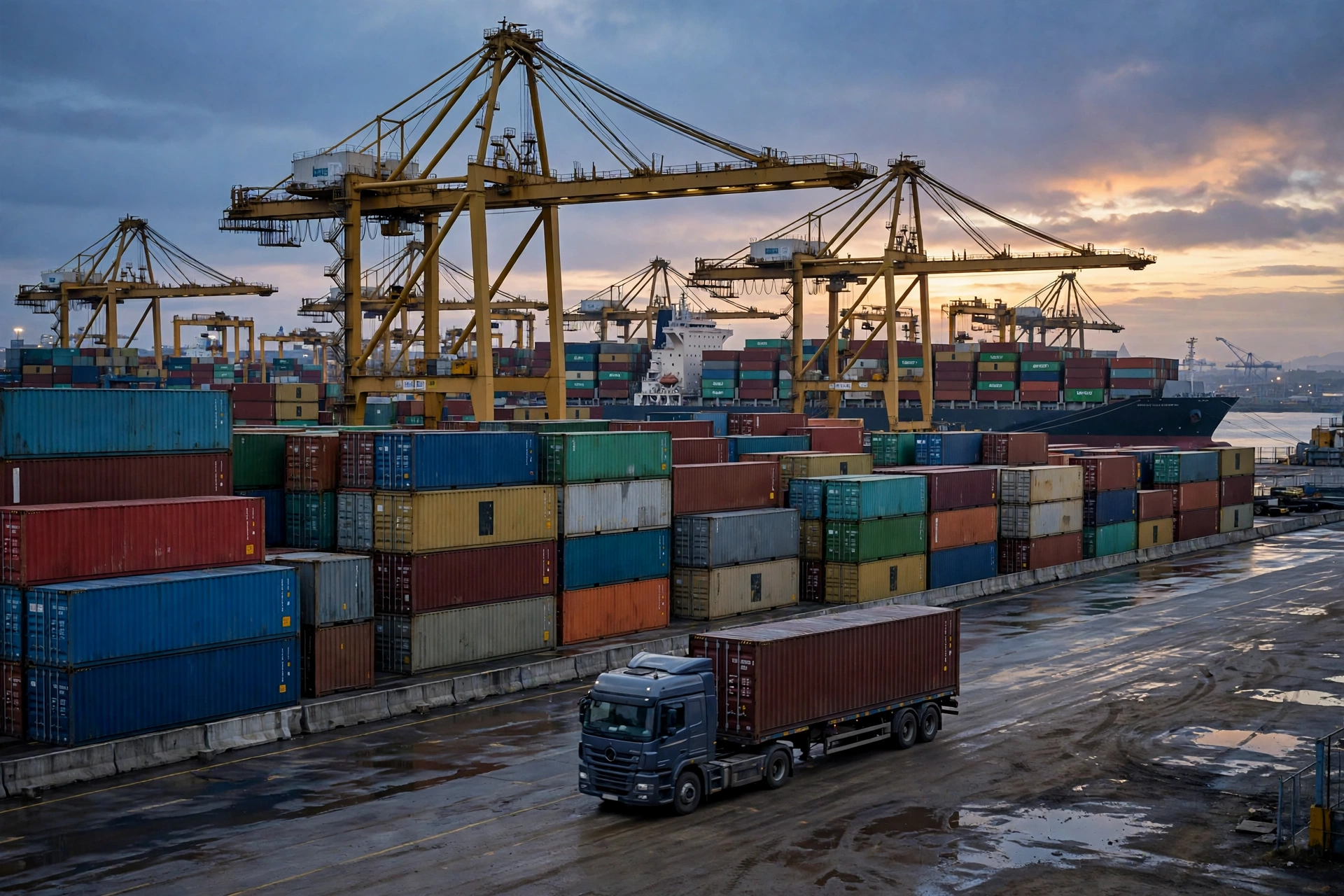
Let me tell you about an FBA ocean freight appointment no-show I lived through last August. I spent the whole day waiting outside the Port of Los Angeles. My container only got picked up on Tuesday night, but the FBA warehouse appointment was Wednesday morning. The driver circled the port three times. The pickup queue stretched out of sight. The appointment window was about to close. The freight forwarder kept saying "almost there, almost there" on the phone, and the Amazon system still showed the appointment as pending. In the end the container came out, but the warehouse slot was gone. The new appointment was four days later. Four days of port charges ticking up, me sitting by the gate smoking, with one thought in my head: who pays for this?
After all these years on the road, I've seen this scene too many times. "Booked the warehouse, no container." Ocean freight to FBA is a chain where every link has to hold: vessel schedule, container pickup, appointment, delivery. If any link breaks, the appointment is dead. A no-show looks like a missed appointment on the surface. Underneath, the whole chain failed to line up.
How an Appointment Goes to Waste
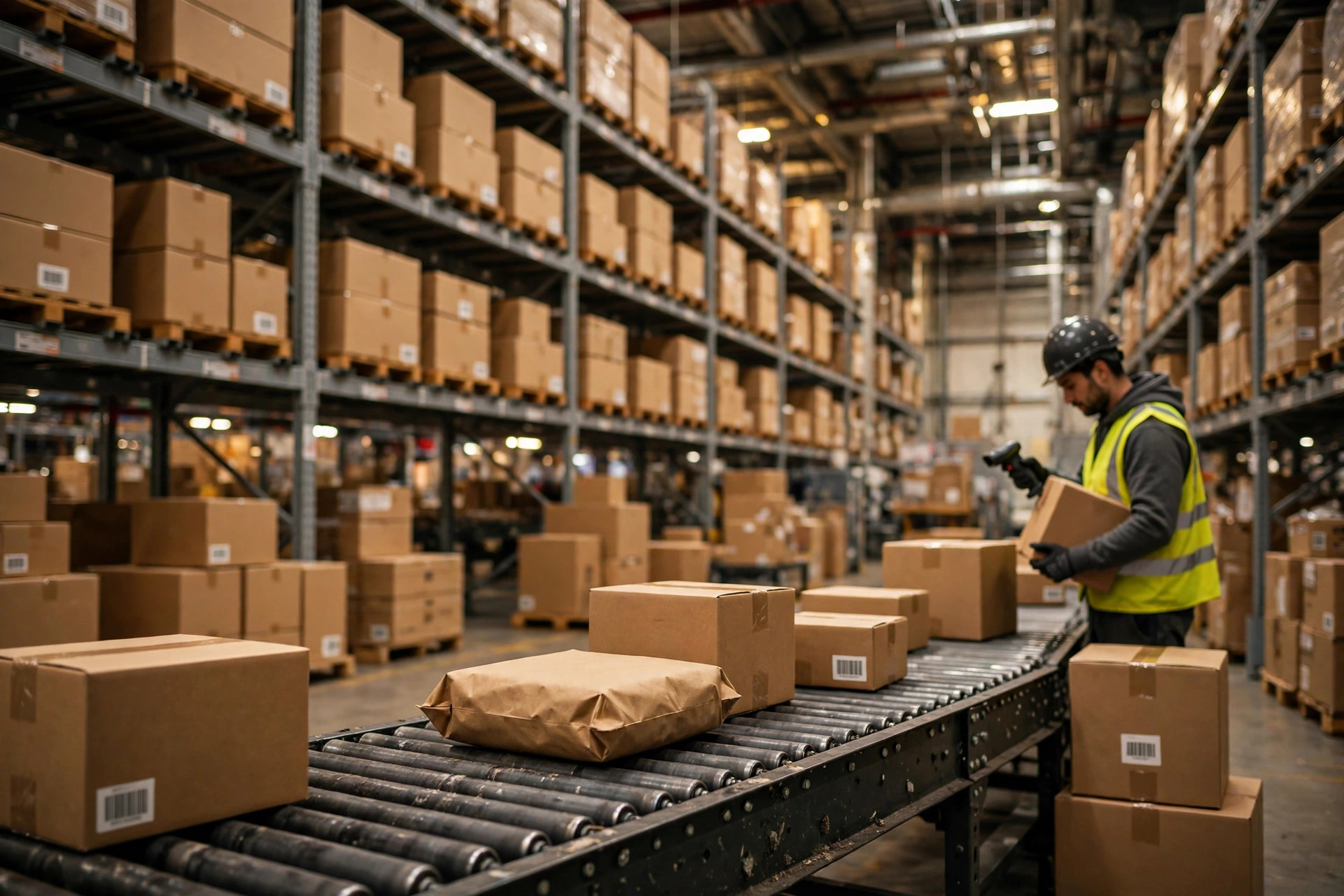
Let me walk through the process. After the cargo arrives at the port, the freight forwarder books a delivery time at the FBA warehouse and gets an appointment window. At the same time, the carrier arranges the container pickup. The container has to be in hand before the truck can head to the warehouse. These two moves happen in parallel, and the timing has to match. Pick the container up too early and the warehouse isn't ready for you. Pick it up too late and the appointment window is gone. The margin for error is sometimes only a few hours.
Three causes show up most often.
First, the container just isn't there. Vessel delays, port congestion, long pickup queues. The container simply can't be pulled out. Last August the Port of Los Angeles was congested for two straight weeks, and average pickup waits ran over two days. My container only came out on Tuesday night. The appointment was Wednesday at 9 in the morning. Even driving overnight, the driver couldn't make it.
Second, the appointment window gets missed. FBA warehouse windows are strict. Show up half an hour late and you may not get in at all. Traffic, a queue at the warehouse gate, wrong paperwork. Any small hiccup can eat the window. I once had a delivery where the driver waited two hours in line at the gate. By the time his turn came, the window had closed and the guard sent him back.
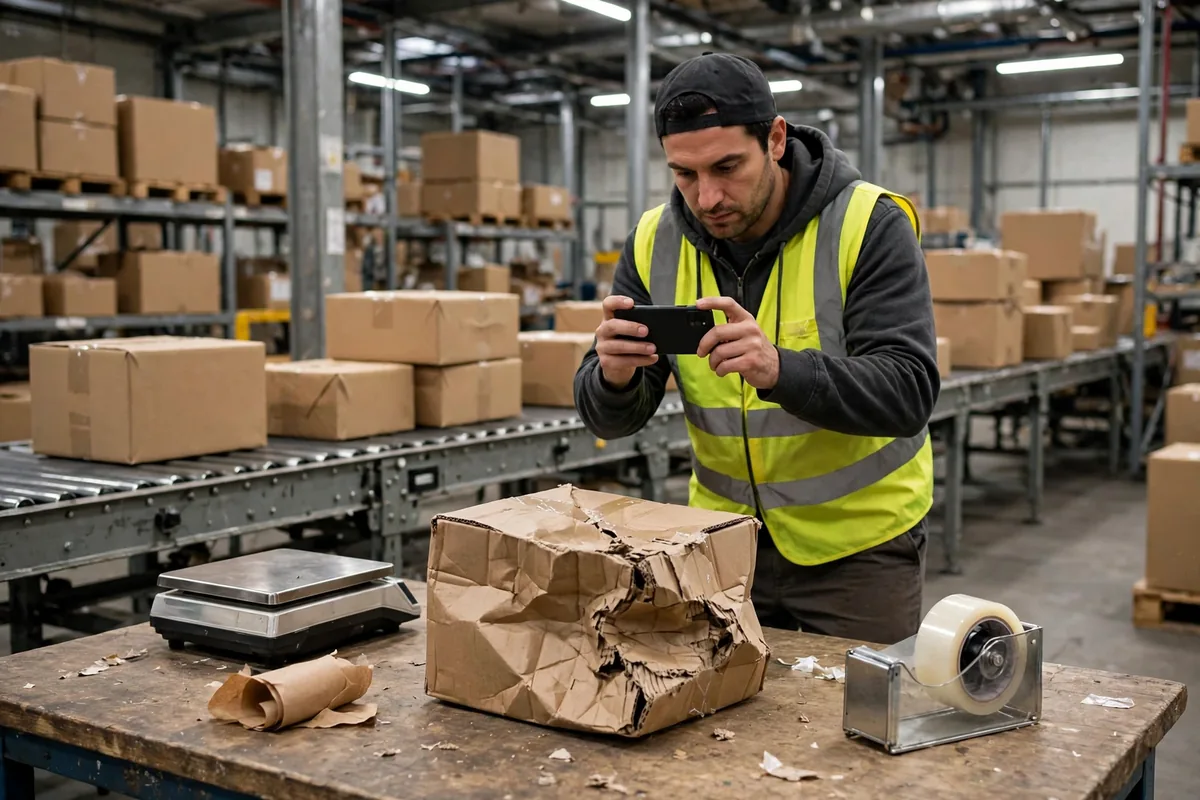
Third, system problems. The booking system goes down, the appointment details don't match the actual cargo, or a label problem gets the shipment refused. System problems are the most frustrating kind, because nobody is really at fault, but the loss still lands on you.
What One No-Show Actually Costs
You have to do this math, or you'll pay for the same lesson twice.
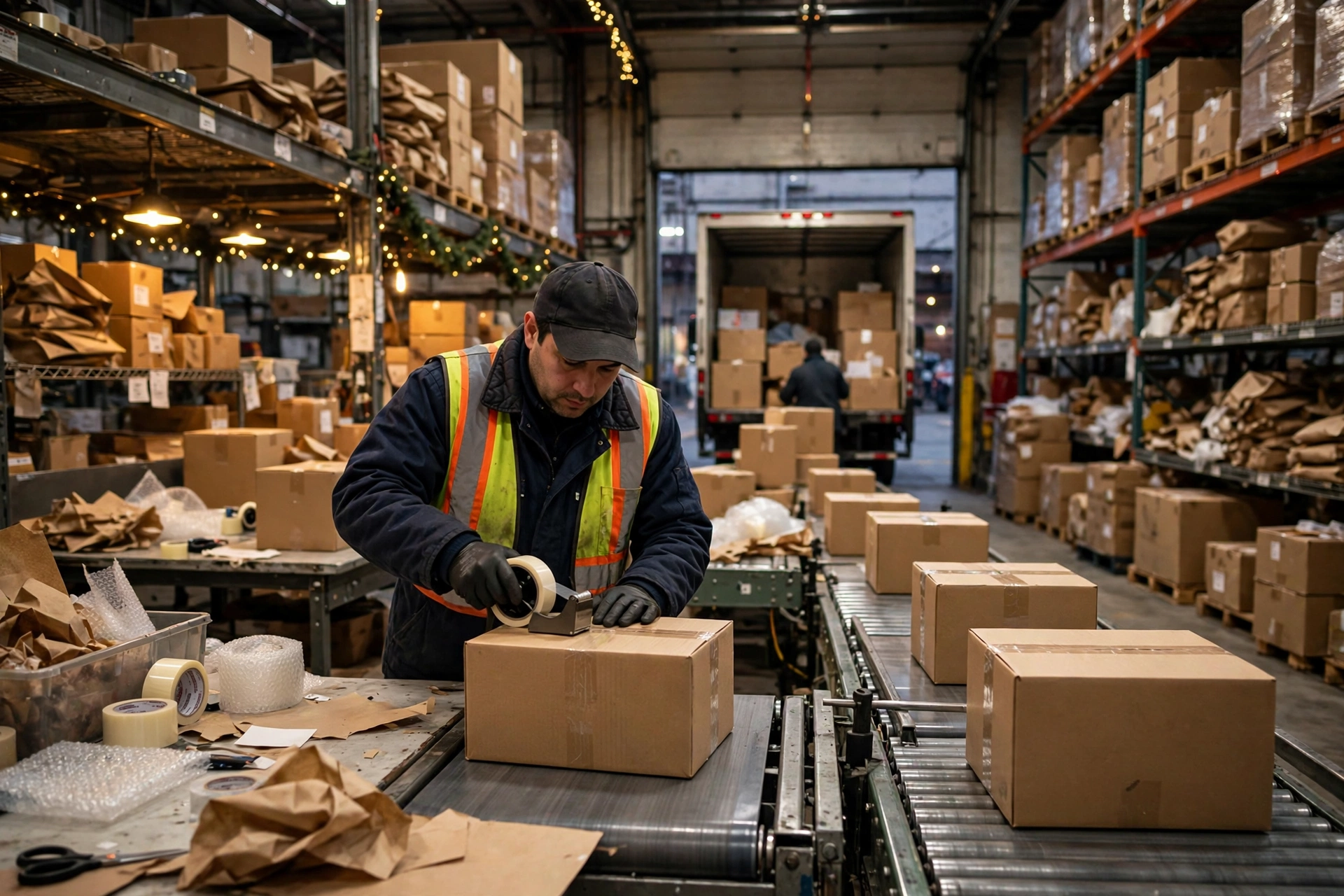
Take that August case. The container sat at the port for four extra days. Port demurrage ran several hundred dollars a day. Four days added up to one or two thousand dollars. Rebooking meant arranging a new truck, another few hundred dollars. The worst part was that the goods reached the warehouse four days late, right before the early September promotion. Two bestsellers went out of stock for a week in my client's store. The lost sales were worth far more than the port charges.
| Cost item | Rough scale | Who pays first |
|---|---|---|
| Port demurrage | Several hundred dollars per day, adding up daily | Usually the cargo owner bears it first |
| Rebooking and new trucking | One trucking fee, several hundred dollars | Depends on the contract |
| Warehousing and second appointment | The time cost of queuing again | The cargo owner |
| Lost sales from stockouts | Thousands of dollars in a peak-season week | The seller absorbs it |
| Lost peak-season warehouse slot | A sales window that can't be recovered | Nobody compensates it |
See the point? The direct costs are the small part. The expensive part is the sales window you lose. A bestseller out of stock for a week in peak season can cost ten times the port charges. And that loss isn't covered by insurance, the platform won't make it up, and the forwarder will at most apologize.
Here's the contrarian take: most people think the earlier you book, the safer you are. After all my years on the road, my conclusion is the opposite. Booking too early actually raises the chance of a no-show. Vessel schedules float. You book a warehouse slot a week ahead, the ship arrives two days late, and the appointment is dead on arrival. The right way is to wait until the vessel has docked and the container status is confirmed, then book. Better a tight appointment window than gambling a fixed slot on an uncertain vessel schedule.
Who Is Responsible, and How to Prevent It
Arguing about blame after a no-show almost never gets anywhere, nine times out of ten. The key is to sort out responsibility beforehand and write it into the contract.
If a vessel delay means the container can't be picked up, the responsibility sits with the carrier and the shipping line, but the cargo owner can almost never recover anything. You just eat it. If the forwarder booked the warehouse but didn't watch the pickup progress, the forwarder is at fault and you can negotiate compensation, but it's hard if the contract doesn't spell it out. If the driver is late or the paperwork is wrong, the operating party is responsible and it's relatively clear. System problems? Nobody can help it. You accept it.
My approach has three rules. First, write it in the contract: if the forwarder's fault causes a missed appointment, the forwarder covers part of the port charges, with the split agreed and written down. Second, starting three days before the vessel arrives, check the container status with the forwarder every day. Don't wait until the ship docks to ask. Third, plan the fallback in advance. If the appointment falls through, do you rebook, switch warehouses, or route through an overseas warehouse first? Price all three options ahead of time, so when it happens you just pick one instead of figuring it out on the spot.
There's one more trick, from dealing with warehouse gates. When the driver reaches the gate, don't just sit in the truck. Take the appointment sheet to the guard, check in, and confirm how the queue is moving that day. Sometimes the time shown in the system and the actual pace at the gate are two different things. Arriving half an hour early and checking in puts you on the guard's radar, and things go smoother when your turn comes. A driver friend of mine with ten years on the road always arrives an hour early, says hello to the guard, has a quick chat, and has never had trouble in line. It's not a trick. It's just people getting along.
One more word for sellers: don't cut your stocking schedule too tight. A lot of sellers try to save on storage by timing cargo to arrive three days before a promotion. One vessel delay and the whole plan falls apart. My rule is to have peak-season stock at the port at least two weeks early. A few extra days of storage costs a few hundred dollars. A week of stockouts costs ten times that.
After all these years, I've boiled it down to one line: on the ocean freight road, slow isn't what scares me. What scares me is booking a slot and not showing up. If you're slow, you can wait. If you no-show, you don't even know how long you'll be waiting. Confirm the container before you book the appointment. Write the responsibility into the contract first. Plan your fallback before peak season. Do those three things, and you'll dodge eight out of ten no-shows.
By Shifu Zhao, Trucking Veteran (15 yrs)