Here is the deal: this amazon fba fee breakdown warehouse cost walkthrough exists because Amazon changed the rules again, and most sellers only notice when the money is already gone. Effective January 15, 2026, FBA fulfillment fees went up by about $0.08 per unit on average. Eight cents sounds like nothing. At 300 orders a day, that is $24 a day and more than $700 a month, gone. Let me tear the bill apart line by line so you can see where the money actually goes, and which parts you can fight back on.
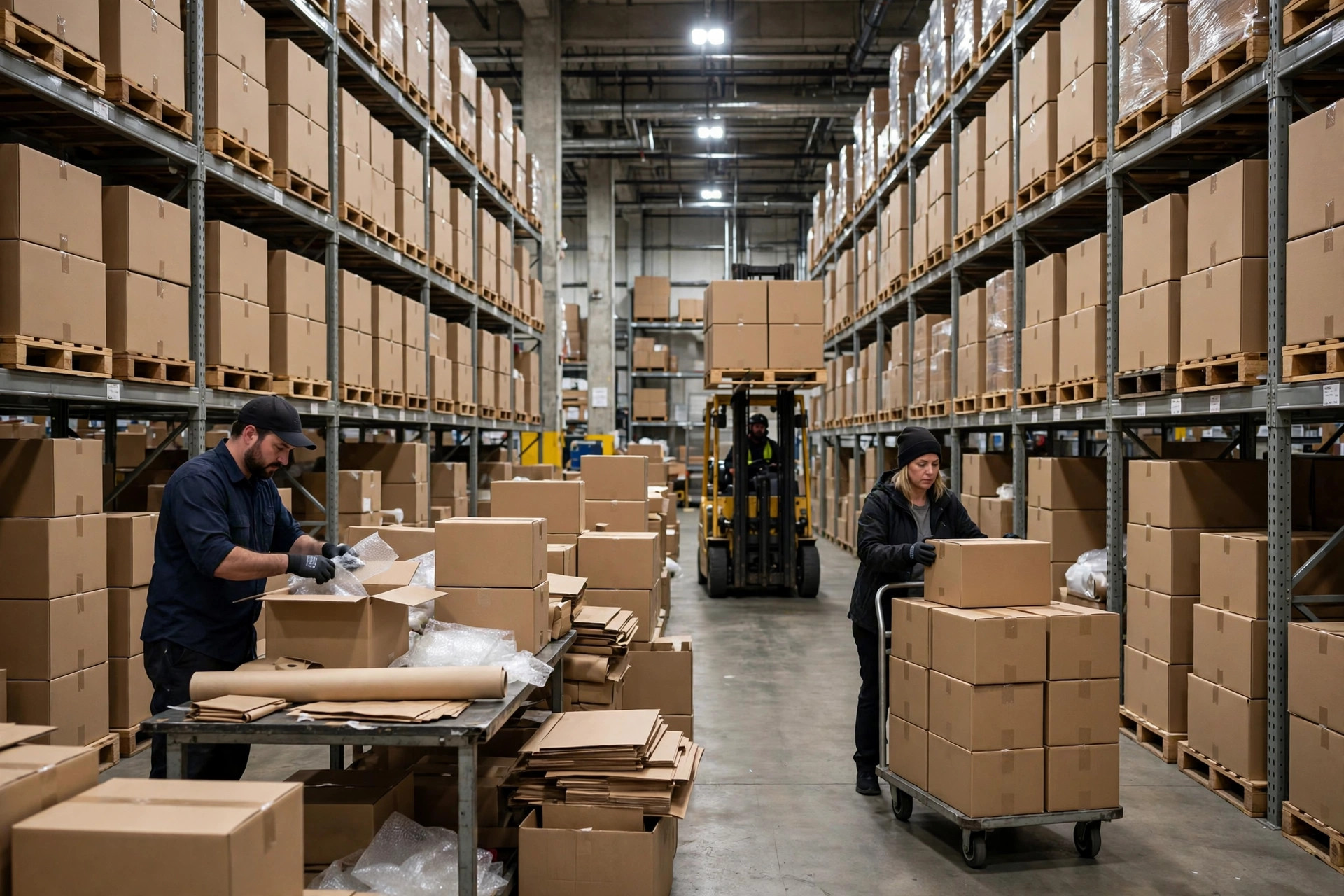
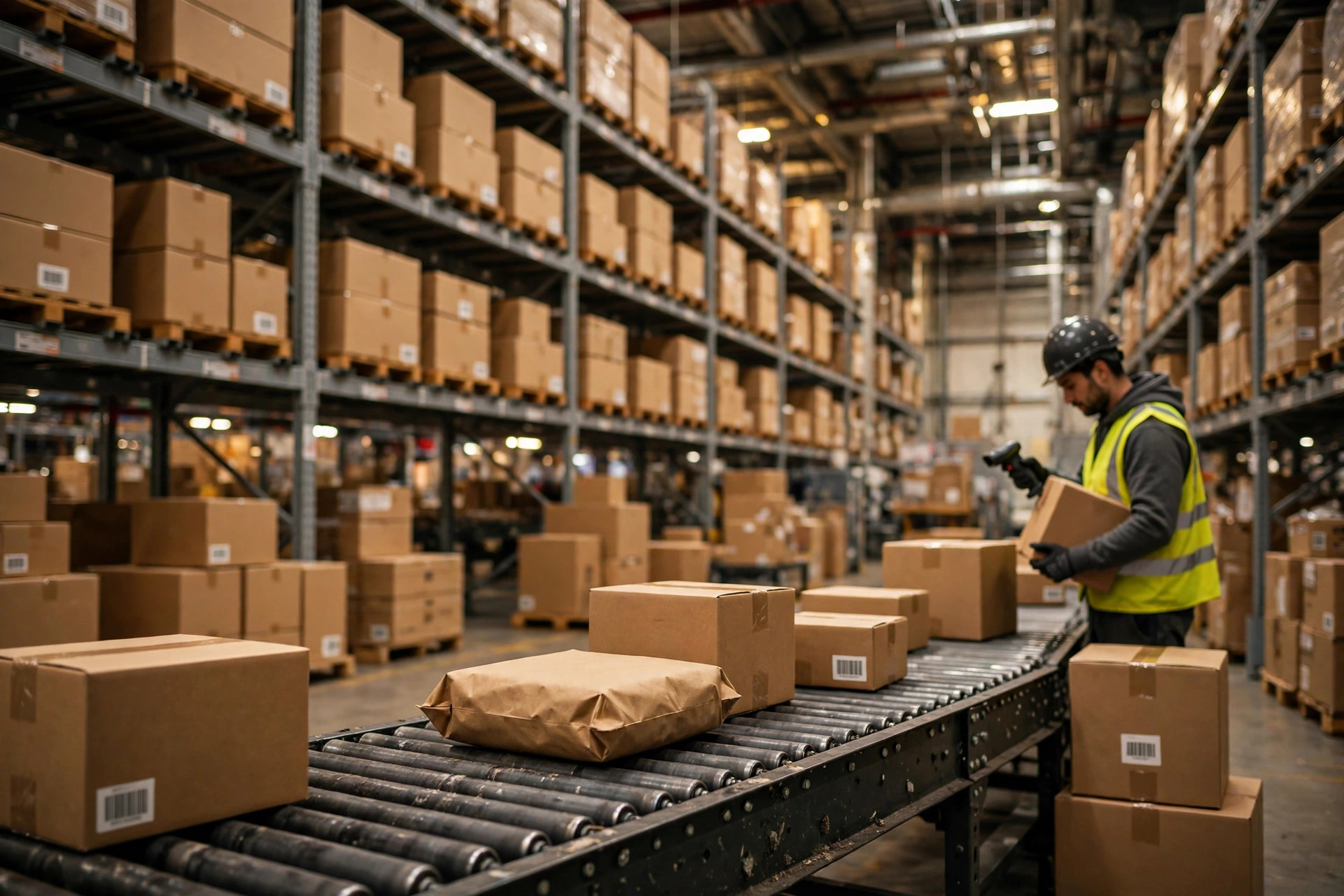
My own lesson came in October 2025. I stocked 800 units of a desktop organizer ahead of peak season. One color did not move: by November I had sold barely 200, and more than 500 sat in the warehouse into December. Peak-season storage rates kicked in, the aged inventory clock started ticking, and by year end storage alone had eaten close to $200 on that batch, cutting its profit in half. The fulfillment fee is the loudest line on the bill, but storage is the quiet one that bleeds you dry.
Amazon FBA Fee Breakdown: The Fulfillment Fee Hits First
The fulfillment fee is the biggest single line for most sellers. It depends on size tier, shipping weight, and price band: under $10, $10 to $50, and over $50. The higher the price band, the higher the fee. Two 2026 changes matter here. First, since April 17, 2026, Amazon adds a 3.5% fuel and logistics surcharge on top of the fulfillment fee, calculated on the fee only, not on your selling price. Second, holiday peak fulfillment rates run from October 15, 2026 through January 14, 2027, adding about $0.32 per unit on average.
You cannot dodge this fee, but you can price around it. Before I list any SKU, I run it through the FBA revenue calculator in Seller Central with the fulfillment fee, the surcharge, and the peak rates all included. The classic trap is pricing right on a band edge: a product at $9.99 versus $10.05 can fall into different price bands, so those extra six cents of revenue can actually cost you money.
Amazon FBA Fee Breakdown Warehouse Cost: Storage Is the Slow Bleed
Monthly storage is charged per cubic foot. In the 2026 rate card, standard-size storage runs $0.78 per cubic foot from January through September, then jumps to $2.40 per cubic foot from October through December, roughly triple. Oversize runs $0.56 and $1.40 in the same two periods. Treat these as structure, not gospel: always confirm the latest rate card in Seller Central, because Amazon adjusts rates every year.
The aged inventory surcharge is nastier. The old long-term storage fee only kicked in after a year. Now the surcharge starts at 181 days, and it climbs steeply with age. Past 455 days it reaches $7.90 per cubic foot or $0.35 per unit, whichever is greater. A small item sitting in the warehouse for a year and a half can rack up surcharges bigger than its fulfillment fee. My rule now is simple: before any shipment, ask whether this batch will sell through within 180 days. If the answer is no, do not send it all to FBA.
The Low-Inventory Fee: Damned If You Stock Up, Damned If You Don't
This is the part that drives sellers crazy. The low-inventory-level fee, introduced in 2024 and still in force in 2026, applies when a SKU's 30-day and 90-day historical days of supply both fall below 28 days. Then Amazon charges per unit shipped, from a few dozen cents to just over two dollars depending on size tier. Stock too much and storage plus aged surcharges get you. Stock too little and the low-inventory fee gets you. The only safe ground in between is disciplined replenishment.
My fix is low-tech but it works. Every SKU gets two lines: a safety stock line set at about 35 days of sales, and a reorder trigger. Every Monday I check inventory health and days until stockout, and the moment a SKU crosses the trigger line, I replenish. For volatile SKUs I split the stock: roughly 28 days of supply in FBA, the rest in a 3PL as backup.
Inbound Placement and Prep: The Lines Sellers Forget
As of January 1, 2026, Amazon stopped offering its own prep and labeling services in the United States. No more FNSKU labeling, poly-bagging, or bubble wrapping at the fulfillment center. That work now has to be done before the shipment leaves you, or by a third-party prep warehouse. Goods that arrive unprepared get refused or charged problem-item handling, and the return freight for re-labeling costs more than the labeling itself.
Then there is the inbound placement fee. Ship to multiple fulfillment centers and you pay the split-shipment freight. Ship everything to one center and Amazon charges an inbound placement fee. I just compare the two numbers and pick the cheaper one.
A fellow seller learned this the hard way in February 2026. He sent 300 units of a bulky home storage cabinet to FBA in one go, betting on high margins. Six months later he had sold fewer than 100. Once the inventory crossed 181 days, the aged surcharge started ticking every month, and by September storage plus surcharges had eaten a third of that product's gross margin. He finally created a removal order, pulled the stock back to a 3PL, and sold it slowly through FBM. That is the point of any amazon fba fee breakdown warehouse cost exercise: the fulfillment fee is the line everyone watches, while slow-moving bulky stock gets killed by the storage lines nobody checks.
One SKU, Worked Out in Full
Here is a worked example, labeled as a hypothetical, so you can see where each dollar of a single order goes. Rates follow the 2026 rate card; confirm the current figures in Seller Central.
| Fee line | Hypothetical example (small standard item, ~$30) |
|---|---|
| --- | --- |
| Fulfillment fee | About $4.60 |
| Fuel and logistics surcharge (3.5% of fulfillment fee) | About $0.16 |
| Monthly storage, off-peak | $0.78 per cubic foot |
| Monthly storage, peak (Oct–Dec) | $2.40 per cubic foot |
| Aged inventory surcharge (from 181 days) | Rises with age; highest tier past 455 days |
| Low-inventory-level fee (supply under 28 days) | Per unit, varies by size tier |
| Professional selling plan | $39.99 per month |
Read the table and the picture is clear: the fulfillment fee is the visible chunk, but storage, aged surcharges, and the low-inventory fee can add up to more than the fulfillment fee on slow movers. So here is my contrarian take: FBA is not cheaper the more you use it. For fast-turning, compact bestsellers, FBA is a money printer. For slow, bulky long-tail items, FBA is a shredder. Those belong in FBM or a 3PL, shipped as orders come in.
Five Storage-Side Moves That Actually Worked for Me
First, shrink the box. Redesign the packaging a size smaller. Storage is charged per cubic foot, so every bit of volume you cut is money saved. I switched one organizer to flat packaging, cut per-unit volume by about 30%, and storage cost fell by the same 30%.
Second, respect the 180-day line. I keep an age table for every SKU and review it on the first of each month. Anything past 150 days goes on clearance immediately: price cut, coupons, bundles. It must be gone before day 180. Whatever will not clear gets a removal order.
Third, do not overstock before peak. Storage costs three times more from October through December, so stock for about 45 days of peak sales, not 90. A stockout costs you a week of sales. Overstocking costs you three months of storage plus aged surcharges.
Fourth, split your storage. Keep 28 to 35 days of supply in FBA and the backup stock in a 3PL. A 3PL's monthly rate is usually far below FBA's peak storage rate, and one replenishment run from the 3PL keeps FBA fed without paying peak prices on the whole pile.
Fifth, reconcile monthly. Export the Amazon fee report, calculate the true per-unit storage cost for each SKU, and any SKU whose storage cost has run above 10% of its selling price for two months straight gets delisted or moved to FBM. The numbers do not lie.
FBA's fee structure keeps getting more detailed every year: fulfillment, storage, aged surcharges, low-inventory fees, and surcharges, all linked. No single line looks scary. Added together, they are. My advice comes down to two habits: run the full fee stack through the revenue calculator before you list, and ask whether the batch sells through in 180 days before you ship it. Get those two right and the FBA bill stops surprising you. This one I tested myself, and it works.
By Ah K, E-commerce Seller (5 yrs)