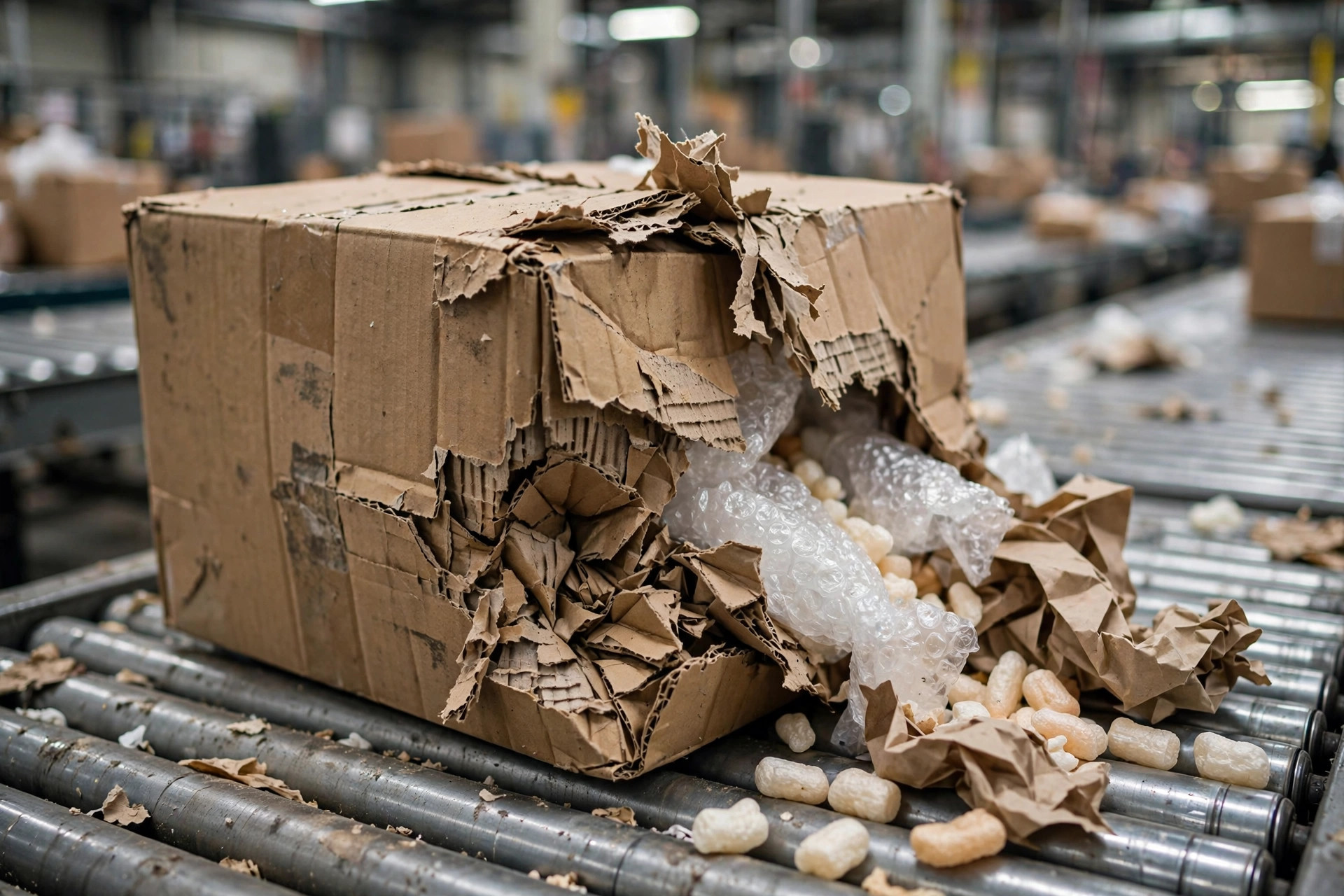
Last November, on a Monday morning, I had barely walked into the warehouse when customer service called about a parcel claim for lost or damaged shipment: of the 40-odd parcels we shipped for Black Friday, 6 customers said nothing arrived, and 2 arrived with the box half crushed. Peak season freight — every parcel mattered. We spent the whole morning chasing tracking, and in the end 3 were just stuck at the carrier, while 5 were genuinely lost or damaged. Here is the honest truth: a parcel claim for lost or damaged shipment is decided long before the customer complains. If your warehouse did not keep the evidence, you cannot even get through the door.
Our rule now is simple. A claim does not start on the day the customer complains. It starts on the day the parcel leaves our dock.
A parcel claim for lost or damaged shipment starts with the clock
The three carriers start their clocks on different days, and that is the trap most people walk into. USPS counts from the mailing date: damage or missing contents can be filed right away and no later than 60 days after mailing. For a lost parcel, Priority Mail and Ground Advantage give you 15 to 60 days after mailing, and Priority Mail Express gives you 7 to 60 days. UPS counts from the scheduled delivery date: you must notify the carrier within 60 days for a lost or damaged parcel, and a formal claim under its tariff can run up to 9 months. FedEx counts from the shipment date: 60 calendar days for domestic damage or missing contents, 9 months for a lost parcel, and only 21 days for international damage. The exact numbers shift from year to year, so check the latest official policy before you file.
See the difference? Sixty days sounds the same everywhere, but the USPS clock starts at mailing and the UPS clock starts at delivery. A parcel sits in transit for two weeks, and the USPS window is already two weeks shorter. Add a customer who waits a few days to complain and a team that waits a few more days to act, and the window is gone.
Our warehouse runs a simple morning routine now. First thing every day, we look at the exception list. Any parcel with no movement for more than 3 days, customer service contacts the customer that same day to confirm. Do not wait for the customer to come to you. By the time they do, a week is usually already gone.
Evidence: if you did not keep it, you do not have it
Whether a claim gets paid is half evidence, half timing. The carrier only trusts what is in its system: weight records, scan records, labels, photos, video. Saying "it was fine when it left us" means nothing. Showing the outbound weight and a photo of the sealed box means everything.
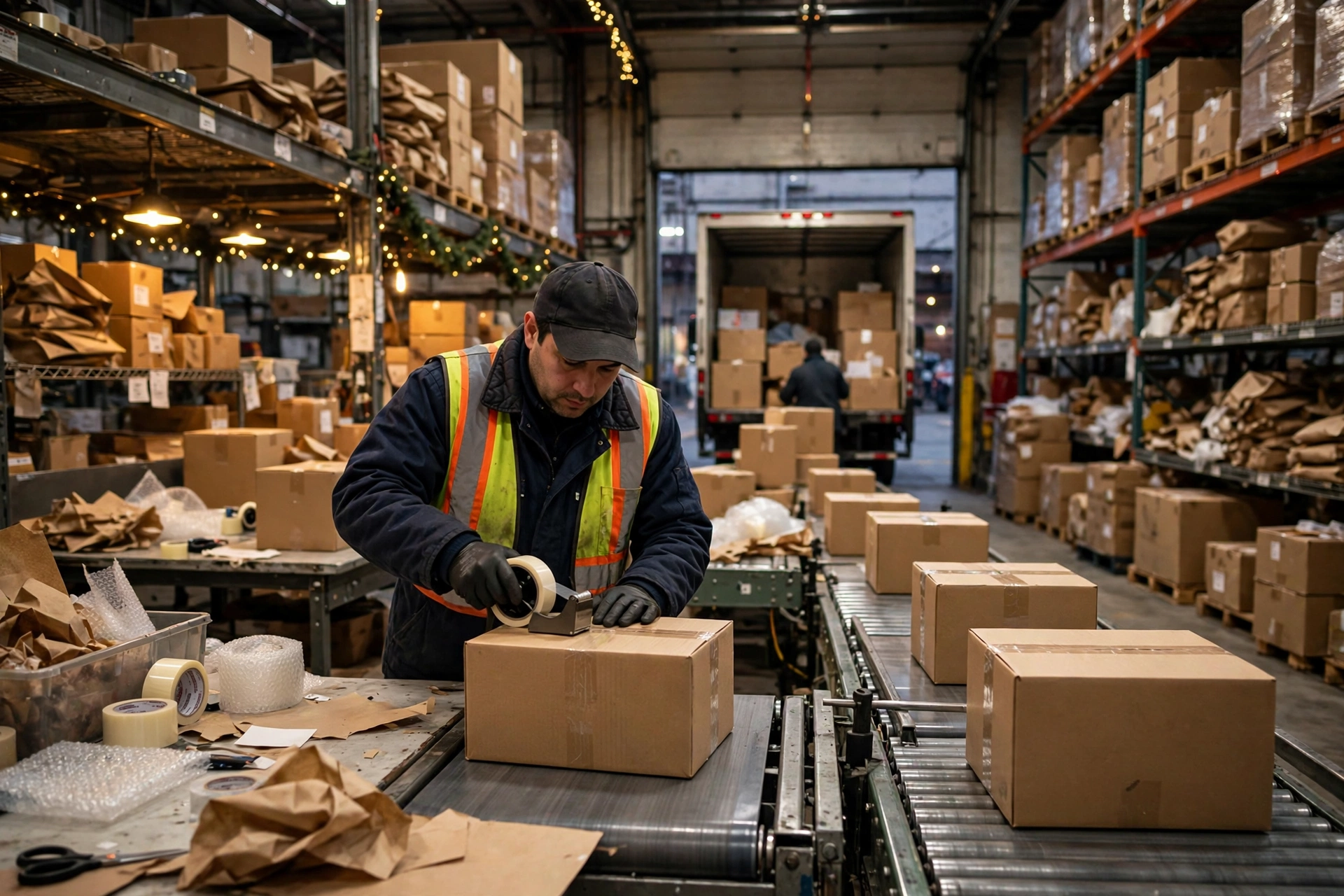
Every parcel leaving our warehouse now keeps four things: the label copy, the weight record, photos of the sealed box, and a packing video for high-value goods. Weight matters most. When our outbound weight does not match the carrier's first scan weight, half the argument about a lost or short shipment is already settled. Photos should show all six sides of the box and the sealing tape, not just one side. Video does not need to run all day — one old phone per packing station, recording on a loop, kept for 30 days. A hard drive costs almost nothing.
Here is a judgment that surprises most warehouse teams: buying full insurance does not make you safe. Here is the honest truth — insurance decides how much you get paid, not whether you get paid at all. With a broken evidence chain, a fully insured parcel still gets denied. With a complete evidence chain, even an uninsured parcel can be negotiated under the carrier's default liability. Keep the evidence first, talk about insurance second. Get that order wrong and you pay for it.
How each carrier handles it
USPS does the search first, then the claim. For a lost parcel, file a missing mail search request online — you can start 7 days after mailing. Damage can be filed right away, within 60 days. One hard limit: only insured mail can be claimed. An ordinary parcel with no insurance can be searched, but no money comes back. You will need the mailing receipt, a description of the contents, and proof of value. Invoices and purchase records both count.
UPS takes claims online or by phone. File first and get a case number, then send what they ask for: a copy of the label, the invoice, photos, the weight record. For damage, there is one rule people break all the time: do not throw the box or the contents away. The carrier may come to inspect them. Once they are in the trash, half the case is gone with them.
FedEx works much the same way — file online, damage within 60 days, lost within 9 months. The number people forget is the 21 days for international damage. A cross-border parcel goes wrong, and you need to move that same day, not on the domestic schedule.
All three want invoices and proof of value. Our fix is boring and it works: the outbound slip carries the goods value and the invoice number, so nobody has to dig through finance when a claim comes in. Finance invoices and warehouse outbound slips that disagree are the most common reason for a round of back-and-forth paperwork.
Run the numbers and you will see what keeping evidence is worth. Suppose a warehouse has 8 lost or damaged parcels a month, averaging $120 in goods value each, and complete evidence gets 70% of claims paid. That is 8 × 120 × 70% = $672 a month (illustrative example), over $8,000 a year (illustrative example). One old phone and one hard drive cost next to nothing. The math does the talking.
Why a parcel claim for lost or damaged shipment gets denied
The most common killer is the deadline. The dates above are hard lines, not one day late. A late claim gets denied, and an appeal will not save it.
Bad packaging is next. A box too soft, too little fill, tape on one seam only. The carrier says "improper packaging" and you have nothing to answer with. Our answer is the sealing photo: for goods that break often, the photo itself proves the packaging was sound, fill and tape both visible.
Then there is unclear proof of value. The invoice shows the price with tax, the claim shows the price without tax, and the two numbers do not match — the reviewer pays the lower one or denies the claim outright. Unify the invoice, the order, and the outbound slip before you file.
A signed delivery is another trap. The customer signs, then reports a shortage. The carrier's answer is that a signature means the delivery was accepted as-is. An appeal then rests on the outbound weight and the customer's unboxing video. Missing either one, it is a hard fight.
The last one is filing with the wrong party. Labels bought through a third-party shipping platform — do you claim with the platform or with the carrier? Ask first. File in the wrong place, waste a month going back and forth, and the window expires while you wait.
An appeal is still worth trying. When a claim is denied, read the denial letter, find the exact reason, add the missing evidence, and file again. Our warehouse turned two claims around last year this way — one with an added weight record, one with an added packing video. A denial for unclear reasons can be overturned with evidence. A denial for a missed deadline or bad packaging almost never can.
A parcel claim for lost or damaged shipment is not about luck. It is about whether your warehouse spent those few minutes at outbound keeping the evidence: label, weight, photos, video. With all four, a claim is just paperwork. Missing one, it is begging. Tomorrow morning, look at the exception list first, then check the outbound weights. Do those two things, and at least half the money from this month's lost parcels will come back.
By Chen Feng, Warehouse Operations Manager