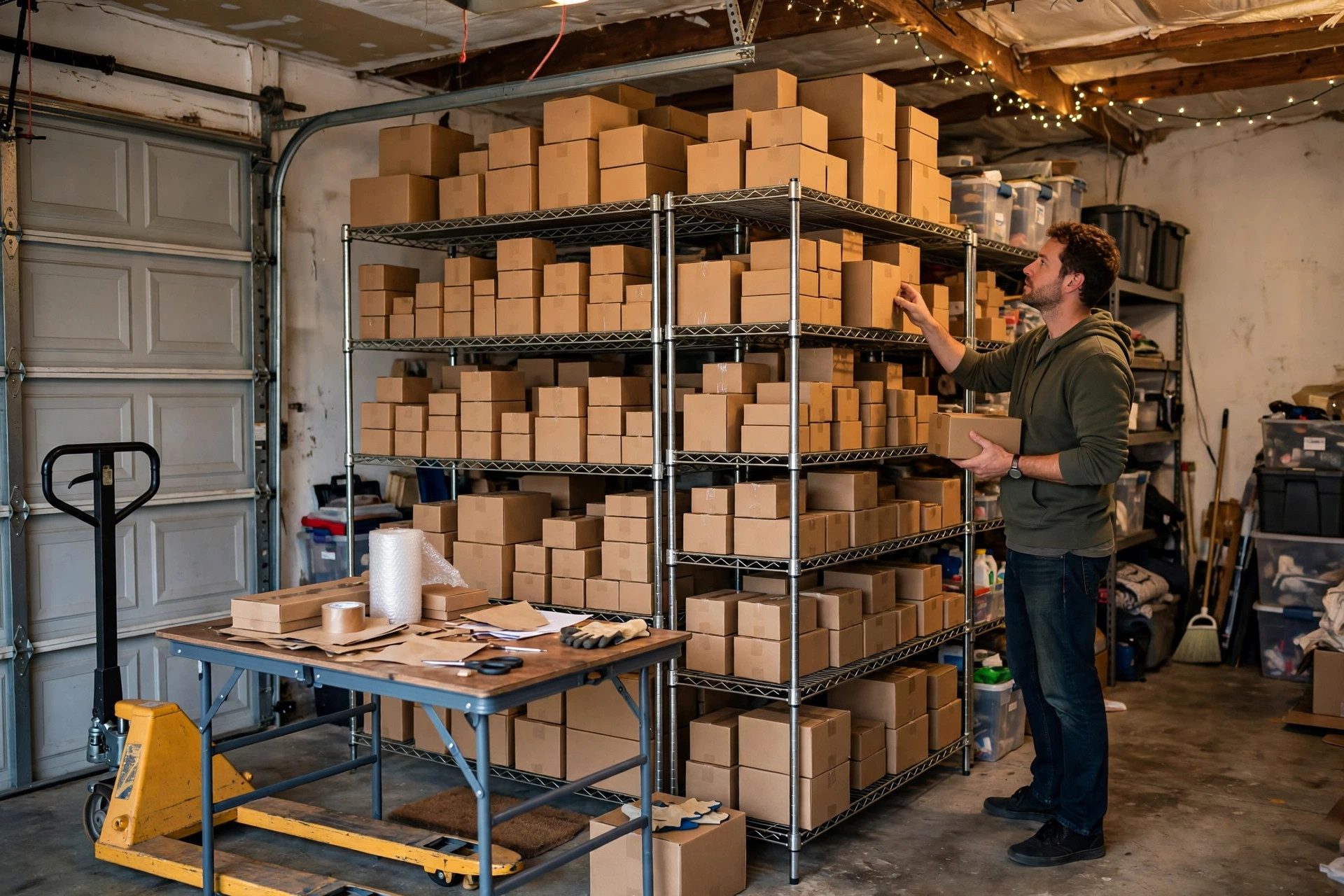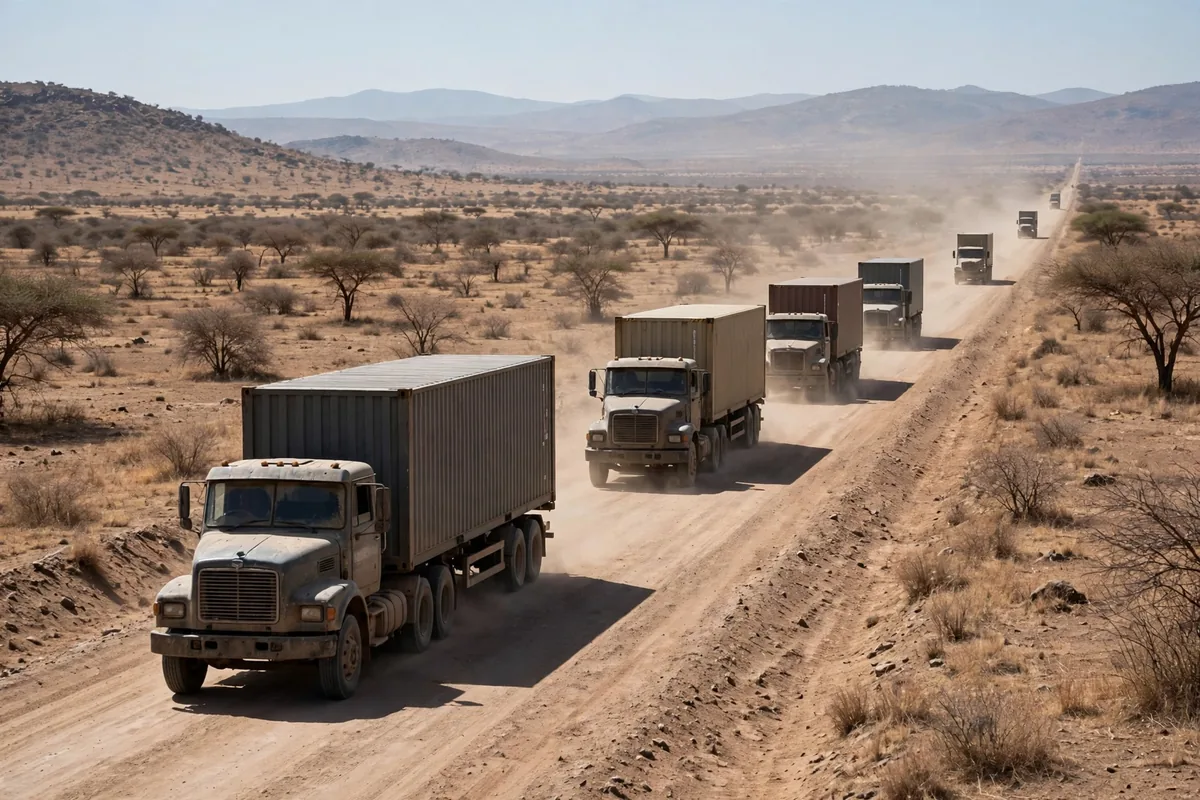
Let me be honest up front: our little warehouse cannot afford to burn that kind of money. That is the first thing I said when a regular customer asked whether we could take a load on the Ethiopia inland warehouse Djibouti transit lane, with goods landing at Djibouti port and traveling inland to a warehouse near Addis Ababa. My heart sank a little. We run a 3,000-square-meter warehouse with a handful of trucks, and running a long cross-border lane like the big companies do felt like a fast way to burn our fuel budget and waiting time. But the customer was a long relationship, so I gritted my teeth and said yes. To my surprise, that first load taught us a small player's way of working.
Ethiopia Inland Warehouse Djibouti Transit: Three Handover Points That Bite
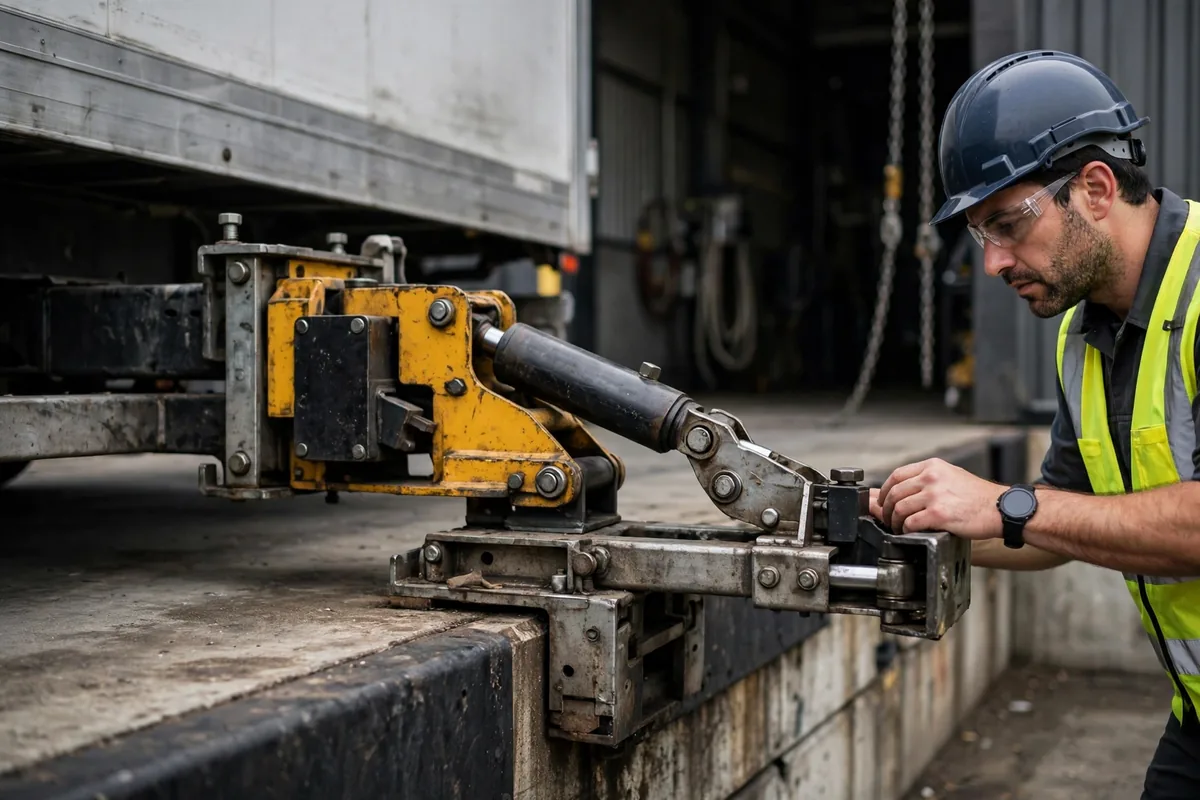
The hardest part of this lane is not the distance, but the number of handovers. Goods coming ashore at Djibouti port is one handover. Port release and document flow is the second. Inspection and receiving at the inland door is the third. Any handover that does not line up leaves the cargo sitting, and every day it sits costs money. Our very first load tripped on the second one: a supporting page was missing, and the driver waited outside the port gate for a day and a half. After that I made a rule: before any truck rolls, the checklist is checked item by item with the forwarder, the port agent, and the inland warehouse. One item missing, no departure.
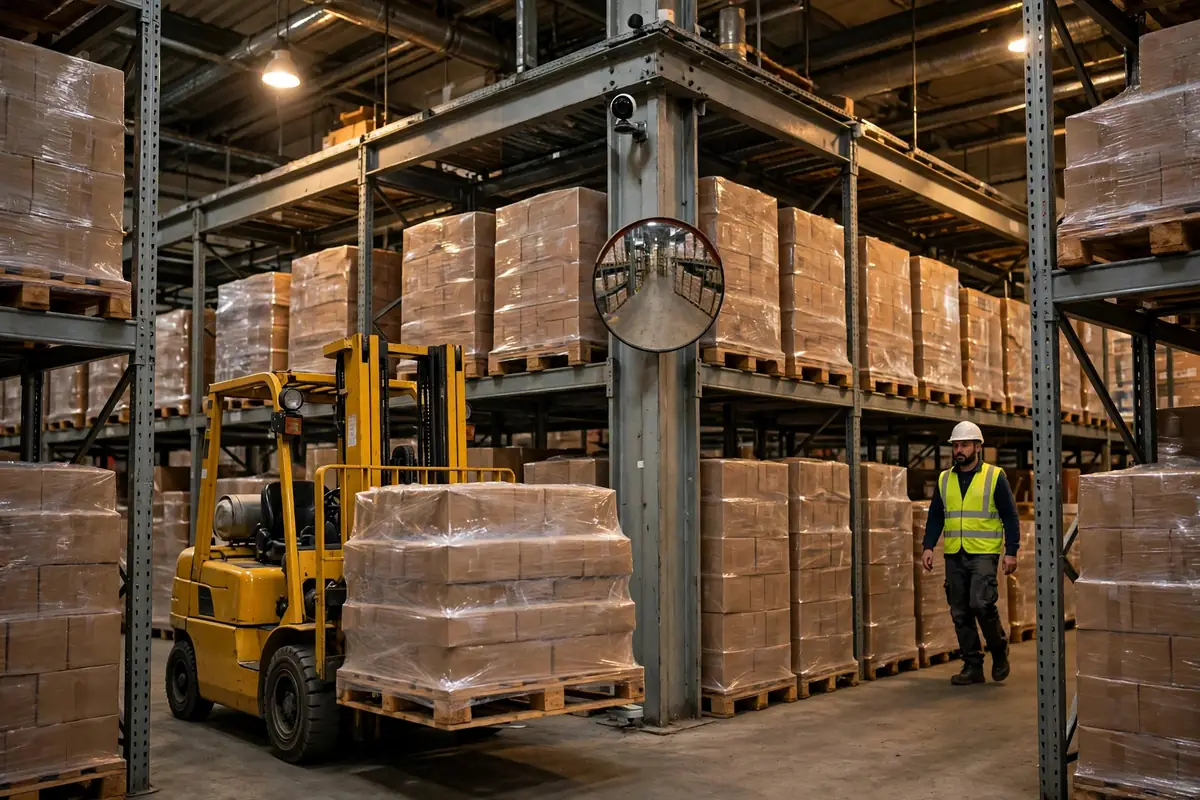
The receiving window is another trap. Our warehouse is small, with few dock doors and nobody on night duty, so a midnight arrival could only wait at the gate until morning. So I agreed with the customer: trucks arrive only inside receiving windows, and we would rather have a truck rest overnight at a roadside stop than burn fuel idling at our gate. Small thing, but the waiting time saved on one load pays for half a short trip.
The third handover once embarrassed us too. A load reached the door and inspection found two cartons with damaged outer packaging. The customer wanted photos and evidence before receiving, while our keeper insisted on finishing the full check before signing. Both sides stood at the gate for hours while the truck blocked the dock door. After that I put inspection standards and the damage process in writing before the cargo moves, so photos, evidence, and signatures each follow their own path and nobody argues at the gate. Rules written early are money saved.
The Djibouti Transit Playbook of a Small Warehouse: Consolidate, Time It, Stage Halfway
Big companies run this lane on scale and fixed schedules. Our little warehouse has no such luxury, so we got creative with home-grown methods: consolidate, time it, and stage halfway.
Consolidation means putting several small customers' goods on one truck to spread the trunk cost. It sounds simple, but which loads ride together, who gets unloaded first, and who bears damage costs all have to be clear before loading. We once consolidated three customers' goods, and one changed the delivery time at the last minute, forcing the whole truck to wait an extra day and nearly angering the other two. Since then, the unloading order and the order-change rule are written down before consolidation. Whoever changes an order bears the waiting cost.
Timing it means scheduling the truck around the port release and warehouse receiving windows, so it arrives on a day both sides can actually work. This job looks like a roster, but it is really an information game. I call the forwarder morning and evening to confirm release progress, then confirm the receiving window, and departure sits between those two confirmations. Once, port release ran half a day late, and I held the truck team at the departure point for an extra night. The drivers grumbled, but the truck reached the port gate exactly when the release window opened, and not a day was lost. Had we run to the original plan, the truck would have waited at the gate burning money.
Staging halfway means finding a small site mid-route where goods can be temporarily stored, so a full truck can be broken down before reaching the inland warehouse, which never has to take a whole truck at once. The halfway site is cheap and basic, but it turns one big truck into smaller pieces a small warehouse can actually receive. On this lane both ends are short of resources, and one buffer point in the middle makes the whole line run smoothly.
| Approach | What it costs | What it saves |
|---|---|---|
| Full truck direct | Full trunk cost paid at once | Peace of mind, but small loads cannot carry it |
| Consolidated load | Extra time for splitting and matching orders | Per-load trunk cost spread visibly thinner |
| Halfway staging | One extra handling step | Inland receiving without dock clashes, room to absorb order changes |
We also keep a record-keeping method almost too simple to mention: one notebook per load, listing every cost — waiting fuel, driver lodging, empty dock days. After a few months, the notebook beats any report; one flip tells you which lanes make money and which lose it. When a customer asks for a quote now, I do not guess; I open the notebook and give a price with a basis. Big companies have systems; our notebook is enough.
Here is the counterintuitive judgment I keep coming back to on the Ethiopia inland warehouse Djibouti transit lane: for a small warehouse running a long lane, the thing to fear is not slowness. It is paying for a full truck to go fast. One load can cost half a month of rent, and if the customer changes an order or the port holds the cargo, the loss comes entirely out of our own pocket. Slower, consolidated, and steadier is how a small warehouse stays alive. Exact duties, inspection, and transit rules vary by shipment, so check the official source for the latest policy. I never give a customer a promise based on old news.
Honest Advice for Fellow Small Players
After running these loads, my conclusions are simple. Before taking a cross-border long lane, work out what one day of waiting actually burns; if you cannot, do not take it. Check documents and window times one extra time rather than hoping to fix things on site. A warehouse does not need to be big to be smooth: dock doors, windows, and splitting capacity fitting together is what lets a small warehouse take on a big lane.
One more word for fellow small warehouses just starting out. Do not copy the big companies and spread yourself thin at the start. Run one lane well first, build steady customers, then talk about expansion. This lane started at one trip a month. Now the trips are steady, the warehouse is still the same size, the team is still the same people, but the books look much better. A small warehouse's skill is not scale. It is counting every trip's cost down to the bone and holding every handover point in hand.
One last thing: on a cross-border lane, staying in touch with drivers and customers is the cheapest thing you cannot skip. We have a small chat group where everyone posts where the truck is, how far release has gone, and what time the warehouse can receive. When a driver hits a road problem, one message lets everyone behind adjust the plan. The group costs nothing, but the mistakes it prevents are worth more than any management software. Small warehouses cannot afford big systems, so we keep communication airtight: information flowing means the lane flowing.
Our old driver Lao Wang once told me: a truck is not afraid of a long road, it is afraid of arriving somewhere with nobody to receive it. As long as someone is at the door, a dock is free, and the paperwork matches, he will drive any distance. Now when we plan, the first guarantee is that a truck arriving finds someone to receive it. If we cannot guarantee that, we would rather depart a day late. Small warehouses have their own way of surviving, and this is ours.
By Xiao Ma, Small Warehouse Owner