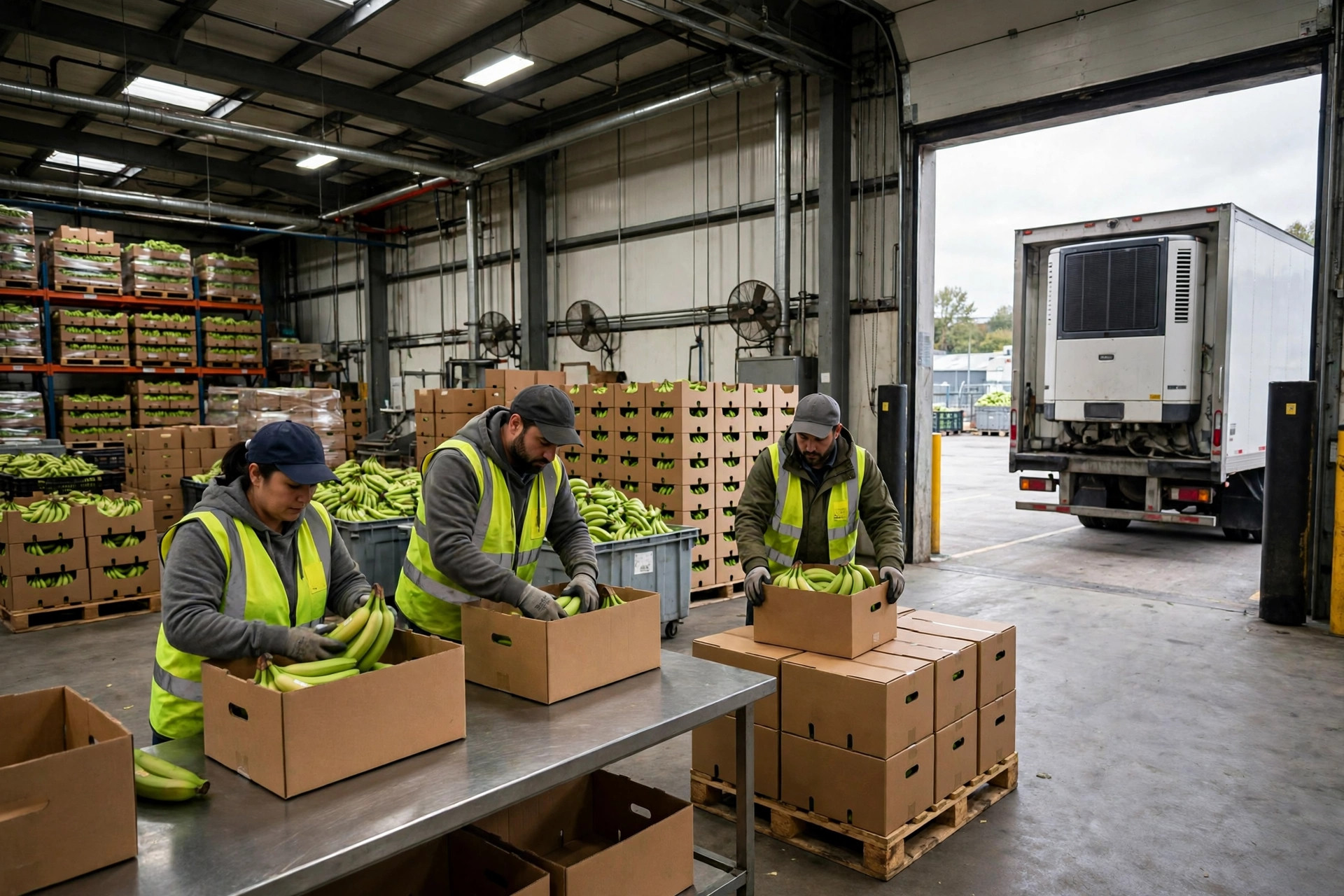
Let me tell you something after all these years on the road: bananas in the Ecuador banana export cold chain are not afraid of distance. They are afraid of being left out in the heat for a while, forgotten, while everybody waits for somebody else's paperwork. I learned that waiting outside a packing house in Guayaquil. The fruit was boxed, the documents were ready, and all we were missing was the reefer. The sun was brutal that day, and the pallets sat on the dock a little longer than anyone planned. The packing house crew waved it off. Once the boxes were inside the container, they said, the cold would take care of it. I was not convinced then, and I am still not convinced now. A reefer can bring temperature down, but it cannot erase the hours the fruit already spent warm. That container reached its destination with a buyer who was not happy, and the argument over quality dragged on for days. Since then I have had one rule: if I am not there to see it, it did not happen, and I do not sign anything until I have seen the pre-cooling record and the temperature log with my own eyes.
The Night I Waited Outside a Packing House in Guayaquil
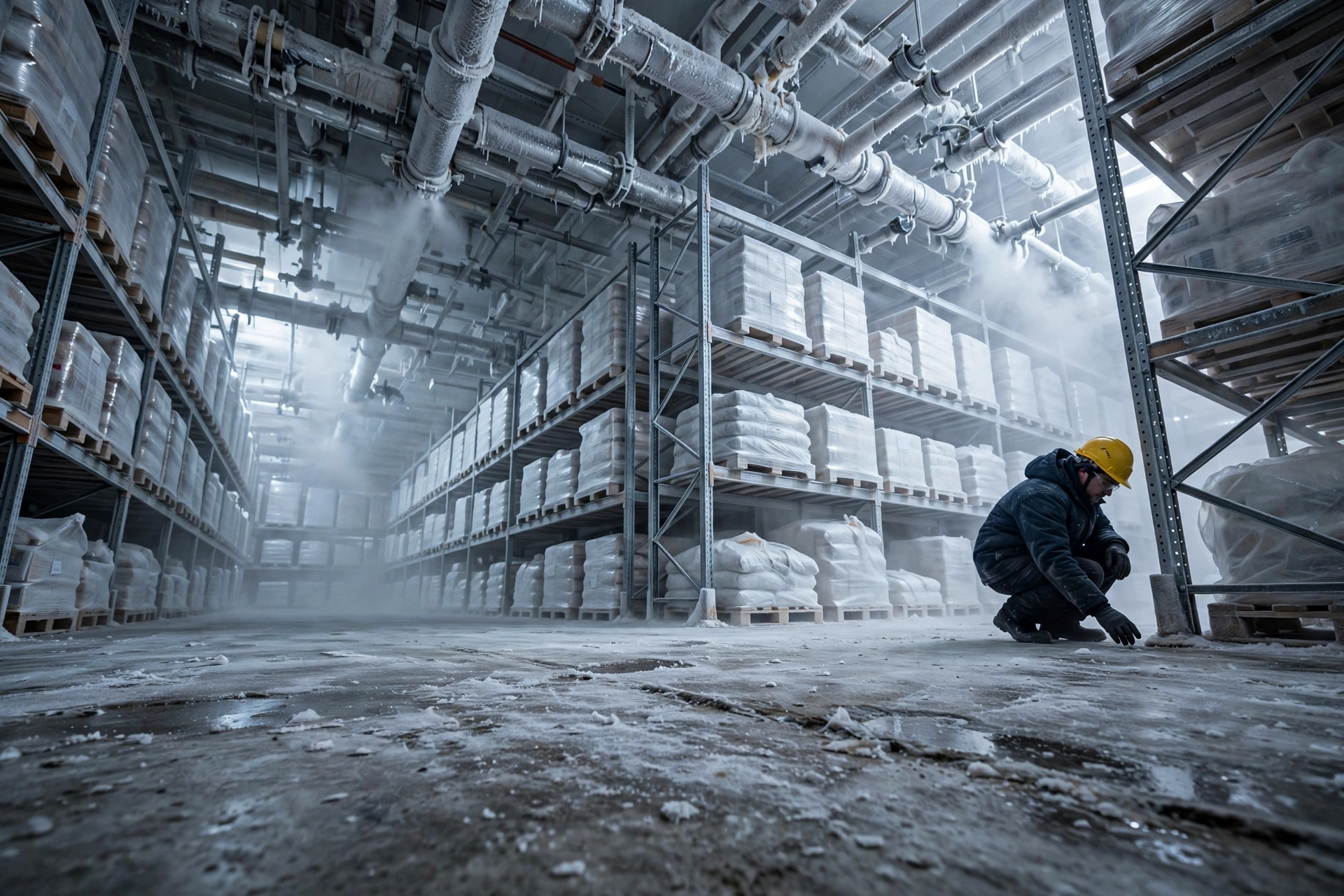
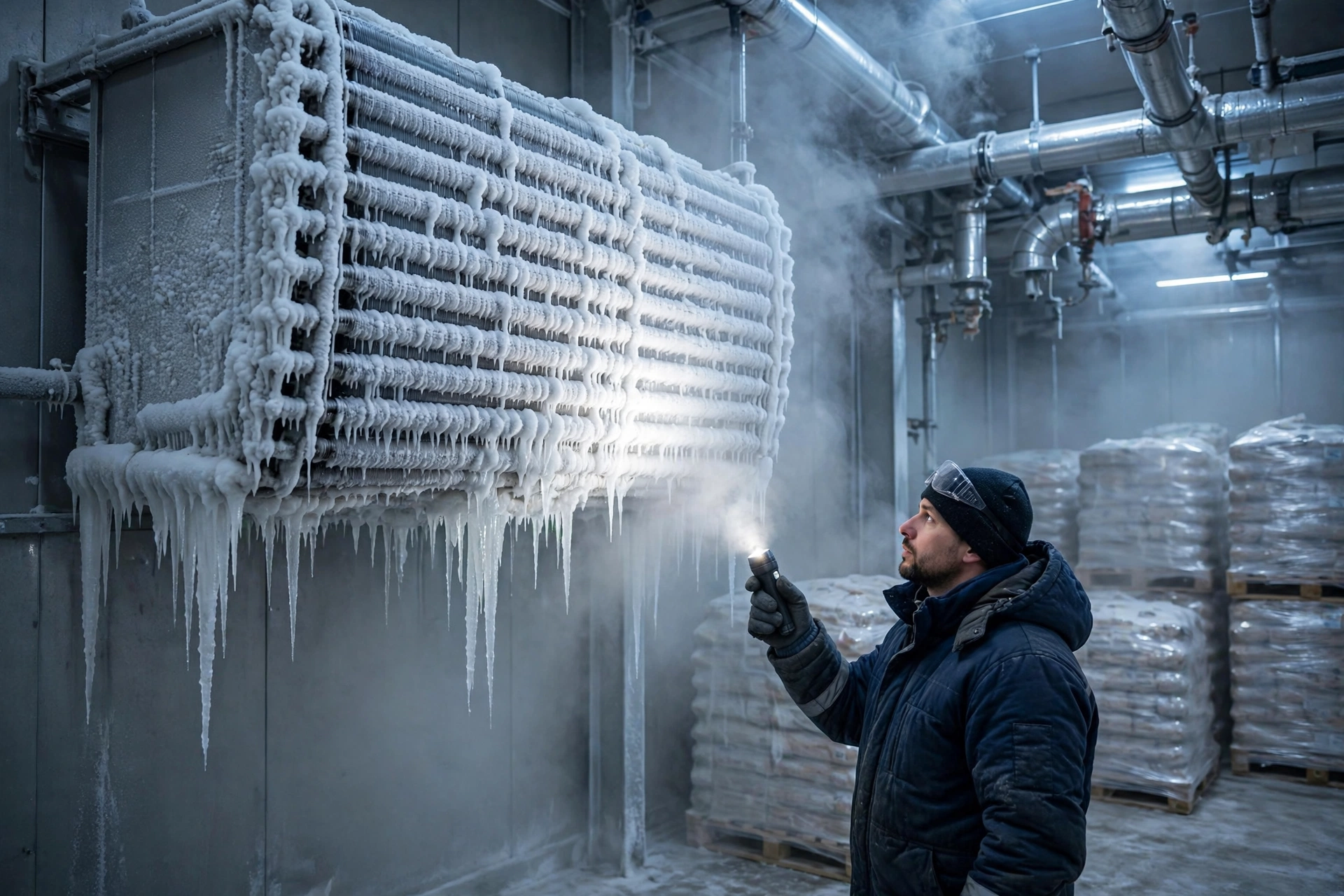
To an outsider, a packing house looks like washing and boxing. To anyone who has hauled this freight, the real work is pre-cooling, and the real question is whether it went all the way through. Bananas come in from the field carrying field heat. Neatly stacked boxes mean nothing if the core temperature of the boxes in the middle of the pallet never came down. A reefer container is built to hold a temperature, not to chill down a large load of warm fruit in a hurry. Plenty of shippers get this backwards, and the mistake only shows up weeks later, far from Guayaquil, when nobody can fix it anymore.
I once watched a packing house run its pre-cooling room like a queue at a bus stop. One load had not finished cooling when the next was already being pushed toward loading, because the schedule said so. Workers loaded boxes that were not fully cooled and wrote them up as cooled anyway. At the port, the temperature curve told a different story, rising and falling instead of holding steady, and the container was held in the yard for re-checks and instructions. Half a day went by while the sailing schedule did not wait. The load either caught a later vessel or sailed under a cloud, and neither outcome felt good. The half hour saved by rushing pre-cooling turned into half a day of trouble at the port. That is a bad trade by any measure.
So now, when I arrive at a packing house, my first question is not whether loading is done. I ask how long pre-cooling ran, what core temperature was reached, and whether I can see the record. If the record cannot be produced, I would rather wait an extra hour than load warm boxes onto a dock and pretend the paperwork makes them cold. Shippers should not pressure drivers on this point either. A driver cannot hurry a cooling room. Pressure only produces nicer numbers on paper while the fruit inside stays warm.
Where the Ecuador Banana Export Cold Chain Actually Breaks
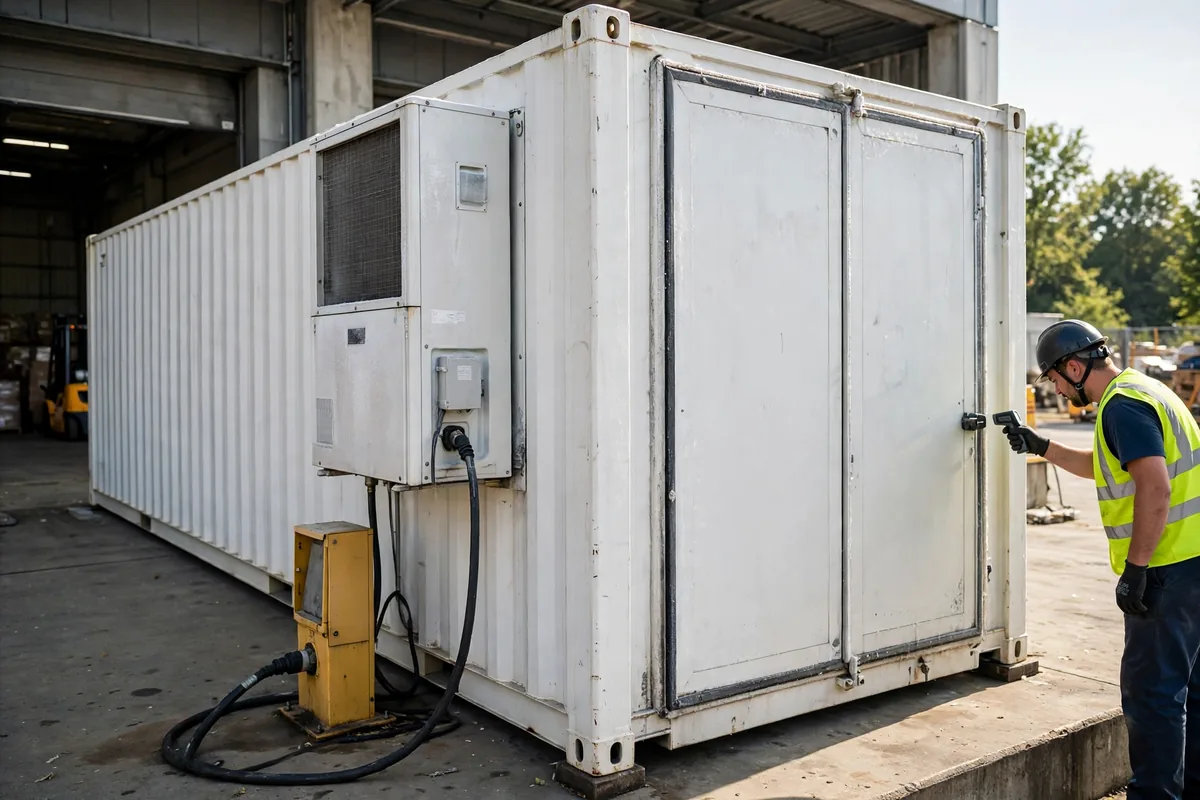
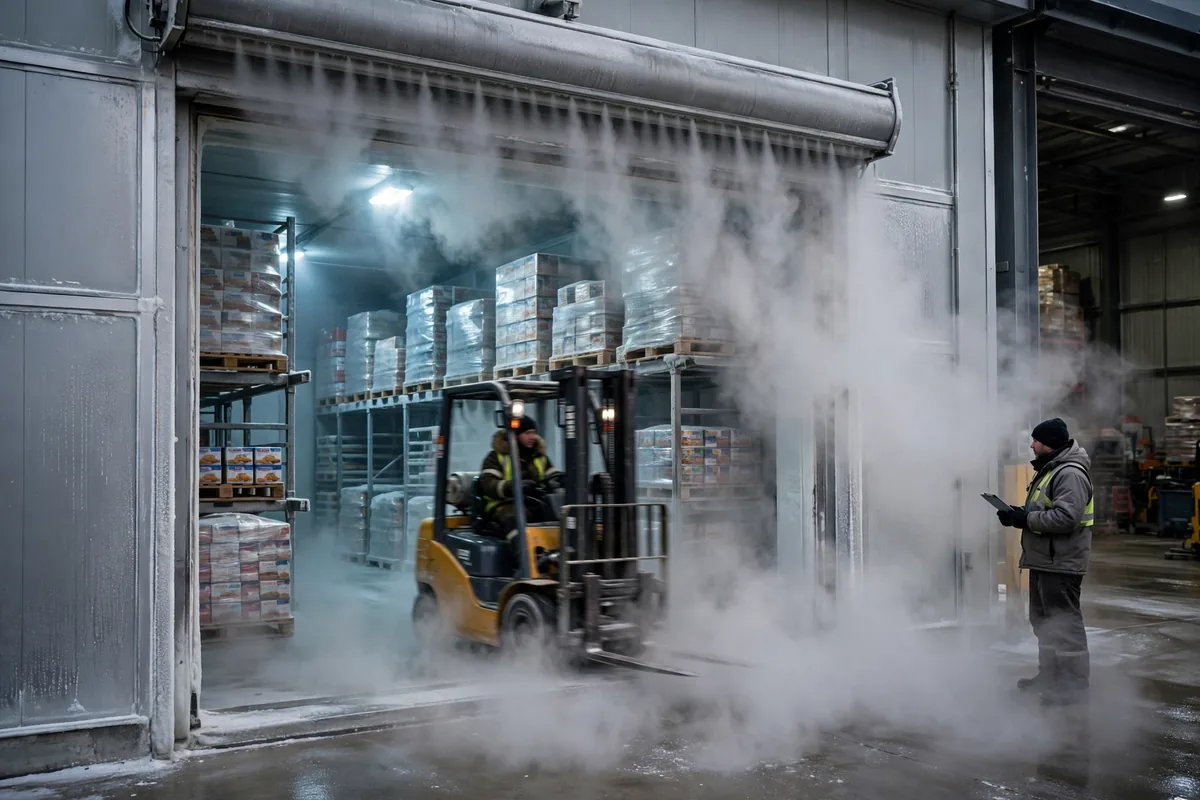
The Ecuador banana export cold chain usually breaks at two handoffs, not on the highway. The first is when the packing house hands the fruit to the driver. The second is when the driver hands the container to the port. Each handoff has a gap: the container door stands open, the fruit is exposed, documents pass from hand to hand, and the temperature recorder is either not yet connected or has only just started working. The gap may be short, but bananas do not care about the clock. They respond to temperature swings, and a swing is a swing whether it lasted twenty minutes or two hours.
On another run, everything on the handover sheet matched: container number, seal number, temperature setting. But the pre-cooling record and the loading time did not line up. Port staff would not release the container, and the call back to the packing house went through several people before anyone on duty could confirm the record. The container spent the night in the yard with its refrigeration unit running, burning power, while the vessel schedule moved on and the driver could do nothing but wait for a phone call. Nobody acted in bad faith. One missing sheet and one missing phone number were enough to break the chain for a night.
Here is the counterintuitive part, and it matters more than most people think. The cold chain for bananas is not mainly about being cold enough. It is about staying steady. Holding a stable, suitable temperature beats chasing the lowest possible number. Some people set the reefer colder than needed, believing colder means safer, and then wonder why the fruit arrives in poor condition. In this business, steady beats aggressive, and an unbroken handoff beats a fast drive. After years of hauling, I can say that most containers are not lost to distance. They are lost in the tens of minutes between two handoffs, where nobody quite owns the temperature.
Keeping the Ecuador Banana Export Cold Chain Unbroken: Who Owns Each Stretch
For shippers and warehouse teams, my advice is plain and short. Shippers should lock down three things before booking: write the pre-cooling standard into the contract instead of settling for vague words like fully pre-cooled; leave slack between pre-cooling, loading, and port delivery, because a schedule with no slack turns one small delay into a missed sailing; and send the handover sheet to the driver and the port agent in advance, with container number, seal number, temperature setting, and contact phone numbers on a single page, rather than making people dig through chat messages at the gate.
Packing houses and warehouses own two things. First, the pre-cooling record travels with the cargo, showing temperature, time, and operator, and cargo without a complete record does not get loaded. Second, the time the container door stays open during loading is kept as short as possible, and the unit starts cooling the moment the doors close, instead of letting boxes wait on the dock for just a little longer. My own rule as a driver is to check three things on arrival: whether the temperature setting matches the order, whether the recorder is actually running, and whether the seal number matches the documents. If any one of them is off, I make the call first and sign later.
A rough cost comparison makes the point without needing precise figures. Suppose a container loses its chain at a handoff. The costs stack up quickly: quality disputes at destination, a changed sailing, extra inspection, and days of back-and-forth. Set against that, the cost of an extra hour or two of proper pre-cooling and two extra phone calls at handover is close to nothing. Cold chain accounting should include the price of one break, not just freight and electricity. Judged that way, slowing down slightly to make each handoff solid is the cheapest option available. Specific rates, sailing schedules, and inspection requirements change often, so check the latest official policies before making decisions rather than relying on old experience alone.
There is an old saying among drivers that fits here: a chain does not break at its thickest link. It breaks at the link nobody bothers to check.
By Shifu Zhao, Trucking Veteran (15 yrs)