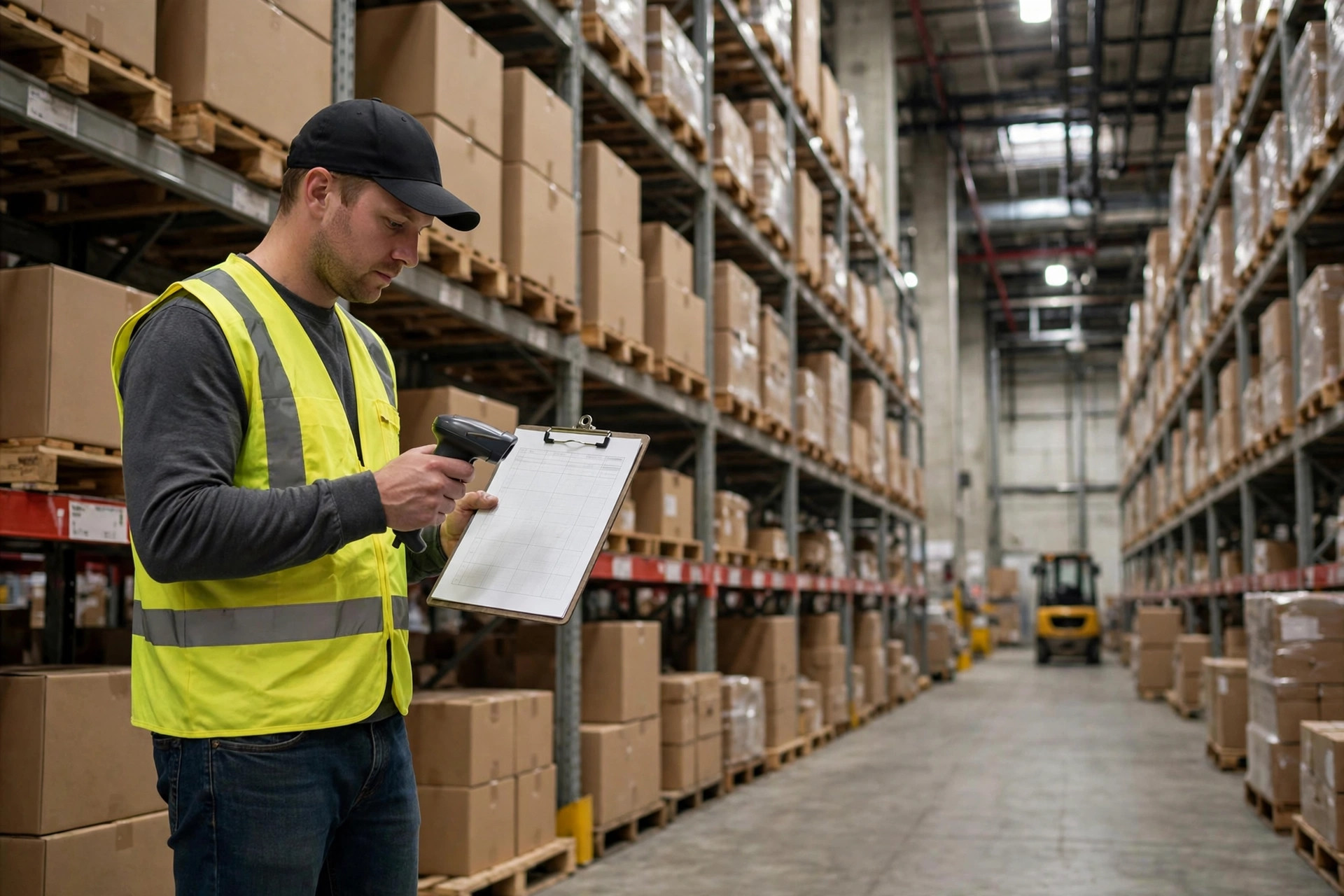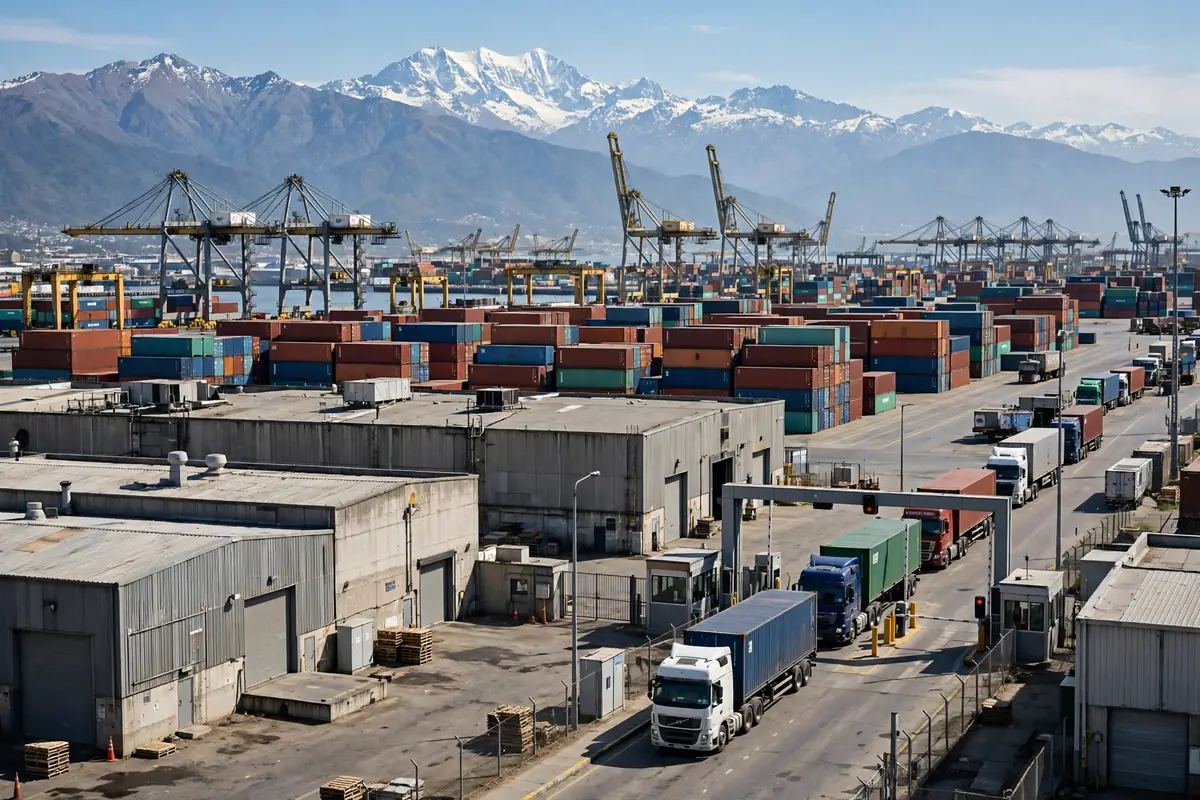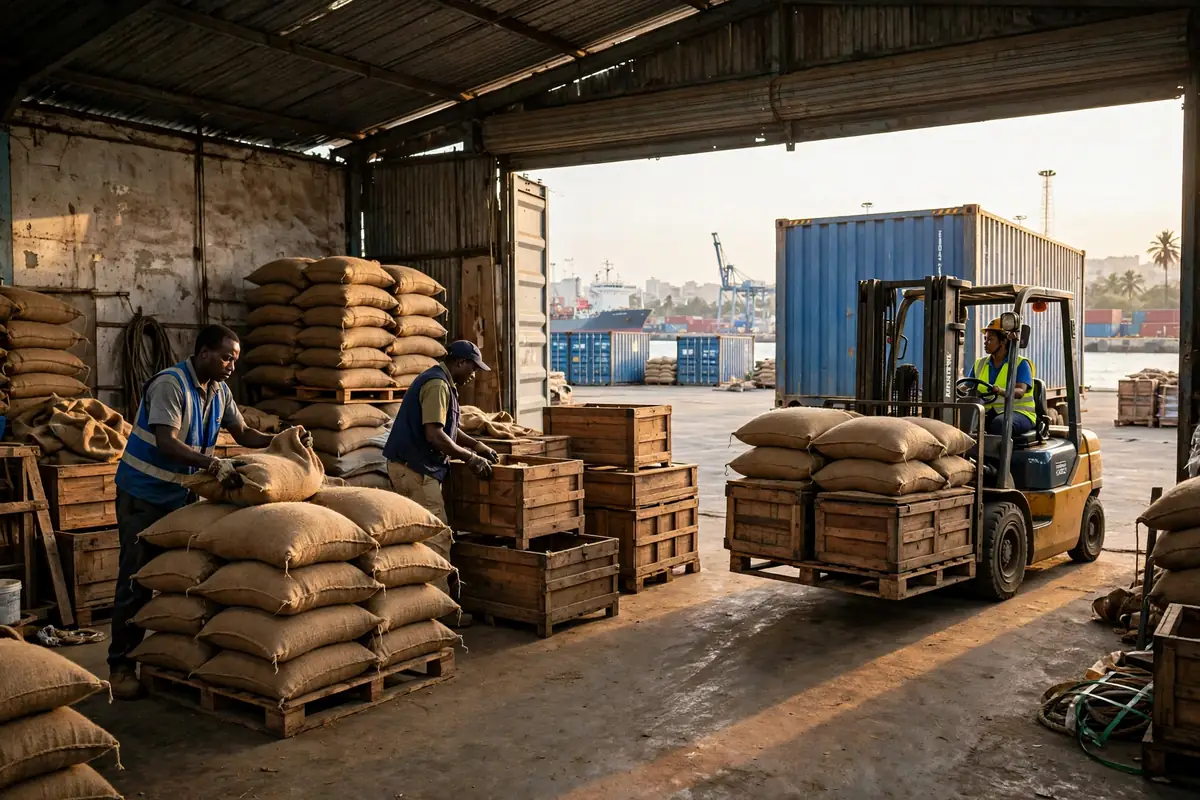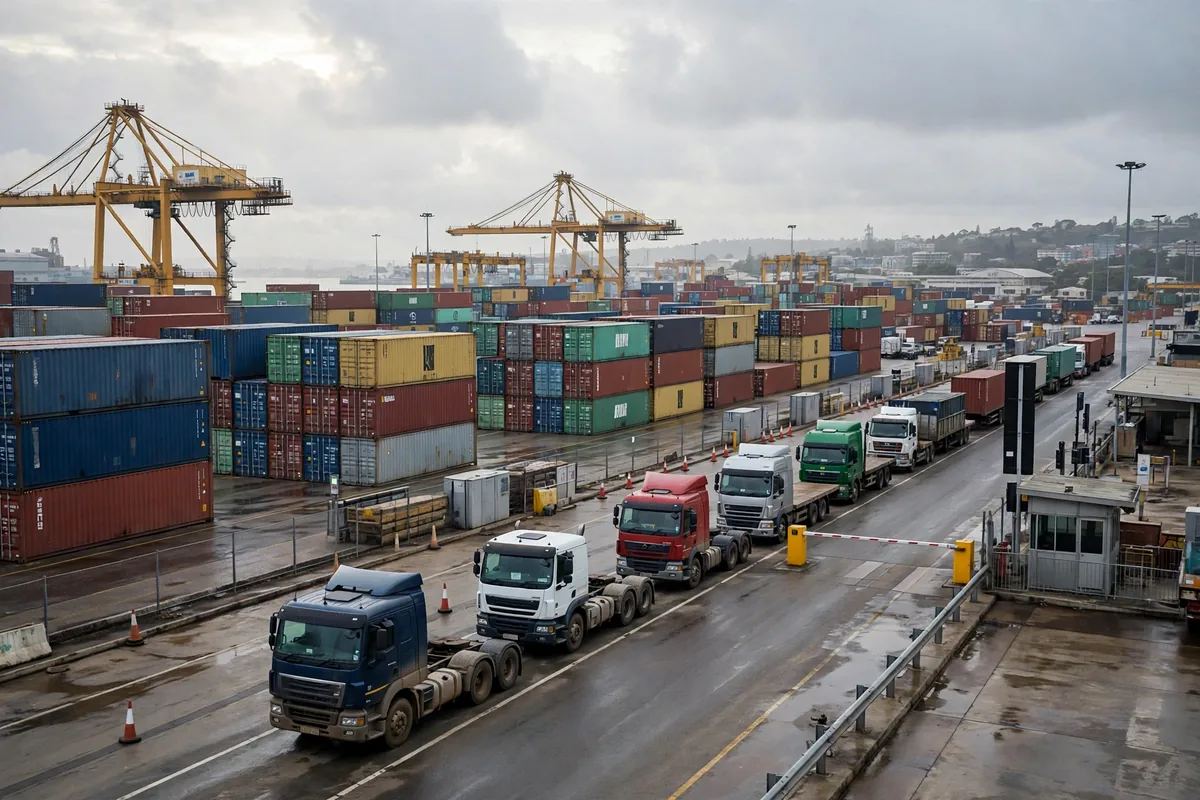
I have hauled freight out of Durban for more years than I care to count, and I will tell you straight: Durban port congestion is not the part that bankrupts importers. The part that hurts is an empty warehouse buffer. The ship waits, the boxes wait, and then your shelves in Johannesburg go empty while your customers quietly buy from the outfit down the road. You cannot dispatch the port. You can only decide how thick your own cushion is before the trouble starts.
A few seasons back I was hauling for an auto-parts importer whose containers landed in Durban and moved up to a warehouse in Johannesburg. One bad stretch, their boxes sat at the terminal for roughly two extra weeks. This owner ran lean on purpose. His logic was that cargo on the water was inventory enough. Three fast-moving lines — filters and brake pads among them — sold out first. Repair shops do not wait politely; they bought elsewhere. The containers eventually cleared, but winning back those workshops took the better part of half a year. He saved a few weeks of rent and paid for it in customers.
When Durban port congestion bites, buffer the right SKUs first
The rookie mistake is adding stock across the whole catalogue. That is not a buffer, that is burying cash. Sort your range into three piles. Pile one: fast movers your customers will chase elsewhere the day you run dry. Those get the full warehouse buffer treatment. Pile two: steady sellers with easy substitutes. Half a buffer is fine. Pile three: big, slow iron that moves a few units a year. Add nothing. If it runs out, tell the customer honestly when the next box lands.
How much safety stock? Do not copy a multiplier from the internet. Pull your own gate records. Look at the last year of arrivals: how many days from vessel arrival to boxes actually racked in your warehouse, on a normal run and on the worst run. The gap between those two numbers is what congestion eats. Multiply that gap by average daily sales of the SKU and you have your extra stock, near enough. A line selling twenty units a day, normally warehoused in a week but taking three weeks in a jam, needs roughly two weeks of sales — about four hundred units — sitting ready. Crude arithmetic, but it grows out of your own paperwork, which beats any rule of thumb a stranger sells you.
Contrast that with a home-appliance parts importer I hauled for last year. Before peak season they quietly put one extra container's worth of their core lines into the Johannesburg warehouse. When the port clogged again, two of their competitors stocked out and orders drifted their way. The extra rent was small money. What it bought was a whole season of sleeping at night.
The second layer of the warehouse buffer: stage stock in Johannesburg
Plenty of importers treat arrival at Durban as arrival, full stop. It is not. There are several hundred kilometres of inland haul between the coast and Johannesburg, and when the port seizes up, truck capacity and scheduling seize up with it. Boxes finally released from the terminal can still wait days for a vehicle. That is why the steadier play is staging part of your range in an inland warehouse near Johannesburg, close to where much of the country's wholesale demand actually sits.
How much to stage depends on where your customers are and what inter-warehouse transfers cost you. Run the comparison honestly:
| Approach | What it buys you | What it costs you | Best for |
|---|---|---|---|
| Everything held in Durban | Simple, centralised warehousing | A port jam stops national dispatch cold | Importers selling mainly on the coast |
| Core lines staged in Johannesburg | Inland sales keep moving during a jam | Extra rent and split inventory records | Importers whose customers sit inland |
| Durban as pure cross-dock | Nothing piles up at the coast | Demands reliable trucks and tight scheduling | Importers with dependable carrier capacity |
Here is the part people get backwards: staging inland is not about geography, it is about buying a time gap. Congestion blocks the inbound end. If Johannesburg holds stock, the selling end never stops. A business survives when at least one end keeps moving. It suffocates when both ends hang on the same rope.
One warning from the road: split stock means split records. I watched a tool importer stage goods inland while their system kept one combined inventory count. Sales in Johannesburg were selling against Durban's paper stock, month-end counts came up short, and they spent two weeks suspecting drivers and warehouse hands before admitting the ledger was never separated. Stage the goods, by all means — but split the books first.
Paperwork before boxes: clear the file while the ship is still sailing
Old hands have a saying: cargo waiting on paper gets more expensive every day it waits. During congestion, a documentation hold stacks a second queue on top of the port queue. Bills of lading, invoices, packing lists, certificates of origin — check them before the vessel arrives, not after. A weight or piece count that does not match the box is the cheapest mistake in this business and somehow the most common.
I once hauled containers for a building-materials importer whose paperwork showed a weight that disagreed with the load. Customs ordered an inspection. The inspection found nothing wrong — and still burned several extra days while the boxes sat accruing charges by the day. After that season the importer made a house rule: the moment a vessel sails, the full document set goes to the clearing agent for pre-checking, and errors get fixed while the cargo is still at sea. Their boxes have not tripped on paperwork since. The rule costs nothing but lead time.
There is a quieter benefit, too. In a jam, clearing agents are buried in files. A clean file gets pushed through because it is easy to push; a file with pieces missing sinks to the bottom of the pile. Nobody is punishing you. That is just how queues work.
Demurrage and detention: do this maths before the bill arrives
Importers go pale at their first demurrage bill and ask how it grew so fast while they slept. It did not grow in their sleep. It grew one day at a time, on the quay. Separate the two charges in your head. Boxes left at the terminal beyond the free period attract port-side storage charges. Boxes taken out but returned late as empties attract the shipping line's detention charges. Different parties collect them, the clocks can overlap, and rates and free days vary by line and by contract — check your own contract and the line's current published terms rather than trusting any number quoted second-hand. What I can give you is the arithmetic, because the arithmetic never changes.
The formula is one line: days over, multiplied by the daily rate, multiplied by the number of boxes. It only turns frightening when the box count and the day count multiply together. A worked example with assumed days shows the shape of it:
| Charge | Assumed situation | Working | Exposure |
|---|---|---|---|
| Port storage side | 6 boxes, each 8 days over | boxes × days × daily rate | 48 box-days of charges |
| Detention side | Same 6 boxes, empties 5 days late | boxes × days × daily rate | 30 box-days of charges |
| Combined | Both clocks running | 48 + 30 | 78 box-days of charges |
Drop your own contracted daily rate into that table and the number stops being abstract. And use the table before the fact, not after: when the port is jammed, weigh paying to pull boxes out to an off-dock depot or your own warehouse — one visible transfer cost — against leaving them on the quay paying an invisible daily meter. Owners who flinch at the transfer fee and let boxes sit are usually buying the most expensive storage in the country without realising it.
My own habit is simple. The day a vessel arrives, I circle the last free day on a calendar and plan backwards: this day we collect, this day the empties go back, and the truck gets booked before the deadline. In a jam, trucks are scarce, which is exactly why the booking has to happen early. Scrambling for a vehicle after free time expires is not a plan.
Fifteen years of this work have taught me one thing worth passing on: you do not choose whether the port clogs. You choose whether your warehouse holds stock, whether your files are clean, and whether you did the sums while there was still time to act. Settle the things that are yours to settle, and the luck you cannot control gets a lot less frightening.
By Shifu Zhao, Trucking Veteran (15 yrs)