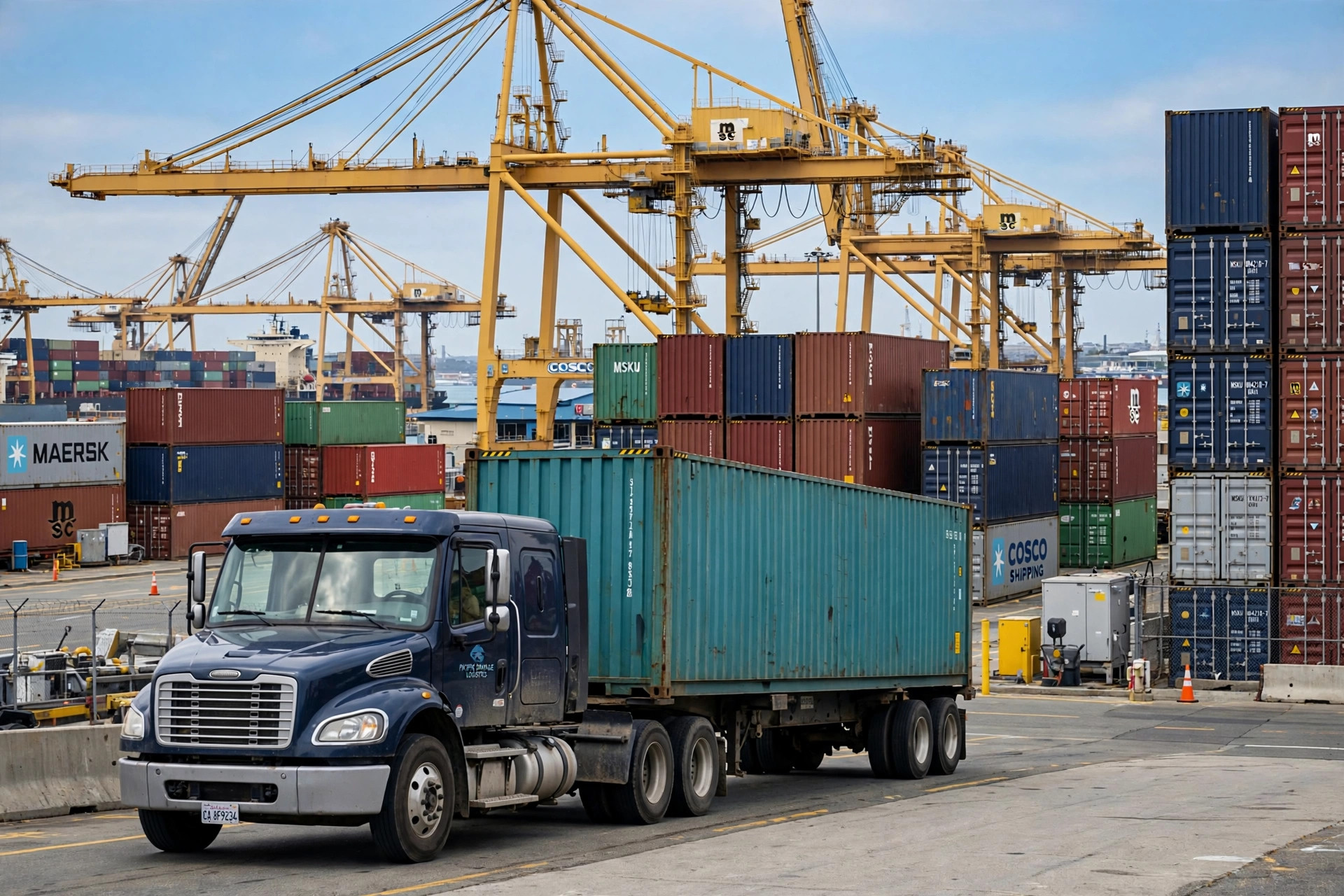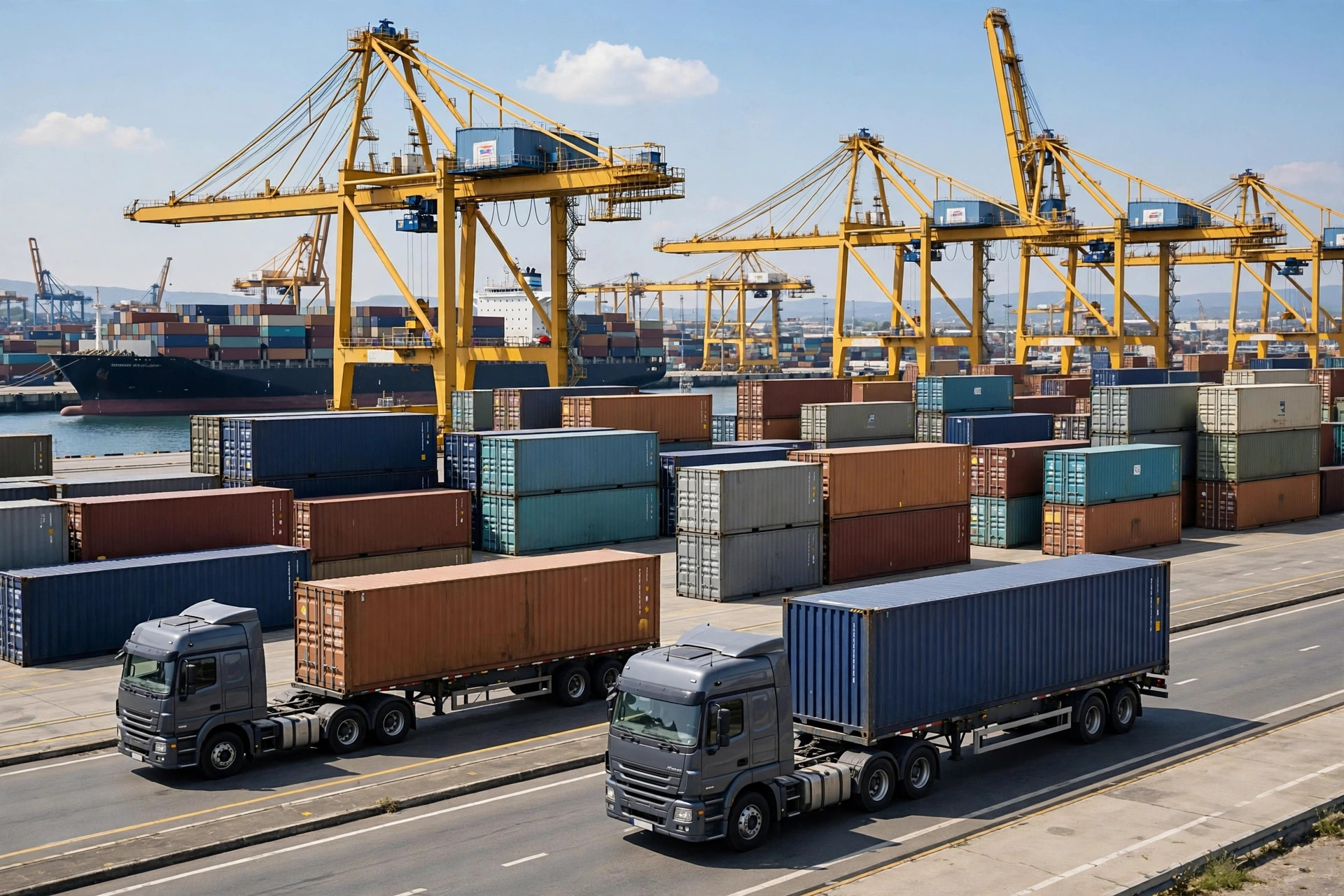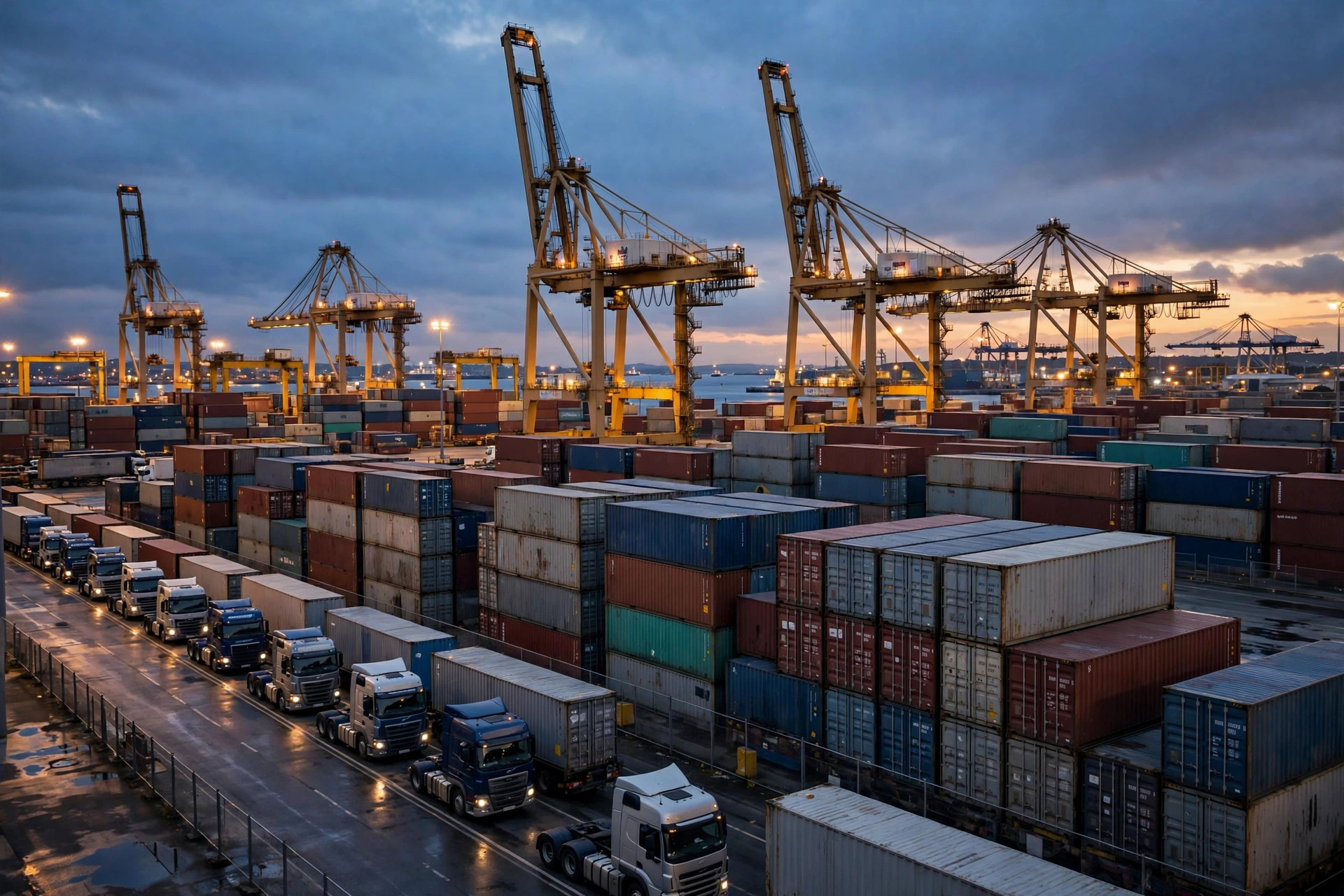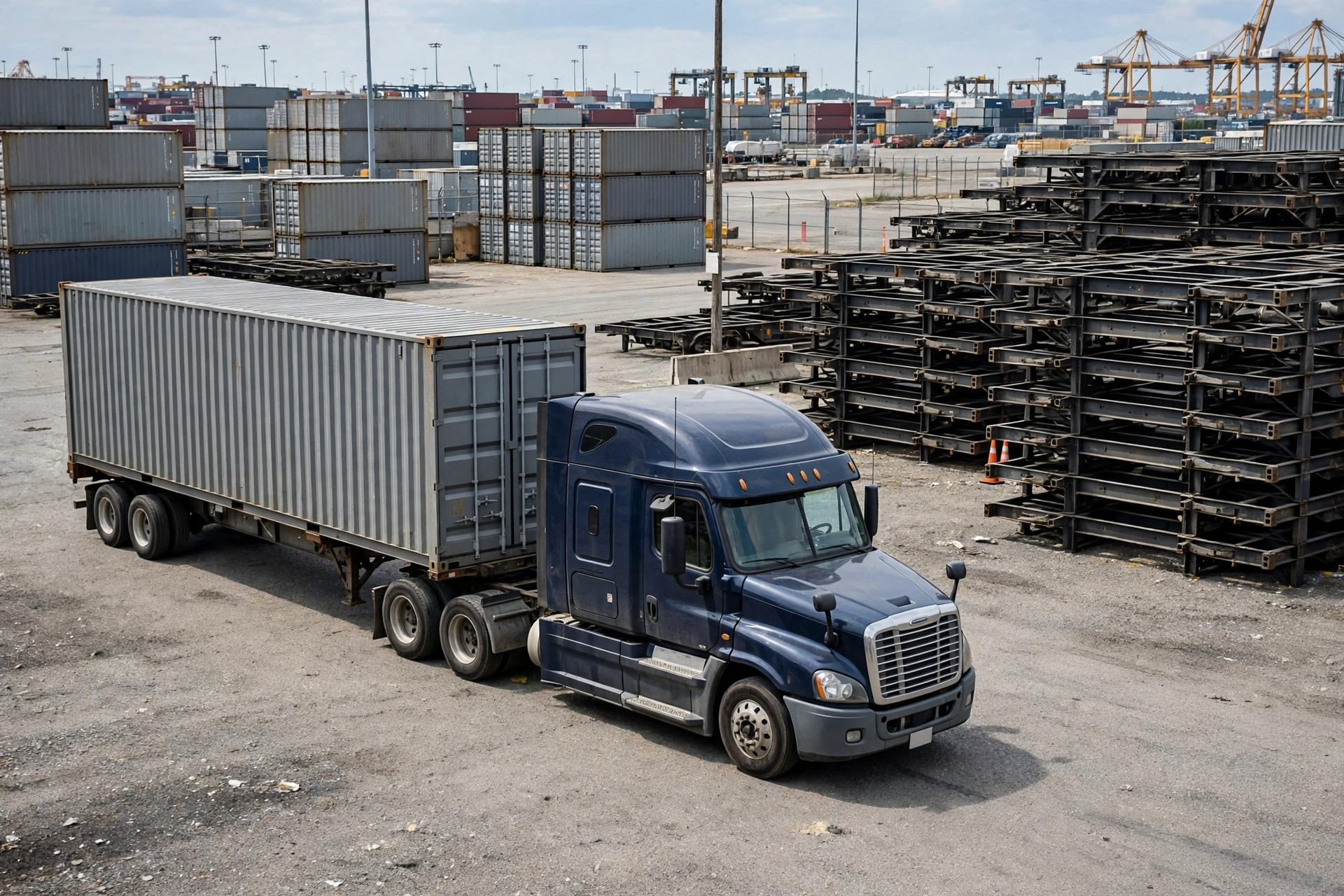
Most US importers focus their attention on getting the loaded container out, treating the empty container return as an afterthought trailing behind the pickup. That tail has been getting more expensive and more troublesome in recent years — to the point where it is turning from an afterthought into a standalone bill. Understanding empty returns starts with the numbers.
Industry rate surveys put a single empty-return move at $150 to over $500 for importers around Miami — and that is just the truck move. If the box comes back dirty, the ocean carrier charges a container cleaning fee of $20 to $50 per TEU, normally billed to the consignee, i.e., the importer. Look at the standard line items on a drayage invoice: base drayage $150 to $400 per box, chassis $25 to $75 per day, pre-pull $100 to $250 per box, driver detention $75 to $100 per hour after free time expires. None of these numbers is large on its own, but they share one trait: the triggers all hide inside the empty-return leg. There is also a time ledger that gets overlooked: free days on the box typically run only three to five, with per-diem charges after that varying by carrier — check the carrier's latest tariff. Every extra day the empty sits in your hands burns rental and can knock the next pickup off schedule.
Two frontline scenes illustrate the point. In 2025, a Los Angeles furniture importer had its driver return an empty to the terminal where the load had been picked up, out of habit — only to be turned away at the gate, because the carrier had designated an empty depot 30 miles away for that booking. A wasted round trip, a rebooked appointment the next day, and one more day of chassis rental. The lesson is concrete: the return location is designated by the ocean carrier and changes frequently; confirm the return instructions (the EIR) before the pickup, not from memory.
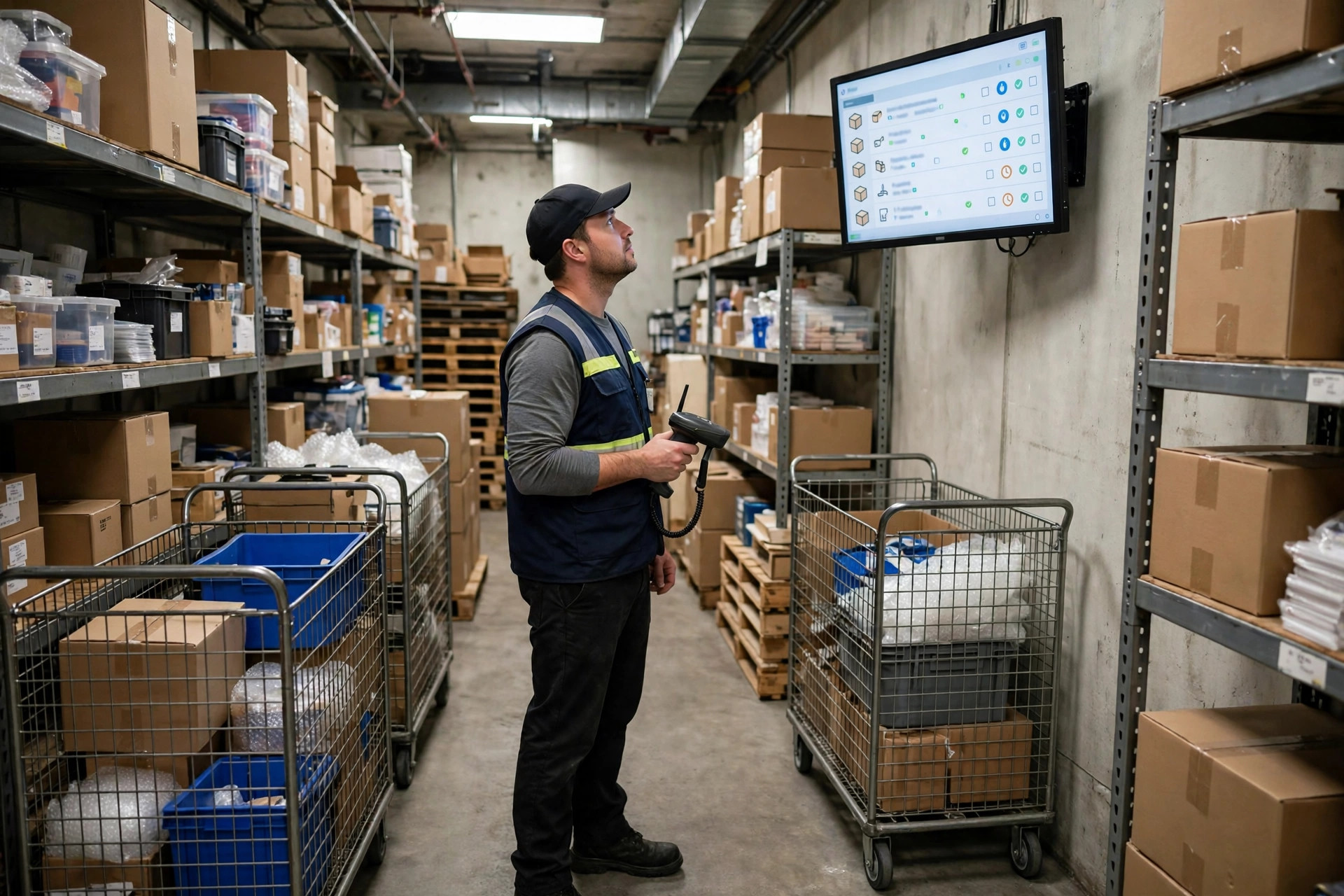
The second scene is in Chicago. An auto-parts importer kept receiving container washing bills month after month — sawdust and dust left inside the boxes. After adding one step at the warehouse, a pre-return self-check of sweeping out and photographing the box, the washing-fee disputes essentially disappeared. Twenty to fifty dollars a box looks trivial, but at 40 boxes a month it becomes a five-figure annual "cleanliness tax" at the midpoint of the range.
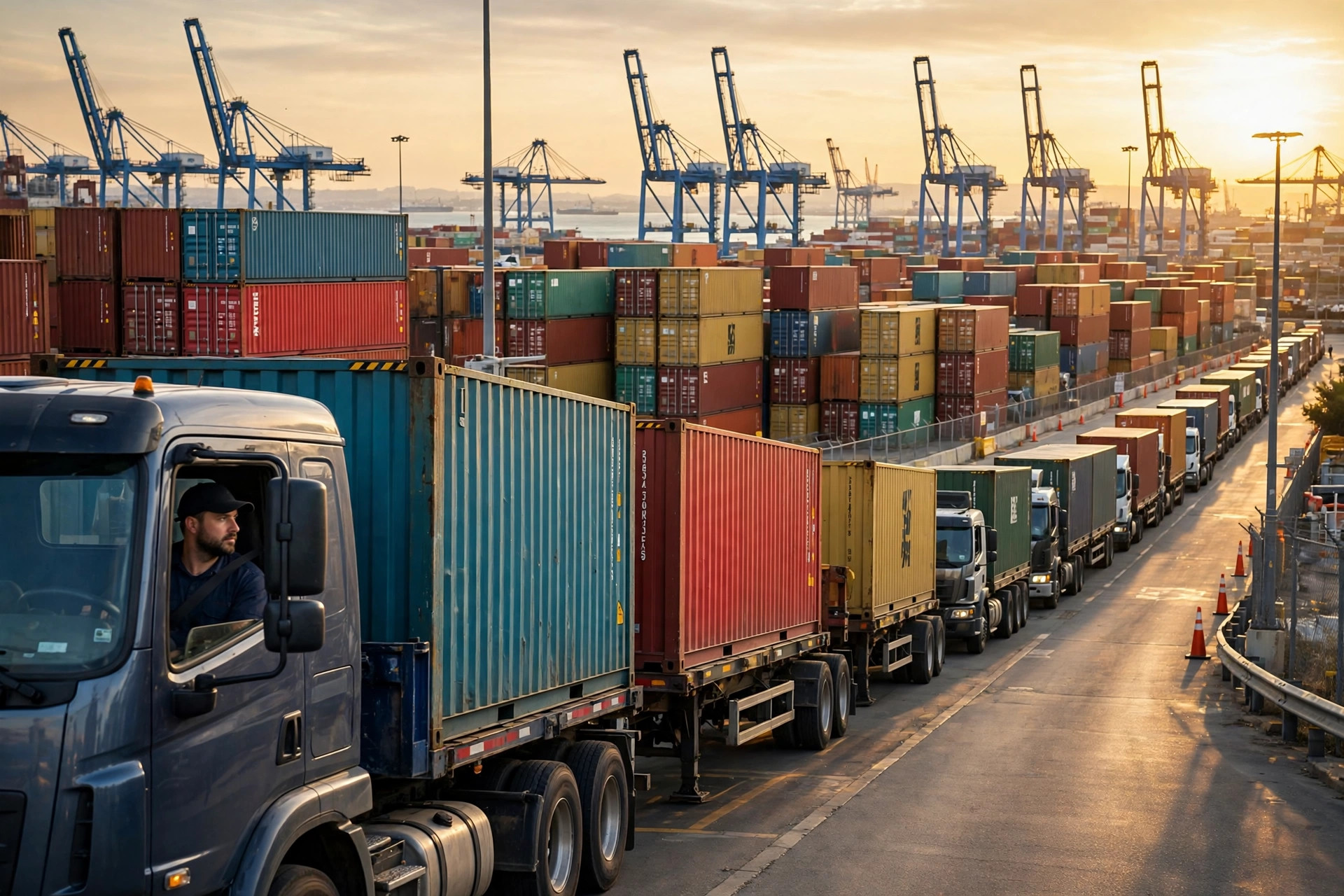
Why has the empty return grown so complicated in recent years? Four drivers, each reinforcing the others. First, carriers have centralized empty-container repositioning, so return points are no longer fixed — the same carrier may designate completely different depots for different voyages, which kills rule-of-thumb driving. Second, terminal appointment systems have spread; a truck without a valid appointment number does not get through the gate — across the 12 container terminals at Los Angeles and Long Beach, four different appointment systems are in use, and booking in the wrong one is the same as not booking at all. Third, equipment inspection has moved forward to the depot gate: dirty or damaged boxes get stopped at the entrance, so the old "return it first, argue later" approach no longer works. Fourth, the spread of dual transactions — returning the empty and pulling the next loaded or empty box within a single gate transaction, saving one truck mobilization — which not every terminal supports, so it pays to ask in advance. Note what the dual transaction actually saves: a whole truck mobilization — one fewer trip for the driver, one fewer chassis day. For an importer returning dozens of boxes a month, that adds up to real money on a monthly statement — how much depends on local drayage rates, and it is worth negotiating as its own line.
Where the empty-return money actually goes
Break the empty return apart and it is four cost layers stacked: the truck move itself (distance-driven, commonly $150 to $500-plus); time-based charges (chassis rental by the day, driver waiting by the hour, with typically only two hours of free unloading time and three to five free days on the box); equipment-condition charges ($20 to $50 washing fees, repair charges billed separately); and the cost of getting it wrong (wrong depot, expired appointment — the wasted trip is billed anyway). The counterintuitive part: most people assume fuel and mileage dominate the return leg, when in practice the most expensive item is rework — one rejected return means paying the truck move, the chassis days, and the rebooking time all over again.
Four common reasons drayage empty returns get rejected
From frontline operations, the four most common rejection reasons are: delivering to the wrong depot (not checking the carrier's latest return instructions); no appointment or an expired one; a box dirty enough to trigger a washing requirement on the spot; and unreported box damage. One more worth flagging: mismatched container or seal numbers will also stop a truck at the gate — one verification before departure saves a great deal of trouble.
A pre-return checklist
Turning the analysis above into actions gives a checklist the warehouse and the trucking team can use directly: confirm the carrier's return instructions and designated depot at pickup time; book the return appointment in advance and watch the appointment number's validity window; run a pre-return self-check — emptied, swept, undamaged — verify container and seal numbers, and photograph everything; report any damage to the carrier first instead of gambling on a direct delivery; and where the terminal supports it, pair the empty return with the next pickup as a dual transaction.
On the trend side, carriers will only tighten their demands on equipment turnaround; appointment-based, digitized return processes (electronic EIRs, online booking) are the clear direction, and the savings from dual transactions will increasingly show up as explicit lines in rate quotes. Another direction worth watching is the normalization of gate pre-inspection: more depots now check box condition at the entrance and issue washing tickets on the spot. The optimal response moves upstream too — from disputing charges after the fact to self-checking before the return. The data points one way: the empty return is graduating from an afterthought into an independently accounted cost center.
One open question to close with: now that the empty return is splitting off from the pickup charge into its own bill, should an importer's logistics cost model give "empty return" a line of its own? It is worth thinking about for anyone who counts costs by the box.
By Dr. Chen, Supply Chain Researcher