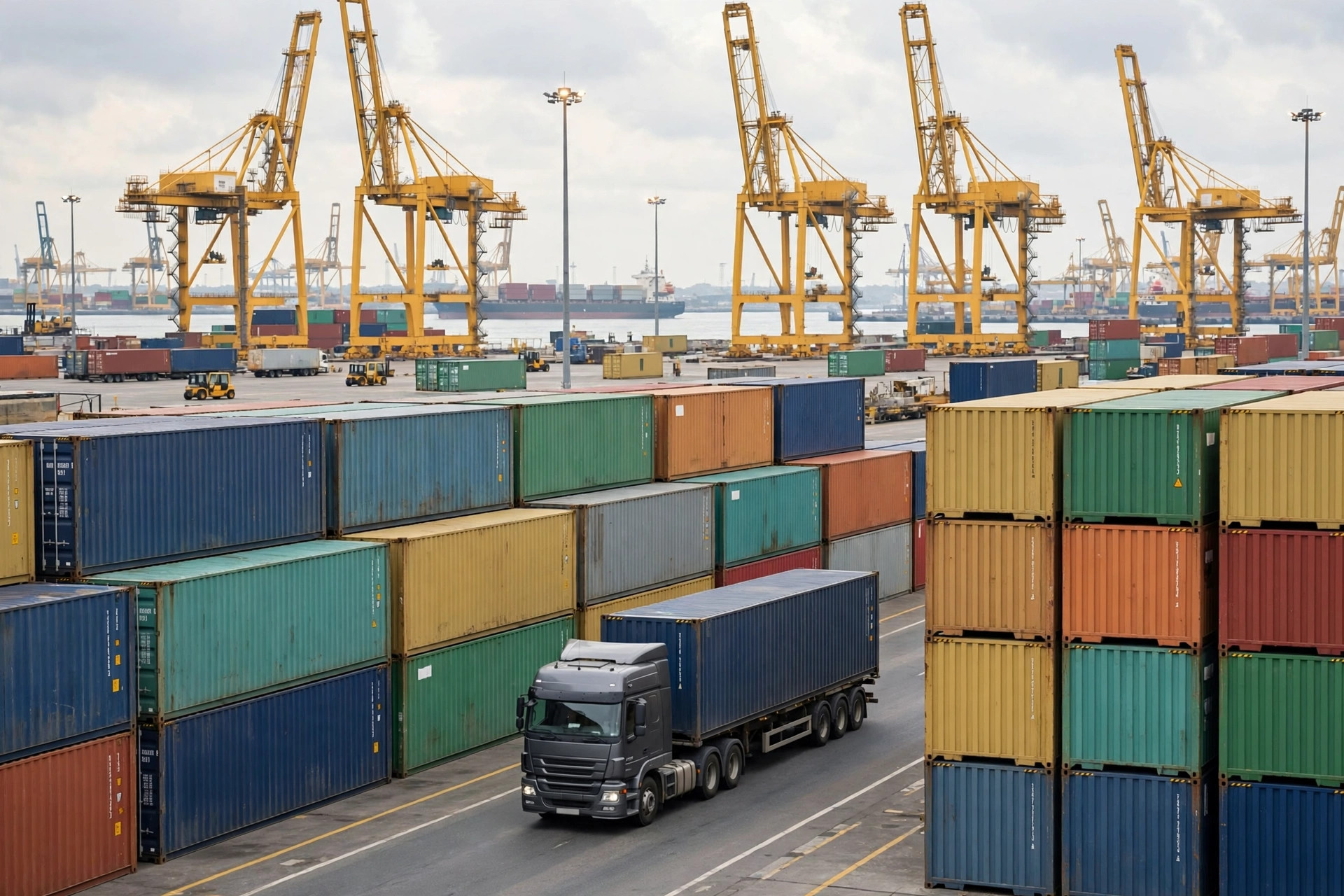
Fifteen years behind the wheel, and let me tell you something: the most expensive thing in trucking isn't diesel. It's an empty truck. Every mile you run empty burns the same fuel and pays the same driver wage, and earns you exactly zero. When I started running the Port of LA, dispatch would send me in to pick up an empty container and deliver it to a customer warehouse. Then I'd drive back empty — nearly a hundred miles round trip, half of it for nothing. I was young; I figured a finished job was a finished job. Took me a few years riding with the old hands to get it: the drivers who really know this business never come out of the terminal empty.
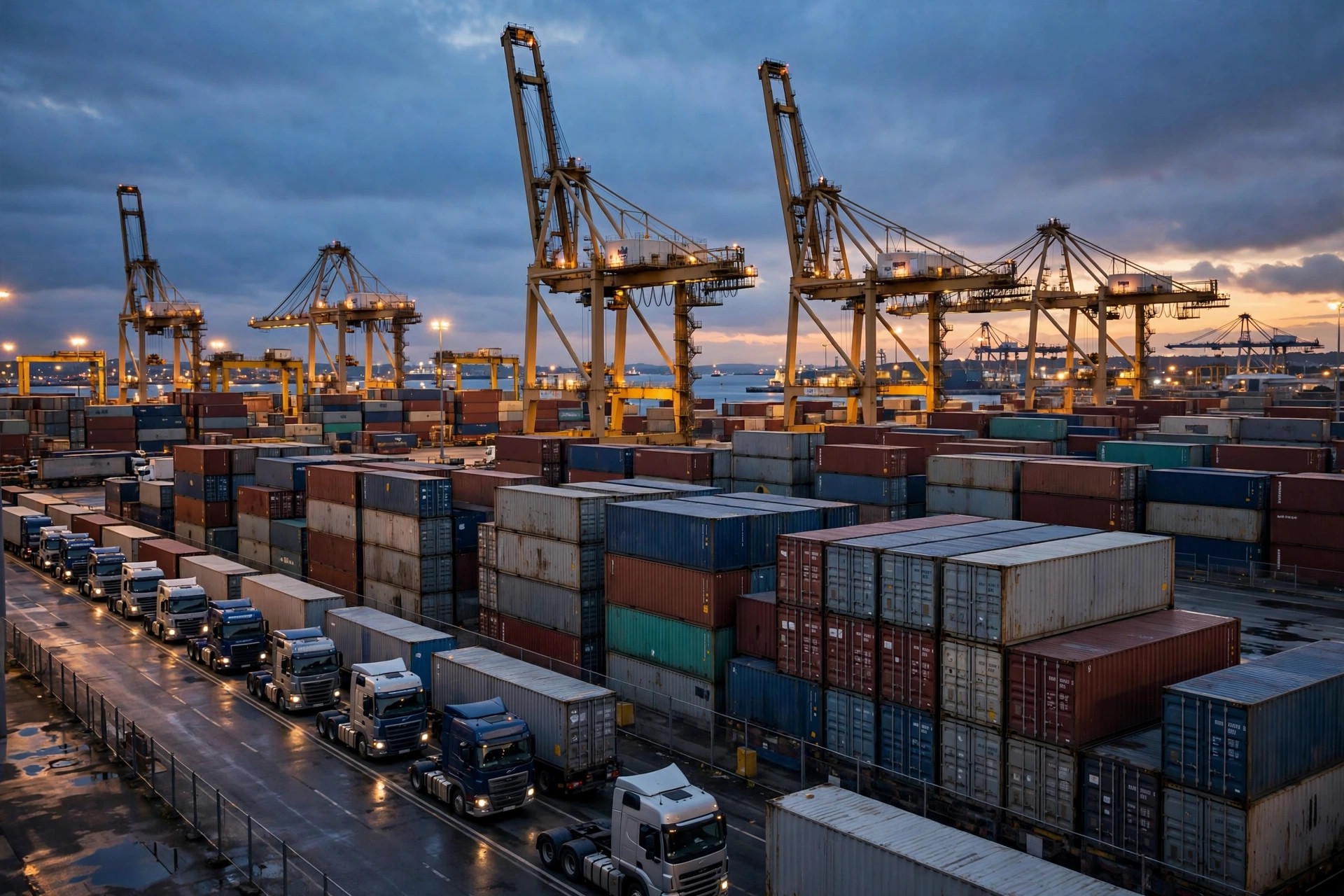
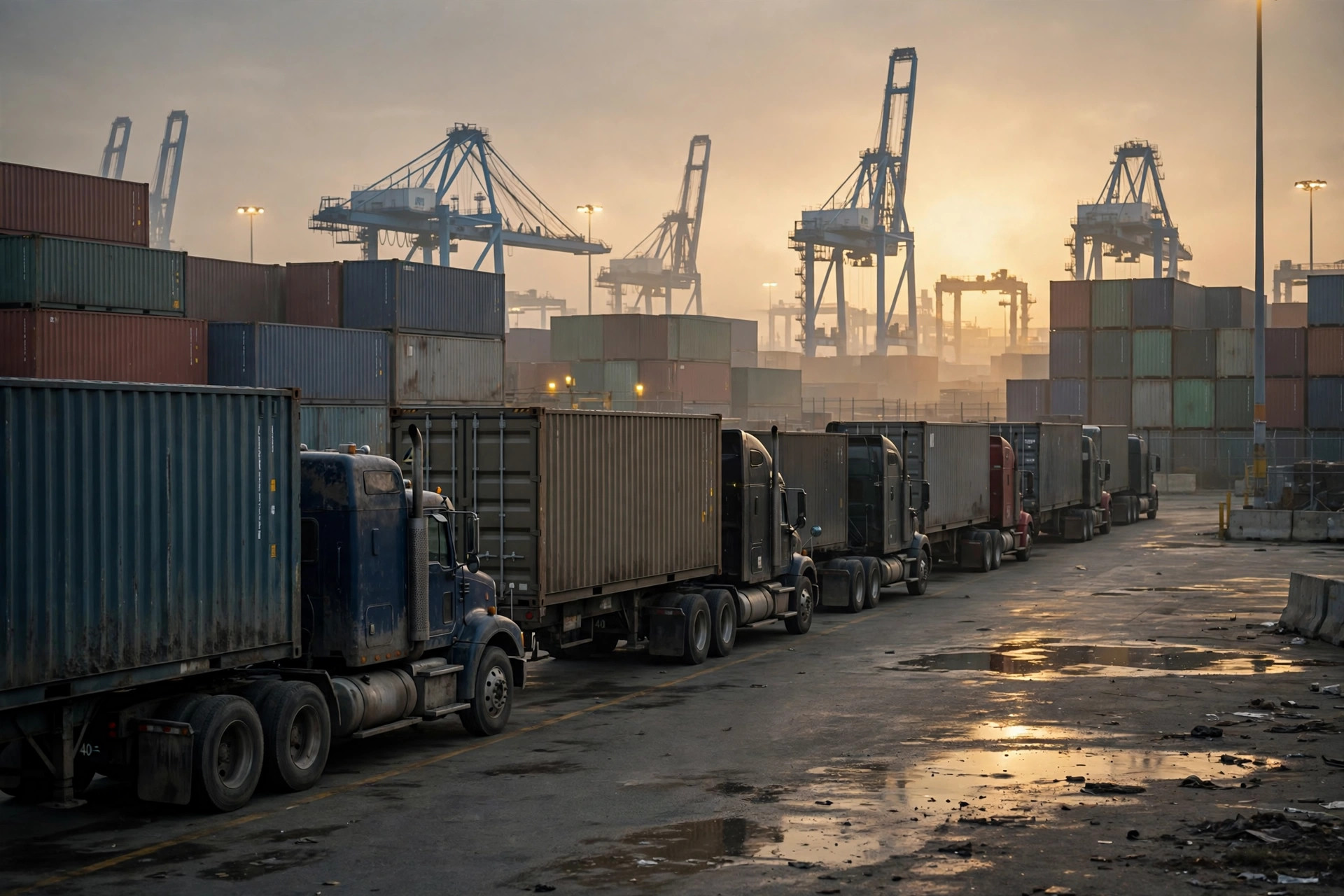
One fall morning a couple years back, I was in line at the terminal gate before dawn — must have been thirty trucks ahead of me. Nearly two hours later I rolled in and picked up my empty. On the way out I spotted Old Zhou pulling in with a loaded container; less than an hour later he came back out with an empty on his chassis. I rolled down my window: "You dropped the loaded box and grabbed an empty in one trip?" He grinned: "Yep. Drop and pick, one trip. Dispatch calls it a dual transaction." I'd burned two hours just standing in line that day; he'd done two jobs' worth of work in one run. Ever since, I've asked everybody how they play the dual-transaction game.
What a dual transaction actually is
Simple version: you drive into the terminal once, return the container you're done with, and pick up the one you need — or the other way around. One trip, two jobs. The whole point is to keep the wheels from turning empty. Terminals and steamship lines like it too — one fewer truck through the gate means one less unit of congestion.
But the savings aren't free. Three things have to line up, and if any one of them doesn't, the whole thing falls apart.
First, the appointments. You need a terminal appointment for the drop and another one for the pickup, and the two windows have to connect, with buffer for the queue in between. Miss the connection and your driver sits inside the terminal burning hours.
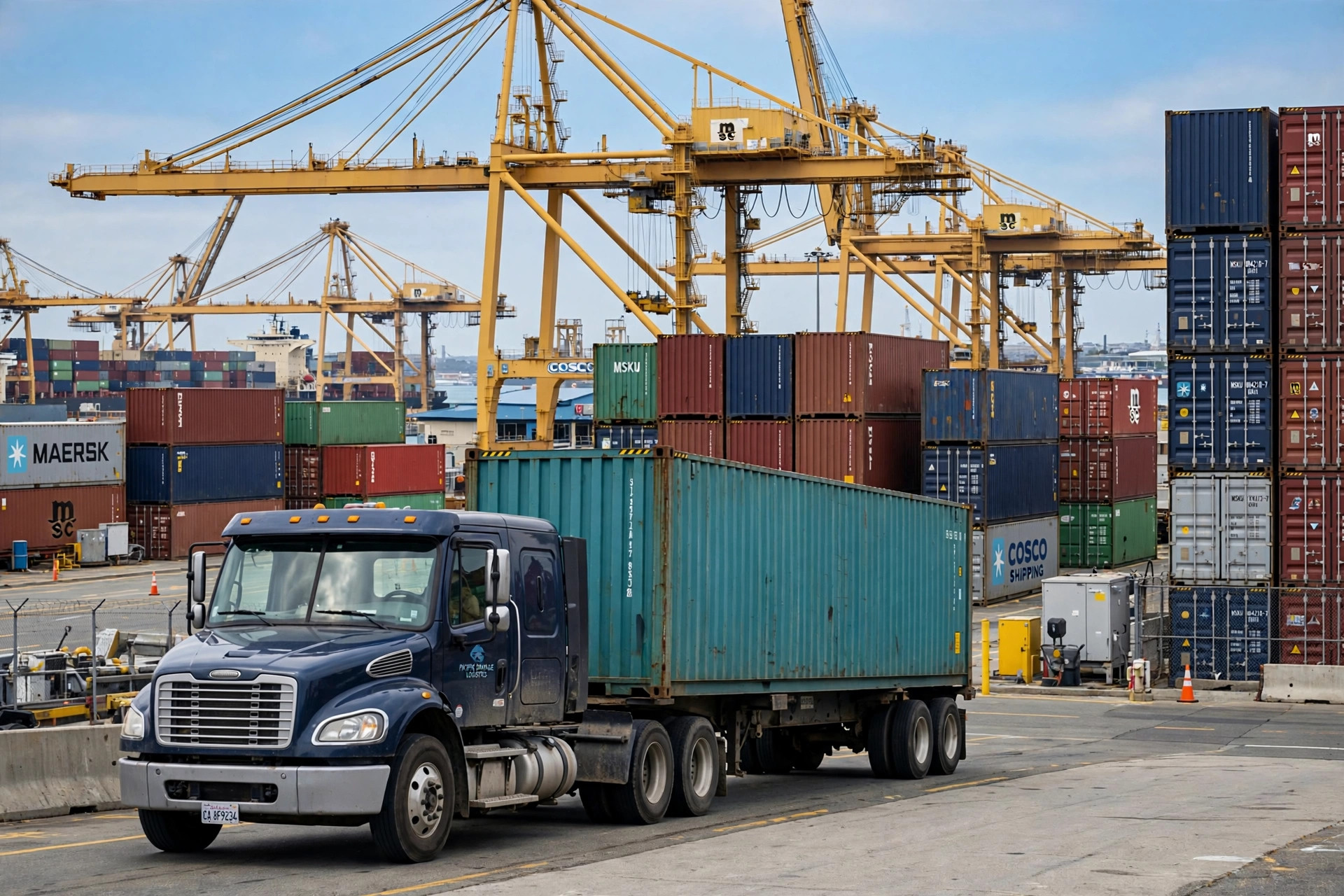
Second, the chassis. You're returning a 40-footer and picking up a 20-footer? The chassis won't match, and you'll burn the better part of an hour swapping chassis inside the terminal. The smooth ones are 40-for-40 or 20-for-20 — same chassis, hook up and go.
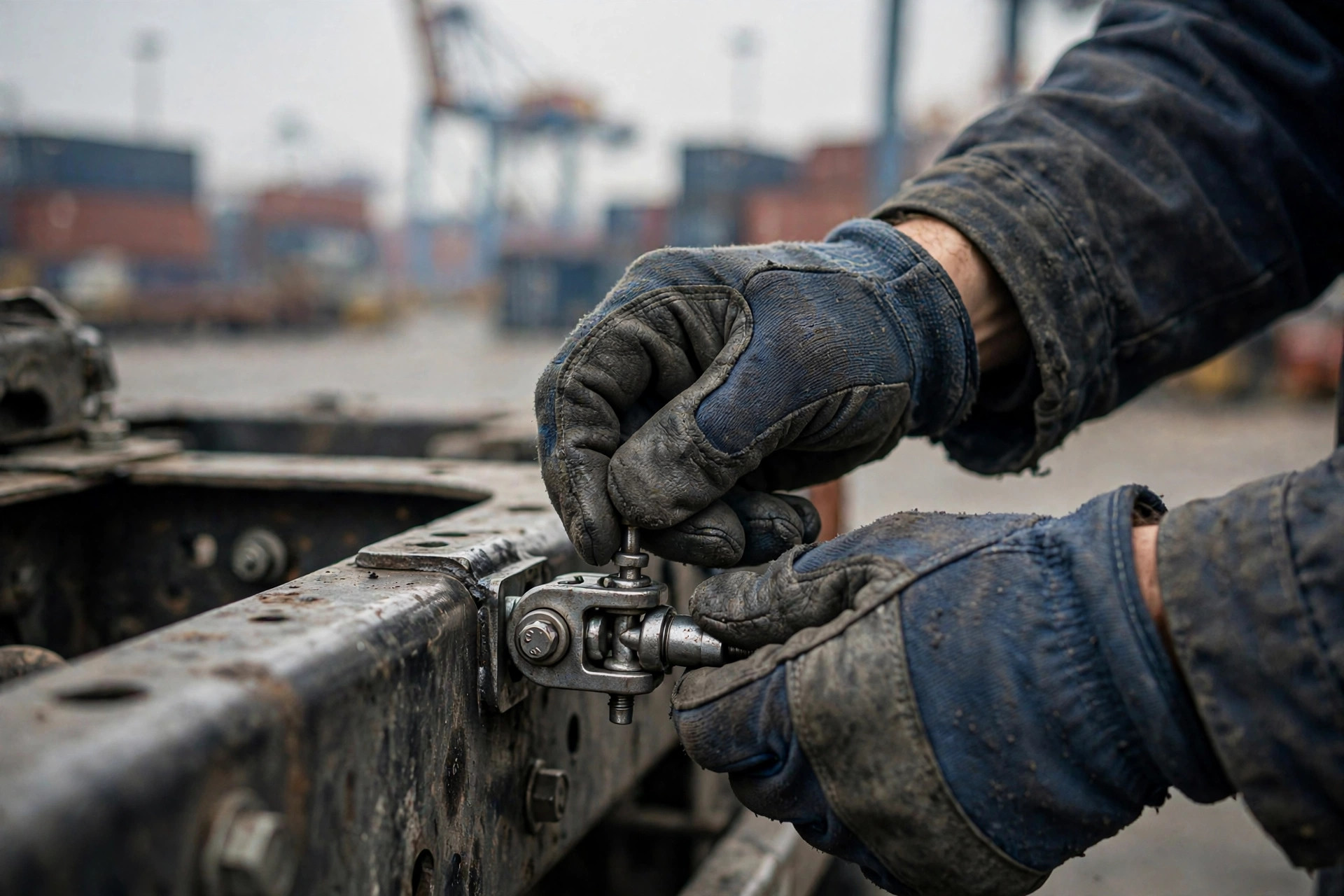
Third, the paperwork. A drop needs its return documents; a pickup needs its pickup order. One trip, two jobs, two sets of papers — check them twice before you roll. I learned that the hard way: once the container number on my pickup order was off by one digit, the gate wouldn't take it, and my dual transaction turned into a single. Dispatch was not happy.
Doing the math
Most people think dual transactions save fuel. They don't — or rather, that's not the real prize. What they save is time, which is how many jobs a driver can run in a day. Here's a side-by-side using a lane I run all the time; the numbers are illustrative, your lane will differ:
| Single job (pickup only) | Dual transaction (drop + pick) | |
|---|---|---|
| Empty miles | Full empty return leg | Almost none |
| Terminal queue | Queue once | One visit, longer inside |
| Appointment hassle | Grab one window | Need two connecting windows |
| Chassis risk | Low | High — sizes must match |
| Best for | Jobs that can't pair up, tight timing | Drop and pick that pair naturally |
Say the terminal is 40 miles from the customer warehouse. Pickup-only: 40 miles loaded out, 40 miles empty back. Dual transaction: you were already driving the loaded box in to return it — 40 miles; then you bring the empty back — 40 miles. You just erased the entire empty return leg of what used to be a separate trip. Over a day, that's half a day freed up, which is another job for the driver. That's the math dispatchers love: same driver, one well-planned dual move, one extra job in the day. That's real money.
When NOT to force it
A dual transaction isn't always the smart play — I want to say that up front. I got burned once when the terminal was jammed: normally an hour in line, that day it was three-plus. My dual move sat inside all afternoon, and by the time I got out it was dark and the rest of the day's work was shot. Lesson learned: if the queue is over two hours, or the two appointment windows won't connect, split them up and stagger your gate times.
The other trap: the drop and the pickup are at different terminals. LA/LB has more than a dozen terminals; a cross-terminal dual move adds dozens of miles on the road, wipes out the empty-mile savings, and burns extra fuel on top. That's why the old dispatchers always ask in this order: which two terminals first, what's the queue looking like second, and only then — can we pair this into a dual move? Get the order wrong and the math flips on you.
Straight talk for shippers and dispatchers
For shippers: if you've got loaded import containers to return and empties to pick up for export, hand both orders to your carrier at the same time — not one today and one tomorrow. Orders that can't pair up can't become dual moves, no matter how good your dispatcher is. And don't push your returns to the last day of free time — when the terminal congests, demurrage accrues by the day; check each terminal's current published rates, because a day late is a day paid.
For dispatchers: when building a dual move, check the chassis first, the appointment windows second, the queue third. A dual transaction saves empty miles but gambles on time — lose control of the queue and you give it all back. In peak season, play it conservative; don't bet the whole day's plan to save one empty leg.
Wheels only make money when they're turning loaded. Every empty mile comes out of your own pocket. The dual transaction is just the art of never running empty — but knowing when to push and when to back off, that's the scale you carry in your head.
By Shifu Zhao, Trucking Veteran (15 yrs)